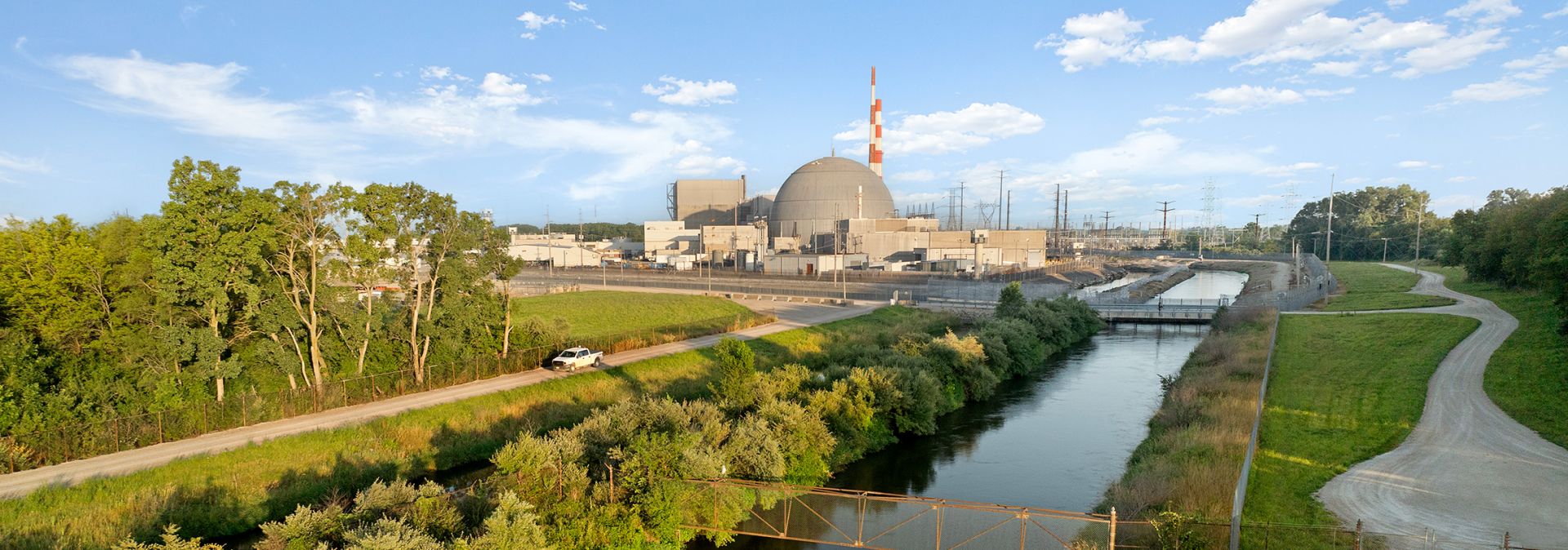
The Darlington site is situated on the northern shore of Lake Ontario in Canada. (Photo: OPG)
Canada has launched a Nuclear Energy Strategy, a long-term vision of its nuclear power potential that includes plans to deploy up to 10 new large-scale reactors in the country by 2040.
The June 22 announcement, along with ongoing projects at Darlington and Bruce Power, further confirm Canada's ambitions to expand its nuclear power presence not just domestically but also abroad. Four pillars stand at the heart of the country’s Nuclear Energy Strategy: new nuclear builds in Canada, maintaining its status as a top nuclear supplier and exporter, expanding uranium production, and continuing nuclear fission and fusion innovations.
Constellation’s Dresden nuclear power plant. (Photo: Constellation)
Yesterday, Constellation announced that it has entered into a long-term nuclear power purchase agreement (PPA) for 176 MW of electricity from its Dresden nuclear power plant. That PPA, which will also help facilitate a 30-MWe uprate, is providing power to an unusual partner: Walmart.
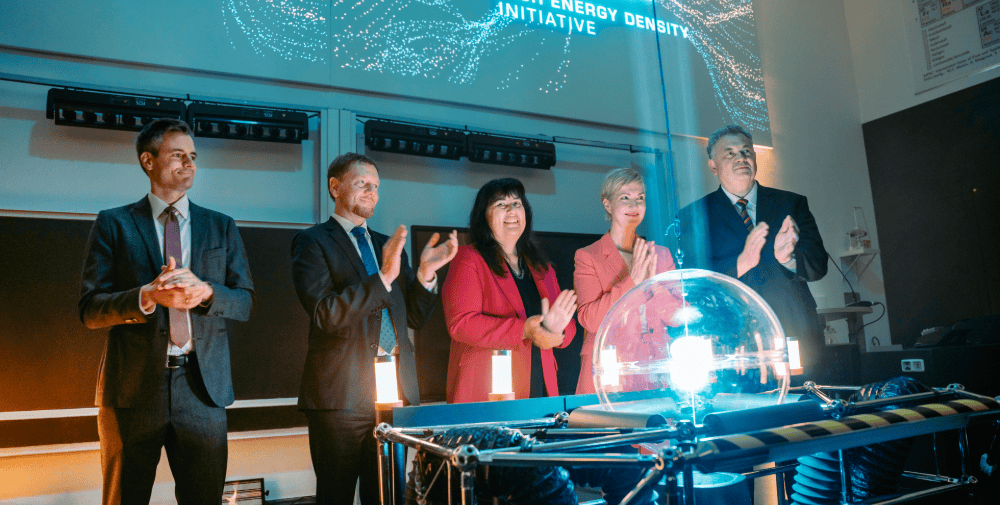
Participating in the ceremony marking the founding of HEDI are, from left, BMFTR Ministerial Director Michael Zimmermann, Saxony Minister-President Michael Kretschmer, University of Rostock President Elizabeth Prommer, Mecklenburg–Western Pomerania Minister-President Manuela Schwesig, and HZDR Scientific Director Sebastian M. Schmidt.
Two German institutions—the University of Rostock and the Helmholtz-Zentrum Dresden-Rossendorf (HZDR) research center—have come together to launch HEDI: The High Energy Density Initiative. The initiative will serve as a fusion research hub to investigate the physical processes and extreme conditions associated with nuclear fusion.
HEDI’s research into the behavior of matter at extremely high temperatures and pressures is expected to have applications for future inertial confinement fusion energy projects as well as for basic astronomical knowledge.
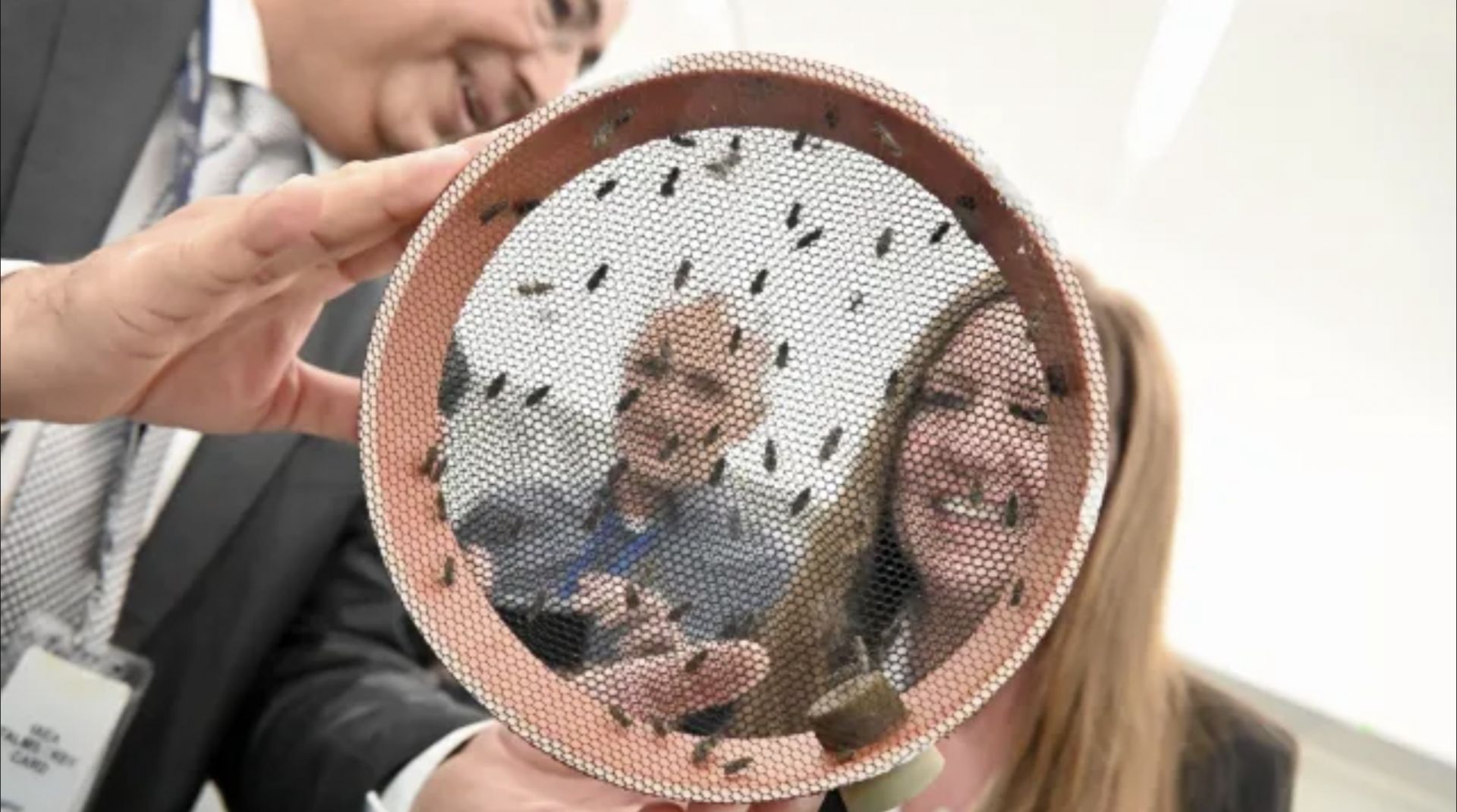
Scientists at the Joint FAO/IAEA Centre showcase the Insect Pest Control Laboratory’s cutting-edge facilities to U.S. expert Heather Walden. (Photo: USUNVIE)
Last week, the International Atomic Energy Agency announced the launch of a coordinated research project focused on a nuclear technique that can tackle the reemergence of New World screwworm (NWS) in Central America, Mexico, and the United States.
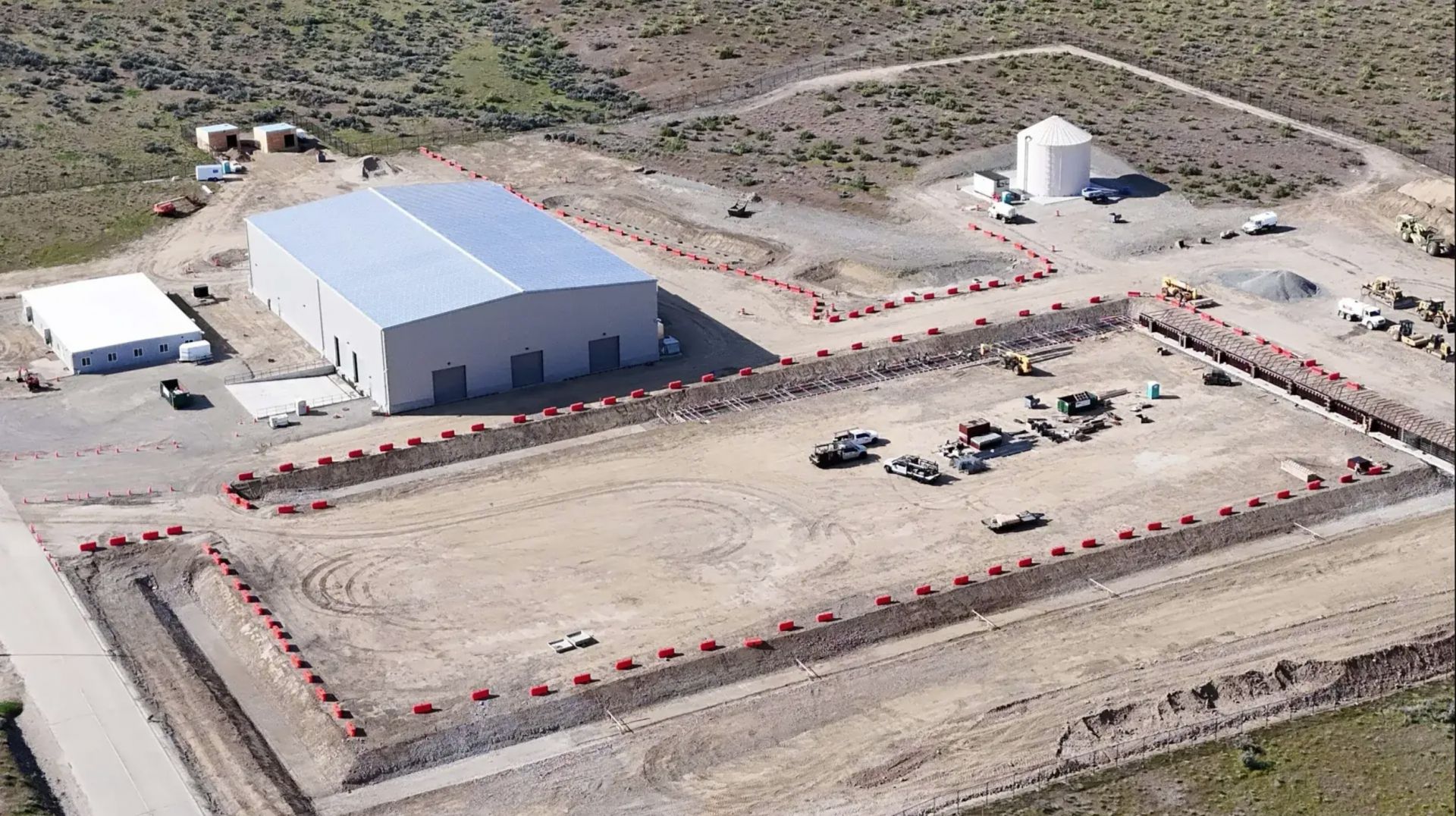
Preliminary construction work currently is underway on Helion’s generator building for its Orion project. (Photo: Helion)
Last week, Everett, Wash., fusion start-up Helion Energy announced that it has received its radioactive materials license and radioactive air emissions license from the state of Washington.
According to the company, these milestones make it “the first company in the world to secure the regulatory licenses needed for a fusion power plant” and represent confirmation that it has the needed facilities, trained personnel, and safety programs in place to safely operate its fusion machine.
The Texas A&M–RELLIS Energy Proving Ground, in Bryan, Texas. (Photo: TAMUS)
Terrestrial Energy has signed ground lease and research agreements with the Texas A&M University System (TAMUS) to exclusively use about 77 acres of land at the Texas A&M–RELLIS campus, in Bryan, Texas, for development of the company’s Integral Molten Salt Reactor (IMSR). The agreements give Terrestrial Energy control of the site and provide support for completion of site characterization work, environmental evaluations, and testing and research activities related to the IMSR.
Dewey Burdock uranium project site in Fall River County, S.D. (Photo: BLM)
EnCore Energy announced on June 18 that the Bureau of Land Management issued a final decision and approved the Dewey Burdock uranium project, authorizing the company to begin construction for the uranium in situ recovery project in southwestern South Dakota.
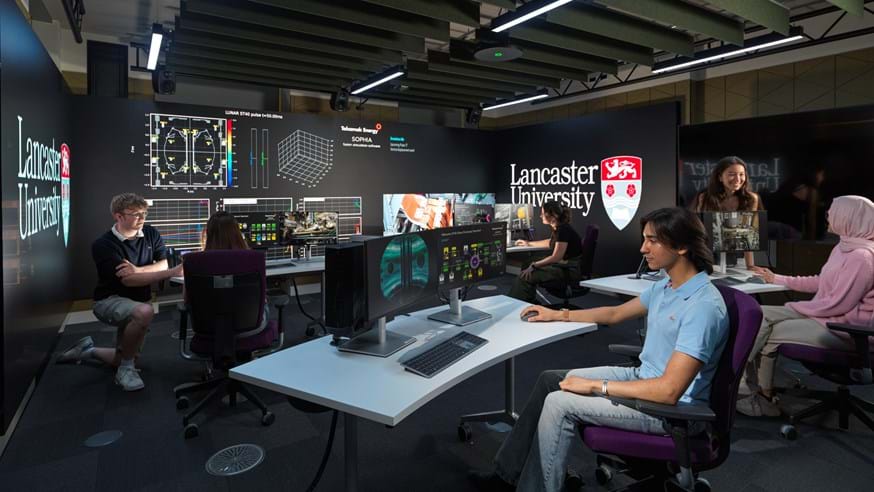
The Lancaster University Nuclear Operations Simulator. (Photo: Lancaster University)
Lancaster University in England is the home of an unusual nuclear power simulator that can be used for both fusion and fission education.
A Valar Atomics photo marking criticality of the Ward 250. (Photo: Isaiah Taylor/LinkedIn)
El Segundo, Calif.–based start-up Valar Atomics has taken its Ward 250 test reactor critical at the Utah San Rafael Energy Lab (USREL), becoming the second company in the Department of Energy's Reactor Pilot Program to reach the milestone, and, according to the DOE, the first to do so outside a national laboratory.
The DOE celebrated the achievement in a June 18 announcement, describing it as a "zero-power fueled criticality demonstration." The news follows a similar update for Antares Nuclear's Mark-0 reactor, which the DOE said achieved criticality at Idaho National Laboratory earlier this month.
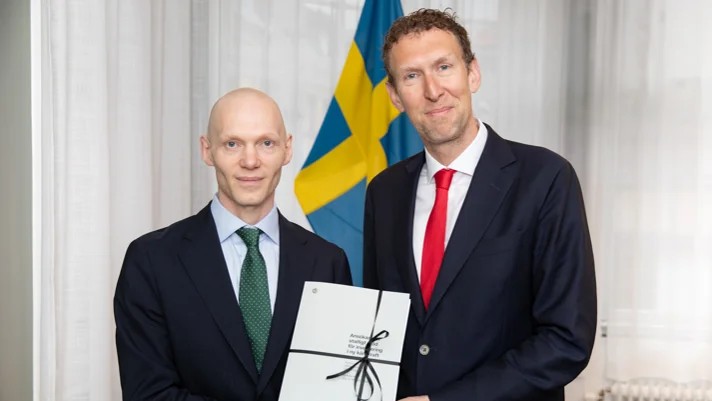
Minister for Financial Markets Niklas Wykman (left) and Blykalla CEO Jacob Stedman. (Photo: Olle Friman/Government Offices)
Within the span of two weeks, three Swedish companies—Blykalla, Studsvik, and Nordic Baseload Power—submitted applications to their country’s government for state aid for their respective new nuclear builds. Applications are handled by Sweden’s Ministry of Finance.
In early June, SMR developer Blykalla submitted its application to the Swedish government, followed by engineering services firm Studsvik on June 12. And on June 16, energy company Nordic Baseload Power became the latest to apply for financial support. Overall, the Swedish government has received four applications for state aid since last year.
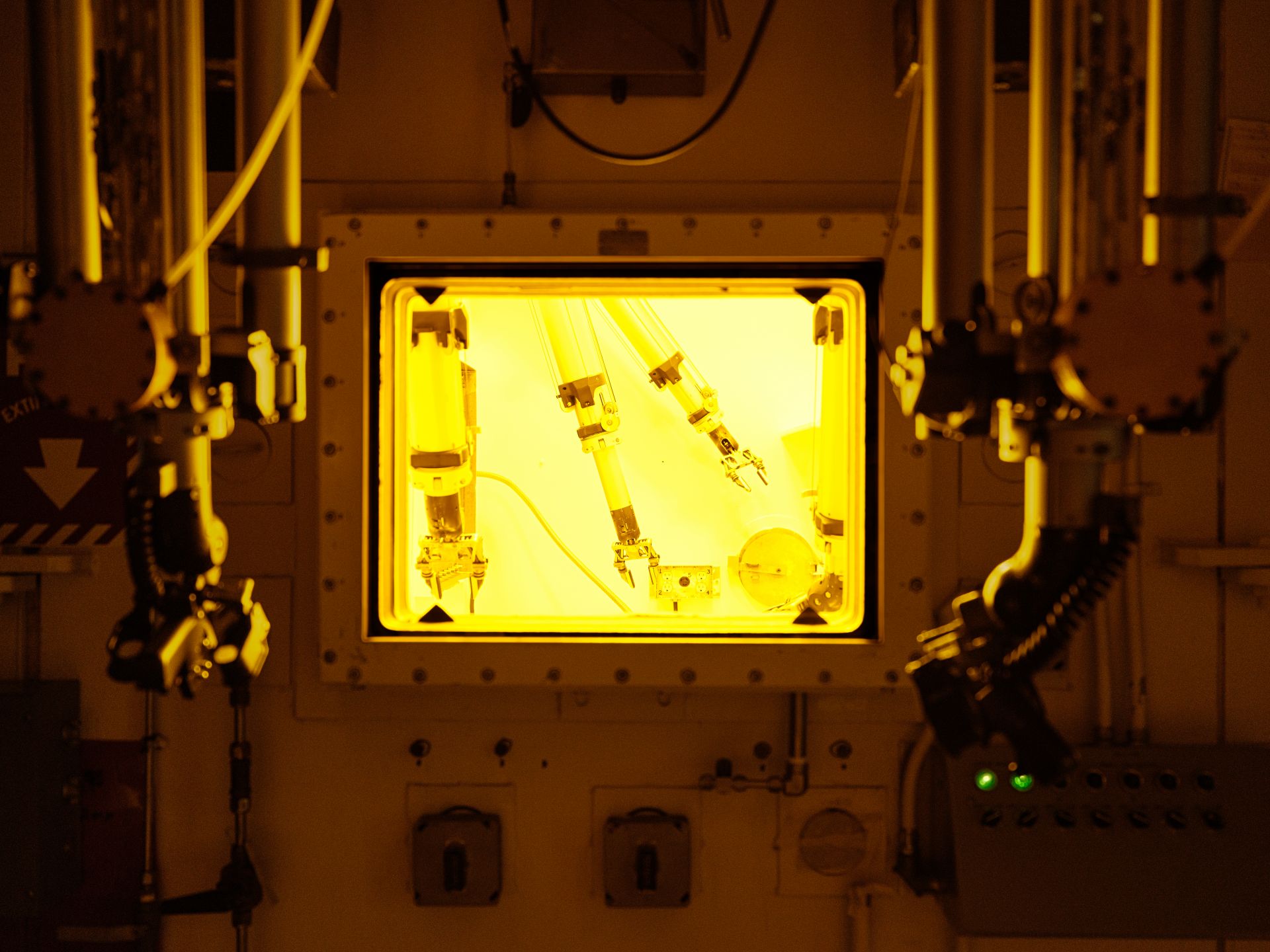
Vallecitos hot cell. (Photo: Zeno Power)
Zeno Power announced today that it is restoring hot cell infrastructure at the Vallecitos Nuclear Center to produce radioisotope power systems (RPSs) for use in extreme environments.
“The facility is initially supporting production of strontium-90–fueled nuclear batter[ies] for undersea applications,” said Tyler Bernstein, Zeno cofounder and CEO. “Zeno is also scoping options as it seeks to rapidly scale production of nuclear batteries for space domains.”
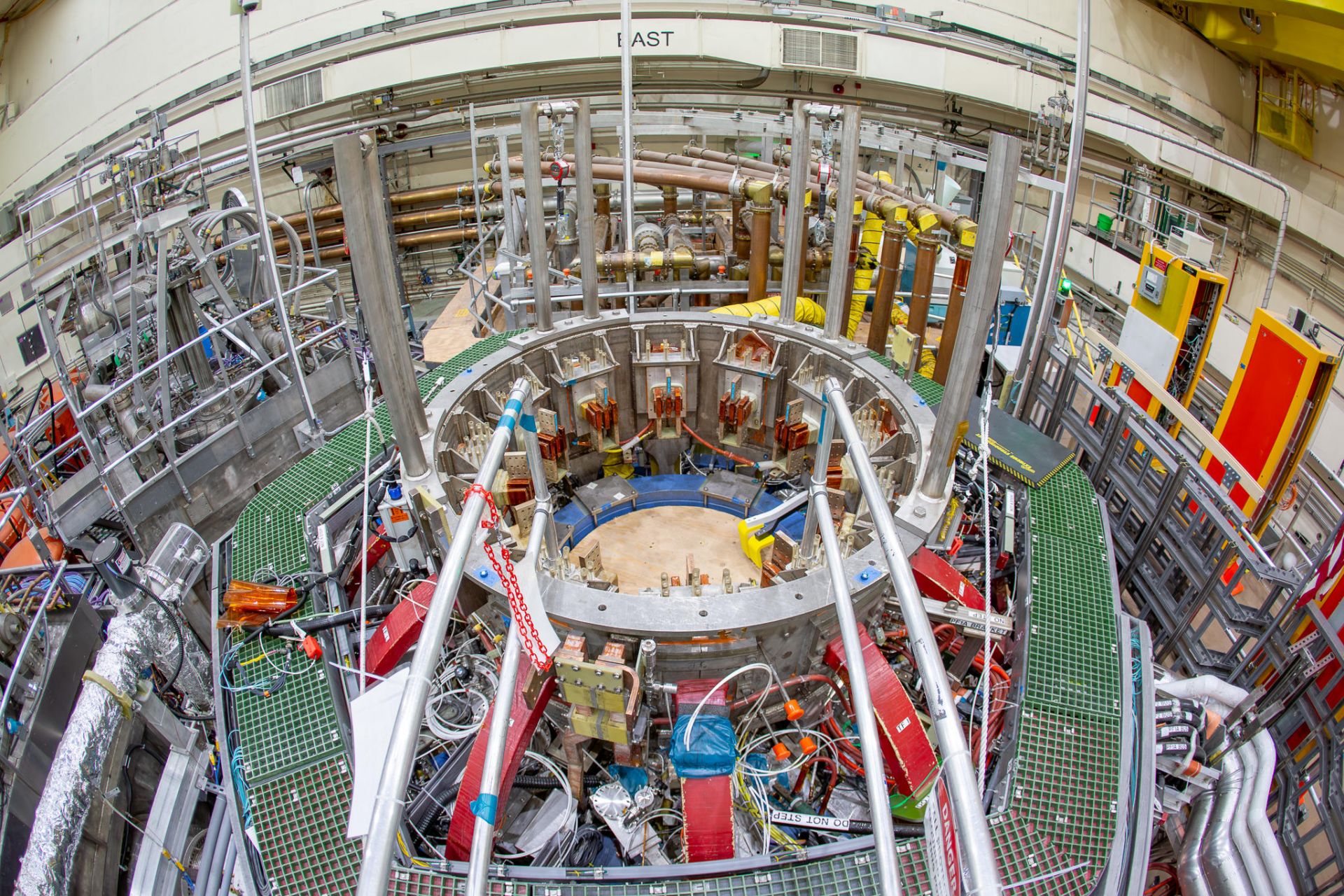
Princeton Plasma Physics Laboratory's NSTX-U. (Photo: Michael Livingston/PPPL)
The central magnet bundle for the National Spherical Torus Experiment–Upgrade (NSTX-U) at Princeton Plasma Physics Laboratory has been delivered to the facility in New Jersey, the national lab recently reported. The school bus–sized, 23,000-pound magnet bundle, manufactured at Elytt Energy in Bilbao, Spain, consists of a toroidal field magnet system and an ohmic-heating magnet system.
Oklo’s Aurora reactor concept. (Image: Oklo)
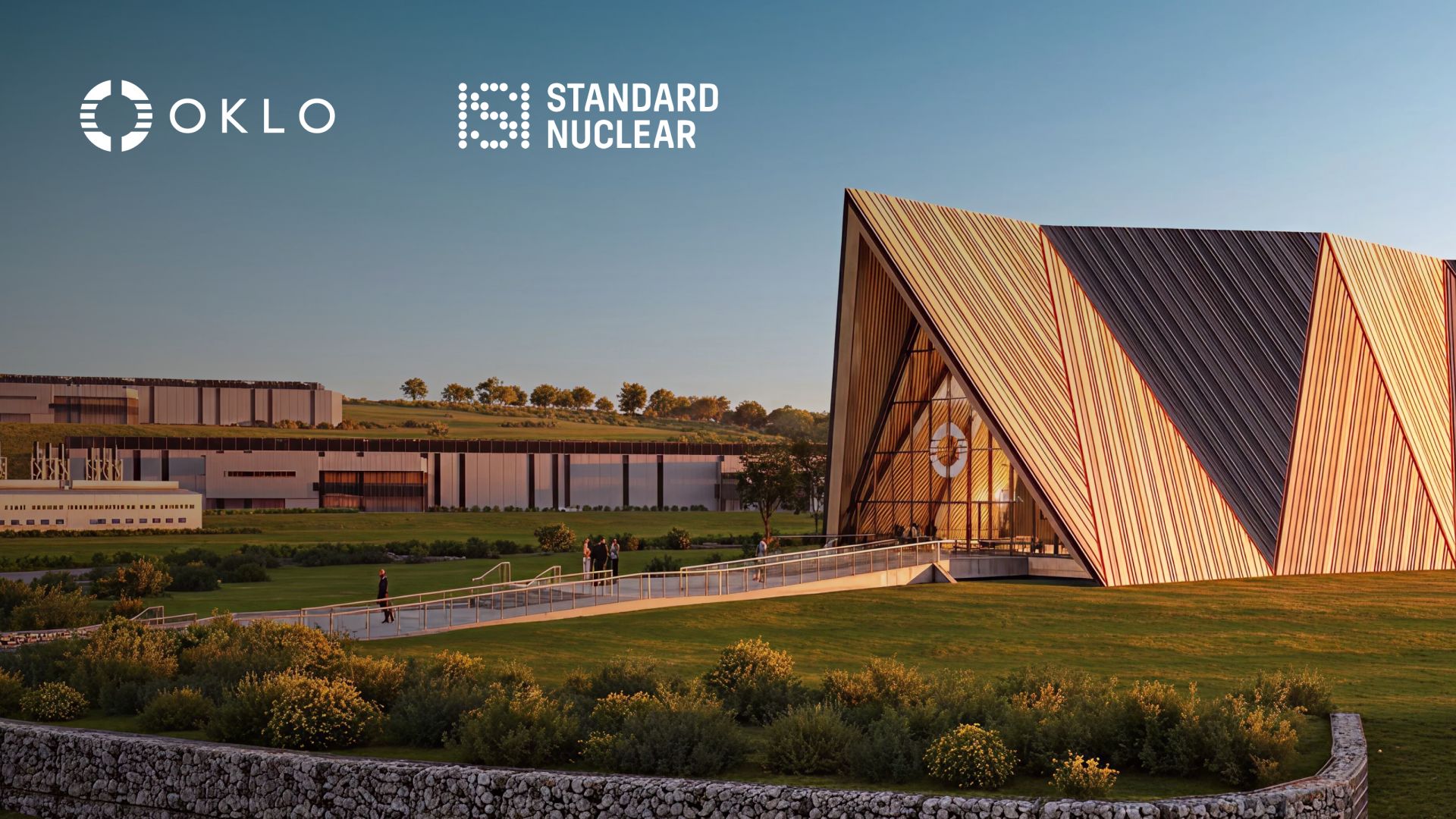
Oklo announced that it has signed a memorandum of understanding with Standard Nuclear to explore commercial collaboration on nuclear fuel recycling and advanced fuel manufacturing. According to Oklo, the collaboration with TRISO fuel fabricator Standard Nuclear represents the company’s first third-party offtake pathway for recycled nuclear materials, including surplus U.S. plutonium.
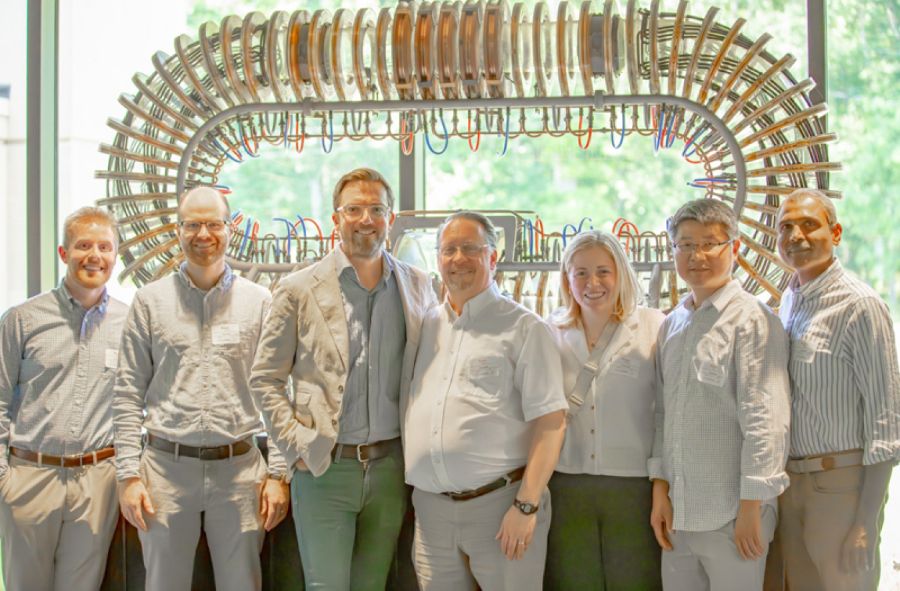
The Thea Energy team in front of PPPL’s model stellarator exhibited at the 1958 Atoms for Peace conference in Geneva, Switzerland. (Photo: Michael Livingston/PPPL)
Thea Energy has announced it is working with Nvidia and Synopsys to develop a digital twin of its stellarator fusion power plant concept, called Helios.
The team, which also includes Argonne National Laboratory and Princeton Plasma Physics Laboratory, will “analyze and scale vast datasets, rapidly evolve Thea Energy’s plant designs, and stress-test system operation in a workflow that outpaces traditional tools,” according to the company.



.jpg)