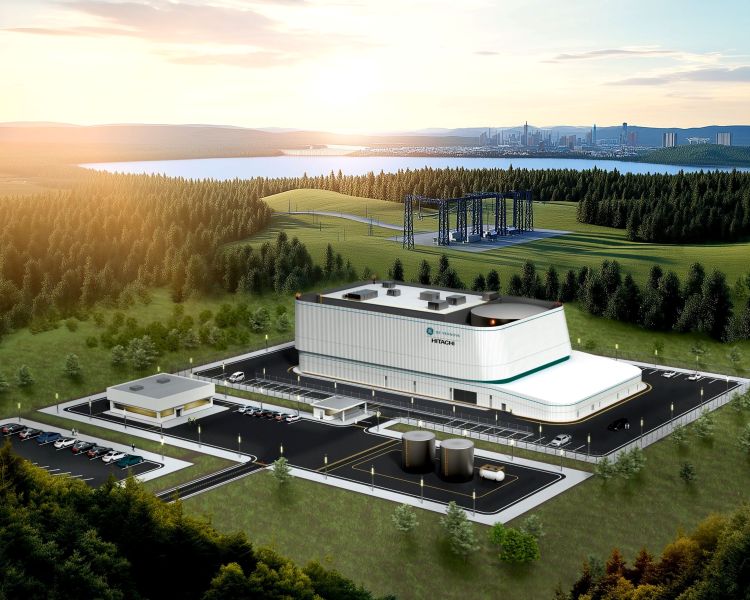
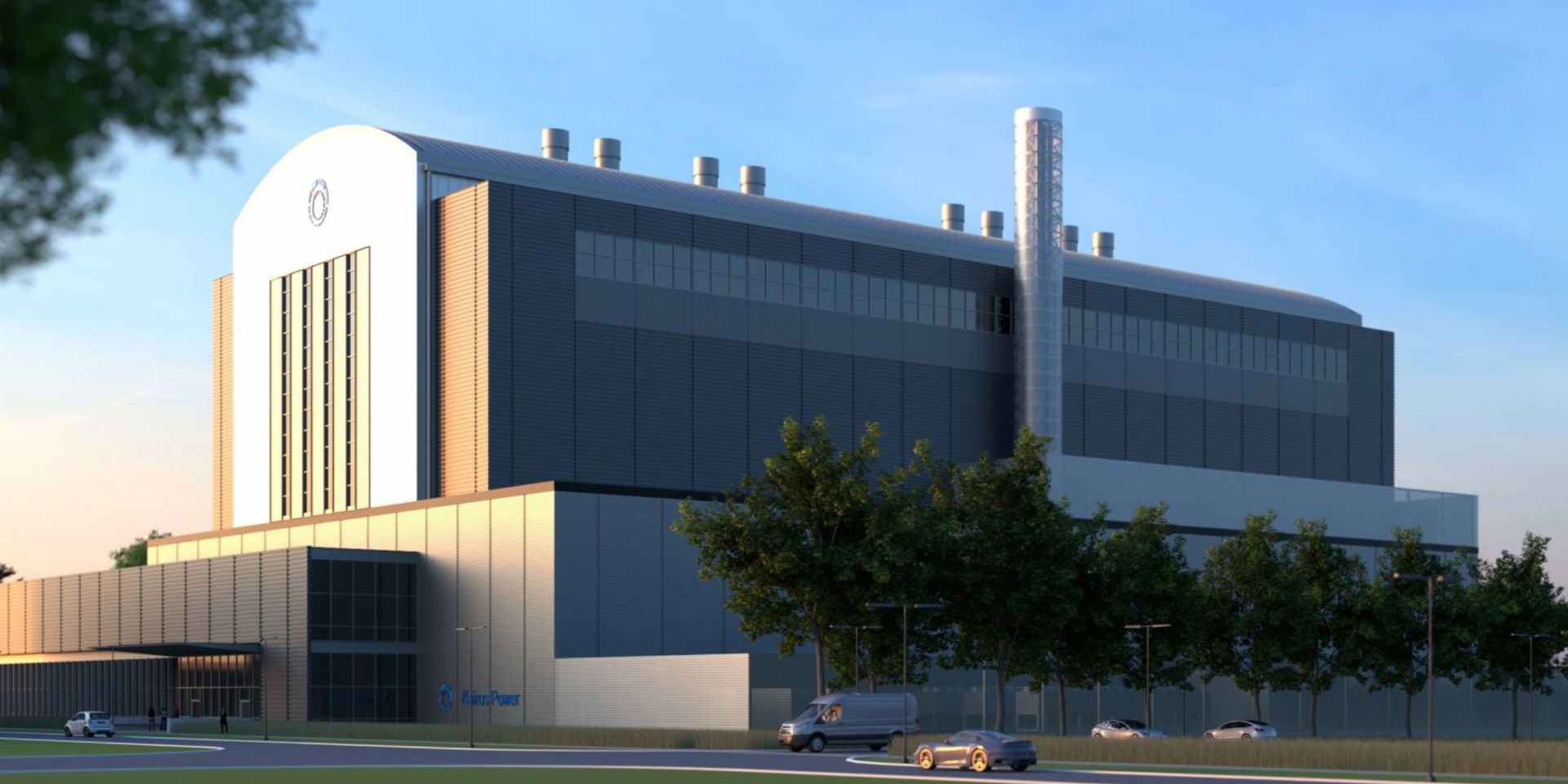
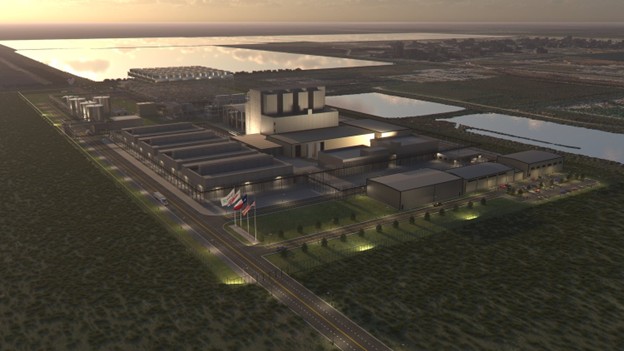
Illustration of an SGE power plant using the BWRX-300. (Image: SGE)
Synthos Green Energy, a development and investment company headquartered in Warsaw, Poland, has announced a proposal to deploy 14 GE Vernova Hitachi Nuclear Energy BWRX-300 small modular reactors at three multiunit sites in the United Kingdom. SGE has established SGE SMR UK Limited as its dedicated vehicle for this U.K. project, which reportedly could see private capital investment of up to £35 billion (about $46 billion).
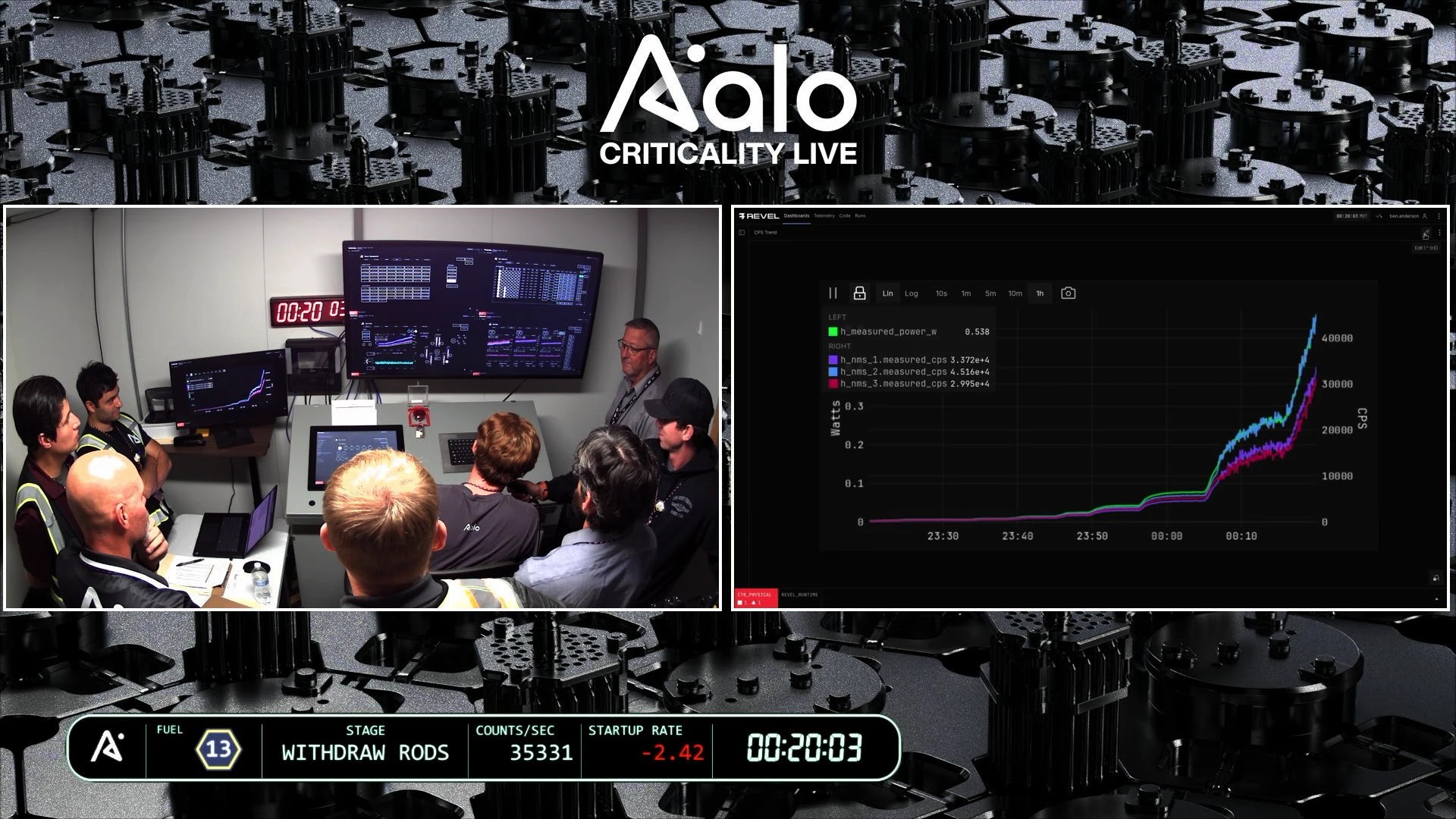
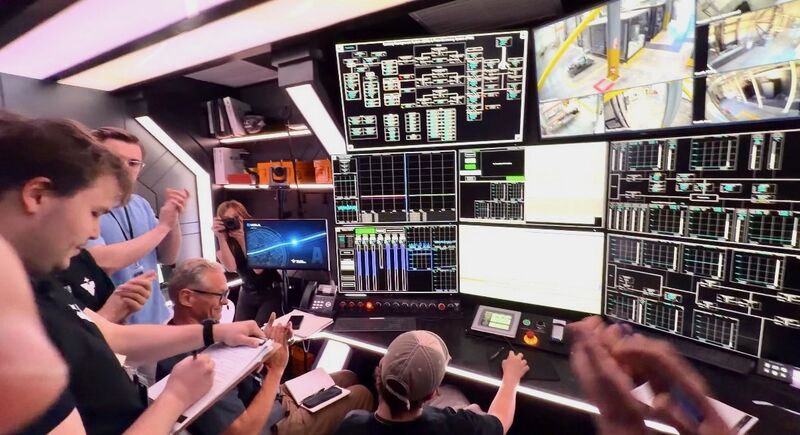
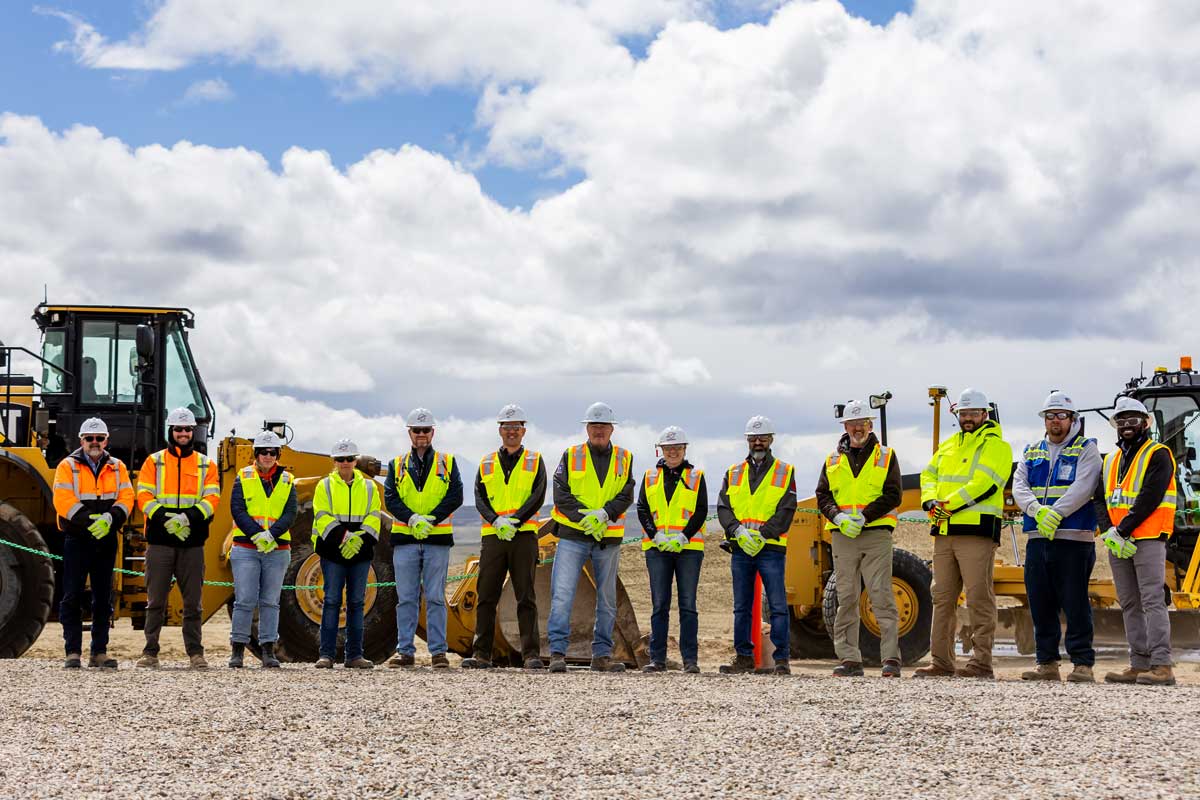
Aalo Atomics employees during criticality testing. (Image: Aalo Atomics)
Executive Order 14301 set an ambitious goal for at least three test reactors to achieve criticality by July 4. Two private companies participating in the Department of Energy’s Reactor Pilot Program—Antares and Valar Atomics—reached this stage earlier in June, and Deployable Energy—participating in the DOE's Nuclear Energy Launch Pad—became the third last week.
In the last few weeks, reports indicated that Aalo would be next, reaching criticality at Idaho National Laboratory with a low-enriched uranium–fueled, sodium-cooled reactor on or near the target date set forth by President Trump’s EO 14301. In the early hours of July 4, Aalo’s critical test reactor—a full-scale zero-power version of its planned 10-MWe Aalo-X—did just that, becoming the fourth DOE-authorized reactor to hit the milestone.
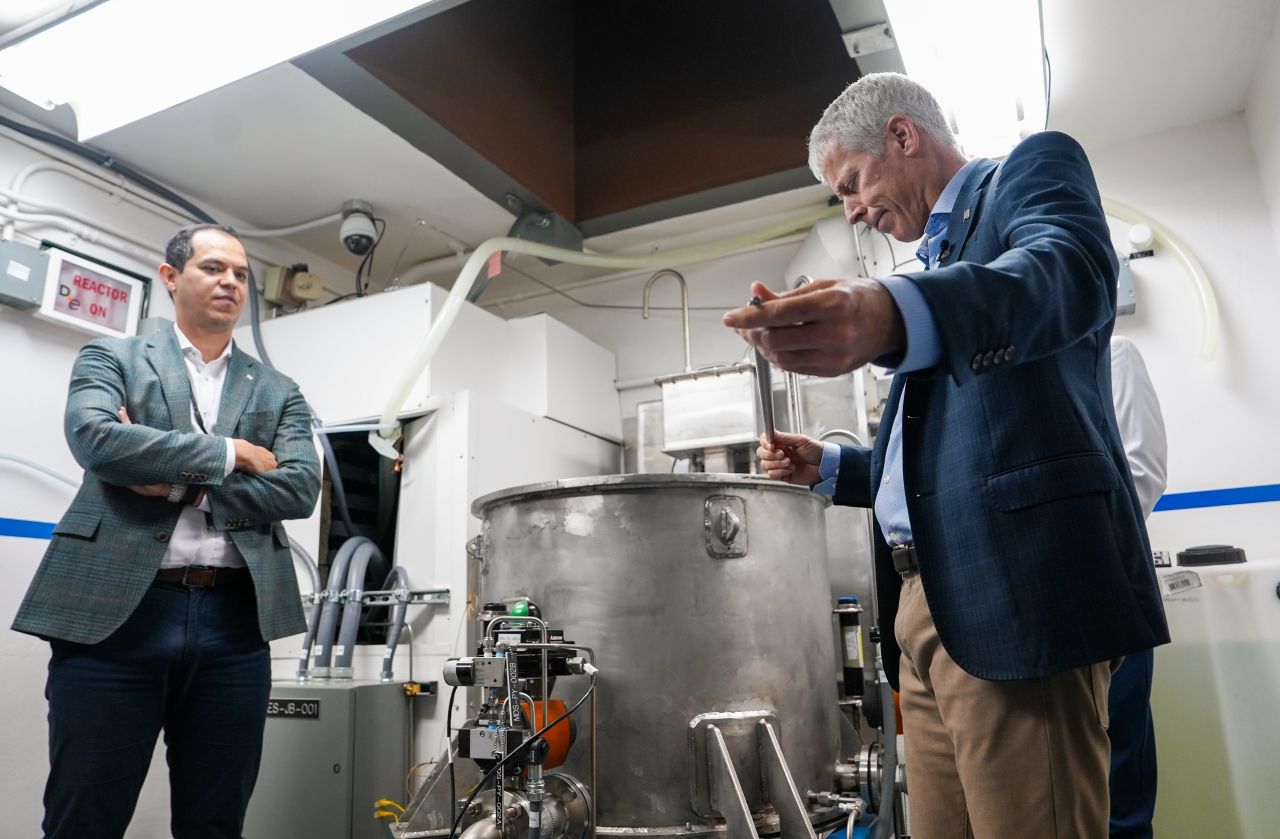
Energy Secretary Chris Wright (right) examines a fuel rod beside Deployable Energy CEO Bobby Gallagher in front of the company’s Unity microreactor. (Photo: Deployable)
Ahead of the July 4 deadline set by President Trump in Executive Order 14301, the nuclear community has been following the developments of the Department of Energy’s Reactor Pilot Program, in which companies have been pursuing DOE authorization to build and test their first-of-a-kind nuclear technologies. The EO set an ambitious goal of three reactors achieving criticality by July 4, 2026.
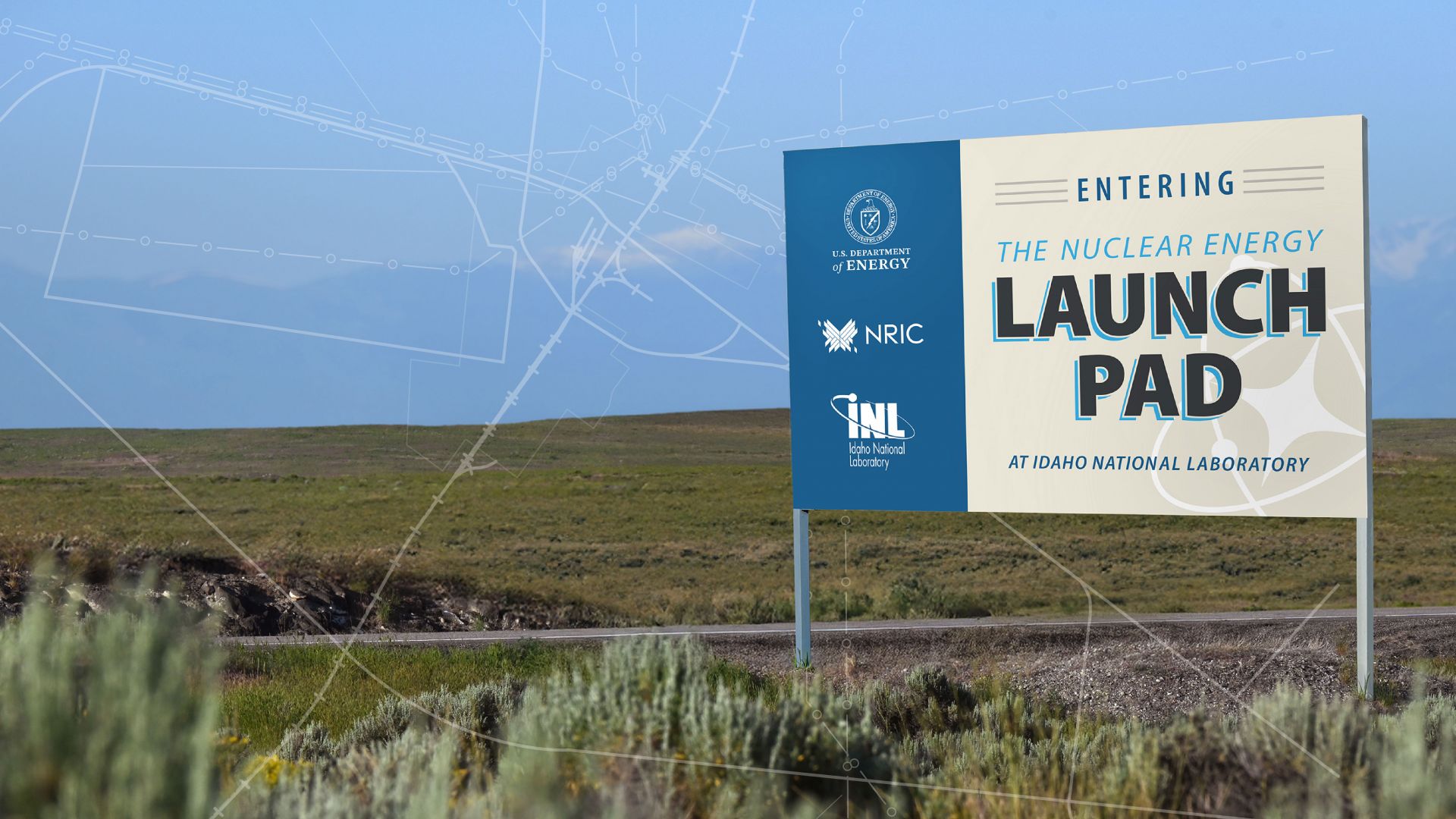
A sign along U.S. Route 20 on Idaho National Laboratory land marking the boundary of NRIC’s new Nuclear Energy Launch Pad INL. (Photo: NRIC)
In June 2025, the Department of Energy announced the Reactor Pilot Program, an authorization pathway that allowed reactor developers to partner with the DOE to get first-of-a-kind (FOAK) reactors built and tested. Soon after, the DOE rolled out a complementary Fuel Line Pilot Program, which aimed to fast-track fuel projects. In all, 20 projects were accepted into the new programs.
Unless otherwise noted, all photos are courtesy of Idaho National Laboratory.
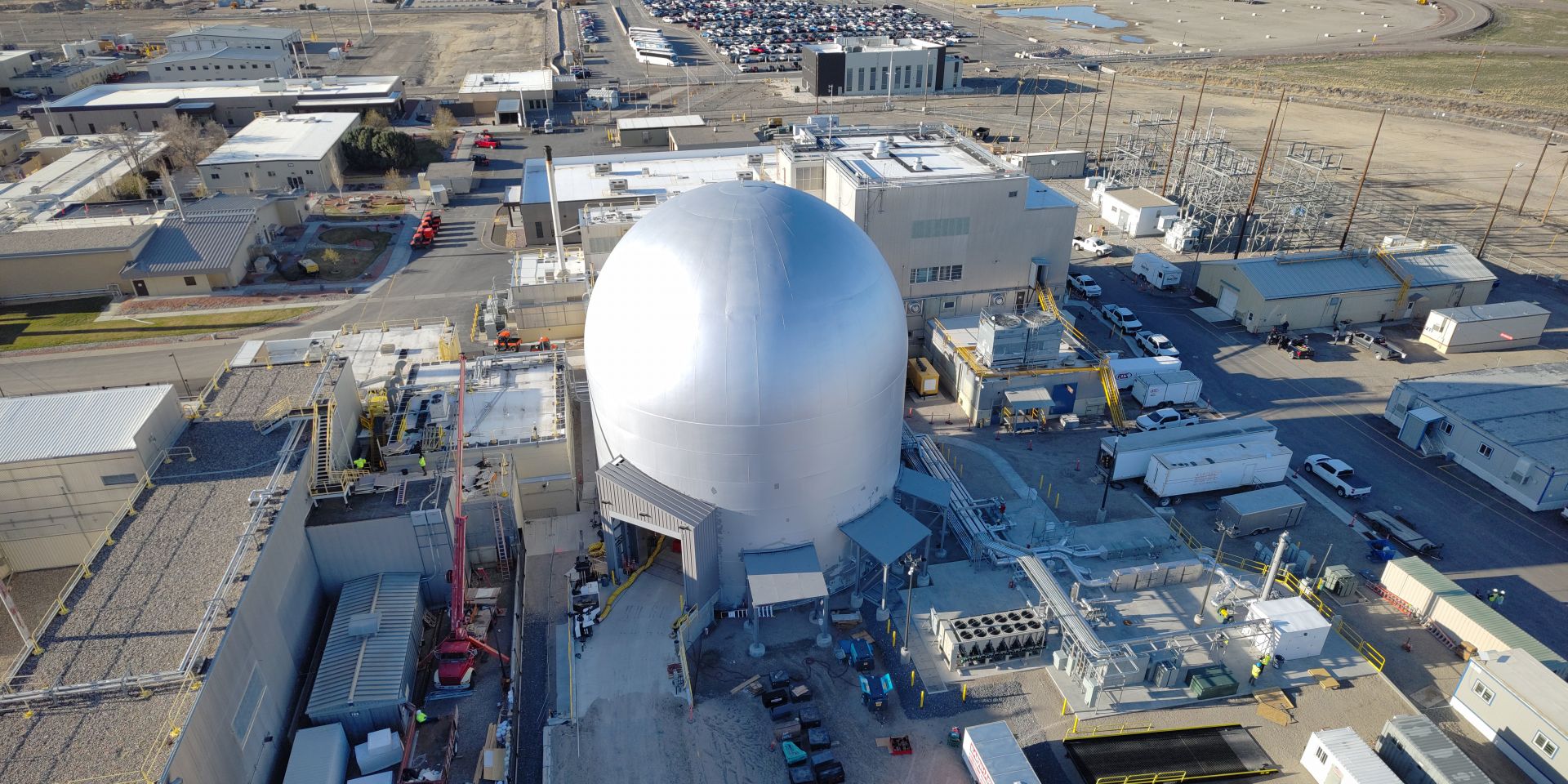
In 2019, a familiar landmark at Idaho National Laboratory was scheduled for demolition. Though striking for both its physical presence and its significance to nuclear history, the containment dome that once housed Experimental Breeder Reactor-II sat unused—that is, until INL realized its potential as a reactor testing facility.
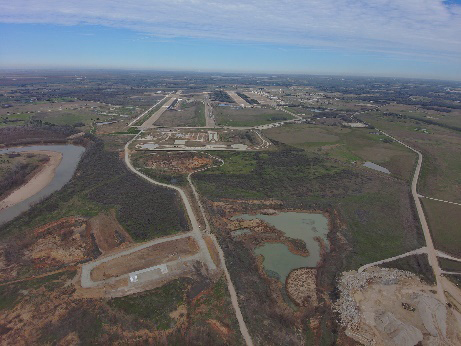
The Texas A&M–RELLIS Energy Proving Ground, in Bryan, Texas. (Photo: TAMUS)
Terrestrial Energy has signed ground lease and research agreements with the Texas A&M University System (TAMUS) to exclusively use about 77 acres of land at the Texas A&M–RELLIS campus, in Bryan, Texas, for development of the company’s Integral Molten Salt Reactor (IMSR). The agreements give Terrestrial Energy control of the site and provide support for completion of site characterization work, environmental evaluations, and testing and research activities related to the IMSR.
A Valar Atomics photo marking criticality of the Ward 250. (Photo: Isaiah Taylor/LinkedIn)
El Segundo, Calif.–based start-up Valar Atomics has taken its Ward 250 test reactor critical at the Utah San Rafael Energy Lab (USREL), becoming the second company in the Department of Energy's Reactor Pilot Program to reach the milestone, and, according to the DOE, the first to do so outside a national laboratory.
The DOE celebrated the achievement in a June 18 announcement, describing it as a "zero-power fueled criticality demonstration." The news follows a similar update for Antares Nuclear's Mark-0 reactor, which the DOE said achieved criticality at Idaho National Laboratory earlier this month.
A depiction of Hermes 2. (Image: Kairos Power)
The drive to Kairos Power’s reactor demonstration site in Oak Ridge, Tenn., is not only scenic—it’s historic. Nearly 85 years ago, roughly 30,000 construction workers transformed orchards and farmland into a key Manhattan Project site. Depending on your route, you may pass by one of the three gatehouses that were once military checkpoints controlling access to Atomic Energy Commission production facilities.
Concept art of Oklo’s Aurora Powerhouse. (Image: Oklo)
On Thursday, Oklo announced that the Department of Energy’s Idaho Operations Office had approved the preliminary documented safety analysis (PDSA) for the company’s first deployment of its Aurora Powerhouse, which is currently under construction at Idaho National Laboratory.
It is the most recent in a long series of announcements from the 10 companies participating in the Reactor Pilot Program, which has a fast-approaching criticality deadline of July 4.
ANS President Mark Peters welcomes the first criticality milestone under DOE Reactor Pilot Program
Washington, D.C. — Mark Peters, President of the American Nuclear Society (ANS), issued the following statement:
Xe-100 Dow Seadrift concept art. (Image: X-energy)
At the end of April, TerraPower announced that it had officially begun construction on its Natrium power plant in Kemmerer, Wyo.—one of the two full-scale demonstration projects in the Department of Energy’s Advanced Reactor Demonstration Program.
Now, the second ARDP-backed demonstration project, which aims to see the deployment of X-energy’s Xe-100 at a Dow chemical facility, has reached a new milestone of its own. On May 18, X-energy announced that the Nuclear Regulatory Commission has completed its environmental assessment of the proposed Long Mott Generating Facility and issued a finding of no significant impact (FONSI).
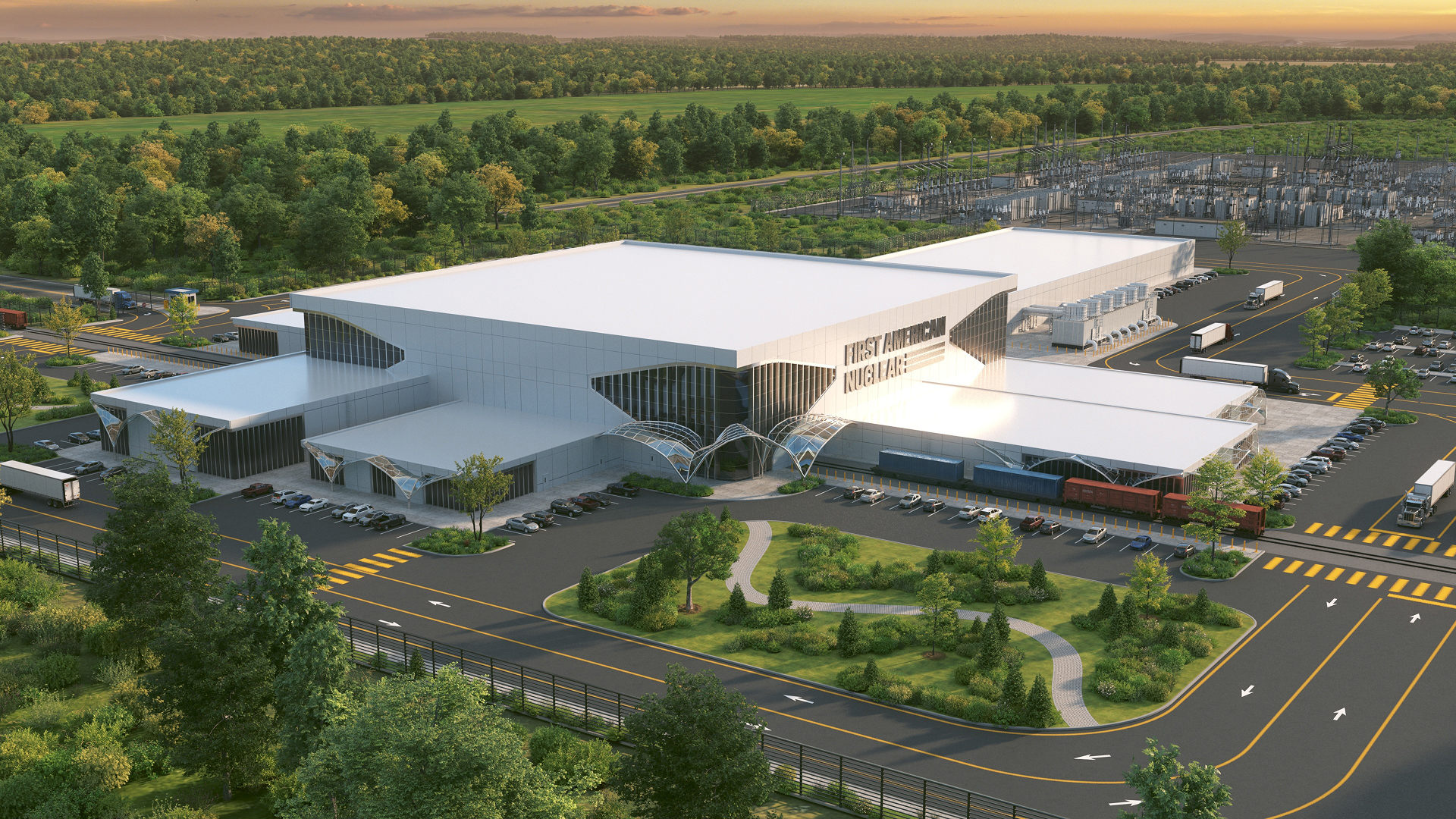
A depiction of a potential First American Nuclear “energy park.” (Image: FANCO)
Indianapolis-based reactor development start-up First American Nuclear (FANCO) announced on May 13 that it has entered into a strategic alliance with Montreal-based nuclear engineering company AtkinsRéalis.
Together, the companies now plan to jointly develop, test, and license FANCO’s EAGL-1 reactor design. For FANCO, the agreement comes as a chance to bring in a partner with decades of experience in nuclear project development. For AtkinsRéalis, the partnership provides the opportunity to establish a presence in Indiana.
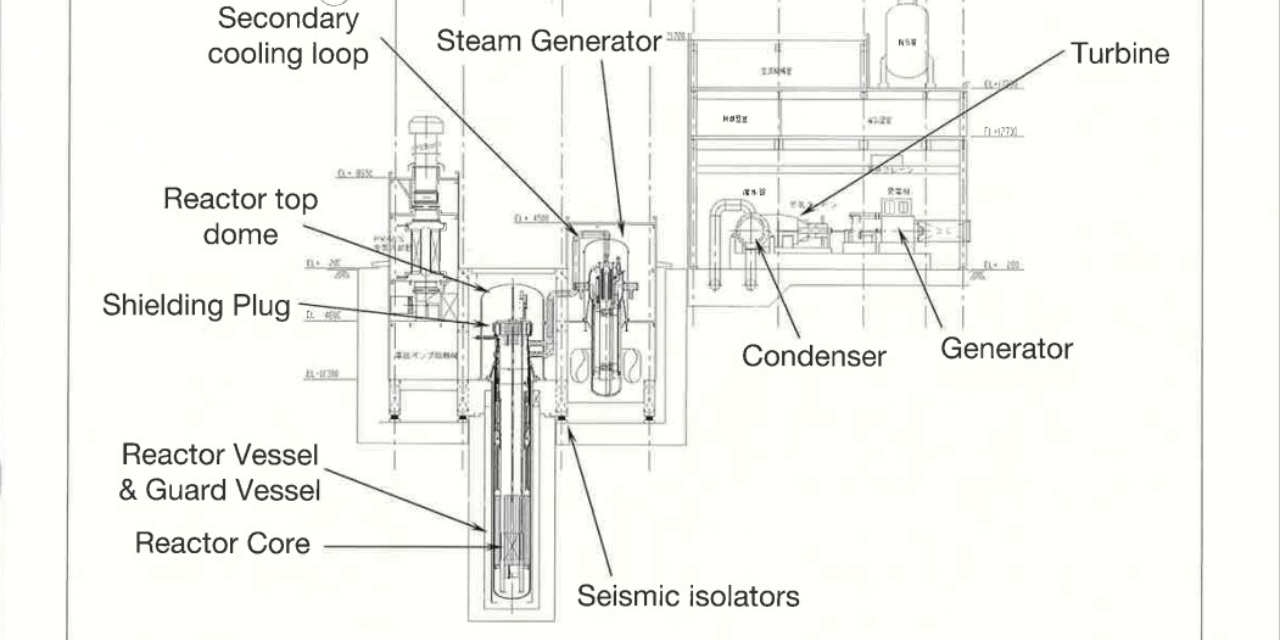
A diagram of Toshiba’s 4S sodium-cooled reactor, as published in Nuclear News in 2005. (Source: NN, Aug. 2005, p. 51)
Today, commercial microreactors are common in the marketplace of nuclear ideas. Dozens of companies are vying for their designs to reach scaled deployment to meet surging energy demand.
However, the term “microreactor” didn’t appear in Nuclear News until 2019, when the Department of Defense popularized it (in a nuclear context) in the early days of what would become Project Pele. Even before then, however, all the way back in 2005, Toshiba was developing the 4S (Super-Safe, Small, and Simple), a 30-MWt, pool-type reactor designed for remote locations with small grids. Once sealed and delivered, the reactor would run for 30 years with no refueling. If the word “microreactor” had been in use then, the 4S would certainly have been categorized as such.