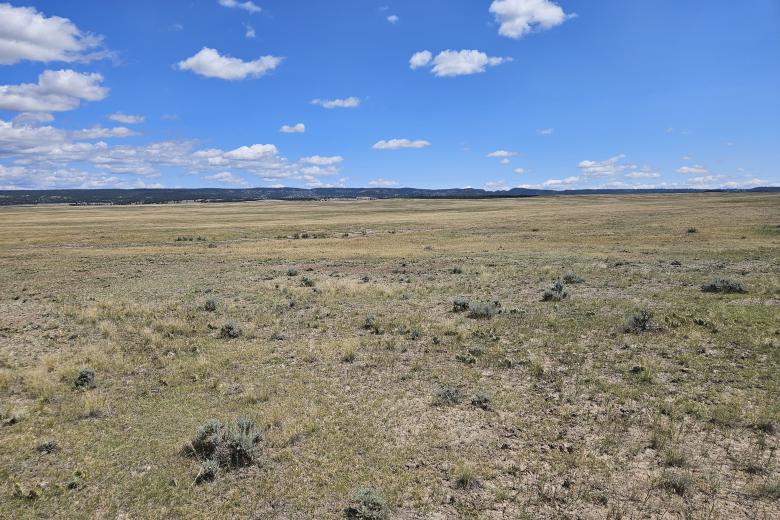
Dewey Burdock uranium project site in Fall River County, S.D. (Photo: BLM)
EnCore Energy announced on June 18 that the Bureau of Land Management issued a final decision and approved the Dewey Burdock uranium project, authorizing the company to begin construction for the uranium in situ recovery project in southwestern South Dakota.
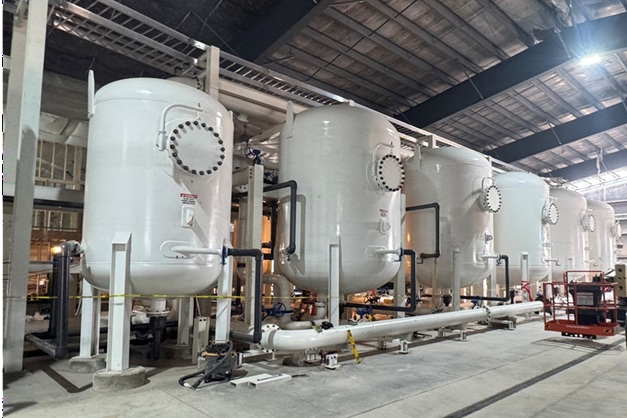
Ion exchange columns at Ur-Energy’s Shirley Basin ISR project plant. (Photo: Ur-Energy)
Ur-Energy Inc. announced last week that it has begun in situ recovery (ISR) operations at its Shirley Basin uranium mining site in central Wyoming.
The company, which also operates the Lost Creek ISR project in south-central Wyoming, decided to begin construction at Shirley Basin after making a “go” decision in March 2024. It has said that the combined total annual licensed production and toll processing capacity of Lost Creek and Shirley Basin is 4.2 million pounds U₃O₈.
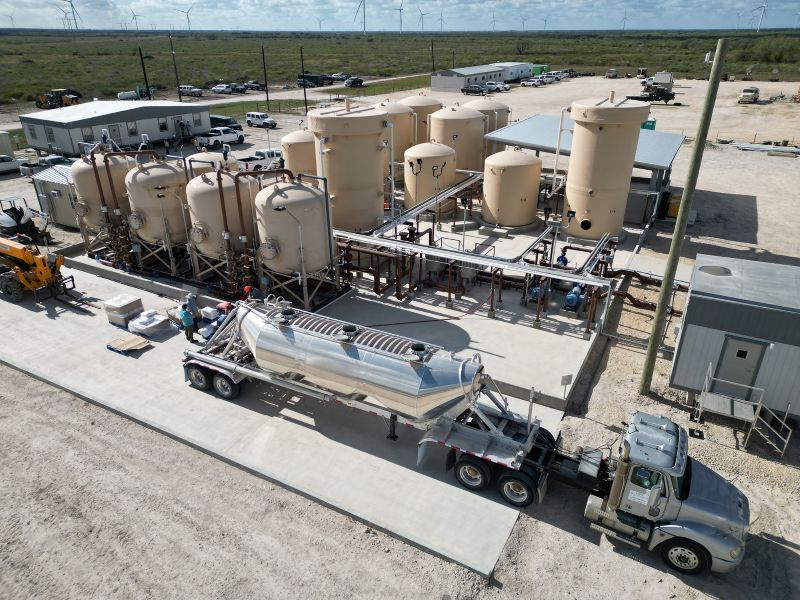
UEC’s Burke Hollow in situ recovery uranium site in Texas. (Photo: UEC)
Uranium Energy Corp. (UEC) has begun production activities at its Burke Hollow in situ recovery (ISR) mining operation in southern Texas after receiving approval from the Texas Commission on Environmental Quality (TCEQ). Uranium from the site will be processed at the Hobson Central Processing Plant, which serves as the hub to five satellite ISR projects (referred to as “spokes”) in the Texas Uranium Belt.
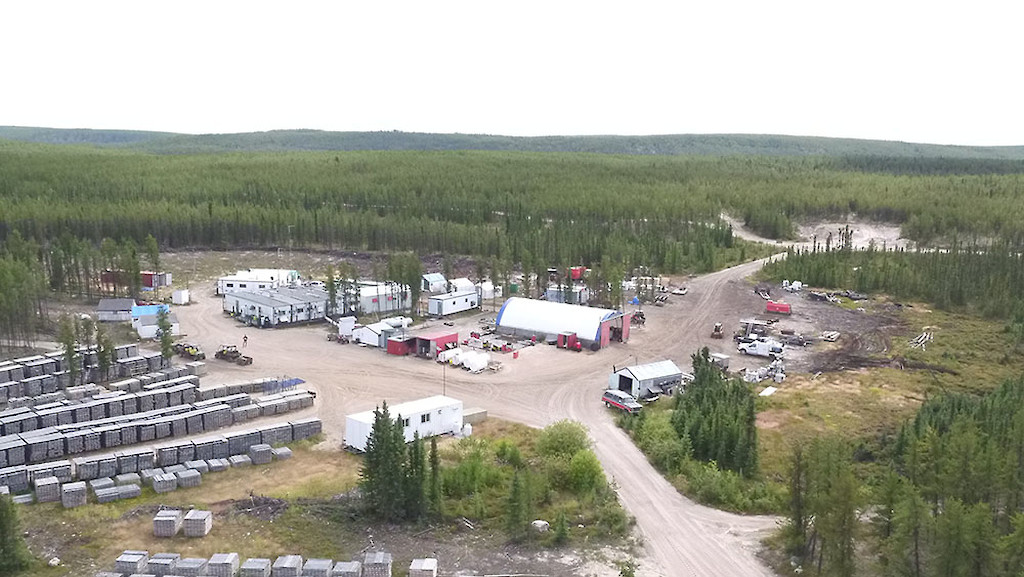
Site of the Wheeler River project in northern Saskatchewan. (Photo: Denison Mines)
Canada’s first in situ recovery (ISR) uranium mining operation has been granted final regulatory approval. Toronto-based Denison Mines Corp. announced last week that the Canadian Nuclear Safety Commission has approved the environmental assessment and issued the license to construct a mine and mill for the company’s Wheeler River uranium project, located in northern Saskatchewan’s Athabasca basin. This project, which includes the Phoenix uranium deposit, previously received the necessary provincial approvals.
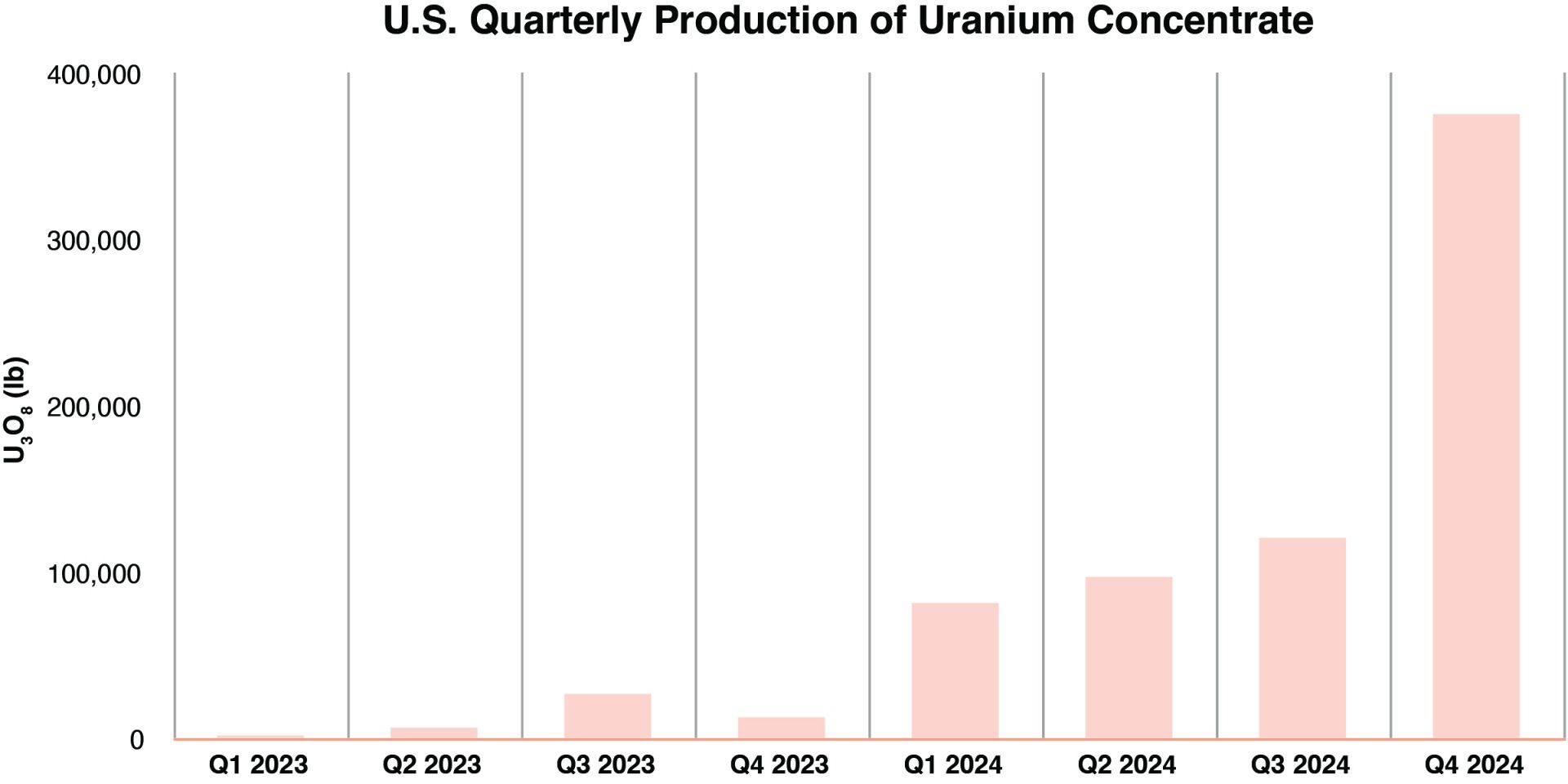
Graph: Nuclear News; data source: U.S. EIA
U.S. uranium production increased throughout 2024, with more growth planned in 2025. The producers who can make that happen, however, were burned before by a “renaissance” that didn’t take off. Now they are watching and waiting for signals from Washington, D.C., including the impacts of tariffs, shifting relationships with global uranium producers, and funding for the enrichment task orders designed to boost demand for U.S. uranium.