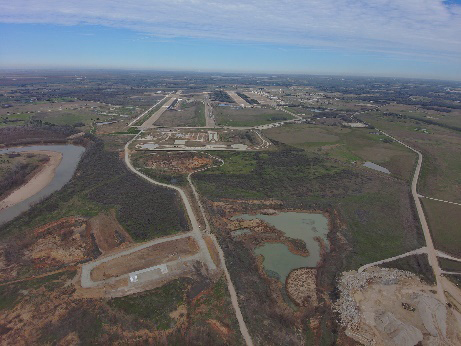
The Texas A&M–RELLIS Energy Proving Ground, in Bryan, Texas. (Photo: TAMUS)
Terrestrial Energy has signed ground lease and research agreements with the Texas A&M University System (TAMUS) to exclusively use about 77 acres of land at the Texas A&M–RELLIS campus, in Bryan, Texas, for development of the company’s Integral Molten Salt Reactor (IMSR). The agreements give Terrestrial Energy control of the site and provide support for completion of site characterization work, environmental evaluations, and testing and research activities related to the IMSR.
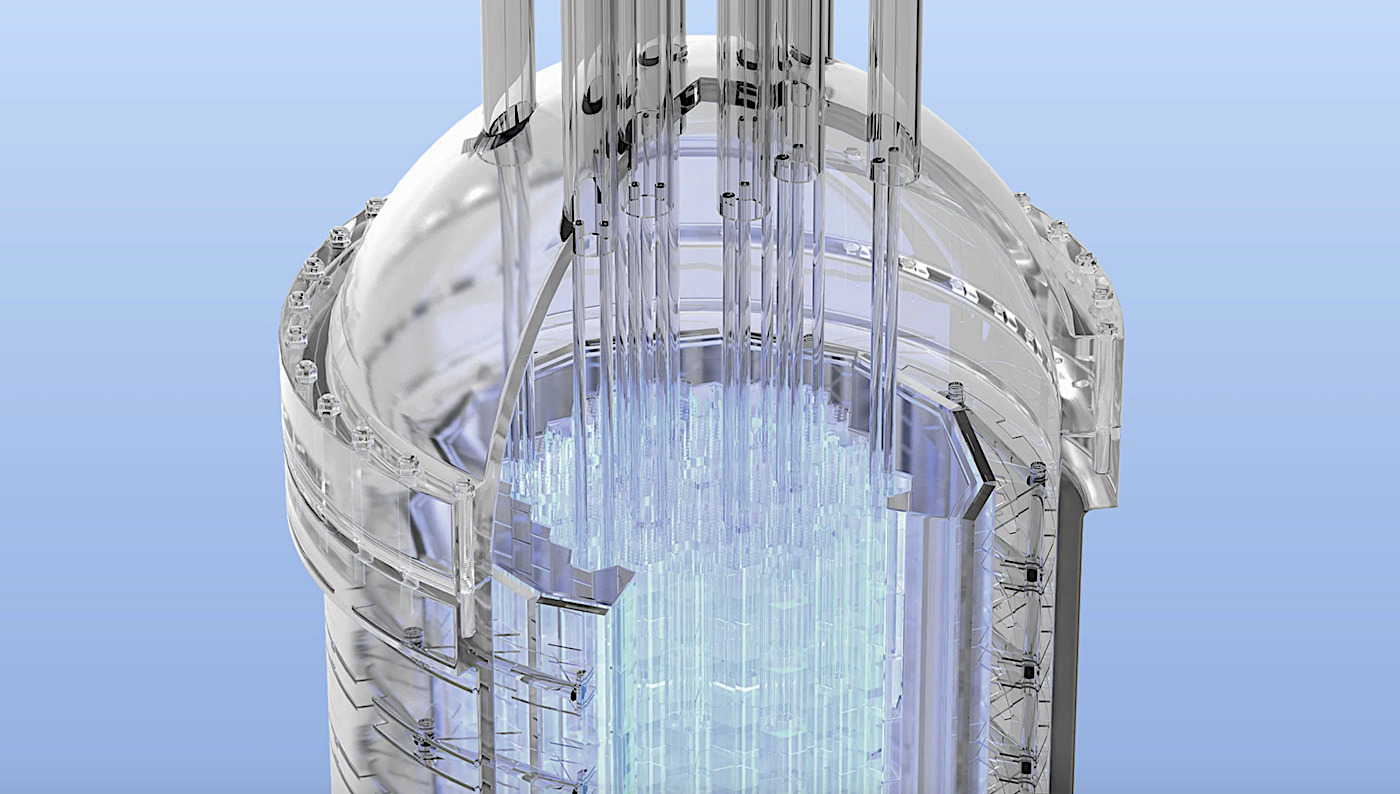
Cutaway illustration of ZettaJoule’s ZJ high-temperature, gas-cooled reactor. (Image: ZettaJoule)
Texas A&M University’s Engineering Experimental Station (TEES) is collaborating with Houston-based start-up ZettaJoule to explore the potential construction of a nonpower research reactor at the university’s College Station campus.
The university believes that hosting ZettaJoule’s ZJ high-temperature, gas-cooled reactor might lead to as much as $1 billion worth of research collaborations, industrial partnerships, and federal funding for its College of Engineering.
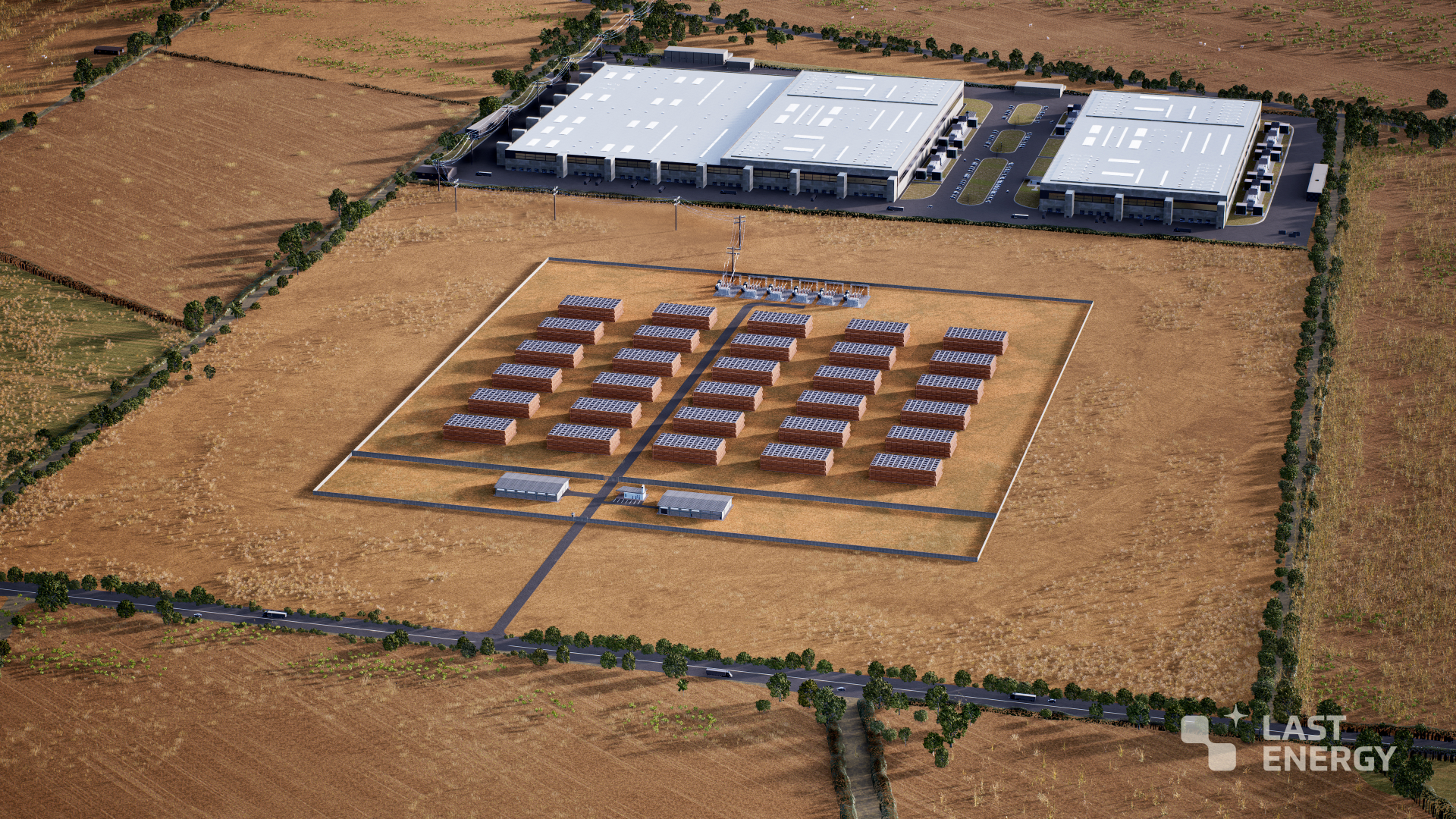
A rendering of Last Energy’s plan to site 30 microreactors in northwestern Texas to power data centers. (Image: Last Energy)
February has been big for nuclear in the state of Texas. On February 2, Governor Greg Abbott declared “It’s time for Texas to lead a nuclear power renaissance in the United States.” Two days later, Texas A&M University invited four advanced reactor developers—Aalo Atomics, Kairos Power, Natura Resources, and Terrestrial Energy—to build nuclear capacity on its RELLIS campus. On February 18 Natura announced plans for two 100-MWe molten salt reactors—one at TAMU RELLIS and the other in the Permian Basin—through a partnership with the Texas Produced Water Consortium and Texas Tech University. And today, Last Energy announced plans to site 30 microreactors—20-MWe pressurized water reactors—at a 200-acre site in northwestern Texas to power data centers.

.png)