Agreement advances Texas gas-plus-nuclear concept to next phase

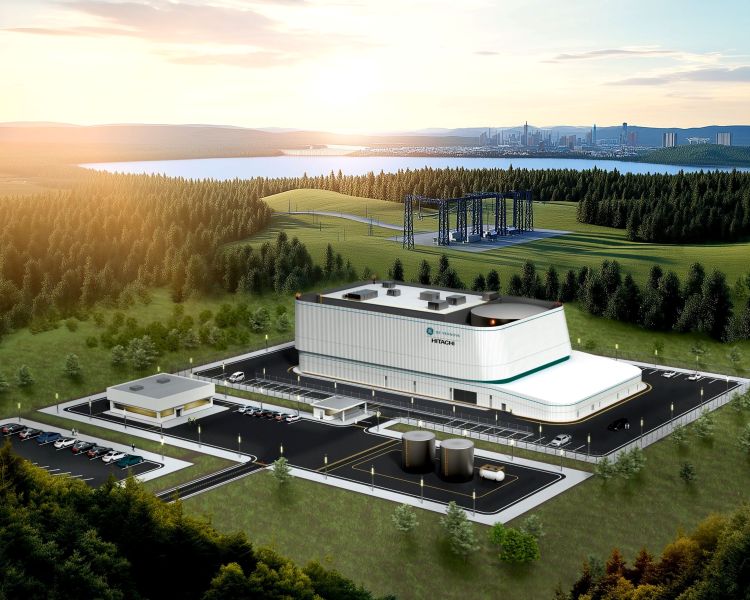
Plans between GE Vernova Hitachi Nuclear Energy and Blue Energy to build a “gas-plus-nuclear” power plant have advanced beyond a strategic collaboration, with an agreement now in place.
Ageing nuclear assets don't have to mean higher maintenance costs. Discover how HVTS® cladding helps extend the life of PWR secondary system components, reduce outage duration, support ALARA principles, and protect against FAC, erosion-corrosion and other degradation mechanisms. Learn more.

Plans between GE Vernova Hitachi Nuclear Energy and Blue Energy to build a “gas-plus-nuclear” power plant have advanced beyond a strategic collaboration, with an agreement now in place.

Synthos Green Energy, a development and investment company headquartered in Warsaw, Poland, has announced a proposal to deploy 14 GE Vernova Hitachi Nuclear Energy BWRX-300 small modular reactors at three multiunit sites in the United Kingdom. SGE has established SGE SMR UK Limited as its dedicated vehicle for this U.K. project, which reportedly could see private capital investment of up to £35 billion (about $46 billion).
Nuclear project developer Elementl Power announced on June 18 its plans to build a nuclear power plant in southeast Ohio with a planned capacity of up to 1.5 GW.
Elementl already has a reactor design in mind, having reached an early works agreement with GE Vernova Hitachi to deploy the company's BWRX-300 small modular reactors. According to Elementl, construction on the first unit could begin in 2030—subject to a final investment decision and regulatory approvals—with an anticipated completion date of 2034.

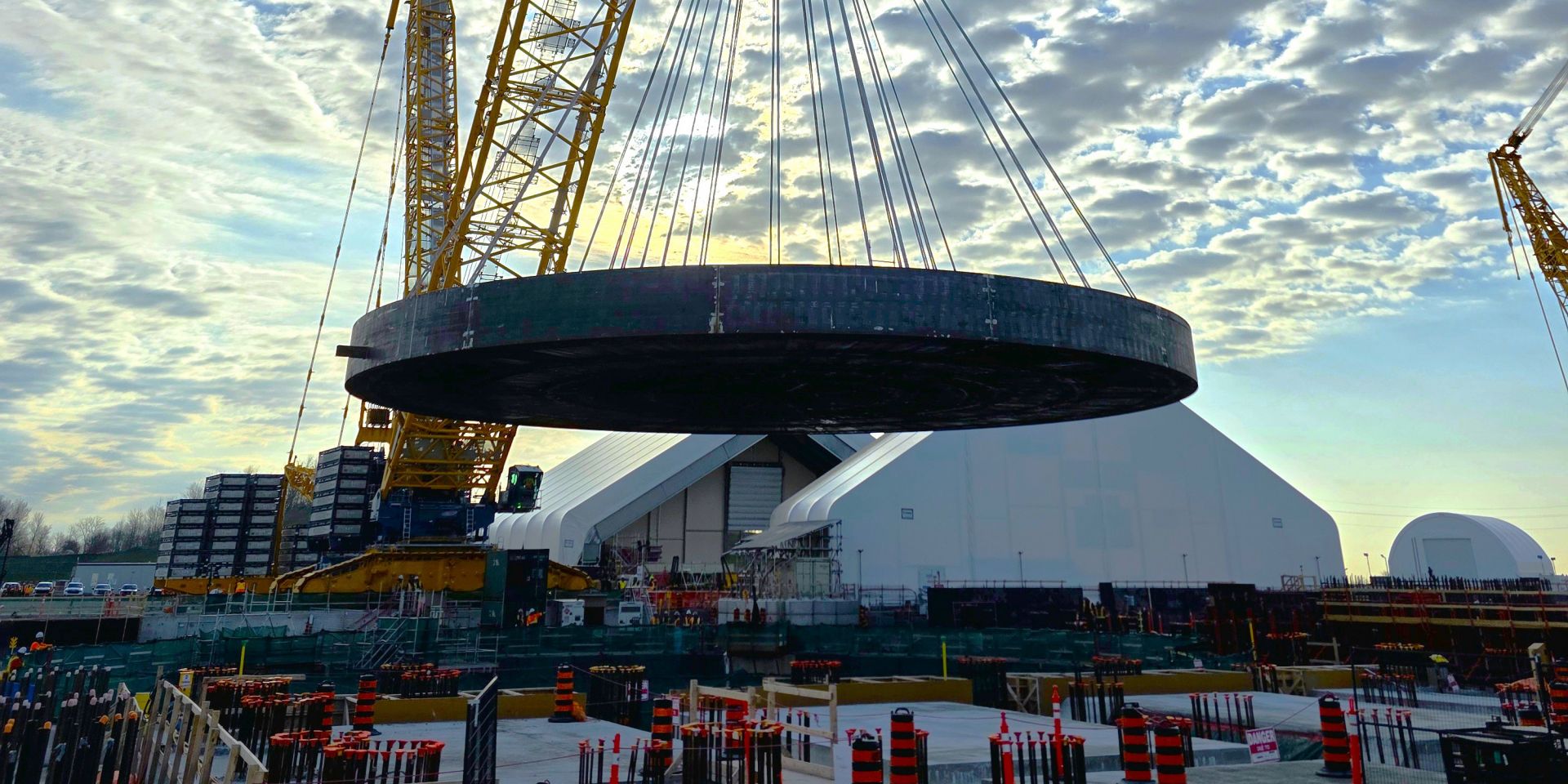
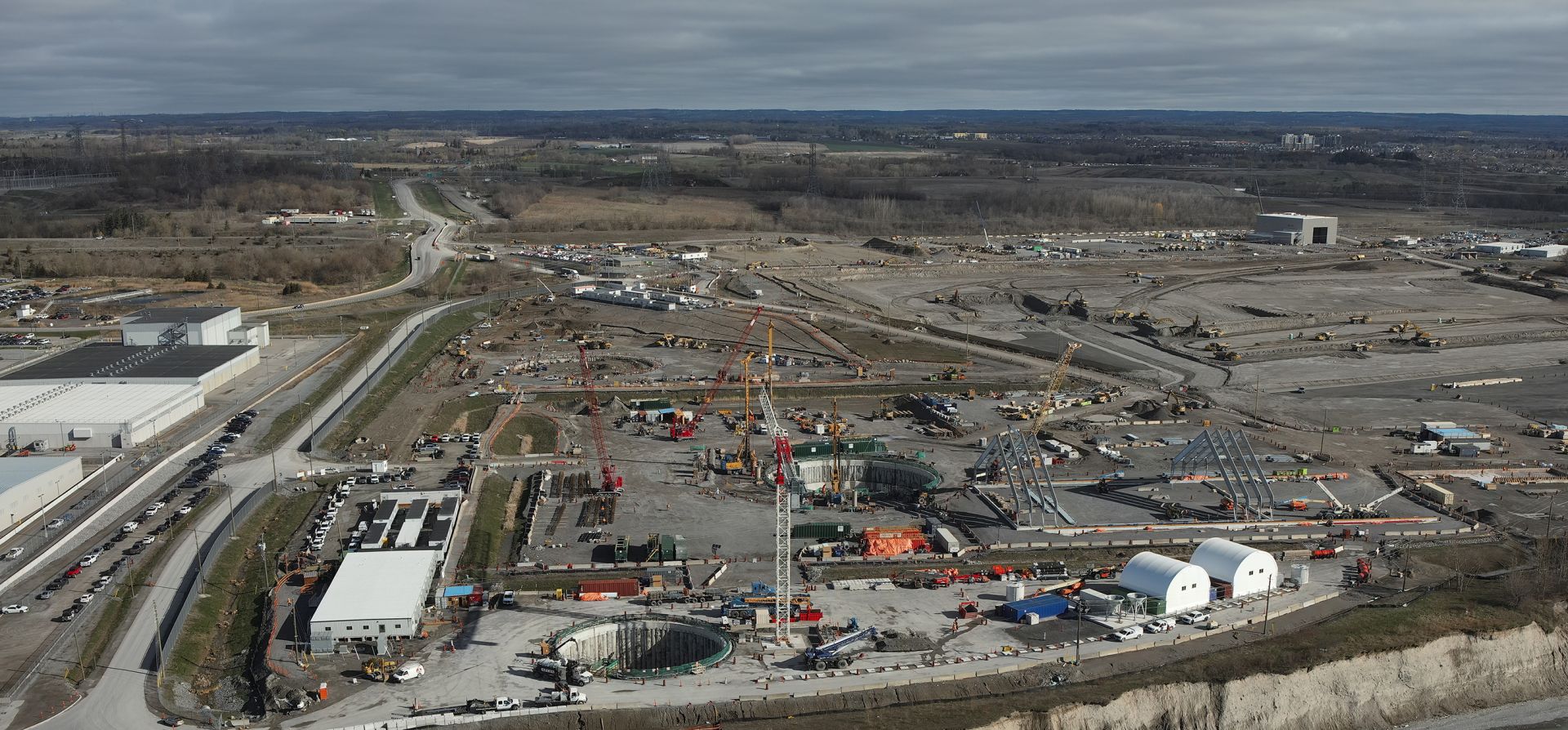
“The nuclear renaissance is real here,” said Ontario Power Generation’s Subo Sinnathamby on May 8, one year to the day after OPG secured a final investment decision to build the first of four planned BWRX-300 reactors at its Darlington nuclear power plant, and shortly after the new reactor’s foundation was lifted into place. “We got our license to construct in April and our [final investment decision] in May, and we’ve been off to the races since.”
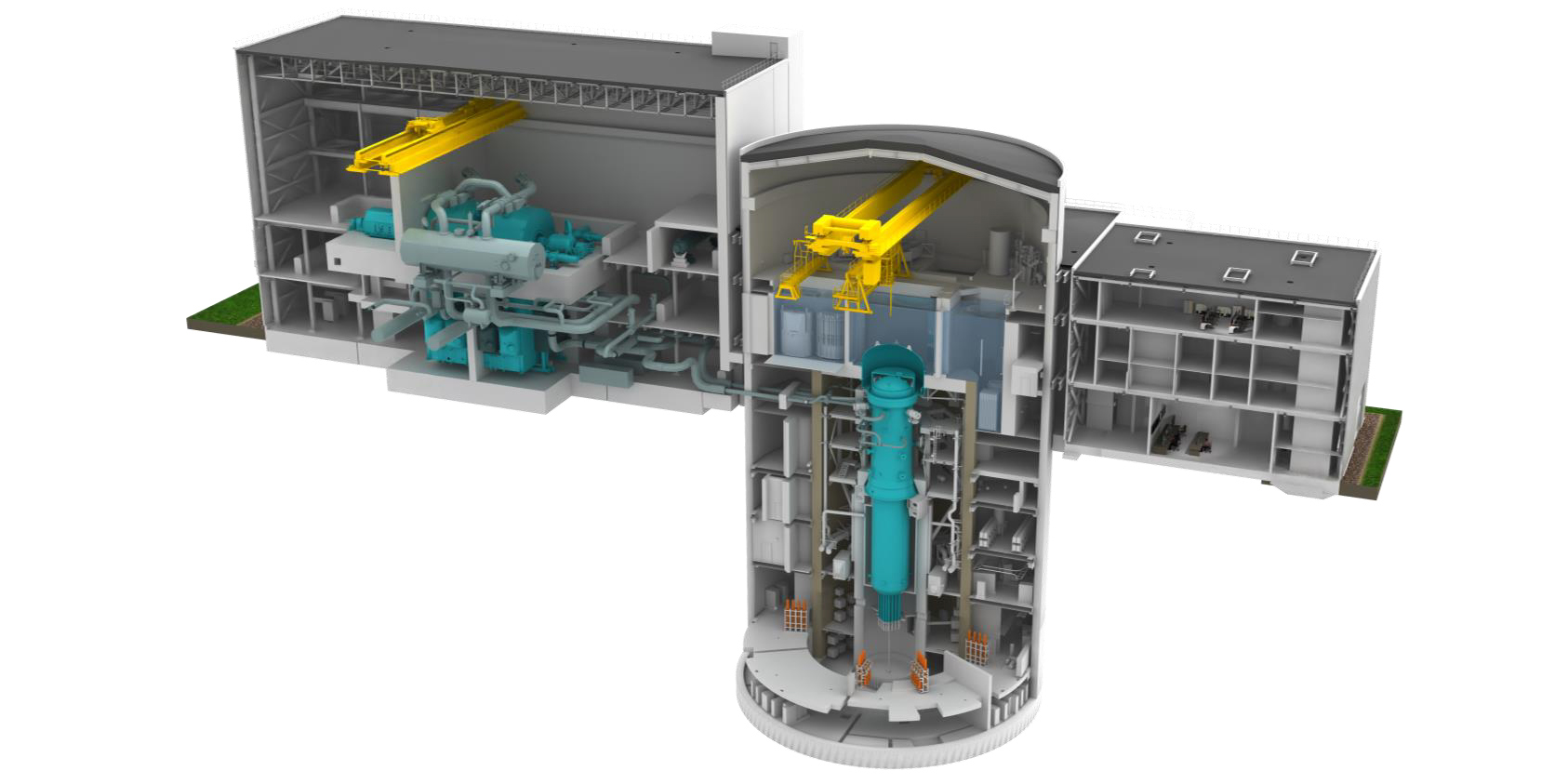
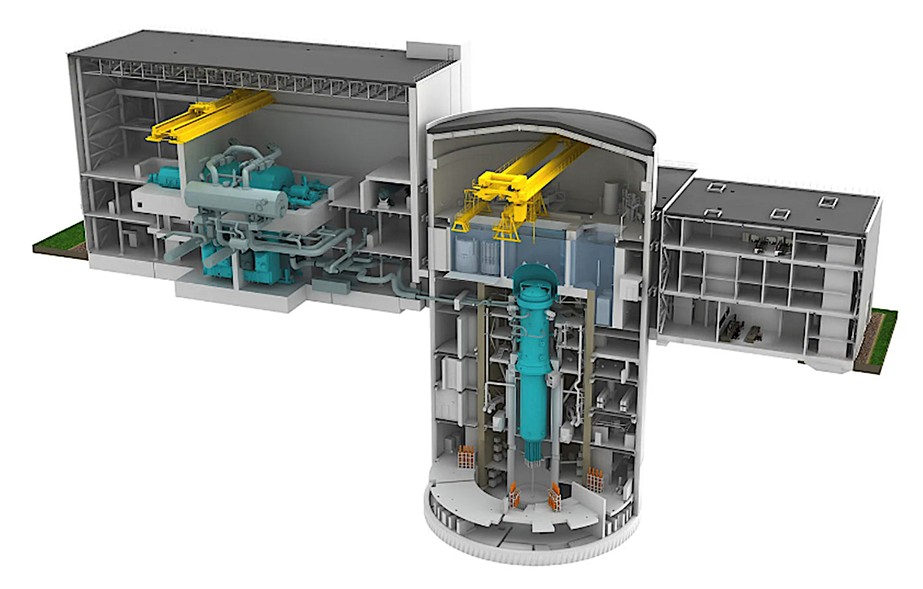
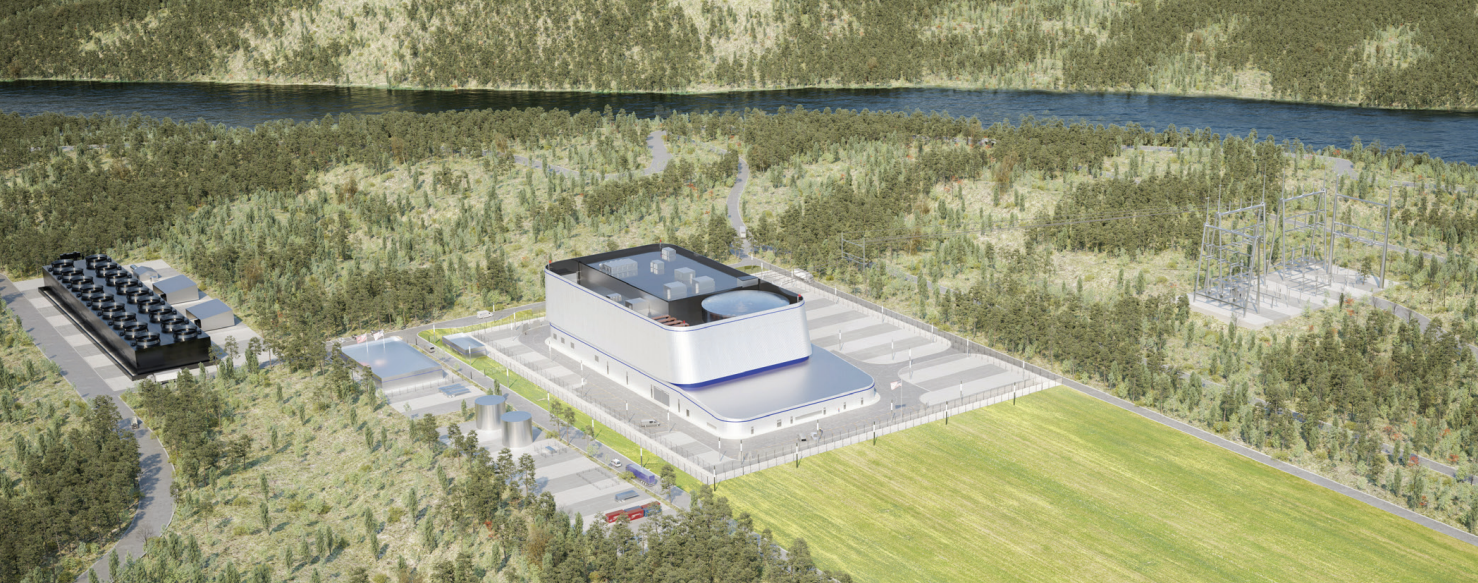
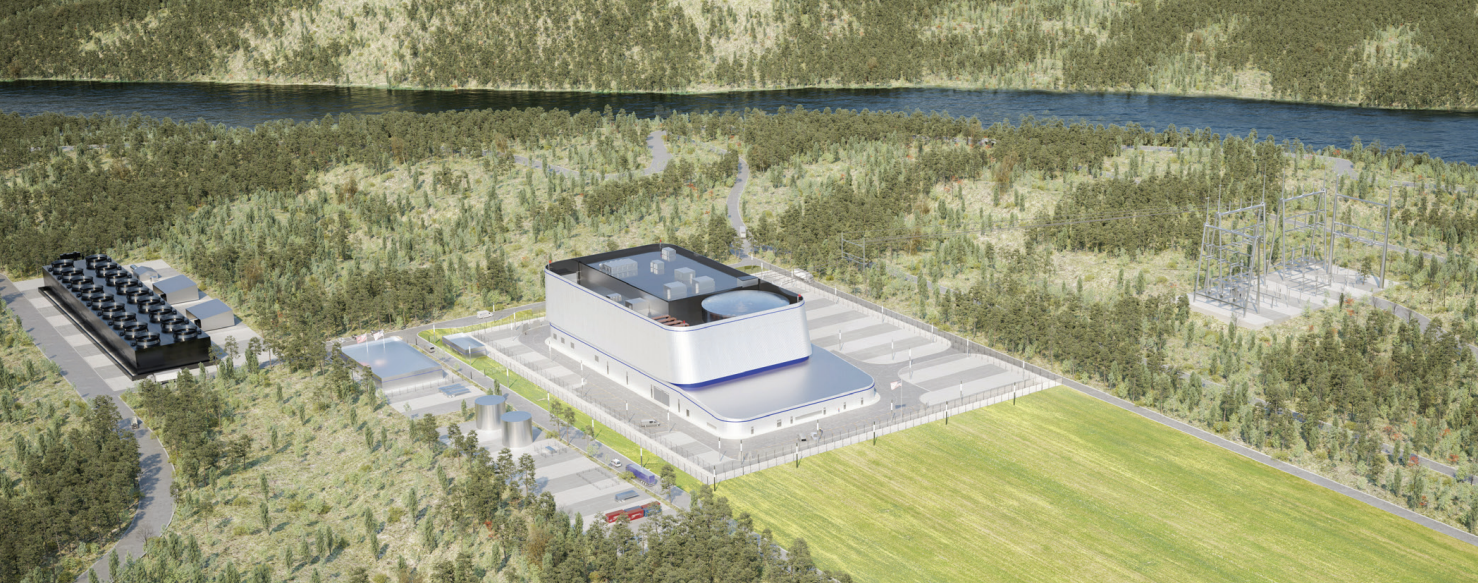
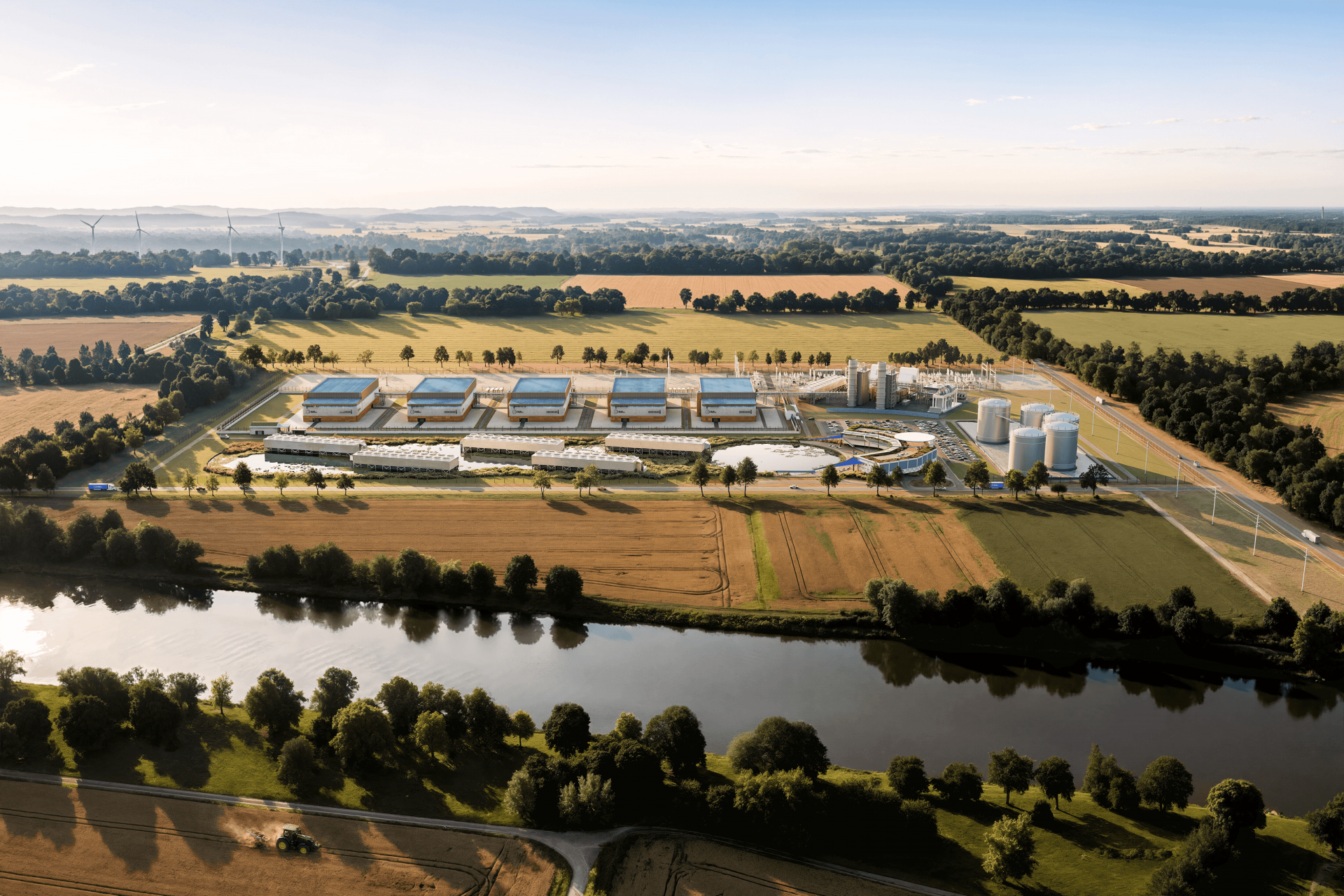
GE Vernova has formed a strategic collaboration with nuclear project financing and manufacturing firm Blue Energy to “advance the world’s first gas-plus-nuclear power plant.” The companies say that they intend to design and develop a power plant using GE Vernova Hitachi Nuclear Energy BWRX-300 small modular reactors and GE Vernova gas turbines to meet electricity demands related to AI and advanced manufacturing. Subject to a final investment decision in 2027, the first plant is to be located at a Blue Energy site in Texas and will power a nearby data center campus.

Coinciding with the March 19 White House meeting between President Trump and Japanese Prime Minister Takaichi Sanae, the Department of Commerce announced three new energy deals as part of a Japan-U.S. Strategic Investment initiative. Two of the deals involve the construction of natural gas generation facilities. The third, with an estimated value of as much as $40 billion, involves the construction of GE Vernova Hitachi (GVH) BWRX-300 small modular reactors in Tennessee and Alabama.

Ontario Power Generation, Canada's leading power generator, has completed construction work on its massive Darlington refurbishment project, the utility announced yesterday. The overall project is forecast to be delivered four months ahead of schedule and C$150 million (about $110 million) under budget, OPG stated, adding that station staff are now completing final testing on the Unit 4 reactor in preparation of its return to full commercial operation.
This week, the government of Saskatchewan, alongside electric utility SaskPower, announced plans to formally evaluate the deployment of large nuclear technologies. This process will take place in parallel with the Canadian province’s plans to deploy a small modular reactor.

GE Vernova Hitachi Nuclear Energy’s BWRX-300 small modular reactor has completed the second step of the generic design assessment (GDA) process in the United Kingdom. In this step, the U.K. Office for Nuclear Regulation, the Environment Agency, and Natural Resources Wales did not identify “any fundamental safety, security safeguard or environmental protection shortfalls with the design of the BWRX-300.” Step 1 was completed in December 2024.

The Department of Energy has selected the Tennessee Valley Authority and Holtec Government Services to support the early deployments of light water small modular reactors in the United States. The companies will each receive as much as $400 million in federal cost-shared funding to advance their initial SMR projects in Tennessee and Michigan, respectively, including follow-on projects and associated supply chains.

Hash Hashemian president@ans.org
In my August column in Nuclear News, I reflected on the importance of ANS’s annual conferences for bringing together our nuclear community at the national level. In September, after speaking at Tennessee’s Nuclear Opportunities Workshop, I focused my NN column that month on the value of state-level conferences.
Also in September, alongside ANS Executive Director/CEO Craig Piercy, I shifted my focus to another key front in nuclear collaboration, the international stage, by attending the General Conference of the International Atomic Energy Agency in Vienna.
The timing of the IAEA’s General Conference could not have been better; it took place the same week the U.S. and U.K. kicked off a new wave of transatlantic partnerships in the nuclear sector between both government and industry. This fortuitous overlapping gave us a timely and concrete reminder of international collaboration’s unparalleled benefits.
The General Conference was an expectedly busy event. To cover as much ground as possible, Piercy and I took turns attending either the U.S. delegation meetings with other countries or the General Assembly of the IAEA, where the American Nuclear Society has a seat among other critical nongovernmental organizations.
We listened to presentations by several of the 180 IAEA member states, including, of course, the United States. Aside from ANS, the U.S. presence at the conference included U.S. Secretary of Energy Chris Wright, NRC Chair David Wright, and DOE Assistant Secretary of Nuclear Energy Ted Garrish.
U.S. representation was further bolstered by an industry delegation that included 65 participants from 32 companies, many of whom used the opportunity to report progress on their plans for the international expansion of their nuclear fleets. Meetings of that industry delegation were coordinated by the Nuclear Energy Institute.
Aside from the main conference, Piercy and I also attended the embedded meetings of the International Nuclear Society Council. INSC exists to facilitate knowledge-sharing and collaboration between 18 different member nuclear societies from around the world.
The INSC meetings within the General Conference brought together the presidents and senior members of those societies to give presentations and explore new opportunities. I made a presentation on the state of nuclear in North America, covering the latest developments and deployments in the U.S. and Canada.
This presentation emphasized the new nuclear lift in the U.S. that is being heavily supported by the Trump administration. I recapped the four executive orders issued by President Trump in May, the recent momentum at the DOE, and how these changes are capitalizing on a broader groundswell in both industry development and public support.
I also pointed out the success of our neighbor Canada in progressing on the first water-cooled small modular reactor in North America using BWRX-300 technology, which was supplied by an American firm and international partners—a perfect symbol of the value of global nuclear collaboration.
In all, I have now represented ANS at the state, national, and international levels, gaining useful insight into the work that needs to be done at each. From this vantage point, it’s clear to me that the path forward from the country to the globe is to, above all else, keep working together and supporting each other to bring about the next age of nuclear.

The Nuclear Regulatory Commission and the U.S. Army Corps of Engineers have completed a draft supplemental environmental impact statement for a small modular reactor at the Tennessee Valley Authority’s Clinch River nuclear site in Oak Ridge, Tenn.
The Canadian provinces of Alberta and Saskatchewan were the subject of two different announcements yesterday about new nuclear developments.

When small modular reactors and other advanced nuclear plants someday provide electricity, hydrogen, desalination, and district heating, the North Carolina Collaboratory will deserve some credit. Headquartered at the University of North Carolina–Chapel Hill, the collaboratory is a research funding agency established by the North Carolina General Assembly in 2016 to partner with academic institutions and government agencies. Its goal is to help transform research into practical applications for the benefit of North Carolina’s state and local economies. To that end, it engages in research projects related to advanced nuclear energy, among other initiatives.

The Nuclear Regulatory Commission has made three recent announcements regarding new developments in the nuclear energy industry:

The Nuclear Regulatory Commission has accepted for review the Tennessee Valley Authority’s construction permit application for a BWRX-300 small modular reactor at its Clinch River site in Tennessee. The NRC expects to complete its review by December 2026.

Ontario Power Generation GE Vernova Hitachi Nuclear Energy announced May 8 that Ontario authorities have approved construction plans for the first of four BWRX-300 small modular reactors at the Darlington New Nuclear Project site on Lake Ontario, less than 50 miles east of Toronto, Canada. The first new nuclear construction project in Ontario in more than three decades is also the first SMR construction project in North America.
On track to be the first SMR constructed in North America
The Canadian Nuclear Safety Commission has announced its approval for Ontario Power Generation to construct a General Electric Hitachi BWRX-300 small modular reactor at its Darlington site in Clarington, Ontario.
In February, the Community of Practice (CoP) webinar series, hosted by the American Nuclear Society Standards Board’s Risk-informed, Performance-based Principles and Policies Committee (RP3C), celebrated its fifth anniversary. Like so many online events, these CoPs brought people together at a time when interacting with others became challenging in early 2020. Since the kickoff CoP, which highlighted the impact that systems engineering has on the design of NuScale’s small modular reactor, the last Friday of most months has featured a new speaker leading a discussion on the use of risk-informed, performance-based (RIPB) thinking in the nuclear industry. Providing a venue to convene for people within ANS and those who found their way online by another route, CoPs are an opportunity for the community to receive answers to their burning questions about the subject at hand. With 50–100 active online participants most months, the conversation is always lively, and knowledge flows freely.

The North Carolina Collaboratory, a research funding agency established by the North Carolina General Assembly to partner with academic institutions and government entities, has awarded a grant to North Carolina State University and GE Hitachi Nuclear Energy (GEH) for research into small modular reactors. The funded research project, “Academic Boiling Water–Small Modular Reactor (BW-SMR) Simulator for Research, Development, and Educational Purposes,” focuses on the development of a digital-based simulator for GEH’s BWRX-300, a Gen III+ light water SMR.