Agreement details: According to Constellation, Walmart’s PPA includes two 15-year terms that will begin in 2029 and 2030, respectively.
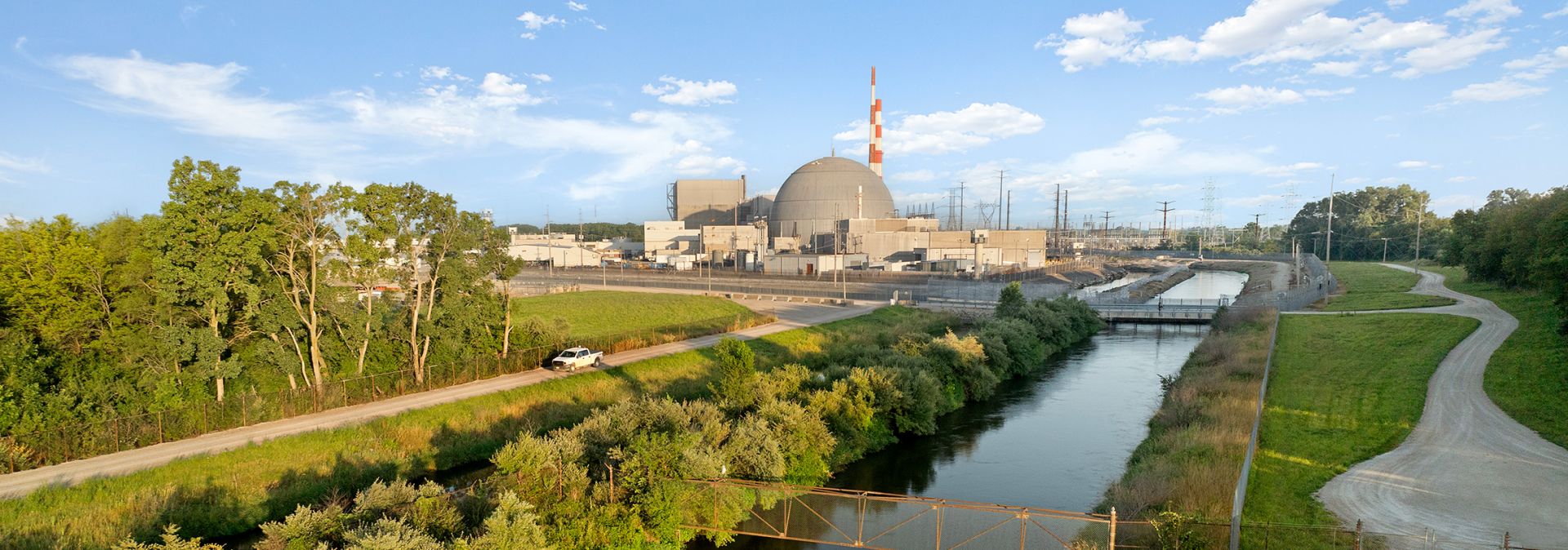
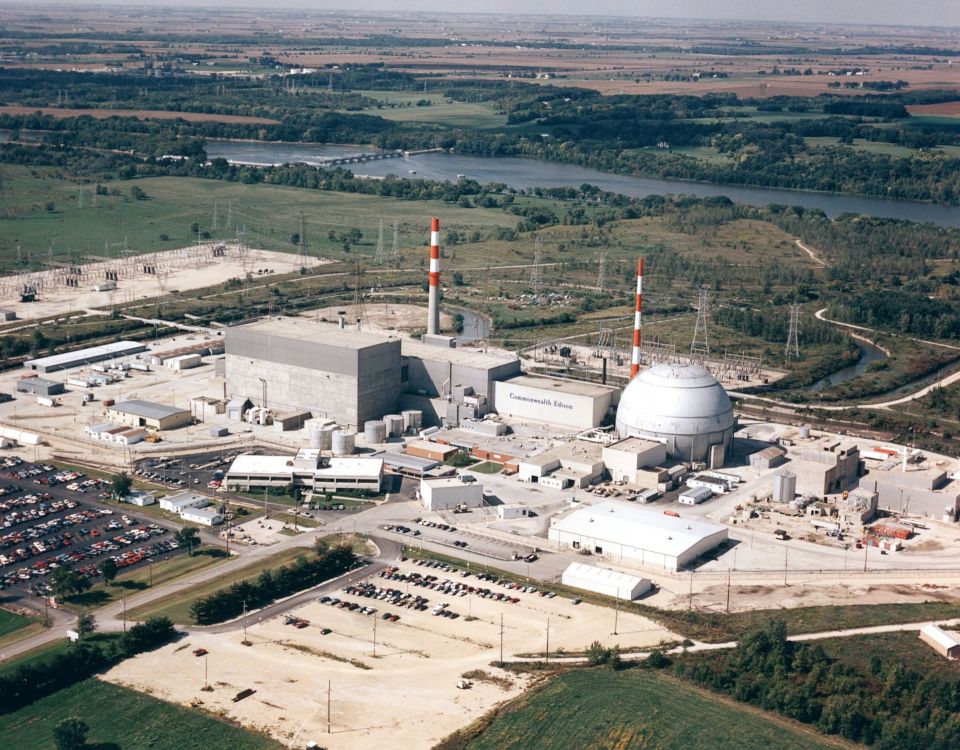
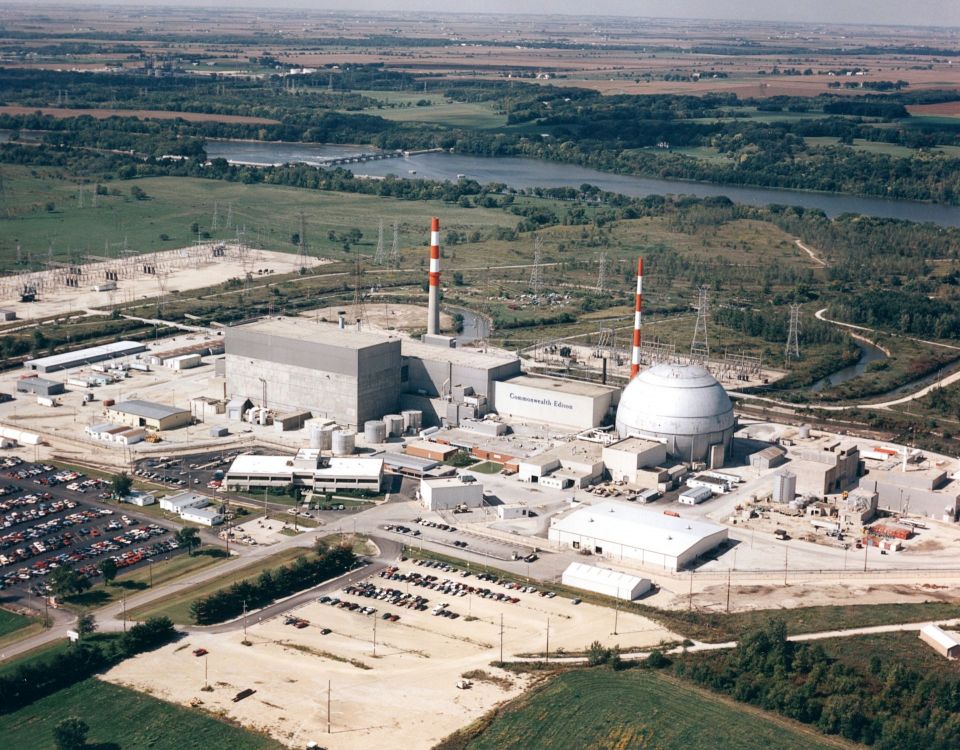
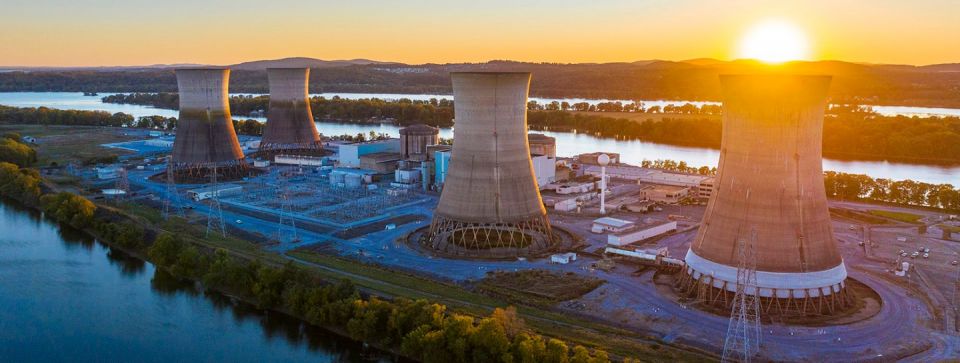
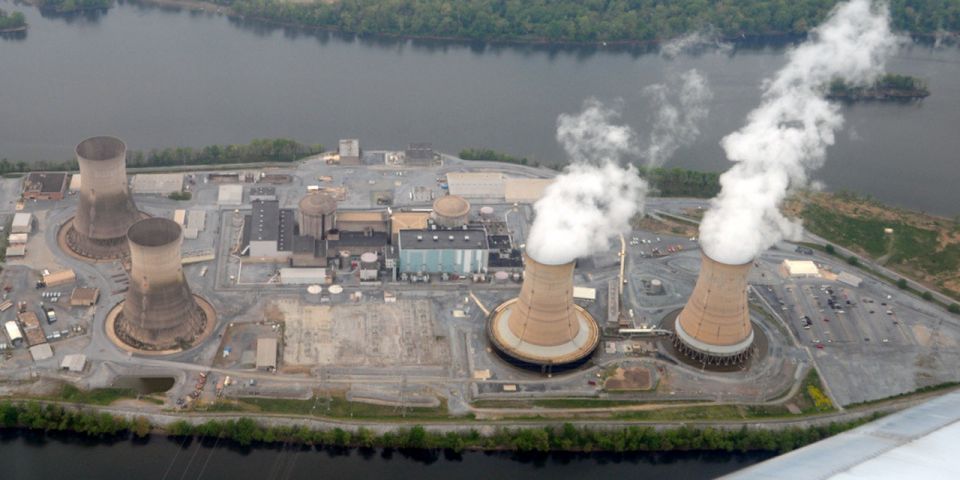
Dresden features two BWR-3s and has a total net capacity of 1,845 MWe. Unit 2 came on line in June 1970, and Unit 3 came on line in November 1971. (The 200-MWe Unit 1 was Illinois’s first commercial power reactor; it ran from July 1960 to October 1978.) Both units received their subsequent license renewals from the Nuclear Regulatory Commission in December 2025—the current licenses expire in 2049 and 2051, respectively.
Constellation said that the 30-MWe uprate included in the PPA was previously planned, but this is the first time the company has publicly acknowledged these plans.
Why Walmart? The power Walmart is purchasing will be used at a “high-tech perishable distribution center,” which is currently in development in Belvidere, Ill. The distribution center is one of a new fleet of high-tech distribution centers that the company has been rolling out since 2021.
According to Walmart, the new distribution centers feature an automated storage and retrieval system. This is the first time one of these distribution centers will be powered by way of a nuclear PPA. More broadly, according to Constellation, it’s the first agreement of its kind between a large retailer and a nuclear energy facility in the United States.
Scheduled uprates: The NRC’s calendar of expected future uprate application submittals has Constellation slated to submit an application in the fourth quarter of 2026 for an undisclosed reactor. However, this submittal is marked as an extended power uprate, precluding it from relating to the current Dresden uprate plans.
Understanding why requires a look at the three categories of uprates, which are chiefly delineated by differences in capacity increases.
- Extended power uprates, or EPUs, represent a greater than 7 percent capacity increase.
- Stretch power uprates, or SPUs, represent between a 2 and 7 percent capacity increase.
- Measurement uncertainty recapture power uprates, or MURs, represent a less than 2 percent capacity increase.
A 30-MWe uprate represents a total capacity increase of about 1.6 percent for the two-unit plant, falling in the MUR range. On the NRC’s calendar, Constellation has four MURs slated for 2027—all of which are for currently undisclosed plants. Two are targeted for the first quarter and two are targeted for the second quarter. Either of these sets of two could feasibly be for Dresden-2 and -3. However, at this time, Constellation has not provided any details as to the timeline for these uprates from a regulatory or technical standpoint.