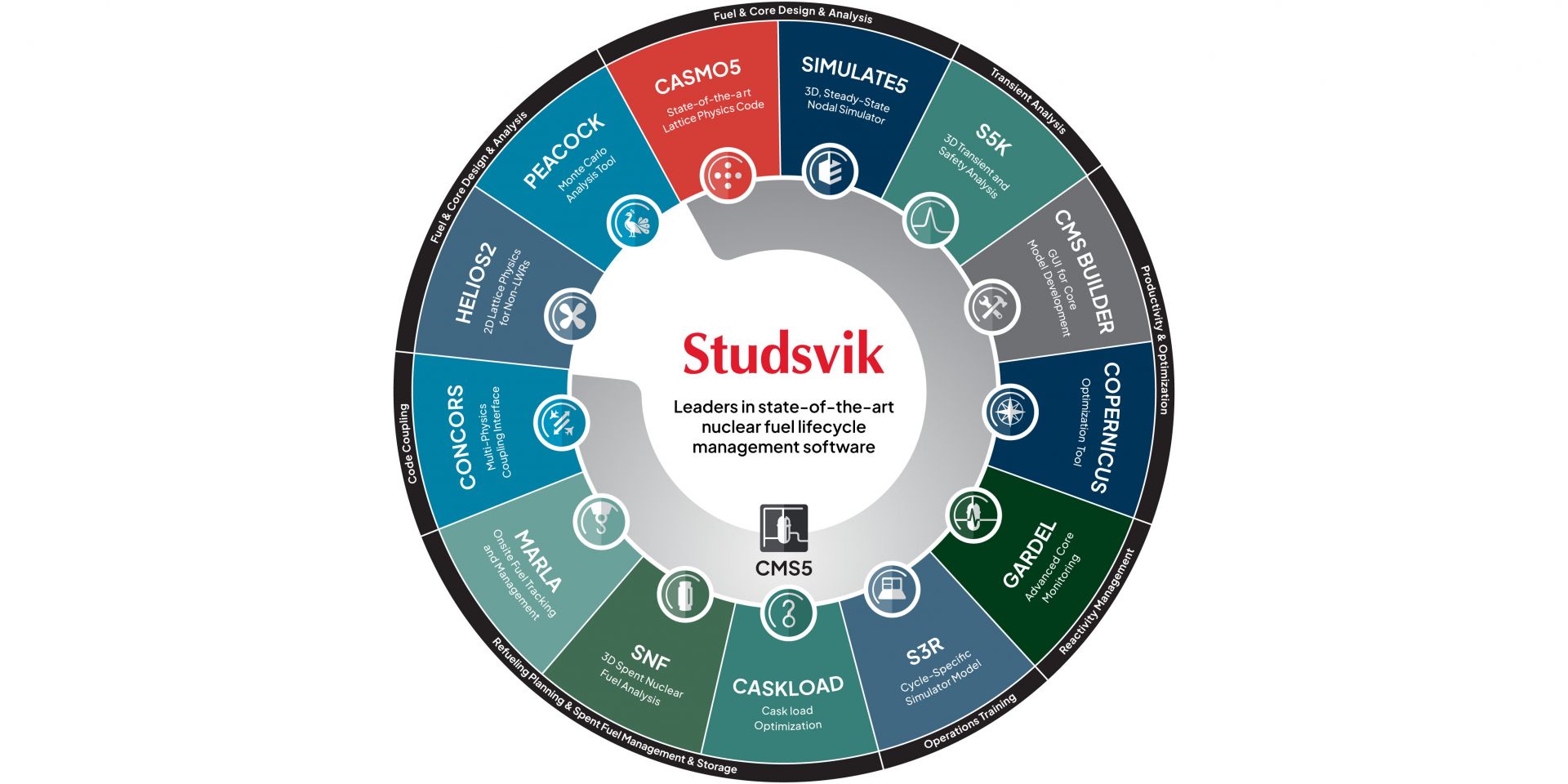
How utilities are gaining greater accuracy, flexibility, and confidence across the nuclear fuel lifecycle
For nuclear power operators, the challenge is no longer simply running a reliable plant. Today’s utilities must optimize fuel investments, manage evolving reactor designs, meet regulatory requirements, and respond quickly to changing operating conditions.
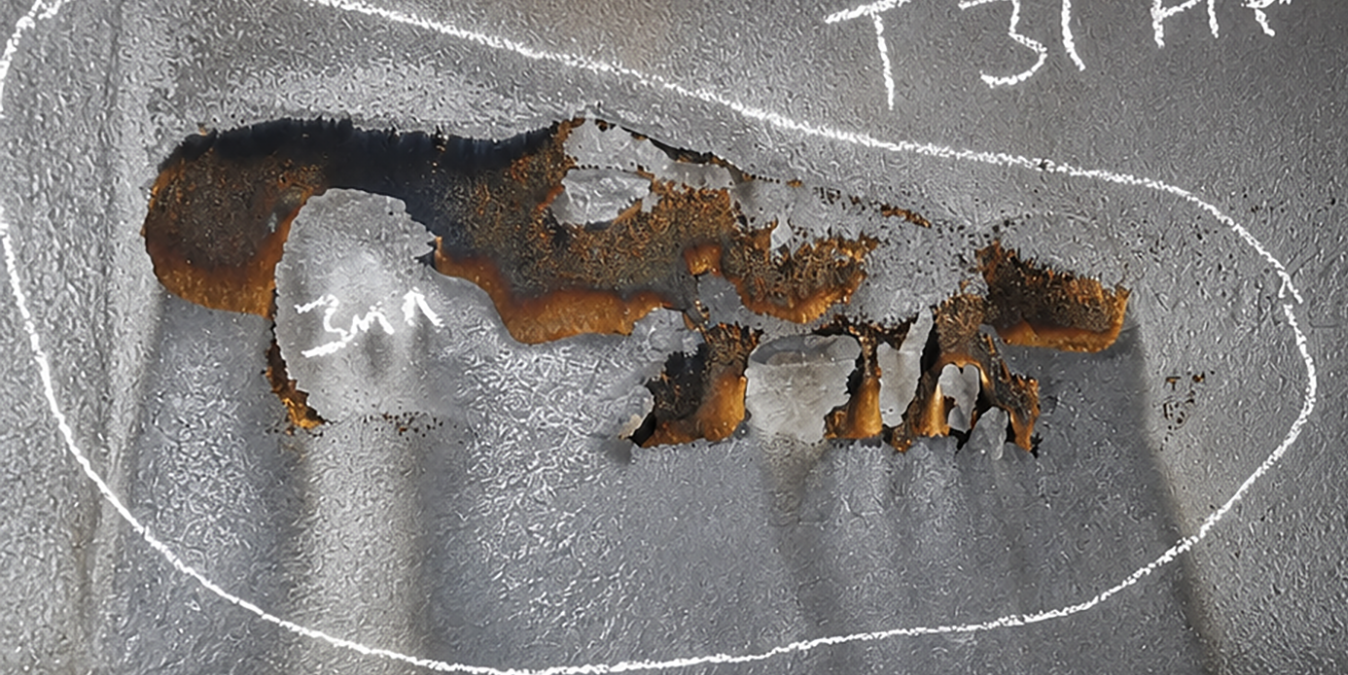
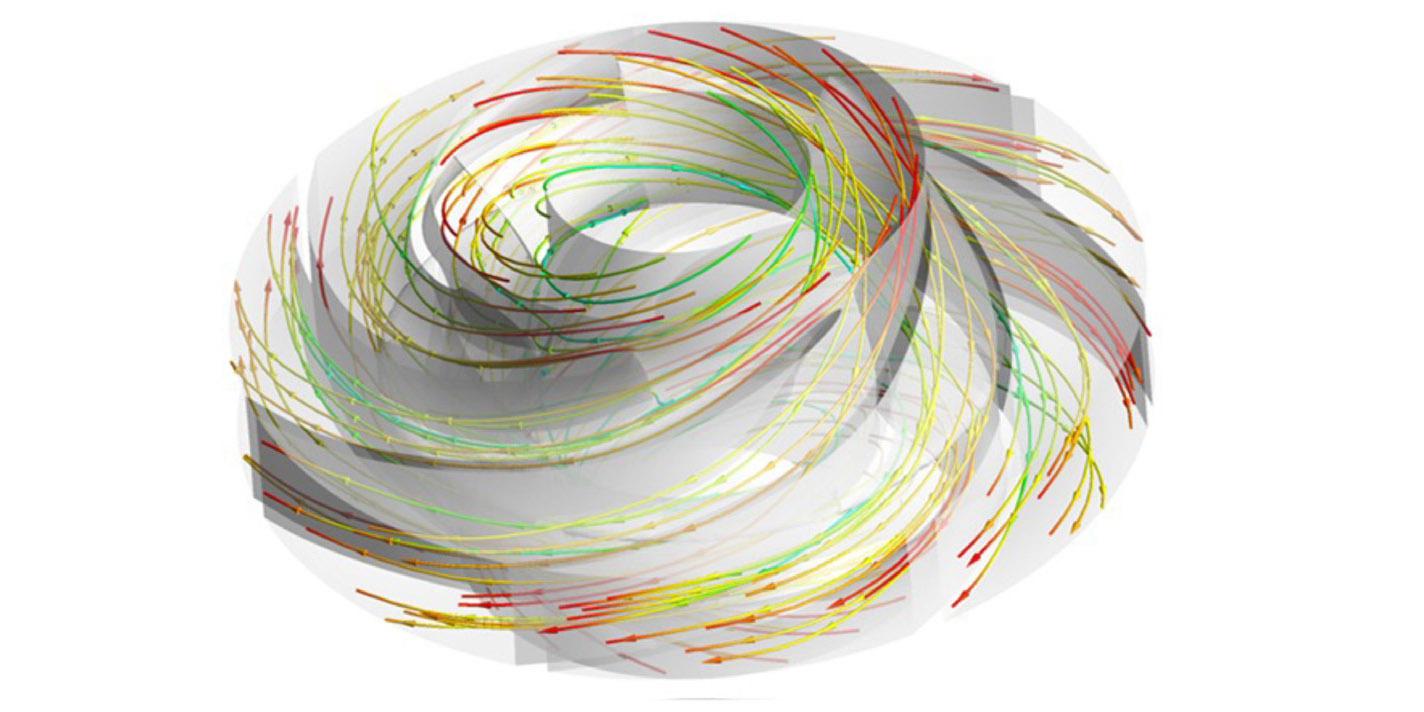
Typical problem areas addressed by HVTS – turning vanes under high-pressure where steam has high velocity
More than two-thirds of the U.S. nuclear fleet has now been operating for over 40 years, and many plants are pursuing subsequent license renewal to continue generating carbon-free electricity well into the 2050s. As facilities age, maintaining components affected by corrosion/erosion mechanisms, including flow accelerated corrosion (FAC) in particular, has become an increasingly important part of long-term operation.
Cross-under piping, feedwater systems and steam turbine components are particularly vulnerable. High-velocity wet steam gradually removes the protective oxide layer from carbon steel, leading to wall thinning, erosion and reduced structural margin. Left unmanaged, these degradation mechanisms can result in costly repairs, extended outages and, ultimately, replacement of major components.
Next-Generation Chemistry for Safer, Faster, and More Efficient Heat Transfer Equipment Maintenance
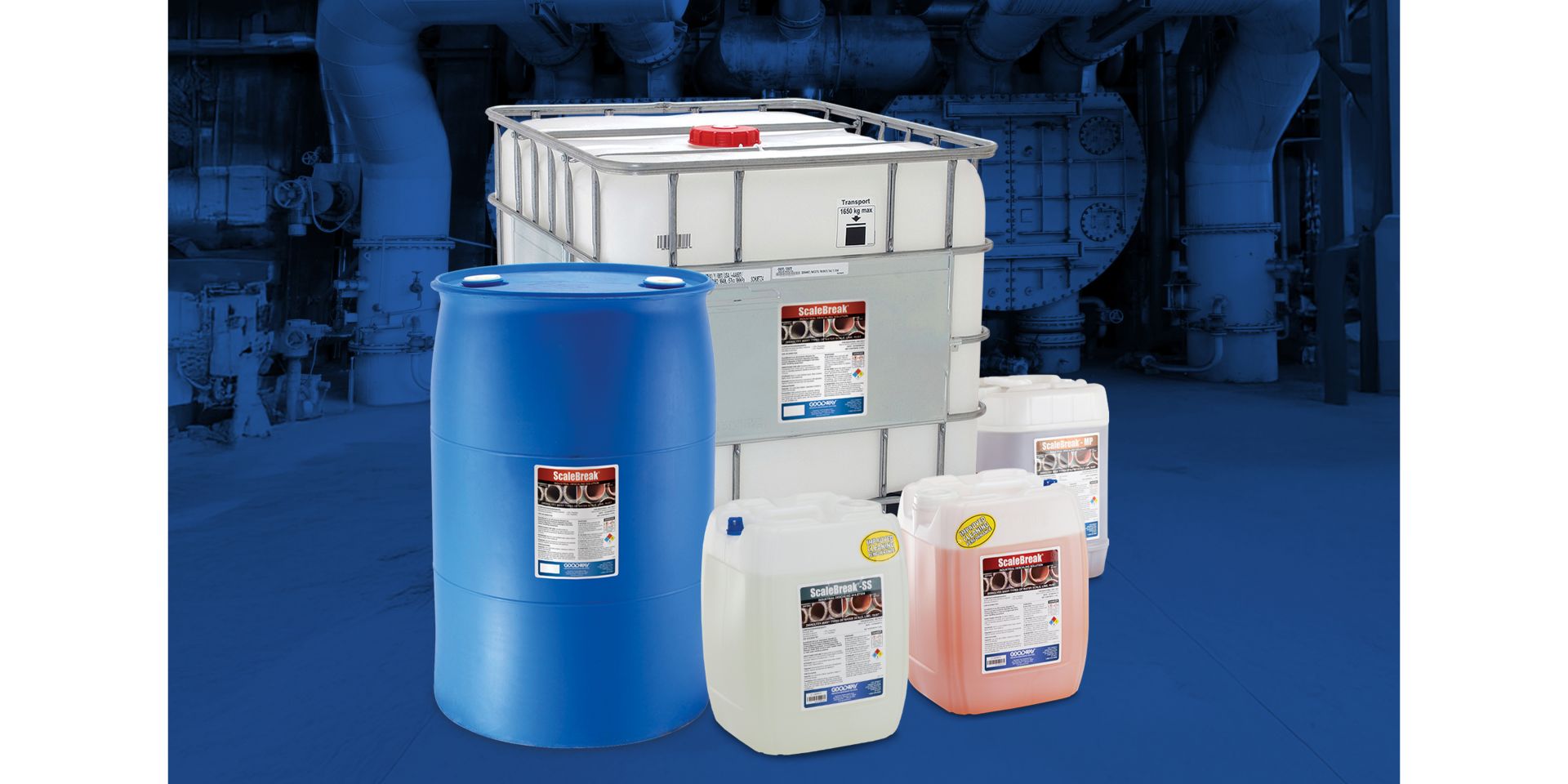
In power generation facilities, scale is more than a maintenance issue. It is an efficiency issue, a reliability issue, and ultimately a profitability issue.
Mineral deposits such as calcium carbonate create an insulating barrier on heat transfer surfaces. As scale accumulates inside condensers, feedwater heaters, boilers, cooling systems, and auxiliary heat exchangers, thermal efficiency declines. The result can be higher operating costs, increased condenser backpressure, greater energy requirements, reduced generating capacity, and longer maintenance outages.
Removing these deposits is critical, but traditional chemical descaling has often required facilities to balance cleaning performance against worker safety, environmental impact, and operational complexity.
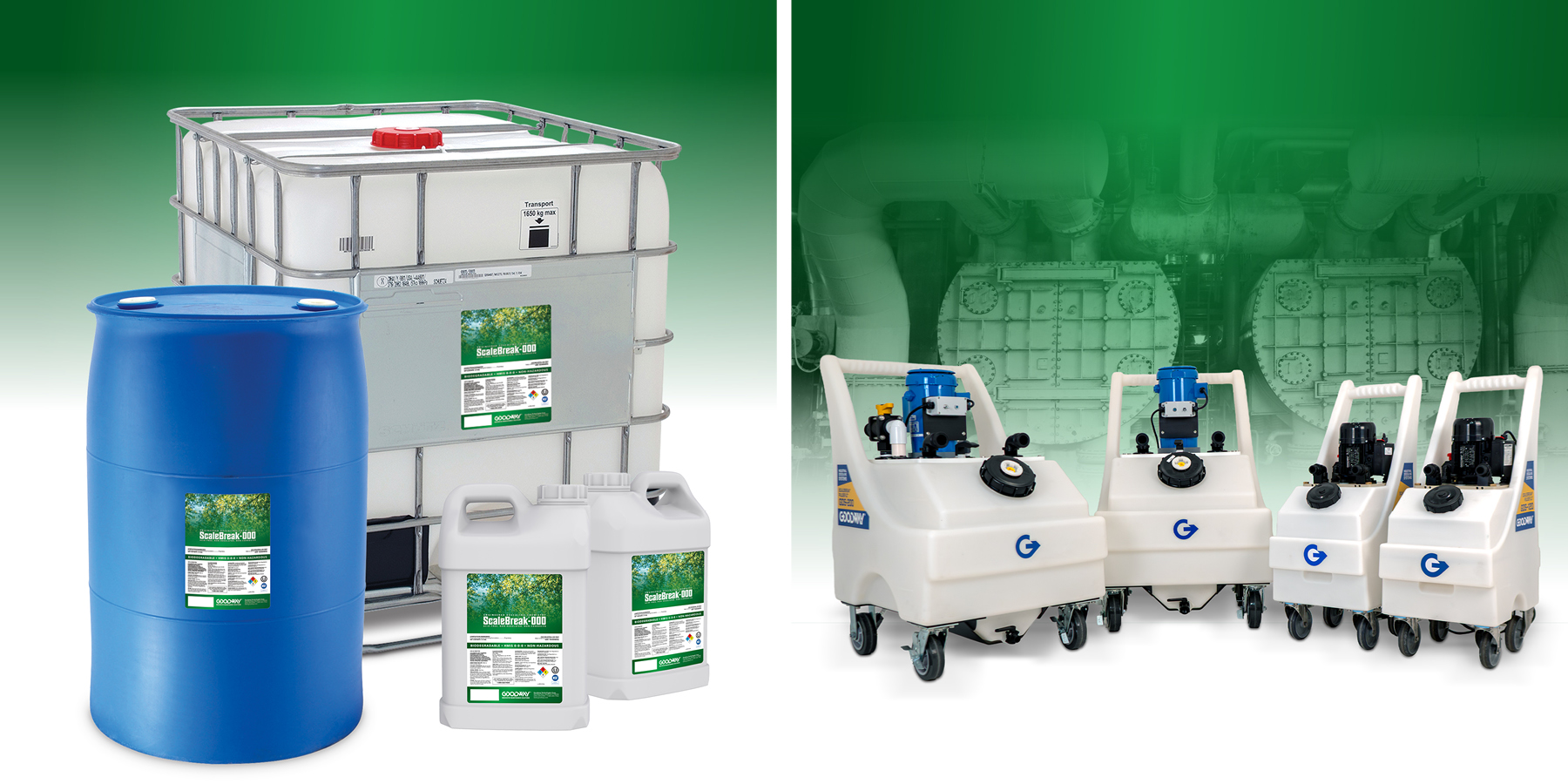
Goodway® ScaleBreak®-000 changes that equation.
Conceptual rendering of the Rolls-Royce Small Modular Reactor.
It’s no secret America’s energy demand is entering a new era. Growth in artificial intelligence, advanced manufacturing, electrification and national security infrastructure is creating unprecedented demand for reliable, affordable and secure power. Nuclear energy – particularly small modular reactors (SMRs) – has been identified as a critical part of that solution.
However, deploying new nuclear capacity fast enough to meet demand will require more than innovative reactor designs. It will require experienced partners who understand licensing, environmental permitting, engineering, project delivery and long-term operations.
The future of nuclear depends not only on new technology, but on preserving the knowledge behind decades of safe operation.
The nuclear industry is entering a new chapter.
Existing plants are extending operating lives beyond their original design expectations. New reactor technologies are moving from concept to construction. Investment in domestic manufacturing and fuel production is accelerating, and utilities are strengthening supply chains to support decades of future operation.
At the same time, another transition is taking place.
For North American nuclear projects, the quality and life-cycle program behind a secure-power system matters as much as the hardware itself.
The United States and Canada are preparing to build and renew nuclear capacity at a scale not seen in decades. New construction, refurbishments, reactor restarts, license renewals, and a pipeline of small modular reactors and microreactors are advancing at once, driven by increasing power demands.
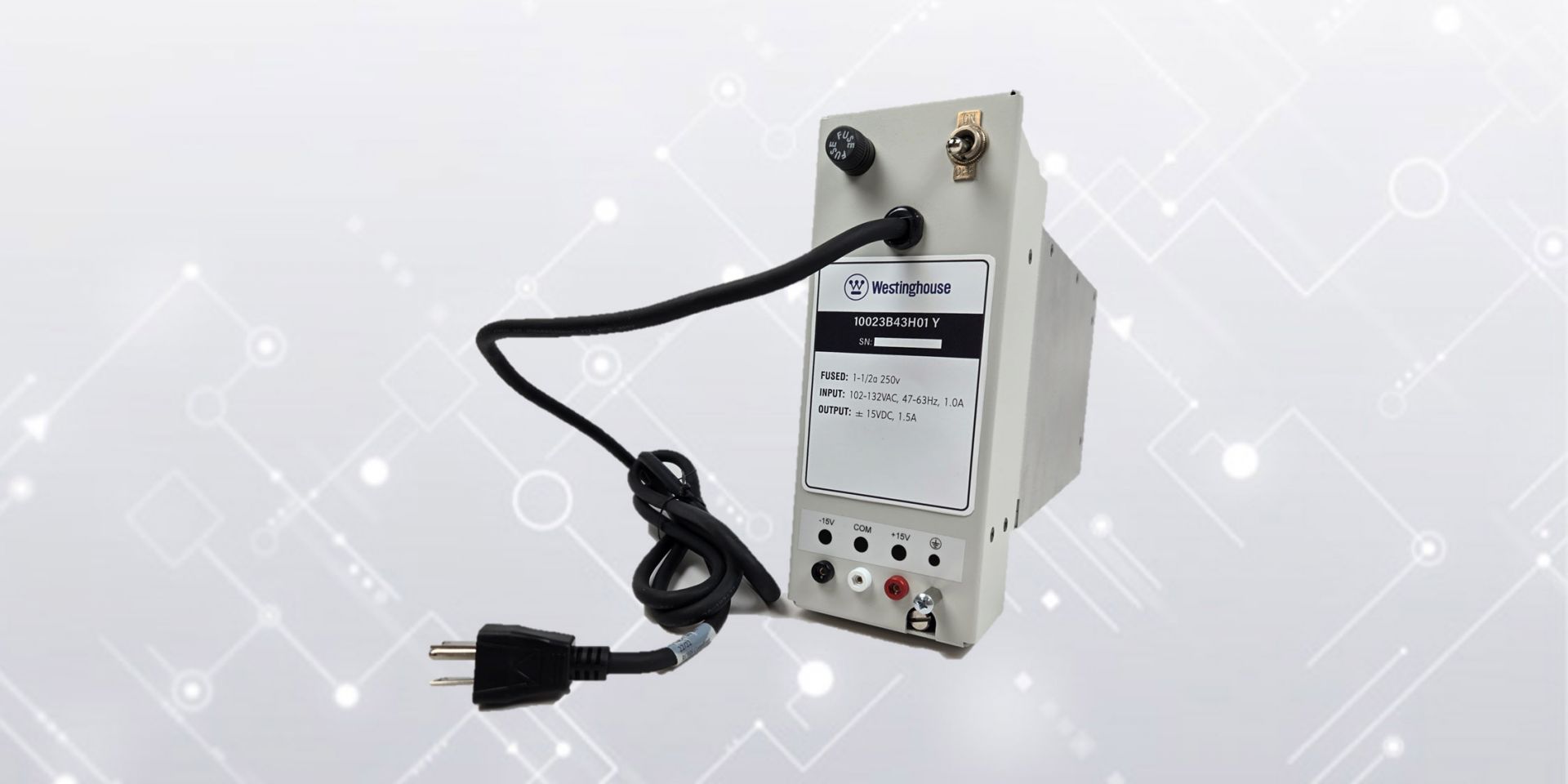
Modernizing a critical control power platform for long‑term reliability and lifecycle sustainment
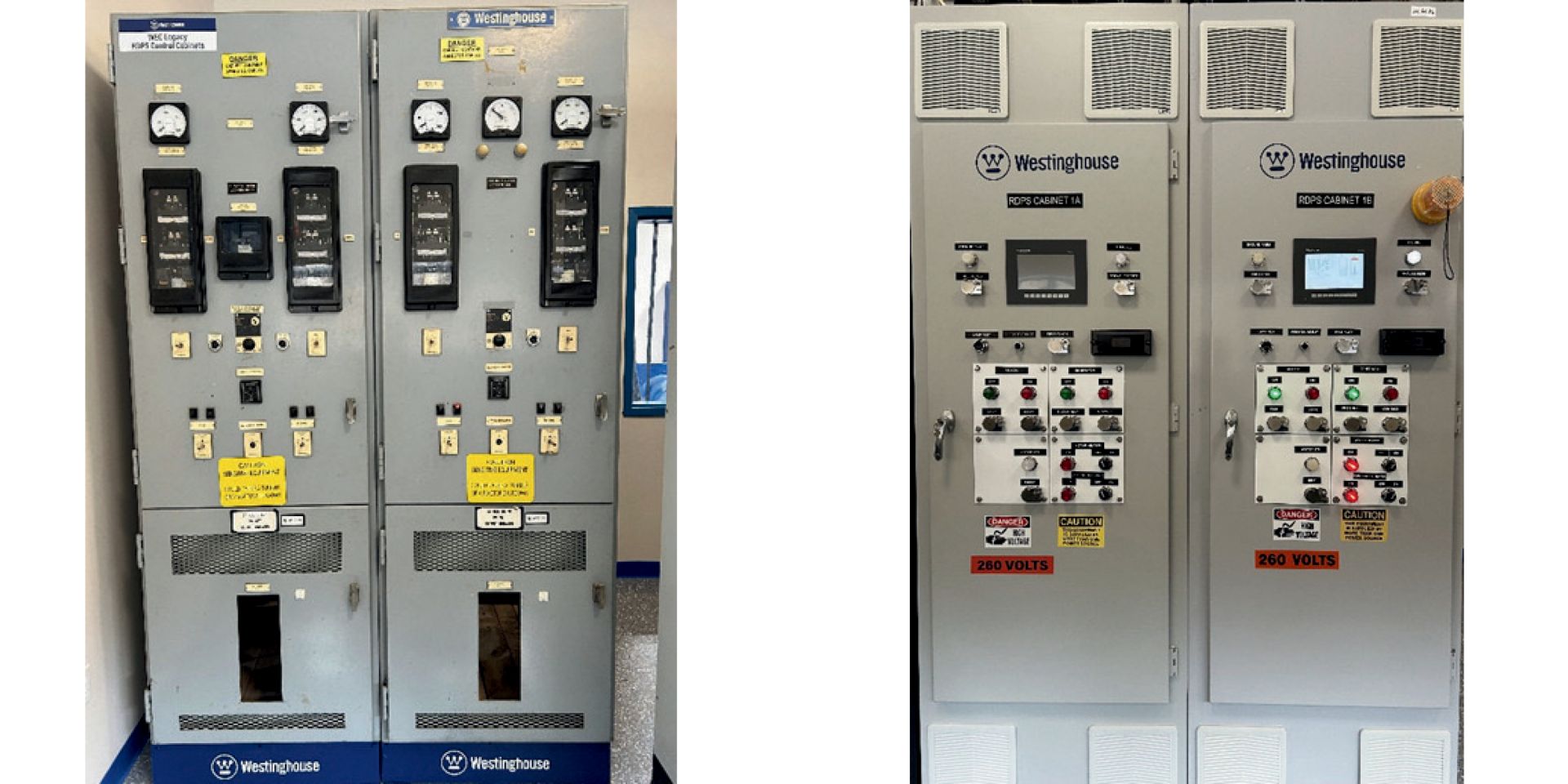
Original MG Cabinet (left) vs. Next Generation Replacement MG Cabinet (right)
Motor Generator (MG) sets and the associated Control Power Cabinets provide critical control power for rod drive systems in pressurized water reactor (PWR) plants. As these systems age, many utilities face growing challenges related to component obsolescence, limited supplier support, and legacy cabinet designs that introduce maintenance risk and single‑point vulnerabilities (SPV).
In nuclear facilities, obsolescence is inevitable. What varies is how organizations respond.
System modifications are often treated as the default solution. But in many cases, the problem can be addressed more directly, avoiding unnecessary engineering effort, extended timelines, and significant cost.
Curtiss-Wright’s new 800°C fission chamber could reshape instrumentation layouts in next-generation systems
Bradley Campbell and Chris Laidler with our new high temperature neutron flux detector prototype
Curtiss-Wright has successfully tested several full prototypes of a new high temperature neutron flux detector that we have developed to operate at up to 800°C, a necessary feature for many new reactor types. The new detectors are fission ionization chambers and the prototypes were constructed in our own facilities, which we use to manufacture our mature detector designs that operate at up to 600°C in the UK’s AGR fleet. Curtiss-Wright has a comprehensive suite of reactor protection electronics and the new detector is designed to complement our Guardline™ reactor protection system.
How High-Velocity Thermal Spray Enhances Efficiency, Safety, and Lifecycle Performance
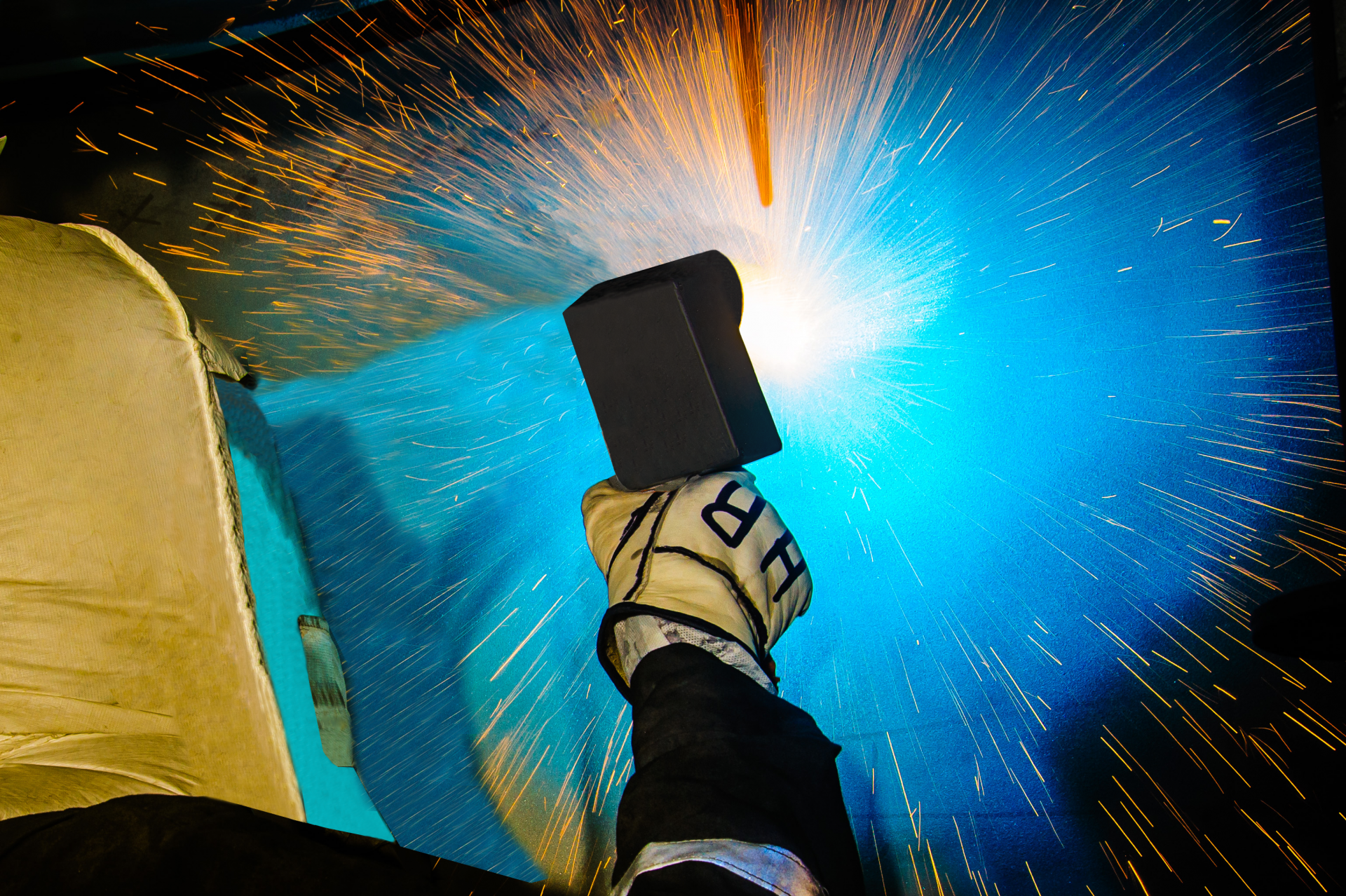
HVTS Application
As many Pressurized Water Reactors (PWRs) approach or exceed 40 years of operation, maintaining asset integrity under aging infrastructure, tight outage schedules, and strict ALARA (As Low As Reasonably Achievable) mandates is a real challenge.





-3 2x1.jpg)