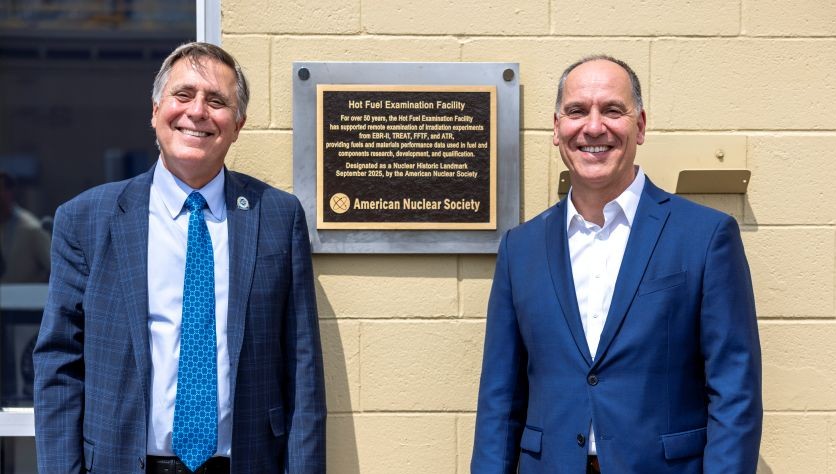
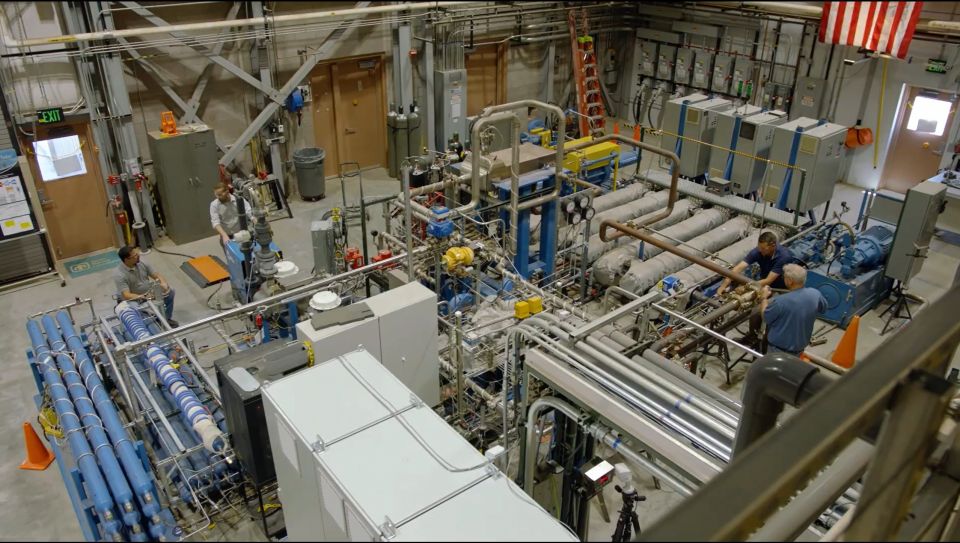
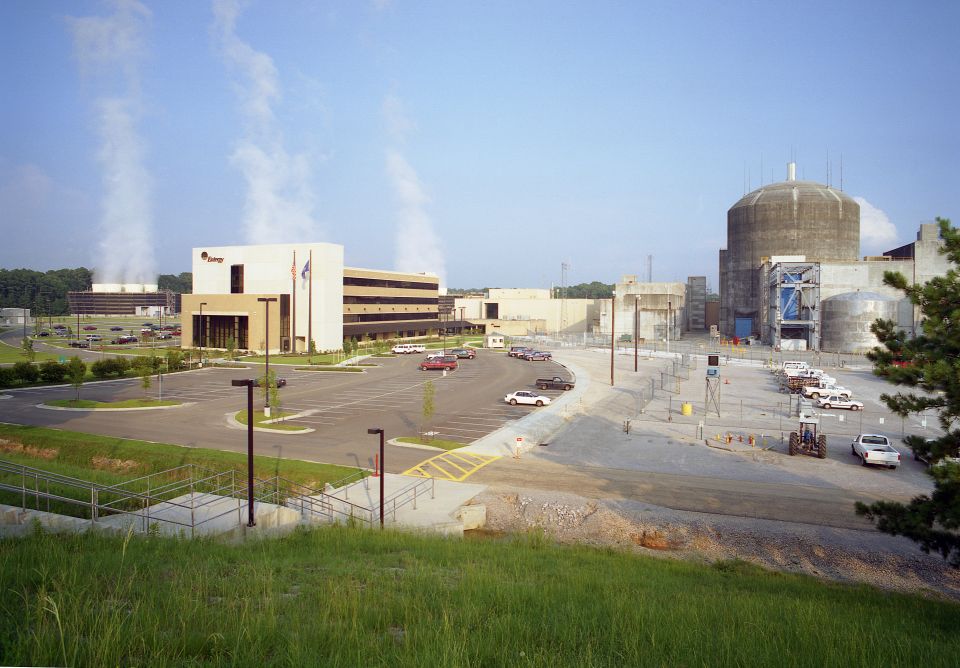
For Idaho National Laboratory, where the Mark-0 is sited, this development represents the first novel reactor to achieve criticality at the site in more than 50 years, according to laboratory director John Wagner. The DOE describes Mark-0 as "the 53rd reactor to be built at [the] Idaho National Laboratory site since 1951."
The path to get here: Antares was founded in 2023 and is headquartered in Torrance, Calif. In March 2024, it publicly announced its first partnership—with Battelle—and set a goal to achieve a “first nuclear experimental test” at INL by 2027. A few days later, the company demonstrated its first sodium heat pipe.
In September 2024, Antares received a GAIN voucher from the DOE’s Office of Nuclear Energy to partner with Oak Ridge National Laboratory. ORNL performed an independent technical audit of the company’s reactor design to verify its core neutronics and thermal hydraulics. By the end of 2024, Antares had also partnered with Savannah River National Laboratory to collaborate on engineering, fuel cycle management, modular facility deployment, and security considerations associated with small reactor–based power systems.
In August 2025, Antares expanded its operations to include a satellite site at the Advanced Manufacturing Collaborative in South Carolina. A few weeks later, the company was allocated high-assay low-enriched uranium by the DOE. That same month, Antares was one of the 10 companies named to join the Reactor Pilot Program, adding new layers to its already complicated partnership with the DOE complex. By October, fuel fabrication work with its DOE-allocated HALEU was underway at BWX Technologies.
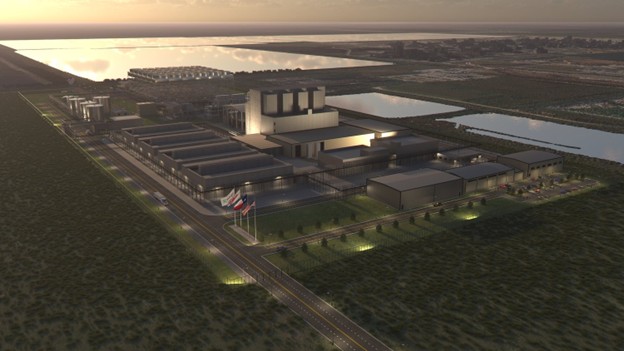
As 2026 dawned and Antares was working through the various stages of DOE design approval, it also expanded its plans with the DOD. In April, the Department of the Air Force—as part of the Advanced Nuclear Power for Installations (ANPI) program—selected Antares to deploy the R1 at Joint Base San Antonio.
The achievement: Perhaps predicting the possibility for misinterpretation by the public, Wagner clarified in a LinkedIn post that Antares’s chain reaction “was sustained at essentially no measurable energy output. This is not electricity generation. It is not full-power operation. It is proof that the system works: the scientific and engineering validation that every subsequent step depends on.”
In an American Nuclear Society webinar earlier this year, Antares CEO Jordan Bramble talked at length about what achieving criticality with the Mark-0 would mean for the company. At different points in the discussion, he described criticality as the “moment where the rubber meets the road,” a “minimum viable product halfway through [the DOE] regulatory process,” and a “huge debugging and shakedown of our underlying supply chain.”
The path ahead: Overall, Bramble characterized first criticality as “a stepping stone” and reminded the audience that the company’s “North Star” is “getting to an electricity-producing prototype reactor.” In a video posted to X yesterday, Bramble called this next prototype the Mark-1, which he said the Antares design team began working on two months ago. “We are months away from fully testing our power conversion system, and then we will connect one to a reactor soon after,” he said, adding that the company is on track to deliver commercial units to customers in 2028.
In the ANS webinar, Bramble explained that Antares plans to build its “first 30 to 40 reactors” at its manufacturing facilities in Torrance, Calif. While the company has some preliminary plans for commercial deployments of the R1, Bramble explained that “our focus is fission-powered systems for defense and space applications.” In his view, the federal government “is going to be the best first customer for these technologies—not unlike semiconductors, GPS, rocket propulsion, and many such examples throughout the last century.”
While the future remains uncertain, Antares will almost certainly not be alone as the race to a full-power reactor continues. As the DOE stated yesterday, multiple reactors are anticipated to go critical by July 4.
Editor's note: This article was updated to clarify that the Mark-0 was not equipped with heat removal systems.