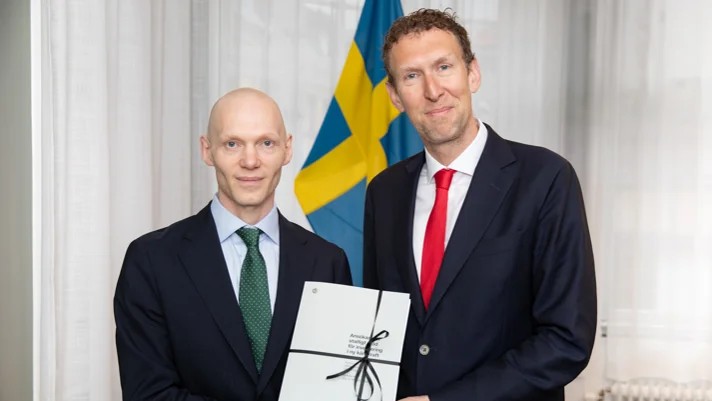
Minister for Financial Markets Niklas Wykman (left) and Blykalla CEO Jacob Stedman. (Photo: Olle Friman/Government Offices)
Within the span of two weeks, three Swedish companies—Blykalla, Studsvik, and Nordic Baseload Power—submitted applications to their country’s government for state aid for their respective new nuclear builds. Applications are handled by Sweden’s Ministry of Finance.
In early June, SMR developer Blykalla submitted its application to the Swedish government, followed by engineering services firm Studsvik on June 12. And on June 16, energy company Nordic Baseload Power became the latest to apply for financial support. Overall, the Swedish government has received four applications for state aid since last year.
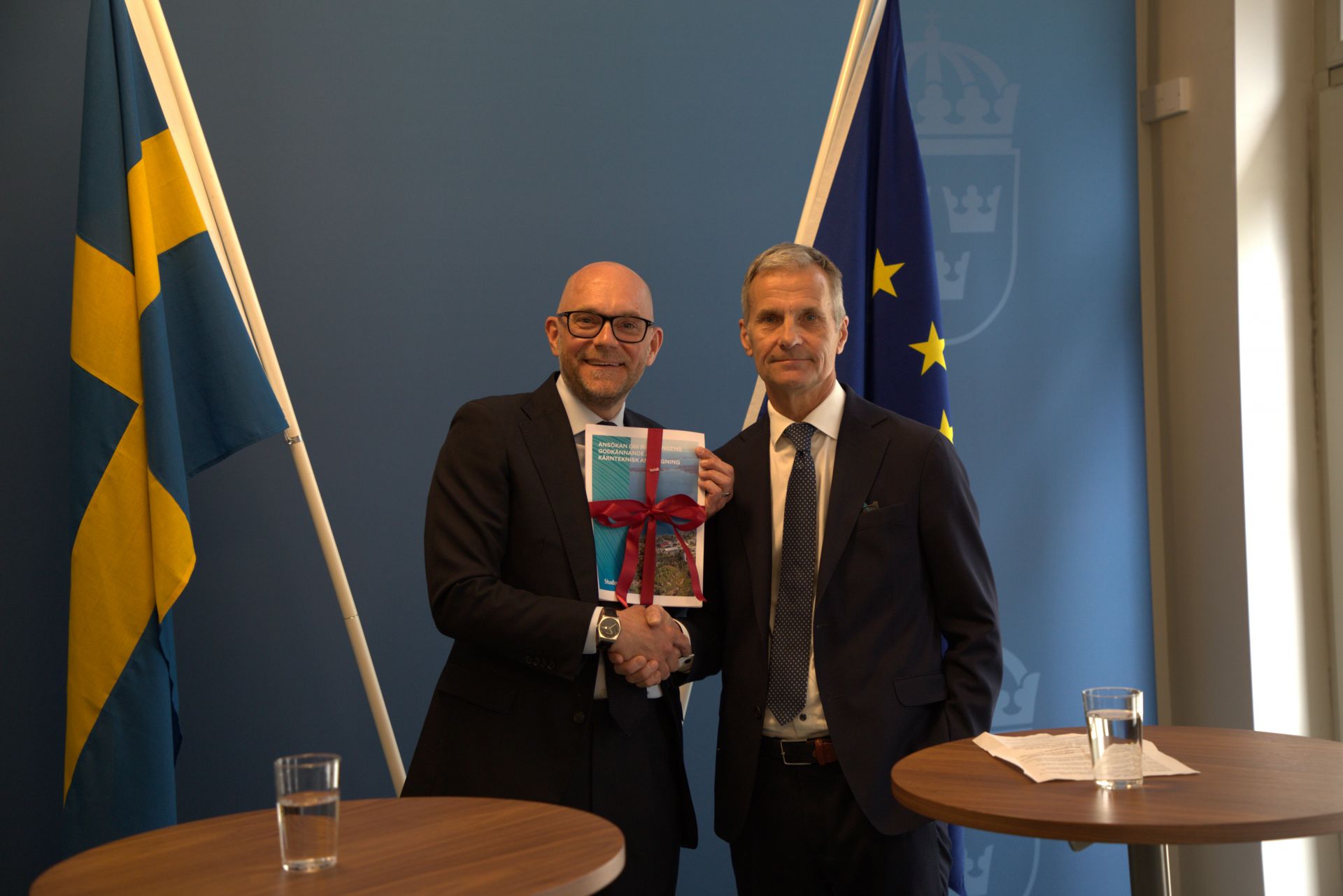
Johan Britz, Minister for Employment and acting Minister for Climate and the Environment (left) and Karl Thedéen, Studsvik President and CEO. (Photo: Studsvik)
New developments in Sweden’s nuclear energy industry continue to make headlines. Last week, Swedish engineering services firm Studsvik submitted an application to build between 600 MWe and 1,400 MWe of new nuclear power capacity “at and around” its Nyköping Municipality headquarters. Separately, the Swedish government is looking to acquire a majority ownership stake in Videberg Kraft AB.
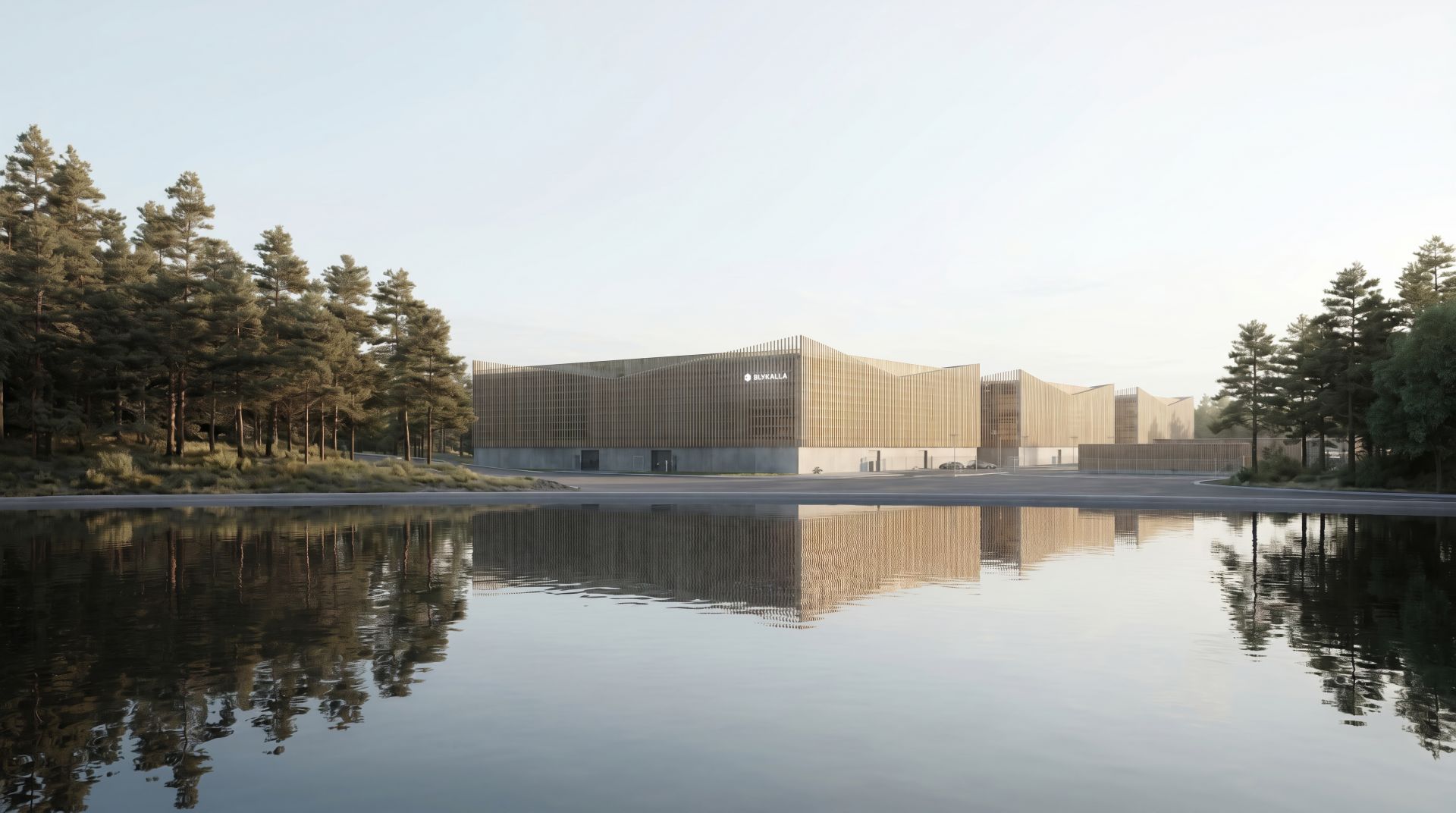
The proposed Blykalla SMR site in Norrsundet, Sweden. (Image: Blykalla)
Sweden-based advanced reactor developer Blykalla has applied to build a site in its home country that would feature six lead-cooled small modular reactors. The 330-MWe facility would house a half-dozen 55-MWe Sealer reactors, which the company said are designed for hyperscalers and energy-intensive industries.
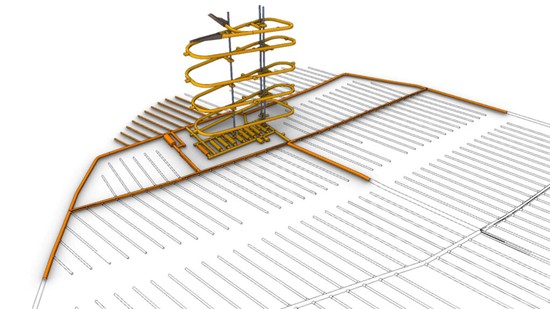
Early construction work on the Forsmark repository includes an access tunnel, three vertical shafts for ventilation and a lift, a central area and main tunnels, and transport tunnels to the first repository areas. (Image: SKB)
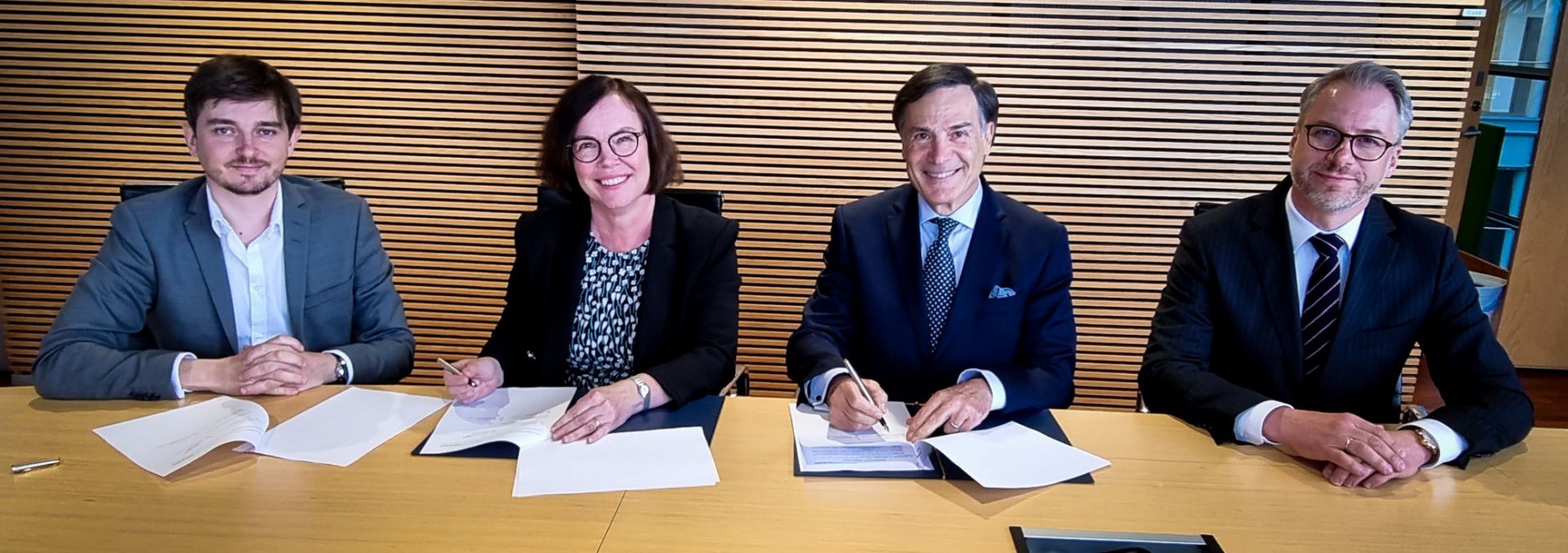
The Swedish Nuclear Fuel and Waste Management Company (Svensk Kärnbränslehantering AB, or SKB) has signed a collaboration agreement with the multinational construction company Implenia to build the first underground section of a deep repository for radioactive waste near Sweden’s Forsmark nuclear power plant.
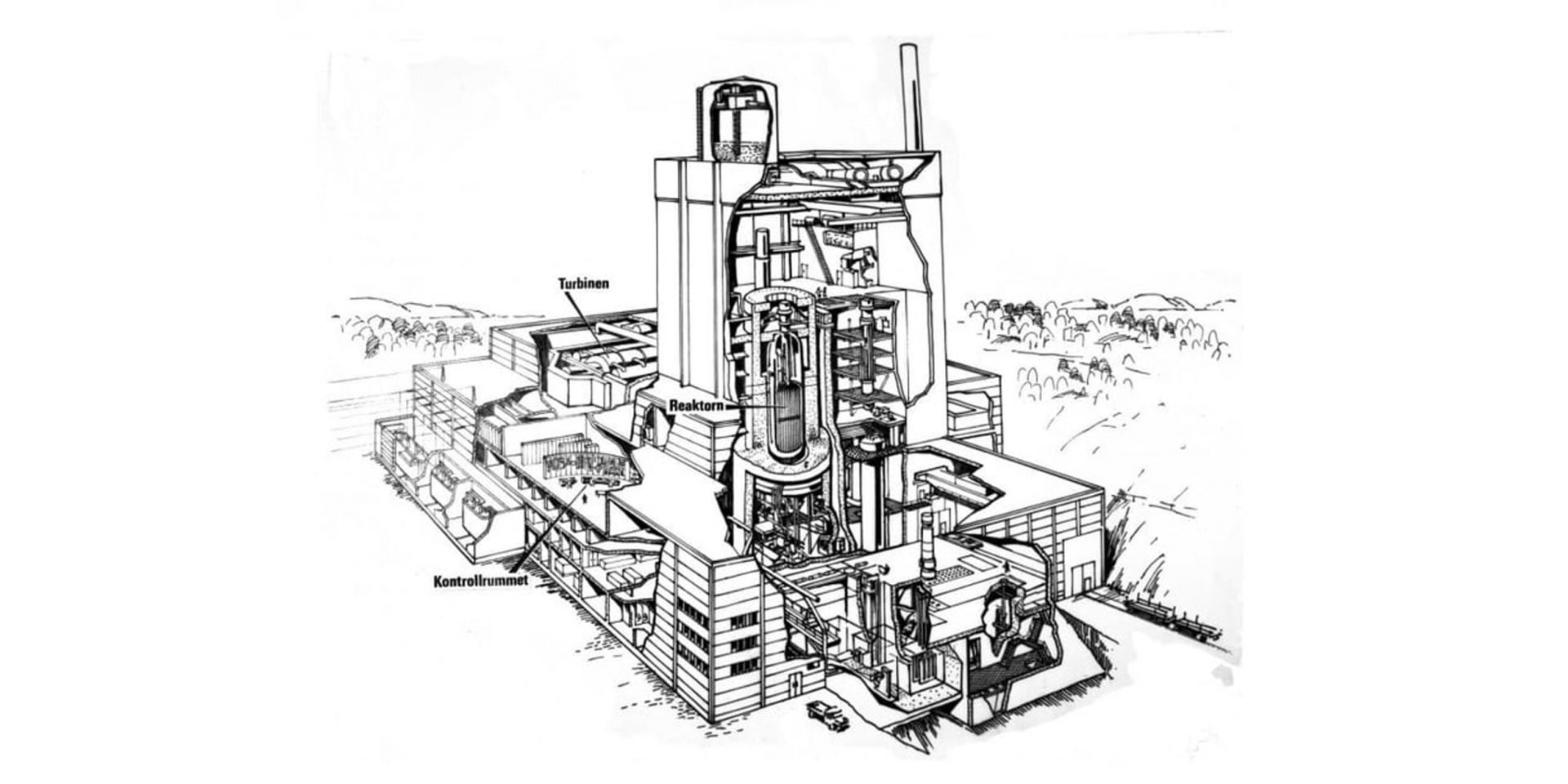
Cutaway diagram of Marviken. (Image: Vattenfall)
In the late 1950s, the Swedish government decided to undertake a large-scale nuclear energy project. Situated about 75 miles southwest of Stockholm on the Baltic coast, Marviken was located on a peninsula, allowing for the cooling water intake and outlet to be located on either side of the peninsula. The coastal location also allowed the large reactor pressure vessel to be delivered by ship.
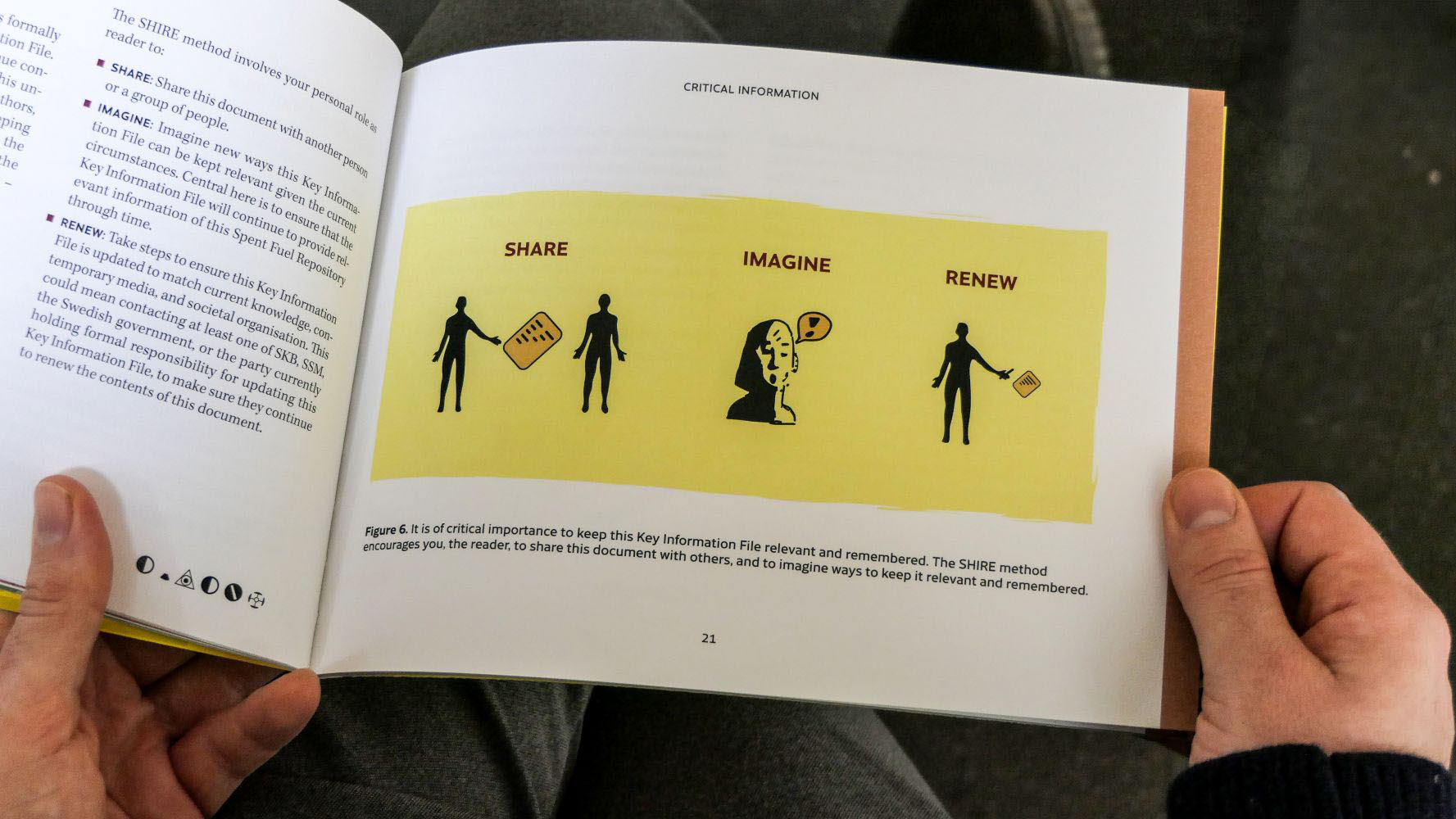
The KIF document is meant to engage the reader to share, imagine, and renew nuclear waste information. (Photo: Per Wistbo Nibell)
The preservation of records, knowledge, and memory is recognized as an important component of nuclear waste management, preventing future generations from unnecessary interference with a waste repository and supporting future societies to make informed decisions about such sites.
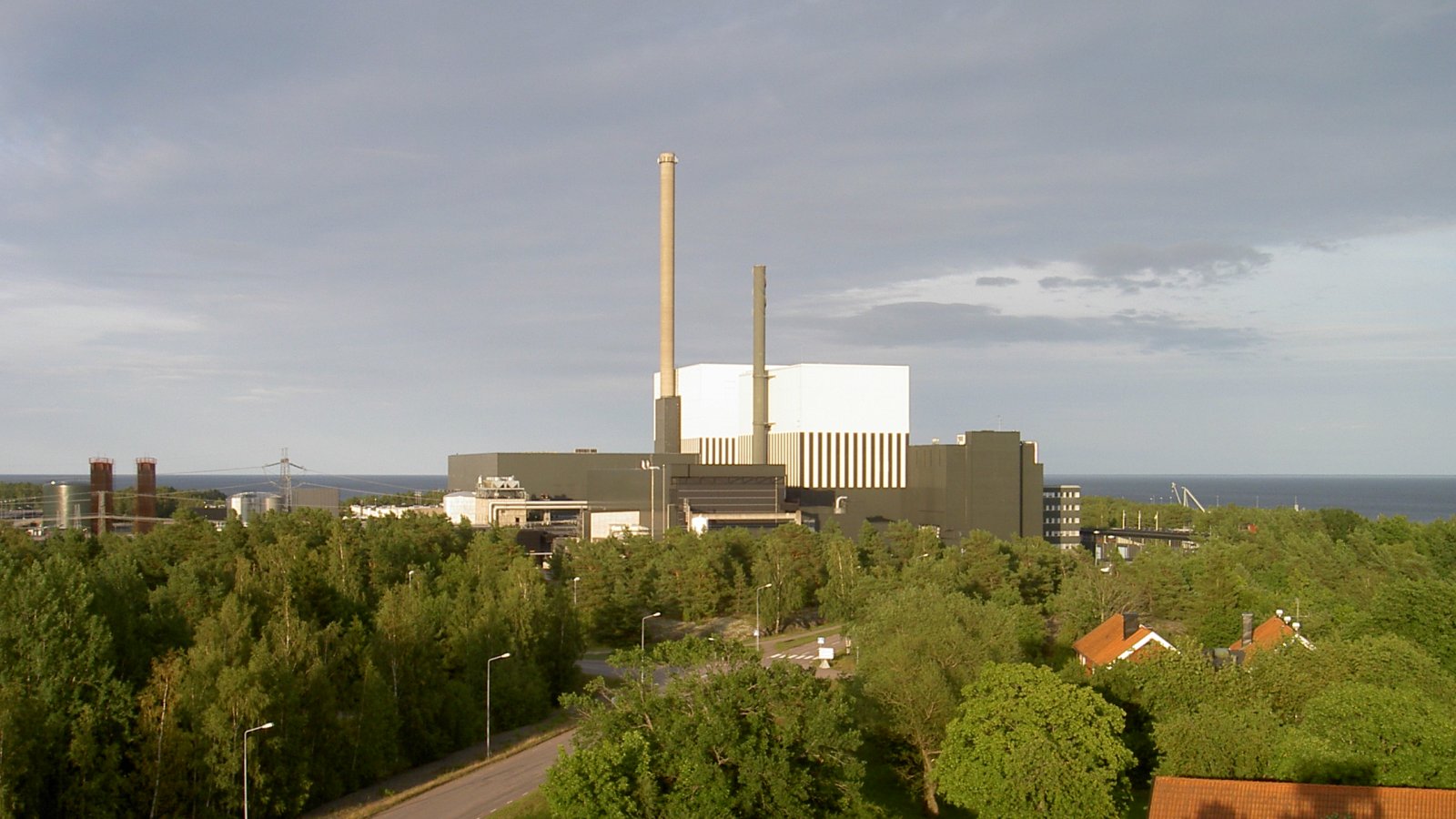
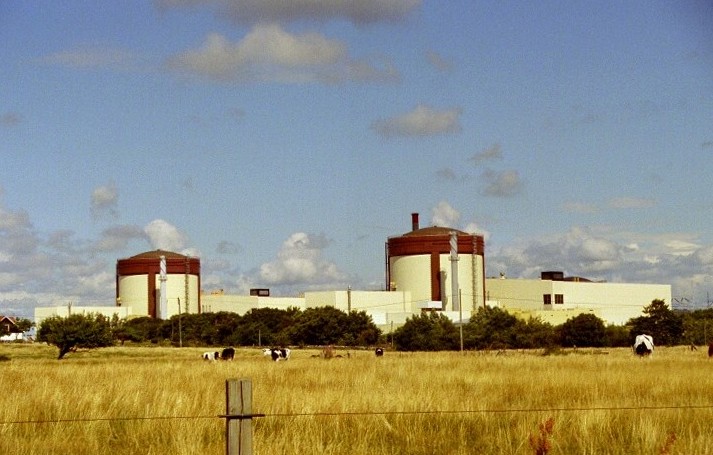
Oskarshamn nuclear power plant in Sweden. (Photo: Daniel Kihlgren)
Germany’s NUKEM Technologies Engineering Services GmbH, in partnership with Uniper Nuclear Services GmbH (UNS), has successfully completed the dismantling of the fourth and final reactor pressure vessel (RPV) at Oskarshamn nuclear power plant in Sweden. The work was done as part of the UNNU Consortium, which since 2020 has been dismantling Sweden’s four RPVs—two at the Oskarshamn site and two at the Barsebäck nuclear plant site.
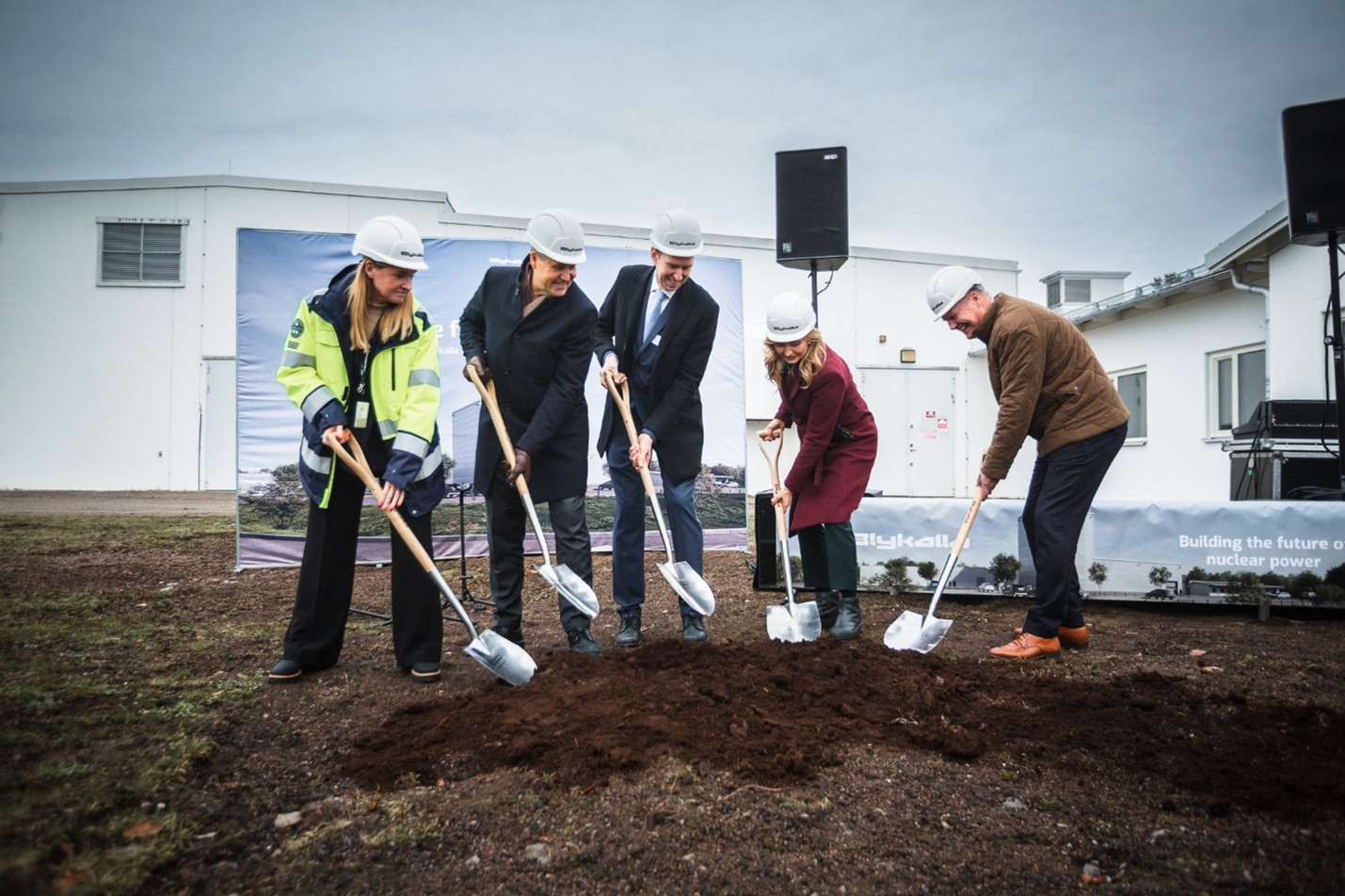
A ground breaking marked the beginning of advanced SMRs in Sweden. From left, Jenny Wirandi, head of engineering at OKG; Johan Svenningsson, chief executive of Uniper Sweden; Jacob Stedman, chief executive of Blykalla; Ebba Busch, Sweden’s minister for energy and business and deputy prime minister; and Per Erik Holsten, president of energy industries at ABB. (Photo: Marcus Beckford/Blykalla)
An official ground breaking on Monday for Swedish nuclear company Blykalla’s advanced reactor testing site marked a pivotal step in putting decades of research into action.
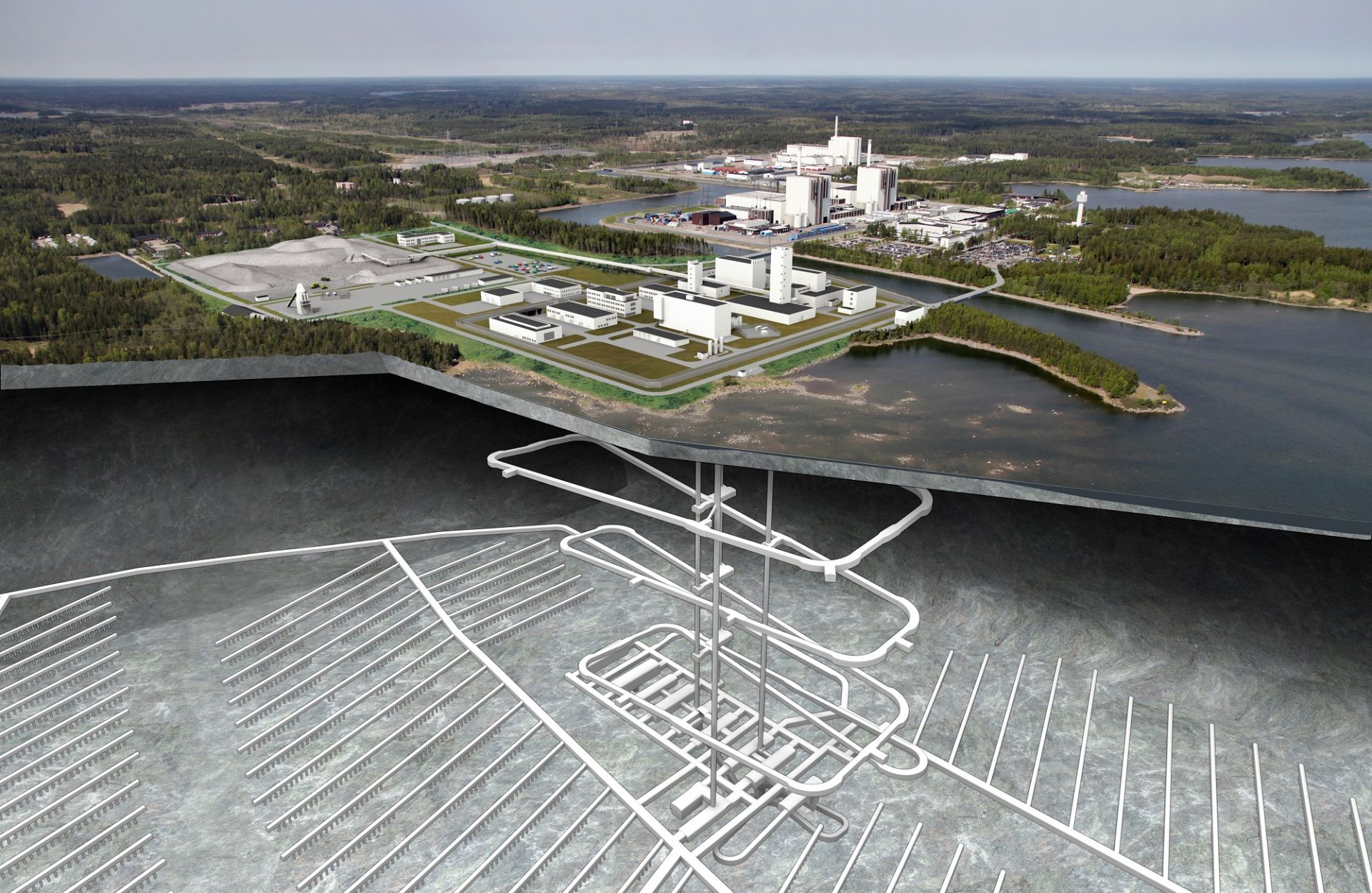
Concept art of the Forsmark geologic repository for spent nuclear fuel in Sweden. (Image: SKB)
The Swedish Nuclear Fuel and Waste Management Company (Svensk Kärnbränslehantering AB, or SKB) broke ground on its spent nuclear fuel repository near the Forsmark nuclear power plant on January 15. SKB, which is owned by Sweden’s nuclear power plants, expects the final repository will be ready for disposal in the 2030s, and will be fully extended in the 2080s.
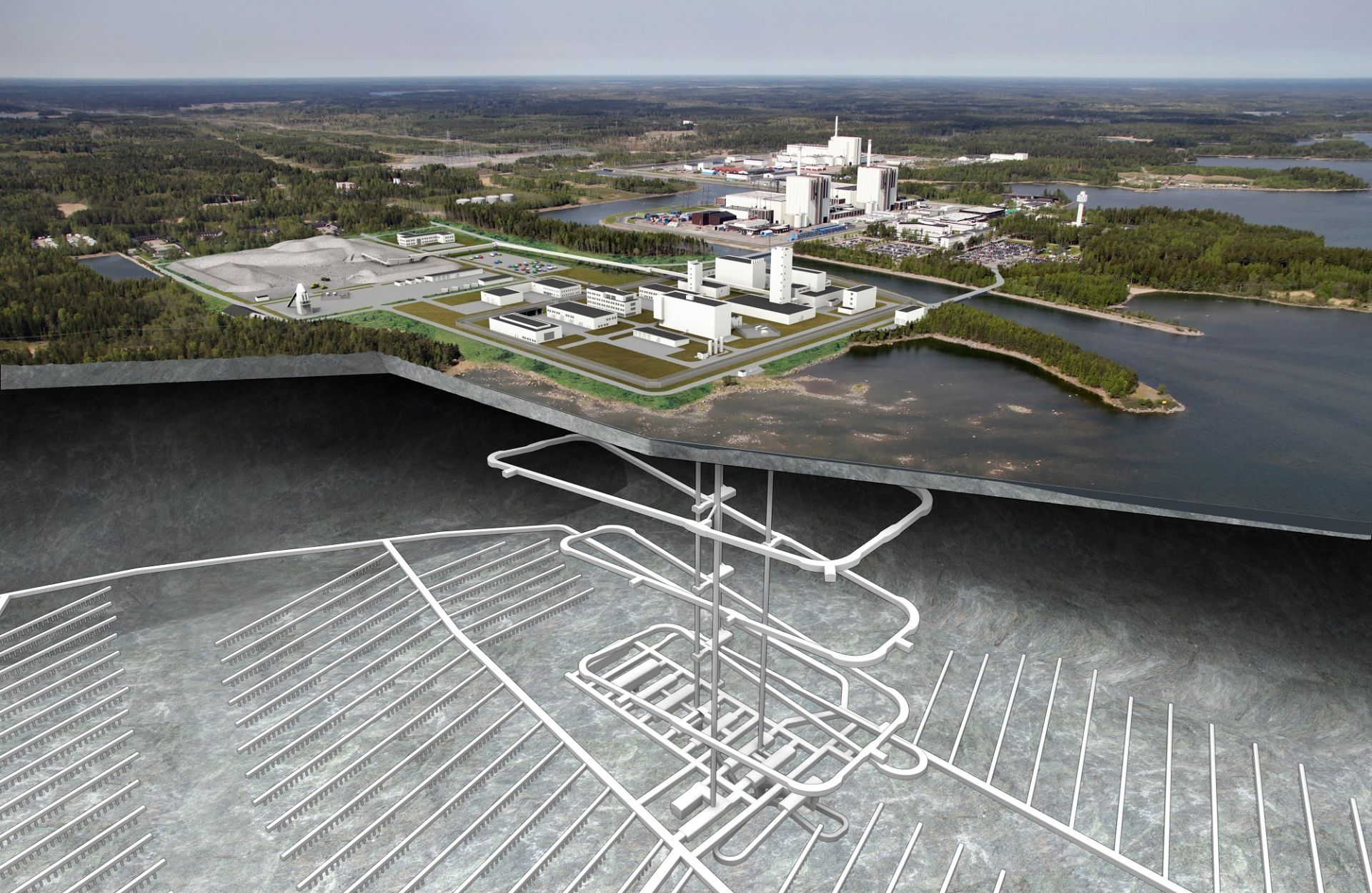
Rendering of the Forsmark geologic repository for spent nuclear fuel in Sweden. (Image: SKB)
Sweden’s Land and Environmental Court has granted the Swedish Nuclear Fuel and Waste Management Company (Svensk Kärnbränslehantering AB, or SKB) an environmental permit to build and operate a geologic repository for the country’s spent nuclear fuel near the Forsmark nuclear power plant, about 86 miles north of Stockholm. The permit also includes the building of a spent fuel encapsulation plant at the central interim storage facility for spent nuclear fuel at Oskarshamn, about 200 miles south of Stockholm.
The Ringhals nuclear power plant. (Photo: Wikipedia)
Vattenfall has initiated a study to look into the feasibility of building at least two small modular reactors adjacent to its Ringhals nuclear power plant, the Swedish state-owned power company announced recently.
Located on Sweden’s west coast about 37 miles south of Gothenburg, Ringhals holds two operating power reactors: Unit 3, a 1,074-MWe pressurized water reactor; and Unit 4, a 1,130-MWe PWR. The facility is also home to two retired units: Unit 1, a boiling water reactor shut down in December 2020; and Unit 2, a PWR taken off line in December 2019.