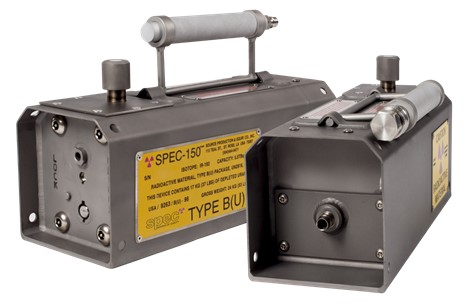
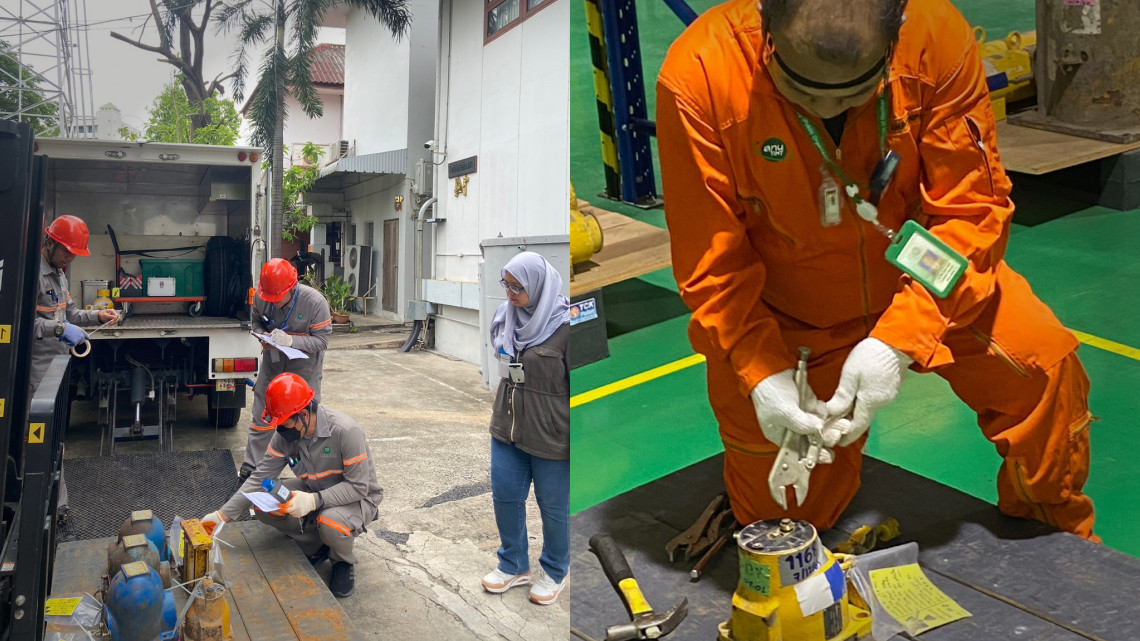
A new IAEA peer review service demonstrates the proper management of disused sealed radioactive sources. (Photos: IAEA [left] and TINT [right])
The International Atomic Energy Agency has carried out the first mission of its Disused Sealed Radioactive Sources Technical Centre peer review service, or DSRS TeC, at the Thailand Institute of Nuclear Technology (TINT) in Bangkok. Held July 18–21, the inaugural mission was supported by funds from the United States.
The Monticello nuclear power plant. (Photo: NRC)
An Xcel Energy news release issued last week regarding the leak of some 400,000 gallons of tritium-containing water at Minnesota’s Monticello nuclear power plant in 2022 has sparked a flood of news stories over the past few days—in large part because the general public had previously been unaware of the leak. (A low-level beta emitter, tritium is a common byproduct of nuclear reactor operation.)
Nicholas Spivey, left, an SRNL mechanical engineer, and Kurt Gerdes, director of EM’s Office of Technology Development, use virtual reality simulation of an EM worksite during meetings held at the IHMC in Pensacola, Fla. (Photo: DOE)
For the first time since forming in 2020, more than 40 members of a Department of Energy team met in person to evaluate technologies, including exoskeletons and wearable robotic devices, that could be adapted to the cleanup mission of department’s Office of Environmental Management (EM), helping improve the safety and well-being of its workers.
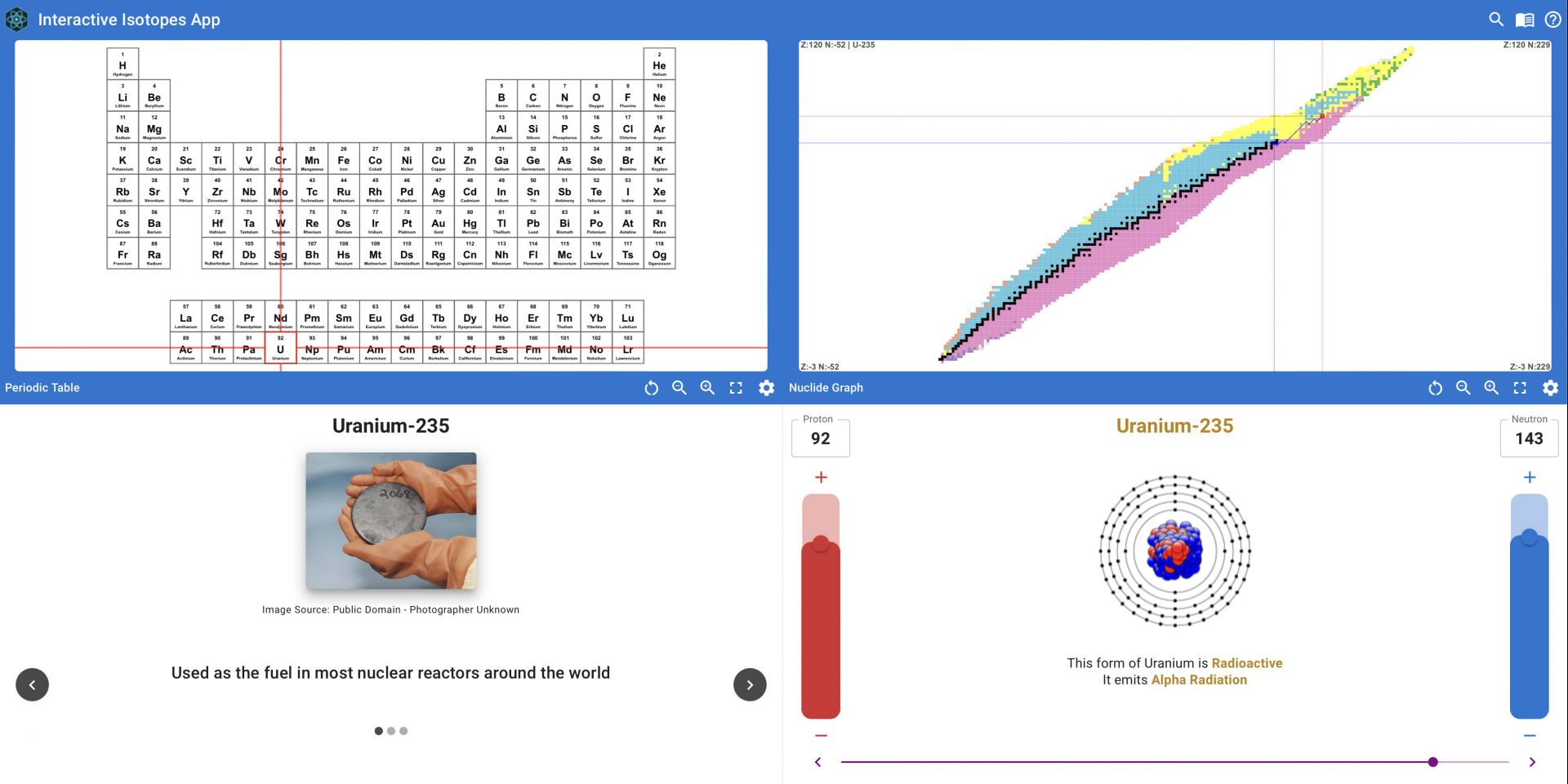
A screenshot of the Interactive Isotopes App from the ANS website depicting U-235 and its decay chain. (Graphic: ANS)
In the summer of 2019, three students from the University of South Carolina–Aiken (USCA) had an idea to digitize the isotope. Wei Zheng, Drake Jones, and Joseph Taylor set out to design an app that would be an interactive one-stop shop for information about any isotope—number of protons and neutrons, whether it is stable or radioactive, its natural abundance on earth, and even its uses. From these ideas, the Interactive Isotopes App began to take shape.
The app’s launch was disrupted by the COVID-19 pandemic; although it was complete after three years of work and development, the creators sat on it. On October 12, the app at long last went live on the ANS website.
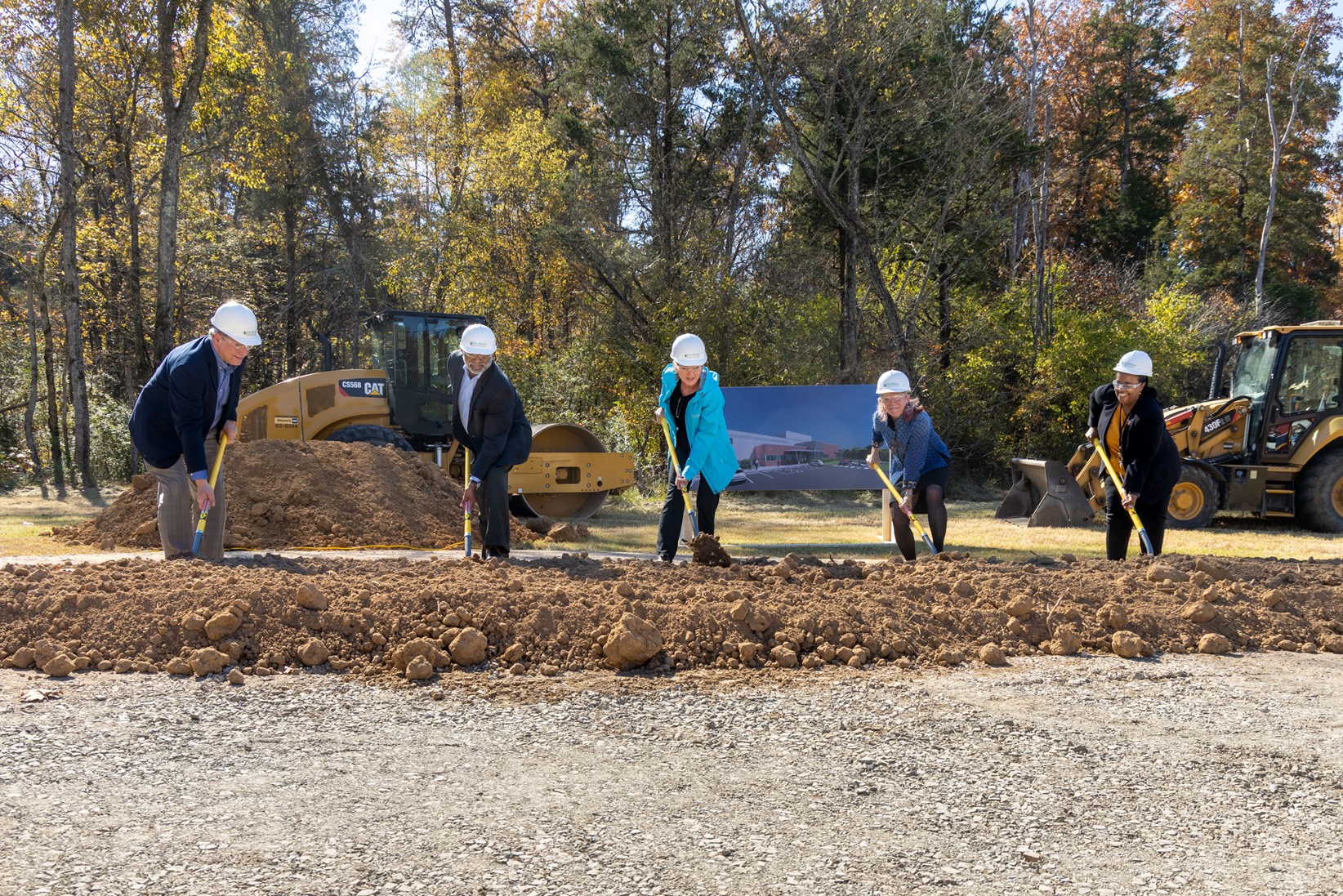
Secretary Granholm, center, leads breaking the ground for the SIPRC at ORNL, along with (from left) ORNL site manager Johnny Moore, ORNL director Thomas Zacharia; DOE undersecretary for science and innovation Geraldine Richmond; and DOE Office of Science director Asmeret Asefaw Berhe. (Photo: Genevieve Martin/ORNL/DOE)
The Department of Energy held a groundbreaking ceremony on October 24 for the Stable Isotope Production and Research Center (SIPRC) at Oak Ridge National Laboratory in Tennessee. The center is being built to expand the nation’s capability to enrich stable isotopes for medical, industrial, and research applications.
A rendering of the SHINE medical isotope production facility planned for construction in Veendam, the Netherlands. (Image: SHINE)
SHINE Europe, a subsidiary of Wisconsin-based SHINE Technologies, will work with the Netherlands’ University Medical Center Groningen (UMCG) and Delft University of Technology (TU Delft) to produce a variety of terbium isotopes for use in nuclear medicine under a grant proposal approved by the Dutch government on October 17.
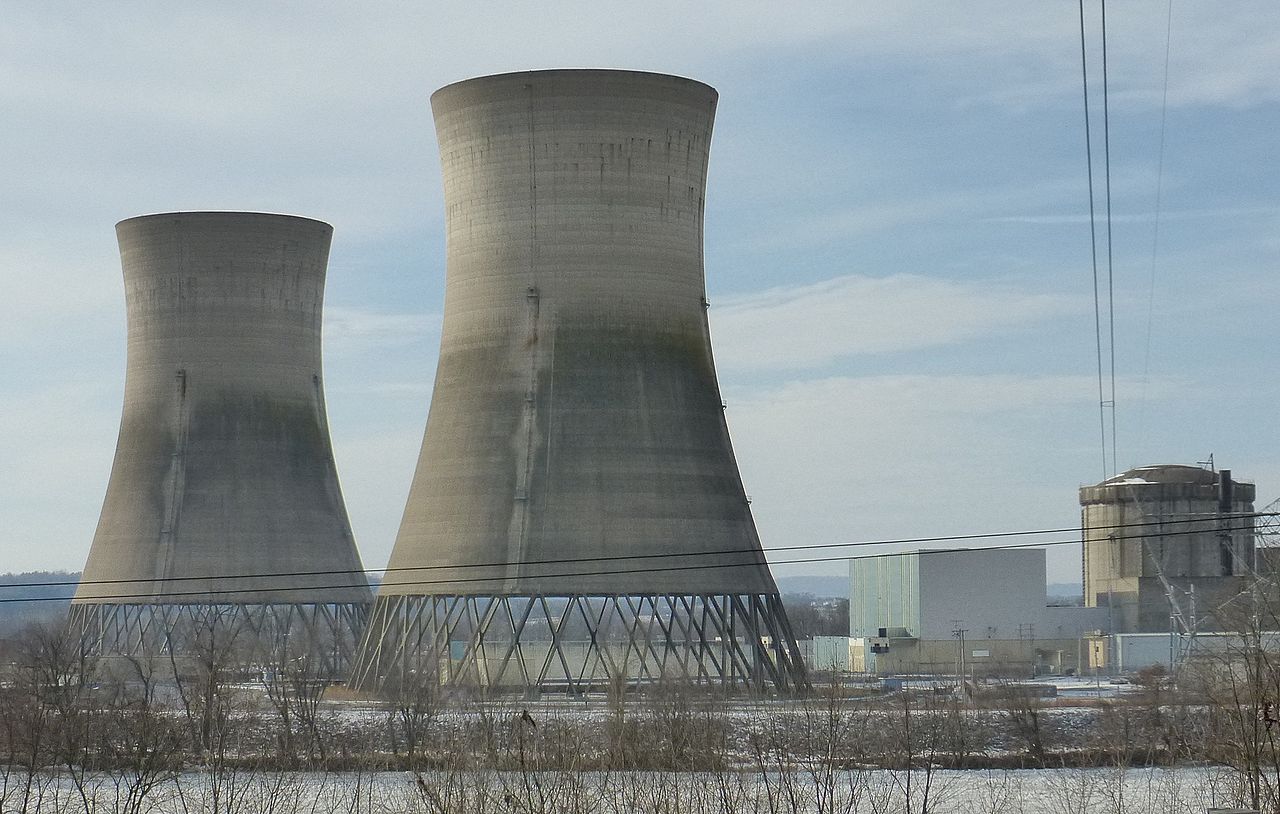
The cooling towers of Unit 2 at Three Mile Island Nuclear Generating Station, closed since the accident in 1979.
The Three Mile Island accident in 1979 was the most-studied nuclear reactor event in the U.S. There is a plethora of research about the accident available to the general public, including the president-appointed Kemeny Commission report and the Nuclear Regulatory Commission’s Rogovin inquiry report (split into volume one, and volume two, parts one, two, and three), which are the two detailed government-sponsored investigations into the accident. There are also thousands of documents in the NRC’s ADAMS database available to the public, an excellent overview by NRC historian Samuel Walker Three Mile Island: A Nuclear Crisis in Historical Perspective, as well as the Nuclear News special report from April 1979, and articles written by ANS members like William Burchill about the accident and the many changes it forced on the industry. If the producers of Meltdown: Three Mile Island—available on Netflix—had read any of those documents instead of relying mostly on input from antinuclear activists, their “documentary” might have been presented with at least some sense of balance and credibility.
Instead, similar to a recent Science Channel documentary on the Three Mile Island accident, Meltdown focuses on drama instead of science. This four-part miniseries does not attempt to provide a balanced set of facts from the technical community and instead relies heavily on nonexpert opinions and anecdotal statements to tell a story that easily falls apart under even the faintest scrutiny.
Nuclear News reached out to multiple ANS members who were involved with either the accident response or the clean up to help provide a critical look at some of the more egregious statements made in the documentary.

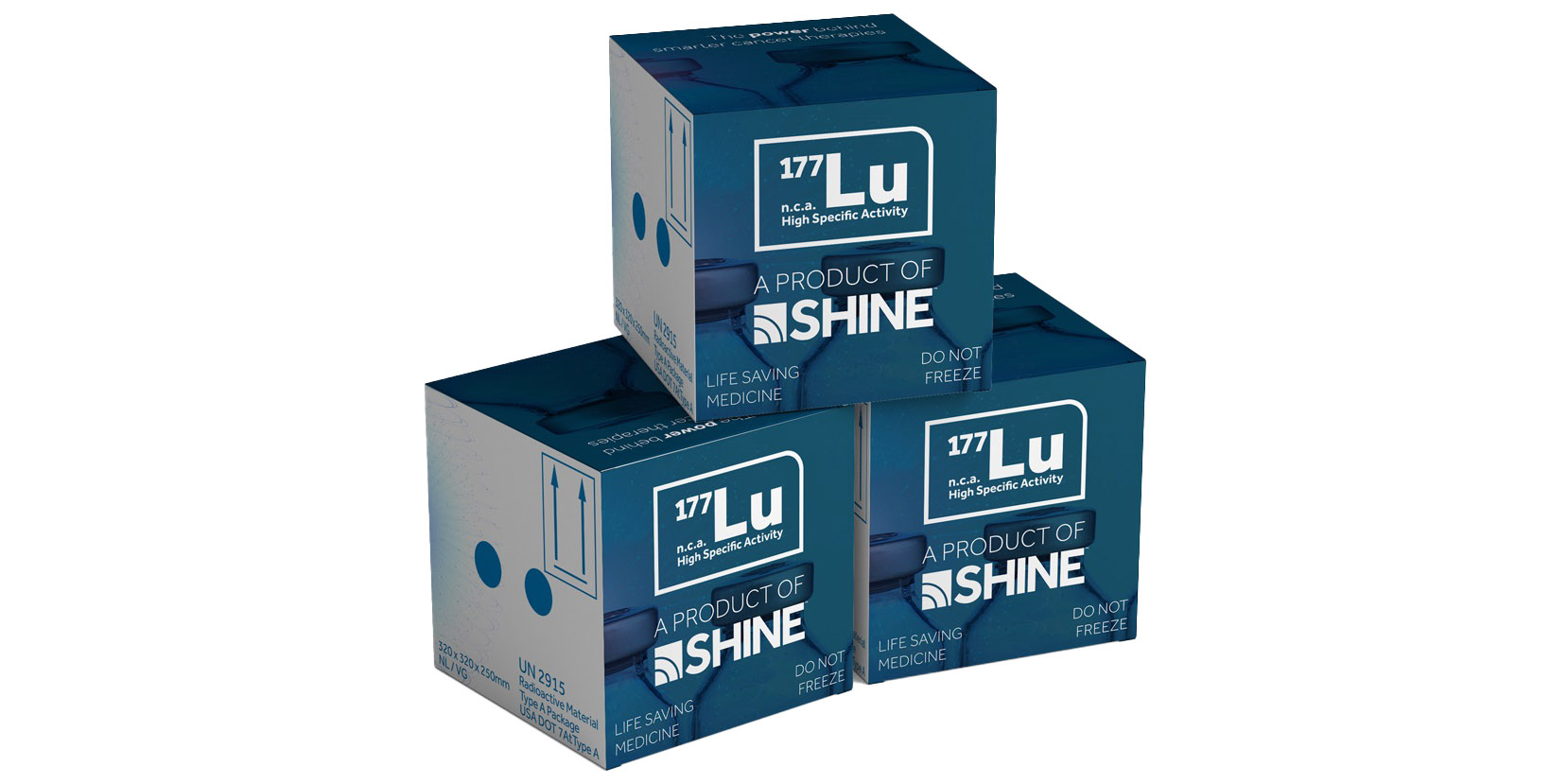
 After more than a decade of global efforts led by the Department of Energy’s National Nuclear Security Administration, all four major medical producers of the radioisotope molybdenum-99 for the U.S. market are now using low-enriched uranium (LEU) in their production processes instead of high-enriched uranium (HEU), the latter of which presents risks of nuclear weapons proliferation.
.jpg)