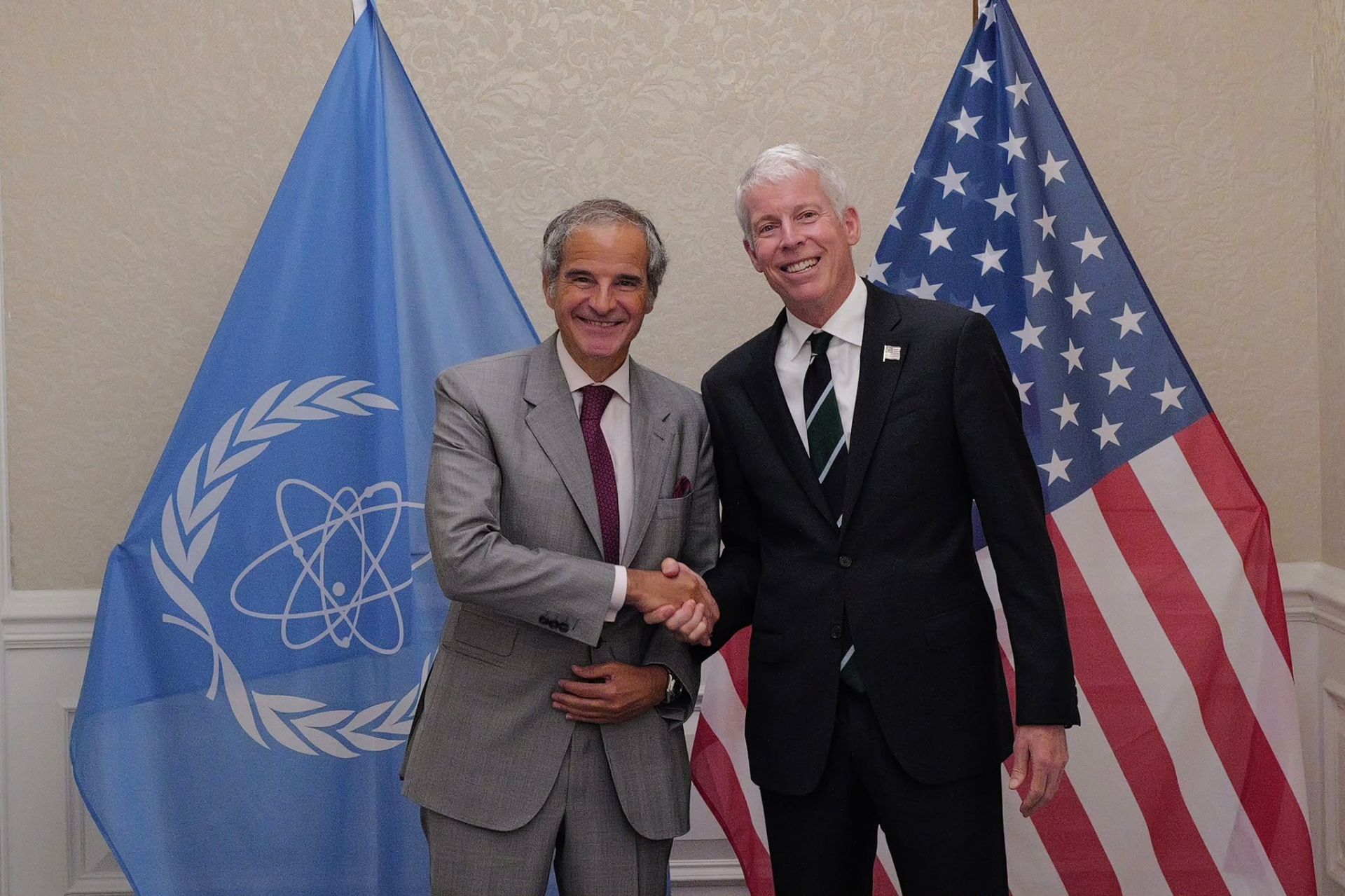
IAEA Director General Rafael Mariano Grossi (left) and DOE Secretary Chris Wright. (Photo: IAEA)
Just days after the Department of Transportation’s Maritime Administration (MARAD) and the Port of Corpus Christi announced a partnership to explore the development of small modular reactors in the U.S. seaport, multiple other maritime nuclear announcements were unveiled to the public, including another MARAD partnership.
IAEA Director General Rafael Mariano Grossi speaking at NECX 2026. (Photo: ANS/NEI)
Last week, the American Nuclear Society and the Nuclear Energy Institute jointly hosted the second annual Nuclear Energy Conference & Expo in Dallas, Texas. NECX serves as both a combination and evolution of ANS’s Utility Working Conference and NEI’s Nuclear Energy Assembly.
For the second year in a row, NECX brought together utilities, advanced reactor developers, suppliers, regulators, policymakers, investors, engineers, and innovators for a wide range of discussions pertaining to the present and future of the industry.
A dish prepared with fried cicadas. (Photo: Zhao Liu/iStock)
This week, the International Atomic Energy Agency announced a new coordinated research project (CRP) to improve understanding of the safety of edible insects and other novel foods and to use nuclear and related technologies to assess risks.
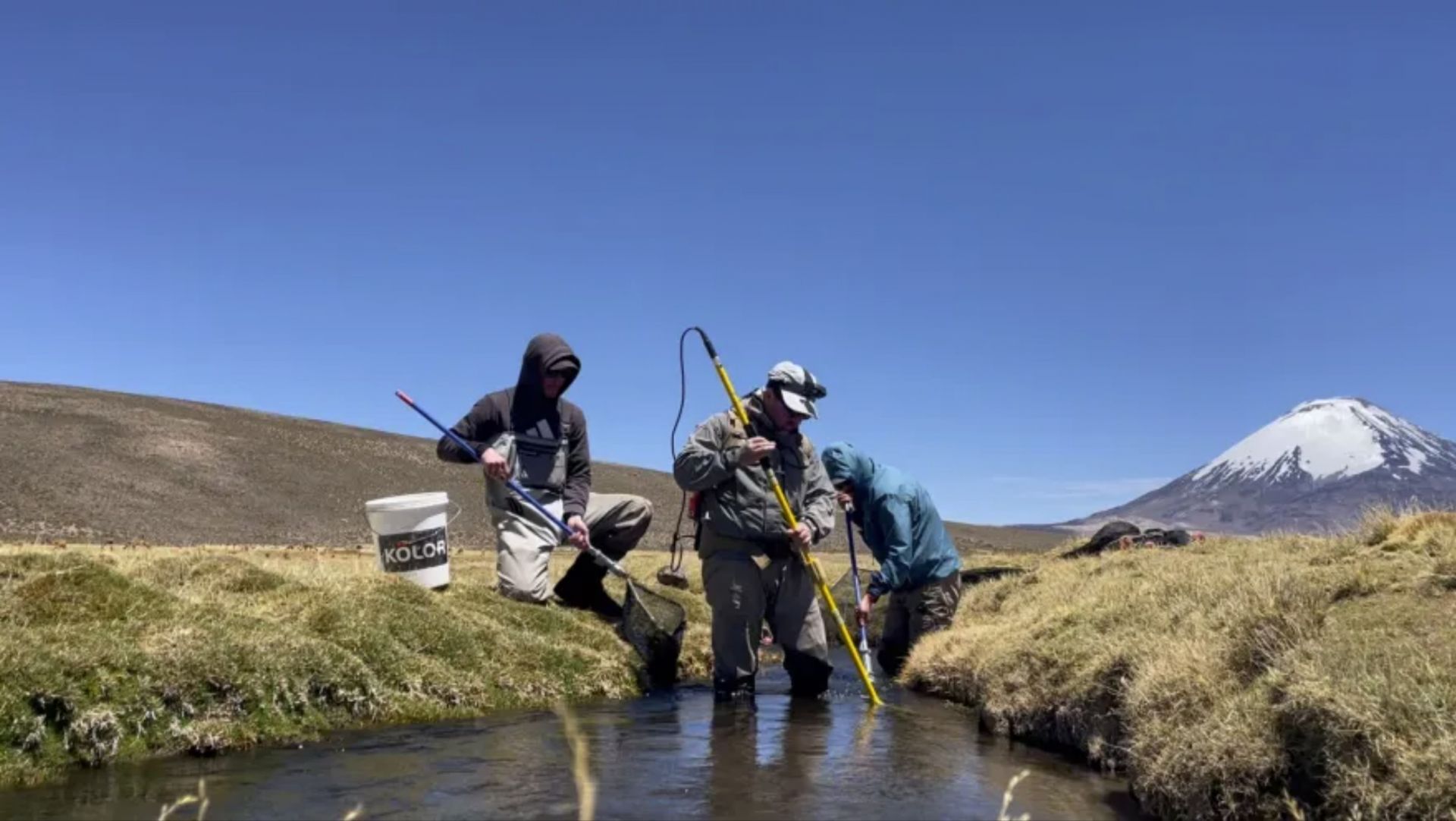
Scientists are sampling rainbow trout in rural and high-altitude communities to support genetic analysis. (Photo: R. Nahuelpi/University of Chile)
The trout population in the western hemisphere is getting stronger through the application of nuclear science.
The International Atomic Energy Agency, as part of a technical cooperation project, is equipping laboratories and training specialists in nine countries to better deal with the infectious pancreatic necrosis virus (IPNV) in rainbow trout.
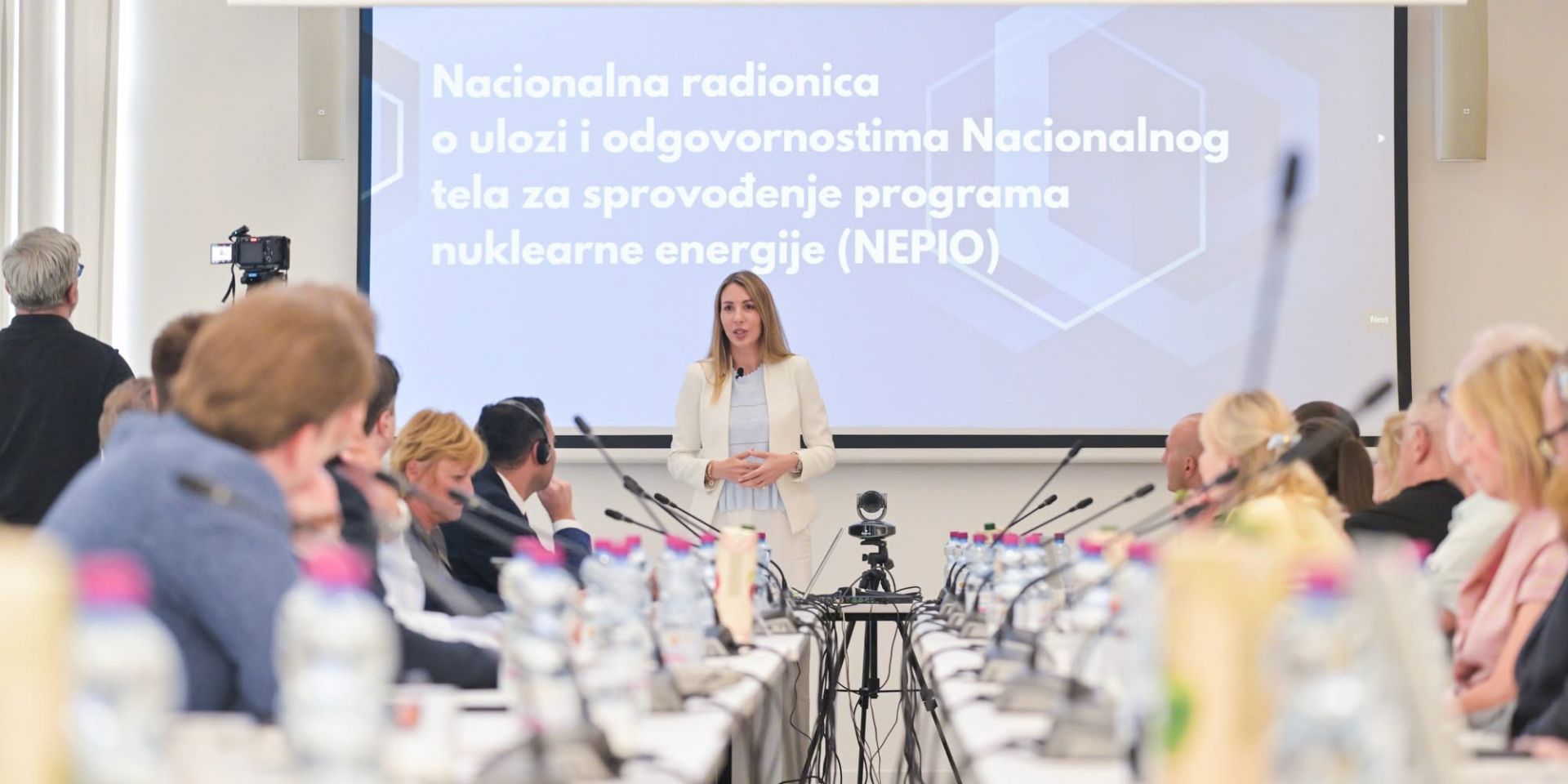
Minister of Mining and Energy Dubravka Đedović Handanović. (Image: Ministry of Mining and Energy)
Serbia reached a significant milestone in 2024 when its National Assembly overturned a moratorium on nuclear power plants that had been in place for 35 years, a ban imposed when the country was part of the former Yugoslavia.
Fast forward to 2026 and the European country’s nuclear energy ambitions have become clearer. On July 13, Serbia’s Ministry of Mining and Energy held a four-day workshop outlining the country’s plans to kickstart a nuclear program.
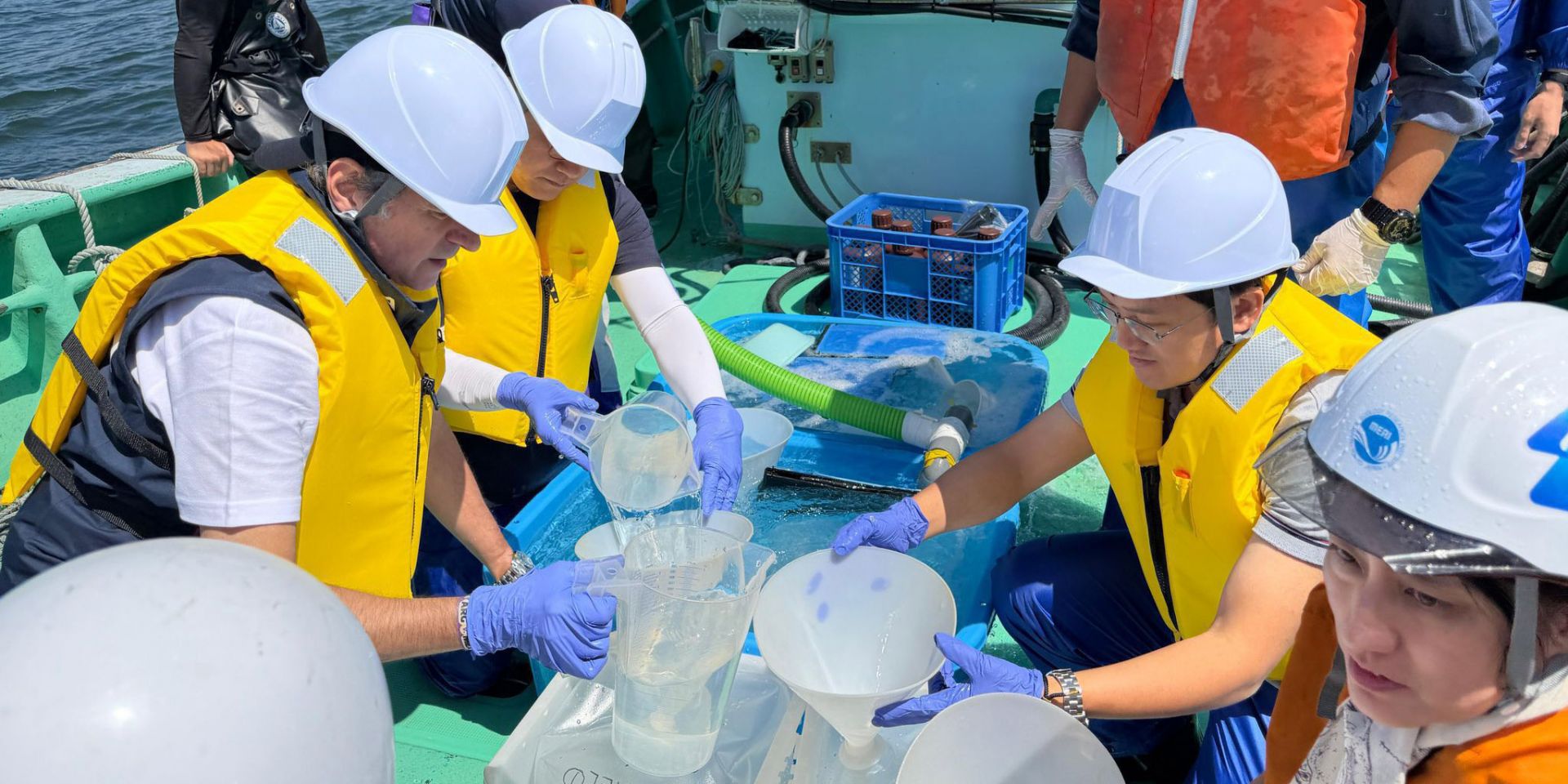
IAEA director general Rafael Mariano Grossi took part in a collection of seawater samples near the Fukushima Daiichi Nuclear Power Station on June 24 with scientists from China, South Korea, and Switzerland. (Photo: K. Laffan/IAEA)
International cooperation in the monitoring of radiation levels in seawater near the disabled Fukushima Daiichi nuclear power plant continues. Scientists from China, South Korea, and Switzerland were recently joined by International Atomic Energy Agency director general Rafael Mariano Grossi as they collected seawater samples under the “additional measures” framework, which was adapted in 2024 to increase the participation of other countries and enhance the transparency of the IAEA-led analyses.
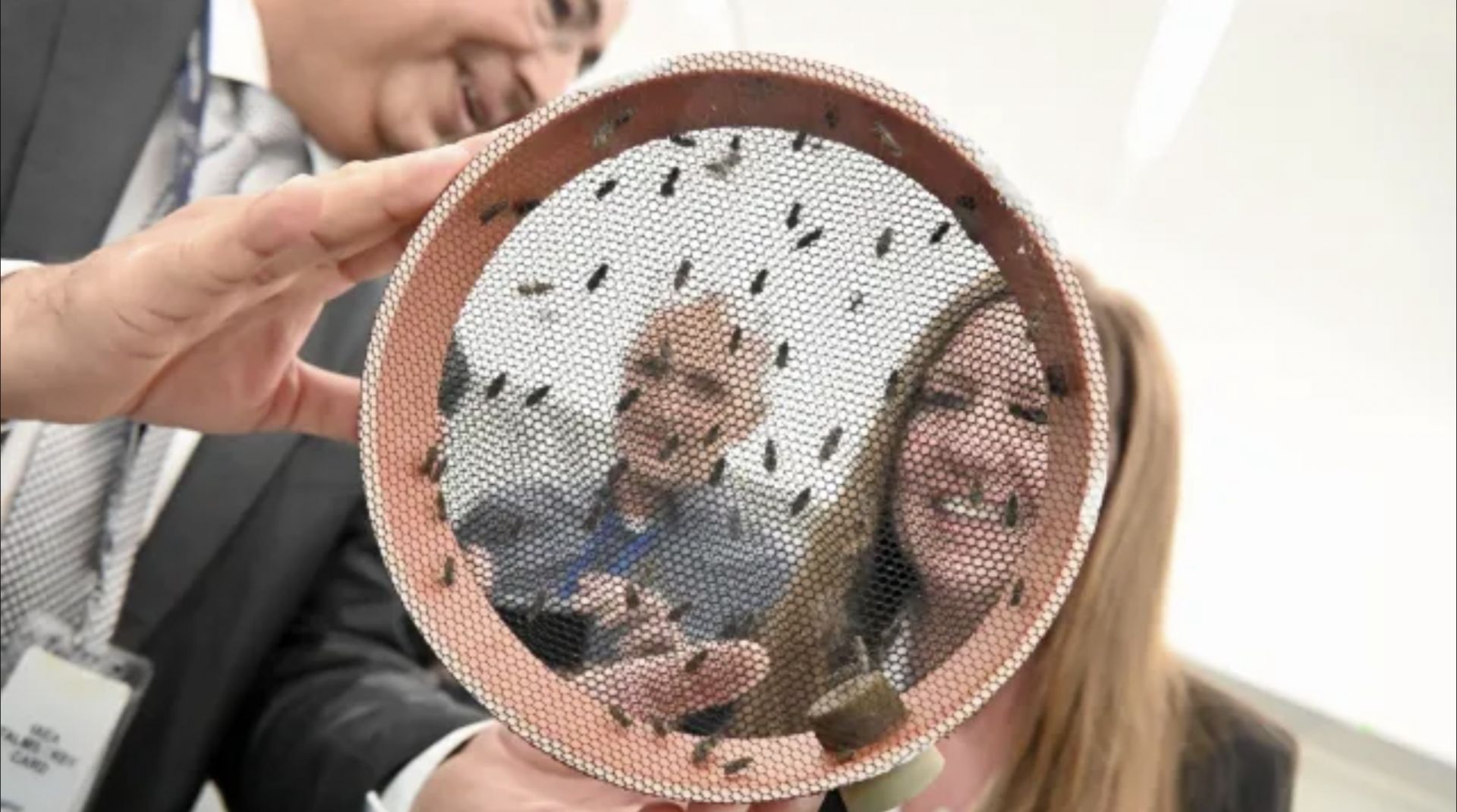
Scientists at the Joint FAO/IAEA Centre showcase the Insect Pest Control Laboratory’s cutting-edge facilities to U.S. expert Heather Walden. (Photo: USUNVIE)
Last week, the International Atomic Energy Agency announced the launch of a coordinated research project focused on a nuclear technique that can tackle the reemergence of New World screwworm (NWS) in Central America, Mexico, and the United States.
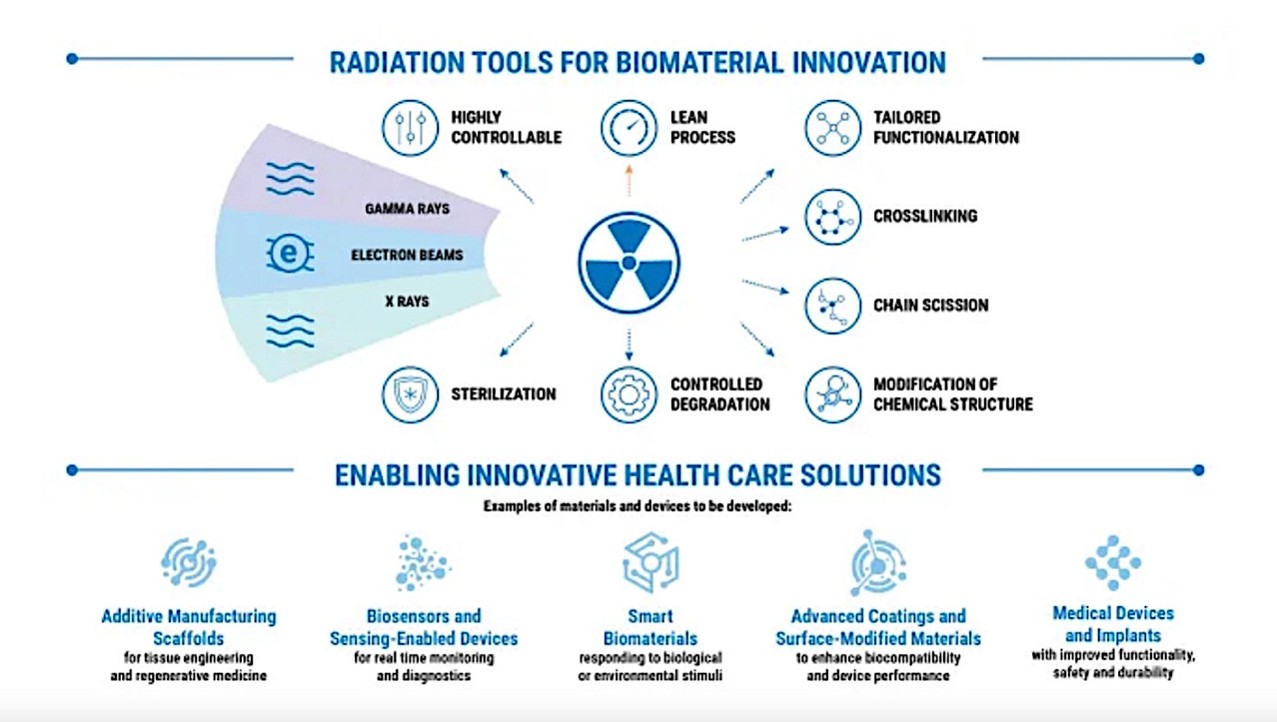
The use of radiation technologies to develop health care applications through the IAEA’s Smart Biomaterials for Next Generation Health Care Products initiative. (Image: A. Schlosman/IAEA)
The International Atomic Energy Agency is seeking research proposals for a new initiative launched by its Department of Nuclear Sciences and Applications called Smart Biomaterials for Next Generation Health Care Products. The agency said the program will help IAEA member states design “multifunctional, smart, high-performance biomaterials, including novel medical devices and responsive material systems.”
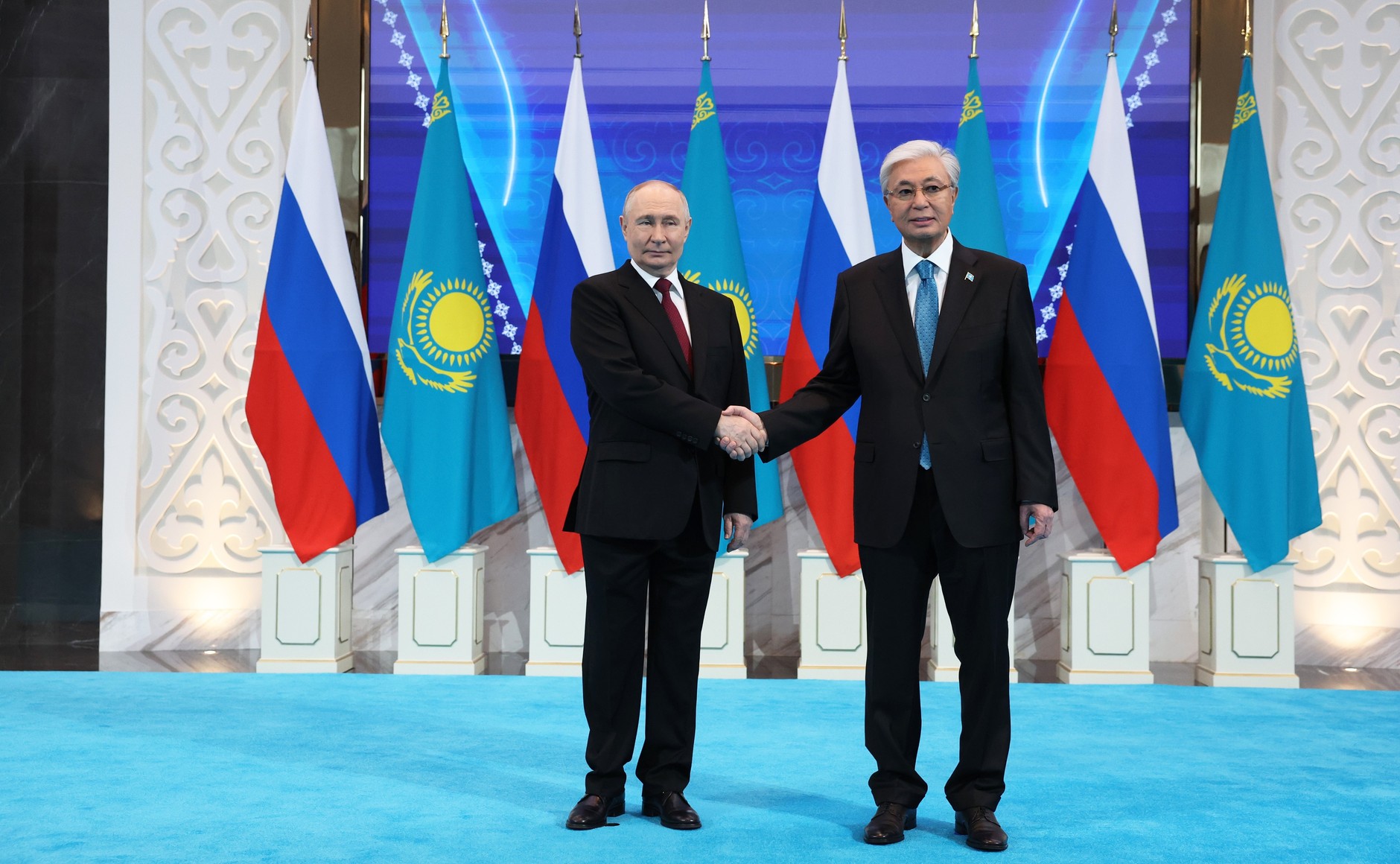
President Putin and President Tokayev at the signing of new nuclear collaborations. (Photo: Kremlin)
Today, there are 34 countries with operational nuclear power plants—but there are dozens more working on building a nuclear plant of their own. While progress on these projects inevitably ebbs and flows, broadly, momentum seems to be building on the international stage.
That growing momentum manifested last week in Kazakhstan’s announcement that it has officially partnered with Russia on a new nuclear power plant project. Prior to these new agreements, Russia, which borders Kazakhstan to the north, was already engaged in extensive preliminary work on the project.
Honeybees drinking water. (Photo: Jackie Fabian)
Of the many and varied uses of nuclear science and technology, few may be aware of its applications in the detection of food adulteration. Also known as food fraud, food adulteration is the intentional altering of food products through dilution, substitution, mislabeling, or other fraudulent actions for financial gain.
A farmer in Central African Republic transports cassava tubers after harvest. (Photo: IAEA)
The International Atomic Energy Agency has launched a five-year coordinated research project (CRP) to strengthen plant health preparedness using nuclear and related technologies.
Wheat blast, potato late blight, potato bacterial wilt, and cassava witches broom disease can spread quickly across large areas of land, leading to severe yield losses in key crops for food security. Global trade and climate change have increased the likelihood of rapid, transboundary spread.
Washington, D.C. — The American Nuclear Society issued the following statement:
Washington, D.C. — The American Nuclear Society (ANS) issued the following statement:
“The American Nuclear Society supports the International Atomic Energy Agency's (IAEA) calls for maximum military restraint around nuclear power plants and civilian research reactors, and for full adherence by all combatants to the IAEA's seven pillars for nuclear safety and security during armed conflict.”
Radiation can change polymers in ways that enable their use in many industrial and healthcare applications. A new IAEA coordinated research project will explore how machine learning can improve prediction of structural changes in polymers caused by ionizing radiation. (Image: IAEA)
The International Atomic Energy Agency has launched a new coordinated research project (CRP) aimed at creating a database of polymer-radiation interactions in the next five years with the long-term goal of using the database to enable machine learning–based predictive models.
Radiation-induced modifications are widely applicable across a range of fields including healthcare, agriculture, and environmental applications, and exposure to radiation is a major factor when considering materials used at nuclear power plants.
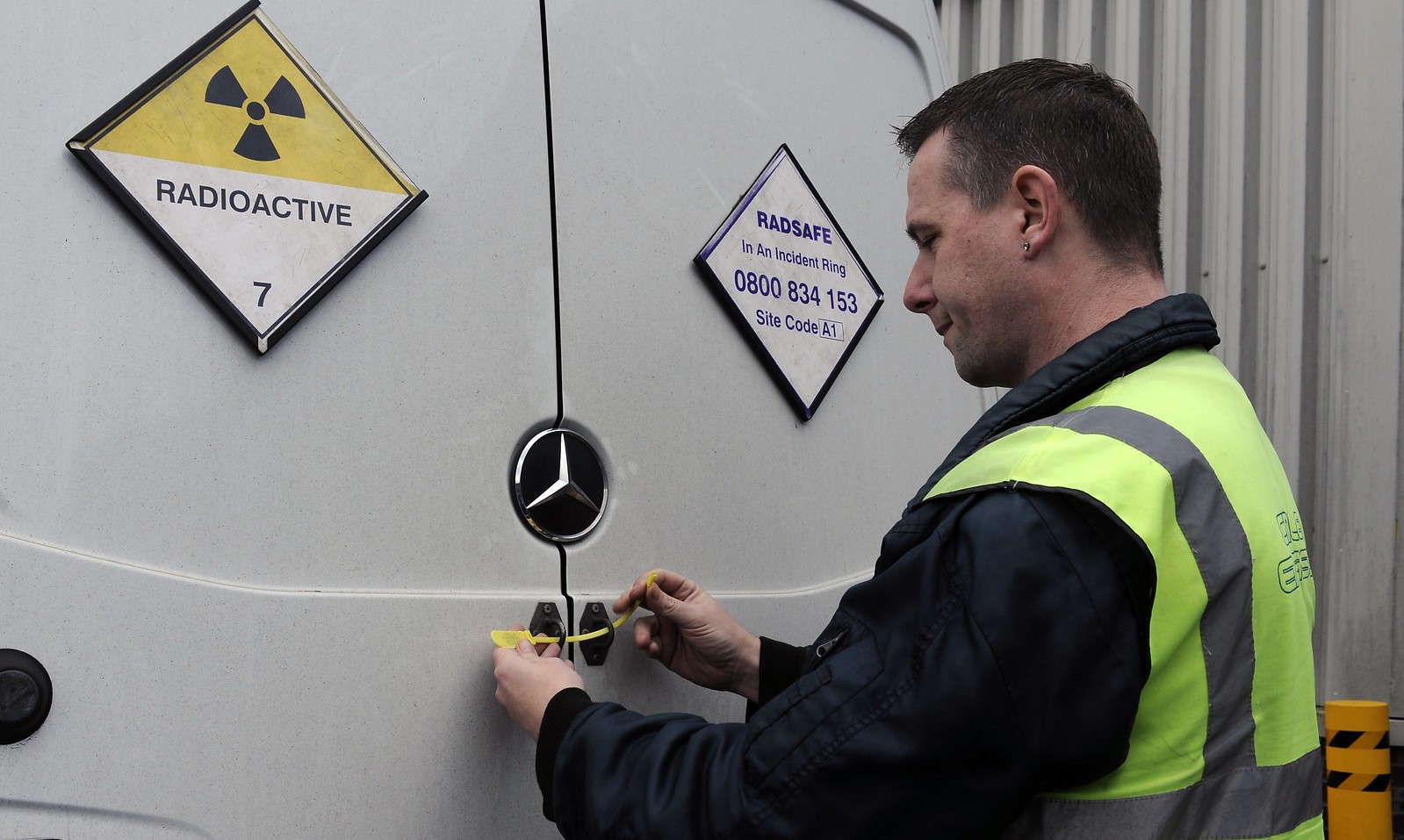
After inspection, a vehicle is sealed to prevent tampering or unauthorized alterations in this IAEA photo from 2011. (Photo: Dean Calma/IAEA)
The International Atomic Energy Agency has said that more than half of all thefts of nuclear and other radioactive material reported to the agency’s Incident and Trafficking Database (ITDB) since 1993 occurred during authorized transport, with the share rising to nearly 70 percent in the past decade. The ITDB covers incidents involving nuclear material, radioisotopes, and radioactively contaminated material.