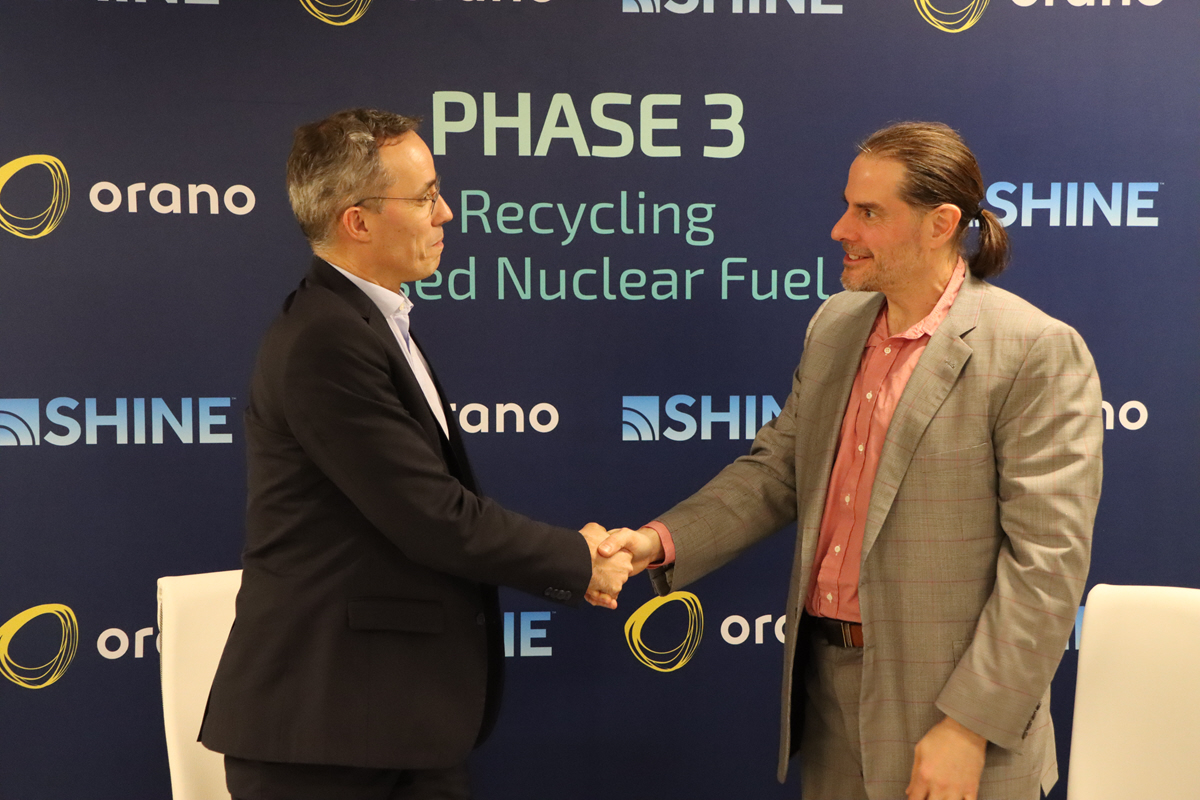
Orano CEO Nicolas Maes (left) and SHINE Technologies founder and CEO Greg Piefer shake hands after agreeing to cooperate on a pilot used fuel recycling facility. (Photo: Orano)
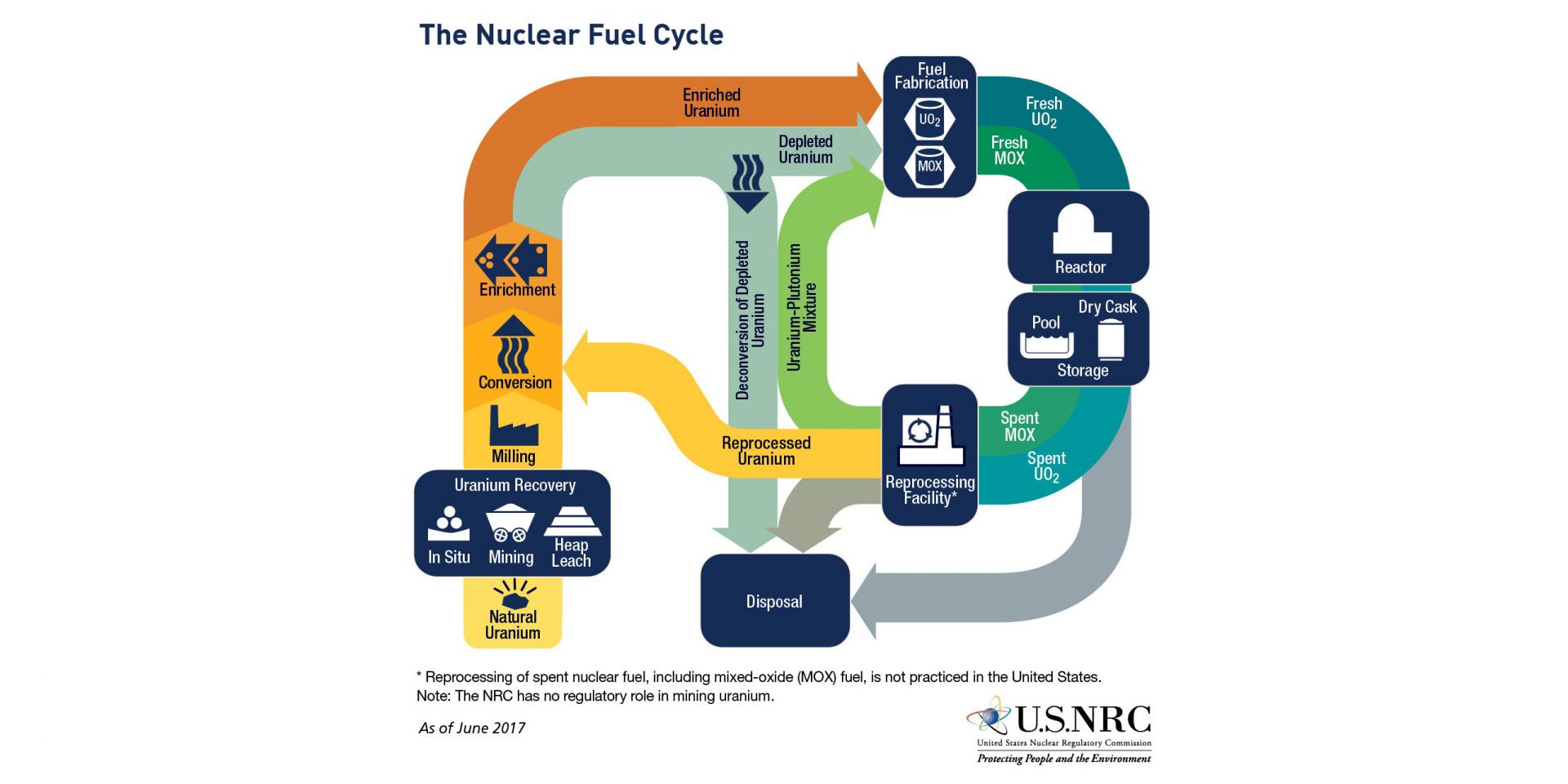
Orano and SHINE Technologies have agreed to cooperate in the development of a pilot plant capable of recycling used nuclear fuel from light water reactors on a commercial scale. In announcing the signing of a memorandum of understanding on Thursday, the companies said the selection of a site for the pilot U.S. facility is expected by the end of this year.
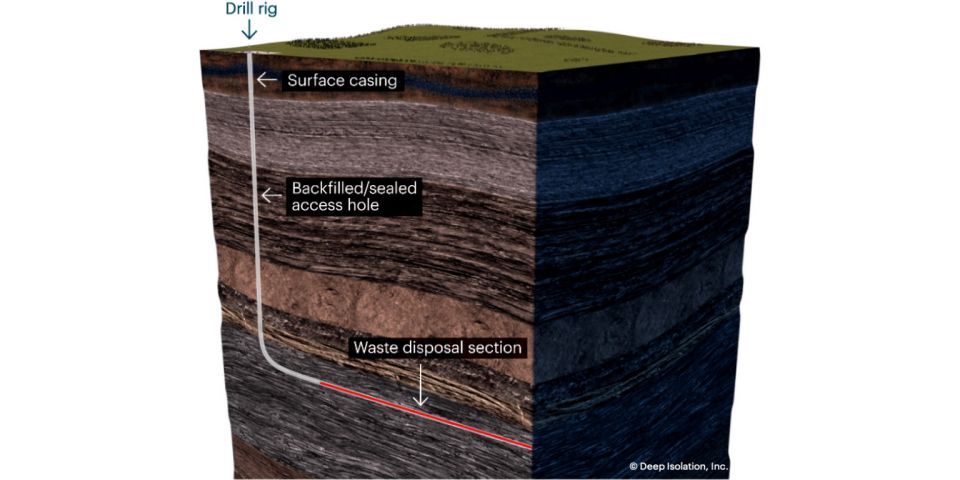
Schematic of a deep horizontal borehole repository for nuclear waste. (Image: Deep Isolation)
Waste disposal start-up Deep Isolation and fusion tech company SHINE Technologies have announced the completion of a collaborative study assessing the costs of disposing of radioactive byproducts from a pilot spent nuclear fuel recycling facility.
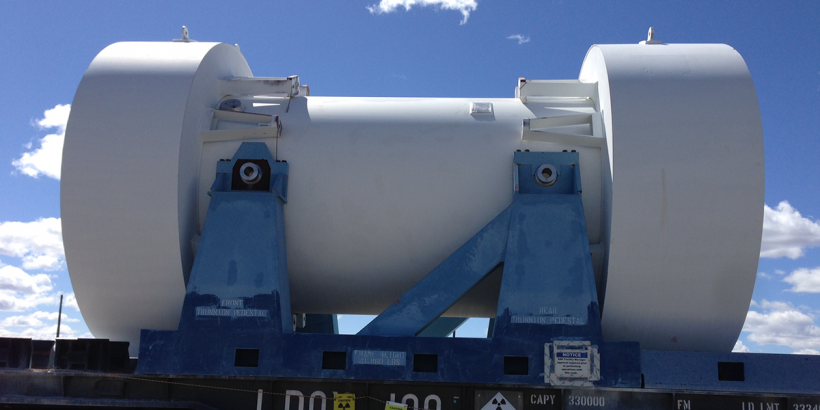
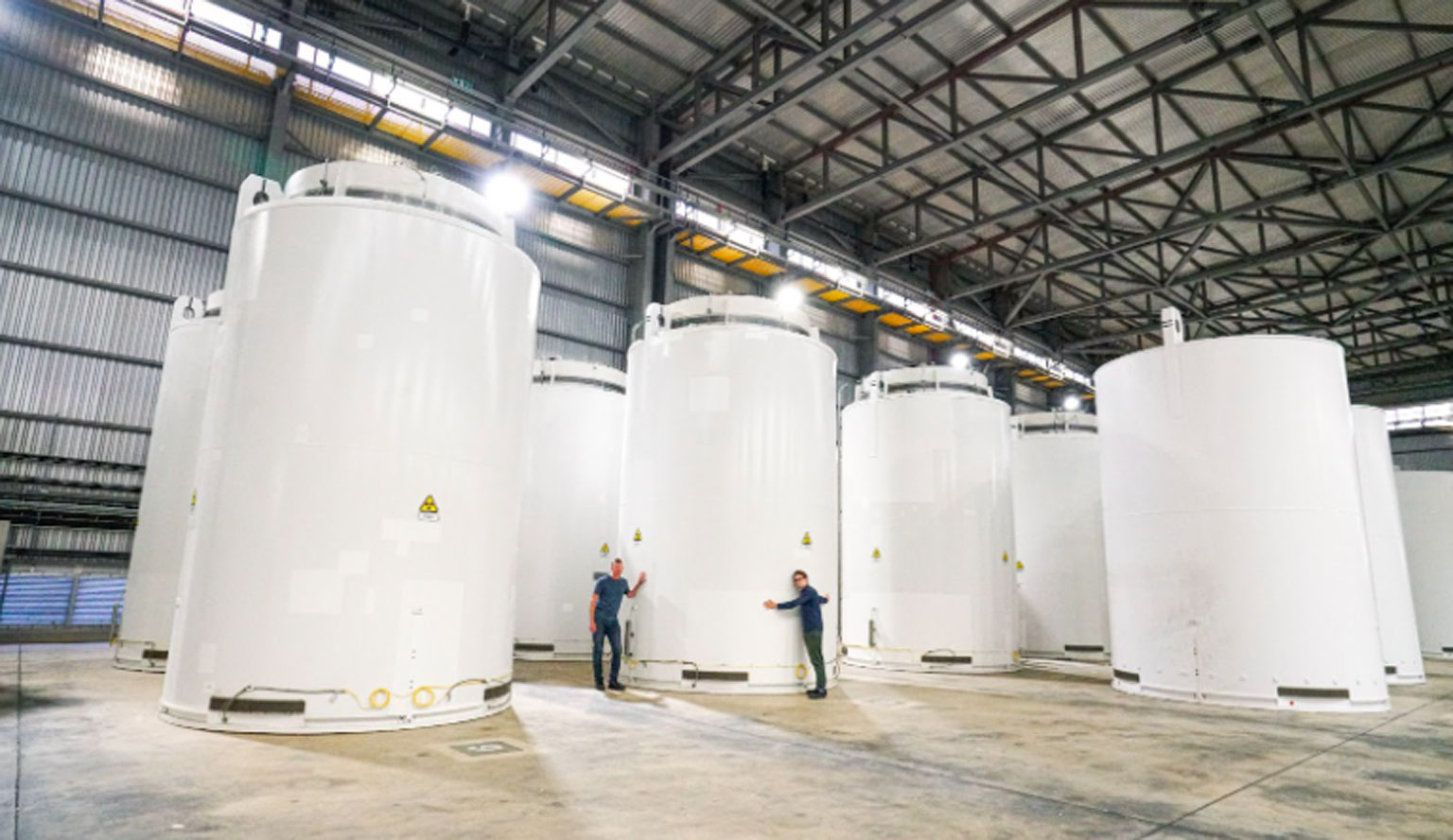
A spent nuclear fuel transportation container. (Photo: DOE)
Fusion systems company SHINE Technologies has notified the Nuclear Regulatory Commission that it intends to submit a license application to build and operate a pilot used nuclear fuel recycling facility.
Report author Mark Lynas and RePlanet’s Joel Scott-Halkes stand next to a canister of spent nuclear fuel at the Sizewell plant in the United Kingdom. (Photo: RePlanet)
A new report from the environmental advocacy group RePlanet makes the case for recycling used nuclear fuel for use in advanced power reactors. According to the report, What a Waste: How fast-fission power can provide clean energy from nuclear waste, by using current inventories of used fuel and depleted uranium stocks in Europe and the United Kingdom, fast breeder reactors could generate between 600 and 1,000 years of carbon-free electricity for the entire European Union.
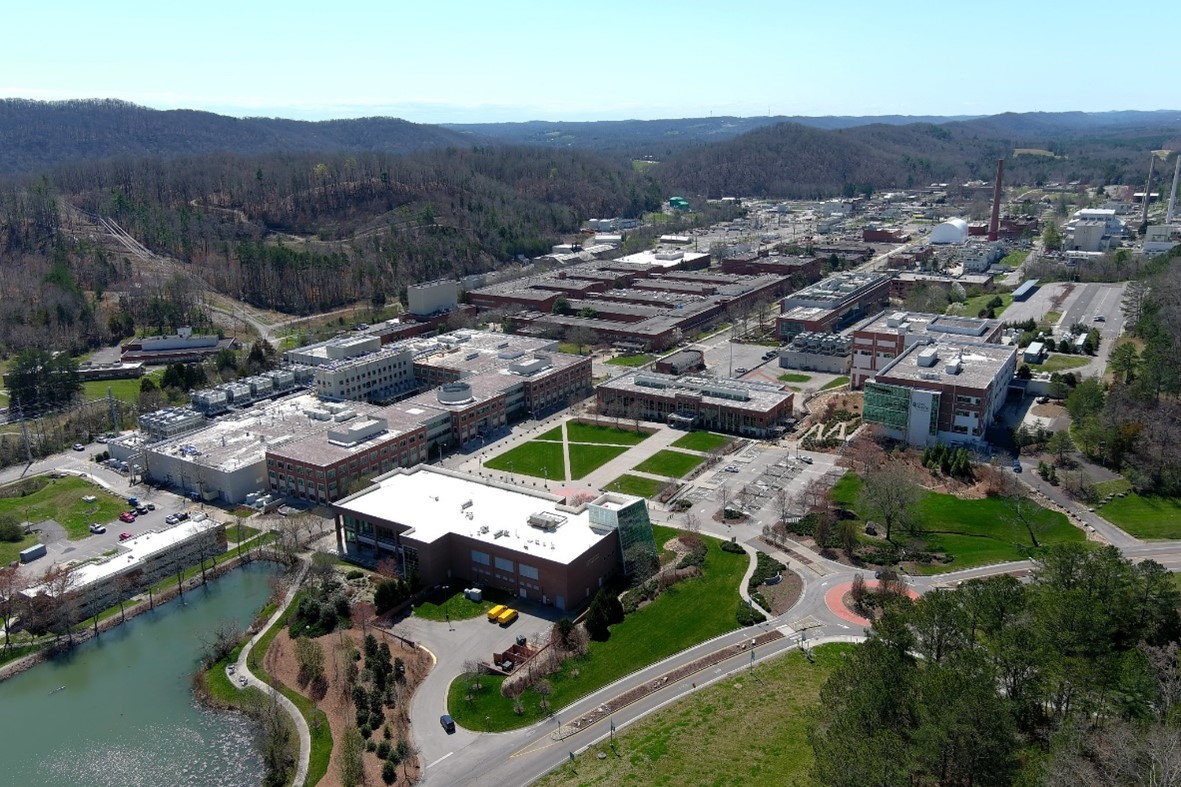
An aerial view of ORNL’s main campus. (Photo: ORNL)
The Gateway for Accelerated Innovation in Nuclear (GAIN) announced the three recipients of its fourth and final round of 2022 vouchers on October 10. The vouchers were awarded to Curio Solutions, which is developing a spent fuel recycling process, and to two companies that are separately investigating advanced reactor siting—Elementl Power and the Tennessee Valley Authority (TVA). The funds for each award will go directly to Oak Ridge National Laboratory.
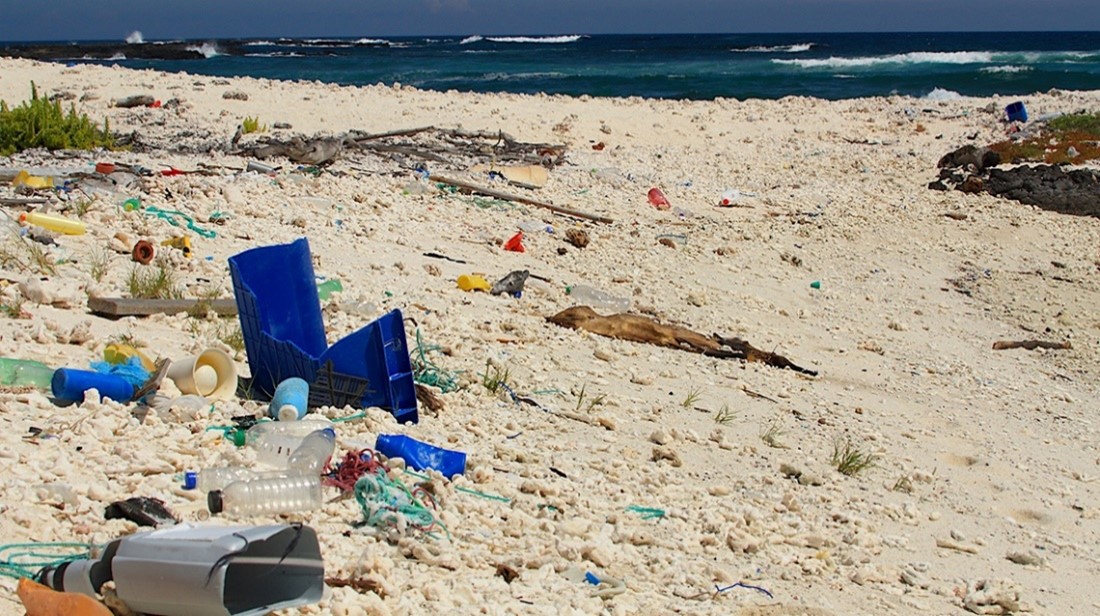
Plastic waste on a Galapagos beach. Sunlight, wind, and waves break down large plastic debris into smaller and smaller pieces to become microplastics. (Photo: F. Oberhaensli/IAEA)
The International Atomic Energy Agency has created a new program, NUclear TEChnology for Controlling Plastic Pollution (NUTEC Plastics), to address the global environmental impact of plastic pollution in oceans. It uses nuclear technology to monitor pollution and also to decrease the volume of plastic waste by using irradiation to complement traditional plastic recycling methods.