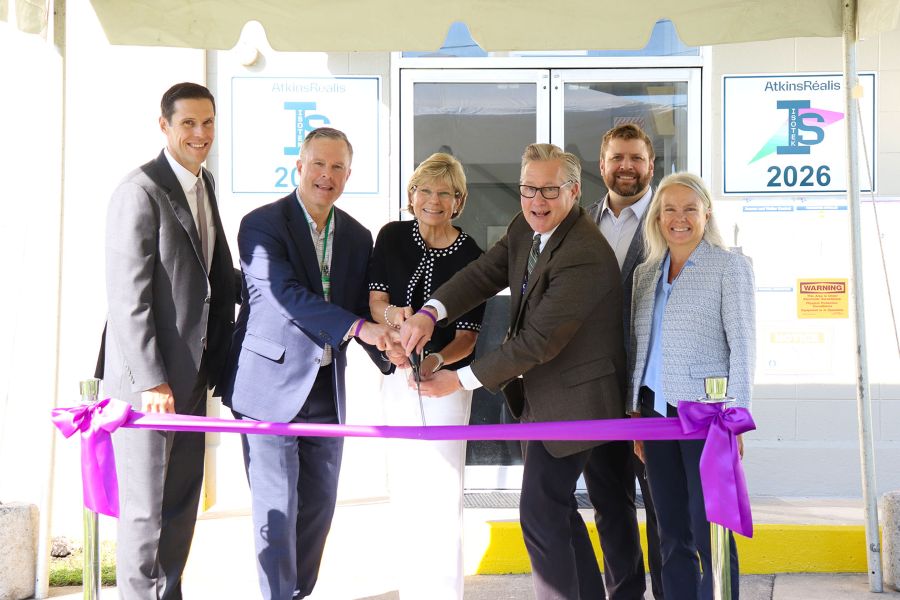
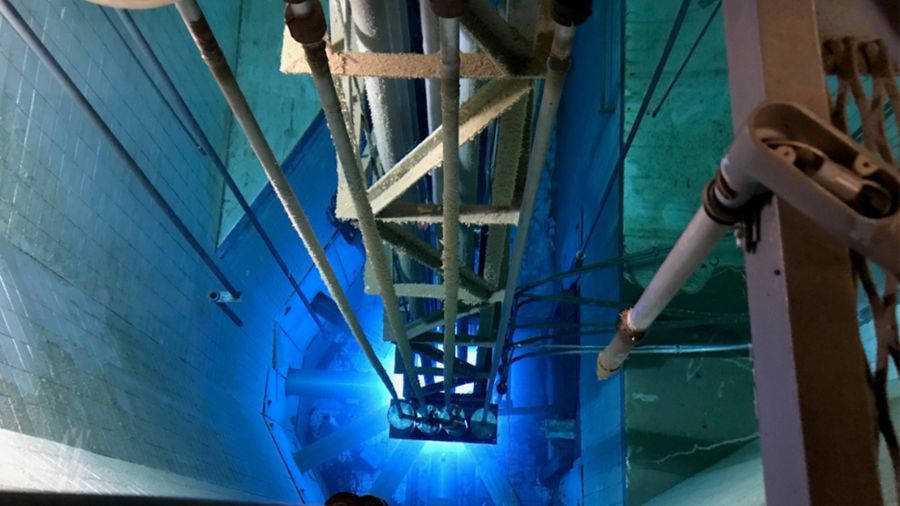
This interagency work, which also involved the facilities of Pacific Northwest National Laboratory, serves to strengthen and expand the domestic supplies of Ra-226 in the United States, as well as contribute to the repurposing of radiological waste materials held in storage across the country. The collaboration is part of DOE-IRP’s efforts to identify, recover, and repurpose legacy Ra-226 inventories.
Feedstock for alpha-emitting isotopes: A type of targeted cancer treatment known as Ra-226 brachytherapy once was widely used to deliver therapeutic radiation directly into tumors via internal surgical implants. However, it largely has been replaced by types of brachytherapy that use safer, shorter-lived radioisotope implants, primarily iridium-192 and iodine-125, in addition to external radiation technologies that can target tumors from outside the body.
Nevertheless, Ra-226 continues to be medically valuable as feedstock for producing alpha-emitting isotopes that are used in targeted cancer therapies. Ra-226 can be converted inside reactors or cyclotrons into actinium-225 (which is used in targeted alpha therapy); actinium-227 (which decays to radium-223, used in prostate cancer treatment); and thorium-228 (which decays into a lead-212 generator that is useful in targeted cancer therapies).
Domestic medical isotope supply chain: Christopher Landers, director of DOE-IRP, said that the recovery and repurposing Ra-226 is essential to the mission of building a strong, resilient domestic supply chain for medical isotopes “By working in partnership with NIST and leveraging the capabilities of Pacific Northwest National Laboratory and the national laboratory system,” he said, “we are converting previously unused materials into a strategic resource that supports U.S. leadership in cancer therapy and radioisotope production while improving safety for workers and removing long-term hazards for facilities.”
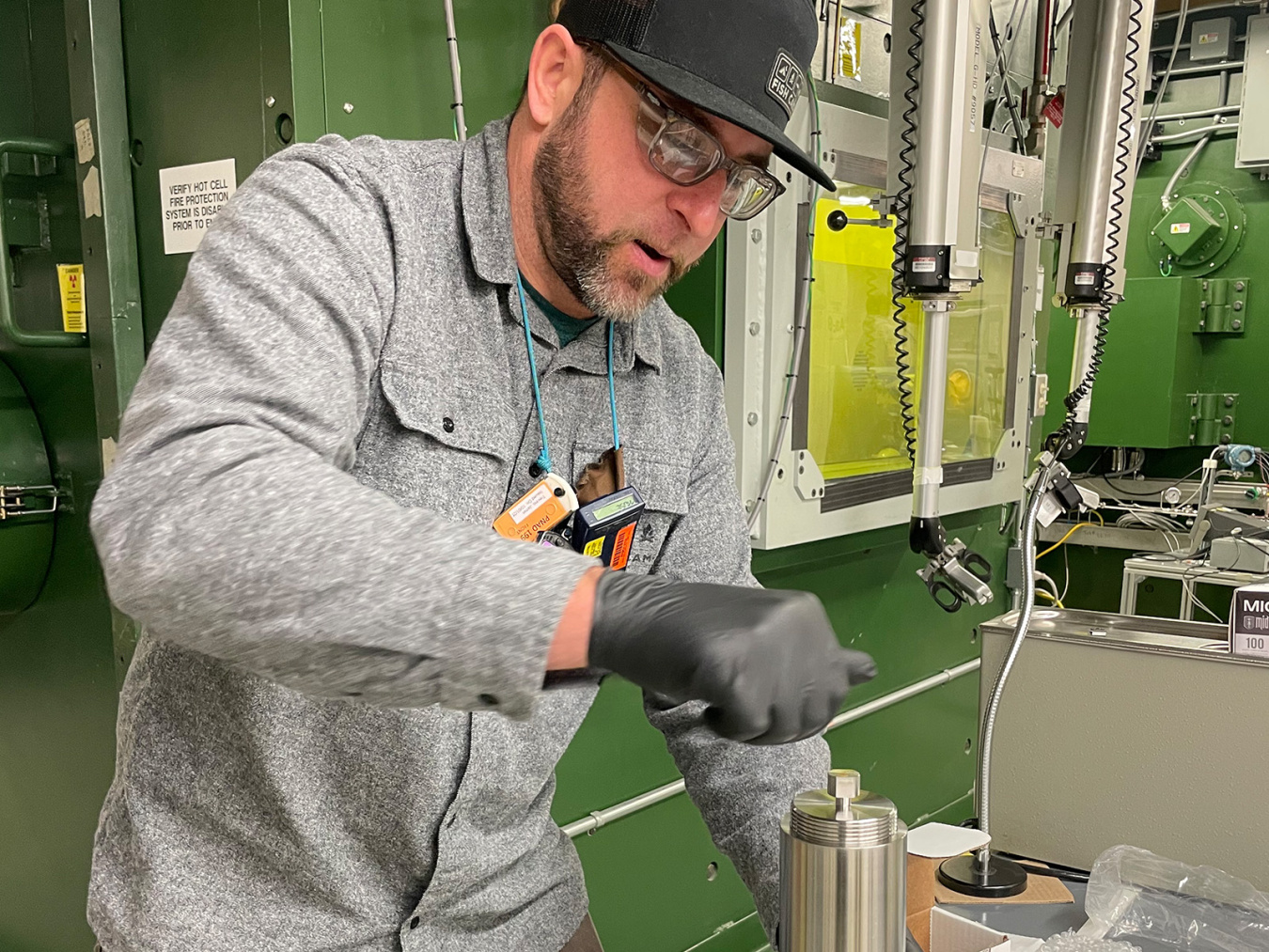
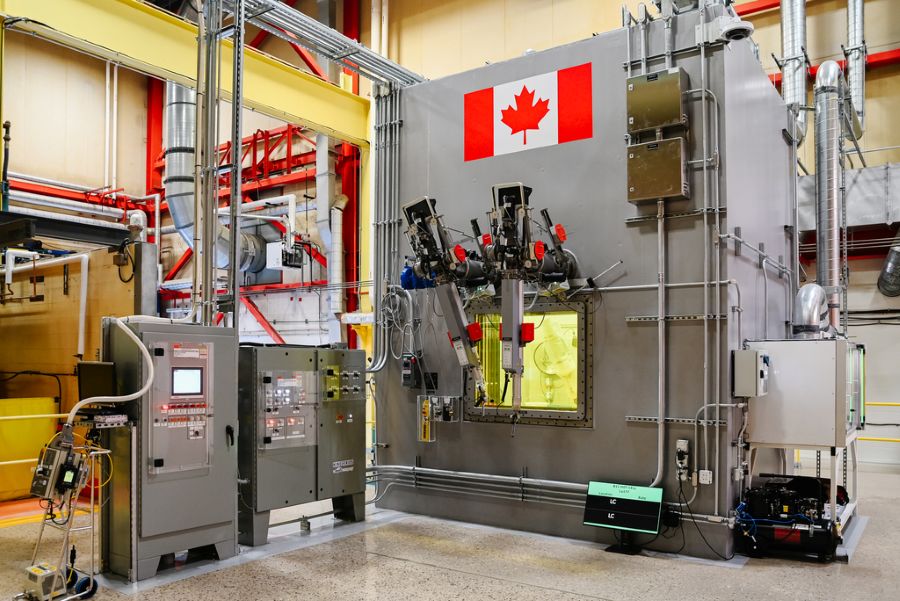
DOE-IRP has been guiding PNNL in the development of scalable recovery operations of various materials at several U.S. sites, including the handling, packaging, and transport of Ra-226. These efforts support DOE-IRP’s ongoing aggregation of domestic Ra-226 inventories and its processing, purification, and distribution of the material through established channels.
Life-saving treatments: Matt Fountain, PNNL’s project manager in this work, said, “NIST has impeccable facility controls, infrastructure, and highly skilled staff in place. The therapeutic promise of actinium-225 is significant, and the limits on supply have direct impacts on the ability for cancer patients to access life-saving treatments. By leveraging existing Ra-226, we can increase the domestic production capacity of actinium-225.”