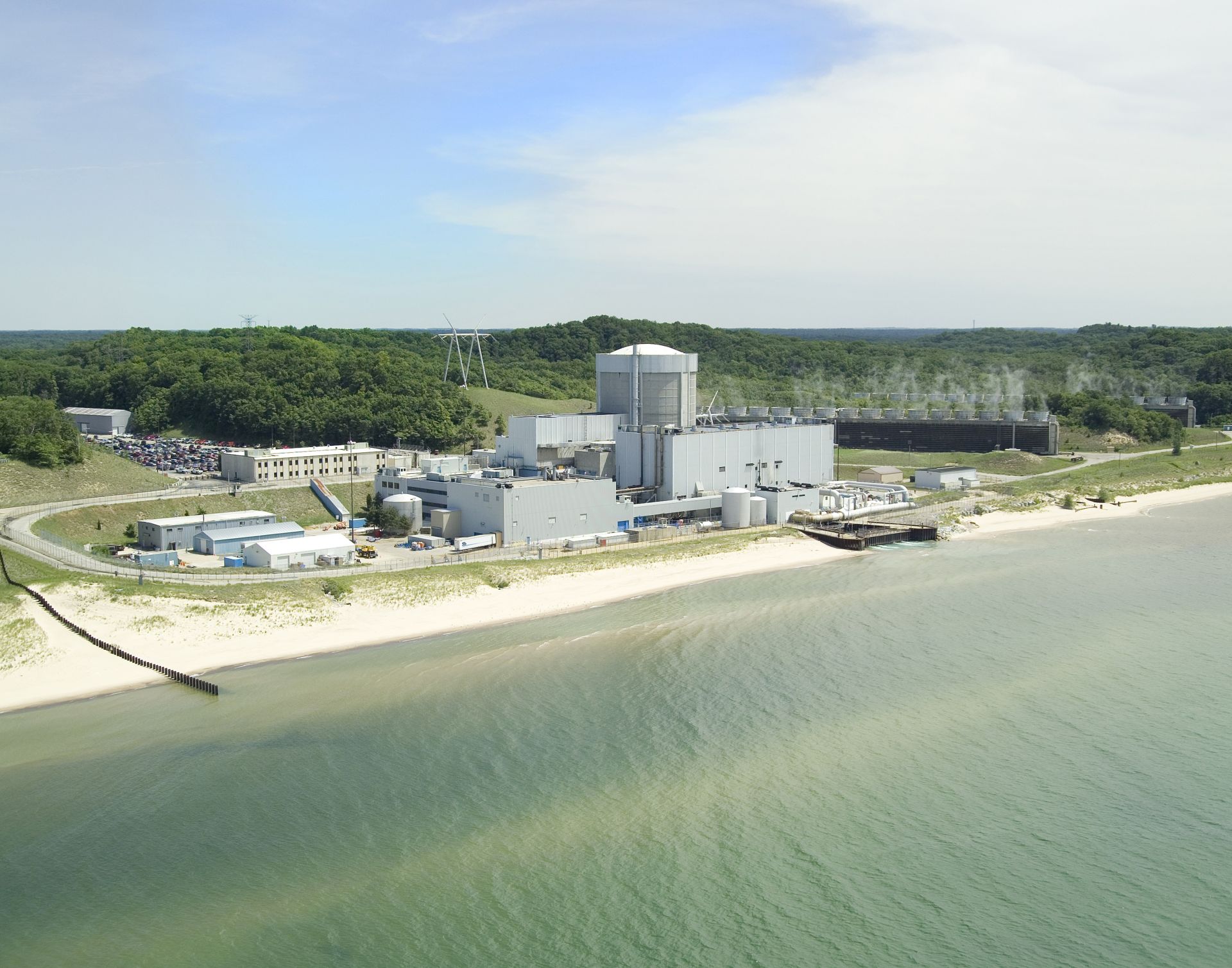
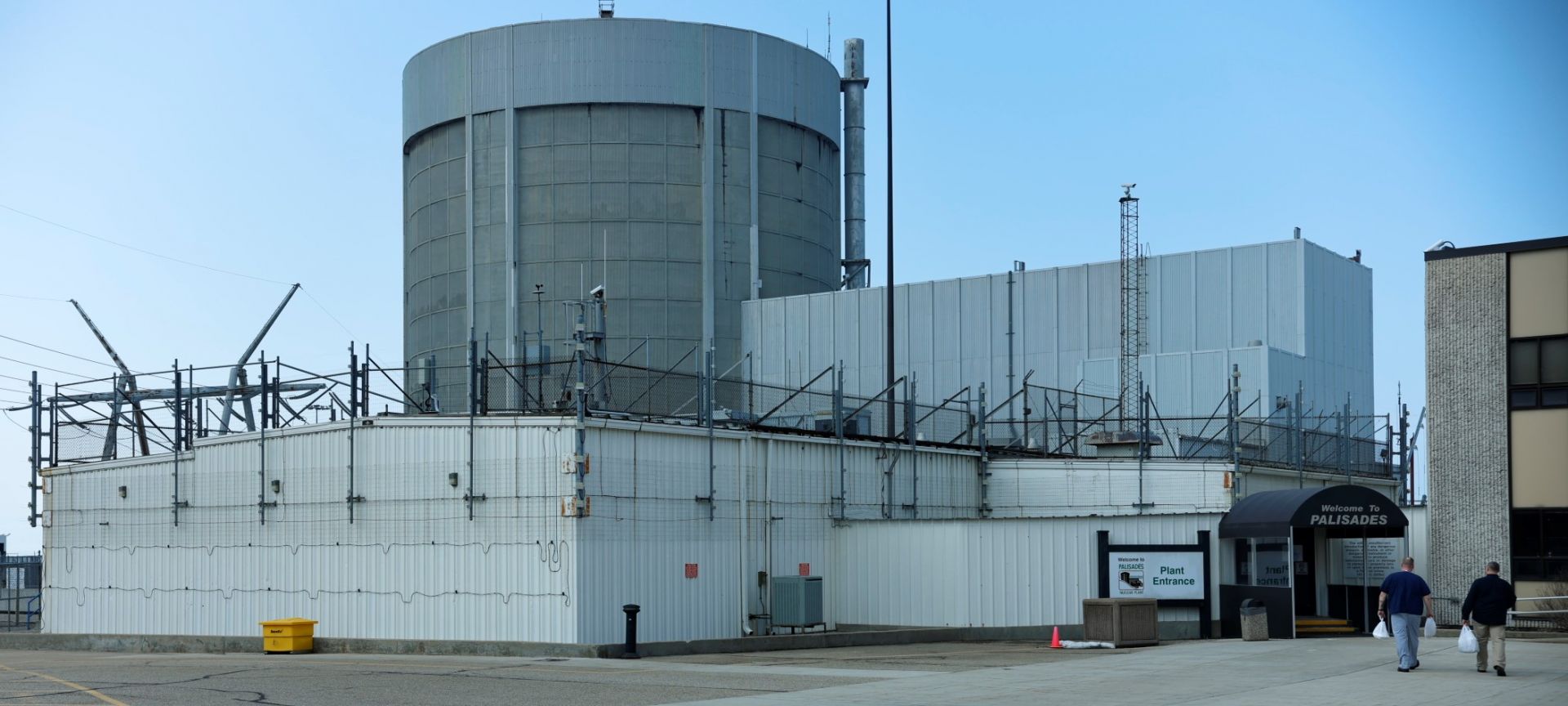
A part of the Palisades nuclear power plant. (Photo: Holtec)
Energy Secretary Chris Wright announced this week the release of the second part of Holtec’s loan disbursement for the Palisades nuclear plant restart plans in Michigan.
Announcement from CERAWeek 2025 includes Amazon, Google, and Meta
Following in the steps of an international push to expand nuclear power capacity, a group of powerhouse corporations signed and announced a pledge today to support the goal of at least tripling global nuclear capacity by 2050.
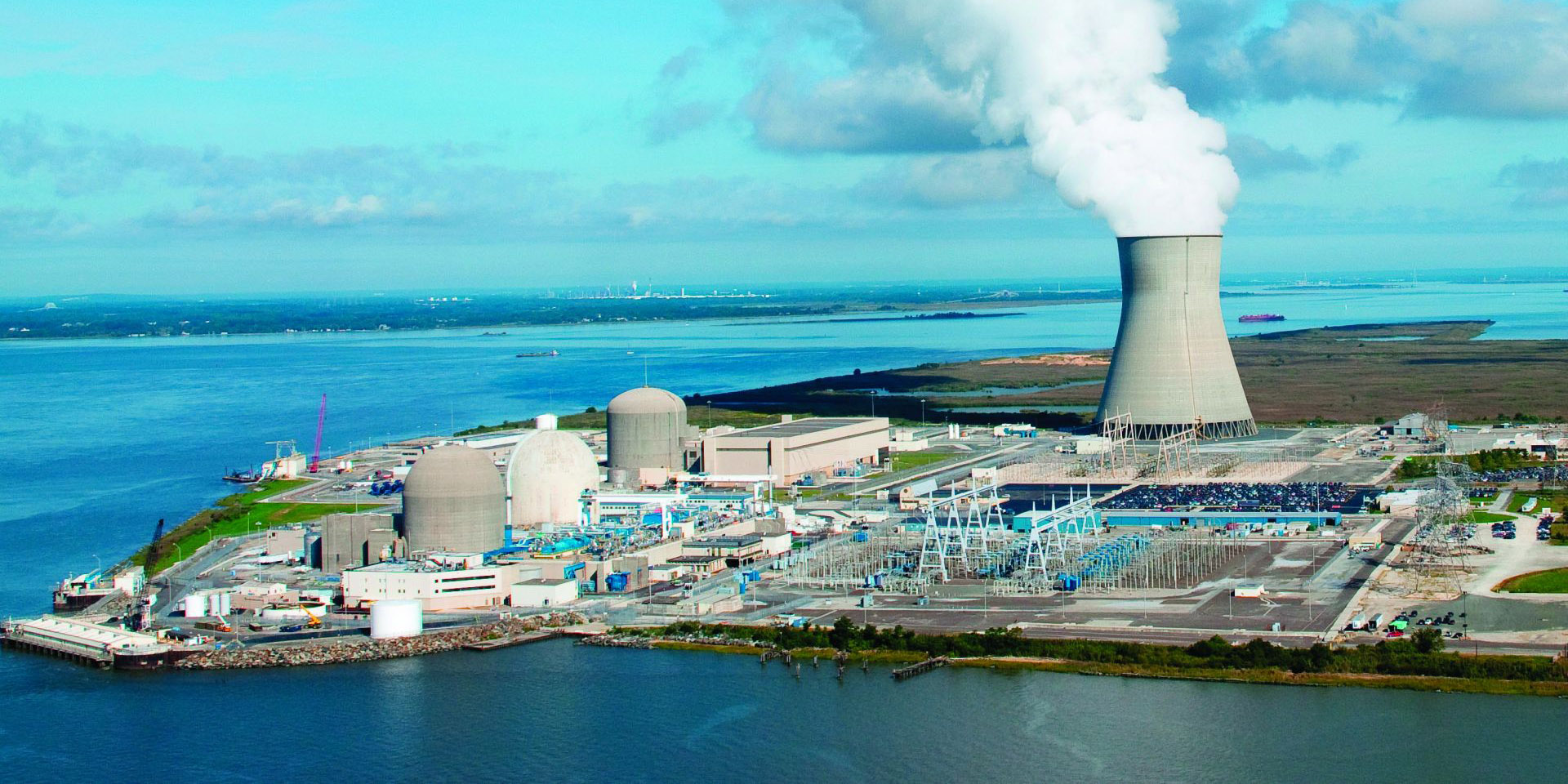
The Hope Creek and Salem nuclear power plants. (Photo: PSE&G)
The Nuclear Regulatory Commission is conducting a special inspection at Hope Creek nuclear plant in New Jersey to investigate the cause of repeated inoperability of one of the plant’s emergency diesel generators, the agency announced in a February 25 news release.
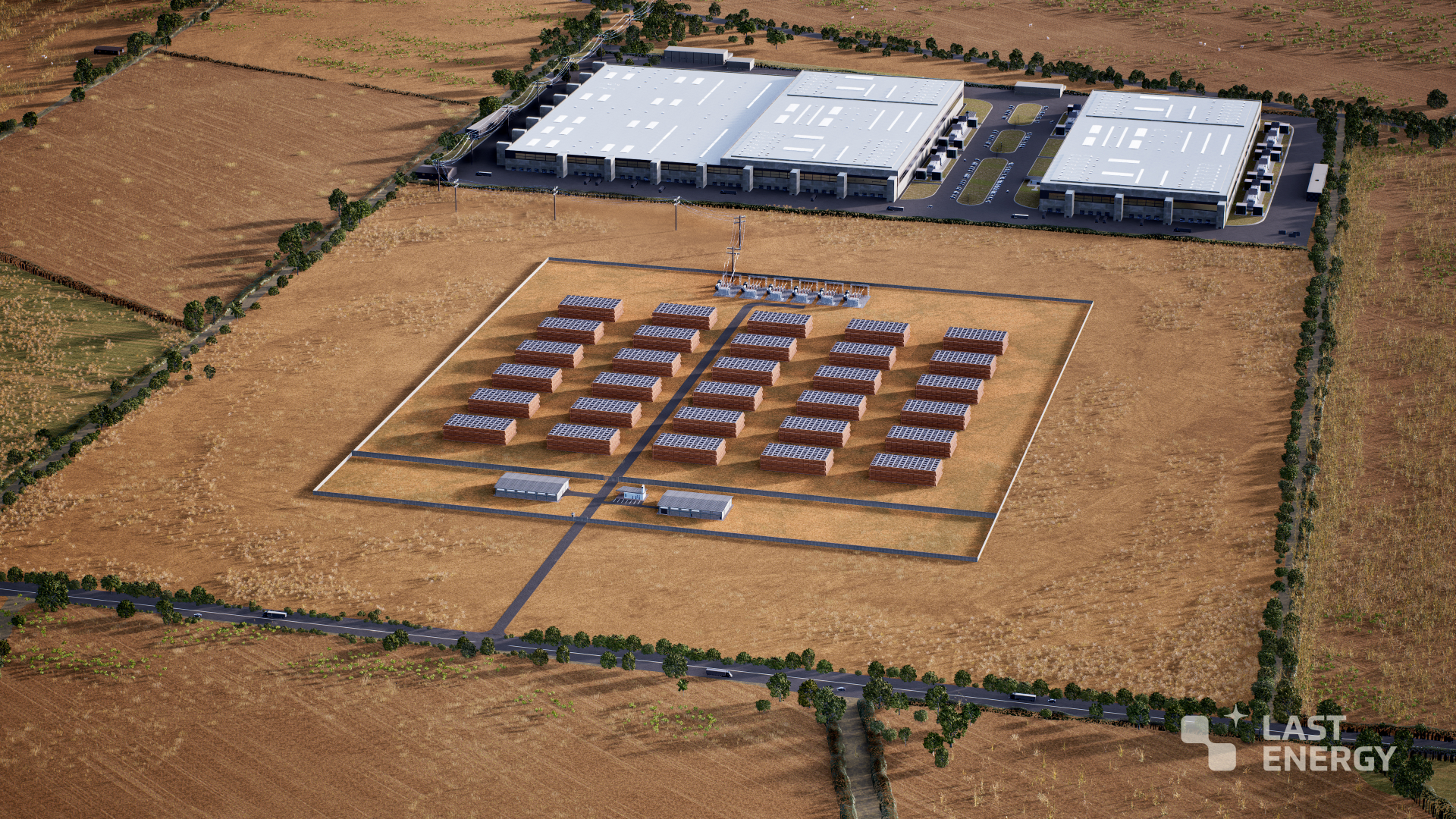
A rendering of Last Energy’s plan to site 30 microreactors in northwestern Texas to power data centers. (Image: Last Energy)
February has been big for nuclear in the state of Texas. On February 2, Governor Greg Abbott declared “It’s time for Texas to lead a nuclear power renaissance in the United States.” Two days later, Texas A&M University invited four advanced reactor developers—Aalo Atomics, Kairos Power, Natura Resources, and Terrestrial Energy—to build nuclear capacity on its RELLIS campus. On February 18 Natura announced plans for two 100-MWe molten salt reactors—one at TAMU RELLIS and the other in the Permian Basin—through a partnership with the Texas Produced Water Consortium and Texas Tech University. And today, Last Energy announced plans to site 30 microreactors—20-MWe pressurized water reactors—at a 200-acre site in northwestern Texas to power data centers.
Calvert Cliffs nuclear power plant. (Photo: Constellation)
Nuclear powerhouse Constellation Energy announced Tuesday it will spend roughly $100 million to upgrade critical electrical systems and plant equipment at its Calvert Cliffs nuclear power plant, where the company may pursue license renewals.
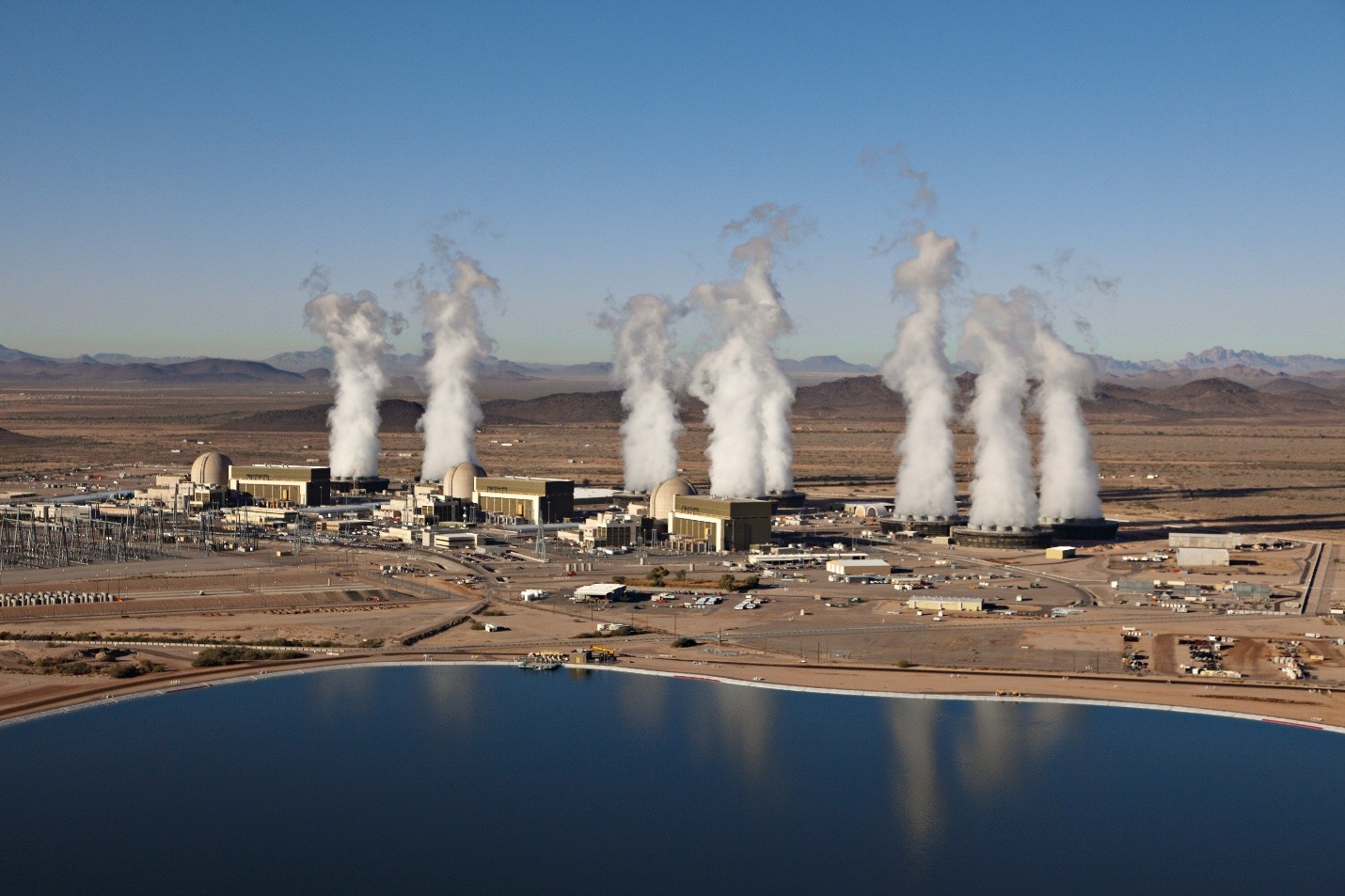
Palo Verde nuclear power plant, near Tonopah, Ariz. (Photo: APS)
The top three utilities in Arizona are teaming up to explore opportunities to add nuclear generation facilities in the state.
Arizona Public Service (APS), Salt River Project (SRP), and Tucson Electric Power (TEP) announced in a February 5 news release that they are working together to assess possible sites, including retiring coal plants. The group is looking at possibilities for both small modular reactors—units generating 300 MW or less—and potential large reactor projects, which could generate nearly five times the power.
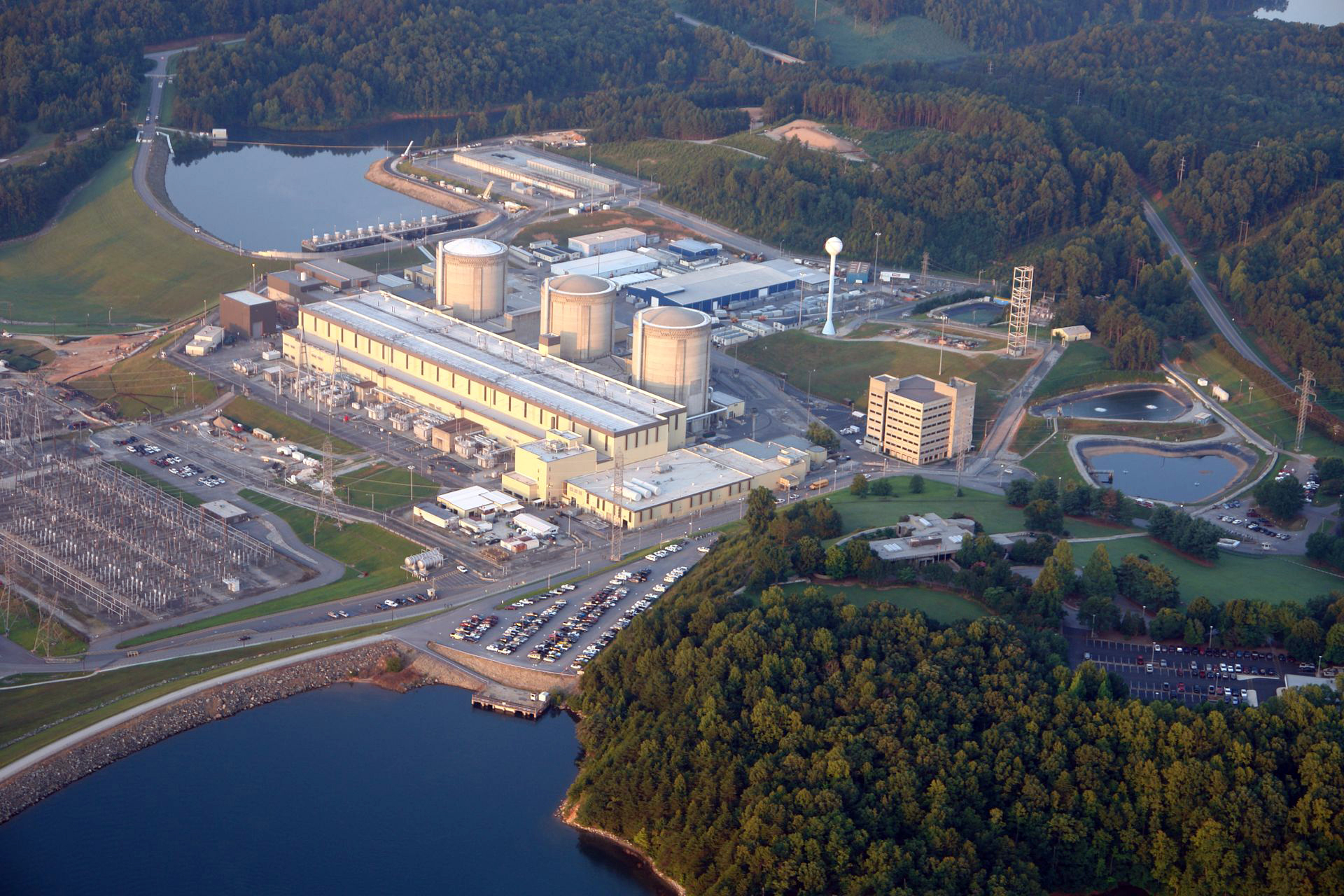
Oconee nuclear power plant. (Photo: Duke Energy)
The Nuclear Regulatory Commission has published its final environmental impact statement for the proposed subsequent license renewal (SLR) for Oconee nuclear power plant's Units 1, 2, and 3.
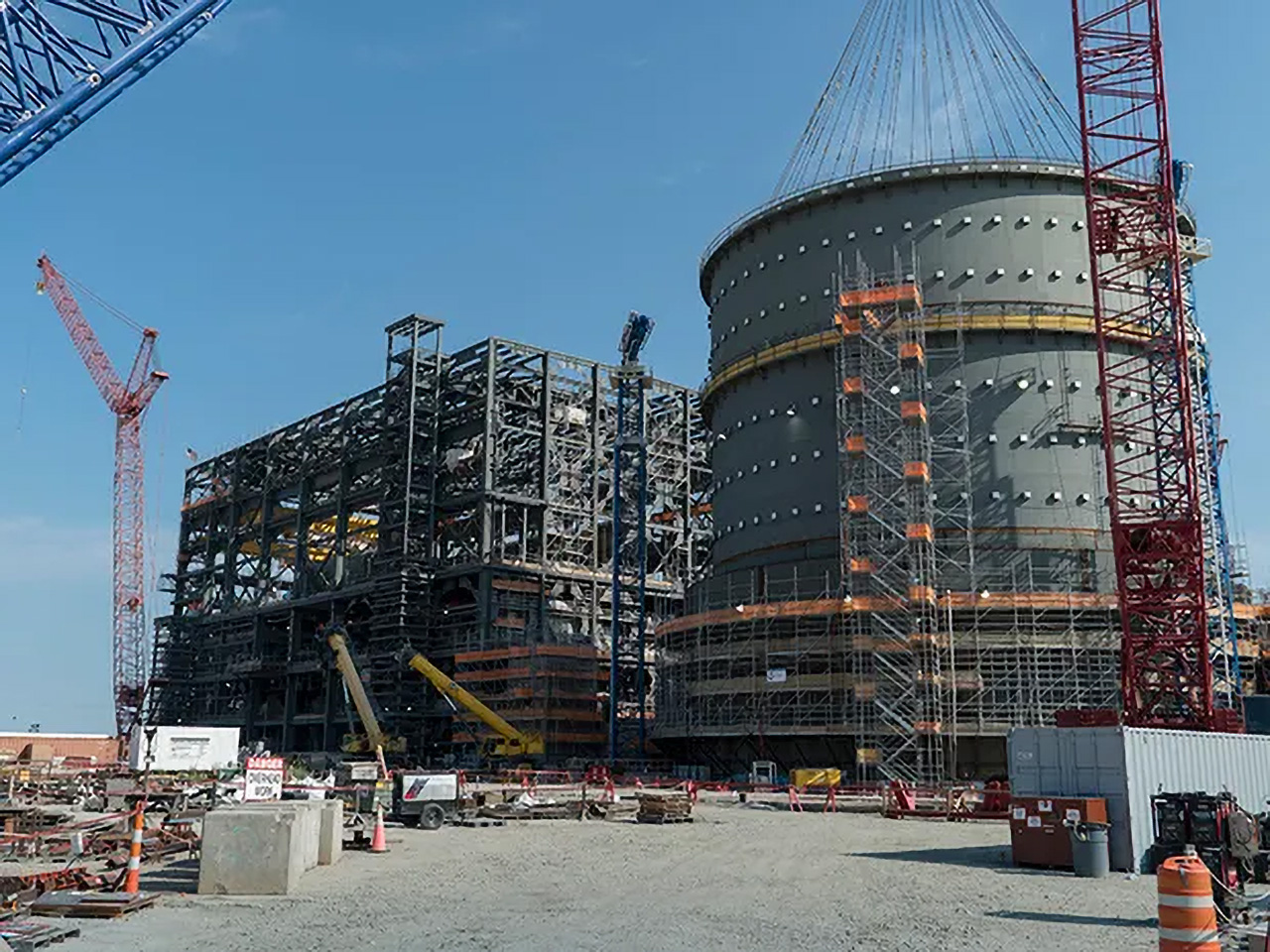
One of two unfinished Westinghouse AP1000 reactors is shown in this photo of the Summer construction site. (Photo: SCE&G)
South Carolina public utility Santee Cooper and its partner South Carolina Electric & Gas (SCE&G) called a halt to the Summer-2 and -3 AP1000 construction project in July 2017, citing costly delays and the bankruptcy of Westinghouse. The well-chronicled legal fallout included indictments and settlements, and ultimately left Santee Cooper with the ownership of nonnuclear assets at the construction site in Jenkinsville, S.C.
Work will support Pickering life extension and Darlington SMRs
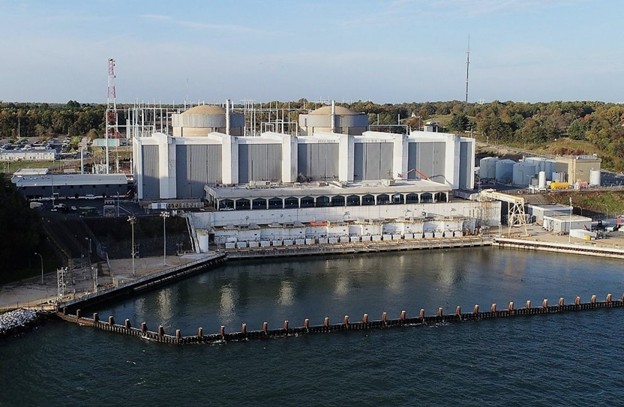
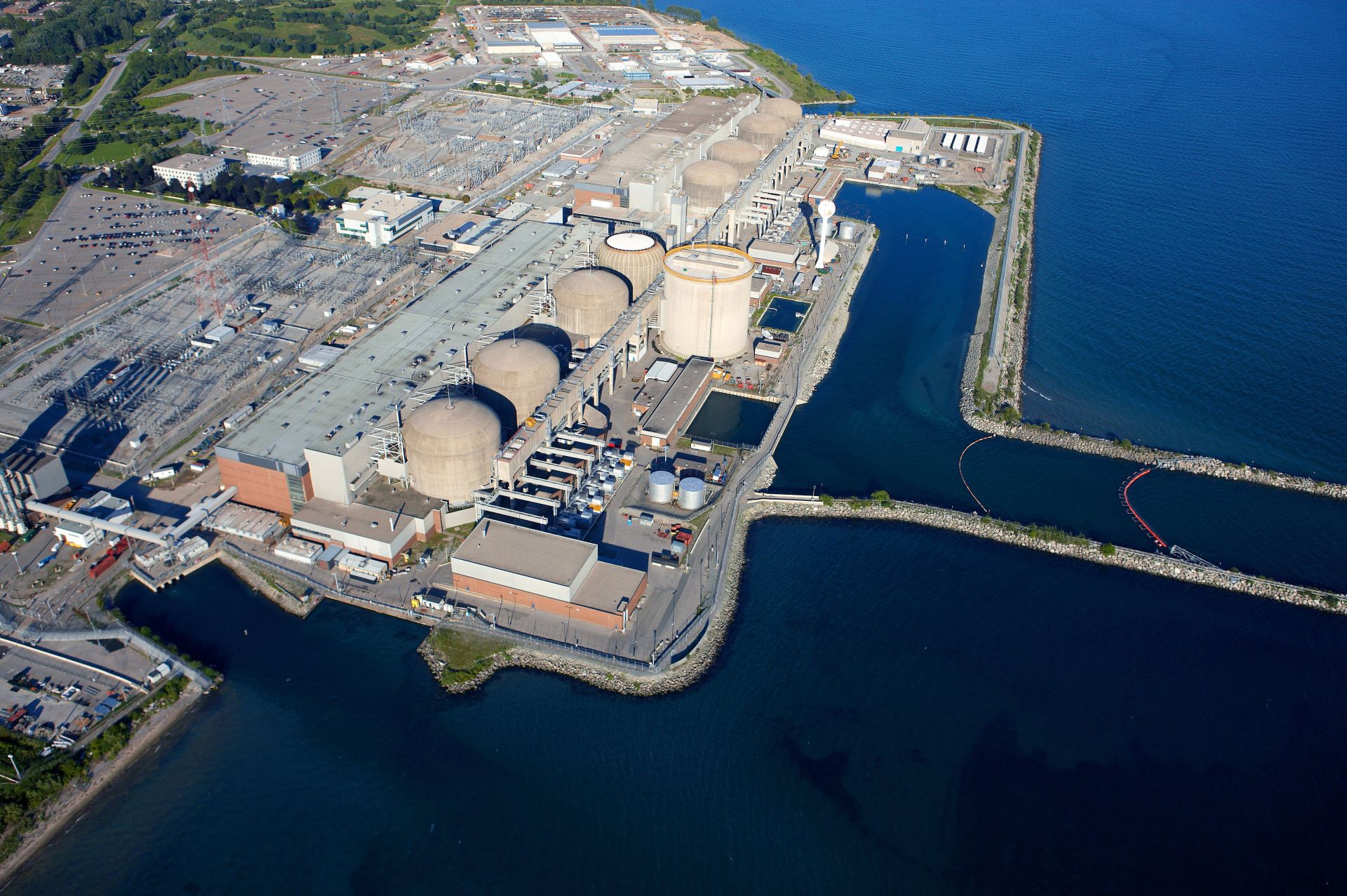
The Pickering nuclear power plant in Canada. (Photo: OPG)
Ontario Power Generation announced this week new contracts with BWXT Canada worth more than C$1 billion ($695.4 million) for projects at the Pickering and Darlington nuclear power plants.
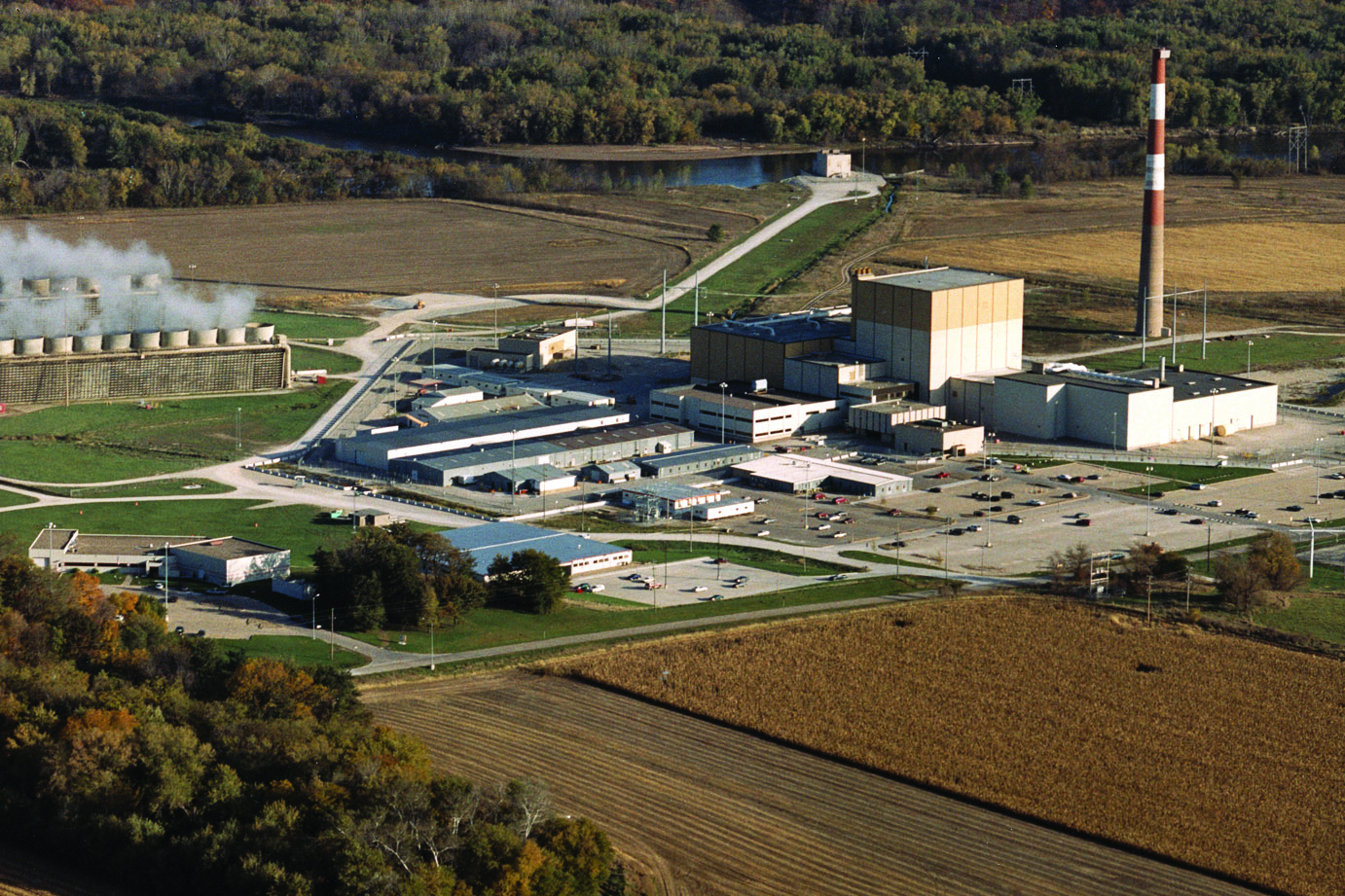
The Duane Arnold nuclear power plant, in Iowa. (Photo: NextEra Energy)
Iowa’s lone nuclear plant may soon see new life as NextEra Energy takes a step toward relicensing the Duane Arnold nuclear power plant.
The Palisades nuclear power plant. (Photo: Holtec)
A Nuclear Regulatory Commission review board will hear oral arguments on February 12 on petitions concerning Holtec Palisades LLC.
The reactor building and the turbine building seen in October 2024 as employees worked on Vogtle Unit 3’s first-ever refueling outage. (Photo: Dot Schneider)
Southern Nuclear was first when no one wanted to be.
The nuclear subsidiary of the century-old utility Southern Company, based in Atlanta, Ga., joined a pack of nuclear companies in the early 2000s—during what was then dubbed a “nuclear renaissance”—bullish on plans for new large nuclear facilities and adding thousands of new carbon-free megawatts to the grid.
In 2008, Southern Nuclear applied for a combined construction and operating license (COL), positioning the company to receive the first such license from the U.S. Nuclear Regulatory Commission in 2012. Also in 2008, Southern became the first U.S. company to sign an engineering, procurement, and construction contract for a Generation III+ reactor. Southern chose Westinghouse’s AP1000 pressurized water reactor, which was certified by the NRC in December 2011.
Fast forward a dozen years—which saw dozens of setbacks and hundreds of successes—and Southern Nuclear and its stakeholders celebrated the completion of Vogtle Units 3 and 4: the first new commercial nuclear power construction project completed in the U.S. in more than 30 years.
The Palisades nuclear power plant. (Photo: Entergy)
The Nuclear Regulatory Commission is hosting a hybrid public meeting with Holtec next week to discuss plans for needed repairs at Michigan’s Palisades nuclear plant before bringing the unit back on line.
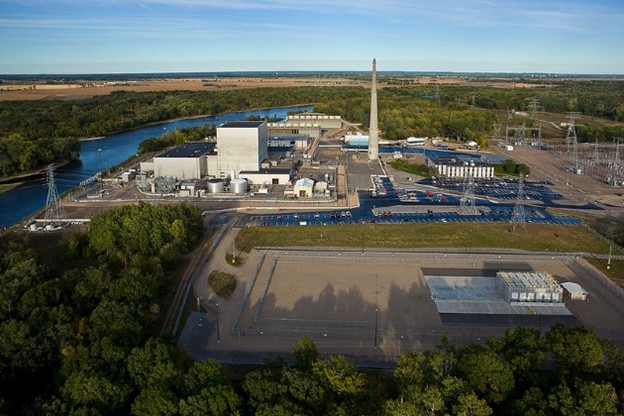
Monticello nuclear power plant in Monticello, Minn. (Photo: NRC)
The Nuclear Regulatory Commission has renewed for a second time the operating license for Unit 1 of Minnesota’s Monticello nuclear power plant.

.png)