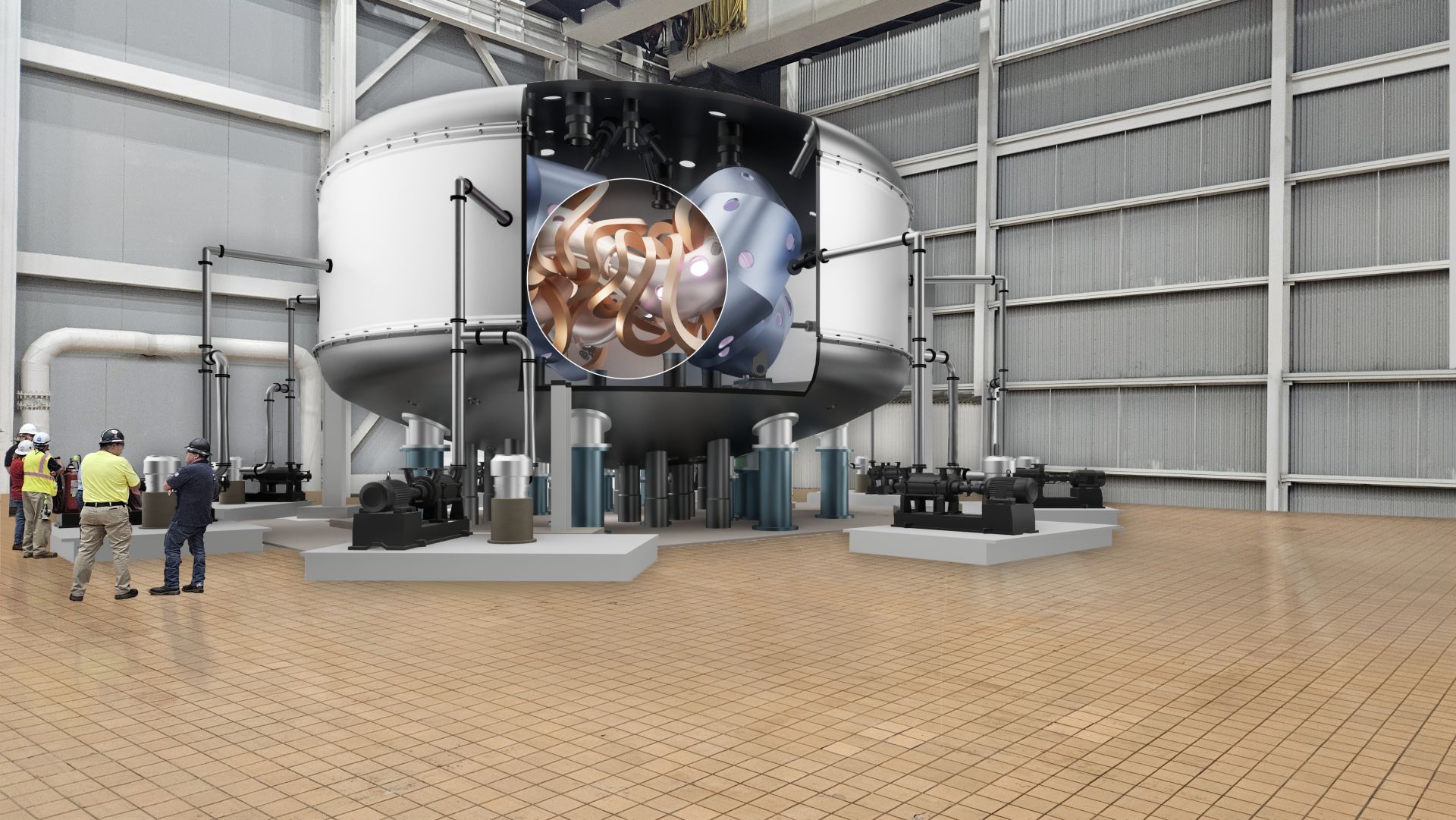
Concept art showing Type One Energy’s Infinity One prototype stellarator inside TVA’s Bull Run fossil plant. (Photo: Business Wire)
Type One Energy said it has entered into a cooperative agreement with the Tennessee Valley Authority to jointly develop plans for a potential TVA fusion power plant project in the Tennessee Valley region using Type One Energy stellarator fusion power technology. The company said its 350-MWe fusion pilot power plant, named Infinity Two, could provide a complementary source of baseload electrical generation for the region as early as the mid-2030s.
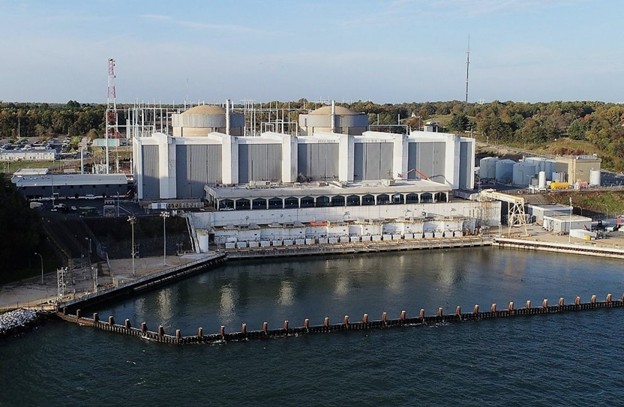
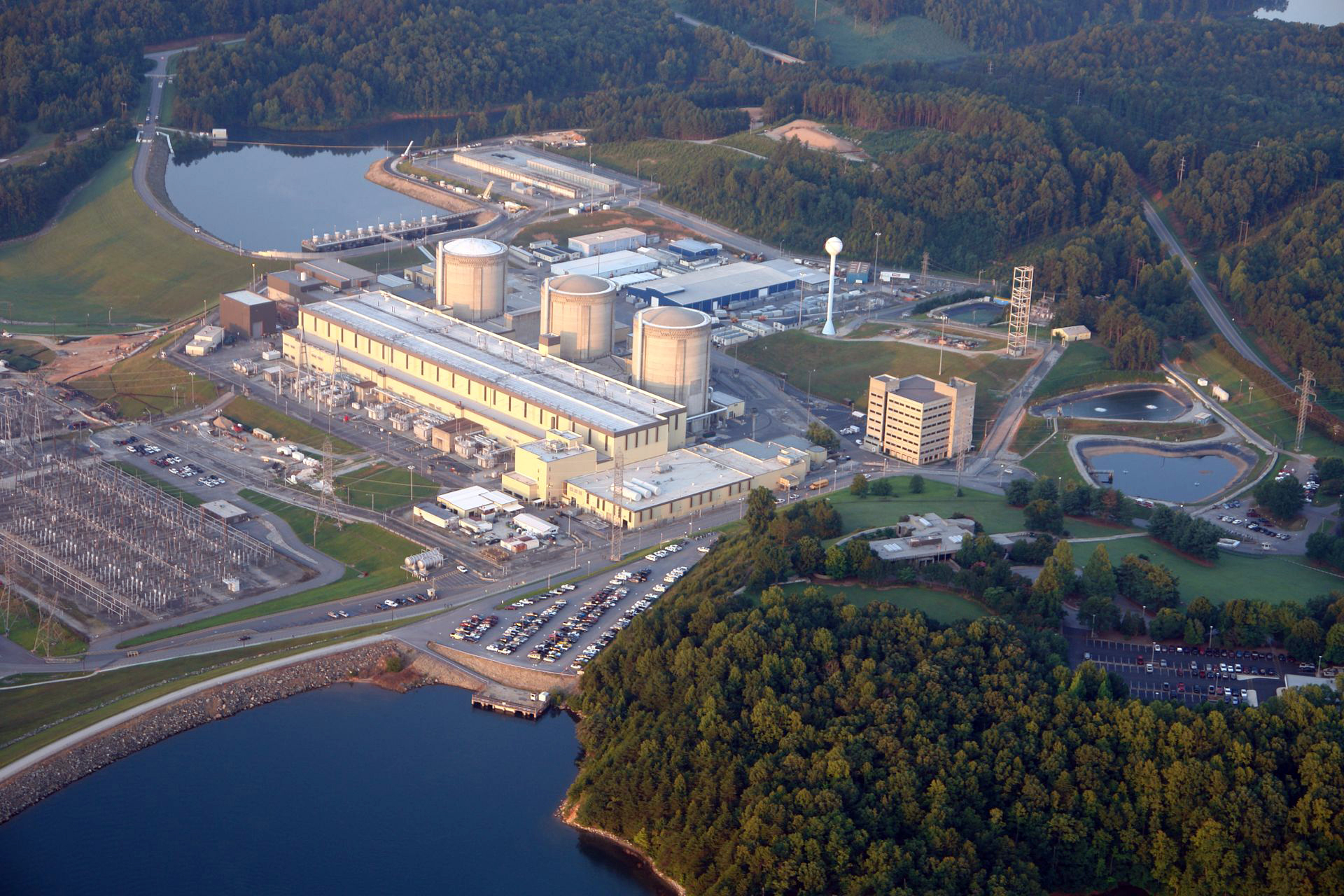
Calvert Cliffs nuclear power plant. (Photo: Constellation)
Nuclear powerhouse Constellation Energy announced Tuesday it will spend roughly $100 million to upgrade critical electrical systems and plant equipment at its Calvert Cliffs nuclear power plant, where the company may pursue license renewals.
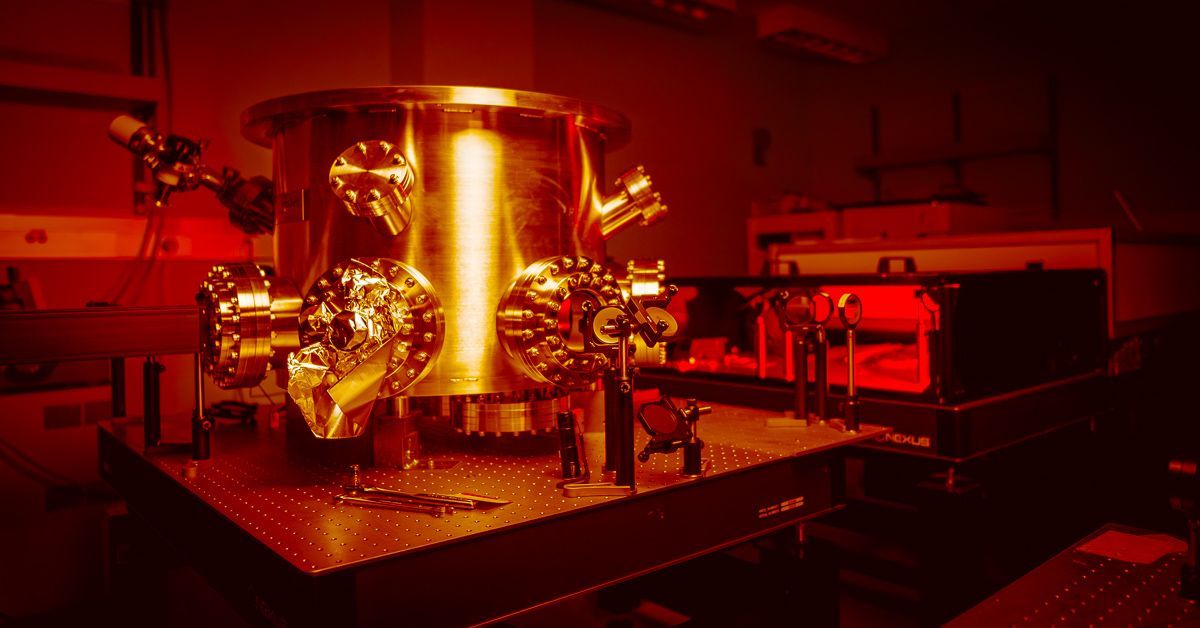
An experimental chamber that will be used by UC San Diego as part of the TINEX project. (Photo: David Baillot/UC San Diego Jacobs School of Engineering)
The University of California–San Diego has joined a new research collaborative focused on overcoming critical obstacles in developing and scaling up inertial fusion power plants. Led by San Diego-based General Atomics, the group was one of six research teams that were collectively awarded $107 million in January by the Department of Energy as part of the Fusion Innovative Research Engine (FIRE) Collaboratives.
IAEA team members conduct a follow-up review of Spain’s regulatory framework for nuclear and radiological safety. (Photo: CSN)
An International Atomic Energy Agency team has concluded that Spain has shown a strong commitment to nuclear and radiation safety, confirming that the country has successfully enhanced its regulatory framework, fully implementing IAEA recommendations made in 2018.
Oconee nuclear power plant. (Photo: Duke Energy)
The Nuclear Regulatory Commission has published its final environmental impact statement for the proposed subsequent license renewal (SLR) for Oconee nuclear power plant's Units 1, 2, and 3.
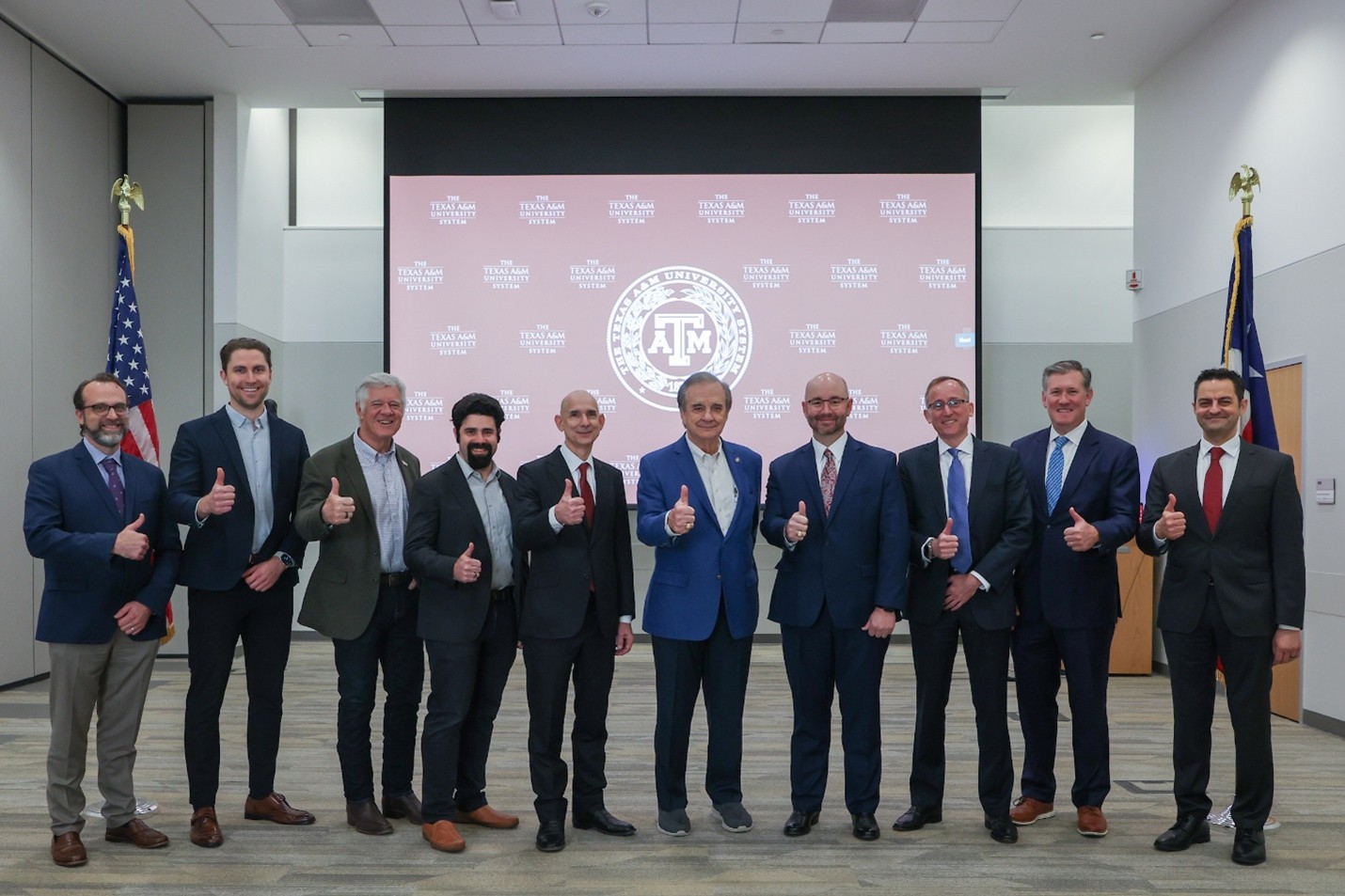
Participants celebrate Texas A&M’s announcement about hosting SMR units from four nuclear companies. (Photo: Texas A&M)
Texas A&M chancellor John Sharp has announced that the university could soon become a home to small modular reactors from four advanced nuclear companies: Kairos Power, Natura Resources, Terrestrial Energy, and Aalo Atomics.
Photo: Cape Fear Community College
Cape Fear Community College (CFCC) in Wilmington, N.C., has appointed Kelli Davis its first Nuclear Technology program director. Davis has nearly 20 years of experience in nuclear power, including roles in chemistry, operations, and environmental supervision.
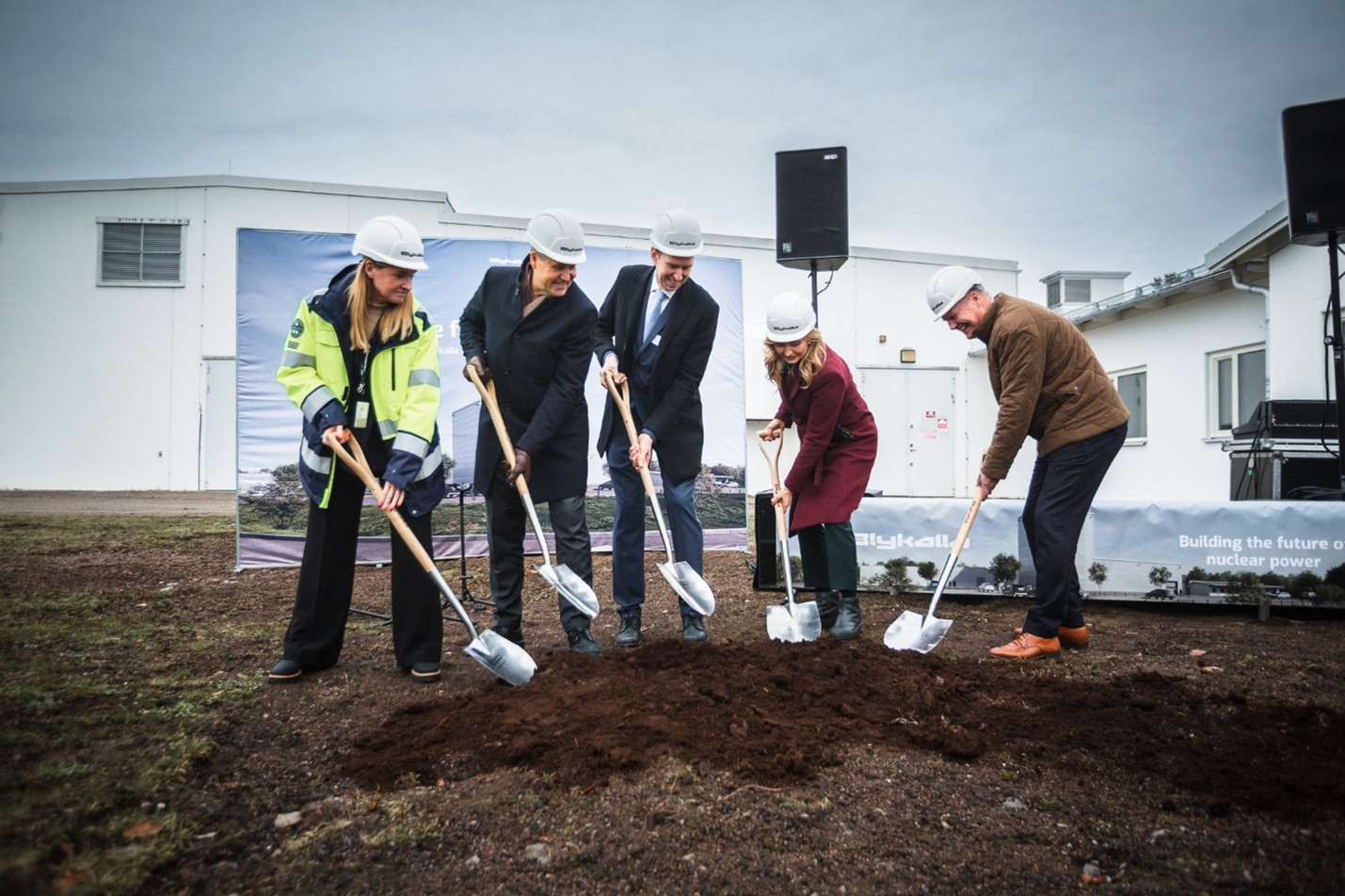
A ground breaking marked the beginning of advanced SMRs in Sweden. From left, Jenny Wirandi, head of engineering at OKG; Johan Svenningsson, chief executive of Uniper Sweden; Jacob Stedman, chief executive of Blykalla; Ebba Busch, Sweden’s minister for energy and business and deputy prime minister; and Per Erik Holsten, president of energy industries at ABB. (Photo: Marcus Beckford/Blykalla)
An official ground breaking on Monday for Swedish nuclear company Blykalla’s advanced reactor testing site marked a pivotal step in putting decades of research into action.
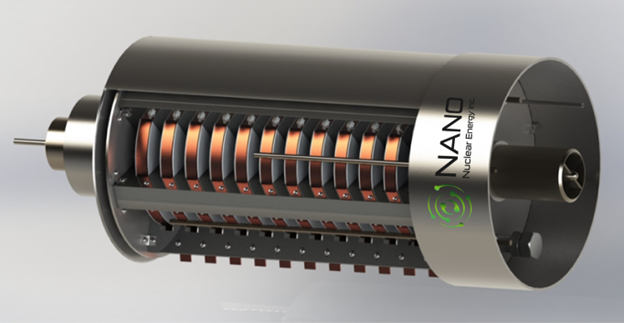
Concept art of NANO Nuclear’s ALIP MR-12 internal structure (skeleton). (Image: Nano Nuclear)
To better educate customers and stakeholders on its technology, NANO Nuclear Energy has opened a new demonstration facility in Westchester County, N.Y., that offers an up-close look at nonnuclear parts and components of the four microreactors the company has in development.
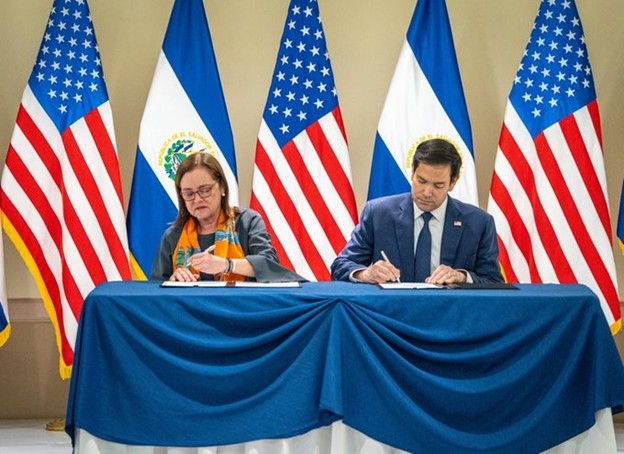
El Salvador foreign minister Alexandra Hill Tinoco and U.S. secretary of state Marco Rubio signed a nuclear energy MOU. (Photo: X)
Officials from the United States and the Republic of El Salvador signed a memorandum of understanding Monday, agreeing to cooperate on strategic civil nuclear development.
In one of his first acts in office, U.S. secretary of state Marco Rubio signed the MOU with El Salvadoran foreign minister Alexandra Hill Tinoco during his recent visit.
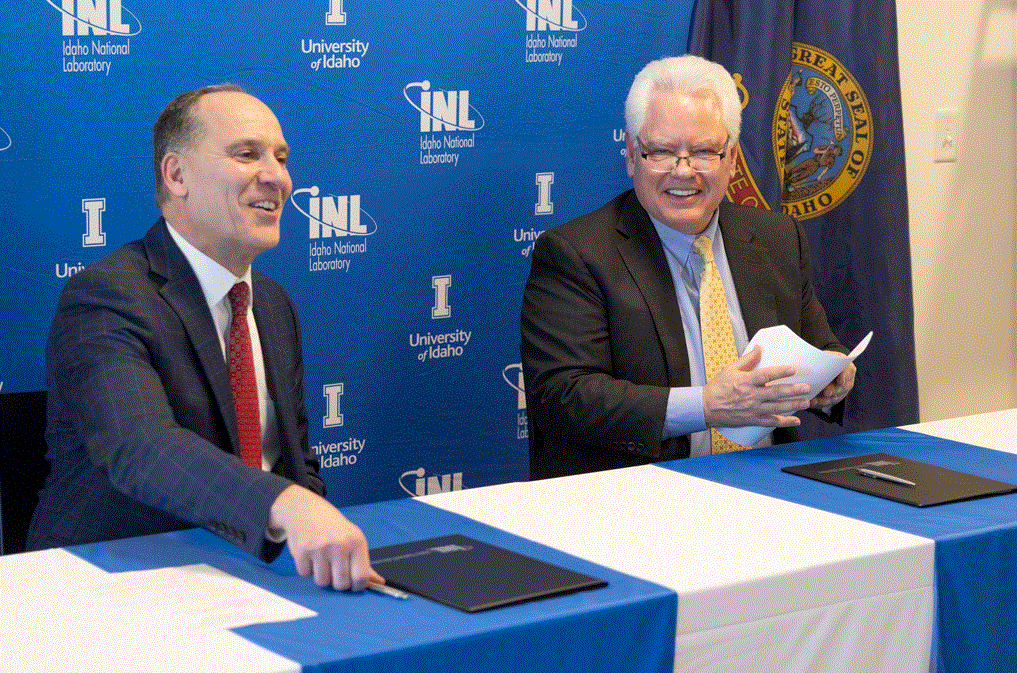
INL director John Wagner and University of Idaho president C. Scott Green at the SUPER agreement signing. (Photo: INL)
New Strategic Understanding for Premier Education and Research (SUPER) agreements signed by Idaho National Laboratory, Boise State University, and University of Idaho will foster collaboration among the institutions in advanced energy and cybersecurity projects. The five-year agreements are designed to open doors for research and development opportunities, while advancing existing research and development initiatives, including projects in nuclear energy and high-performance computing.
Concept art showing a FNPP design. (Image: Glosten)
A team of innovative companies has plans to bring floating nuclear power plants to U.S. ports.
Core Power, a maritime and nuclear technology company, announced in January a new partnership in with naval architecture company Glosten. The pair is working on a design for a floating nuclear power plant (FNPP) that could generate up to 175 gigawatt-hours of clean electricity annually and provide clean power to ships, equipment, and port vehicles, Offshore Energy reported.
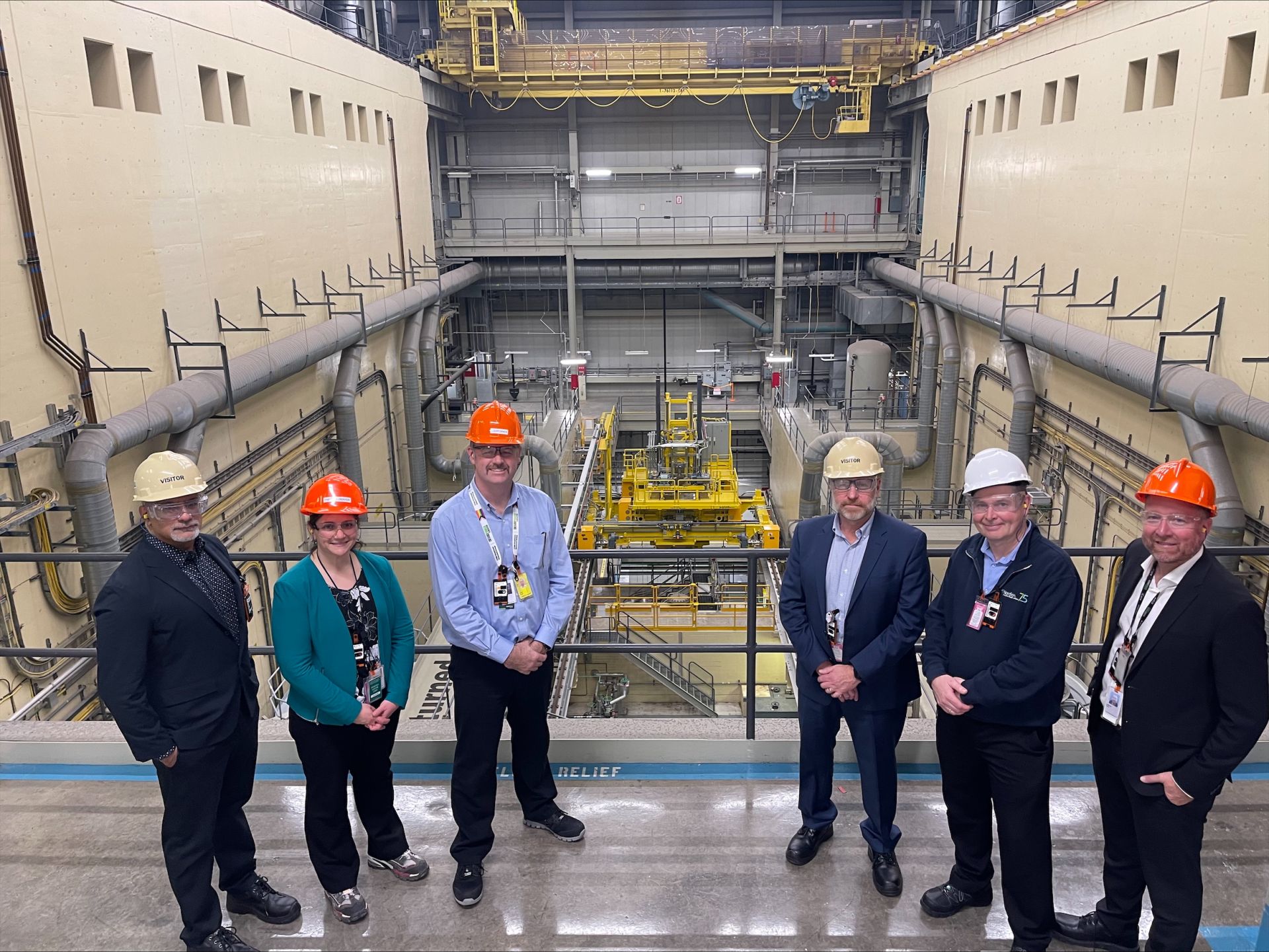
OPG and Nordion employees at Darlington’s recently refurbished Unit 1, which has been modified to produce cobalt-60 isotopes. (Photo: OPG)
Ontario Power Generation in Canada announced that Unit 1 of its Darlington nuclear power plant, which has returned to service from refurbishment, is now producing the medical isotope cobalt-60. During refurbishment activities, OPG made modifications to the unit to allow it to produce Co-60, which is used to sterilize 30 percent of the world’s single-use medical devices, such as syringes, gloves, and implants.

-3 2x1.jpg)




 Here is a recap of industry happenings from the recent past: