
-3 2x1.jpg)
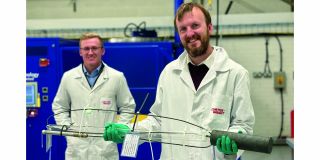
Missouri S&T’s nuclear engineering program gains department status
October 26, 2020, 3:00PMNuclear News
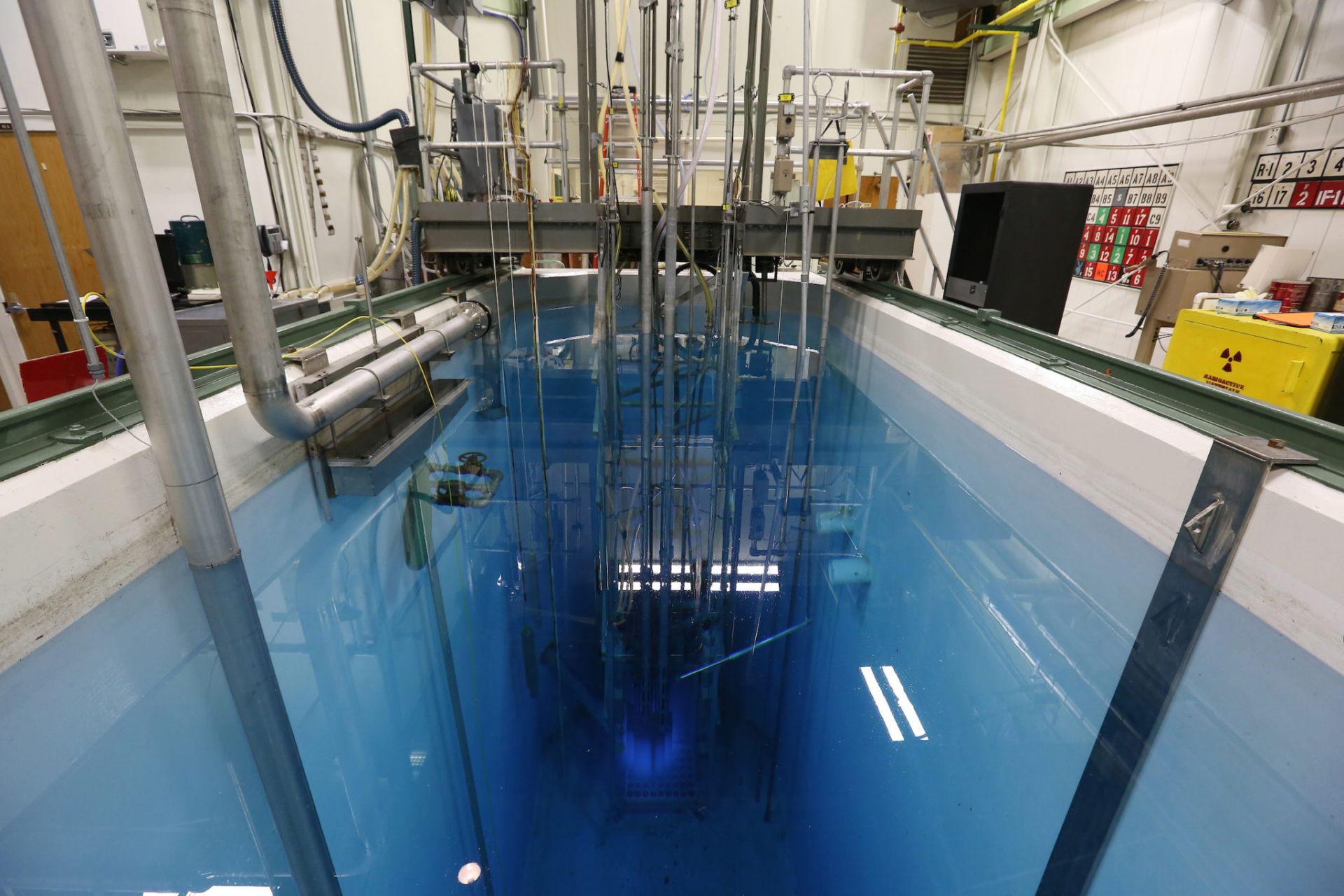
Missouri S&T’s pool-type nuclear reactor. Photo: Sam O’Keefe/Missouri S&T
Sixty years ago, the Missouri University of Science and Technology (Missouri S&T), then known as the University of Missouri at Rolla, was one of the first U.S. institutions to offer a nuclear engineering degree. Now, decades after it was offered as an option within metallurgical engineering, Missouri S&T’s nuclear program has attained new status as the Nuclear Engineering and Radiation Science Department, the university announced on October 20.
To continue reading, log in or create a free account!
Tags:
Share:
 Frequently the
  Elementary school lesson plans are the latest additions to the
 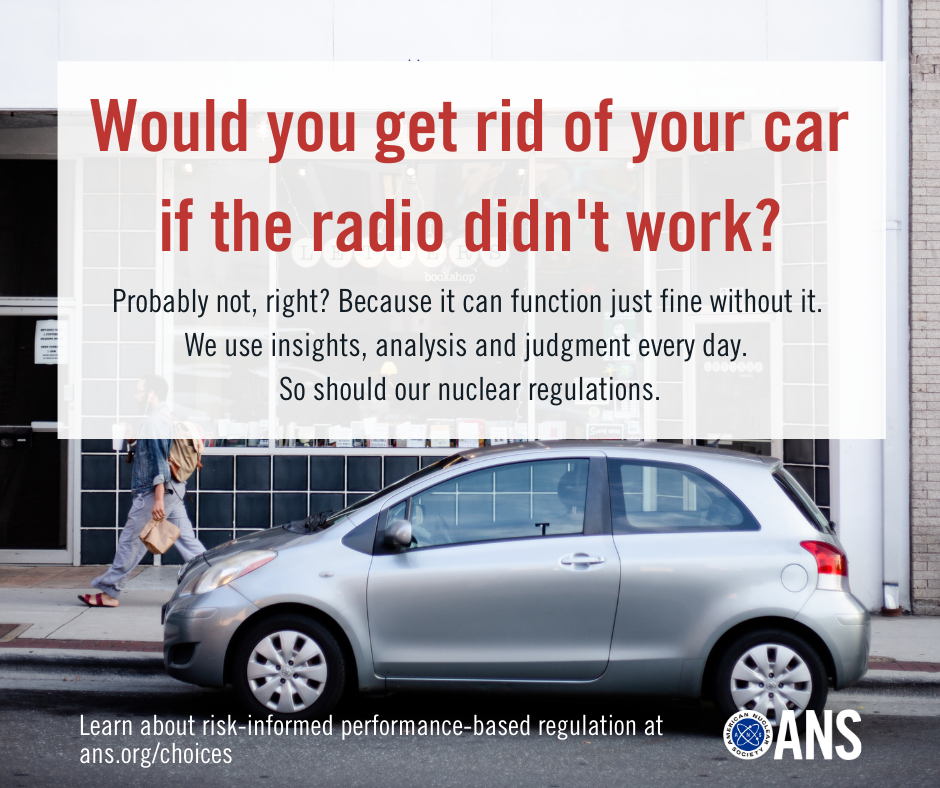 The nuclear industry has embraced the risk-informed and performance-based (RIPB) decision-making process over the past two decades. Still, it remains a complex concept to explain in lay terms.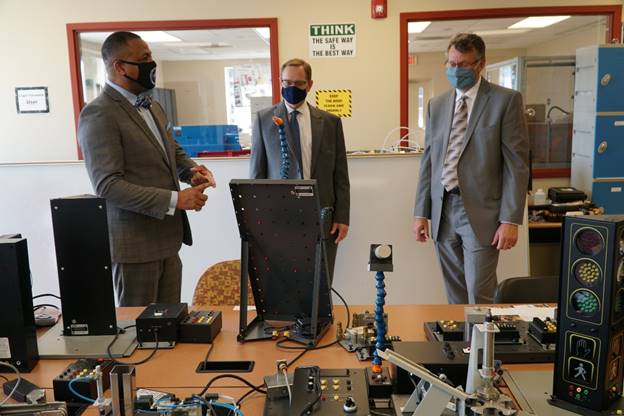
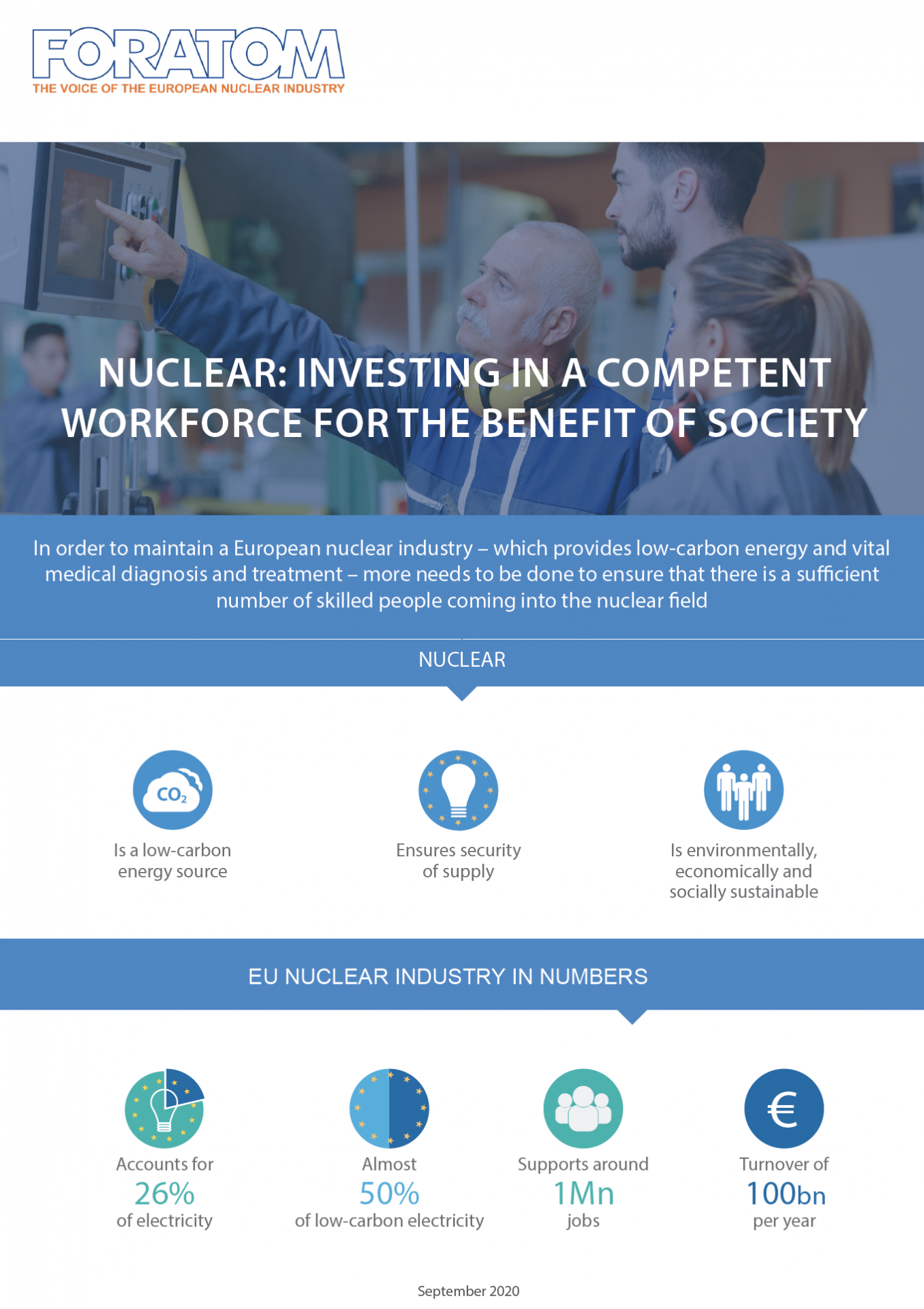 The European Union’s education and training policy must do more to ensure that the nuclear sector has a sufficient number of people with the right skills, according
  Registration is open
 American Nuclear Society members who are parenting K–12 students have been drafted to serve as home educators during the COVID-19 pandemic. While schools may have provided e-learning resources, the school year is at an end. How can concerned parents prevent the dreaded summer slide?
 The ANS Young Members Group (YMG) is offering a series of live webinars—Spotlight on National Labs—to highlight the missions, key projects, and rising stars of the Department of Energy’s national laboratories. Recently it was Argonne National Laboratory’s turn to shine.
 The impact of the COVID-19 pandemic on universities has been wide-ranging, as it has forced remote learning across campuses, with a few exceptions.
 When the COVID-19 pandemic forced 2020 ANS Student Conference organizers to cancel plans to meet in person on the campus of North Carolina State University, they already had a full calendar of events and hundreds of registered attendees. While the meeting could be rescheduled, graduating students who had signed up to participate in the Student Design Competition would miss the chance to present their research. Finding a way for those students to present their work was a priority.
 When Navigating Nuclear’s latest virtual field trip (VFT) debuted online in February during Engineers Week, students in classrooms around the country learned about nuclear advancements happening right now at Idaho National Laboratory, on technologies including advanced reactors, TRISO fuel, and space power systems. The video, titled “Nuclear Reimagined,” highlights diverse applications of nuclear technology and career opportunities in the nuclear sector and puts a spotlight on the work of ANS members Heather Chichester, Paul Demkowicz, and Stephen Johnson at INL.
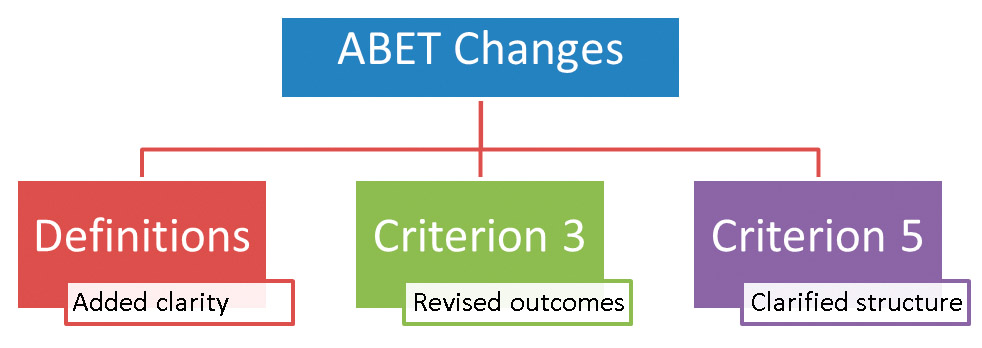 ABET, originally an acronym for the Accreditation Board for Engineering and Technology, is a nonprofit, nongovernmental organization that accredits college and university programs in the disciplines of applied and natural science, computing, engineering, and engineering technology. ABET accredits degrees at the associate, bachelor’s, and master’s levels. Over the years, the organization has expanded its domestic and global accreditation presence, and it currently accredits over 4,000 programs in 32 countries.