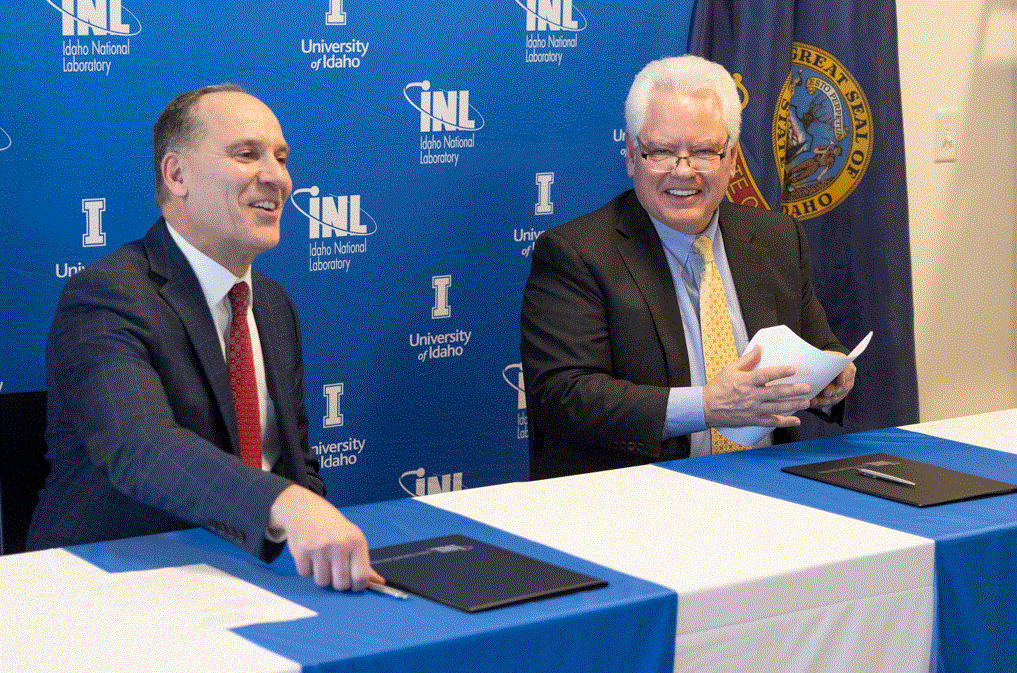
Expanding capabilities: As explained by QLE CEO Ryno Pretorius, “Today, the United States has only one operating commercial conversion facility, making the expansion of domestic conversion capabilities essential to strengthening our nation’s energy security and reducing reliance on foreign sources. By working alongside TEES, we are advancing technologies with the aim of improving production efficiency, lowering costs, and supporting the growing demand for nuclear fuel.”
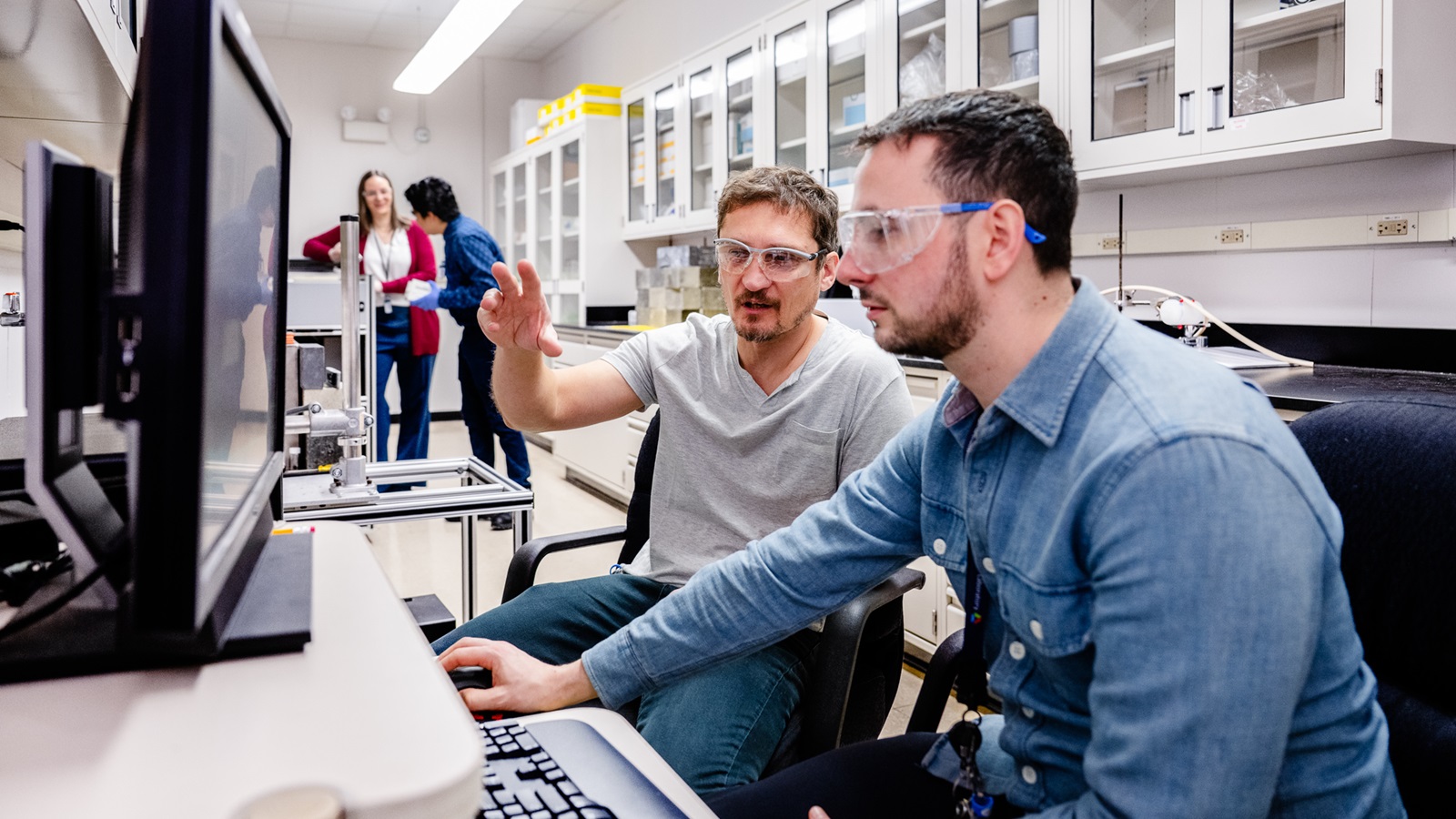
About the partnership: In implementing the research agreement, TEES and QLE will collect physicochemical data on the reactions involved in producing UF6 from yellowcake, with the objectives of improving production technology, reducing costs, and enhancing scalability. The data are expected lead to improvements in conversion efficiency for applications in nuclear energy, process design, modeling, scale-up activities, and production pathway optimization.
The Texas-based companies and TEES consider the new agreement important for their home state as well as the rest of the country. As noted by ASPI in its press release, “Securing access to materials and strengthening domestic supply chains has become increasingly important as nations pursue greater energy independence and accelerate the global energy transition. The partnership between QLE and TEES reinforces how industry-led collaboration is advancing the next generation of nuclear fuel capabilities and strengthens [Texas’s] position as a leader in advanced nuclear development.”
ASPI projects: ASPI, which is headquartered in Dallas, has developed proprietary separation and enrichment technologies for the production of isotopes for a range of industrial and advanced technology applications. The company also operates isotope enrichment facilities in Pretoria, South Africa.
ASPI and its QLE subsidiary have ongoing projects with a number of companies and institutions, including collaborations with Fermi America and Texas Tech University for uranium enrichment research, development, and production and with TerraPower regarding financing for a uranium enrichment facility in South Africa.





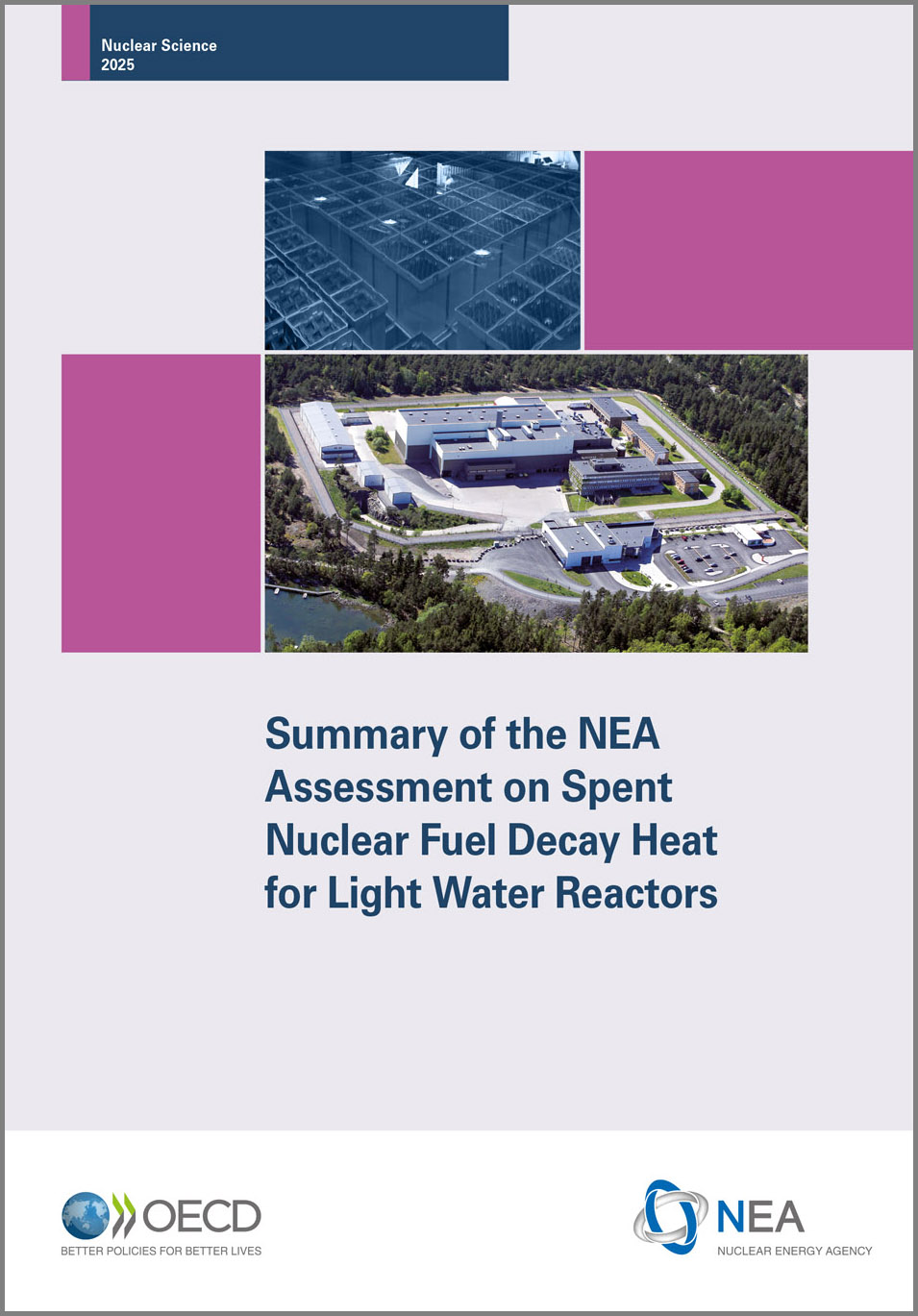 The OECD Nuclear Energy Agency has issued a report calling for more-detailed information on tracking the decay heat of spent nuclear fuel from light water reactors. According to the NEA, the report highlights the increasing importance of accurate decay heat estimations due to evolving fuel characteristics, including higher initial fuel enrichment, increased burn-up rates, and extended reactor cycle lengths.