WM2026: Leveraging advanced technology and innovation
The noticeable exuberance within the nuclear community as a whole appears to have spilled over into the waste management sphere as well, judging from the 2026 Waste Management Conference, held March 8–12 in Phoenix, Ariz., and sponsored by Waste Management Symposia.
The theme of this year’s conference was “Efficient and Innovative Nuclear Materials and Technology Solutions,” and many of the scheduled panels and technical sessions revolved around how nuclear growth and technological advancements are affecting the back end of the fuel cycle, as well as how the cleanup of legacy sites is enabling new nuclear development.
Kumpula
“This year, you’ll hear a lot about the revolutionary applications of artificial intelligence and other technology advances,” said WM Symposia president Susan Stiger in her opening plenary remarks, adding that recent developments in the nuclear field have been both evolutionary and revolutionary.
“You’ll hear how technologies are transforming the nuclear industry, expediting the nuclear renaissance around the world, and enabling dramatic and practical improvements in critical areas like worker safety,” she said.
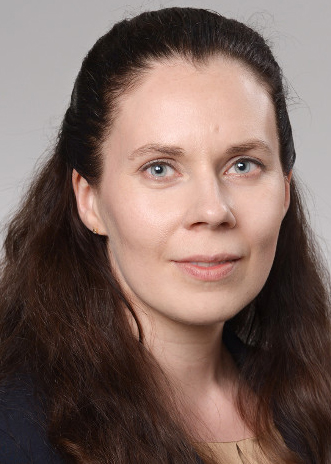
Finland, the featured country at this year’s conference, recently made it clear that it supported new nuclear by introducing legislation aimed at streamlining licensing. New nuclear development in Finland will be facilitated by the country’s stable, long-term policy surrounding nuclear waste management, said Linda Kumpula, senior specialist for the Ministry of Economic Affairs and Employment of Finland, during her opening plenary remarks.
She explained that the focal points of the Finnish government’s nuclear policy priorities “are welcoming investment decisions for new nuclear power plants in Finland, investigating the possibilities for managing nuclear waste generated in new nuclear power plants, and supporting internationalization of expert services and advanced technical solutions in the field of nuclear waste management.”
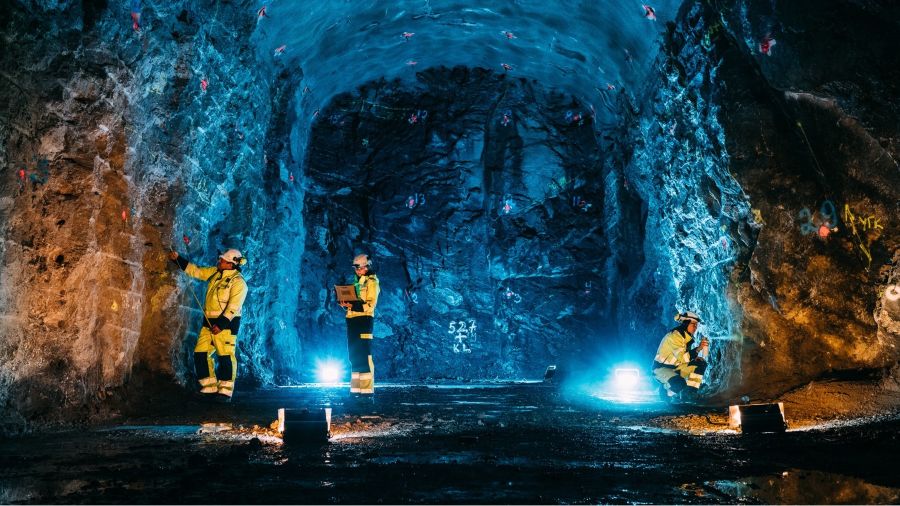
Finland is also on target to be the first country to begin disposing of its spent nuclear fuel in a deep geologic repository, as final testing before operations is currently being conducted at the Onkalo geologic repository, located near the Olkiluoto nuclear power plant in southwestern Finland. Waste emplacement operations are expected to begin later this year.
Poikolainen
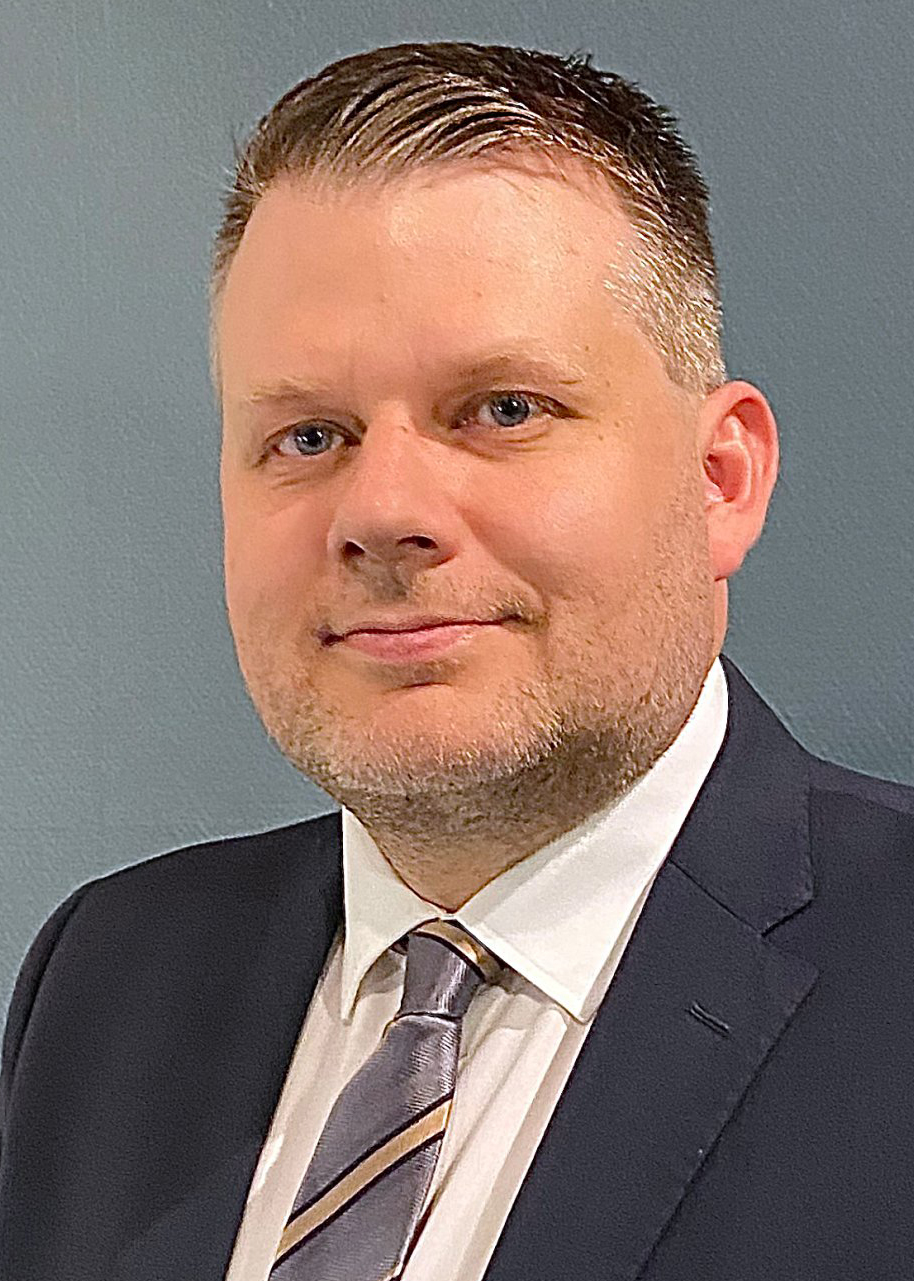
“The fact that final disposal begins in Finland is not accidental. It reflects something fundamental about our country,” noted Posiva’s president and CEO Ilkka Poikolainen, who followed Kumpula in addressing the plenary audience.
“It helps that Finland is very much a nuclear power country,” Poikolainen added, noting that almost 40 percent of the country’s electricity was produced by nuclear power last year. He also cited a recent survey by the Finnish Energy Industry Association showing that 81 percent of Finns want to either increase the use of nuclear power or keep it at the current level.
Poikolainen credited Finland’s success in building the Onkalo repository to three factors, including an uncompromising adherence to safety and a continuing capacity to learn, improve, and adapt over the decades.
“The third tenet is trust. Trust in our own competence, our partners, authorities, and society,” he said.
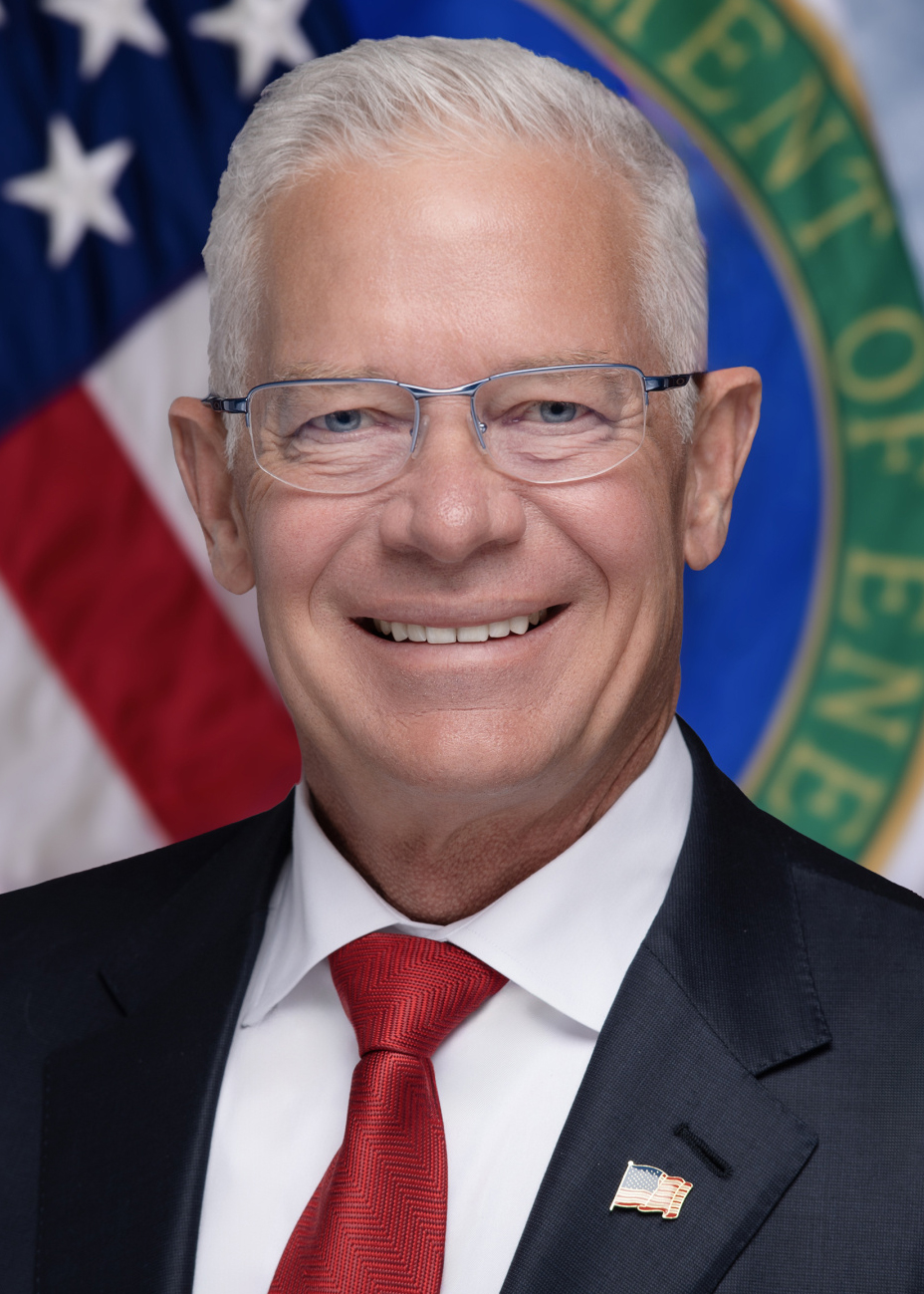
Walsh
The shift from nuclear remediation to renaissance was further taken up by plenary speaker Timothy Walsh, assistant secretary for the Department of Energy’s Office of Environmental Management, who said that his office is “embarking on a revitalized and new” cleanup mission.
“We will be transforming the mission from nuclear restoration to a nuclear renaissance,” he said, adding, “If this sounds like a different EM from the one you knew in the past, that’s because it is.”
As part of this new mission, Walsh said the DOE-EM office will soon change its name to Nuclear Restoration and Revitalization, or NR2. “This new name shifts us from managing waste into an organization focused on outcomes and accountability to turn our liabilities into assets for the American people,” he noted.
Walsh did not provide further details on the office name change and, as of this writing, the DOE has not made any formal announcements regarding the change.
Claiming that DOE-EM will be transforming its cleanup sites into “energy dominance parks,” Walsh said that the United States cannot have a nuclear renaissance without closing the nuclear fuel cycle.
“We have talked about it for a long time, and I feel like finally we are on the precipice of making it happen with this administration and the focus to close that nuclear fuel cycle,” he said. “Nuclear fuel will be recycled and reprocessed, and the remaining byproducts will be safely disposed of in deep repositories.”
Walsh said that the remaining 15 DOE-EM sites will be “substantially cleaned up” and, where appropriate, reindustrialized by 2040. To get there, Walsh said the office will become a “future-focused organization,” leveraging the use of AI, cutting duplicative reviews, and streamlining processes to reach its mission goals.
As a priority, Walsh said that DOE-EM sites should be turned into hubs for power generation used to power AI data centers and advanced manufacturing facilities. “Those are the apex energy users of the future,” he said of data centers, adding that the country will need to add 60 GW of new power generation to support them.
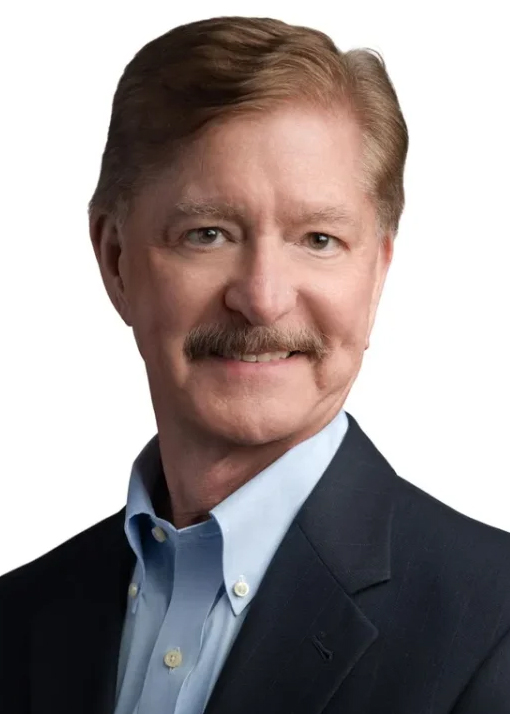
Longenecker
John Longenecker, founder of Longenecker and Associates and a longtime member of the WM Symposia board, concluded the opening plenary by stressing the need for “transformational change in the way we conduct the [cleanup] mission.”
To implement a change to a more outcomes-based approach, Longenecker said the waste management community needs to address a few simple questions.
“One, are our processes and actions adding value and enabling the mission? Second, are we moving at the pace that this transformational point in time demands? And very important, are we leveraging modern tools and technologies to both prevent and solve problems, and [are we] using these tools and technologies in the most innovative way possible?” he asked.
Digital applications, advanced analytics, automation, and AI are not abstract ideas, Longenecker noted, but rather are tools that can be used to improve characterization, accelerate decision making, enhance project performance, and eliminate risk to workers and the public.
“Innovation does not mean lowering our standards,” he added. “It means achieving the mission more effectively without ever compromising safety, security, or quality.”
Longenecker also stressed the importance of education and filling the talent pipeline, encouraging conference attendees to actively mentor younger workers.
“Individually and collectively, we have developed a tremendous knowledge and experience base, and it is incumbent on us to make sure that every day we are thinking about how we pass on our lessons learned to keep our industry strong,” he said.
DOE-EM hot topics
EM-1 Timothy Walsh continued discussing how his office was being revitalized during the panel session “Hot Topics in U.S. DOE Environmental Management.” Every year, the popular session brings together leaders from DOE-EM to talk about pressing issues within the office and around the department’s cleanup complex.
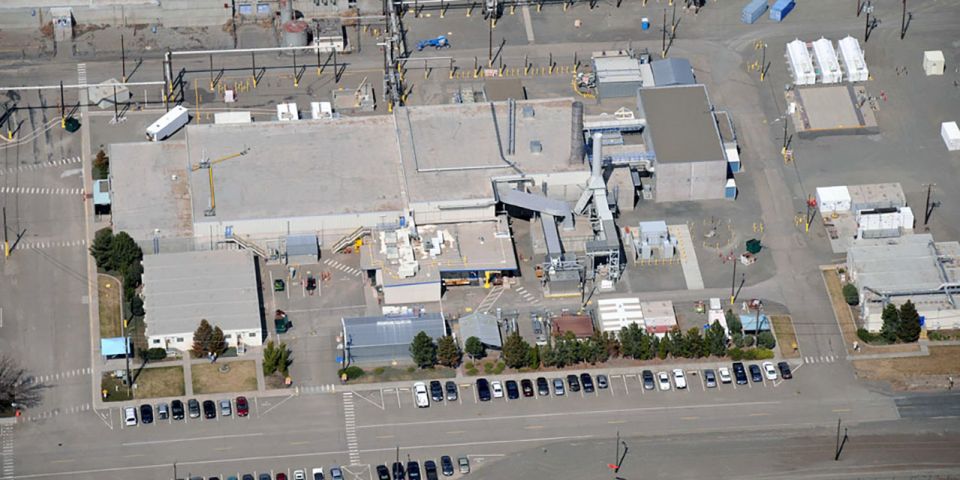
Walsh said that after visiting DOE-EM sites such as the Hanford Site in Washington state, he feels that, as an organization, the office has become stagnant.
“I don’t mean that in a disparaging way to anybody, but I think over time there becomes this routine of doing the business without really focusing on what the end objective is,” he said, adding that he wants to challenge federal staff, contractors, and other stakeholders to begin setting defined cleanup completion dates with the goal of completing work in the next 20–40 years.
Walsh added that much of the stagnation in the cleanup mission stems from regulatory burdens. “We are focused on how we can break down those regulatory burdens and create new, innovative ways to solve our toughest problems,” he said.
Regarding possible regulatory changes and what he thought was needed for DOE-EM to succeed, Walsh made three points: the need to update outmoded regulations, many that he noted date back 25 years or more; the need to reexamine some of the settlement agreements the DOE has with states and regulators, validating whether they are appropriate to the cleanup mission; and the cutting of red tape, which he called an “all-of-government” issue.
“We need to start with the end in mind and focus on what our objectives and our outcomes are, then back up from there and make sure the regulatory framework supports that,” Walsh said.
Bradburne
Joel Bradburne, DOE-EM acting principal deputy assistant secretary, also noted what he described as a sense of “atrophy” within the complex and the need for the entire office—including those in the field and at DOE headquarters—to become energized.
“Everybody wants to go home with a sense of accomplishment,” he explained. “And I will say that there have been times where it seems that it is just exhausting that you measure progress in an inch at a time. And there is no reason for it.”
Brunnert
David Brunnert, who joined DOE-EM as chief operating officer following an extensive career in the oil and gas industry, expanded by saying that he felt that many of the sites have been working on complex, challenging projects for so long, trying to reach the next intermediate goal, that they have lost sight of the larger objectives. “It is time to open the aperture,” he said.
Brunnert hopes to instill a culture of continuous improvement at DOE-EM, he said, taking as an example the former football coach Nick Saban, whom Brunnert called one of his idols. Even after a winning game, he said, Saban will instruct his best players on how they can improve. “And it is not because he can’t appreciate their greatness; he wants to make them better.”
To accomplish its mission, DOE-EM plans to roll out a “realignment” in the coming weeks that will increase its workforce, adding around 90–100 more staff members, Walsh said, noting that the office has a current staff of around 820 people, down from a peak of around 1,250 employees prior to 2025.
The new hiring will bring the DOE-EM workforce to around 900–920 people, which Walsh said is sufficient to fulfill its mission. “I can tell you that organizations don’t get better by adding people or adding money. Organizations get better by having focus and accountability and making people responsible for their job empowerment,” he said.
The DOE Hot Topics panel also discussed the department’s ongoing site redevelopment projects with private companies, including efforts to build and power data centers at DOE-EM sites. (On March 20, the DOE, alongside the Department of Commerce, announced a public-private partnership with SoftBank and AEP Ohio to build 10 GW of new power generation—including 9.2 GW of natural gas generation—to power a new data center development at the DOE’s Portsmouth Site in Ohio.)
Walsh stressed that these redevelopment projects are being done as ground leases, where the private company is responsible for financing the development of the land taken “as is” rather than as procurement contracts governed by the Federal Acquisition Regulation. “That is not how we’re doing business anymore,” Walsh said regarding the procurement process.
James Kahler, DOE-EM senior advisor and strategist, said that while public-private partnerships are nothing new to the DOE, the department has seen a lot of new companies that may not have dealt with the federal government before express interest in doing business on DOE land. Kahler characterized it as an education process, noting that some of the companies that have shown interest expected the sites to have more robust infrastructure than what is currently available.
While Kahler said the DOE wants to see companies “dream big” and propose new projects, he cautioned that plans must be realistic. “I have seen people propose building AP1000s that have never built a Dairy Queen before, so that is obviously a challenge and something that we need to pay attention to,” he said.
NRC topics
As its title suggests, the panel session “U.S. NRC: Current and Emerging U.S. NRC Regulatory Topics” delved into some of the regulatory changes currently happening at the Nuclear Regulatory Commission.
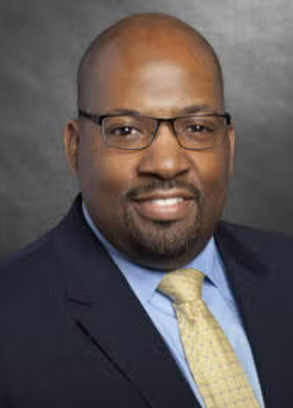
White
Duane White, branch chief of the NRC’s Low-Level Waste and Projects Branch, opened the session by noting the effects of recent policy decisions on the agency, particularly the ADVANCE Act of 2024, which he said influences a wide range of NRC activities, and President Trump’s recent executive orders, including EO 14300, “Ordering the Reform of the Nuclear Regulatory Commission,” and EO 14215, “Ensuring Accountability for All Agencies.”
White said EO 14215 has had the greatest impact on the NRC’s rulemaking processes by requiring interagency regulatory review of draft and final NRC rules.
He added that the NRC is working to streamline nuclear facility and material licensing by modernizing regulations and improving licensing processes through the use of audits, assessments, presubmittal interactions, and applying risk-informed approaches.
White noted the NRC recently issued a license to Disa Technologies to use its high-pressure slurry ablation (HPSA) technology for remediating abandoned uranium mine waste at inactive mining sites. White said the NRC used a “novel approach” by licensing Disa as a service provider under a source material regulatory framework rather than under the uranium milling framework.
“We issued this first-of-a-kind license for the remediation technology in just six months, which was much faster than the typical 12- to 18-month review,” he said.
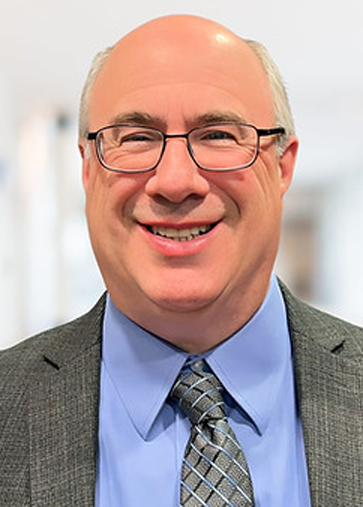
Cohen
Stephen Cohen, chief regulatory affairs officer with Disa Technologies, followed White and further explained the company’s technology and its licensing. Because HPSA is a new technology, he said, the licensing review posed difficulties, and he was appreciative of the NRC for being able to complete it in six months.
The HPSA process mechanically separates mineral-rich patinas containing source material (uranium and/or thorium) and other metals from host sand grains by colliding the materials in a slurry form. Cohen said that a milling license is not needed for the technology, because it does not create radiological and hazardous wastes.
“The radiological and nonradiological hazard has to do with mill tailings,” Cohen explained, adding, “Mill tailings is an issue, because when you crush, grind, leach, and concentrate ore, you are creating wastes that now are higher in radium and have all kinds of acids.”
In issuing Disa a license, the NRC ultimately agreed that the process was a source material activity and not a milling activity, Cohen said. The NRC involvement, however, is only one-third of the approvals work the company must undertake, he added, noting that Disa needs state mining permits and a plan of operations from the Bureau of Land Management.
Daniel Lattin, senior program manager at Barrick Mining, further shed light on the remediation of uranium mill tailings by discussing his company’s work with the Grants Reclamation Project, part of the Homestake Mill Superfund site in northwestern New Mexico. The Homestake Mill processed uranium from 1958 to 1990 and has since been undergoing decommissioning. Barrick merged with Homestake Mining Company in 2001.
What makes the Grants Reclamation Project unique, Lattin said, is its regulatory framework, with dual federal regulation under the Uranium Mill Tailings Radiation Control Act (UMTRCA), with the NRC as the lead agency, and under the Comprehensive Environmental Response, Compensation, and Liability Act (CERCLA), governed by the Environmental Protection Agency.
“But there also is a state component, and this is not very common that you have a CERCLA and an UMTRCA site,” Lattin added. The DOE and the New Mexico Enviornment Department also have regulatory oversight in the cleanup of the site.
Having distinct and separate federal processes that have different procedural requirements presented conflicting requirements, Lattin said. To overcome this, the different agencies “agreed on the concept of equivalency,” he said, adding that it ensured the long-term protection of human health and the environment while meeting regulatory requirements.
“I think the key to our success and the work we have been able to complete has been through communication,” Lattin said, noting that Barrick has regular meetings with the different regulatory agencies.
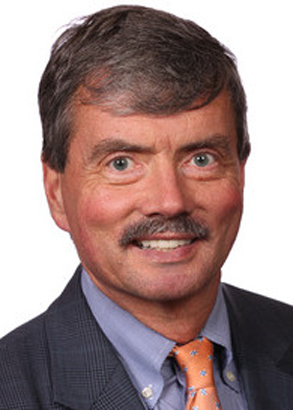
McCullum
The panel’s final speaker, Rod McCullum, senior director at the Nuclear Energy Institute, returned to NRC regulatory developments by noting that the agency has 28 rulemaking efforts resulting from EO 14300, 17 of which are proposed rules.
“The ADVANCE Act set in motion the direction in which we are going; the executive orders put a clock on it,” McCullum said of the NRC’s rulemaking, adding that NEI intends to comment on every one of the 17 proposed rules when they become public.
In particular, McCullum pointed out the NRC’s proposed rule on integrated low-level radioactive waste disposal, which would update 10 CFR Part 61. “You should pay attention to that rulemaking as much as you do to any of the others,” he said.
He also noted the DOE’s request for information to states for Nuclear Lifecycle Innovation Campuses, which he described as “a lot of bright shiny objects wrapped around a used fuel mission that is centered on reprocessing.” As reprocessing may be part of the campuses’ work, it is important to pay attention to what possible waste streams they may generate, he said.
“In addition to creating all kinds of new regulations for how we regulate these waste streams, we are creating all kinds of new waste forms,” he said.—Tim Gregoire