Study: SMRs could offer low-cost decarbonization for Canada’s industrial sector
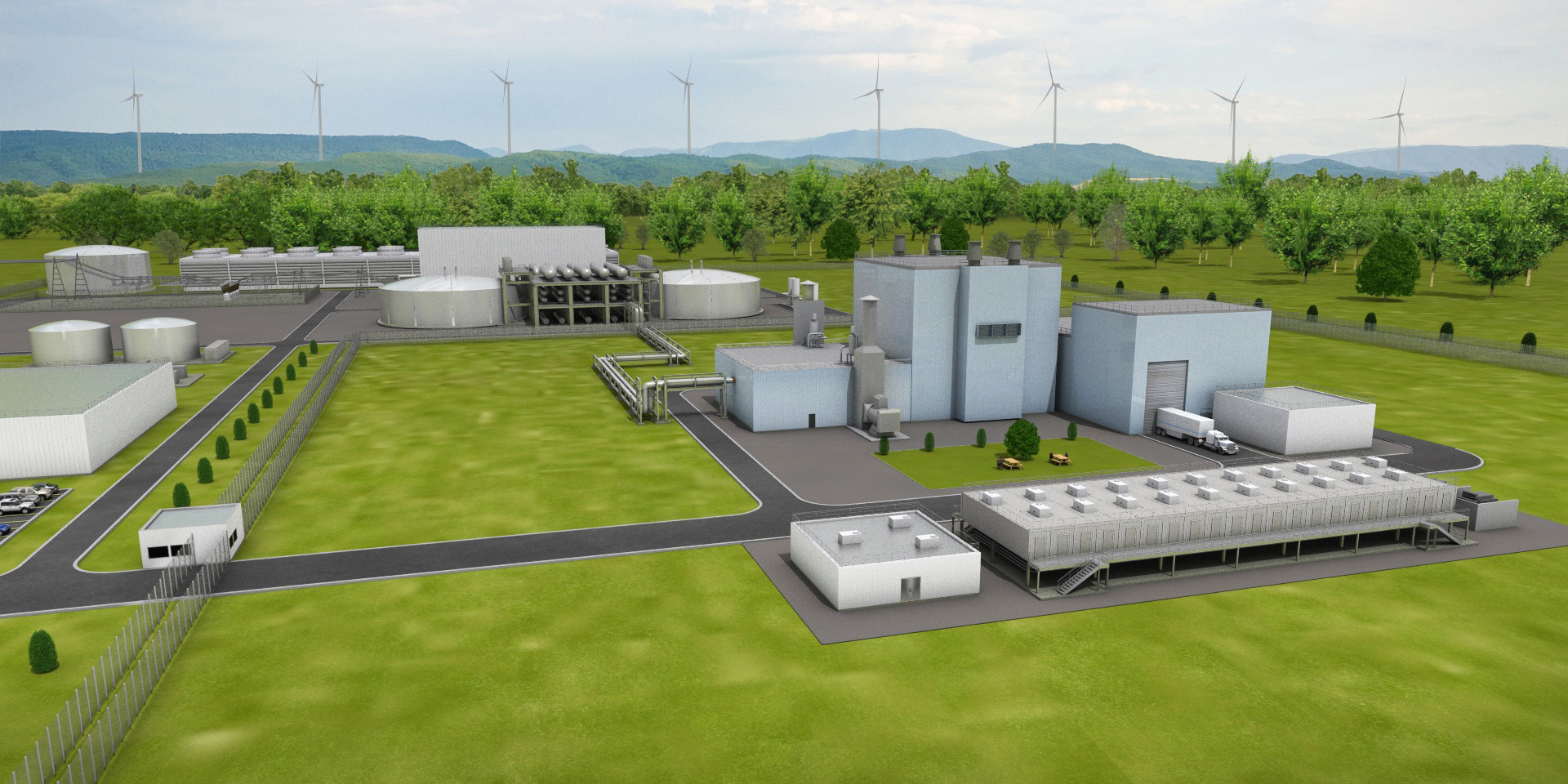
 New research indicates that small modular reactors have the potential to deliver cost-effective emission reductions in Canada’s heavy-industry sector. The research was conducted by consulting firms EnviroEconomics and Navius Research, with support from the Canadian Nuclear Association and the Canadian Nuclear Industry SMR Secretariat, along with the CANDU Owners Group.
Researchers explored a variety of cost and technical assumptions for deploying SMRs. Across all scenarios, SMRs delivered low-cost emission reductions, driving down the cost of getting Canada to net zero by 2050—a stated goal of the Trudeau administration. With deployments set to begin as early as 2026, SMRs could be widespread by 2035 as the demand increases rapidly for reductions in the industrial sector, according to the researchers.






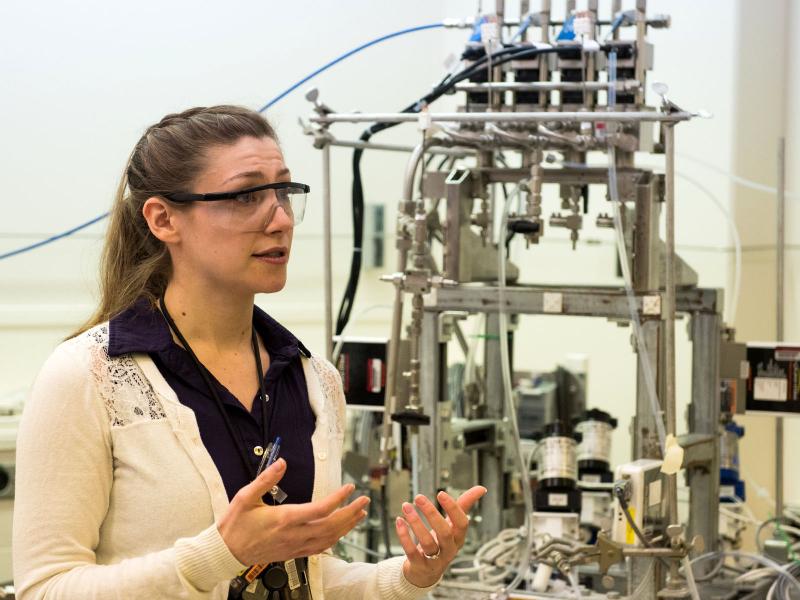
 COVID-19 has touched our lives in many ways, affecting work, school, and homelife. The Diversity and Inclusion in ANS Committee is holding a free webinar, "Coping with COVID: The Pandemic and the Nuclear Community," on Tuesday, March 23, from 1:00 p.m. to 2:30 p.m. (EDT).
 A new technical report from Montreal-based SNC-Lavalin finds Canada’s stated goal of net-zero carbon emissions by 2050 to be achievable but stresses the importance of immediate action and investment in all forms of low-carbon energy production, including nuclear, hydro, renewables, carbon capture and storage, and hydrogen.