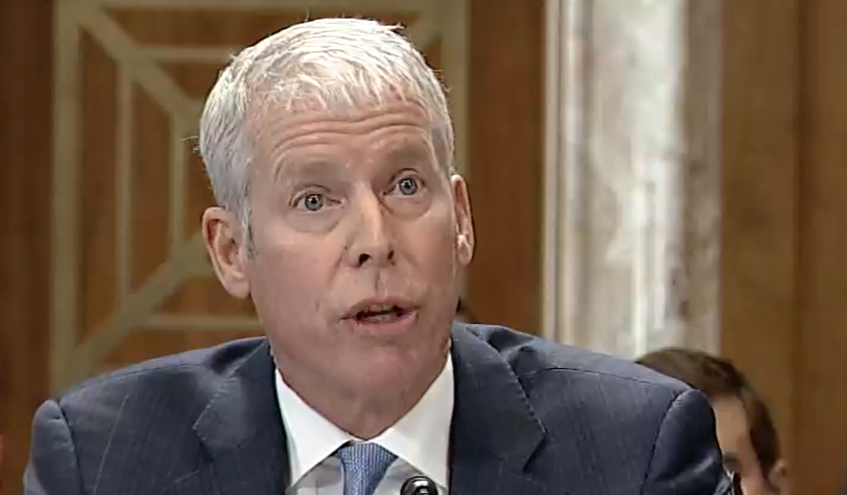
Wright testifies: At each hearing, Wright shared details about the DOE’s plans, including several requests tied to nuclear energy:
- $3.5 billion to generate and transmit additional baseload power from coal, natural gas, and nuclear.
- $1.5 billion for the Office of Nuclear Energy, including $226 million for the Advanced Reactor Demonstration Program.
- $10 million for a new Office of Fusion for nuclear fusion activities.
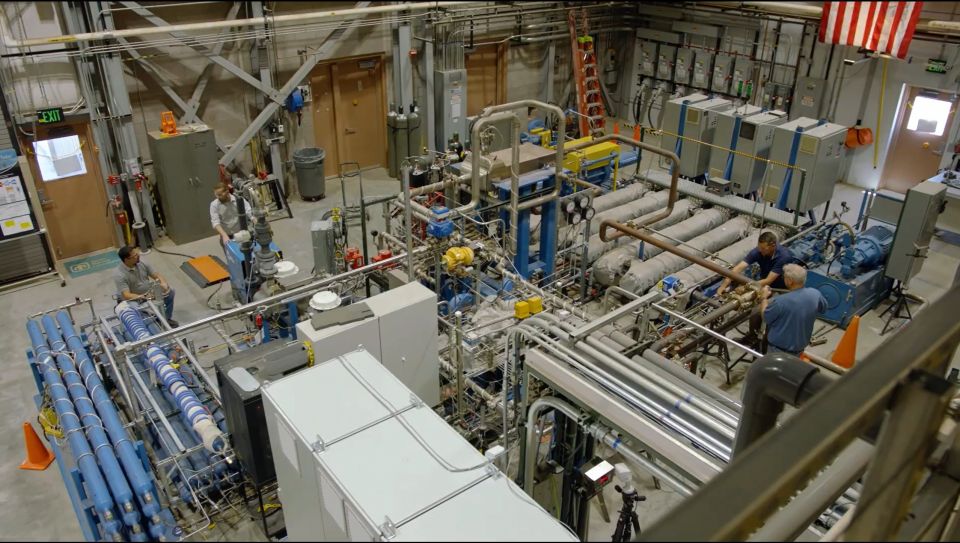
As in previous testimony, Wright reiterated to the ENR Committee that multiple reactors in the DOE’s Reactor Pilot Program are set to reach criticality by the July 4 deadline set by President Trump. Nuclear Regulatory Commission personnel are working with the DOE on these pilot reactor projects, including on the permitting process.
“They’re getting early insight and knowledge in seeing the evolution of these reactors so we can move quickly to the next phase: to license these to sell commercial electricity,” Wright told the committee. “If we can build something small and modular in a plant, we can drive down the cost of it, we can reduce the time it takes to build them, and we’re going to dramatically grow American electricity that we can deploy to remote locations or giant data centers.”
“They recognize this race to develop the microreactor is very lucrative, whoever gets there first,” added Sen. James Risch (R., Idaho). It’s not just about the ones who turn the switch on for the microreactors, it’s also about “the guy that builds the factory, that can build the parts, put them on truck, and haul them off and put them together on site—they’re going to make a lot of money.”
Loans for reactors: At the April 16 hearing, Wright discussed the intentions of the DOE’s Office of Energy Dominance Financing to support new nuclear projects through loans. Then on April 21, Wright shared similar information with the Senate ENR Committee. The plan is for the DOE to lend financial support for the first 10 nuclear reactors, Wright said.
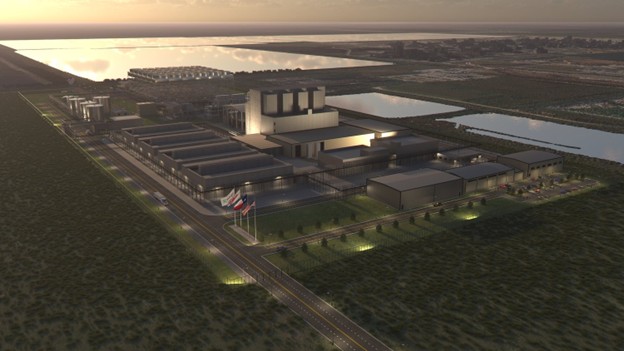
“We’re going to lend the capital, but we're going to get equity capital from the hyperscalers—very large corporations that really want nuclear power for their data centers,” Wright said. “We’re going to spread that risk over 10 of them so that the average cost of those reactors will still be more expensive than the next 10 or 10 after that. But I think . . . we’re going to get this ball going.”
Sen. Angus King (I., Maine) said high costs in areas like construction and permitting remain the biggest obstacles with nuclear projects. The deployment of the first few first-of-a-kind advanced reactors will be the most expensive. Federal support will be needed to de-risk these ambitious projects.
“I’m worried that a) it’s a terribly important development, and b) it won’t happen by relying entirely on the market,” said King.