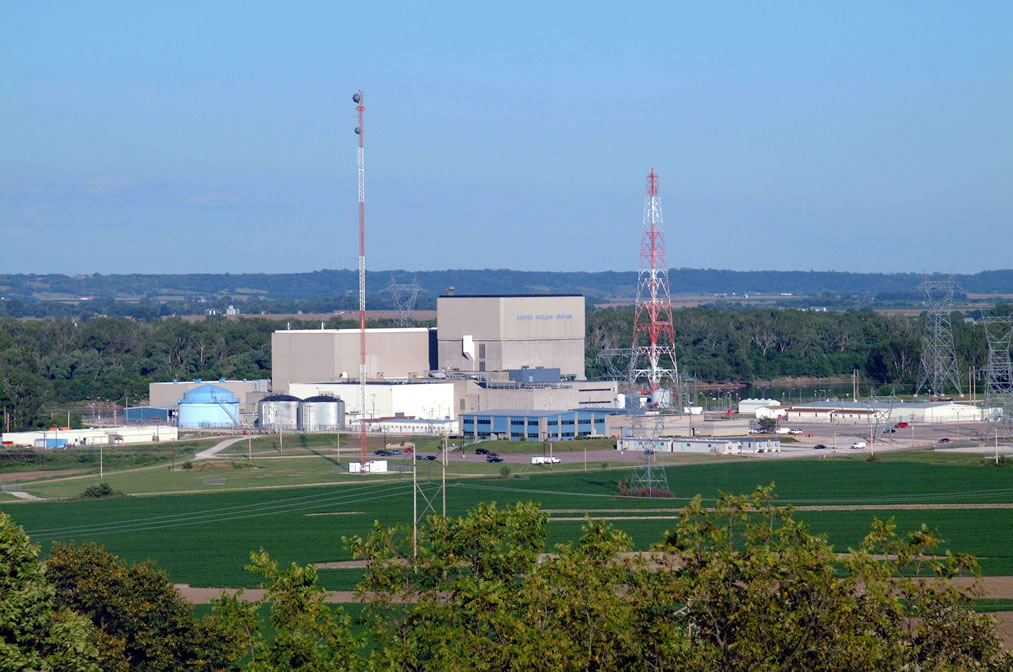
Nebraska Public Power District’s Cooper nuclear power plant. (Photo: NPPD)
Studies, regulatory control, and legislation are among the items Nebraska, Minnesota, Indiana, and North Carolina tackled in the month of May regarding nuclear energy.
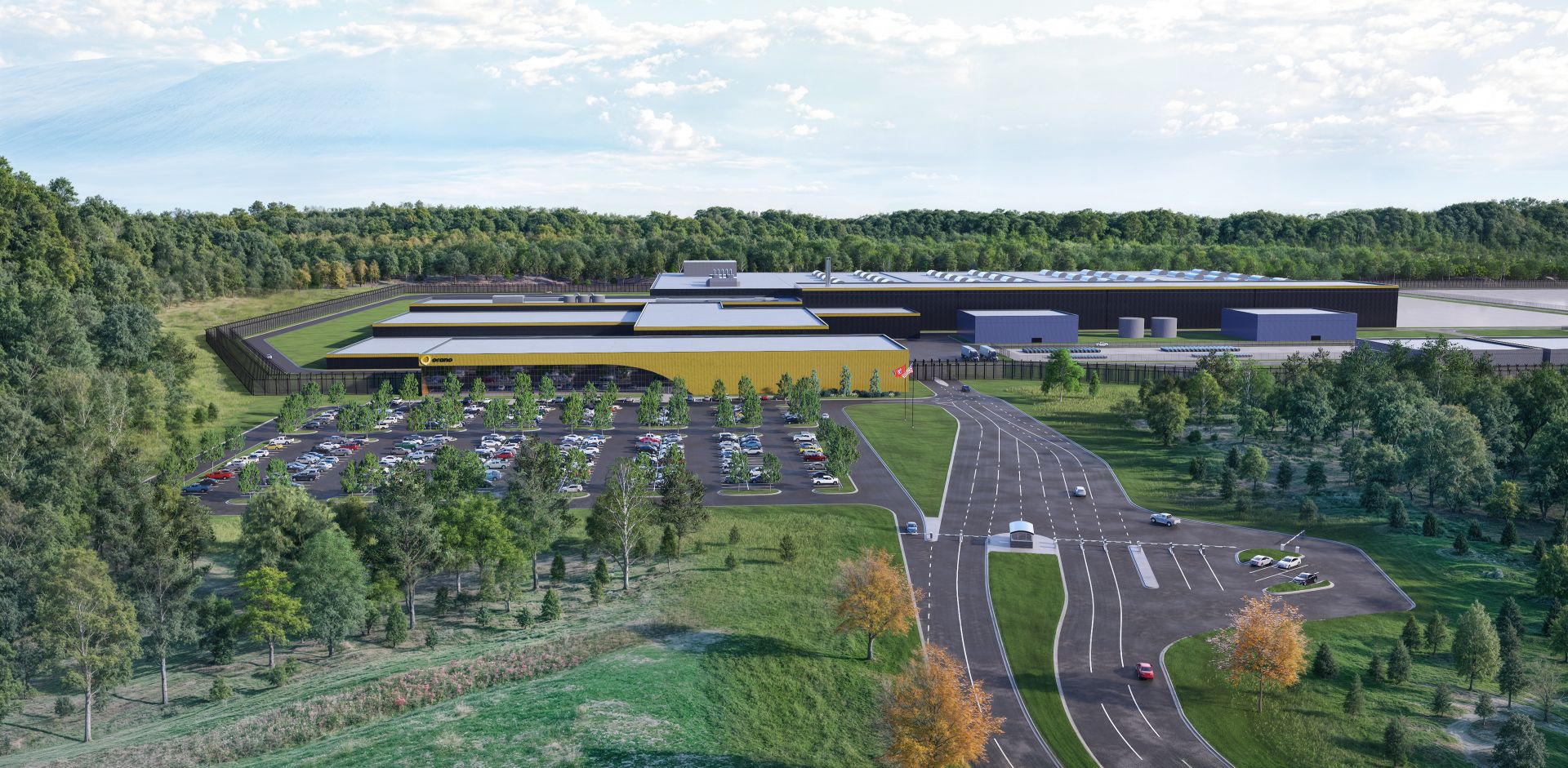
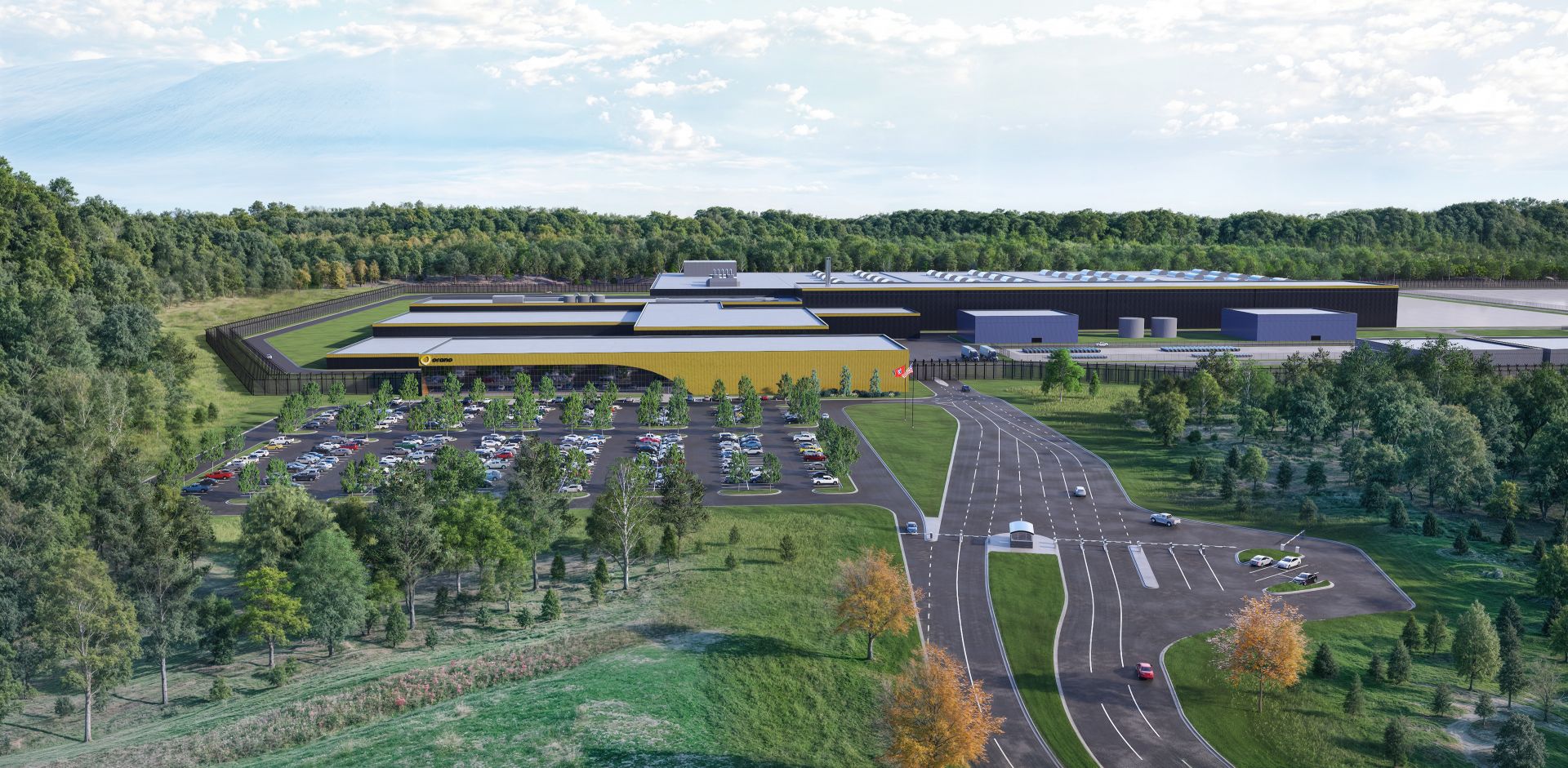
Concept art of Orano’s planned Project Ike facility in Oak Ridge, Tenn. (Image: Orano)
The Nuclear Regulatory Commission said it intends to complete its review of Orano Enrichment’s license application to build and operate a new uranium enrichment facility near Oak Ridge, Tenn., in 12 months. Orano submitted its application for the multibillion-dollar facility, named Project Ike, in March.
President Trump signing one of the nuclear EOs last year. (Photo: Official White House Photo)
This Saturday, May 23, will mark one year since President Trump issued four executive orders (EOs) that sought to implement sweeping changes across the U.S. nuclear industry. From regulatory reform at the Nuclear Regulatory Commission to new authorization projects at the Departments of Energy and Defense, the orders sent ripples throughout the industry.
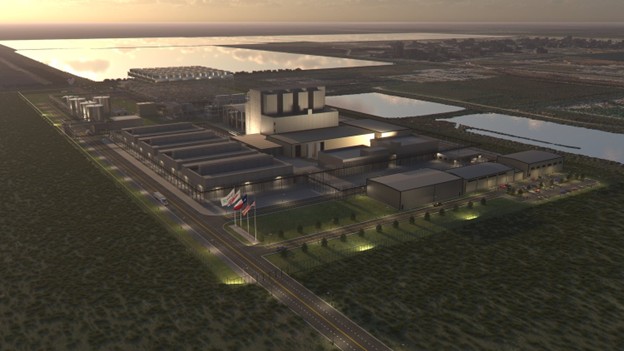
Xe-100 Dow Seadrift concept art. (Image: X-energy)
At the end of April, TerraPower announced that it had officially begun construction on its Natrium power plant in Kemmerer, Wyo.—one of the two full-scale demonstration projects in the Department of Energy’s Advanced Reactor Demonstration Program.
Now, the second ARDP-backed demonstration project, which aims to see the deployment of X-energy’s Xe-100 at a Dow chemical facility, has reached a new milestone of its own. On May 18, X-energy announced that the Nuclear Regulatory Commission has completed its environmental assessment of the proposed Long Mott Generating Facility and issued a finding of no significant impact (FONSI).
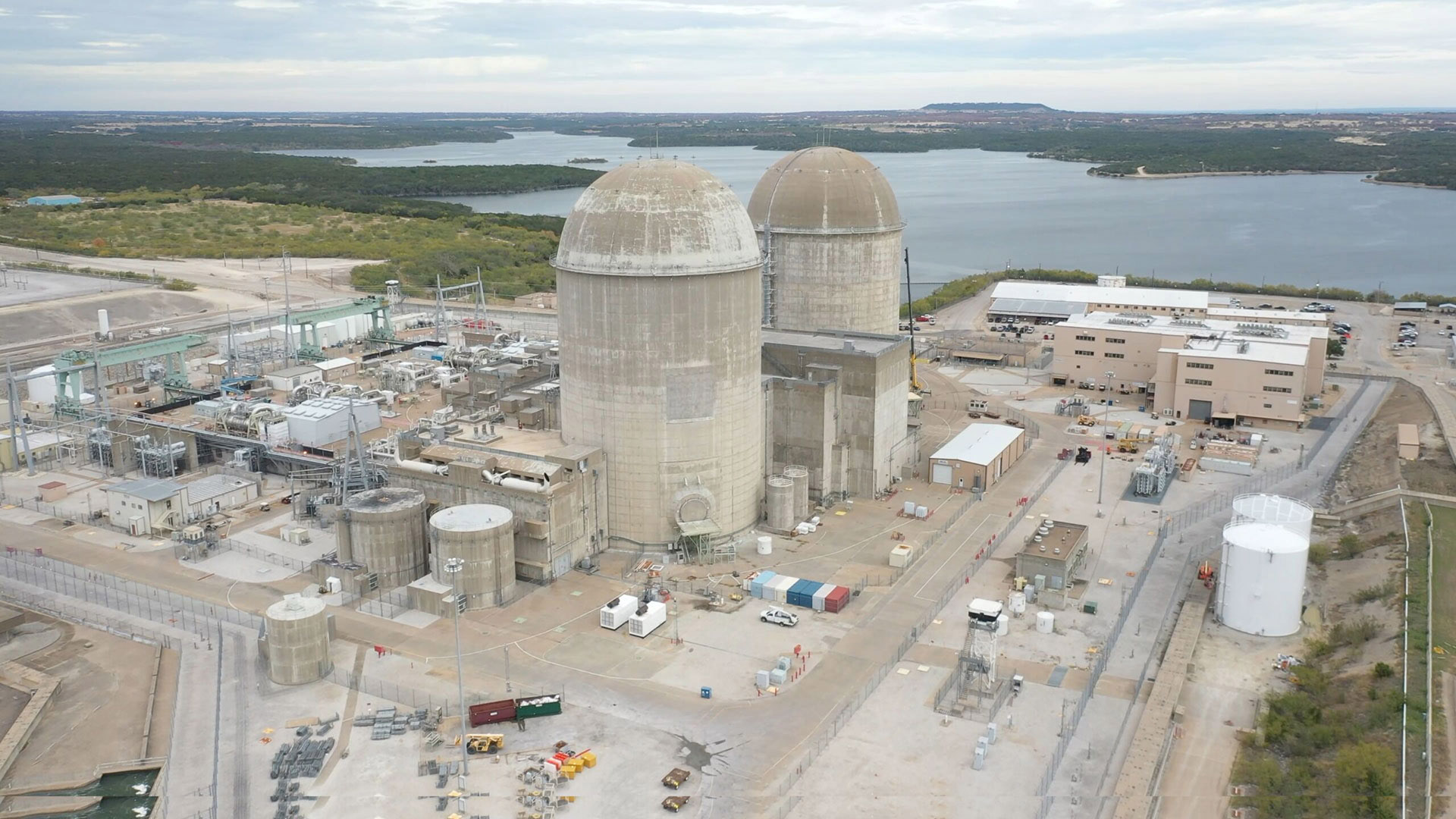
Comanche Peak nuclear power plant. (Photo: Vistra)
The Nuclear Regulatory Commission will hold a regulatory conference Tuesday, May 19, with Vistra Operations Company officials to discuss a preliminary “white” safety finding at Comanche Peak-2.
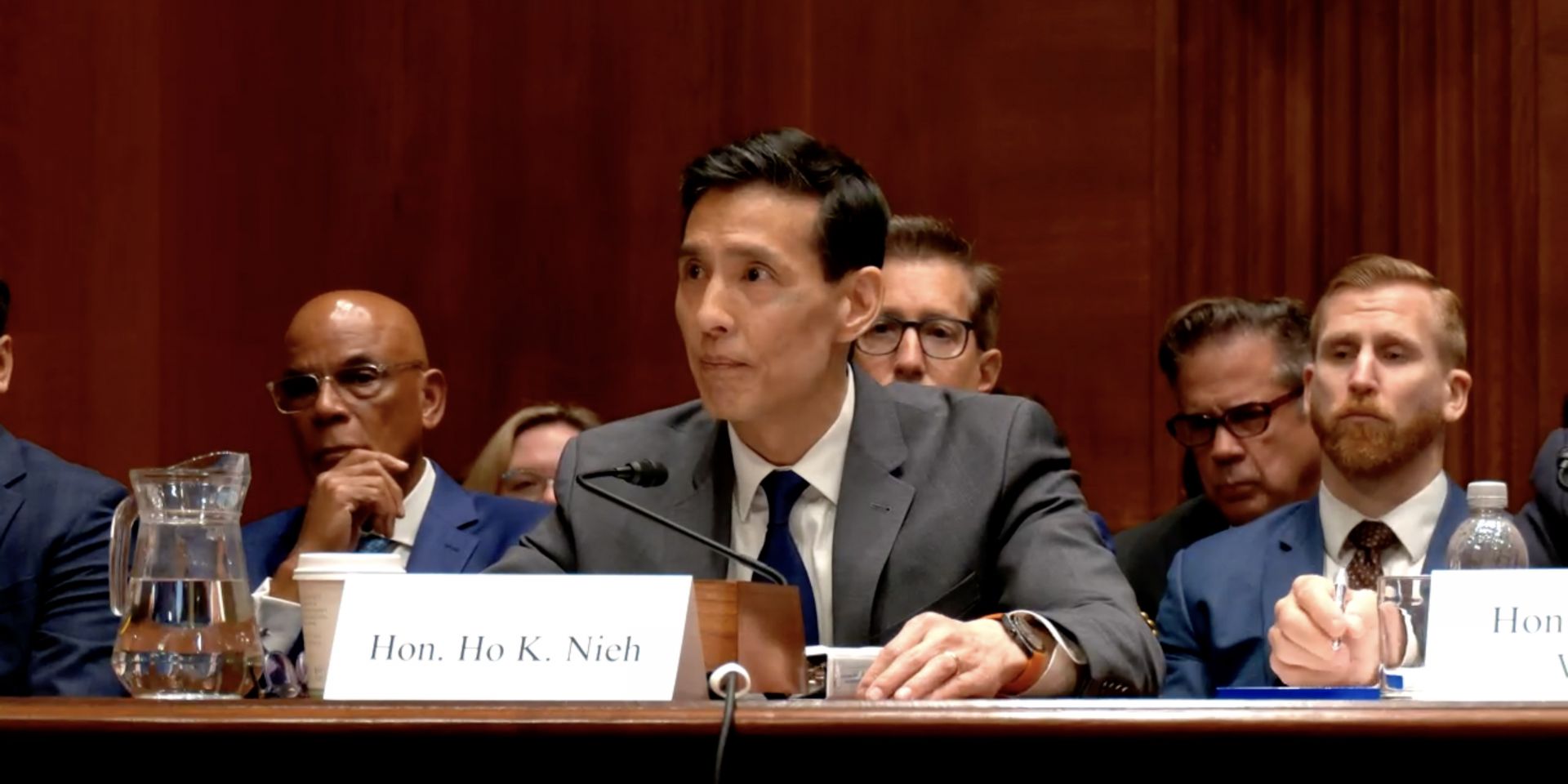
NRC Chairman Ho Nieh. (Photo: U.S. Senate Environment and Public Works Committee)
Last month, all five commissioners of the Nuclear Regulatory Commission went before the U.S. House Committee on Energy & Commerce’s Energy Subcommittee to discuss the agency’s fiscal year 2027 budget and share priorities and activities key to the agency.
On Wednesday, the five took the NRC’s $892.3 million budget request for FY 2027 to the U.S. Senate’s Environment and Public Works Committee, where the focus shifted more toward the attrition of NRC employees and attempts to recruit and retain.
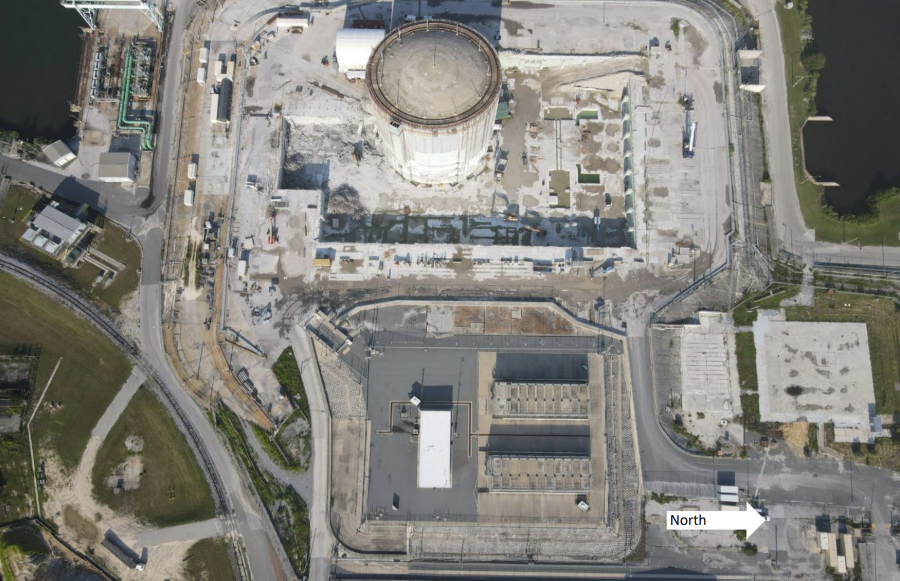
General site conditions of Crystal River-3 as of August 2025. (Photo: ADP)
Advanced Decommissioning Partners, a joint venture of NorthStar Group Services and Orano USA, is set to complete major decommissioning activities at Crystal River-3 nuclear power plant in Florida this summer, according to the license termination plan (LTP) the company submitted to the Nuclear Regulatory Commission.
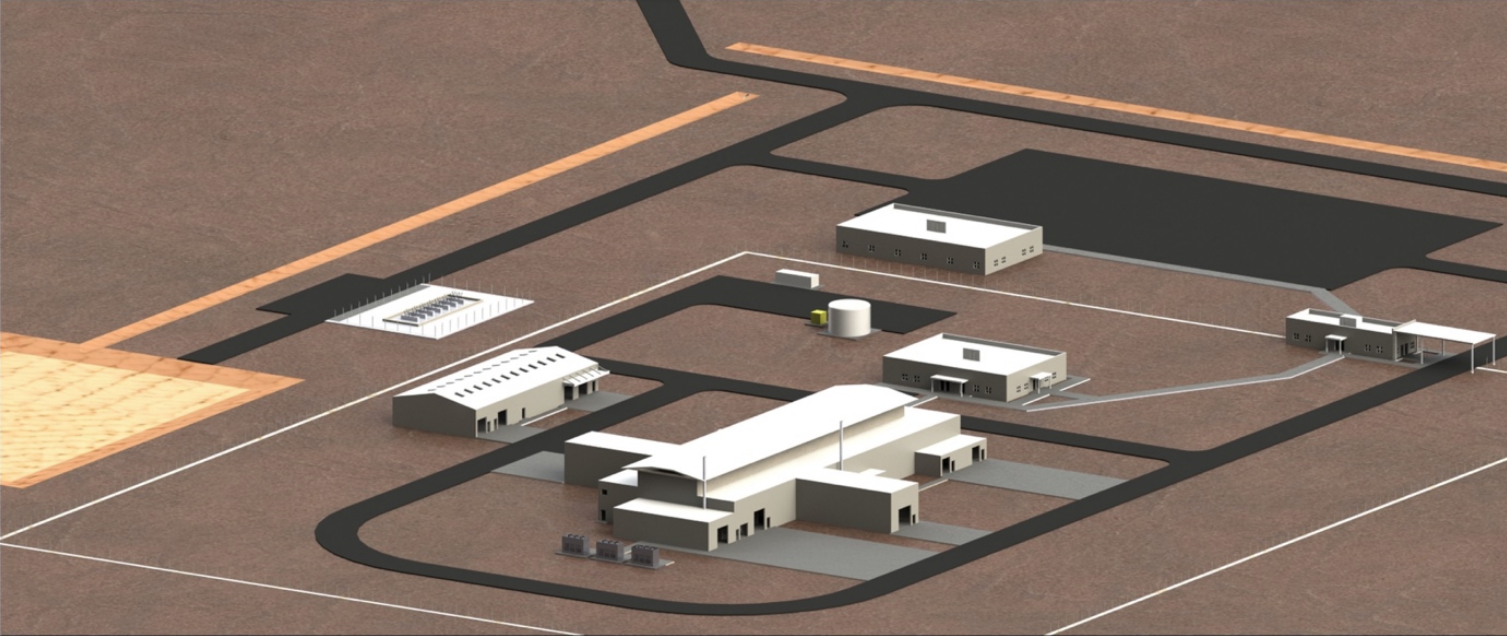
Eden isotope production complex site rendering. (Image: Eden)
Eden Radioisotopes has filed a construction permit application with the Nuclear Regulatory Commission for a facility to produce medical radioisotopes, primarily molybdenum-99 and lutetium-177.
The United States has lacked a reliable domestic source of Mo-99 for diagnostic imaging for decades, and has invested in infrastructure in South Africa, the Netherlands, and Belgium to assist facilities in producing the isotope using HALEU targets. These reactors are old, and there have been disruptions to the supply chain due to unplanned outages for repairs. With a 66-hour half-life, Mo-99 cannot be stockpiled.
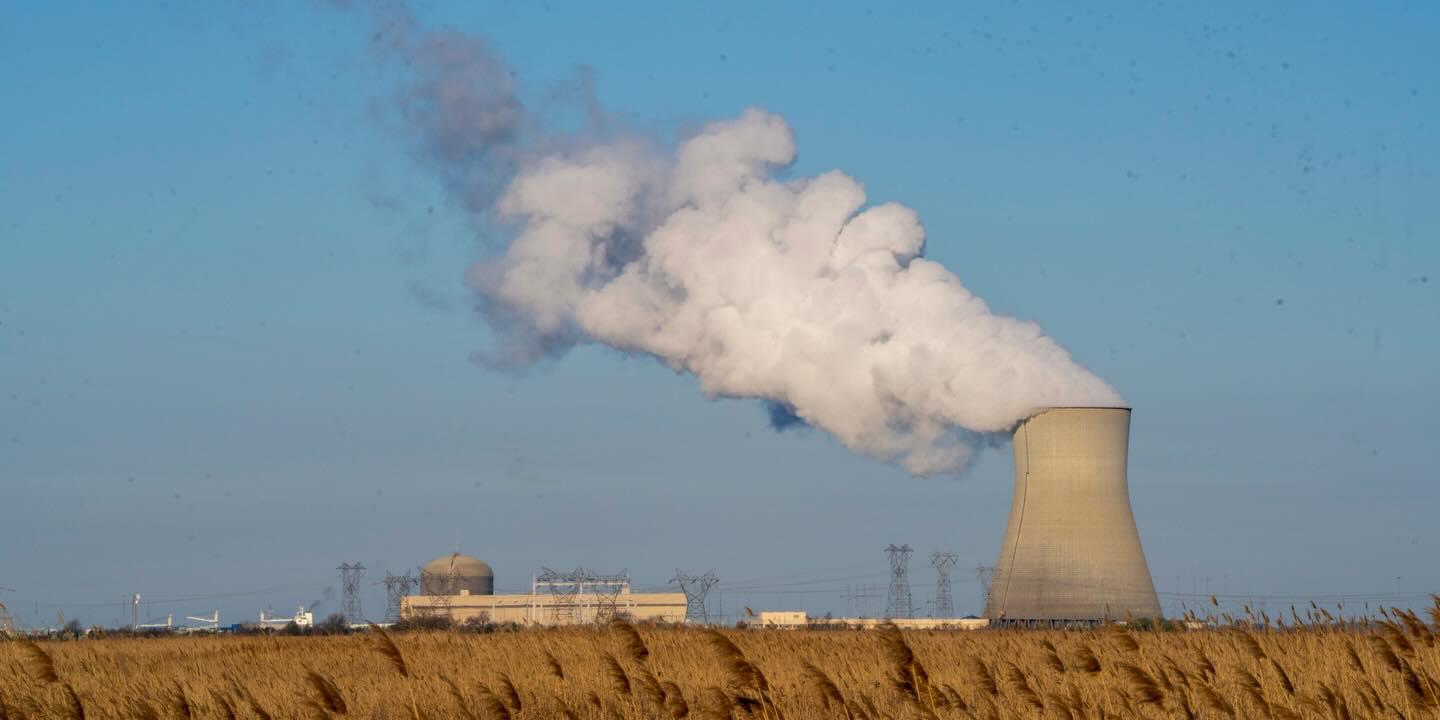
Cooling towers at the Hope Creek/Salem site. (Photo: Gov. Mikie Sherrill’s Office)
New Jersey’s two nuclear power plants, Hope Creek and Salem, may be joined by other nuclear facilities after lawmakers lifted the state’s de facto moratorium on new nuclear construction.
Gov. Mikie Sherrill said state officials are eyeing sites for potential nuclear facilities. Executives at PSEG Nuclear—the operators of Hope Creek and Salem—welcome the news of the growing momentum for nuclear power in the state but cautioned it will take more than lifting a moratorium to make this feasible.
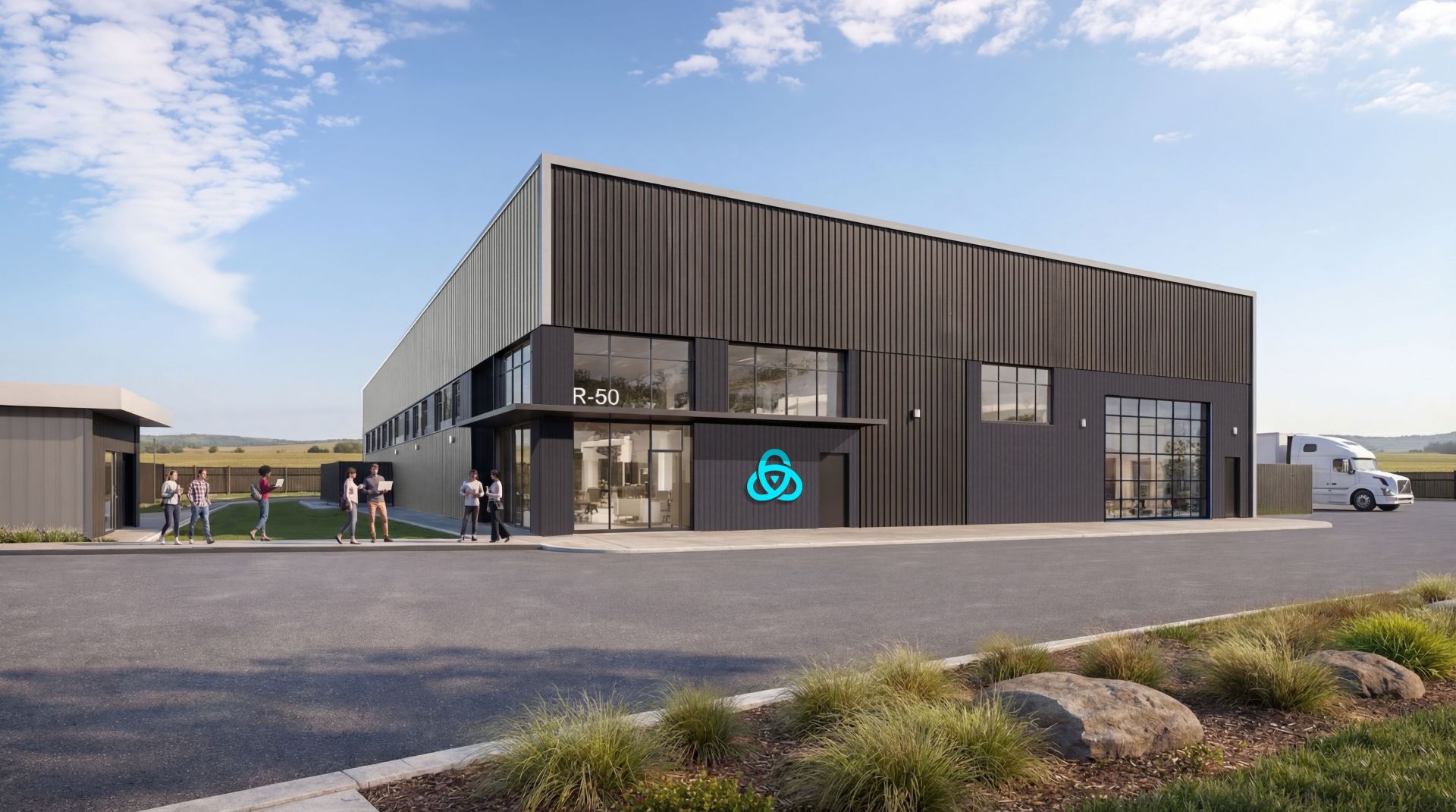
Artist’s concept of Radiant’s R-50 facility in Oak Ridge, Tenn. (Image: Radiant)
The Nuclear Regulatory Commission has accepted Radiant Industries’ 10 CFR Part 70 license application for its R-50 microreactor production facility in Oak Ridge, Tenn., and will launch an expedited review that it is aiming to complete within eight months.
According to NRC documents, the agency expects to complete its review of the license application by December 18, 2026. The timeline is described as “accelerated” in the NRC announcement—about 55 percent faster than the typical 18 months for Part 70 application reviews.
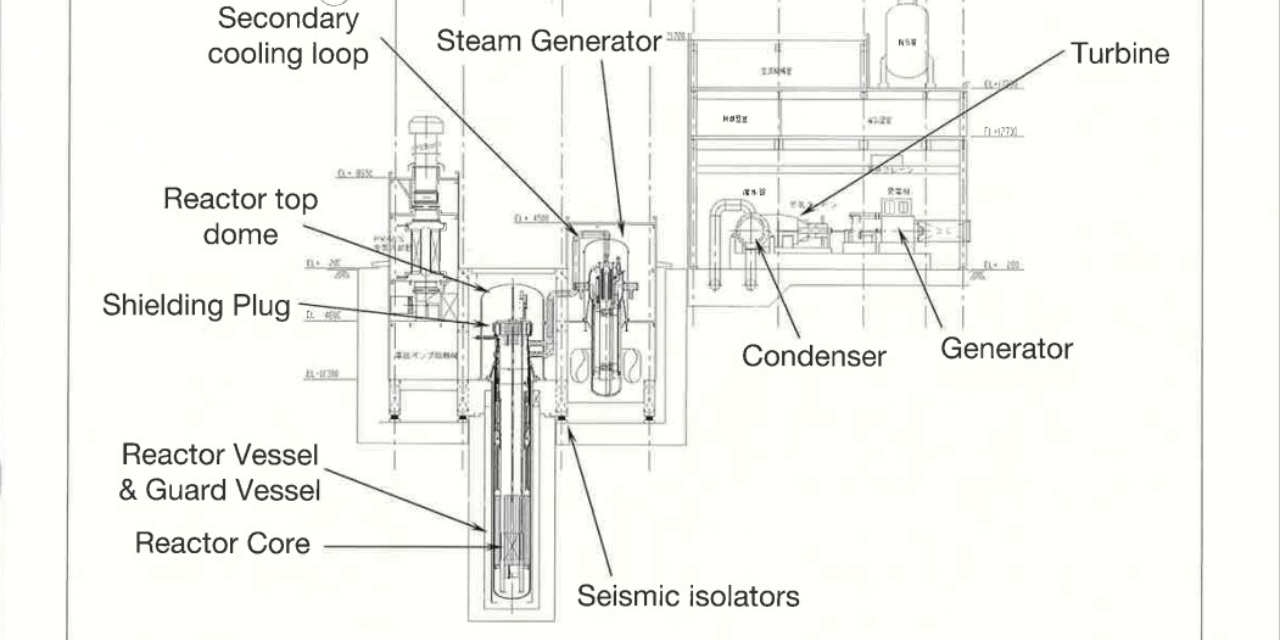
A diagram of Toshiba’s 4S sodium-cooled reactor, as published in Nuclear News in 2005. (Source: NN, Aug. 2005, p. 51)
Today, commercial microreactors are common in the marketplace of nuclear ideas. Dozens of companies are vying for their designs to reach scaled deployment to meet surging energy demand.
However, the term “microreactor” didn’t appear in Nuclear News until 2019, when the Department of Defense popularized it (in a nuclear context) in the early days of what would become Project Pele. Even before then, however, all the way back in 2005, Toshiba was developing the 4S (Super-Safe, Small, and Simple), a 30-MWt, pool-type reactor designed for remote locations with small grids. Once sealed and delivered, the reactor would run for 30 years with no refueling. If the word “microreactor” had been in use then, the 4S would certainly have been categorized as such.
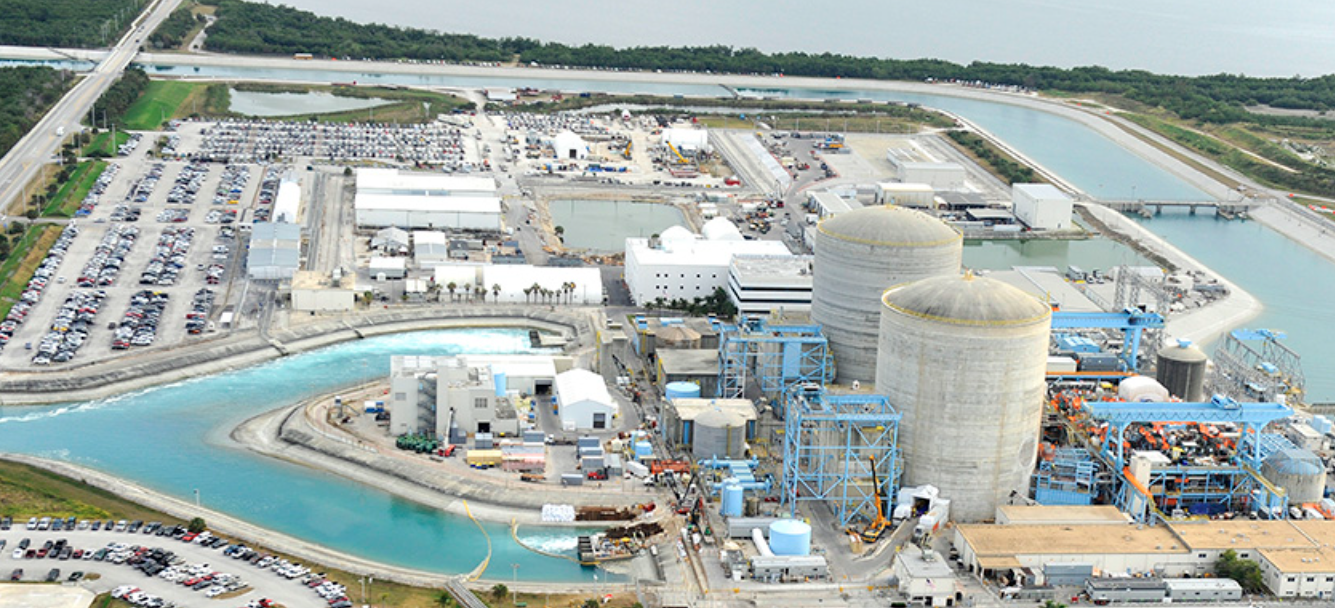
St. Lucie nuclear power plant. (Photo: FPL)
The Nuclear Regulatory Commission has approved subsequent license renewals for St. Lucie Units 1 and 2, extending the operating licenses for the pressurized water reactors by another 20 years.
Tuesday’s approval means that the 1,062-MWe Unit 1 and 1,074-MWe Unit 2 can now operate until March 1, 2056, and April 6, 2063, respectively. Unit 1 commenced operations in 1976 and Unit 2 in 1983. With the original 40-year operating licenses and first 20-year renewals, these second 20-year renewals bring the reactors’ lifespan to 80 years.
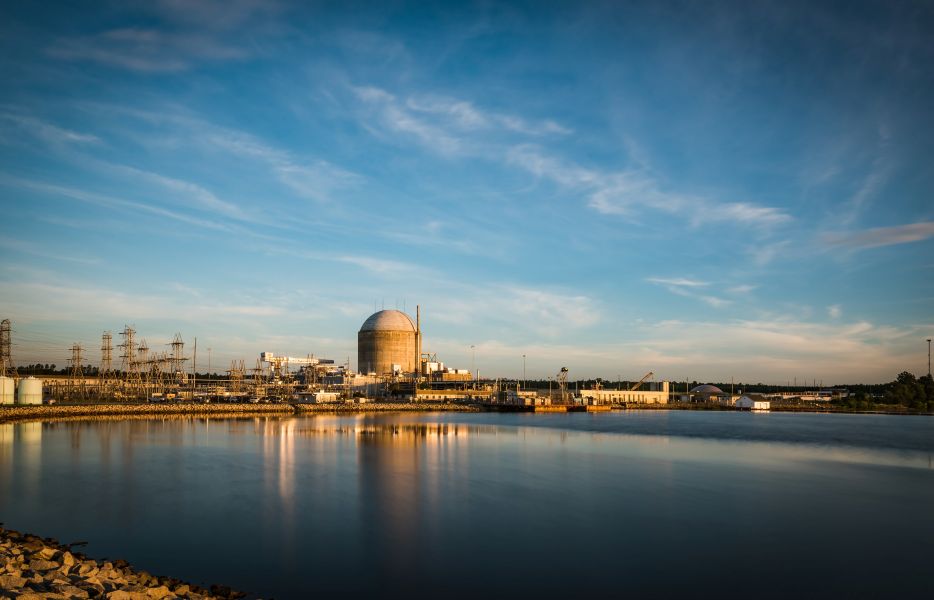
Robinson nuclear power plant in Hartsville, S.C. (Photo: Duke Energy)
The Nuclear Regulatory Commission has renewed the Robinson nuclear power plant’s operating license in record time, the agency announced last week.
The subsequent license renewal process for the Hartsville, S.C., facility was completed within 12 months, according to the NRC. The process has typically taken 18 months. This was the first license renewal review conducted under the directive of Executive Order 14300 to streamline processes like renewing operating licenses.
Concept art of Orano’s planned Project Ike facility in Oak Ridge, Tenn. (Image: Orano)
Orano USA announced on April 22 that it has signed a memorandum of understanding with North America’s Building Trades Unions (NABTU) outlining their cooperative relationship to support the construction of Project Ike, Orano’s planned $5 billion centrifuge uranium enrichment facility in Oak Ridge, Tenn.
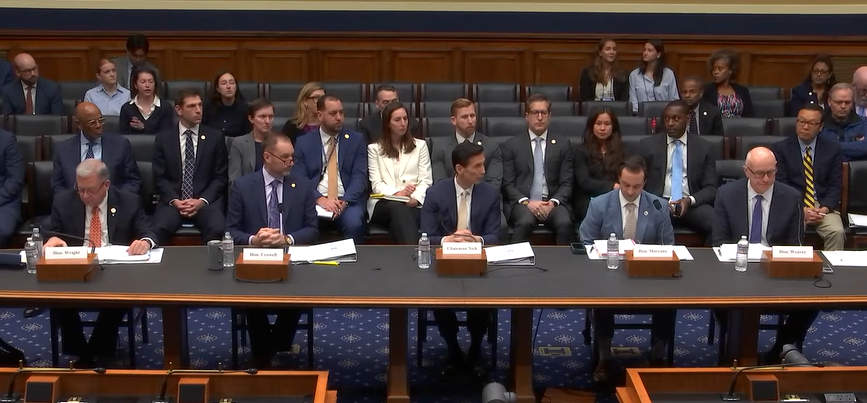
The NRC commissioners testifying before U.S. House of Representative’s Energy subcommittee. (Photo: House Energy Subcommittee)
All five commissioners of the Nuclear Regulatory Commission provided insight into the agency’s priorities, activities, and its proposed $892.3 million budget for fiscal year 2027 when they testified before the U.S. House Committee on Energy & Commerce’s Energy subcommittee on Wednesday.