NRC commissioners talk attrition, recruitment, retention at Senate hearing

May 14, 2026, 9:38AMNuclear News
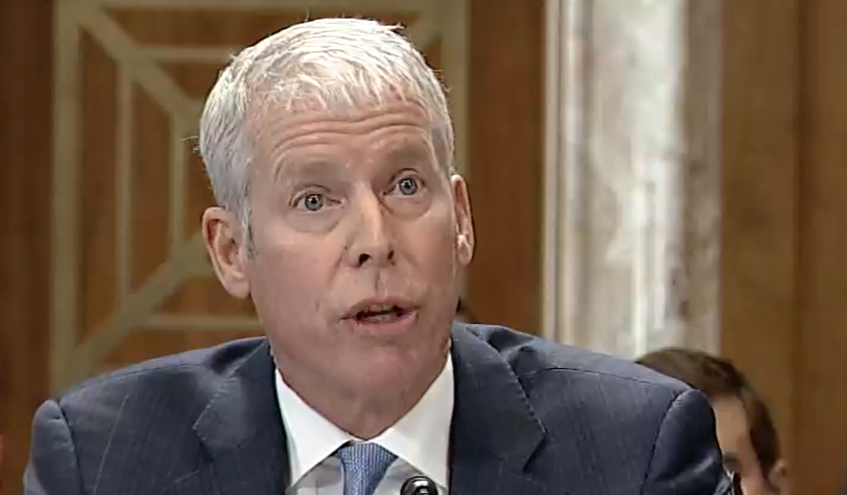
NRC Chairman Ho Nieh. (Photo: U.S. Senate Environment and Public Works Committee)

Last month, all five commissioners of the Nuclear Regulatory Commission went before the U.S. House Committee on Energy & Commerce’s Energy Subcommittee to discuss the agency’s fiscal year 2027 budget and share priorities and activities key to the agency.

On Wednesday, the five took the NRC’s $892.3 million budget request for FY 2027 to the U.S. Senate’s Environment and Public Works Committee, where the focus shifted more toward the attrition of NRC employees and attempts to recruit and retain.

NRC commissioners testify before U.S. House subcommittee

April 23, 2026, 12:23PMNuclear News
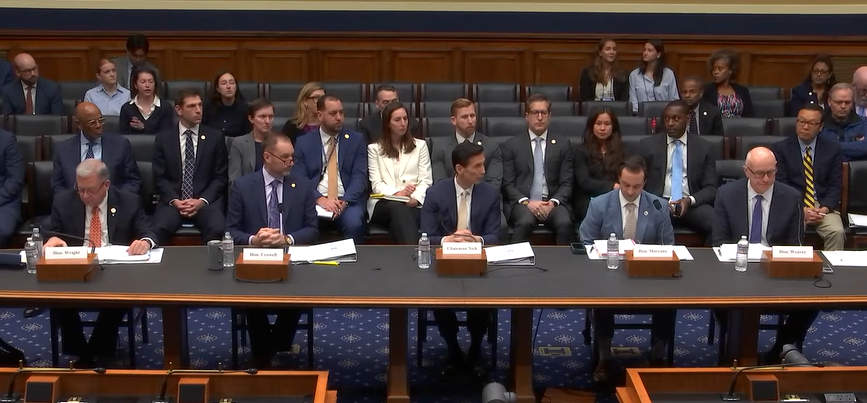
The NRC commissioners testifying before U.S. House of Representative’s Energy subcommittee. (Photo: House Energy Subcommittee)

All five commissioners of the Nuclear Regulatory Commission provided insight into the agency’s priorities, activities, and its proposed $892.3 million budget for fiscal year 2027 when they testified before the U.S. House Committee on Energy & Commerce’s Energy subcommittee on Wednesday.

DOE secretary testifies on FY 2027 budget

April 22, 2026, 10:40AMNuclear News
DOE Secretary Chris Wright testifies before the Senate ENR Committee on April 21. (Image: Senate Energy and Natural Resources Committee)

Energy Secretary Chris Wright has spent the past week courting members of Congress to approve his agency’s $53.9 billion discretionary budget request for fiscal year 2027. On Tuesday, Wright spoke before the U.S. Senate Energy and Natural Resources Committee. On April 15, Wright testified before the U.S. House Subcommittee on Energy & Water Development and Related Agencies. And on April 16, he testified before the House Energy and Commerce Subcommittee.

Nuclear energy tax credits remain—for now—in latest federal budget

May 23, 2025, 9:38AMNuclear News

The U.S. House of Representatives pulled an all-nighter this week to narrowly pass (by a vote of 215–214) a revised budget plan Thursday morning and send it to the Senate for a reconciliation vote of its own.

Nuclear advocates have been monitoring the latest language regarding tax credits that have been in place since 2021 to help drive deployment. Earlier versions of the bill called for phasing out the nuclear credits.

A Statement from Craig Piercy, CEO and Executive Director of the American Nuclear Society on President Biden’s FY22 budget request

June 3, 2021, 8:10AMPress Releases

"The American Nuclear Society welcomes the release of President Biden’s Fiscal Year 2022 budget request. As the scientific and professional organization for over 10,000 nuclear engineers and technologists in the U.S., we applaud the administration’s support for federal investments in advanced nuclear energy and tax credit mechanisms for our existing fleet of carbon-free nuclear power plants.

Washington, DC: Hearings of interest this week

March 2, 2020, 8:28AMNuclear Policy Wire

Nuclear to see more time in the limelight. Here are seven hearings this week to keep on your radar:

  • Tuesday, March 3, 9:30 am EST: The Senate Energy and Natural Resources Committee will hold a hearing to examine the President's FY 2021 budget request for the Department of Energy. Secretary of Energy Dan Brouillette will provide testimony. To watch the hearing click here.

FY 2021 DOE-NE and NRC budget proposals released

February 10, 2020, 4:19PMNuclear News

President Trump’s budget request for fiscal year 2021, released on February 10, allots $35.4 billion to the Department of Energy. Nearly $1.2 billion of that goes to the Office of Nuclear Energy (DOE-NE).

The final FY 2020 appropriations were signed into law on December 20, 2019, nine months after that budget was first proposed, and it could be several months before final appropriations for FY 2021 are enacted. Those enacted appropriations could bear little resemblance to the proposed budget. It bears noting that while the FY 2020 budget request for DOE-NE was $824 million, more than $1.493 billion—an increase of just over 87 percent—was ultimately enacted.