They found that from 2000 to 2024, between 2,000 and 5,000 metric tons of natural uranium were exported from the DRC as part of the cobalt supply chain, without the knowledge of the International Atomic Energy Agency.
The researchers also estimate that another 1,000 to 4,000 metric tons of uranium were discarded in mine tailings, endangering the health of miners and the surrounding communities as well as the environment.
The Copper Belt: The DRC is one of the world’s leading exporters of cobalt, an essential metal for lithium-ion batteries. While the DRC no longer exports uranium (the country was the source of much of the uranium for the Manhattan Project in the 1940s), in 2024, it was responsible for more than 50 percent of the world’s cobalt exports, which came from mines in its Copper Belt.
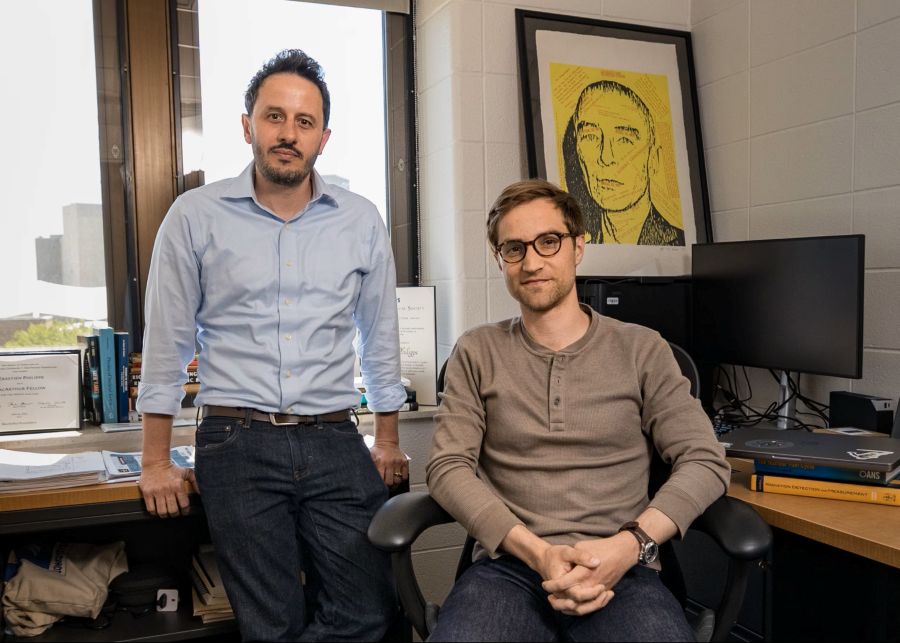
“In a lot of mining industries, when you’re targeting one specific element, there’s often other ones that come along with it,” Manzuk told UW-Madison’s Adam Malecek. “So when companies are mining specifically for the cobalt mineral in this region, they’re also extracting relatively high quantities of uranium—more uranium than you would get in your average rock—because the uranium is hitching a ride on the cobalt.”
So where did it go? Philippe and Manzuk found that most of the shipments went to China. According to Lighthouse Reports, about 95 percent of Congolese cobalt goes to China, which in 2023 held around 80 percent of the world’s cobalt refining capacity.
Philippe told Malecek, “Because this uranium is undeclared and not officially reported as being mined and extracted, it has no limitation placed on its end use. It could end up in a civilian nuclear energy program or in a military program, because nobody is going to ask where this uranium is going. It’s not on the books.”
The Financial Times spoke to Florimond Kabanda, head of the Comité National de Protection contre les Rayonnements Ionisants, the DRC’s nuclear safety agency. Regarding undeclared uranium being exported as a byproduct of cobalt, Kabanda told FT, “Because of the vulnerability of our borders, we have to take more steps to protect Congo and to protect the world at the same time.”