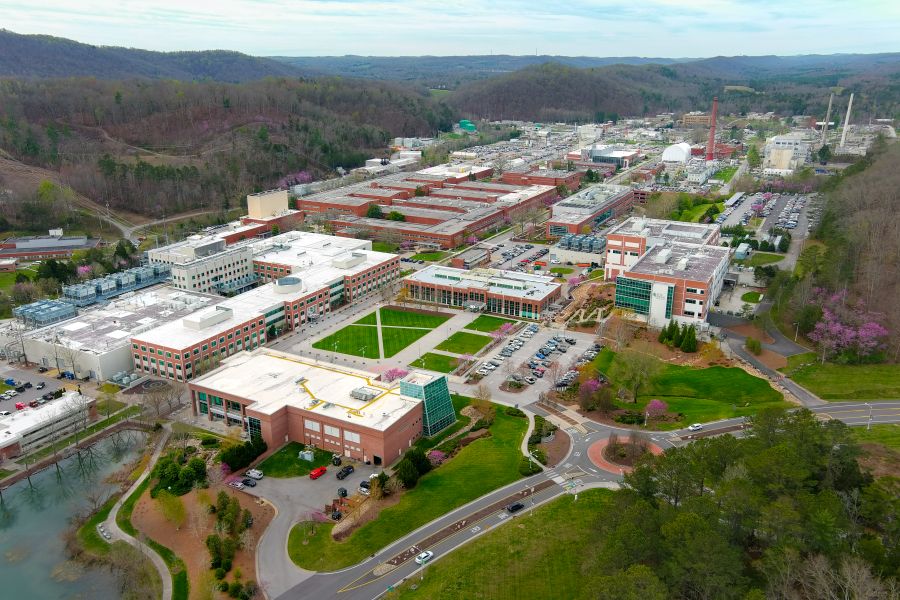
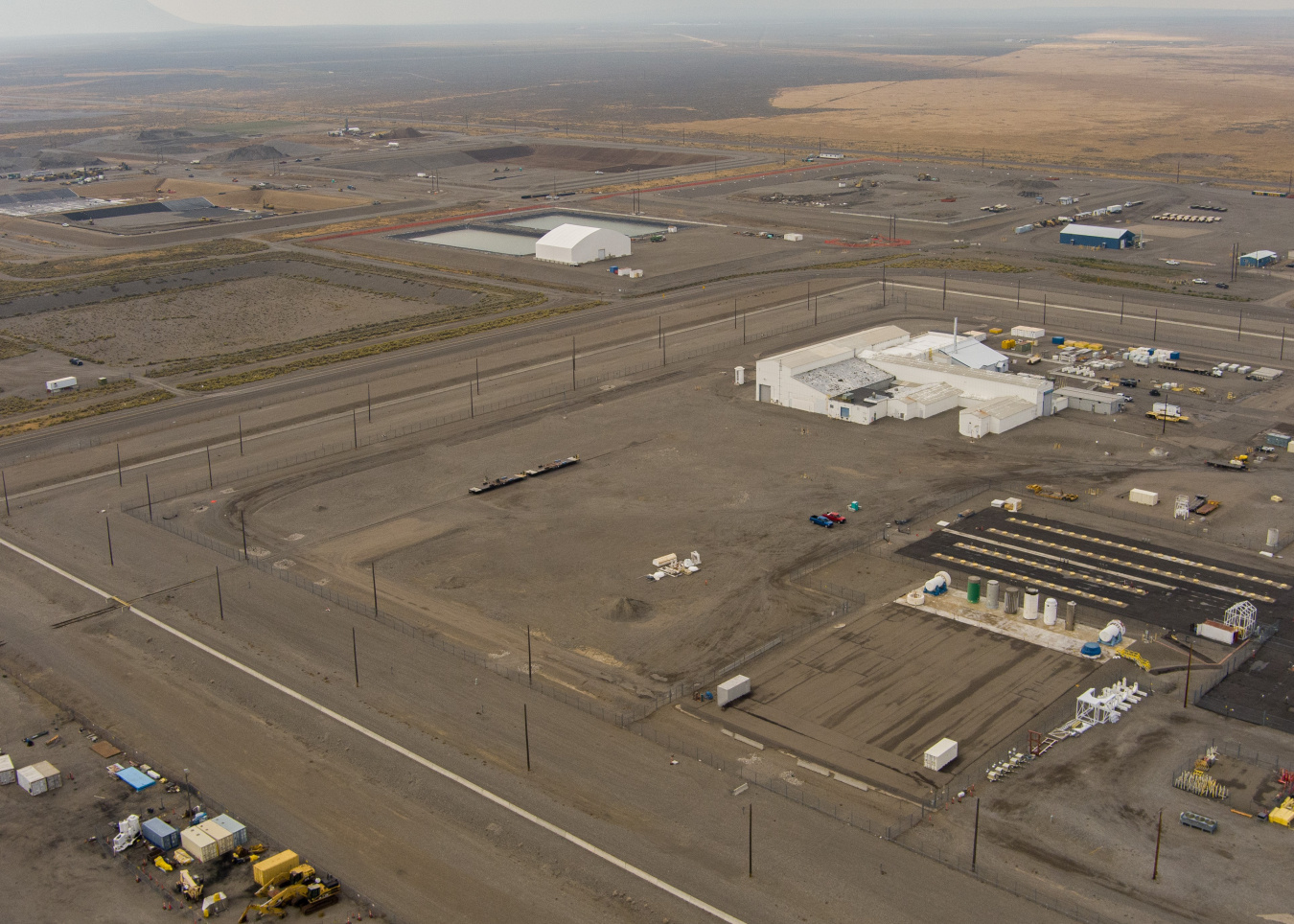
An aerial view of ORNL's East and Central Campus. The Oak Ridge, Tenn., area could host Nuclear Lifecycle Innovation Campus functions. (Photo: ORNL)
In January, the Department of Energy announced its new Nuclear Lifecycle Innovation Campus (NLIC) program, inviting states via a request for information to express their interest in hosting a facility supporting work from the front to the back end of the nuclear fuel cycle.
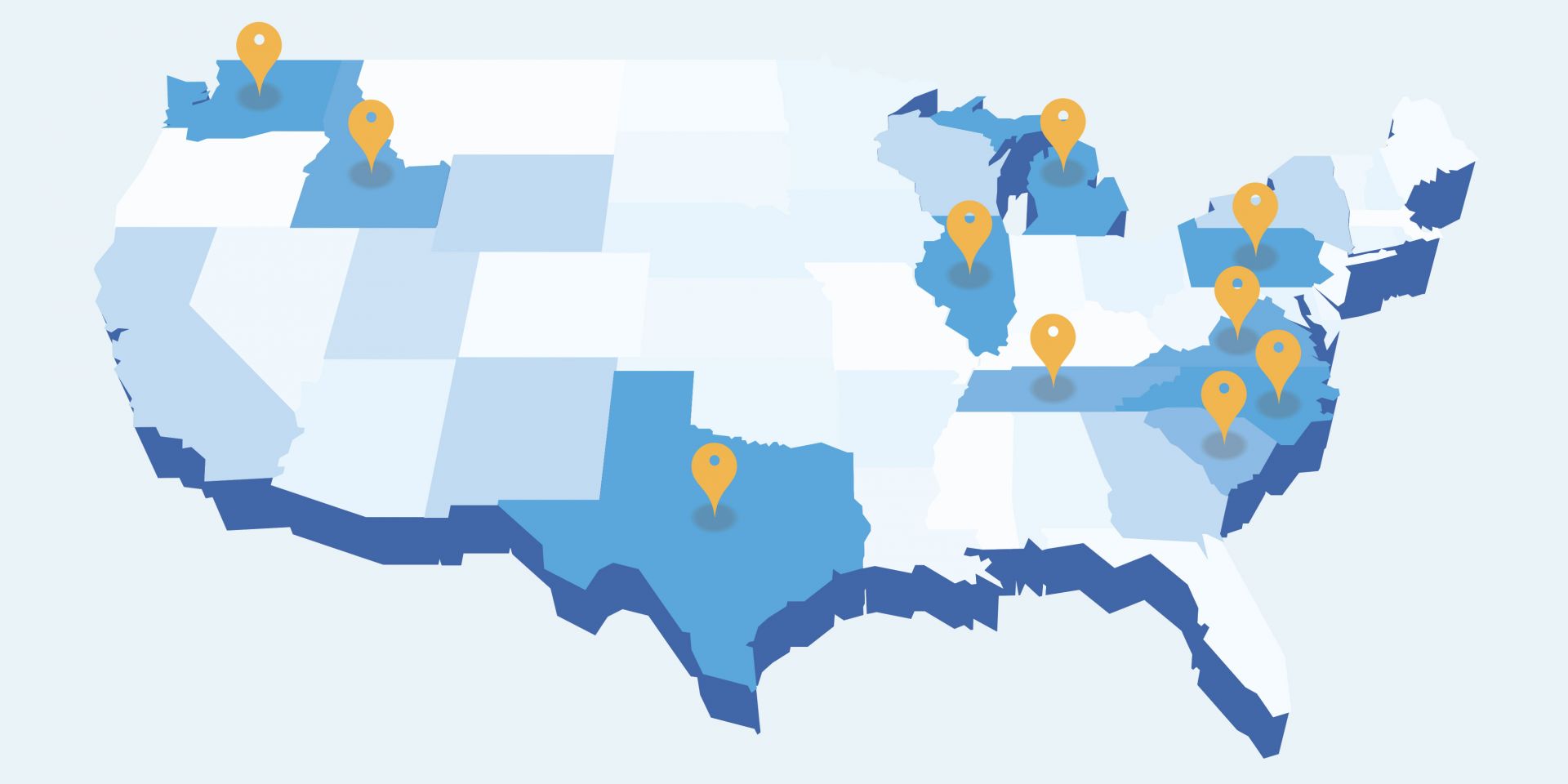
By April, 26 states had expressed interest in hosting such a facility. At the end of July, the DOE signed memorandums of understanding with five states—Idaho, Louisiana, Oklahoma, Tennessee, and Utah—to more closely explore the possibilities of state-federal partnerships. These MOUs are not firm commitments from either the federal or state governments. Time will tell which—if any—of the five states develop projects through the program. In the meantime, today, we are taking a close look at what Utah, Idaho, Tennessee can offer in terms of a preexisting nuclear sector that could support new fuel cycle developments.
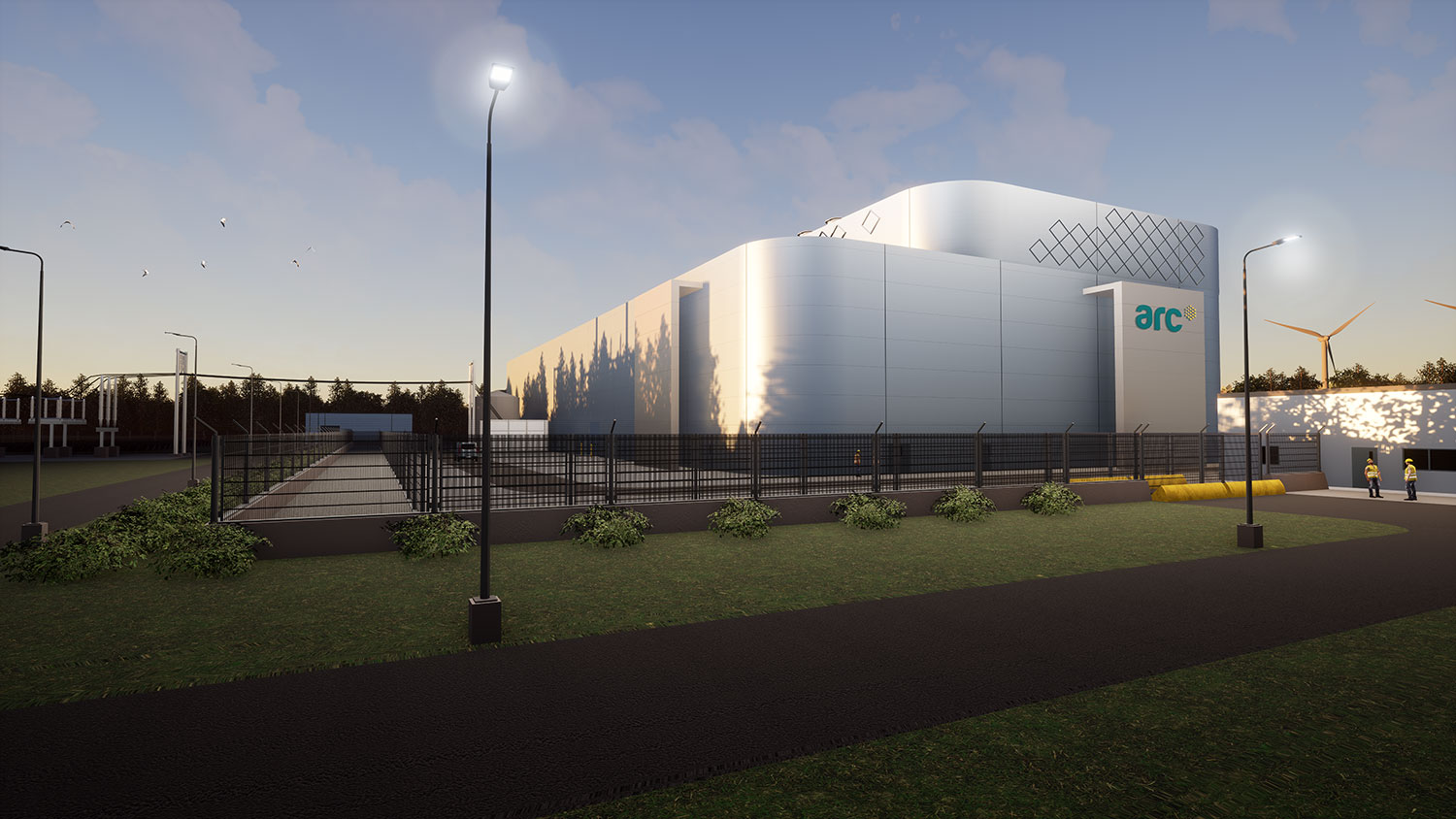
Concept art of an ARC-100 facility, which is planned to house a 100-MWe sodium fast reactor. (Image: ARC)
Earlier this week, ARC Clean Technology announced that it has entered into a Strategic Partnership Project agreement with Battelle Energy Alliance—the management and operating contractor of Idaho National Laboratory.
That agreement establishes a multiyear framework for ARC and INL to collaborate on the design, demonstration, and first deployment of the company’s ARC-100, a 100-MWe sodium-cooled fast reactor.
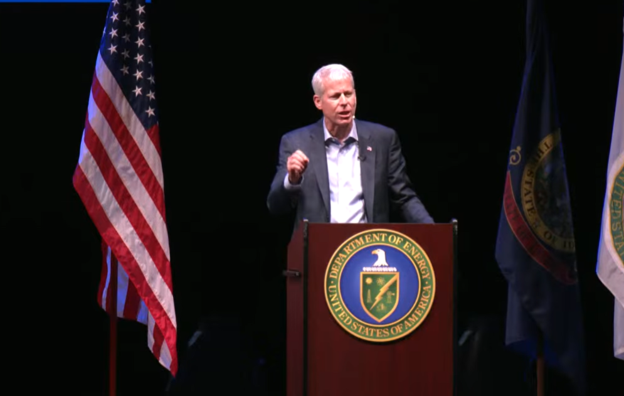
DOE Secretary Chris Wright speaks at Idaho National Laboratory on June 25. (Photo: DOE)
For just over a year, President Trump’s Executive Order 14301, “Reforming Nuclear Reactor Testing at the Department of Energy,” has loomed large because it pegged a stretch goal to a significant date: July 4, 2026. Will there be at least three participants in the Department of Energy’s Reactor Pilot Program whose reactors achieve criticality by Saturday’s deadline?
The Idaho Cleanup Project is scheduled to construct an estimated 15,000-square-foot staging facility at INTEC, shown above, to store overpacked spent fuel. (Photo: DOE)
The Department of Energy’s Office of Environmental Management has announced that its Idaho Cleanup Project (ICP) recently received department approval for the conceptual design for a spent nuclear fuel staging facility project at Idaho National Laboratory.
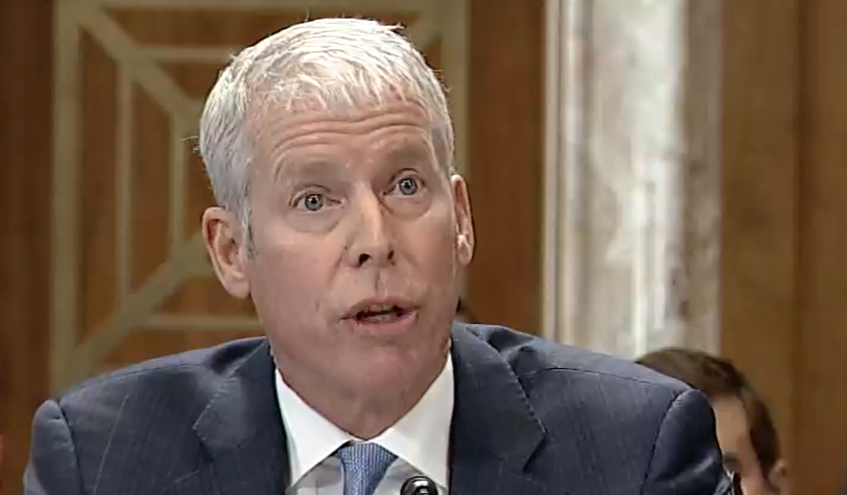
DOE Secretary Chris Wright testifies before the Senate ENR Committee on April 21. (Image: Senate Energy and Natural Resources Committee)
Energy Secretary Chris Wright has spent the past week courting members of Congress to approve his agency’s $53.9 billion discretionary budget request for fiscal year 2027. On Tuesday, Wright spoke before the U.S. Senate Energy and Natural Resources Committee. On April 15, Wright testified before the U.S. House Subcommittee on Energy & Water Development and Related Agencies. And on April 16, he testified before the House Energy and Commerce Subcommittee.
Concept illustration of a transportation cask being unloaded at a federal spent fuel storage facility. (Image: DOE)
The Department of Energy’s Office of Nuclear Energy announced the establishment of the Center for Used Fuel Research (CUFR), to be hosted at the Idaho National Laboratory and focused on spent nuclear fuel performance, canister aging, and the fostering of innovation and collaboration.
According to the DOE, the CUFR is designed to be a national and international hub for applied research that supports and maintains compliance and advances public confidence in the safe storage and transportation of both commercial and DOE-managed spent fuel.
Idaho Cleanup Project crews separate noncontaminated metal for recycling at INL’s Naval Reactors Facility. (Photos: DOE)
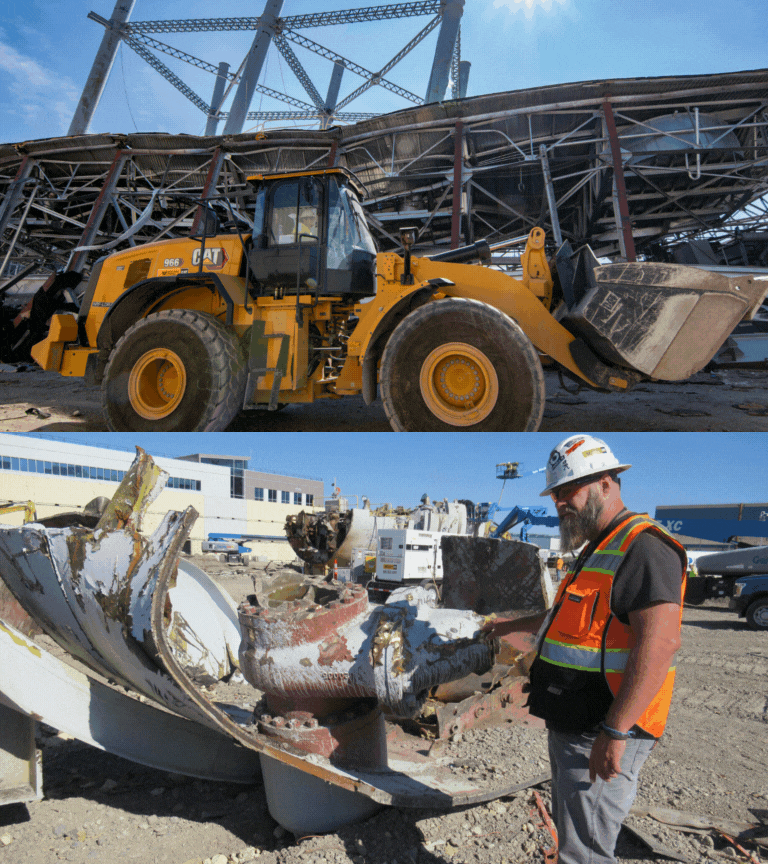
The Department of Energy’s Office of Environmental Management said the Idaho Cleanup Project (ICP) has recycled more than 2,100 tons of noncontaminated metal debris since 2022 as it works to demolish three legacy Naval Nuclear Propulsion Program prototypes at the Idaho National Laboratory Site, saving taxpayers nearly $2 million in disposal costs while advancing the project’s environmental goals.
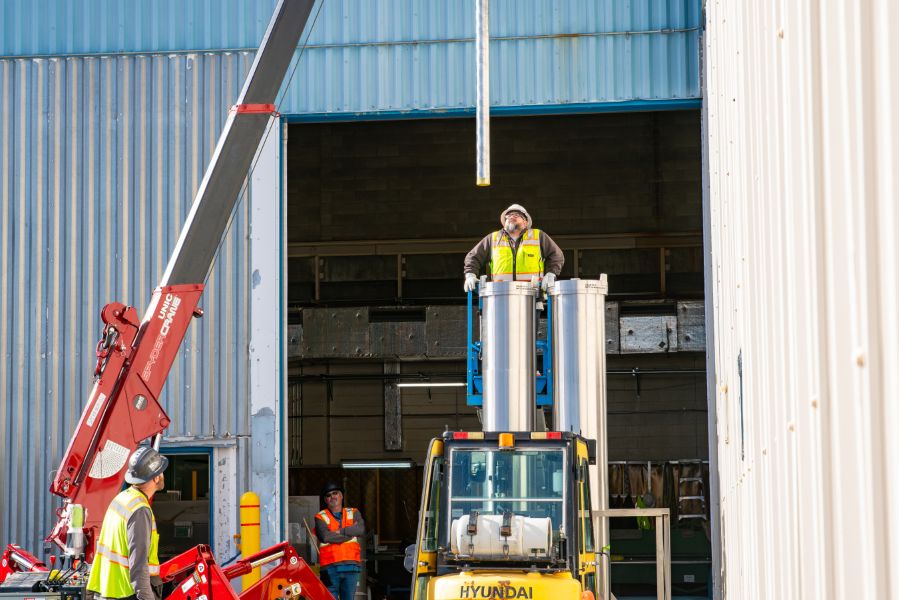
Specialized loading equipment for TRUPACT-IIIs is sent from SRS to the Idaho Cleanup Project for reuse. (Photo: DOE)
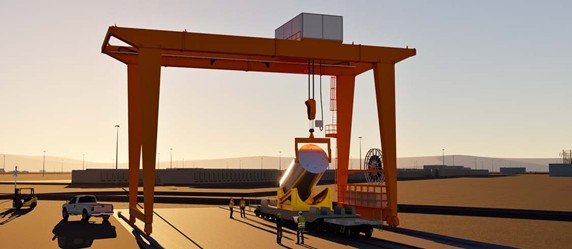
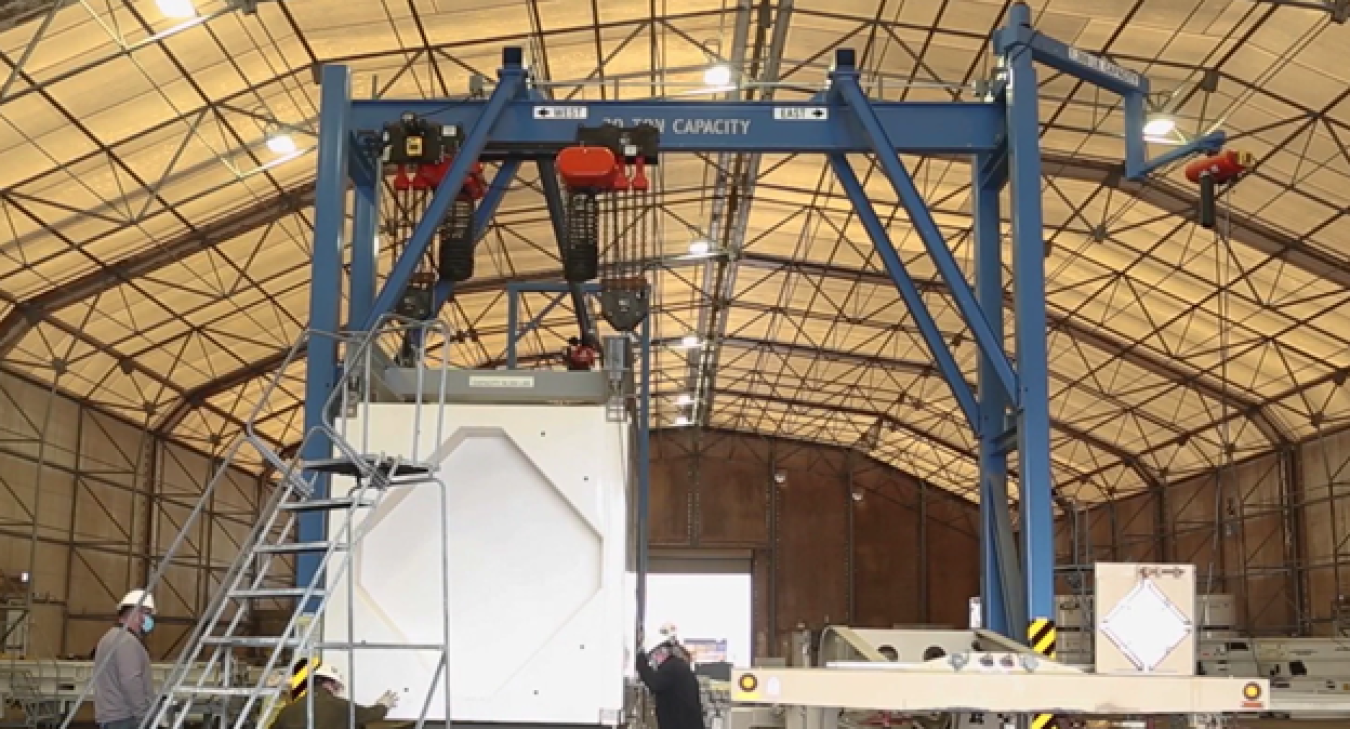
Demonstrating the beneficial reuse of equipment among Department of Energy cleanup sites, the DOE’s Office of Environmental Management transferred TRUPACT-III shipping equipment from its Savannah River Site in South Carolina to the Idaho Cleanup Project at the Idaho National Laboratory Site. This collaboration shows how DOE-EM drives efficiency, focusing on priorities and reining in costs without sacrificing safety or effectiveness, the DOE said.
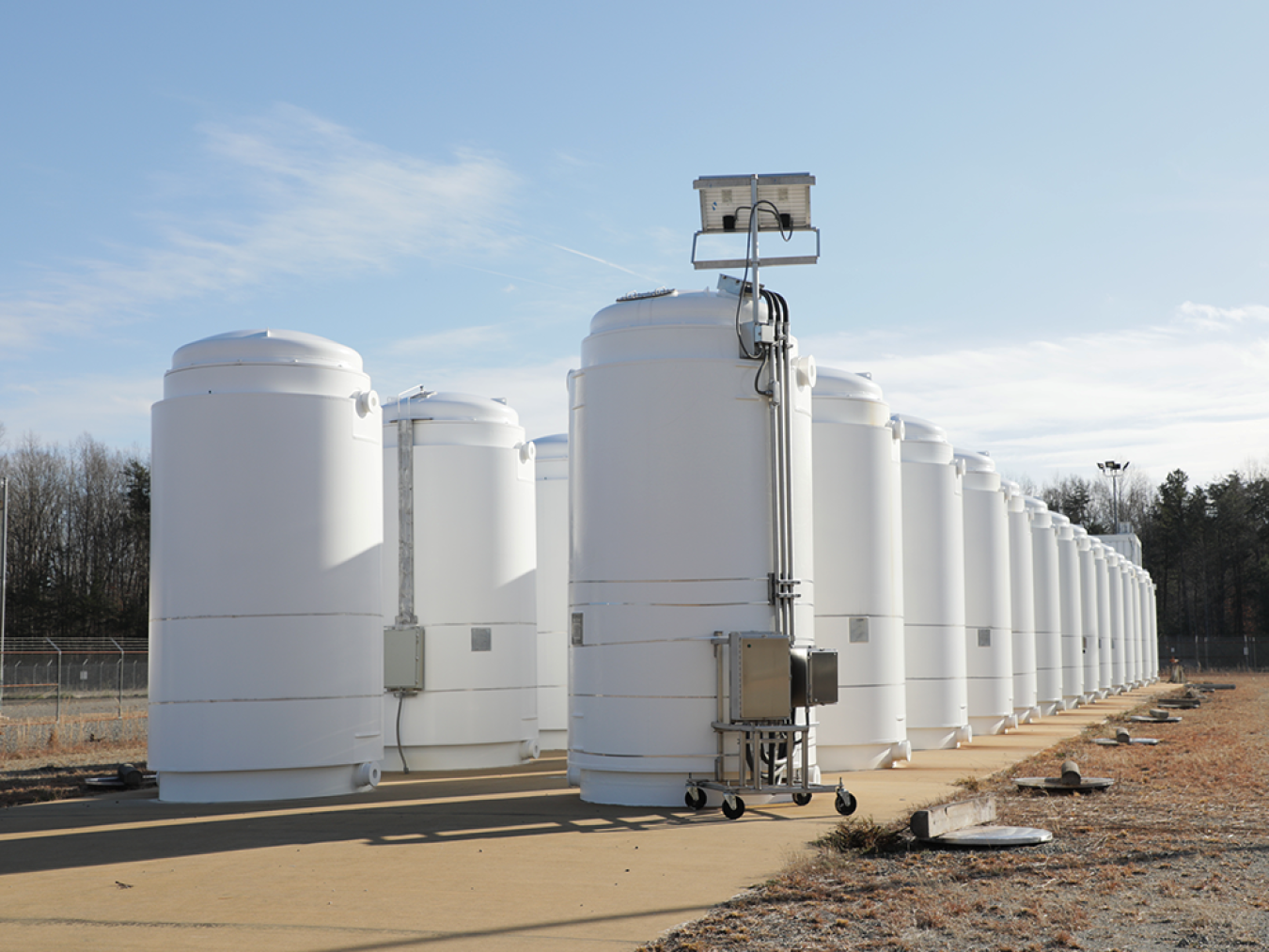
The high-burnup research cask (center) stands with other spent nuclear fuel dry storage casks at the North Anna ISFSI in Virginia. (Photo: Dominion Energy)
The Department of Energy said it anticipated delivering a research cask of high-burnup spent nuclear fuel from Dominion Energy’s North Anna nuclear power plant in Virginia to Idaho National Laboratory by fall 2027. The planned shipment is part of the High Burnup Dry Storage Research Project being conducted by the DOE with the Electric Power Research Institute.
As preparations continue, the DOE said it is working closely with federal agencies as well as tribal and state governments along potential transportation routes to ensure safety, transparency, and readiness every step of the way.
Watch the DOE’s latest video outlining the project here.
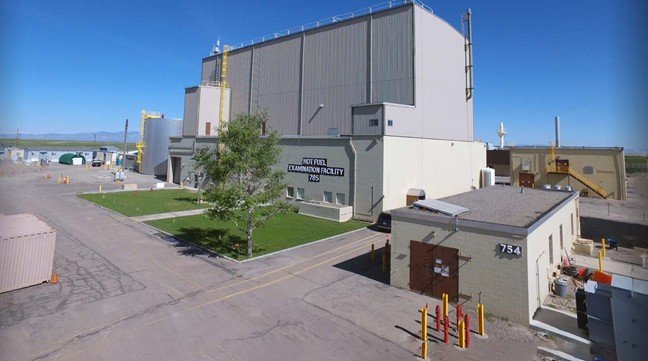
INL’s Hot Fuel Examination Facility. (Photo: INL)
An agreement signed by the state of Idaho and the U.S. Department of Energy will open the way for a single cask of high-burnup spent nuclear fuel to be shipped from Dominion Energy’s North Anna nuclear power plant in Virgina to Idaho National Laboratory for research purposes.
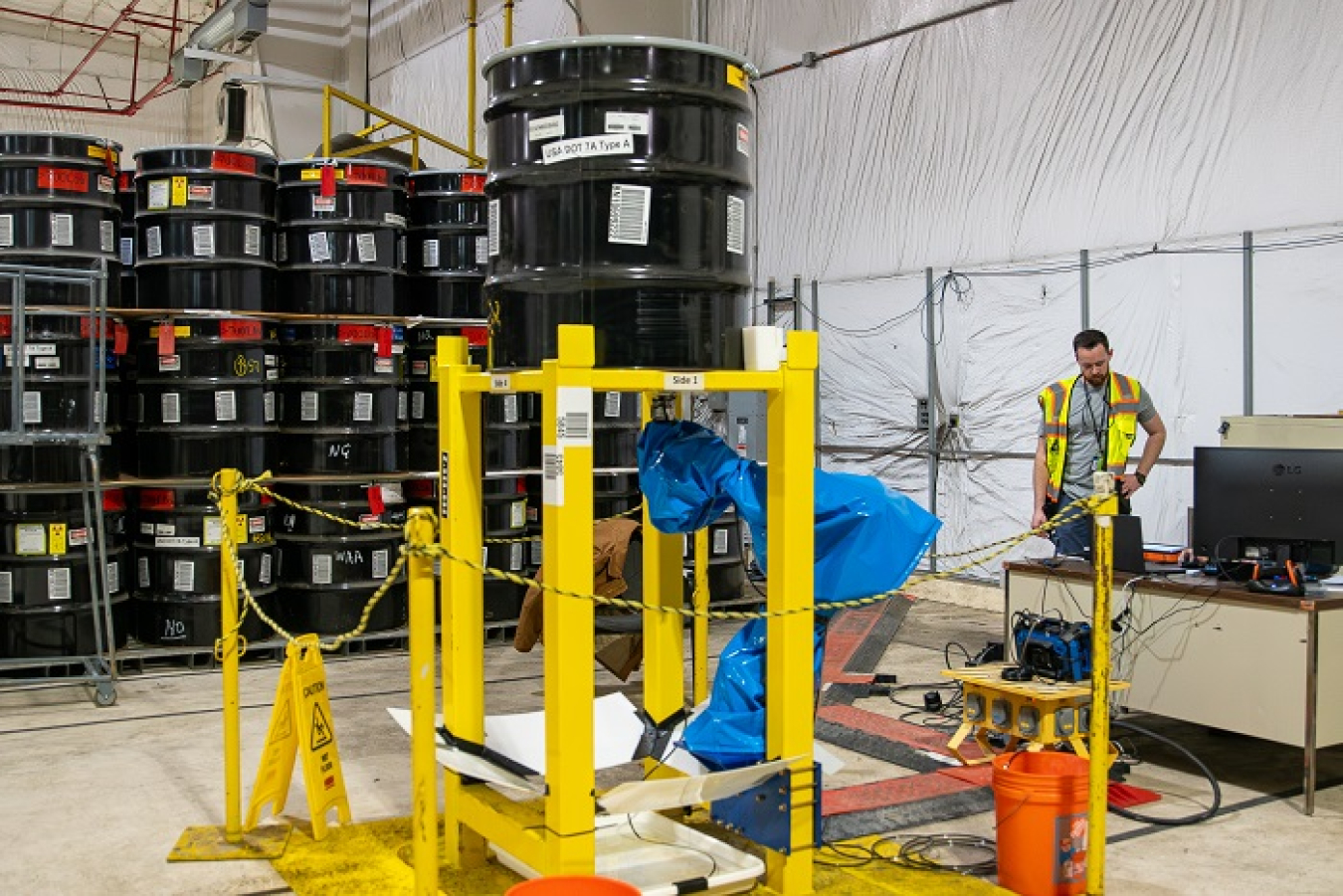
An ICP worker supervises an evaluation of ultrasonic testing technology recently at the INL Site’s Advanced Mixed Waste Treatment Project. (Photo: DOE)
New ultrasonic testing equipment being used by the Department of Energy’s Idaho Cleanup Project (ICP) to confirm the integrity of thousands of legacy waste drums is saving taxpayers tens of millions of dollars, the DOE’s Office of Environmental Management announced.
The technology allows ICP personnel to inspect the thickness transuranic waste drums held in storage at the DOE’s Idaho National Laboratory Site, ensuring they meet Department of Transportation minimum thickness requirements to be shipped for disposal at the Waste Isolation Pilot Plant in New Mexico. According to DOE-EM, if drums meet the DOT thickness requirements, they can be loaded directly into shipping casks without the need for an expensive overpack container, leading to a minimum cost savings of $26 million.
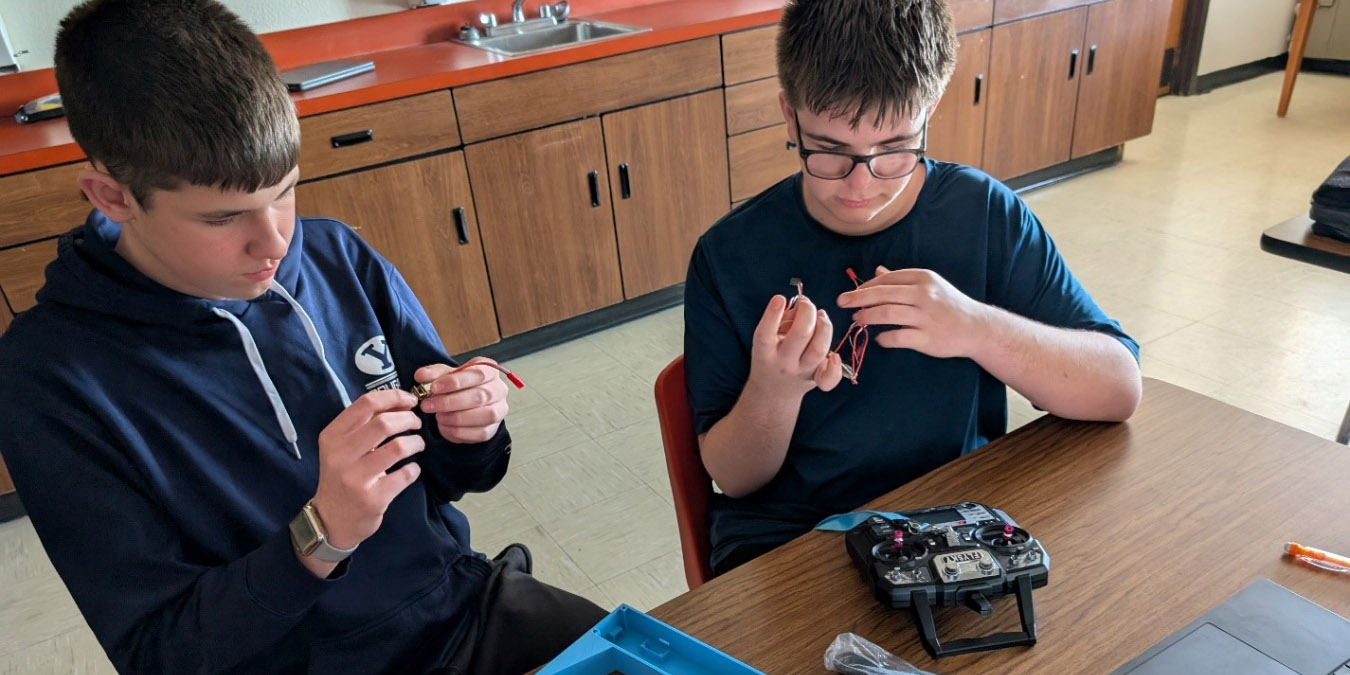
Students use materials bought with funds from the IEC’s Full STEAM Ahead in the Classroom grants to make robots. (Photo: DOE)
The Idaho Environmental Coalition (IEC) has provided funding to 15 classrooms in southeastern Idaho to support local educators and encourage the next generation of workers to pursue technical careers, the Department of Energy’s Office of Environmental Management announced. The IEC, which is led by Amentum and includes North Wind Portage as a partner, was awarded a 10-year, $6.4 billion contract in 2021 to manage cleanup operation at the Idaho National Laboratory Site.
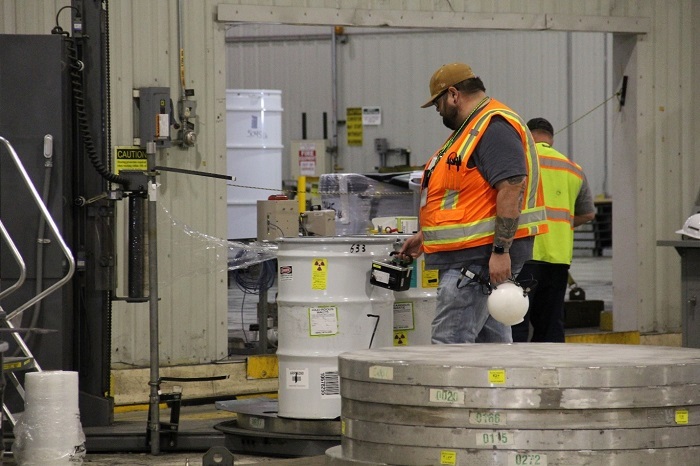
ICP crews inspect transuranic waste drums to ensure they comply with shipping requirements. (Photo: DOE)
The Department of Energy’s Idaho Cleanup Project (ICP) has improved transuranic waste operations to address aging waste containers being stored at the Advanced Mixed Waste Treatment Project (AMWTP) at the Idaho National Laboratory Site, the DOE’s Office of Environmental Management announced on December 10.
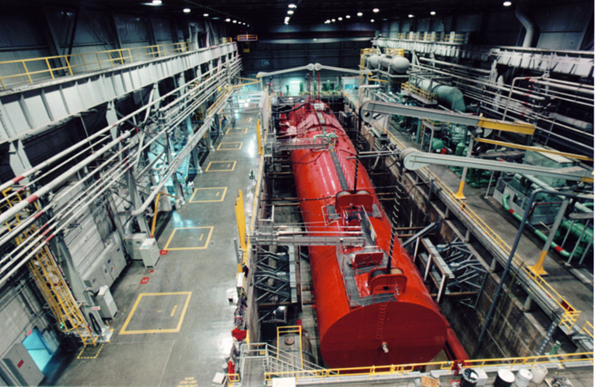
The S5G prototype, which was constructed to simulate submarine operations and could mimic ocean-like conditions, is positioned inside a subgrade basin. (Photo: IEC)
The Department of Energy is proposing to fully decommission the Submarine 5th Generation General Electric (S5G) prototype at the Naval Reactors Facility on the Idaho National Laboratory site. Along with the Environmental Protection Agency and the state of Idaho, the DOE has initiated a 30-day public comment period (ending November 14) on the planned end state for the facility and its defueled reactor vessel.
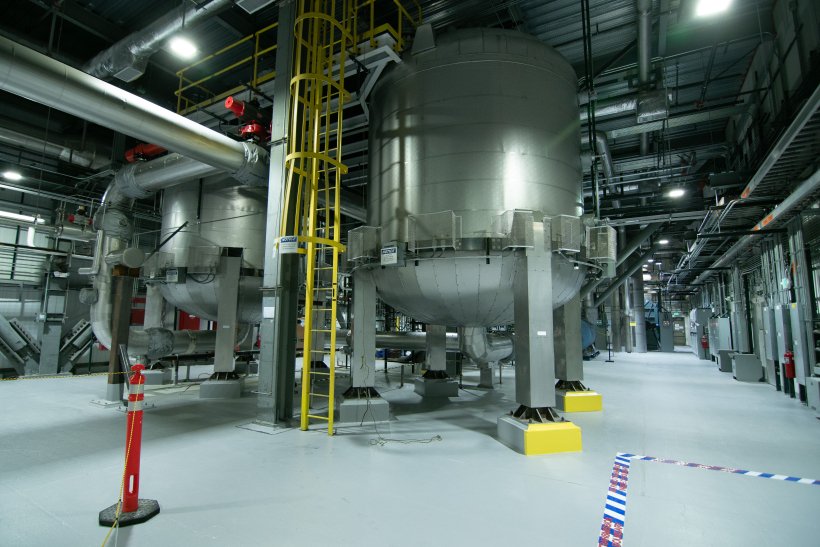
A view of two vessels that each contain approximately 30,000 pounds of granulated activated carbon, used to remove mercury from process off-gas during IWTU operations. (Photo: DOE)
The Department of Energy’s Office of Environmental Management said Idaho’s Integrated Waste Treatment Unit (IWTU) is set to resume radioactive liquid waste treatment operations early next year after crews replaced carbon material from two plant vessels. The IWTU was shut down for an unplanned outage on September 6 to address elevated mercury concentrations in the plant’s granulated activated carbon (GAC) beds, according to Defense Nuclear Facilities Safety Board (DNFSB) reports.
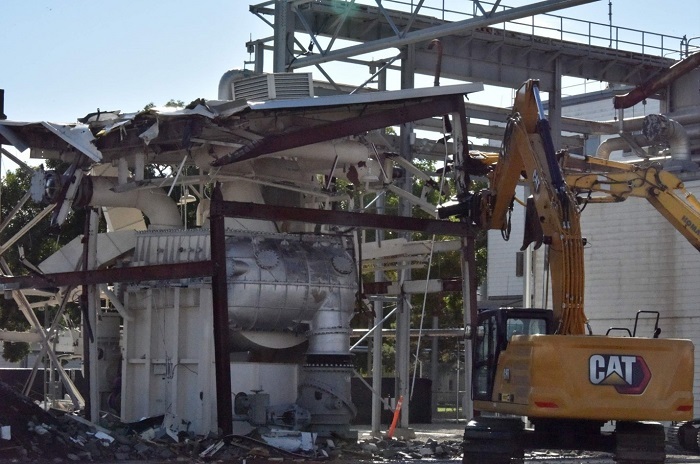
Crews demolish one of two massive steam condensers at the Naval Reactors Facility’s A1W prototype reactor facility in Idaho. Click photo to enlarge (Photo: DOE)
The Department of Energy’s Office of Environmental Management said that crews at the Idaho National Laboratory site are making “significant progress” decommissioning the Submarine 1st Generation Westinghouse (S1W) reactor, the prototype pressurized water reactor that supported the development of the USS Nautilus, the world’s first operational nuclear-powered submarine.