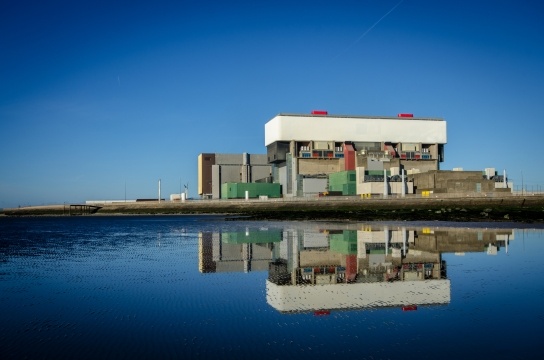
Heysham-1 nuclear power plant and visitors center. (Photo: EDF)
French energy supplier Électricité de France announced this week it will invest $1.7 billion to keep its U.K. fleet in production through 2026.
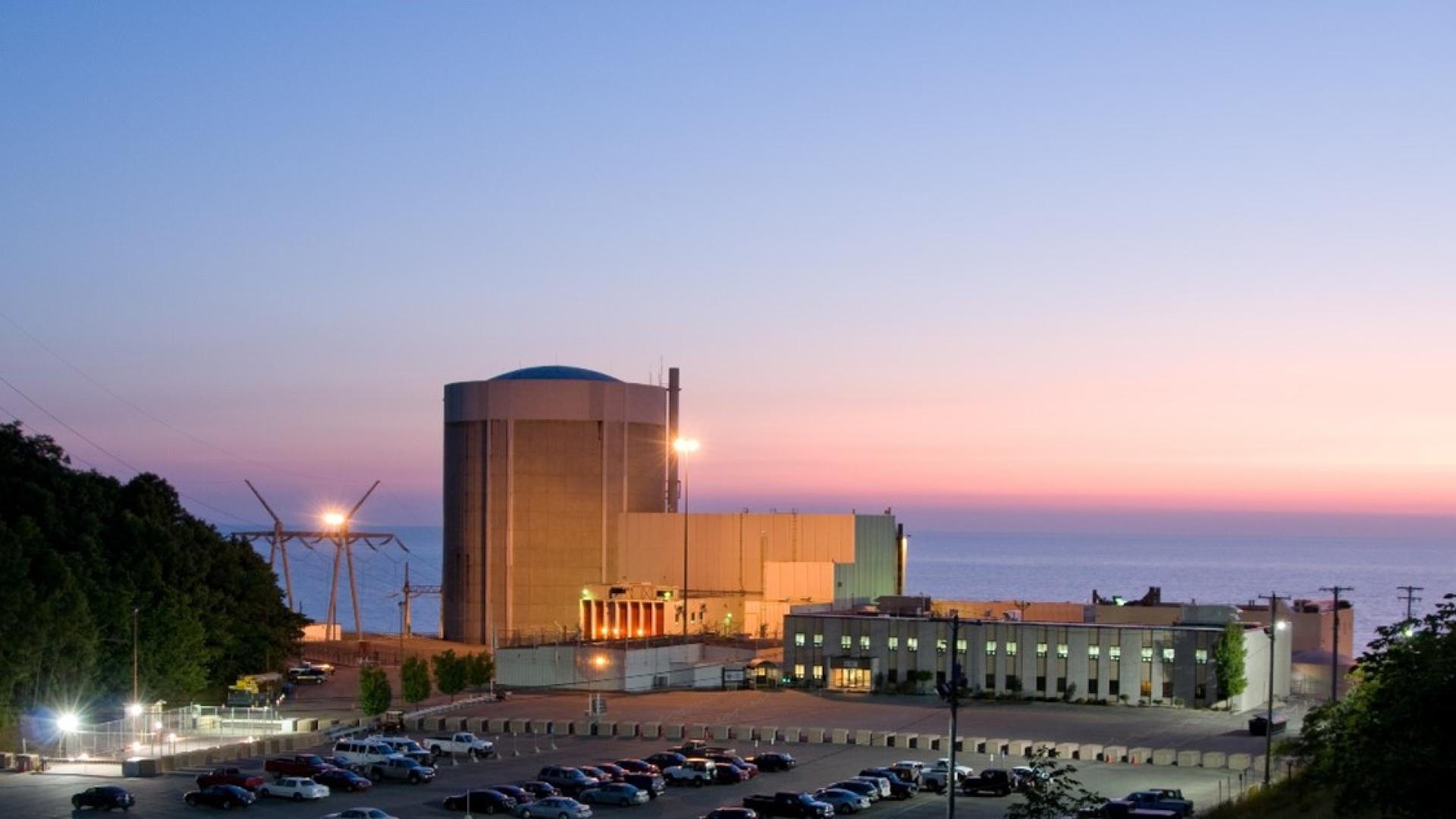
The Palisades nuclear power plant. (Photo: Entergy)
The Nuclear Regulatory Commission has granted Holtec Decommissioning International’s request to revise the emergency preparedness plan for the Palisades nuclear power plant in Covert, Mich., to reflect the plant’s decommissioning status.
The Crystal River-3 nuclear power plant.
The Nuclear Regulatory Commission announced that it will hold a hybrid public meeting on December 7 to discuss the license termination process and to accept comments on the remaining cleanup activities under the license termination plan for the Crystal River-3 nuclear power plant in Crystal River, Fla.
The Zion nuclear plant site as it appeared earlier this year. (Photo: Tim Gregoire)
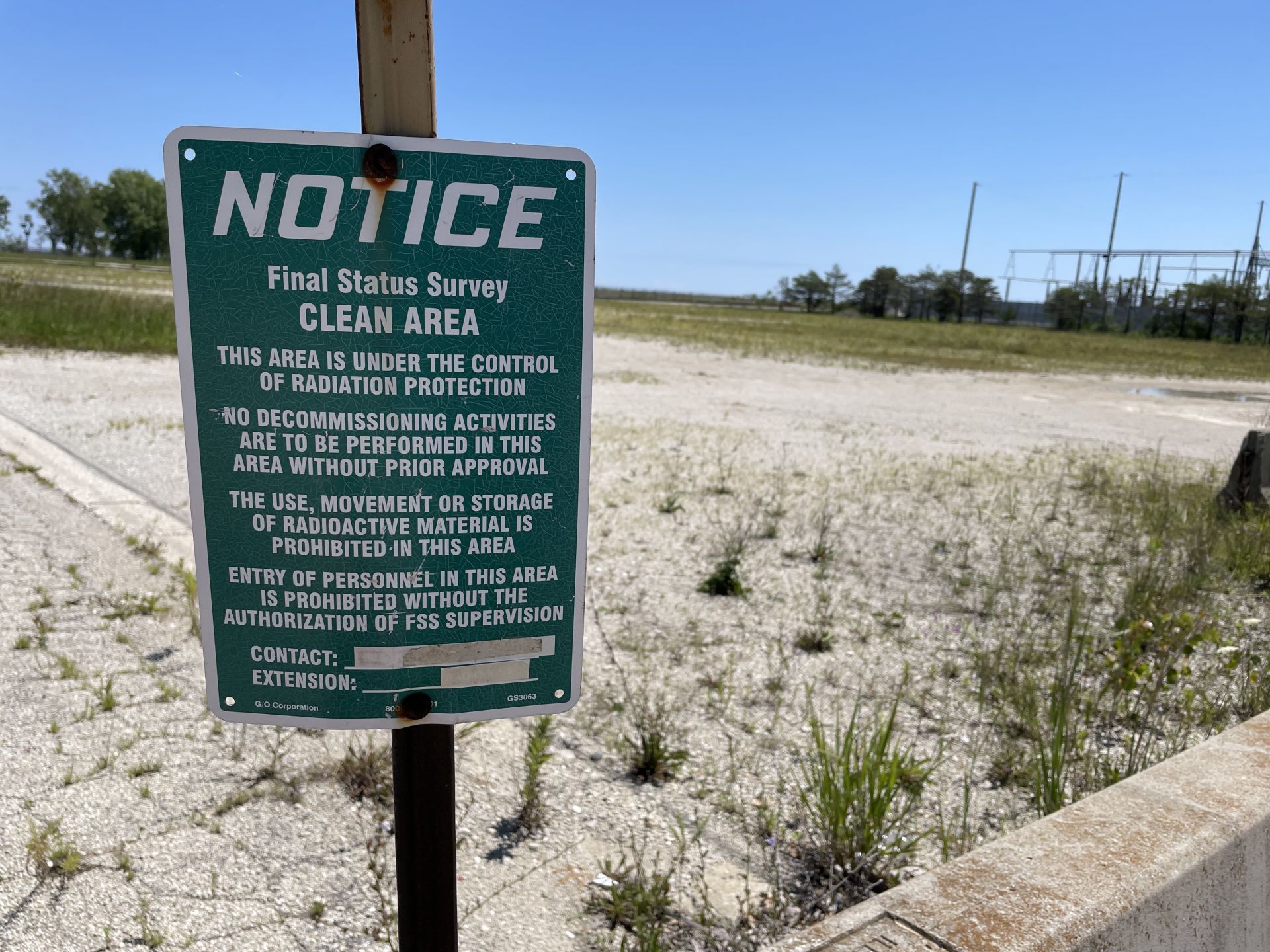
The Nuclear Regulatory Commission has released for “unrestricted use” most of the land on and around where the Zion nuclear power plant once operated in northeastern Illinois. This means that any residual radiation is below the NRC’s limits and there will be no further regulatory controls by the agency for that portion of the property.
Indian Point nuclear power plant. (Photo: Daniel Case)
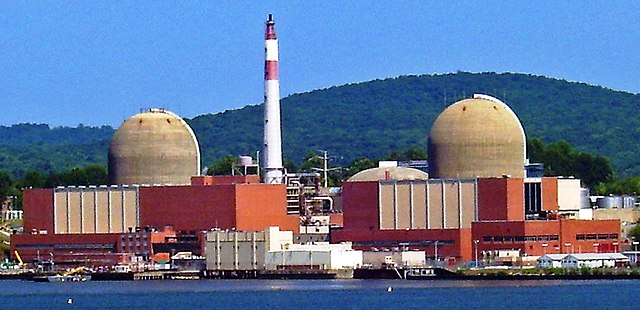
The Nuclear Regulatory Commission hasgranted a request by Holtec Decommissioning International (HDI) to revise the emergency preparedness plan for the Indian Point Energy Center. Reflecting the reduced risk of a radiological emergency at a decommissioning power reactor site, the exemption removes the requirement that HDI maintain a 10-mile emergency planning zone around the plant.
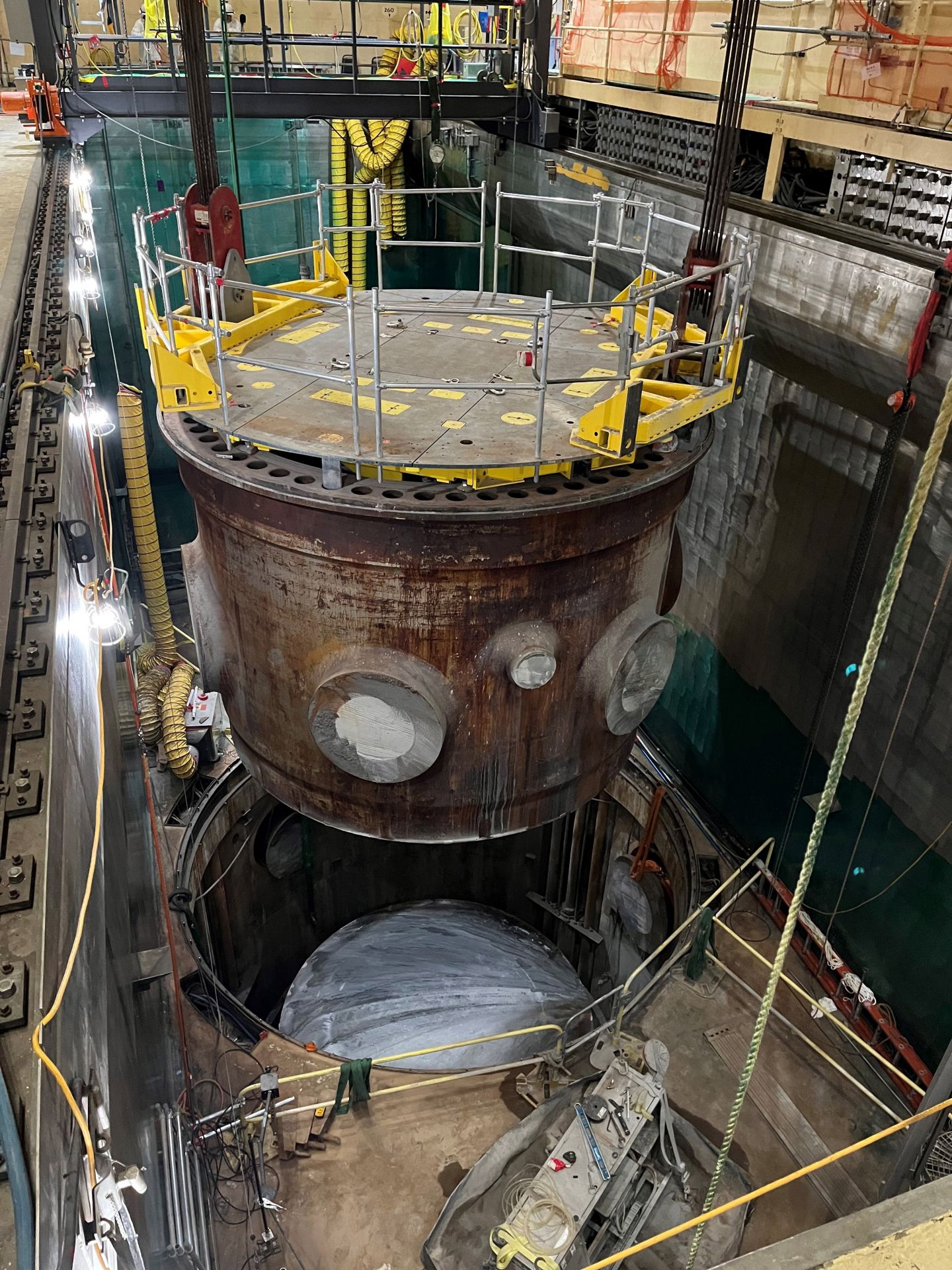
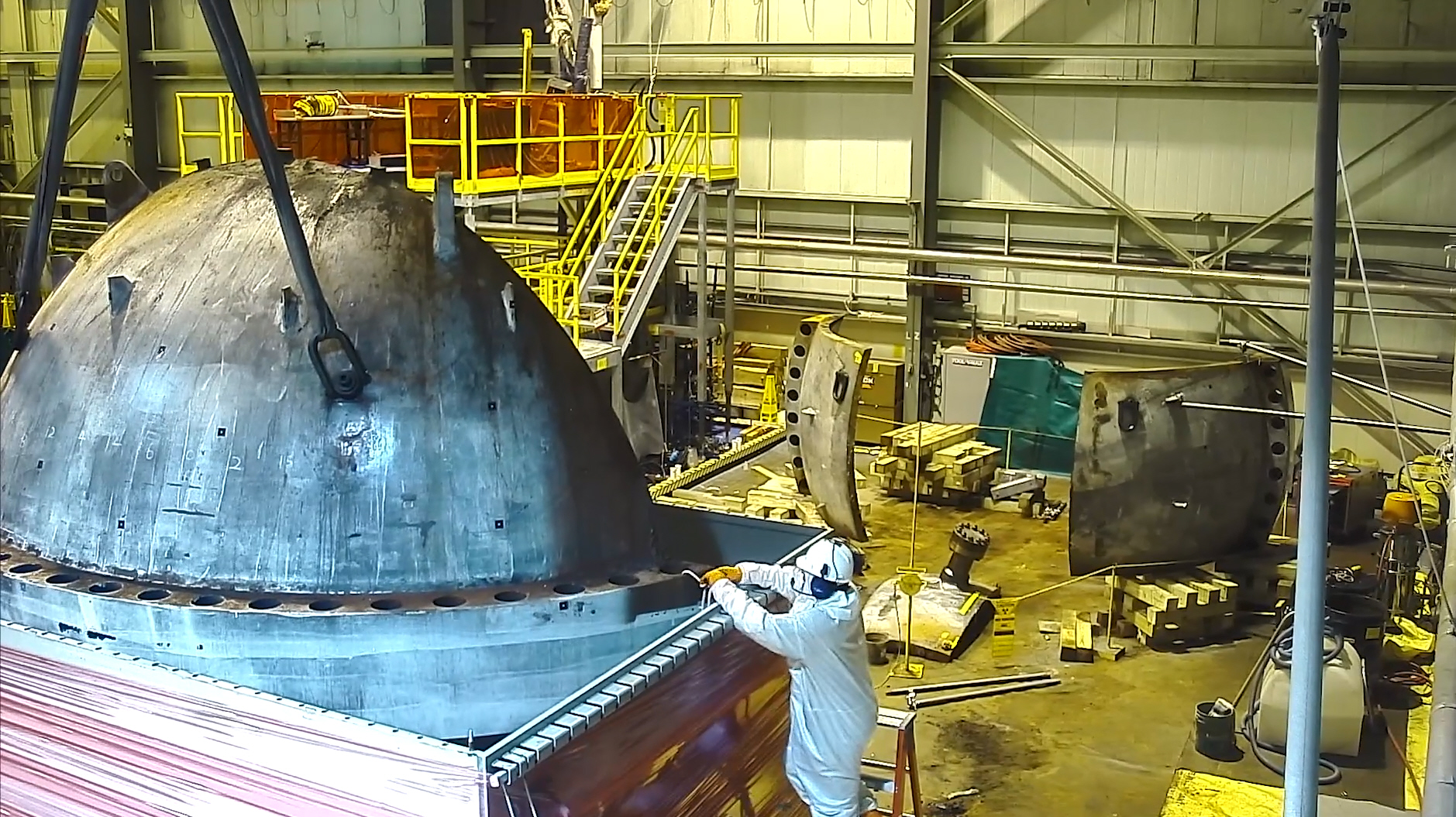
Vermont Yankee’s segmented reactor vessel head is lowered into a custom-built package for transportation and disposal. (Photo: Orano)
Currently, the Nuclear Regulatory Commission is overseeing 17 nuclear power plants that are undergoing active decommissioning. For 10 of those plants, the NRC licenses have been transferred, either through sale or temporary transfer, from the plant owner and operator to a third party, nonutility company for decommissioning. To be profitable, those companies are decommissioning the nuclear plants as expediently as they safely can, while still protecting workers and the environment, using proprietary techniques and processes.
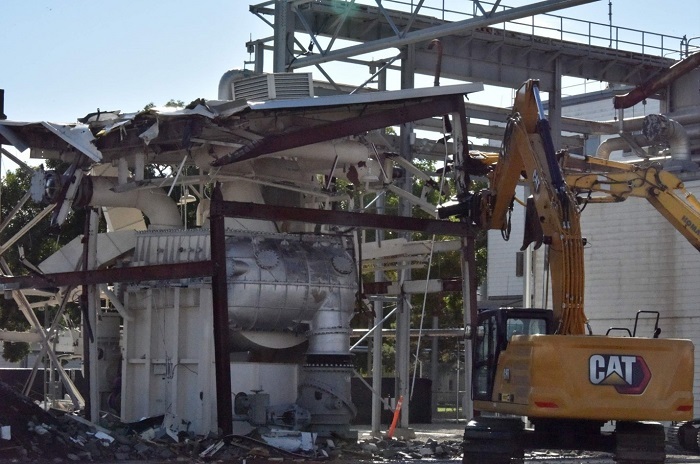
Crews demolish one of two massive steam condensers at the Naval Reactors Facility’s A1W prototype reactor facility in Idaho. Click photo to enlarge (Photo: DOE)
The Department of Energy’s Office of Environmental Management said that crews at the Idaho National Laboratory site are making “significant progress” decommissioning the Submarine 1st Generation Westinghouse (S1W) reactor, the prototype pressurized water reactor that supported the development of the USS Nautilus, the world’s first operational nuclear-powered submarine.
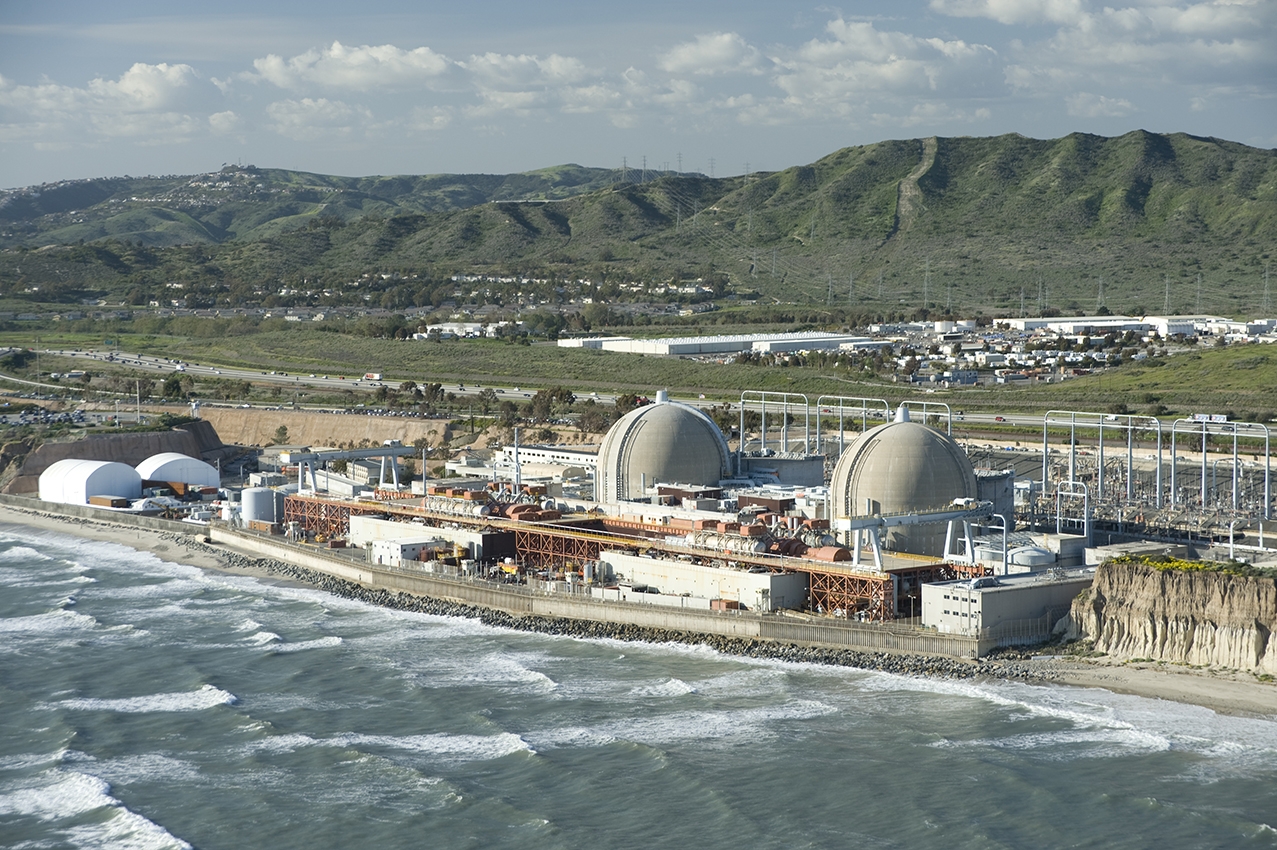
The San Onofre nuclear power plant. (Photo: SONGS)
The Department of Energy’s Office of Nuclear Energy will provide an update to the San Onofre Community Engagement Panel (CEP) on spent fuel transportation preparations on Thursday, October 26, at its quarterly meeting. The virtual meeting will begin at 2:00 p.m. (PDT) via Microsoft Teams video conference.
Members of the public can view the meeting online by visiting the SONGS community website for the link to the Microsoft Teams meeting and to register to comment.
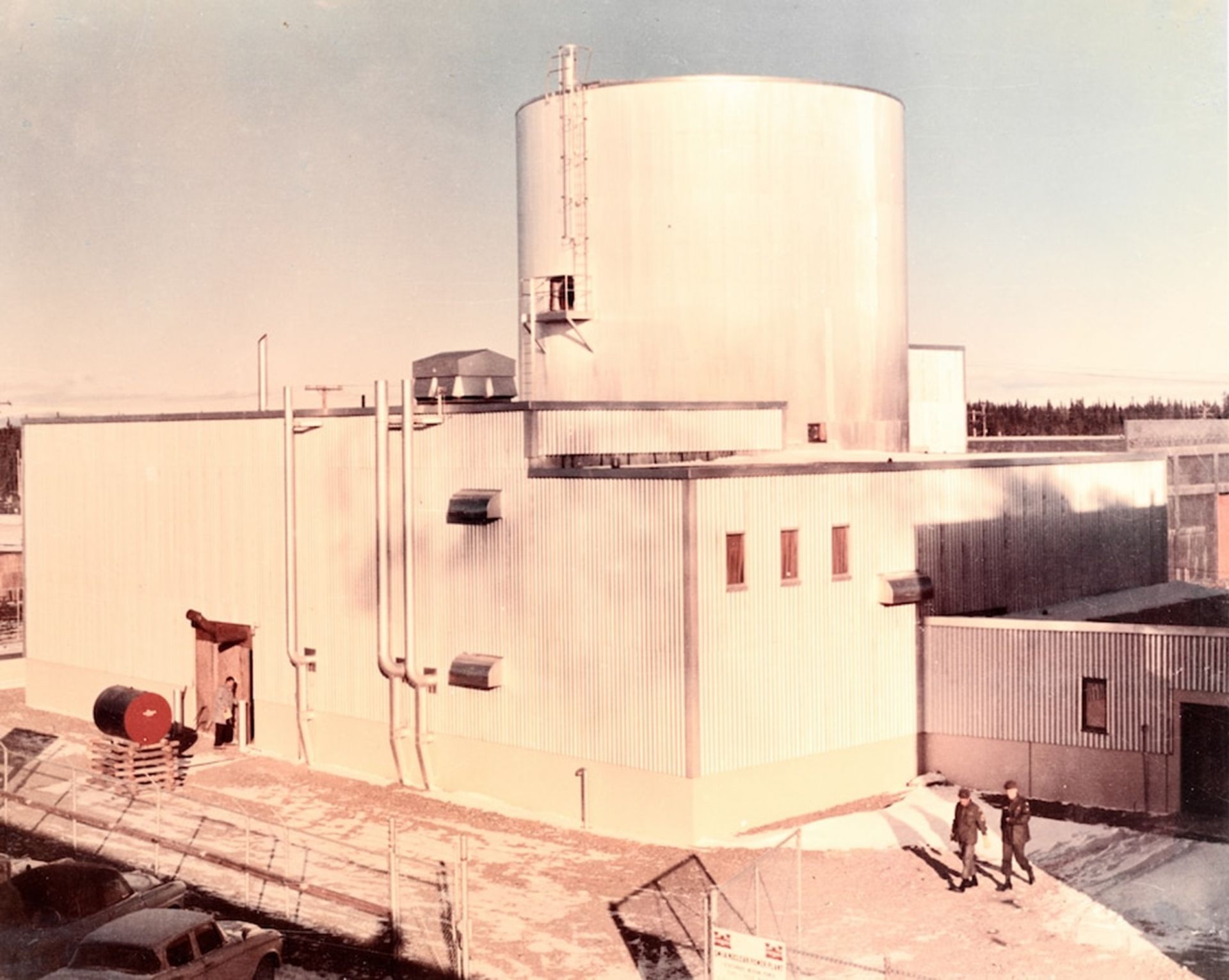
The SM-1A reactor facility at Fort Greely, Alaska. (Photo: USACE)
Baton Rouge, La.-based Aptim Federal Services announced that the U.S. Army Corps of Engineers, Baltimore District, has awarded the company a six-year, $95.5 million contract to decommission, dismantle, and dispose of the SM-1A nuclear power reactor at Fort Greely, Alaska.
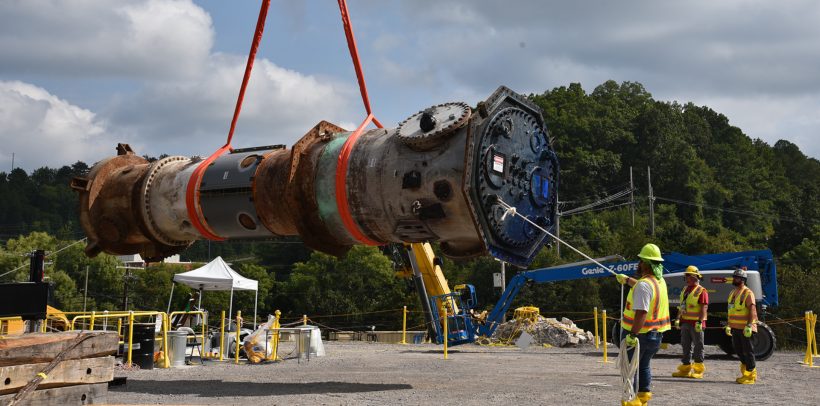
The Low Intensity Test Reactor structure is lifted from its housing and placed in a specialized carbon metal container for shipment for disposal. (Photo: DOE)
The Department of Energy’s Office of Environmental Management announced it has completed a second of its 2023 priorities at Oak Ridge in as many months with the demolition of the Low Intensity Test Reactor, known as Building 3005, at the Tennessee site.
Watch a video of Building 3005 and its decommissioning here.
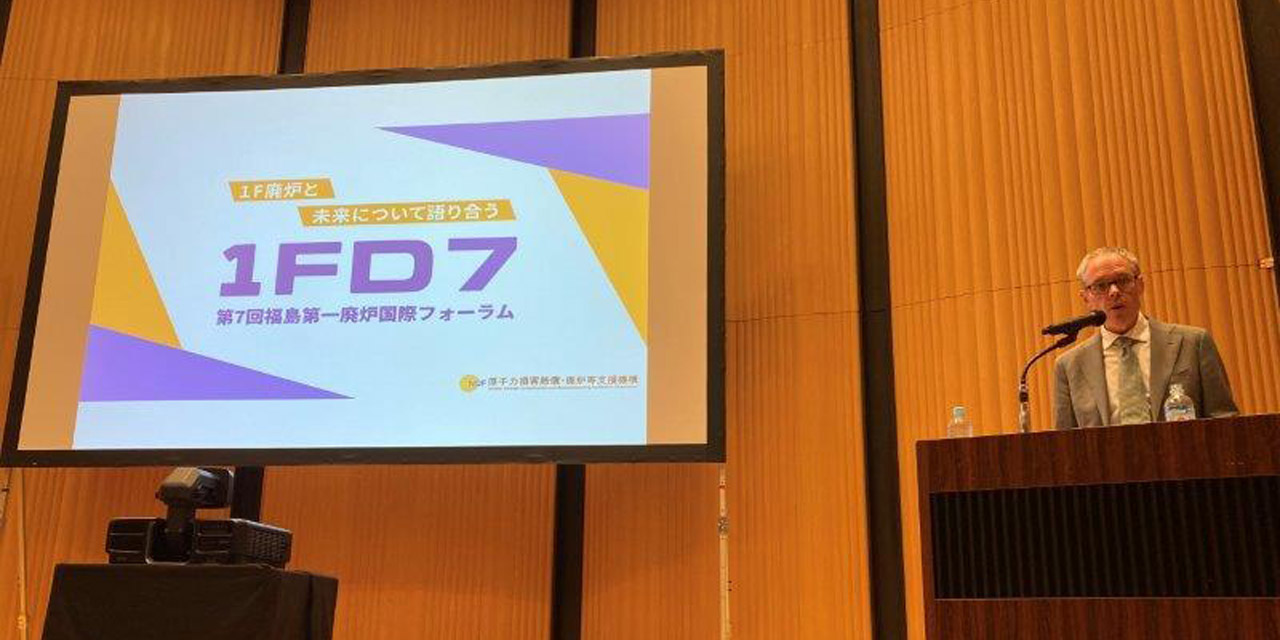
DOE-EM senior advisor Ike White provided remarks to the audience during 7th International Forum on the Decommissioning of the Fukushima Daiichi Nuclear Power Station. (Photo: DOE)
Senior advisor Ike White and others with the Department of Energy’s Office of Environmental Management traveled to Japan this week to attend the 7th International Forum on the Decommissioning of the Fukushima Daiichi Nuclear Power Station.
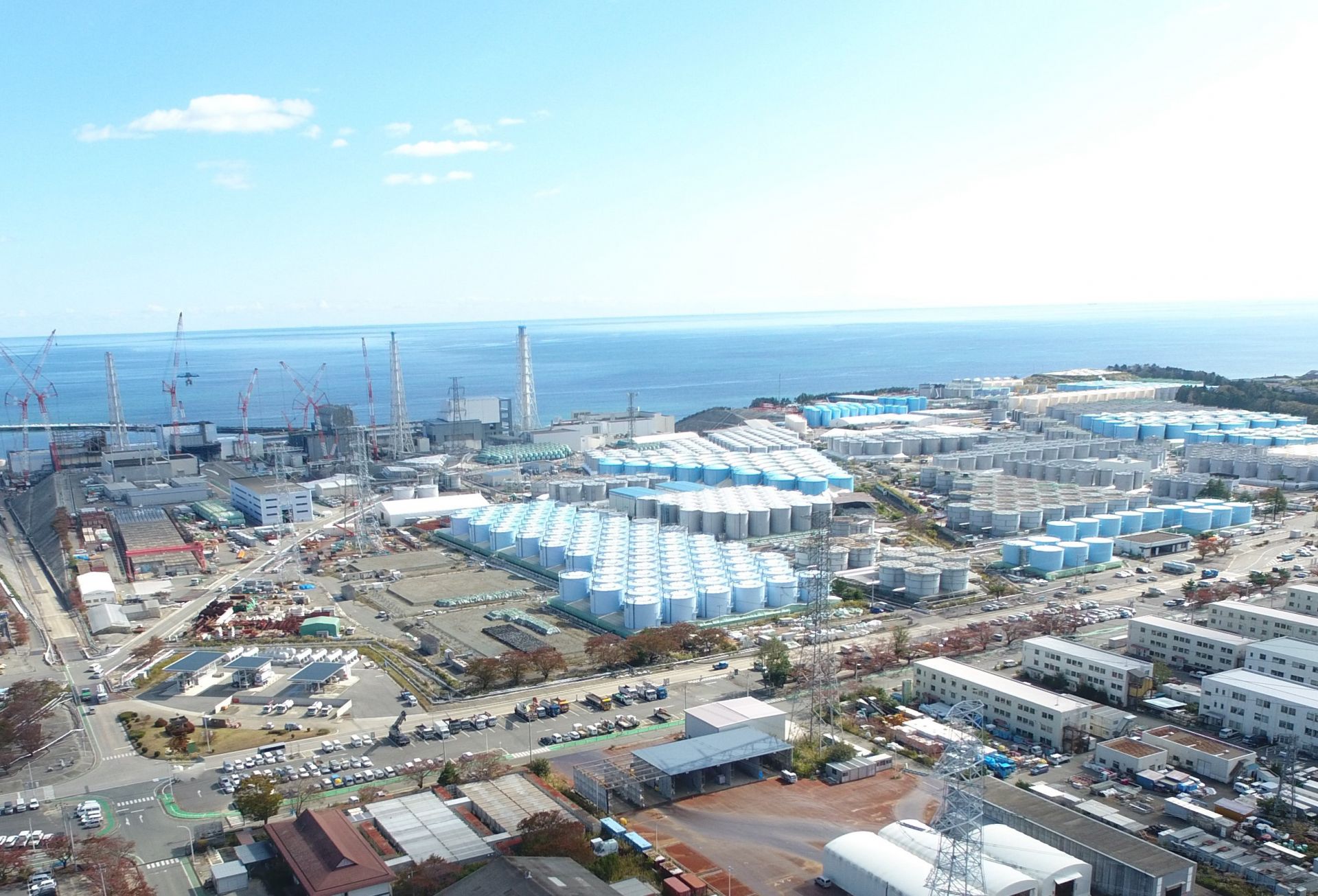
March 1, 2021, 3:01PMUpdated August 25, 2023, 3:21PMNuclear NewsJohn Fabian The Fukushima Daiichi nuclear power station site. Image: Courtesy of TEPCO.
Earlier this week, Japan announced its intention to move ahead with its plan to discharge re-treated, diluted tritiated wastewater from the damaged Fukushima Daiichi Nuclear Power Plant into the ocean. This plan has been a topic of discussion--and for many a source of contention--since 2013. After a decade of talks, and with the endorsement of nuclear scientists, experts, and organizations around the globe, the time has come to act. By following safety standards in place and endorsed by the IAEA, the release of wastewater will pose no threat to the public or the environment.
The article below was originally published in the March 2021 issue of Nuclear News. (Also included in that issue is a great review article from Lake Barrett outlining the current status of the decontamination and decommissioning going on at Fukushima .) That month marked 10 years since the Tōhoku earthquake and tsunami devastated Japan and crippled the Fukushima plant. The words that follow remain timely, since various news outlets continue to report on the dangers of Fukushima's wastewater without providing context to the Japanese plan to discharge it.
A photo from 2021 of the Fukushima nuclear power station with the more than 1,000 water storage tanks on site. (Photo: TEPCO)
We’ve all seen the headlines such as “Should Japan Dump Fukushima's Radioactive Water into the Ocean?” along with “Japan Set to Pour Fukushima Waste into Pacific, Irking China” and “Japan Is Slowly but Surely Releasing Wastewater from the Fukushima Nuclear Plant into the Pacific Ocean.” The most recent spate of fearmongering was triggered by the IAEA’s July 4 announcement that the agency had finished its independent assessment of Japan’s plans to release the treated wastewater stored at the Fukushima Daiichi nuclear power station and found the plan “consistent with IAEA Safety Standards.”
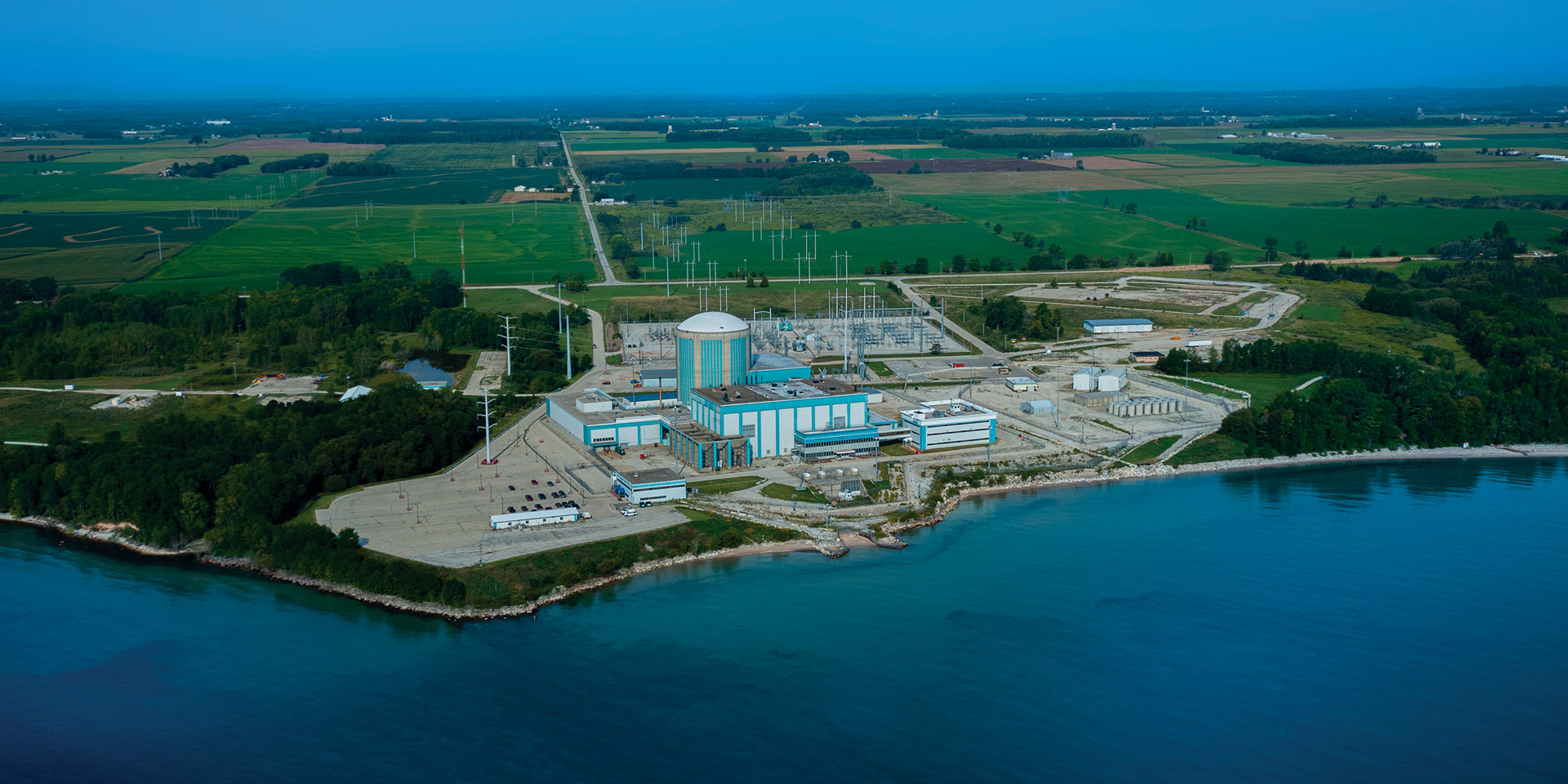
EnergySolutions is to explore options for building new nuclear facilities at company-owned sites, such as Wisconsin’s Kewaunee site, currently being decommissioned.
Utah-based decommissioning company EnergySolutions has entered the early phases of exploring the possible use of former nuclear sites acquired by the company, such as the closed Kewaunee nuclear power plant in Wisconsin, as potential locations for future new nuclear generation sites.
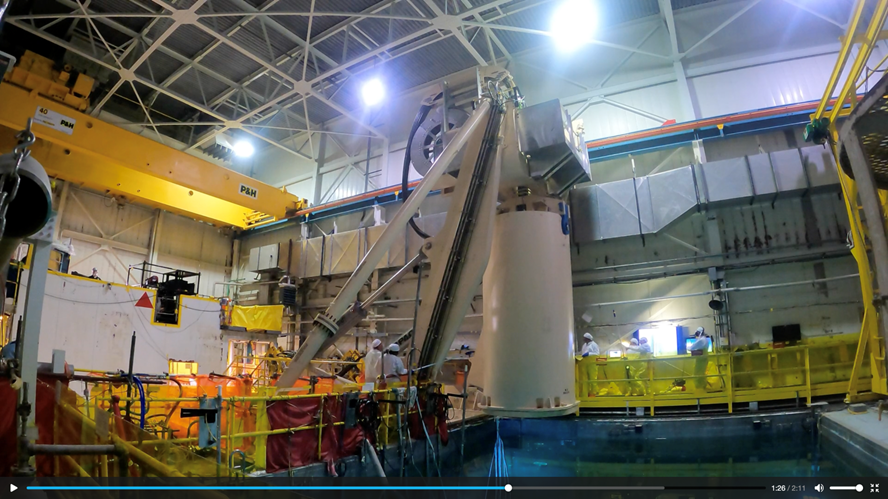
The Holtec HI-LIFT at Indian Point-3. (Image: Holtec)
Holtec International has said its patented HI-LIFT crane technology, being installed at the Indian Point-3 nuclear power plant, will speed the defueling of the spent nuclear fuel pool and avoid millions in excess decommissioning costs.

-3 2x1.jpg)

.jpg)

.jpg)