DOE, NNSA select partners for AI supercomputers
The Department of Energy, Argonne National Laboratory, NVIDIA, and Oracle have agreed to a public-private partnership to deliver the DOE’s largest AI supercomputers, named Solstice and Equinox.
Published since 1959, Nuclear News is recognized worldwide as the flagship trade publication for the nuclear community. News reports cover plant operations, maintenance and security; policy and legislation; international developments; waste management and fuel; and business and contract award news.
-3 2x1.jpg)
A message from Curtiss-Wright
High-Temperature neutron flux detectors for Generation IV reactors and SMRs
The Department of Energy, Argonne National Laboratory, NVIDIA, and Oracle have agreed to a public-private partnership to deliver the DOE’s largest AI supercomputers, named Solstice and Equinox.
Australia-based Clarity Pharmaceuticals, a clinical-stage radiopharmaceutical company, has signed a supply agreement for copper-67 with Nusano, Inc., headquartered in California. Nusano produces radioisotopes for medical, commercial, and industrial applications.

Lee

Summers
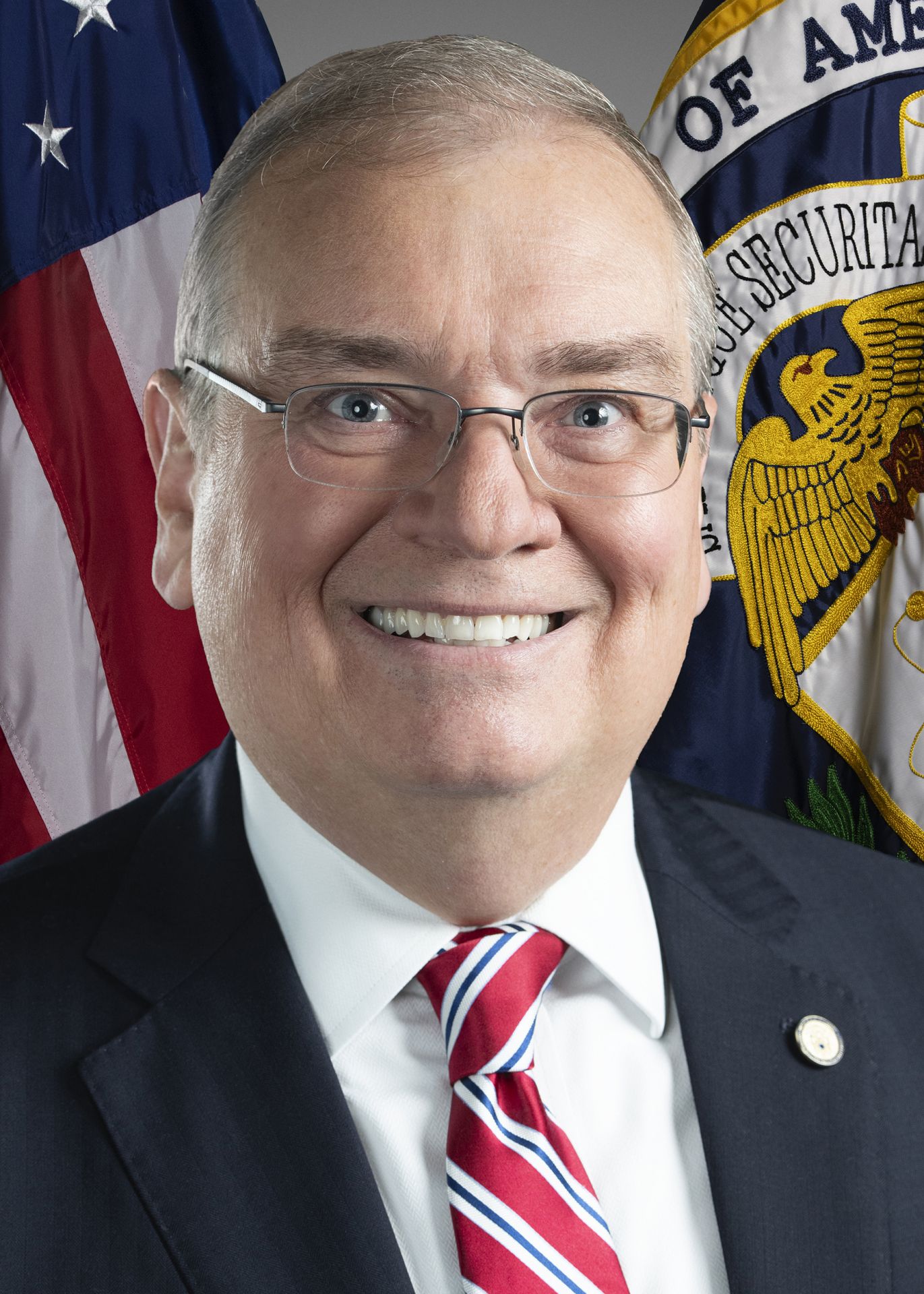
The Defense Nuclear Facilities Safety Board, the independent agency responsible for ensuring that Department of Energy facilities are protective of public health and safety, announced that the board’s acting chairman, Thomas Summers, has concluded his service with the agency, having completed his second term as a board member on October 18.
Summers’ departure leaves Patricia Lee, who joined the DNFSB after being confirmed by the Senate in July 2024, as the board’s only remaining member and acting chair. Lee’s DNFSB board term ends in October 2027.

Nieh
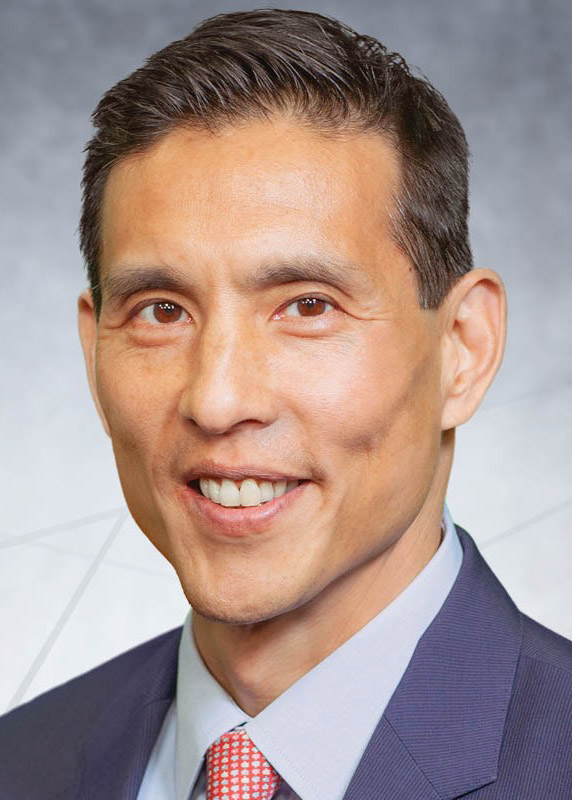
Ho Nieh, the Trump administration’s nominee to be a member of the Nuclear Regulatory Commission, and four new board members of the Tennessee Valley Authority were approved in a vote today by the Senate Environment and Public Works Committee and head to the Senate floor for a final vote.
The committee also voted to advance to the Senate floor the Nuclear REFUEL Act of 2025 (S. 2082), which would smooth the regulatory pathway for recycling used nuclear fuel.
President Donald nominated Nieh on July 30 to serve as NRC commissioner for the remainder of a term set to expire June 30, 2029, which was held by former NRC commissioner Chris Hanson, who Trump fired in June.

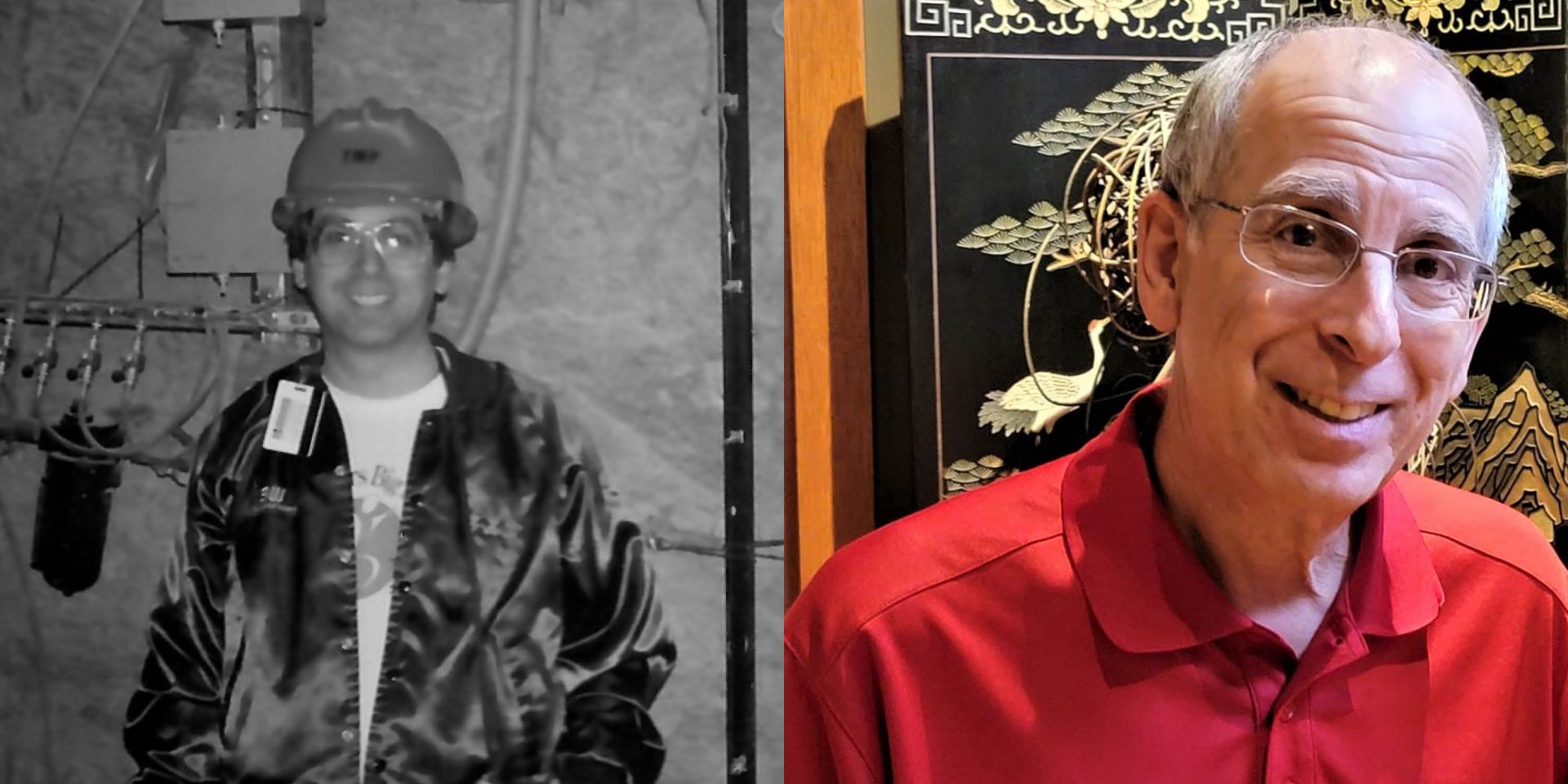
Levinson early in his career and today.
As a member of the American Nuclear Society, I have been to many conferences. The International Conference on Probabilistic Safety Assessment and Analysis (PSA ’25), embedded in ANS Annual Meeting in Chicago in June, held special significance for me with the PSA ’25 opening plenary session recognizing the 50th anniversary of the publication of WASH-1400, which helped define my career. Reflecting on that milestone sent me back to 1975, when I was just an undergraduate student studying nuclear engineering at Rensselaer Polytechnic Institute (RPI) in Troy, N.Y., focusing on my mechanics, fluids, and thermodynamic classes as well as my first set of nuclear engineering classes. At that time—and many times since—the question “Why nuclear engineering?” was raised.

Helical Fusion, a Japan-based fusion start-up that is developing a stellarator fusion power reactor, has announced it has successfully demonstrated its high-temperature superconducting (HTS) coil under relevant magnetic conditions.
A video highlighting the stellarator’s technology testing can be found here.

A day anticipated by many across the nuclear community has finally arrived: NextEra Energy has officially announced its plans to restart Iowa’s only nuclear power plant, the Duane Arnold Energy Center.

The U.S. government has signed an $80 billion deal with Westinghouse Electric Company to build large-scale nuclear reactors to support growing electricity demand from artificial intelligence.
British Columbia, Canada–based Anfield Energy has scheduled a ground-breaking ceremony on November 6 at its Velvet Wood uranium and vanadium mine, located in southeastern Utah’s Lisbon Valley. According to Anfield CEO Corey Dias, it will be “more than a ground breaking—it’s a bold declaration of Anfield’s readiness to help fuel the American nuclear renaissance.”

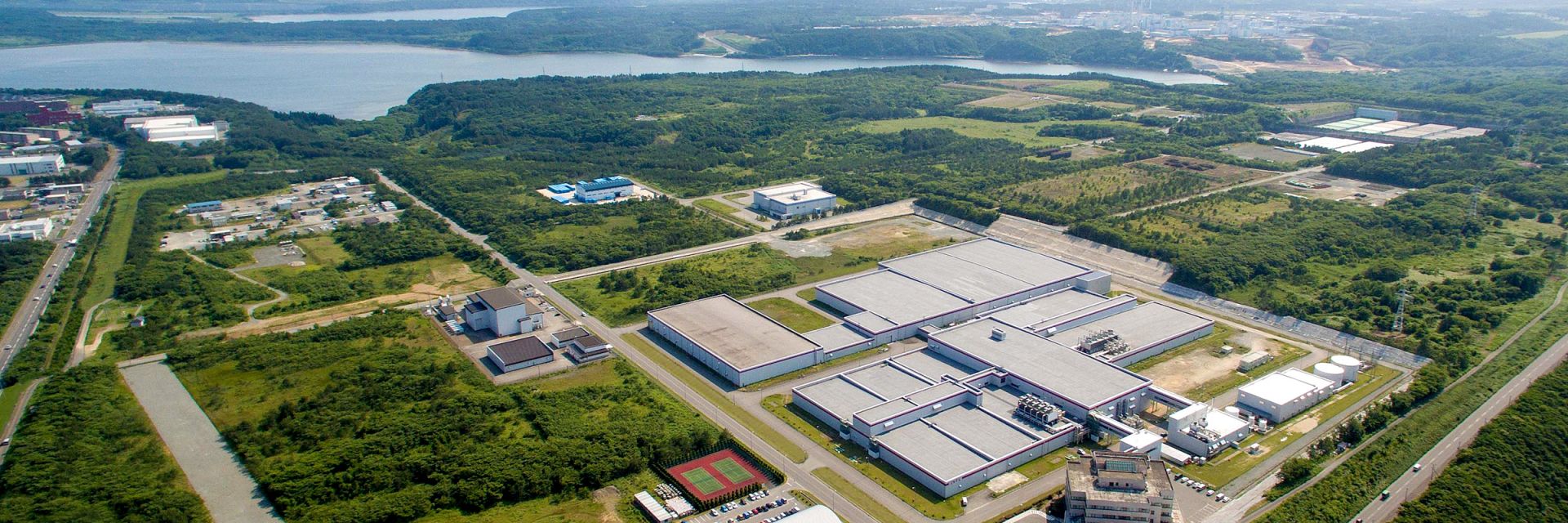
President Trump is in Japan today, with a visit with new Prime Minister Sanae Takaichi on the agenda. Takaichi, who took office just last week as Japan’s first female prime minister, has already spoken in favor of nuclear energy and of accelerating the restart of Japan’s long-shuttered power reactors, as Reuters and others have reported. Much of the uranium to power those reactors will be enriched at Japan’s lone enrichment facility—part of Japan Nuclear Fuel Ltd.’s Rokkasho fuel complex—which accepted its first delivery of fresh uranium hexafluoride (UF₆) in 11 years earlier this month.
Two bills were introduced in the last several weeks aiming to address nuclear power at the end of life—decommissioning plants and recycling used fuel.
The Department of Energy has a plan for private companies to “dispose of surplus plutonium”—about 19.7 metric tons in both oxide and metal forms—by “making the materials available for advanced nuclear technologies.” A Surplus Plutonium Utilization Program request for applications (RFA) issued October 21 describes the plutonium on offer, and the “thresholds” prospective applicants must meet.

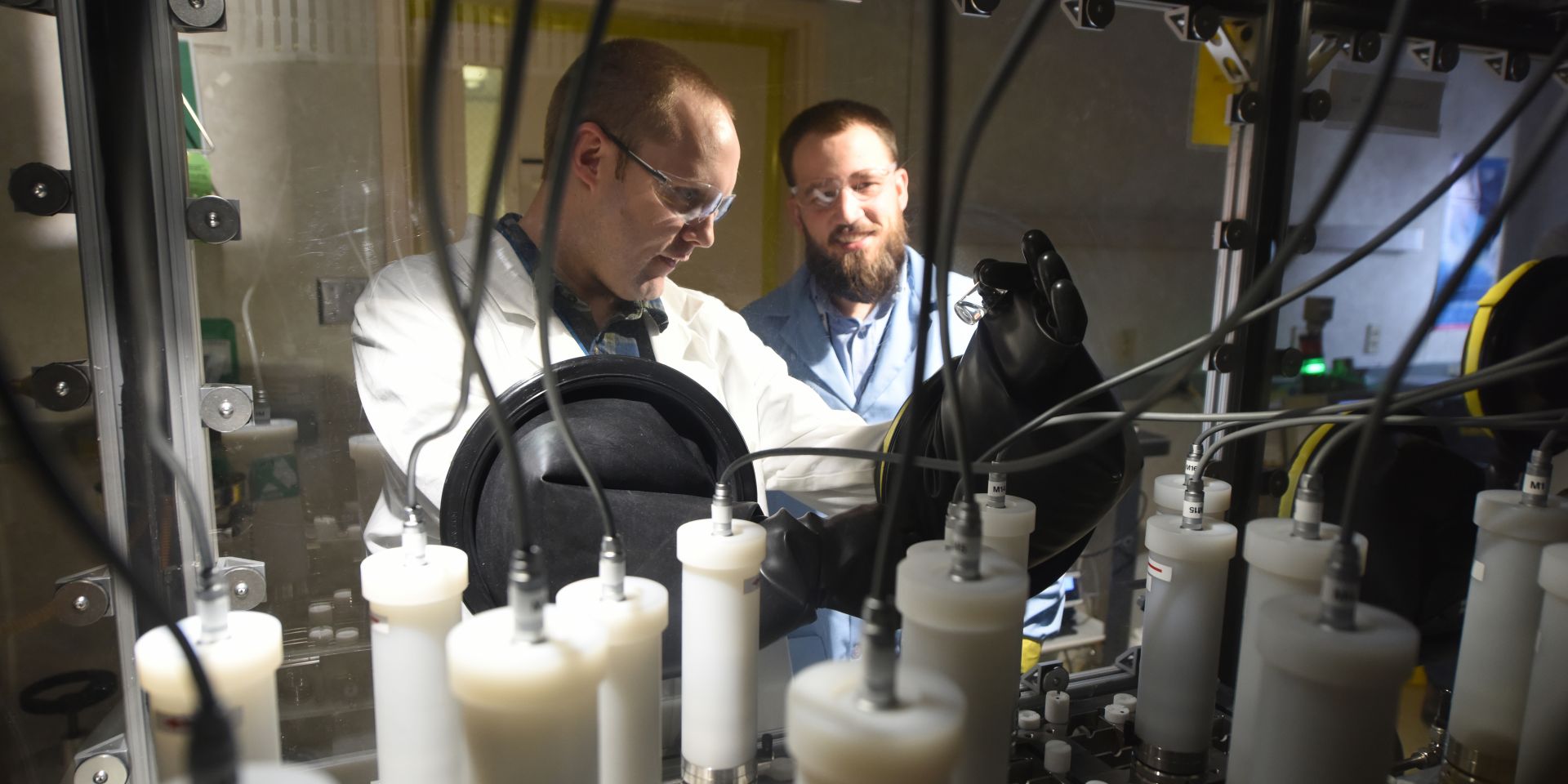
Idaho National Laboratory is playing a key role in helping the U.S. Department of Energy meet near-term needs by recovering HALEU from federal inventories, providing critical support to help lay the foundation for a future commercial HALEU supply chain. INL also supports coordination of broader DOE efforts, from material recovery at the Savannah River Site in South Carolina to commercial enrichment initiatives.

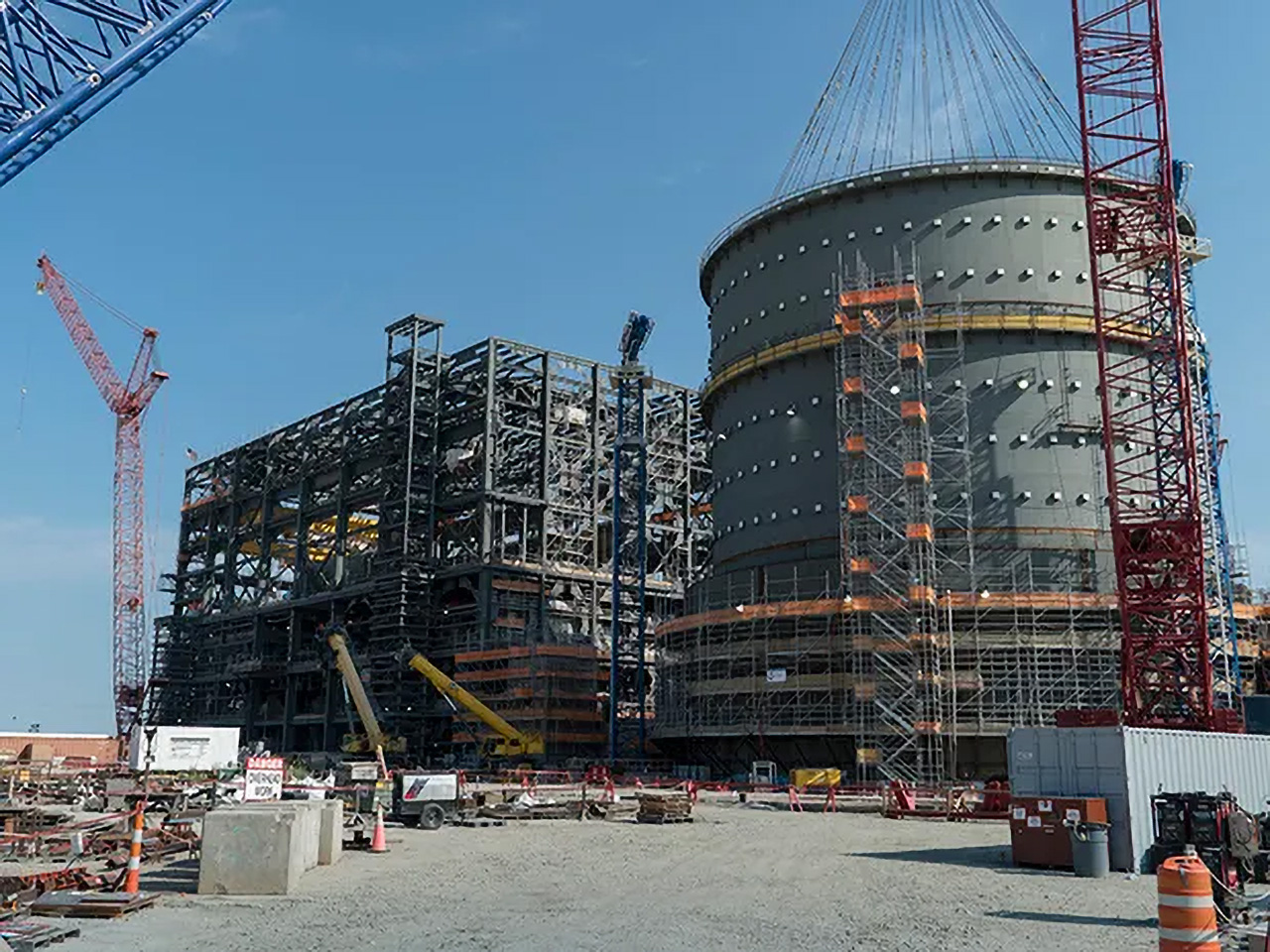
The board of directors of South Carolina’s state-owned utility Santee Cooper voted today to approve the proposal from Brookfield Asset Management to complete two new AP1000 power reactors at the V.C. Summer site in Jenkinsville, S.C.

TerraPower announced that the final environmental impact statement for its Natrium small modular reactor has been completed by the Nuclear Regulatory Commission.

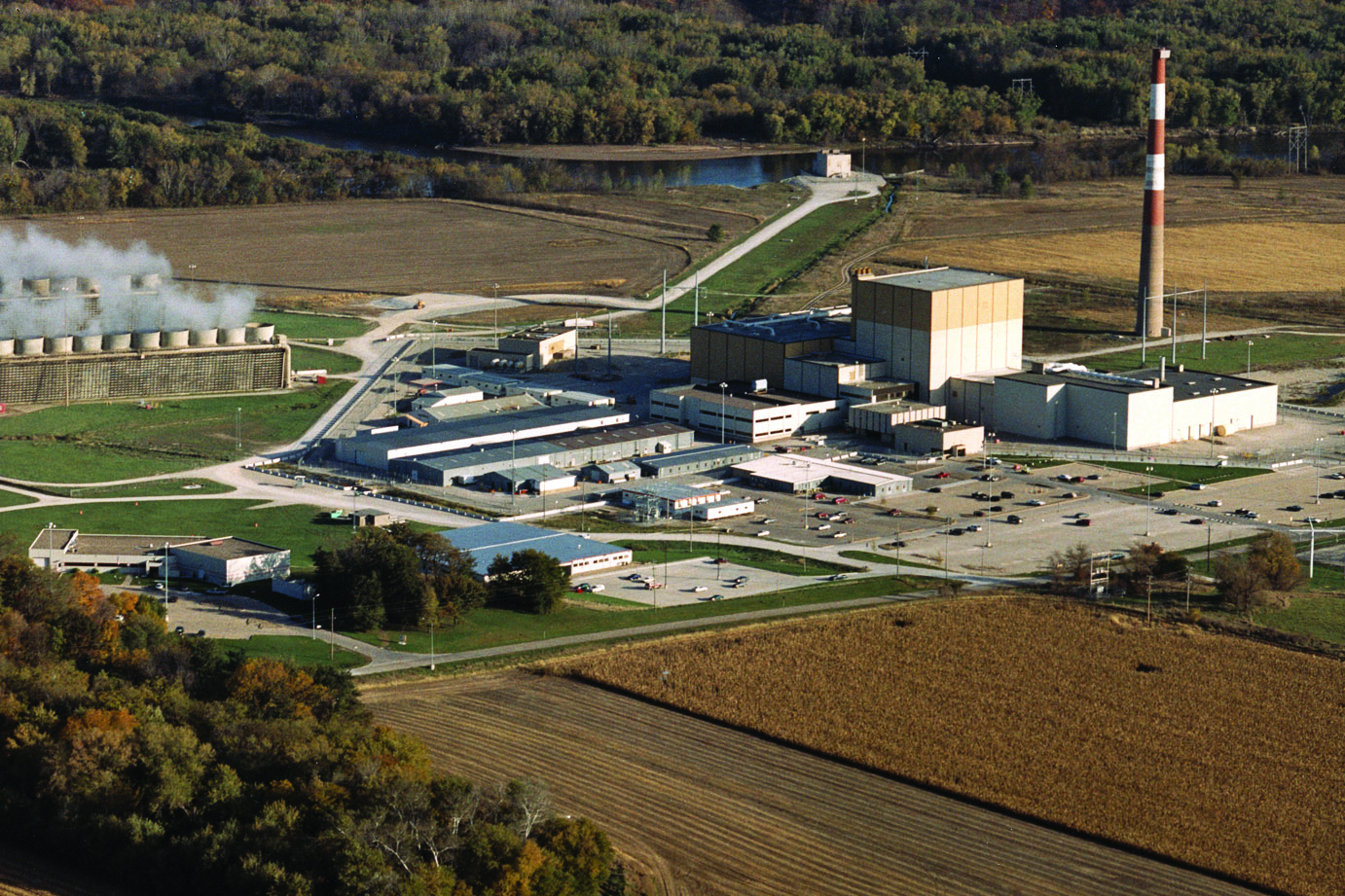
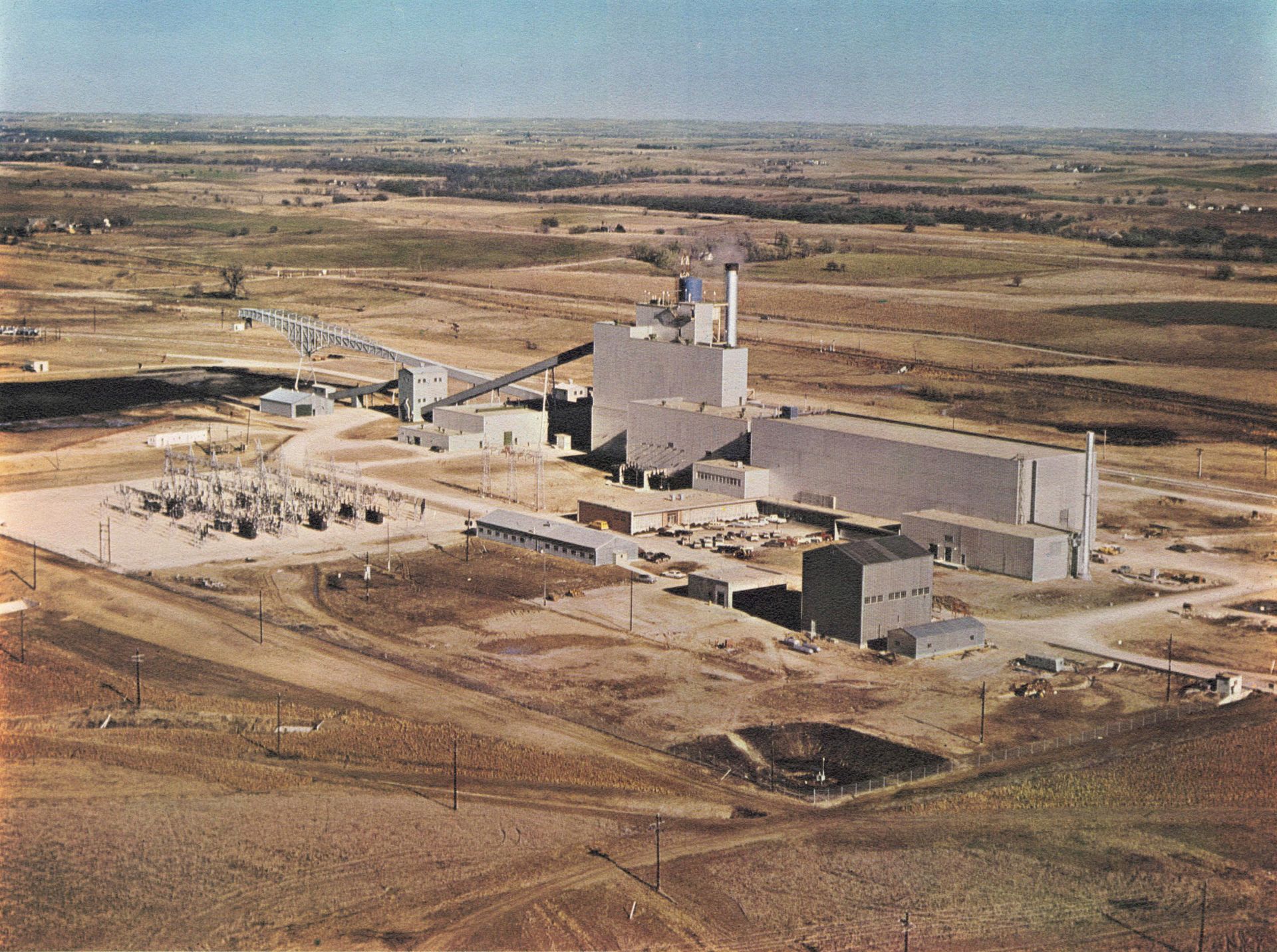
The Hallam nuclear power plant, about 25 miles southwest of Lincoln, Neb., was an important part of the Atomic Energy Commission’s Reactor Power Demonstration Program. But in the end, it operated for only 6,271 hours and generated about 192.5 million kilowatt-hours of electric power during its short, 15-month life.

Four nominees to serve on the Tennessee Valley Authority Board of Directors told the Senate Environment and Public Works Committee that they support the build-out of new advanced nuclear reactors to meet the increased energy demand being shouldered by the country’s largest public utility.
The Canadian provinces of Alberta and Saskatchewan were the subject of two different announcements yesterday about new nuclear developments.
Google DeepMind—Google’s artificial intelligence development subsidiary—recently announced a new partnership with fusion start-up Commonwealth Fusion Systems. The goal of this collaboration is to leverage AI to both advance plasma simulation and discover novel control strategies, ultimately accelerating CFS’s timeline to deliver commercial fusion to the grid.
After nearly three weeks of a government shutdown, the Department of Energy’s National Nuclear Security Administration has furloughed 1,400 employees and has retained 400 as essential employees who will continue working without pay.