Westinghouse signs $80B contract to meet AI demand

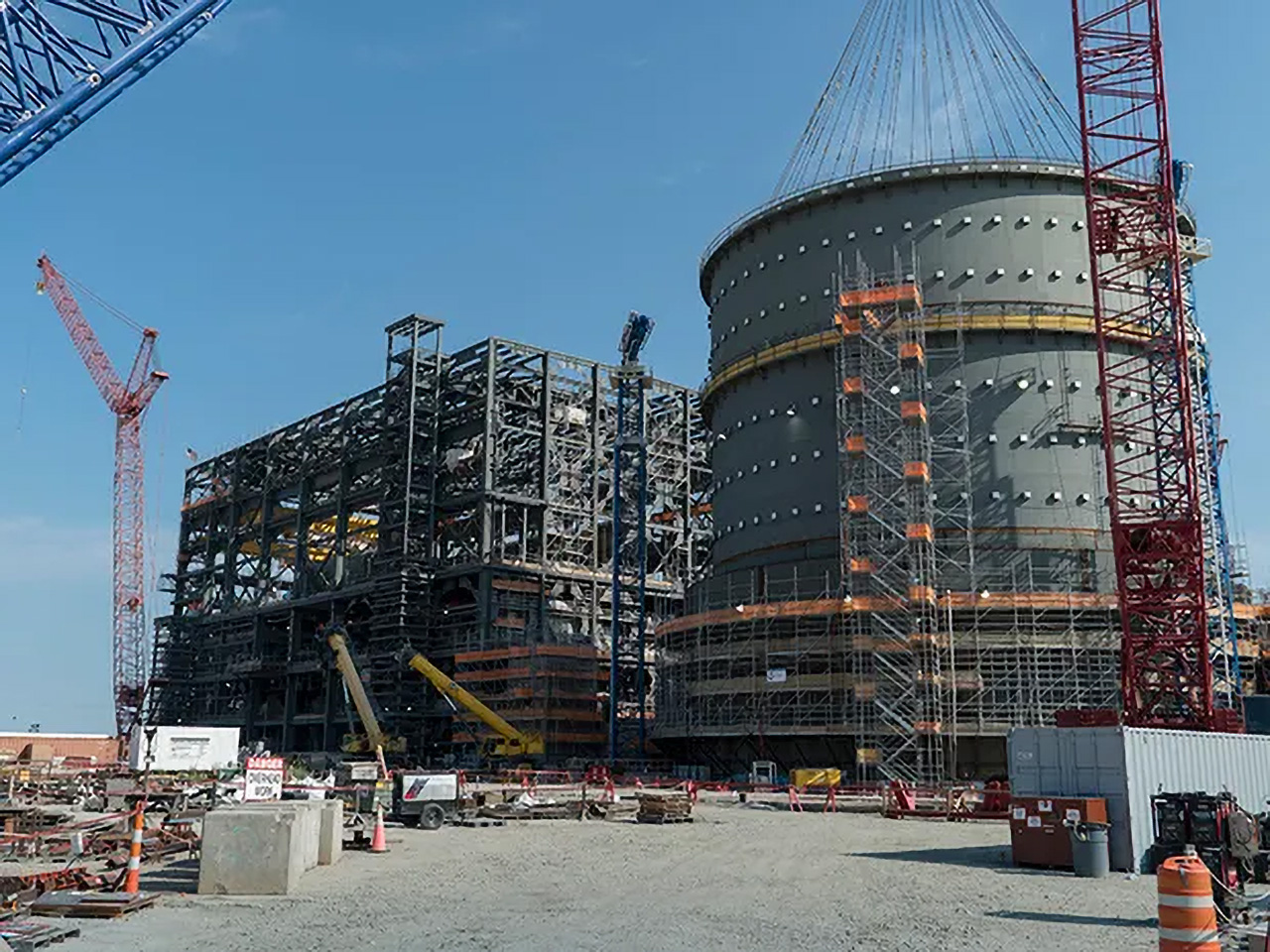
The U.S. government has signed an $80 billion deal with Westinghouse Electric Company to build large-scale nuclear reactors to support growing electricity demand from artificial intelligence.
Published since 1959, Nuclear News is recognized worldwide as the flagship trade publication for the nuclear community. News reports cover plant operations, maintenance and security; policy and legislation; international developments; waste management and fuel; and business and contract award news.

A message from Goodway Technologies Corporation
Delivering Massive Efficiency (and Bottom-Line) Gains Through Chemical Descaling

The U.S. government has signed an $80 billion deal with Westinghouse Electric Company to build large-scale nuclear reactors to support growing electricity demand from artificial intelligence.
British Columbia, Canada–based Anfield Energy has scheduled a ground-breaking ceremony on November 6 at its Velvet Wood uranium and vanadium mine, located in southeastern Utah’s Lisbon Valley. According to Anfield CEO Corey Dias, it will be “more than a ground breaking—it’s a bold declaration of Anfield’s readiness to help fuel the American nuclear renaissance.”

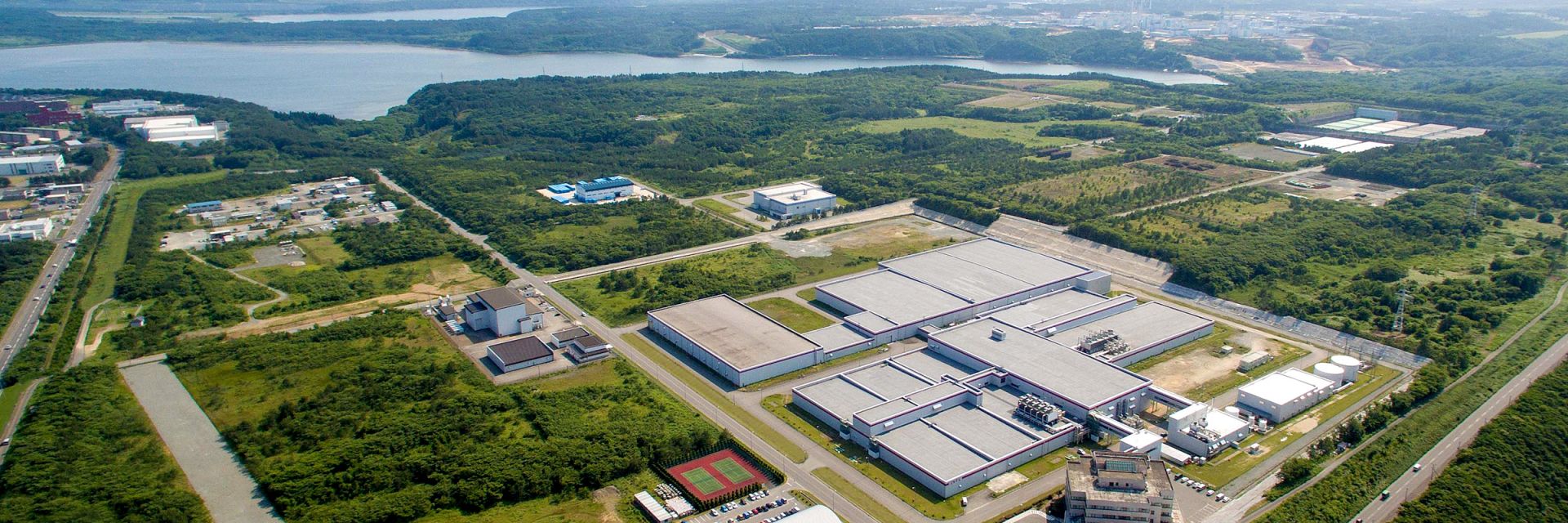
President Trump is in Japan today, with a visit with new Prime Minister Sanae Takaichi on the agenda. Takaichi, who took office just last week as Japan’s first female prime minister, has already spoken in favor of nuclear energy and of accelerating the restart of Japan’s long-shuttered power reactors, as Reuters and others have reported. Much of the uranium to power those reactors will be enriched at Japan’s lone enrichment facility—part of Japan Nuclear Fuel Ltd.’s Rokkasho fuel complex—which accepted its first delivery of fresh uranium hexafluoride (UF₆) in 11 years earlier this month.
Two bills were introduced in the last several weeks aiming to address nuclear power at the end of life—decommissioning plants and recycling used fuel.
The Department of Energy has a plan for private companies to “dispose of surplus plutonium”—about 19.7 metric tons in both oxide and metal forms—by “making the materials available for advanced nuclear technologies.” A Surplus Plutonium Utilization Program request for applications (RFA) issued October 21 describes the plutonium on offer, and the “thresholds” prospective applicants must meet.

Idaho National Laboratory is playing a key role in helping the U.S. Department of Energy meet near-term needs by recovering HALEU from federal inventories, providing critical support to help lay the foundation for a future commercial HALEU supply chain. INL also supports coordination of broader DOE efforts, from material recovery at the Savannah River Site in South Carolina to commercial enrichment initiatives.

The board of directors of South Carolina’s state-owned utility Santee Cooper voted today to approve the proposal from Brookfield Asset Management to complete two new AP1000 power reactors at the V.C. Summer site in Jenkinsville, S.C.

TerraPower announced that the final environmental impact statement for its Natrium small modular reactor has been completed by the Nuclear Regulatory Commission.

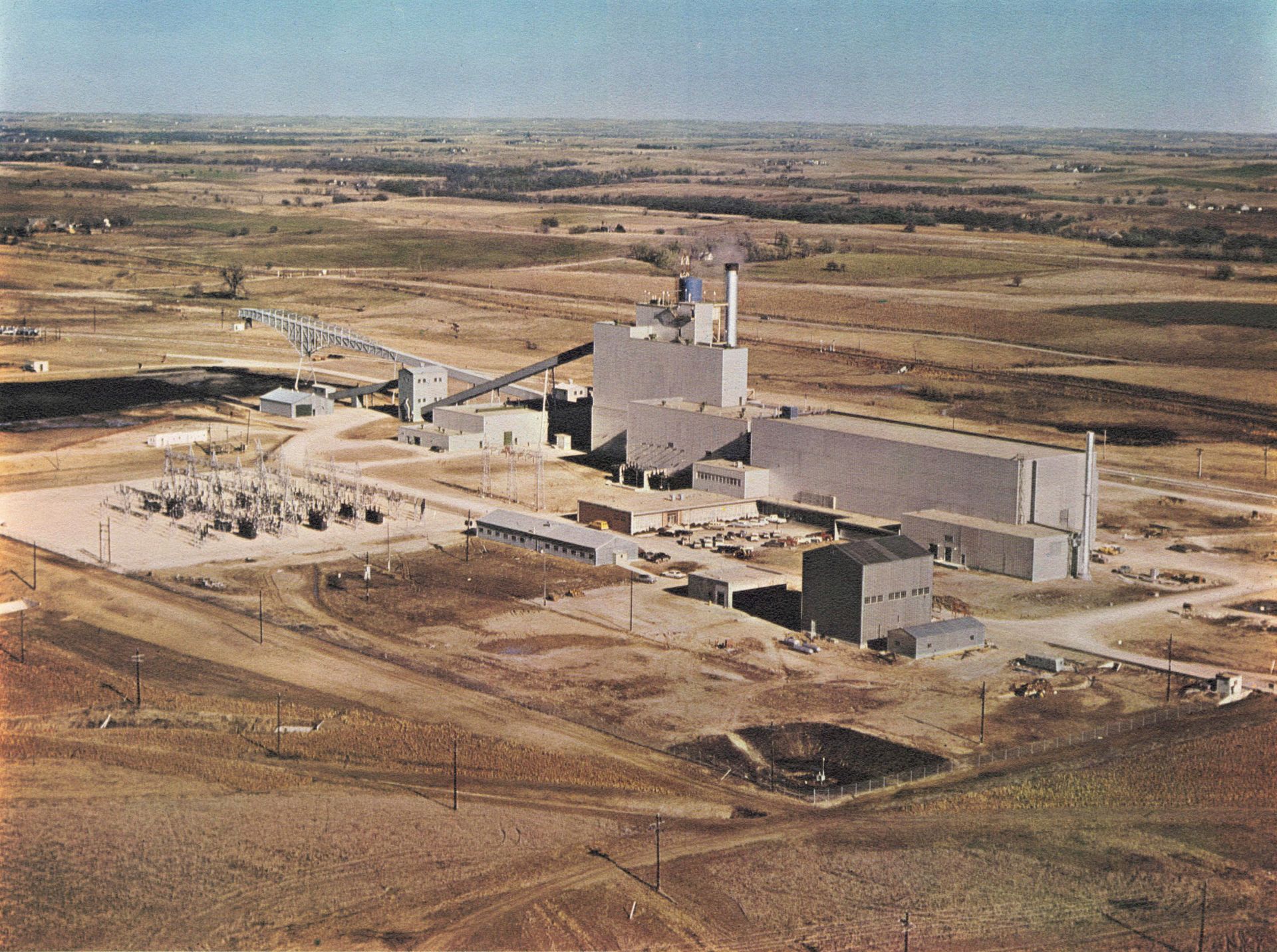
The Hallam nuclear power plant, about 25 miles southwest of Lincoln, Neb., was an important part of the Atomic Energy Commission’s Reactor Power Demonstration Program. But in the end, it operated for only 6,271 hours and generated about 192.5 million kilowatt-hours of electric power during its short, 15-month life.

Four nominees to serve on the Tennessee Valley Authority Board of Directors told the Senate Environment and Public Works Committee that they support the build-out of new advanced nuclear reactors to meet the increased energy demand being shouldered by the country’s largest public utility.
The Canadian provinces of Alberta and Saskatchewan were the subject of two different announcements yesterday about new nuclear developments.
Google DeepMind—Google’s artificial intelligence development subsidiary—recently announced a new partnership with fusion start-up Commonwealth Fusion Systems. The goal of this collaboration is to leverage AI to both advance plasma simulation and discover novel control strategies, ultimately accelerating CFS’s timeline to deliver commercial fusion to the grid.
After nearly three weeks of a government shutdown, the Department of Energy’s National Nuclear Security Administration has furloughed 1,400 employees and has retained 400 as essential employees who will continue working without pay.

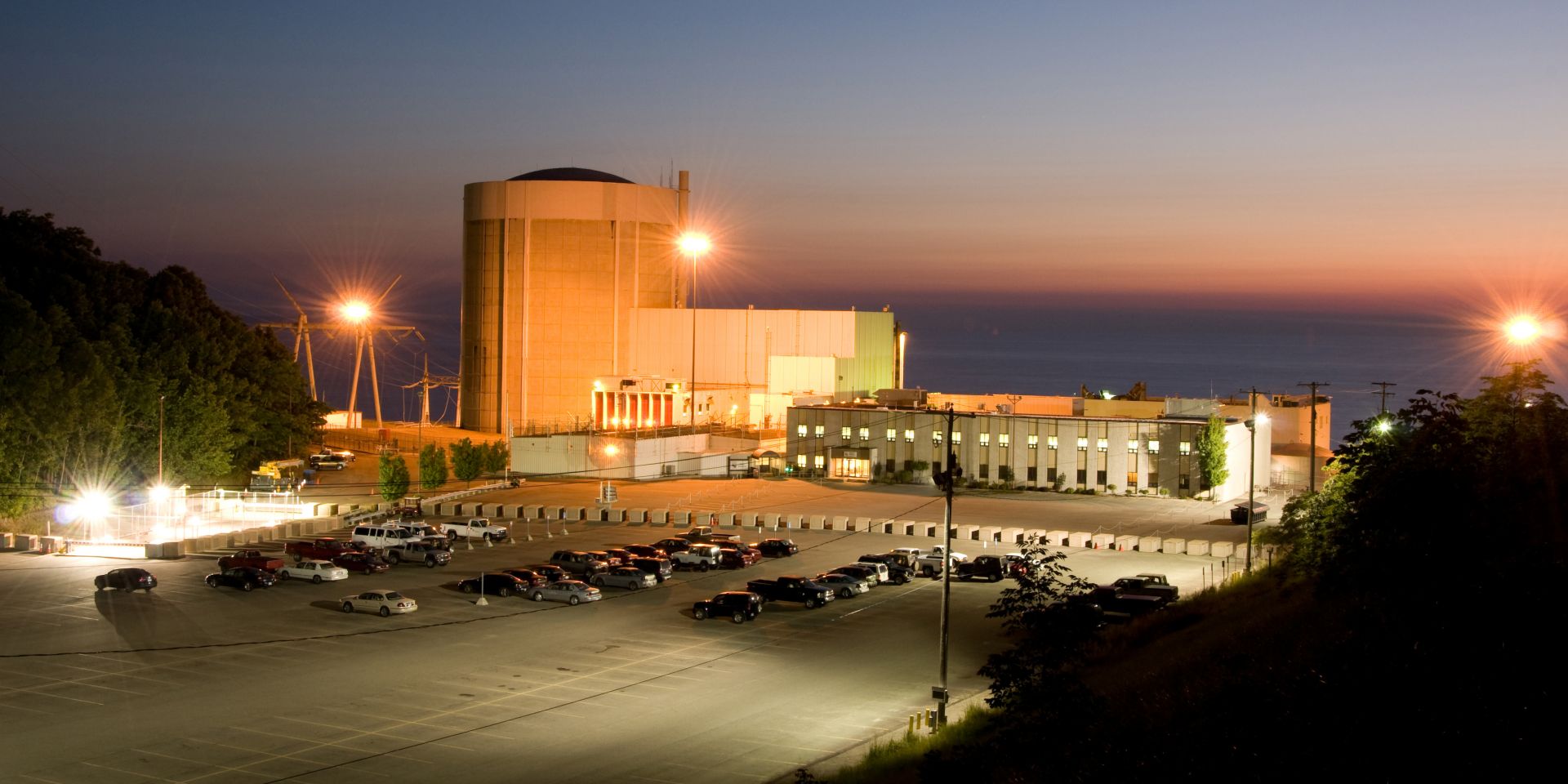
Palisades nuclear power plant has received its first fuel shipment, a key step ahead of its highly anticipated restart by the end of the year.
Located in Covert Township, Mich., Palisades will be the first U.S. nuclear facility to restart after being slated for decommissioning. The Crane Clean Energy Center, formerly Three Mile Island-1, is the next decommissioned nuclear reactor to be resurrected, with an expected restart by 2027.
The University of Texas–Austin has released a report, Cultivating Homegrown Nuclear Talent in Texas: Workforce Development Recommendations for Advanced Nuclear Development, which emphasizes general actions needed for the state to meet the near-term demand for workers in the nuclear industry.
The report was prepared by a group of more than 50 stakeholders from the nuclear power industry, educational institutions, labor groups, and state agencies based on the findings of the 2025 Texas Nuclear Workforce Development Workshop, which was convened at the University of Texas–Austin to align these stakeholders on actionable recommendations.
Three actions: To improve the workforce pipeline, the report recommends the following:

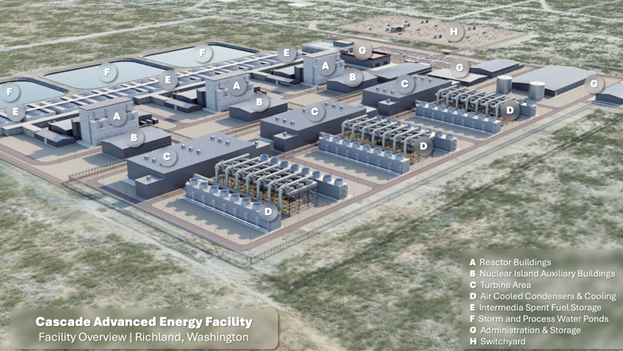
A year ago this month, Amazon led a $500 million investment in X-energy, alongside Citadel founder Ken Griffin, the University of Michigan, and other investors. In addition to that financing, Amazon pledged to support the development of an initial four-unit, 320-MW project with Energy Northwest in Washington state.

Repairs have reportedly started to restore off-site power to Ukraine’s Zaporizhzhia nuclear power plant. About a month ago, the site lost connection to the grid for the 10th time during the Russia-Ukraine military conflict, according to Rafael Mariano Grossi, director general of the International Atomic Energy Agency.
The U.S. Army is moving forward with additional advanced reactor programs—building on multiple military efforts already underway as well as a separate pilot program at the Energy Department.

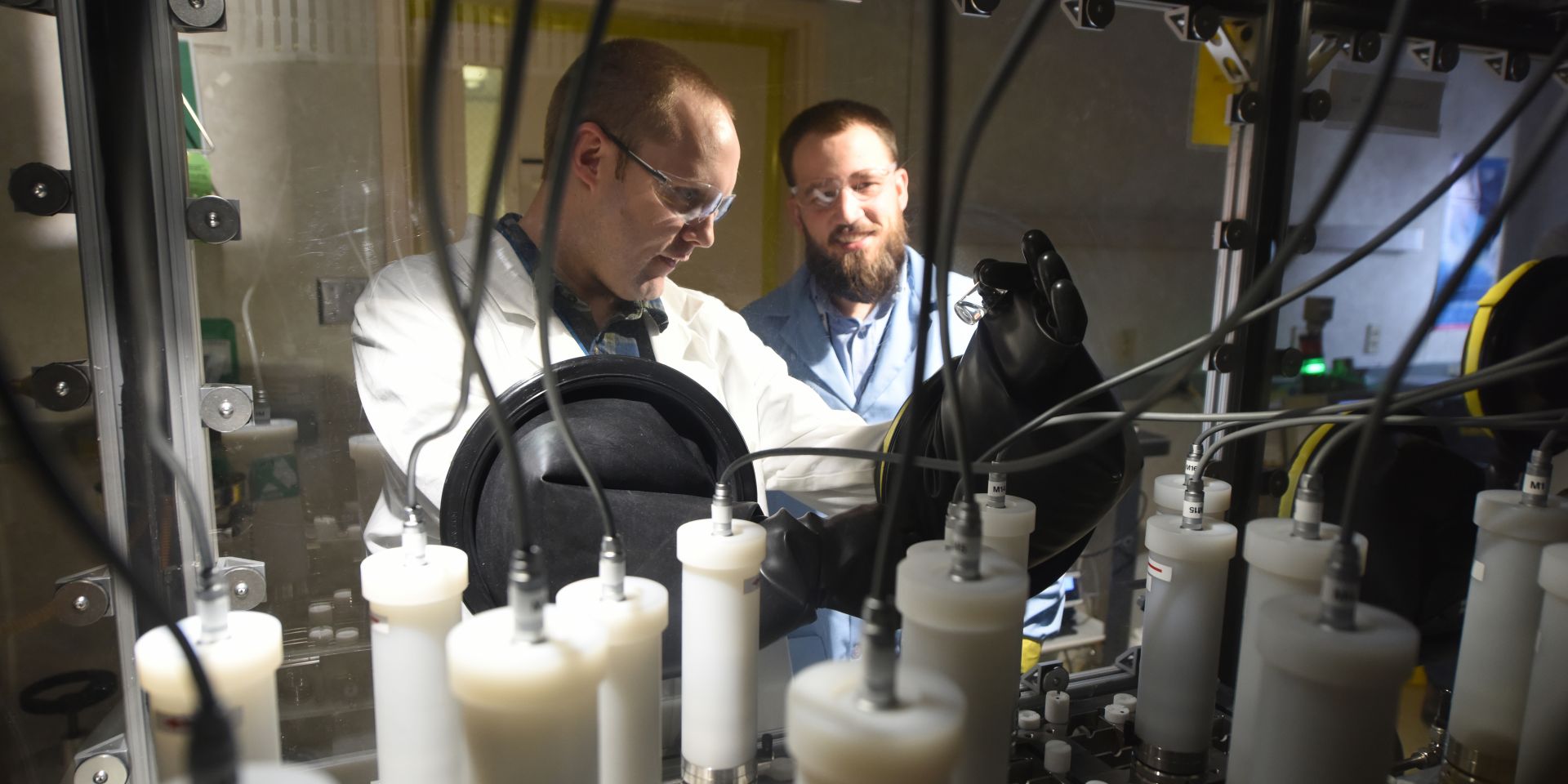
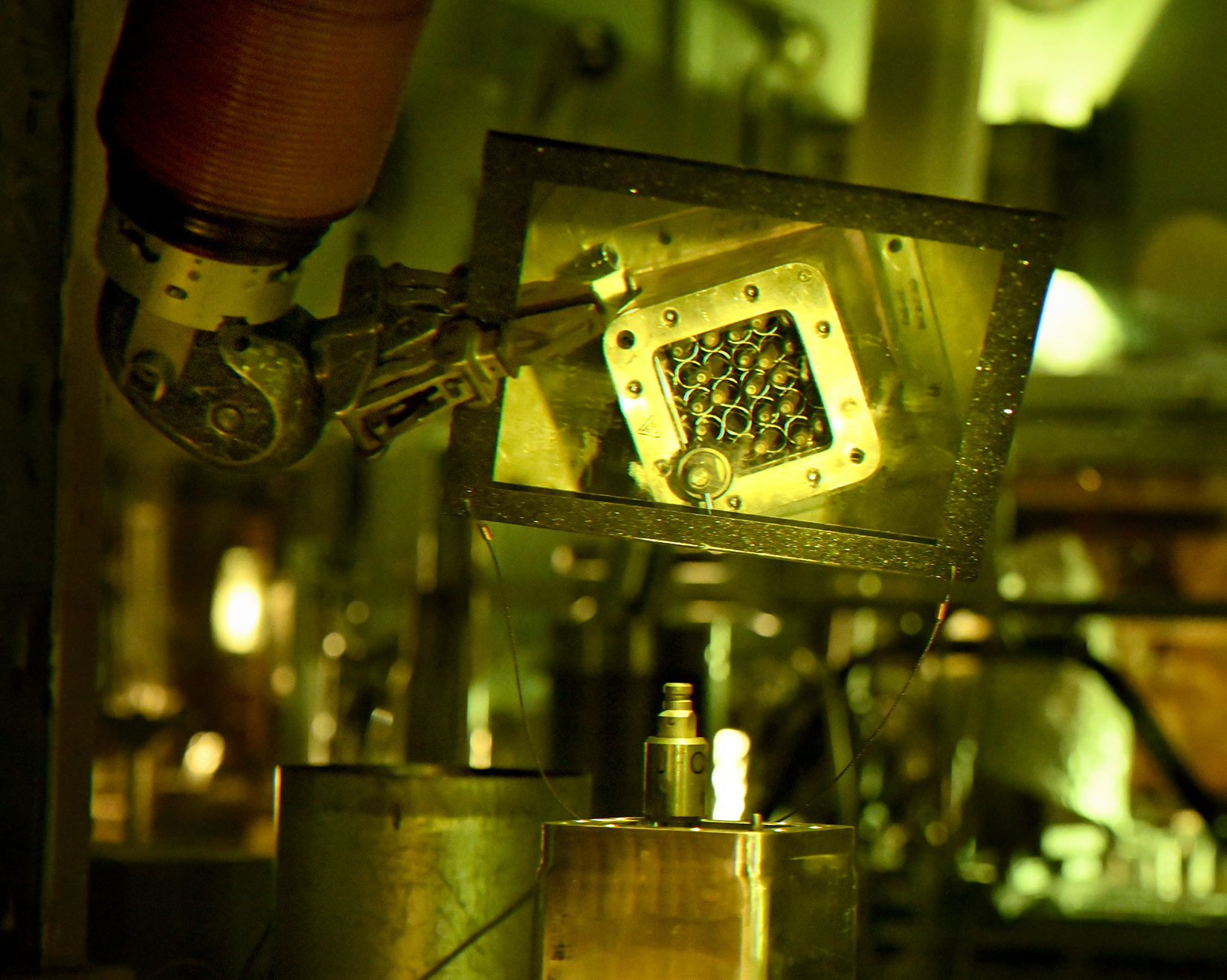
At the Idaho National Laboratory Hot Fuel Examination Facility, containment box operator Jake Maupin moves a manipulator arm into position around a pencil-thin nuclear fuel rod. He is preparing for a procedure that he and his colleagues have practiced repeatedly in anticipation of this moment in the hot cell.

The Department of Energy introduced a Fusion Science & Technology (S&T) Roadmap on October 16 as a national “Build–Innovate–Grow” strategy to develop and commercialize fusion energy by the mid-2030s by aligning public investment and private innovation. Hailed by Darío Gil, the DOE’s new undersecretary for science, as bringing “unprecedented coordination across America's fusion enterprise” and advancing President Trump’s January 2025 executive order, “Unleashing American Energy,” the road map echoes plans issued by the DOE’s Office of Fusion Energy Sciences (FES) in 2023 and 2024, with a new emphasis on the convergence of AI and fusion.
The road map release coincided with other fusion energy events held this week in Washington, D.C., and beyond.