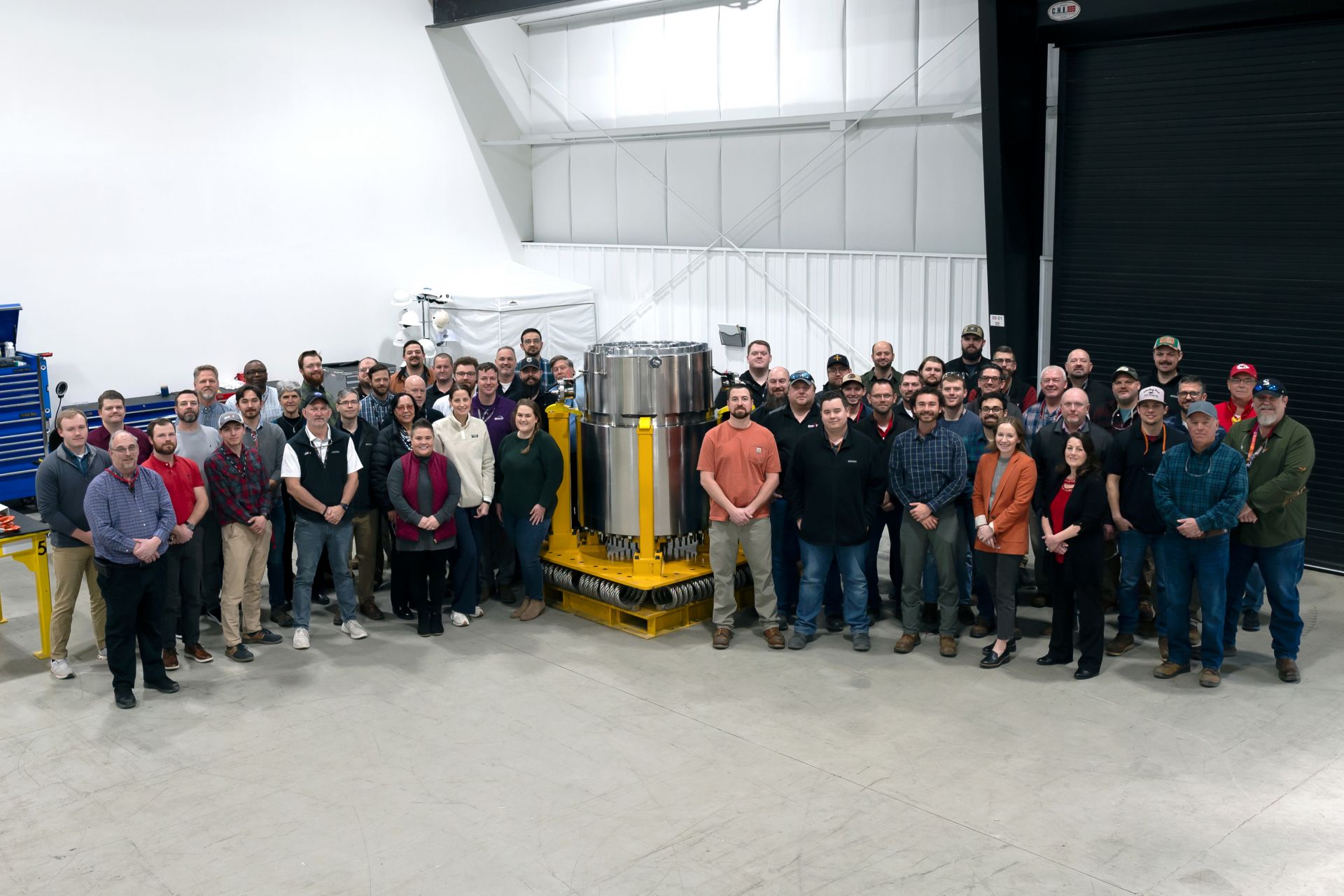
April 24, 2026, 2:59PMNuclear NewsA Nuclear News photo feature Kate Kelly, president of BWXT Advanced Technologies (front row, in orange blazer), stands with the team that designed and built the engineering demonstration unit at the BWXT Innovation Campus in Lynchburg, Va., in January 2025. (Photo: BWXT)
Nuclear rocket propulsion has been investigated for decades, and NASA and the Atomic Energy Commission carried out significant testing in the 1960s as part of the Nuclear Engine for Rocket Vehicle Application program. NERVA chased the potential of the efficiency and energy density of nuclear thermal propulsion to extend our reach to new space frontiers before the program ended in 1973.
Participants in the OECD NEA's International RegLab Joint Project at last fall's workshop in Toronto, Canada. (Photo: OECD Nuclear Energy Agency)
The OECD Nuclear Energy Agency’s International Regulatory Laboratory (RegLab) Project, which brings together experts from across the nuclear field to examine the potential impact of emerging technologies, has released a report on its first cycle that details the outcomes of a RegLab focused on the use of artificial intelligence in real-time monitoring of nuclear power plants.
Participants started out with an initial problem/opportunity statement, from which they developed a use case and a mock safety, security, safeguards, and environmental protection (SSSE) case. Then, over the course of two workshops, participants considered these cases in depth.
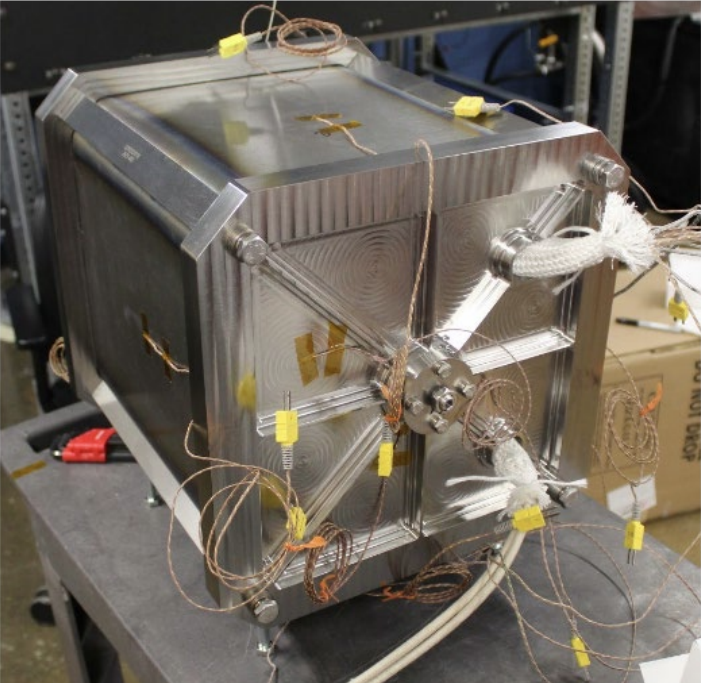
The Harmonia RPS for Artemis Tipping Point's electrical heat source subassembly engineering unit prior to thermal vacuum chamber testing. (Photo: Zeno Power)
Earlier today, Zeno Power announced the completion of the final design review for an americium-241–fueled radioisotope power system (RPS) developed for Harmonia RPS, a NASA Artemis Tipping Point project.
The Harmonia RPS project will now begin the build and fabrication phase. Zeno plans to complete a terrestrial demonstration of an electrically heated system in early 2027 and is aiming for flight qualification for lunar missions beginning in 2028.
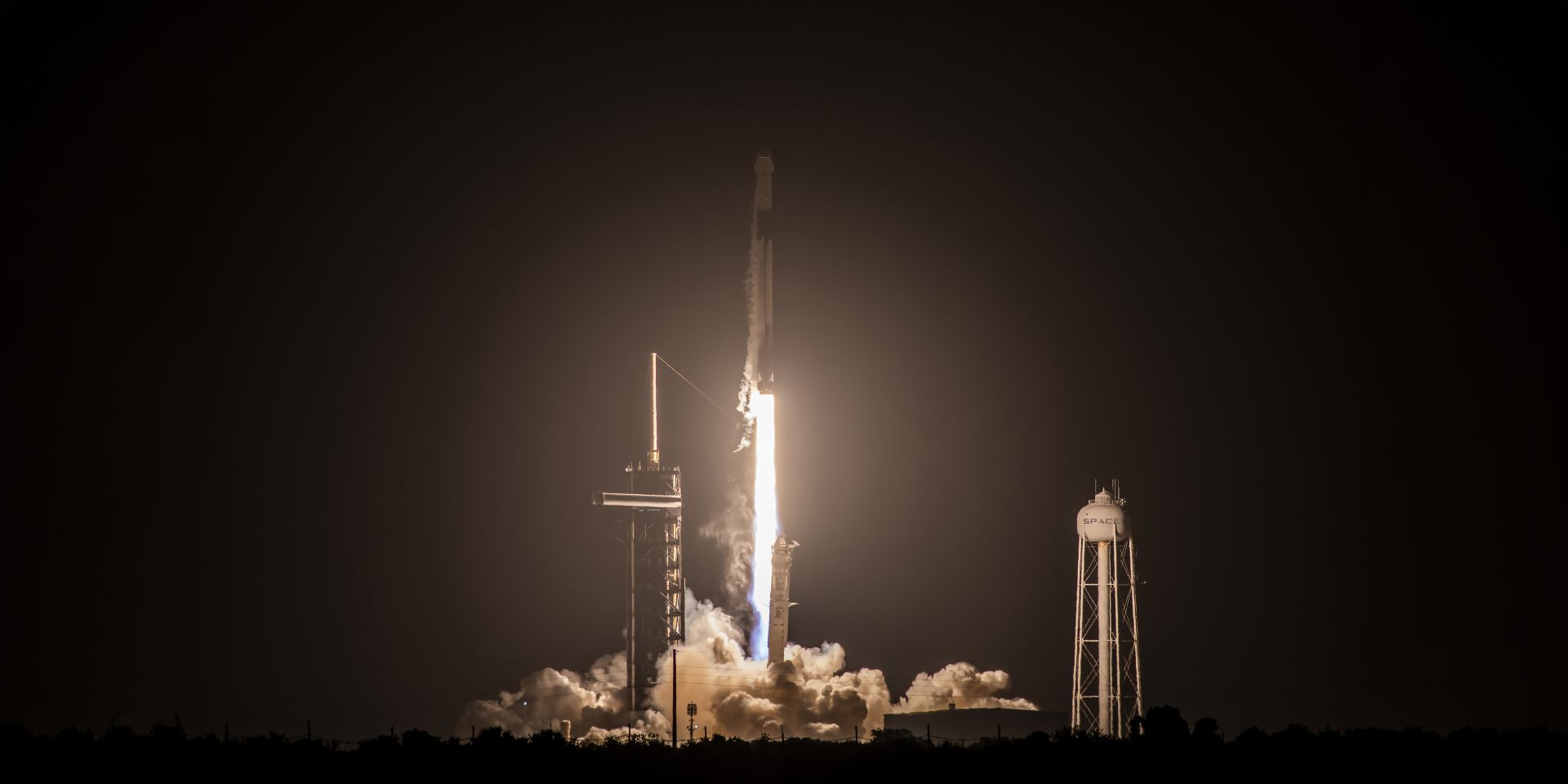
The SpaceX Falcon 9 rocket carrying the Dragon spacecraft lifted off from Launch Complex 39A at NASA’s Kennedy Space Center in Florida on Monday, April 21, 2025, to the ISS. Dragon delivered a variety of science experiments, including novel radiation detection instrumentation. (Photo: NASA)
The predawn darkness on a cool Florida night was shattered by the ignition of nine Merlin engines on a SpaceX Falcon 9 rocket. The thrust of the engines shook the ground miles away. From a distance, the rocket appeared to slowly rise above the horizon. For the cargo onboard, the launch was anything but gentle, as the ignition of liquid oxygen generated more than 1.5 million pounds of force. After the rocket had been out of sight for several minutes, the booster dramatically returned to Earth with several sonic booms in a captivating show of engineering designed to make space travel less expensive and more sustainable.
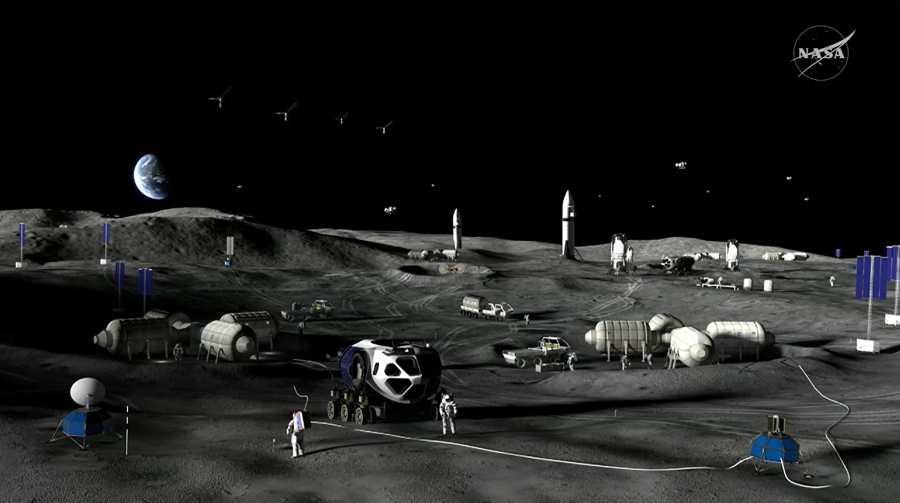
Artist’s concept of Phase 3 of NASA’s Moon Base. (Image: NASA)
A White House Office of Science and Technology Policy (OSTP) memorandum released on Tuesday guides NASA, the Department of Energy, and the Department of Defense on their roles in deploying near-term space nuclear power.
This follows a series of NASA announcements last month—driven by the executive order “Ensuring American Space Superiority,” issued by Trump in December—including an ambitious timeline for establishing a moon base, which would rely on fission surface power (FSP) to survive the long lunar night at the moon’s south pole, and plans for a nuclear electric propulsion (NEP) rocket to be launched in 2028.
This photo of Typhoon Sinlaku over the Mariana Islands is an example of a tropical cyclone—a warm-core, low-pressure system with no attached front and an organized circulation that develops over tropical or subtropical waters. (Photo: NASA)
Scientists at Argonne National Laboratory have published a study evaluating the risk of flooding caused by tropical cyclones on coastal infrastructure, including nuclear power plants. The study, published in npj Natural Hazards, used advanced computer simulations of thousands of cyclone scenarios to make projections of potential damage of extreme storm tides in coastal areas—a threat that is expected to increase as a result of climate change. The researchers stated that their projections could be used to make siting decisions and design more resilient systems for nuclear power plants, hospitals, and other crucial infrastructure.
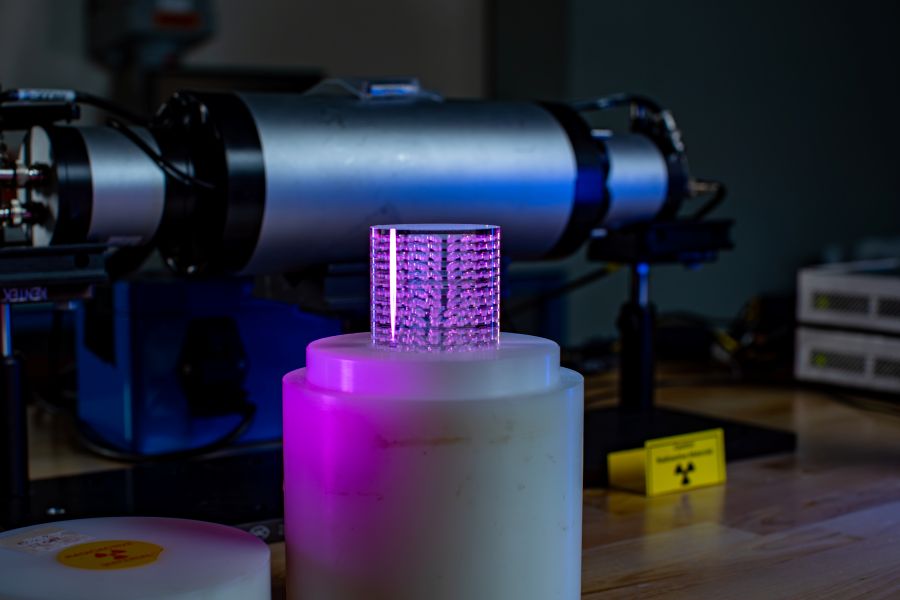
Solid-state composite neutron detector demonstrating the stacked-disk fabrication approach, with neutron-sensitive glass elements embedded in a transparent matrix to enable efficient light transport to the photodetector. (Photo: LANL)
Los Alamos National Laboratory has announced the development of a new type of neutron sensor that works across a wide range of conditions, including in the presence of strong gamma radiation.
The technology is called the Integrated Composite Optical Neutron Sensor (ICONS).
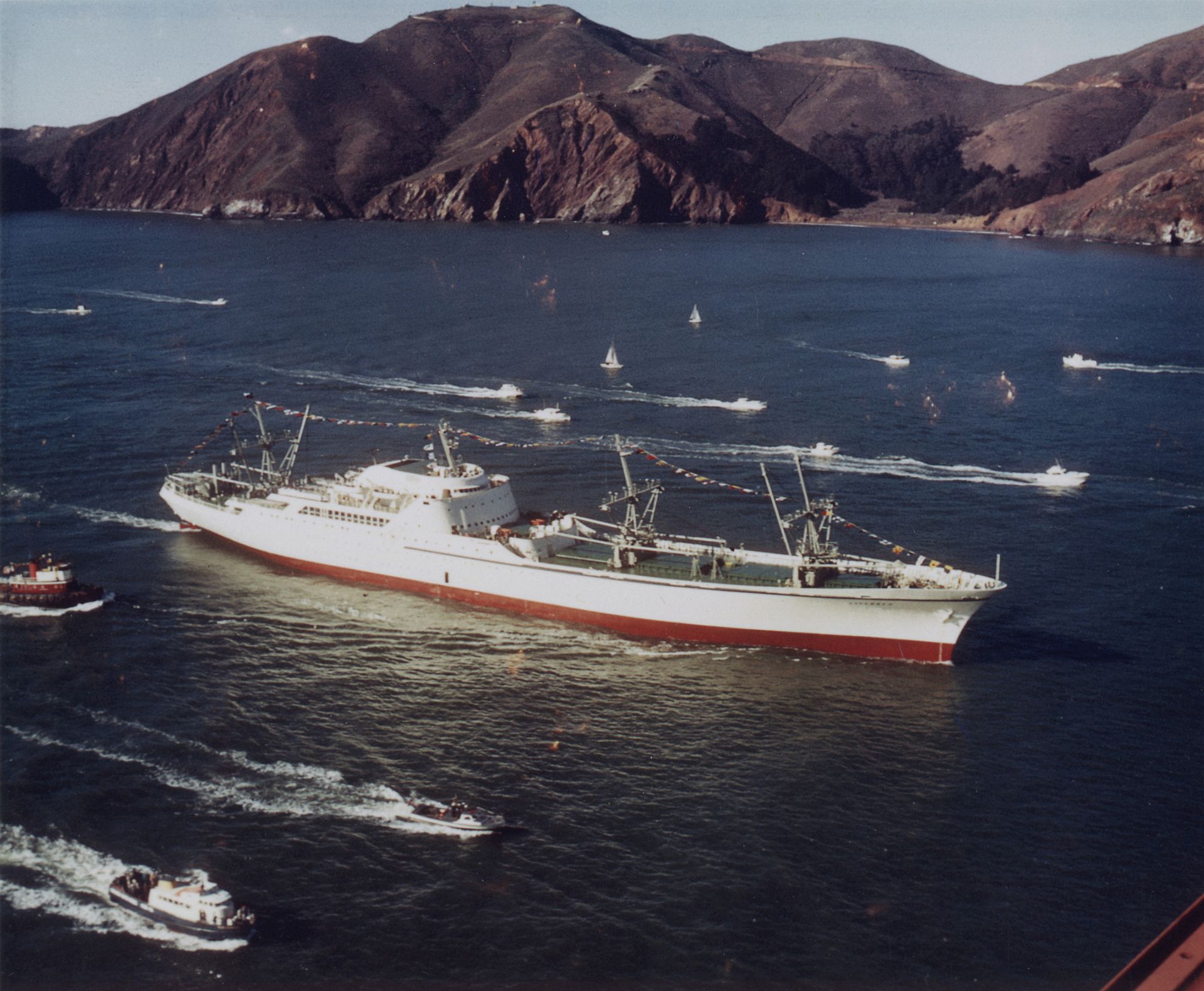
April 10, 2026, 3:53PMNuclear NewsJonathan E. Stephens and Temi J. Adeyeye NS Savannah, a reminder of what is possible. (Photo: U.S. National Archives)
Readers of Nuclear News will have heard of historical applications of civilian maritime nuclear power, like the merchant ship NS Savannah and the USS Sturgis floating power plant. With a few exceptions there has been little action in this area for over 50 years, and there are plenty of reasons and opinions as to why, but over the last few years the dramatic increase in interest from the maritime industry and its stakeholders has been undeniable.
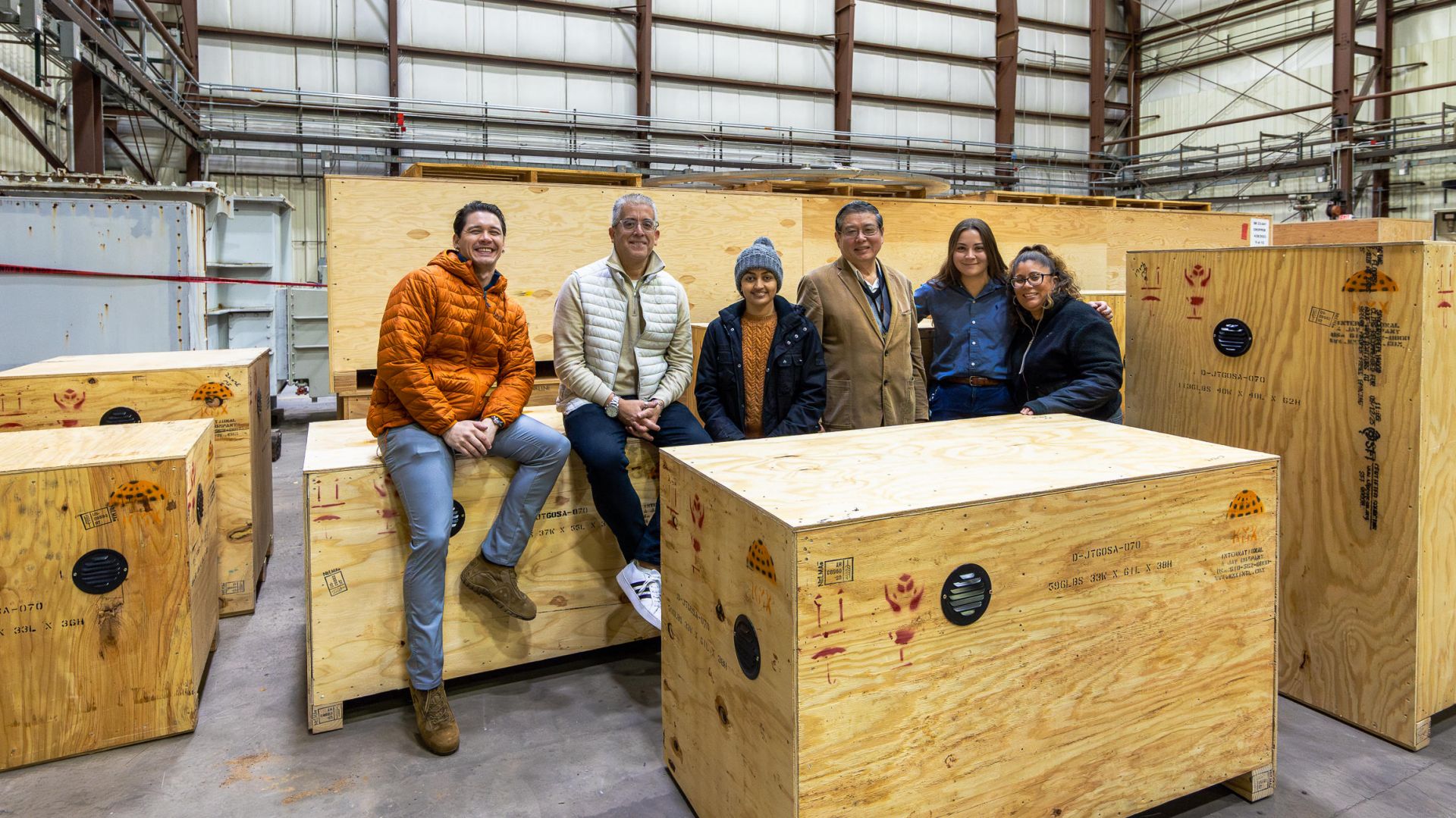
PPPL staff pose with the shipping crates containing an XCIS system ready to be shipped to Japan. (Photo: PPPL)
As researchers continue to seek ways to better understand the plasma inside fusion machines to fully harness fusion energy, Princeton Plasma Physics Laboratory is leading a project to provide new X-ray imaging systems to two international tokamak projects: WEST, in southern France, and JT-60SA, in Japan—both of which are designed to support the development of ITER.
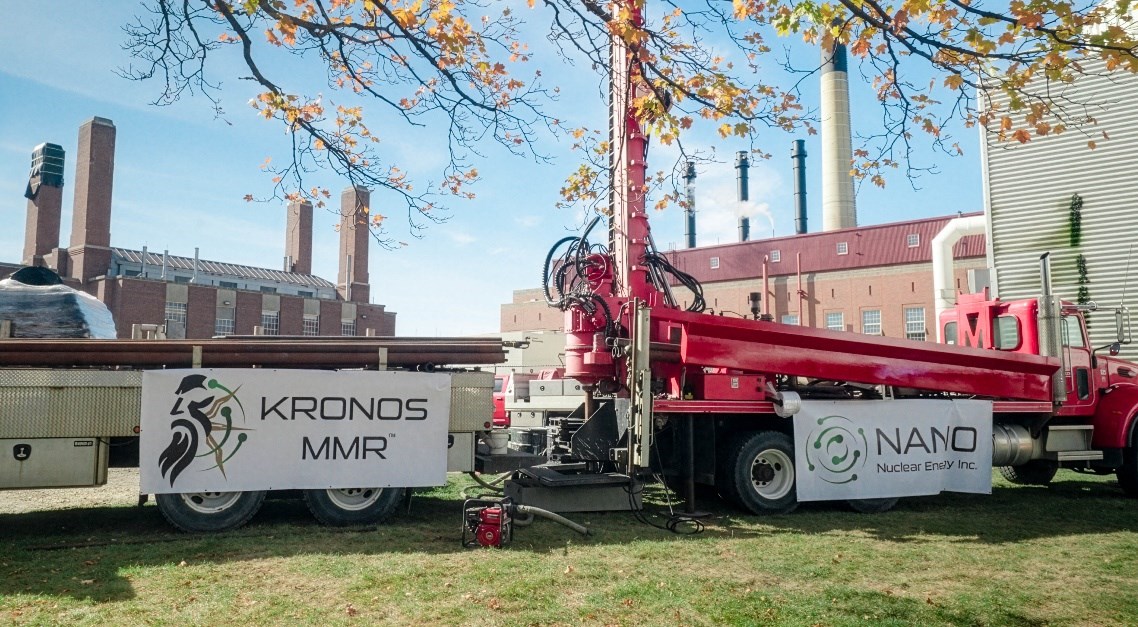
Nano Nuclear Energy has completed site-characterization for its Kronos MMR in partnership with the University of Illinois. (Photo: Nano Nuclear)
The University of Illinois–Urbana-Champaign, in partnership with Nano Nuclear Energy, has submitted a construction permit application to the Nuclear Regulatory Commission for construction of a Kronos micro modular reactor (MMR). This is the first major step in the two-part 10 CFR Part 50 licensing process for the research and test reactor and is the culmination of years of technical refinement and regulatory alignment.
The team chose to engage with the NRC in a preapplication readiness assessment, providing the agency with draft versions of the majority of the CPA’s technical content for feedback, which is expected to ensure a high-quality application.
Radiation can change polymers in ways that enable their use in many industrial and healthcare applications. A new IAEA coordinated research project will explore how machine learning can improve prediction of structural changes in polymers caused by ionizing radiation. (Image: IAEA)
The International Atomic Energy Agency has launched a new coordinated research project (CRP) aimed at creating a database of polymer-radiation interactions in the next five years with the long-term goal of using the database to enable machine learning–based predictive models.
Radiation-induced modifications are widely applicable across a range of fields including healthcare, agriculture, and environmental applications, and exposure to radiation is a major factor when considering materials used at nuclear power plants.
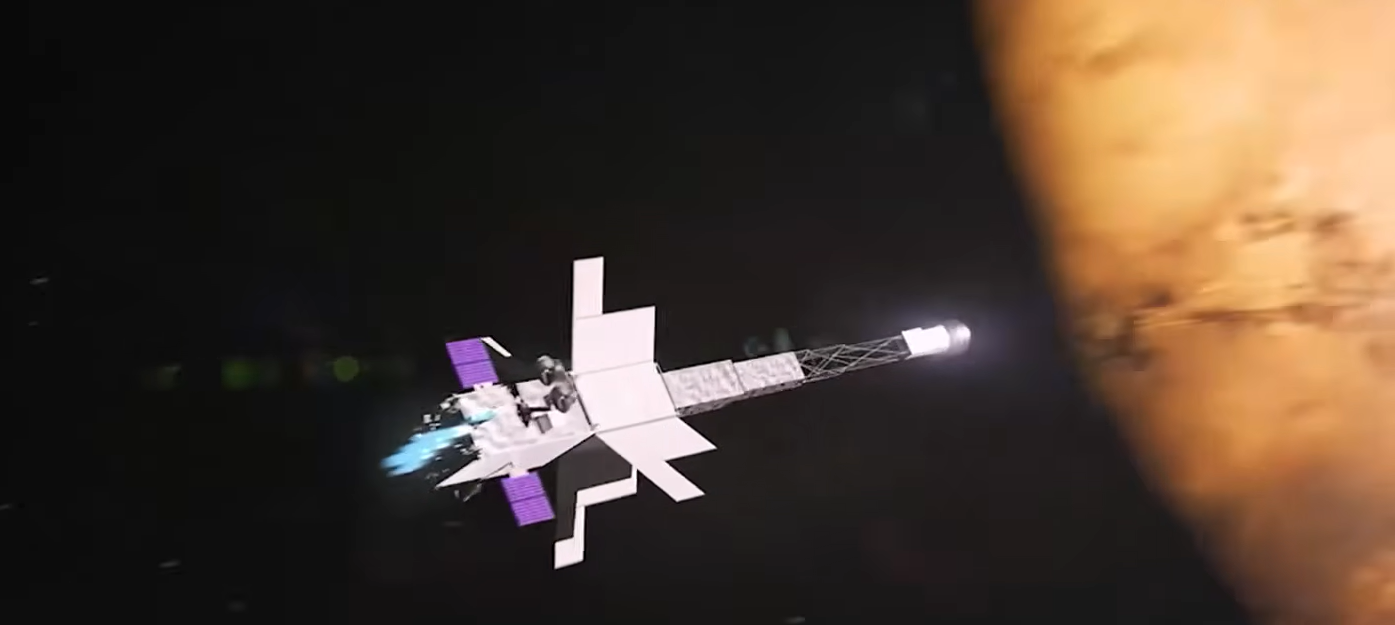
A still from a NASA video illustrating Space Reactor-1 Freedom. (Image: NASA)
Yesterday NASA announced a series of initiatives, including plans to launch a nuclear electric propulsion spacecraft to Mars in December 2028 and a three-phase plan to establish a lunar base incorporating nuclear-driven heat and power.
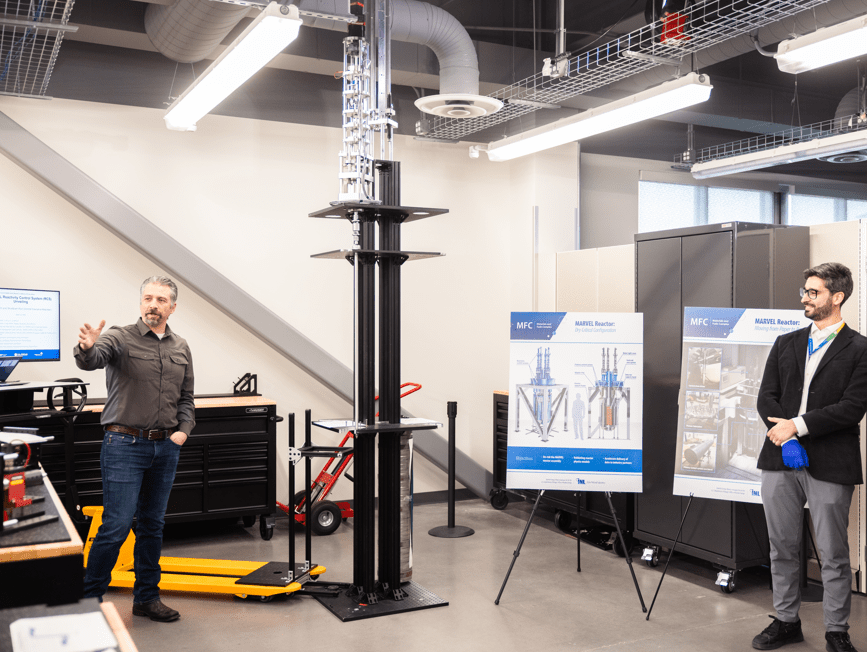
INL researcher Anthony Crawford and INL MARVEL Microreactor Lead Abdalla Abou-Jaoude stand next to the MARVEL reactivity control system during an unveiling ceremony. (Photo: INL)
MARVEL, the Microreactor Applications Research Validation and Evaluation project at Idaho National Laboratory, has had its preliminary documented safety analysis approved by the Department of Energy, marking a milestone in its development and serving as a potential outline for other microreactors in development.


.jpg)



.jpg)