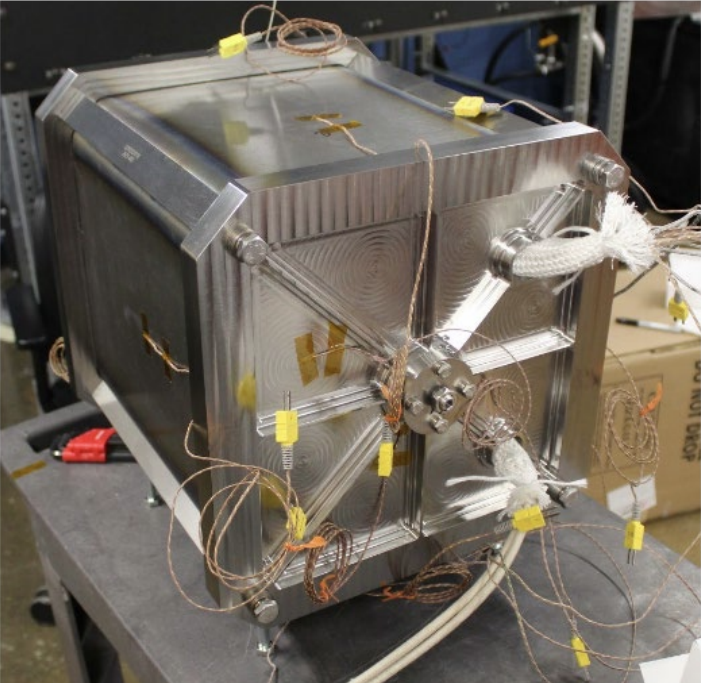
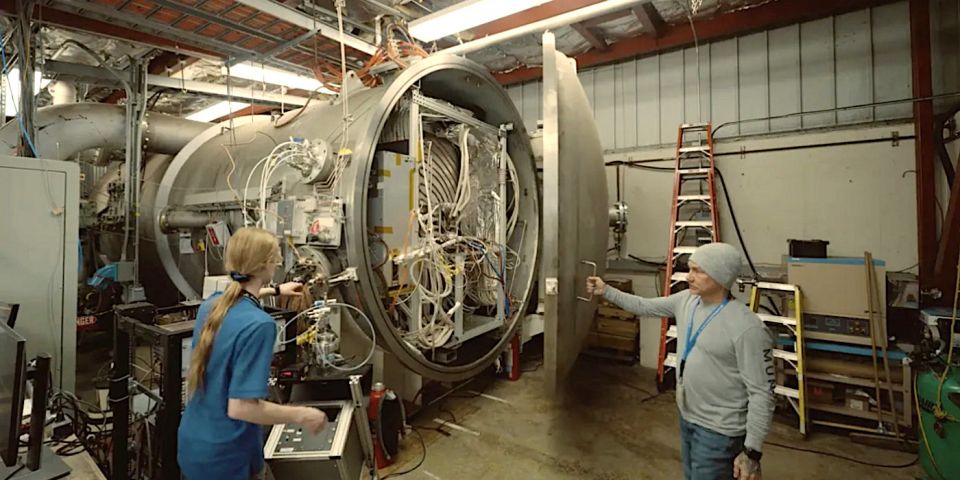
The Harmonia RPS for Artemis Tipping Point's electrical heat source subassembly engineering unit prior to thermal vacuum chamber testing. (Photo: Zeno Power)
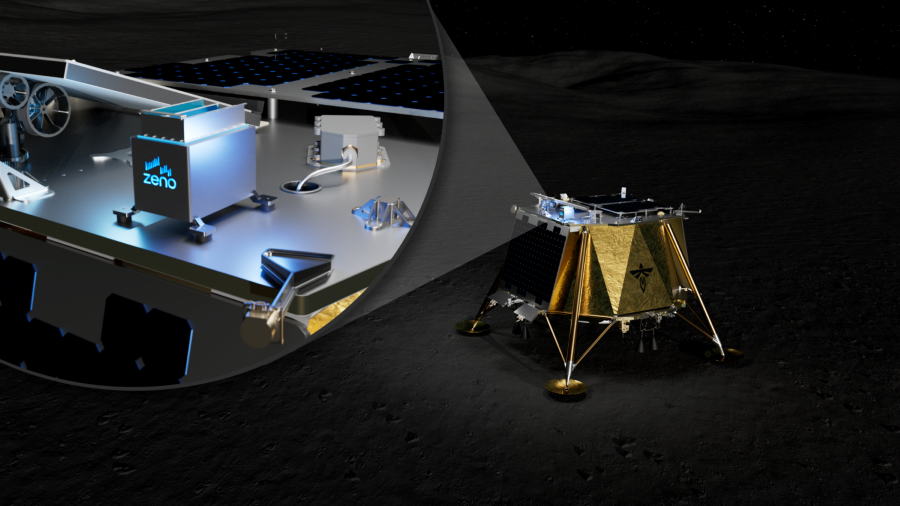
Earlier today, Zeno Power announced the completion of the final design review for an americium-241–fueled radioisotope power system (RPS) developed for Harmonia RPS, a NASA Artemis Tipping Point project.
The Harmonia RPS project will now begin the build and fabrication phase. Zeno plans to complete a terrestrial demonstration of an electrically heated system in early 2027 and is aiming for flight qualification for lunar missions beginning in 2028.
Zeno was awarded $15 million by NASA for its role in the project in 2023. At project completion, Harmonia’s Am-241 heat source is expected to reach Technology Readiness Level 5, and its Stirling generator technology is expected to reach Technology Readiness Level 6. According to Zeno, Harmonia delivers 3.5 times the originally specified power output.
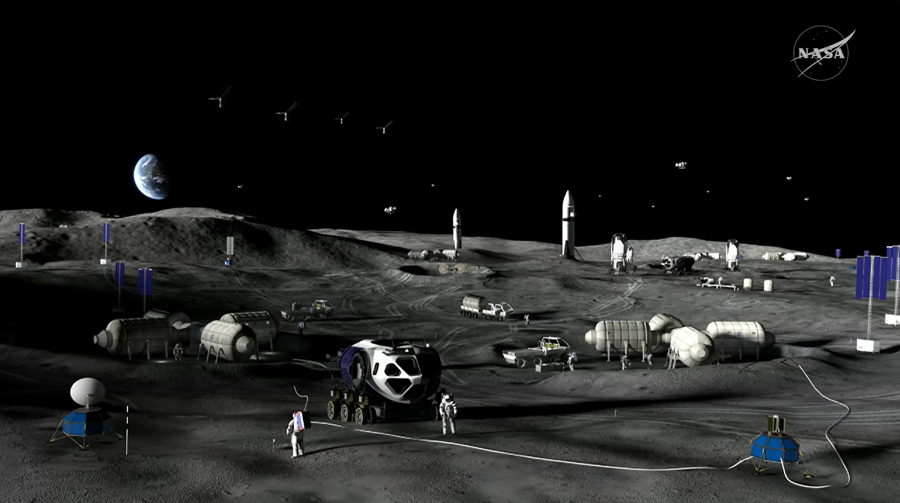
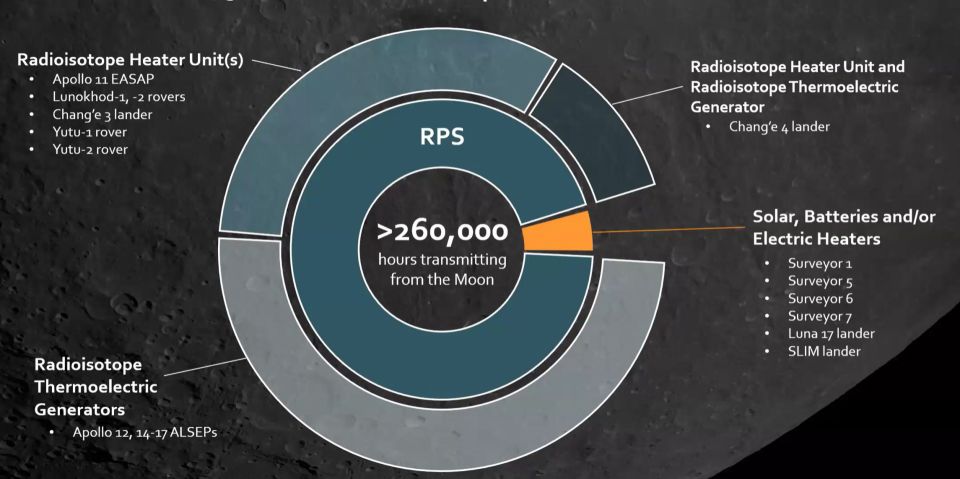
With the recent NASA announcement of the agency’s pivot to making a moon base a near-term, primary focus, nuclear power sources are an essential component for providing heat and power for equipment and crews, especially at the lunar south pole where the long nights and frigid temperatures would limit mission length. NASA plans to use radioisotope heater units, RPSs, and fission surface power to help with the moon’s harsh climate.
“Completing final design review for Harmonia is a critical milestone for NASA's Artemis program,” said Lindsey Boles, chief product officer of Zeno Power. “Our design delivers the continuous power needed to transform lunar missions from two-week sprints into long-term operations. We're building the power infrastructure that could enable a permanent moon base.”
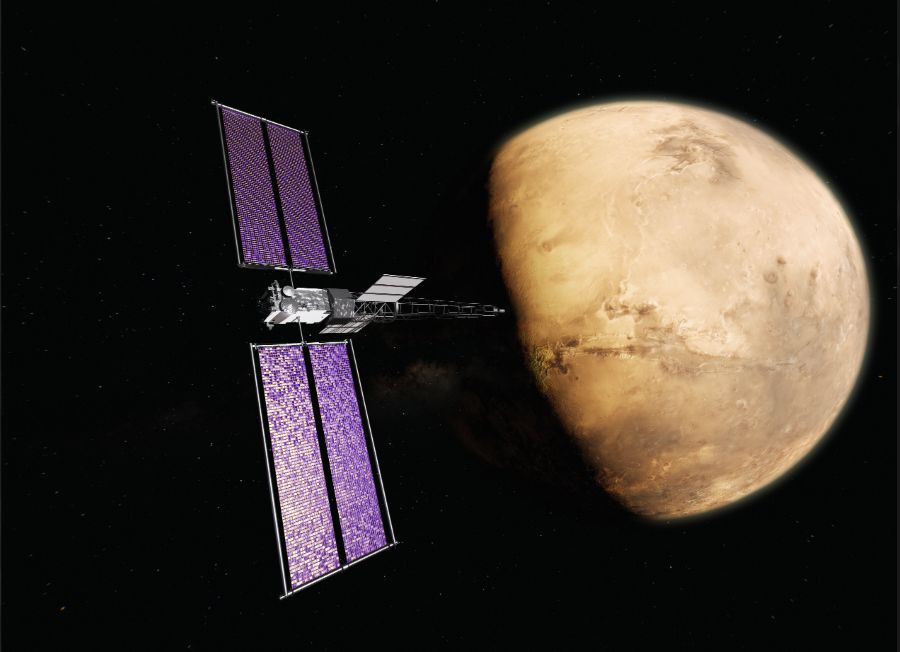
Plutonium-238 has been the radioisotope of choice for heat and power in space, but Am-241 has become an increasingly popular option that avoids the supply chain constraints of Pu-238 and, with its 430-year half-life, provides longevity for longer missions.
Zeno secured its Am-241 source last fall in a strategic agreement to with Orano, which would be recovering the isotope at its La Hague nuclear fuel recycling site in Normandy, France.
According to NASA’s TechPort, Harmonia’s interface is required to be compatible with an Intuitive Machines lander, and Blue Origin is responsible for the power system design and integration of the Stirling convertor into an RPS.

.jpg)