
-3 2x1.jpg)
Nuclear Education and COVID-19
The COVID-19 pandemic hit the United States on a wide basis in March of this year, and life as we knew it changed. “Social distancing” and “essential workers” entered the jargon and working from home for many became the norm.
The number of remote meetings skyrocketed, and various companies have seen that business can be conducted without having employees in the office.
For universities, distance learning has been common for a while now, but with COVID it has become essential.
Nuclear News asked some nuclear engineering professors about how their programs have been dealing with the pandemic. We posed three questions and asked for responses to any or all of them:
How has COVID affected your NE program, and what have you learned from the experience?
Has your NE program been able to contribute to your university’s broader COVID response (e.g., through research or volunteer programs)?
What opportunities or challenges do you foresee in the next year for your program and your students?
The following are responses received by NN.
 The International Atomic Energy Agency has awarded

 Nuclear Science Week (NSW) is a celebration designed to focus local, regional, national, and international interest on all aspects of nuclear science. National events marking the 11th annual NSW took place October 19–23 in Washington, D.C. This year’s theme was
 Frequently the
  Elementary school lesson plans are the latest additions to the
 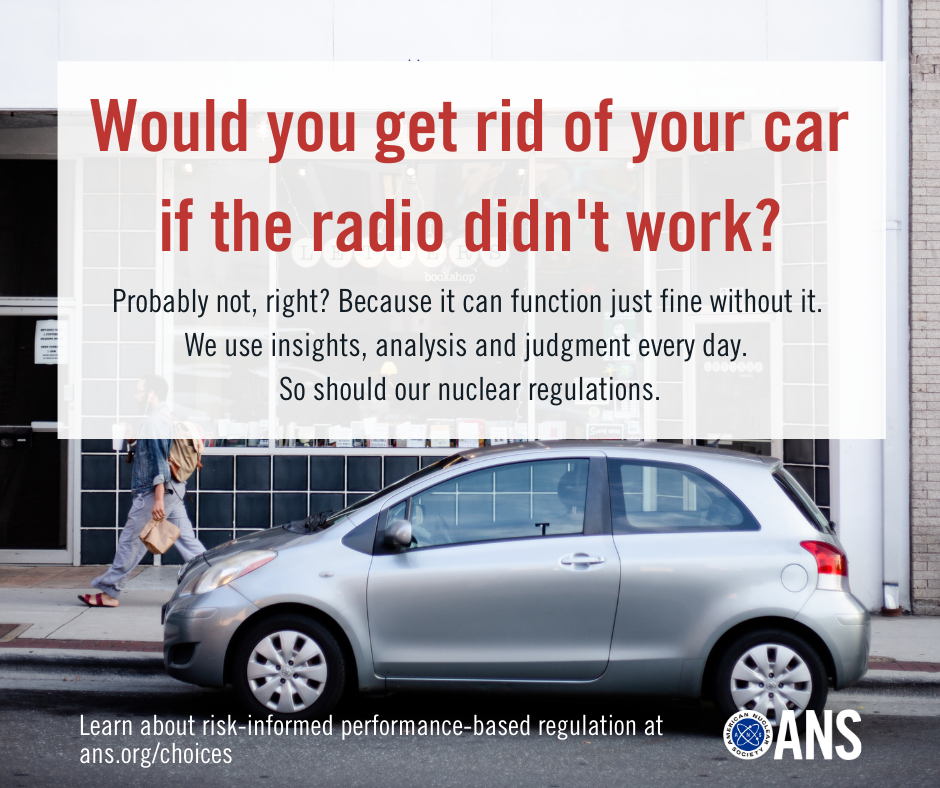 The nuclear industry has embraced the risk-informed and performance-based (RIPB) decision-making process over the past two decades. Still, it remains a complex concept to explain in lay terms.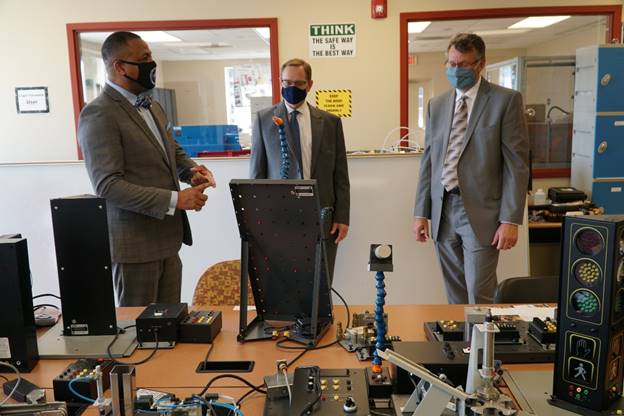
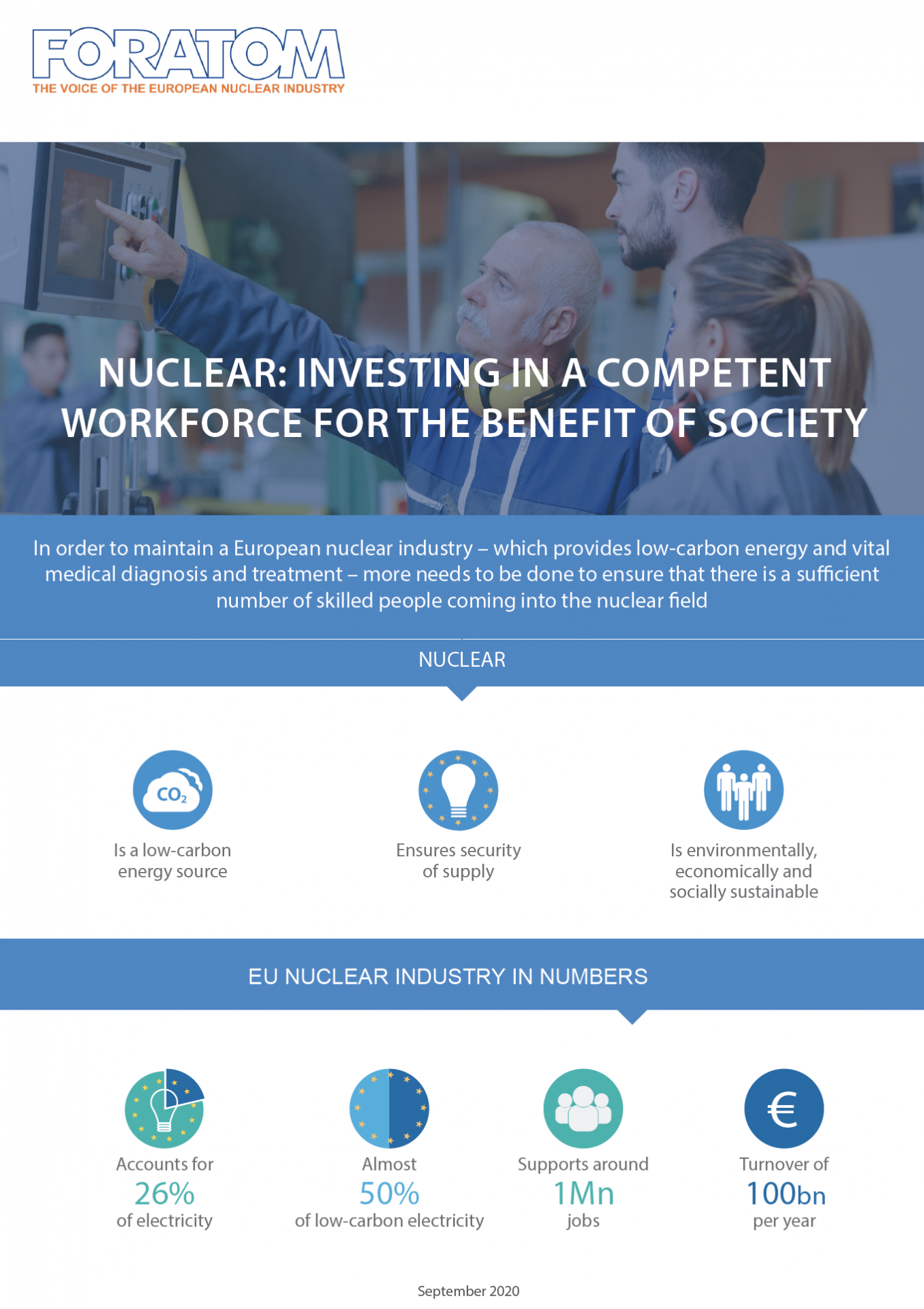 The European Union’s education and training policy must do more to ensure that the nuclear sector has a sufficient number of people with the right skills, according
  Registration is open
 American Nuclear Society members who are parenting K–12 students have been drafted to serve as home educators during the COVID-19 pandemic. While schools may have provided e-learning resources, the school year is at an end. How can concerned parents prevent the dreaded summer slide?