Nuclear momentum continues to grow across Canada
October 22, 2025, 12:04PMNuclear News
.svg)
The Canadian provinces of Alberta and Saskatchewan were the subject of two different announcements yesterday about new nuclear developments.
Tags:
Share:

Where else could you find this kind of energy? At the Nuclear Regulatory Commission (NRC) our power comes from our people. Hardworking Americans who oversee the safe use of nuclear technology that powers communities, revolutionizes medicine, and empowers America.
The Canadian provinces of Alberta and Saskatchewan were the subject of two different announcements yesterday about new nuclear developments.
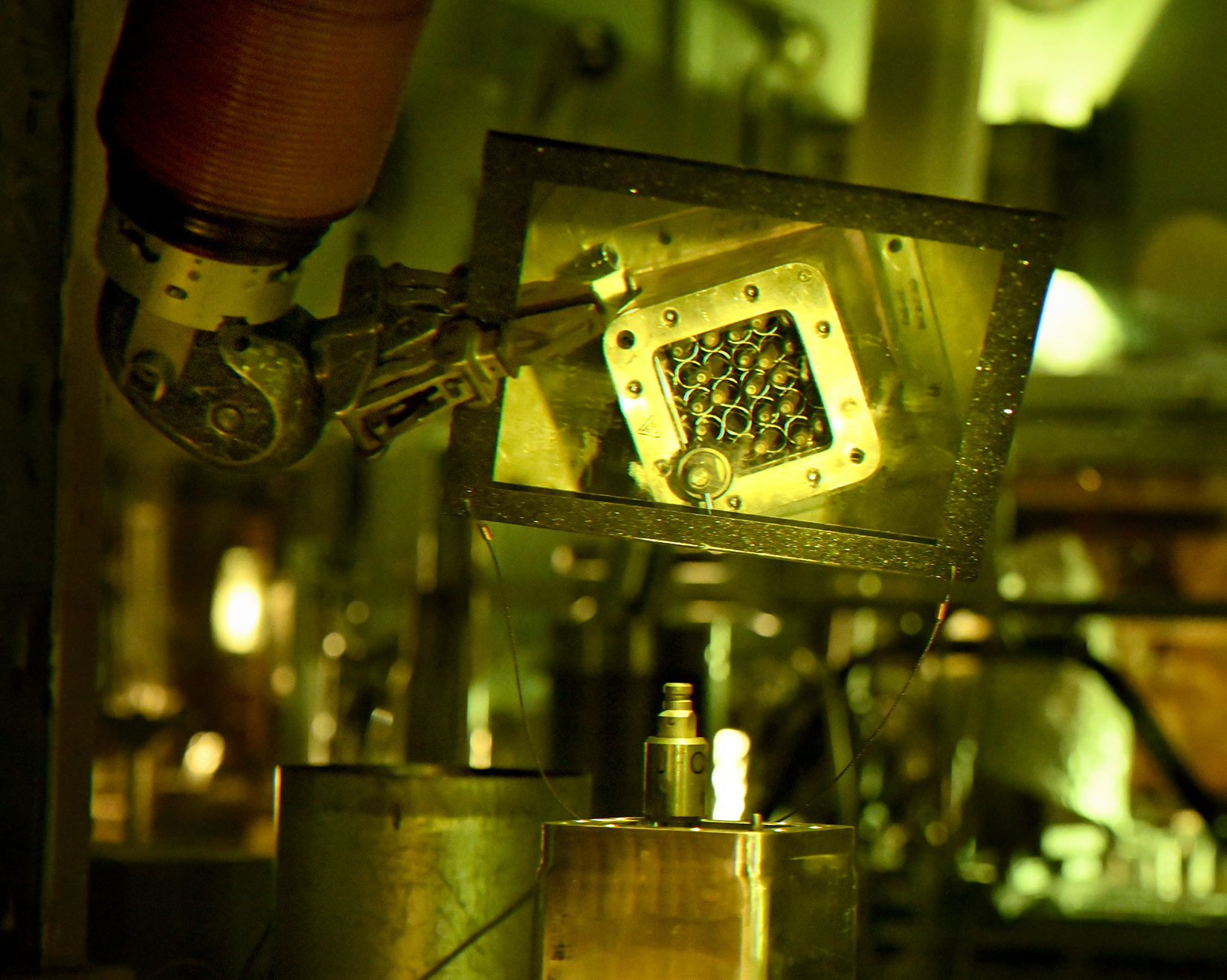
At the Idaho National Laboratory Hot Fuel Examination Facility, containment box operator Jake Maupin moves a manipulator arm into position around a pencil-thin nuclear fuel rod. He is preparing for a procedure that he and his colleagues have practiced repeatedly in anticipation of this moment in the hot cell.
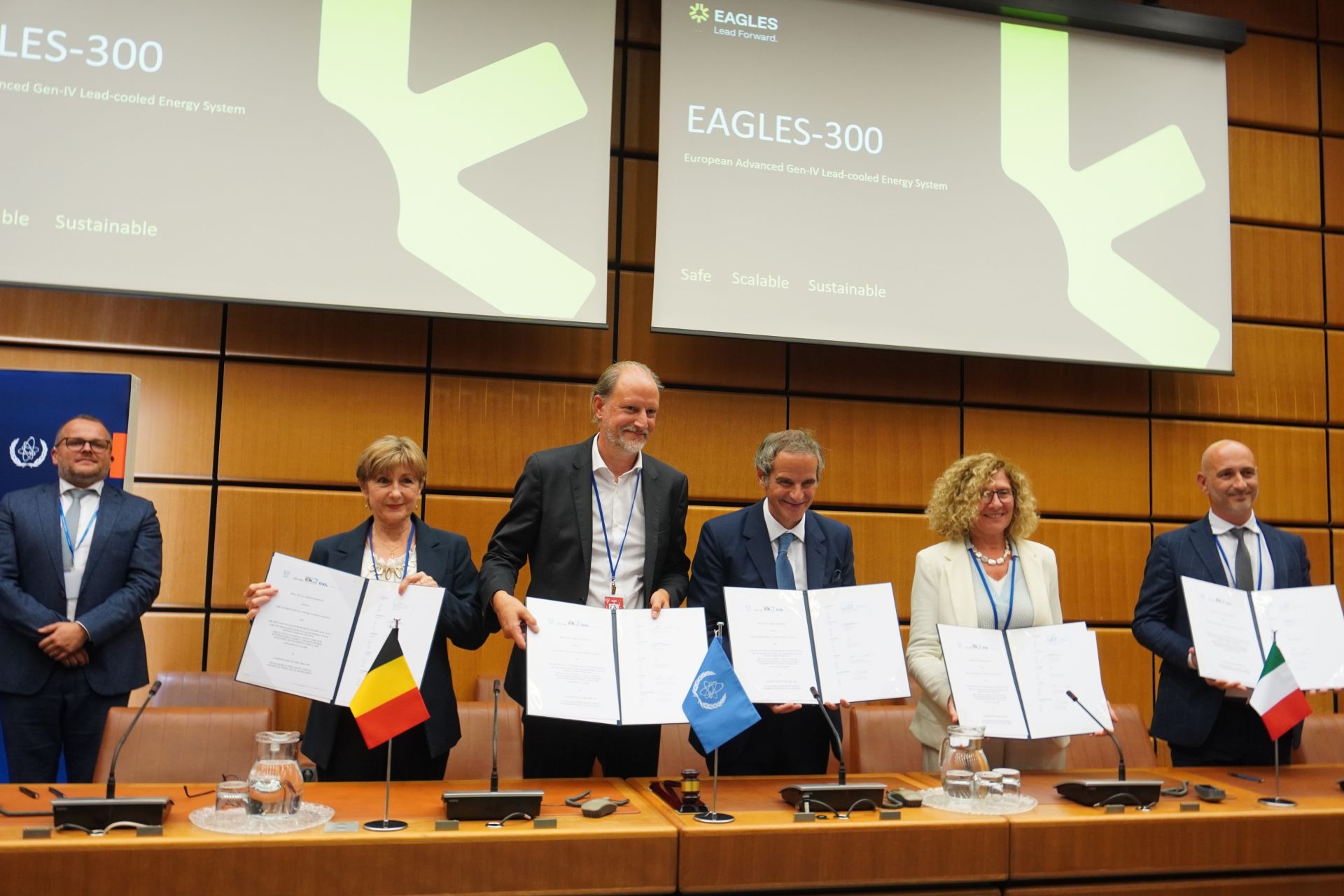
The nuclear regulators of Belgium, Italy, and Romania signed on this week to the first “prelicensing” project under the IAEA’s Nuclear Harmonization and Standardization Initiative (NHSI) during the opening day of the International Atomic Energy Agency’s 69th General Conference, pledging to work with the EAGLES Consortium to clarify regulatory requirements for a lead-cooled reactor ahead of formal licensing.
The role of state universities as trusted anchors for public engagement in an age of energy and environmental transition

Sukesh Aghara
In an era when affordable, clean energy is as much an economic imperative as it is an environmental one, the Commonwealth of Massachusetts has an opportunity to lead not just through legislation but through partnership—between state leadership and its world-class universities.
Massachusetts has long led on decarbonization through electric vehicle adoption, rooftop solar, and offshore wind. We have reduced energy consumption through efficiency investments. From 2022 to 2024 alone, the state’s Mass Save programs facilitated energy savings equal to the annual usage of over 852,000 homes, avoided 684,000 metric tons of carbon dioxide, and delivered $2.3 billion in customer incentives. But to meet growing demand and industrial needs, it’s time to invite universities to help craft a bolder vision—one that includes advanced nuclear technologies.
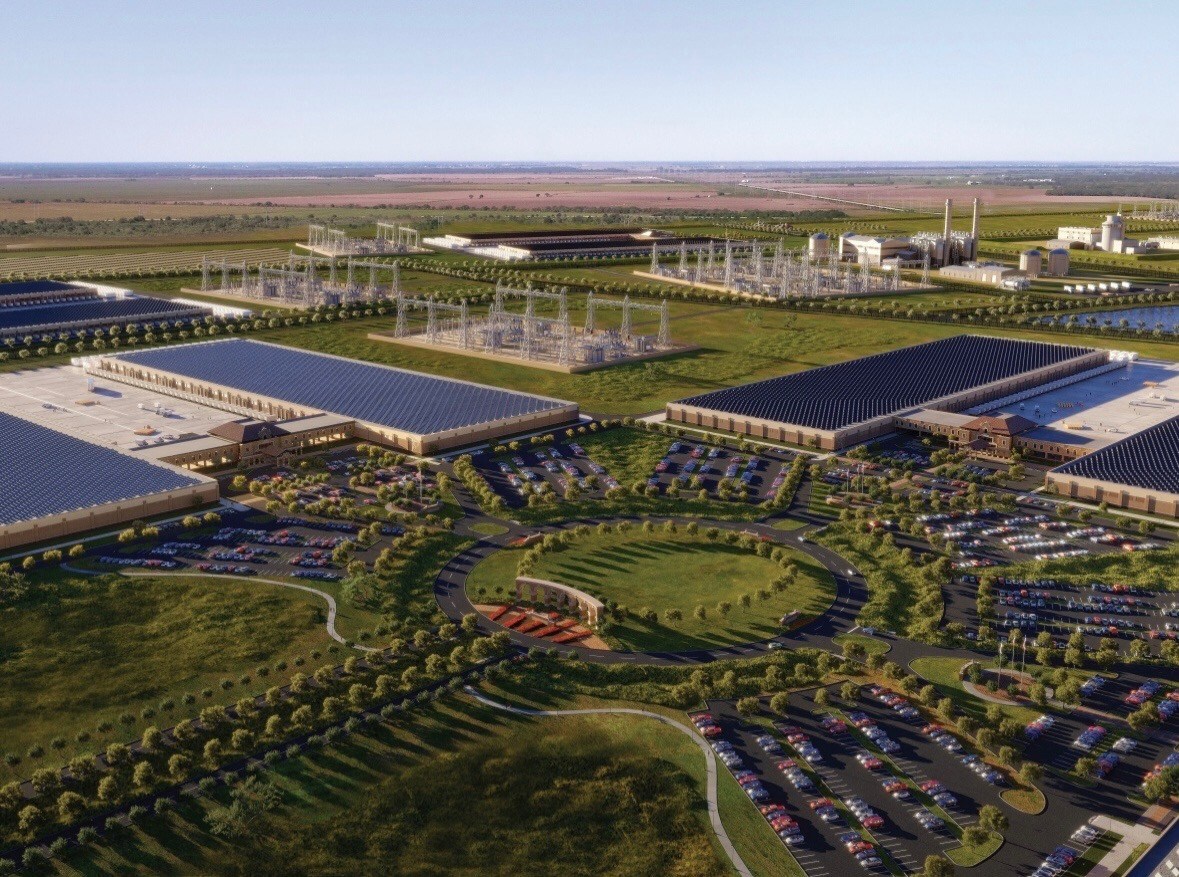
Less than a week after the news of Fermi America’s first collaboration for its Advanced Energy and Intelligence Campus being built in partnership with Texas Tech University, the company has announced three more industry partners: Parkhill, Lee Lewis Construction, and Westinghouse.

Munn
Nuclear engineer and longtime ANS member Wanda Munn died on July 23 at the age of 93. Described as a “trailblazer for women [and] an outspoken advocate for the peaceful use of nuclear technology” in her Tri-City (Wash.) Herald obituary, Munn followed a unique path to her nuclear engineering career. She did not get her degree until she was 46, and she subsequently spent 18 years working on systems design, construction, and operation of the Fast Flux Test Facility (FFTF) reactor for Westinghouse at the Hanford nuclear site in eastern Washington state.
Nontraditional student: Munn was born in 1931. She graduated high school early, at age 16, and started to pursue a medical degree. However, those plans changed when she married at age 18. By her early 40s, she was divorced and working as a secretary in a university nuclear engineering department when she decided to return to school to get a nuclear engineering degree.
The Nuclear Energy Maritime Organization (NEMO) recently announced that it was officially granted nongovernmental organization consultative status with the International Maritime Organization.

Representatives across all levels of Pennsylvania government convened at Carnegie Mellon University on July 15 with investors and key leaders in the energy community at the behest of Sen. Dave McCormick (R., Pa.).
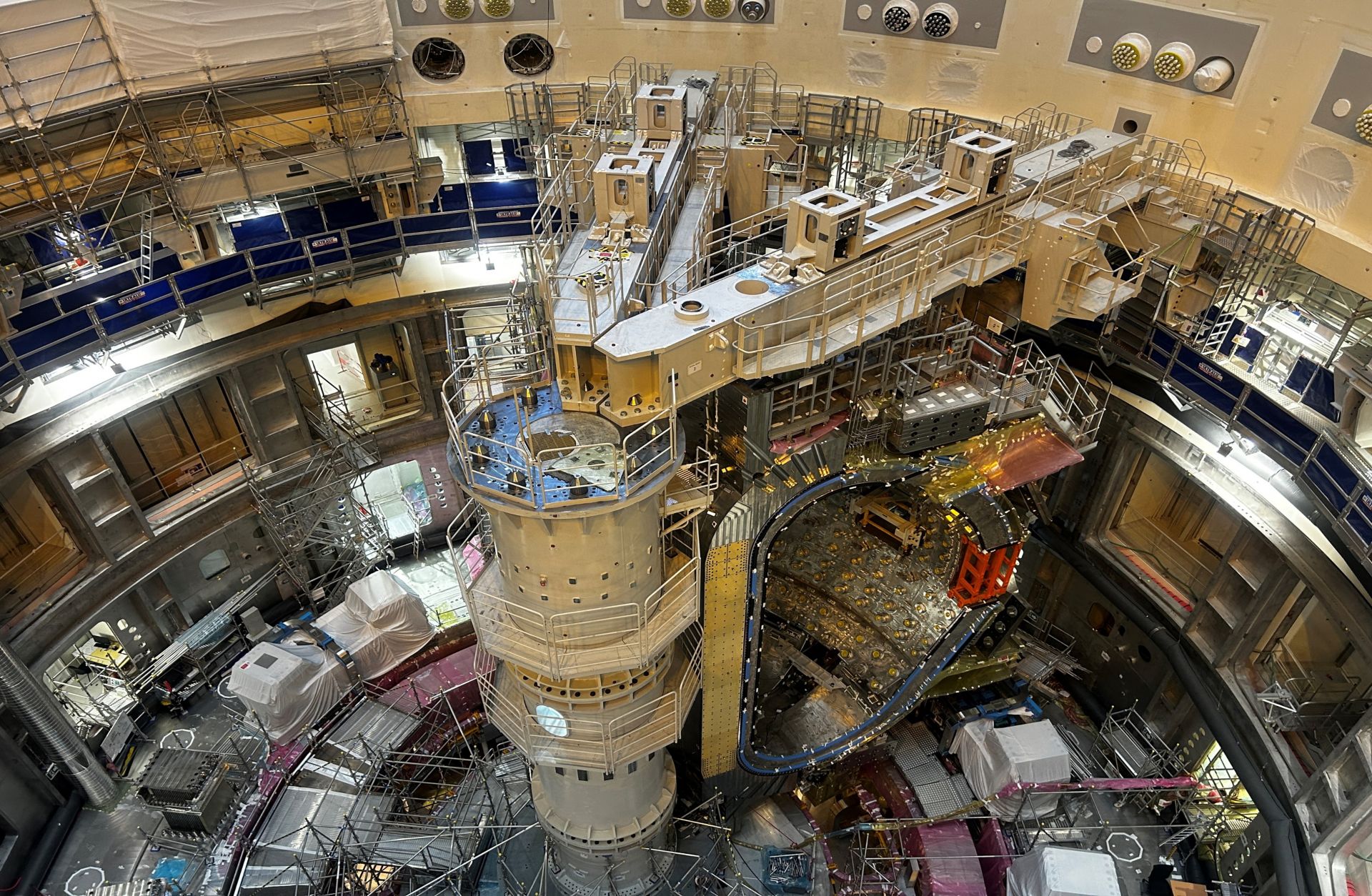
Westinghouse Electric Company announced that it has signed a $180 million contract with the ITER Organization for the assembly of the vacuum vessel for the fusion reactor being built in southern France. Designed to demonstrate the scientific and technological feasibility of fusion power, the ITER tokamak will be the world’s largest experimental fusion facility.

Rolls-Royce SMR has emerged as the United Kingdom’s preferred bidder to build the country’s first small modular reactors following a two-year competition, the U.K. government announced June 10. Rolls-Royce SMR expects to build three SMRs with Great British Energy–Nuclear, subject to contracting later this year and regulatory approvals. Great British Energy–Nuclear will “aim to allocate a site later this year and connect projects to the grid in the mid-2030s.”
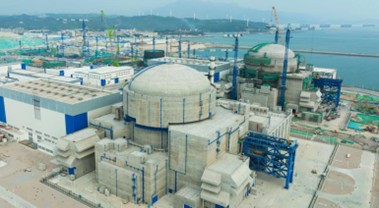
As trade negotiations are in the works between the United States and China, Washington, D.C., has the advantage in semiconductors but nuclear power is a different story, according to a June 9 article in the Hong Kong–based South China Morning Post.

The National Reactor Innovation Center is accepting applications from developers ready to take a fueled microreactor to criticality inside the former Experimental Breeder Reactor-II containment building at Idaho National Laboratory, now repurposed as DOME—a microreactor test bed. According to a Department of Energy announcement, DOME will be ready to receive the first experimental reactor in the fall of 2026, with testing likely to begin in 2027.
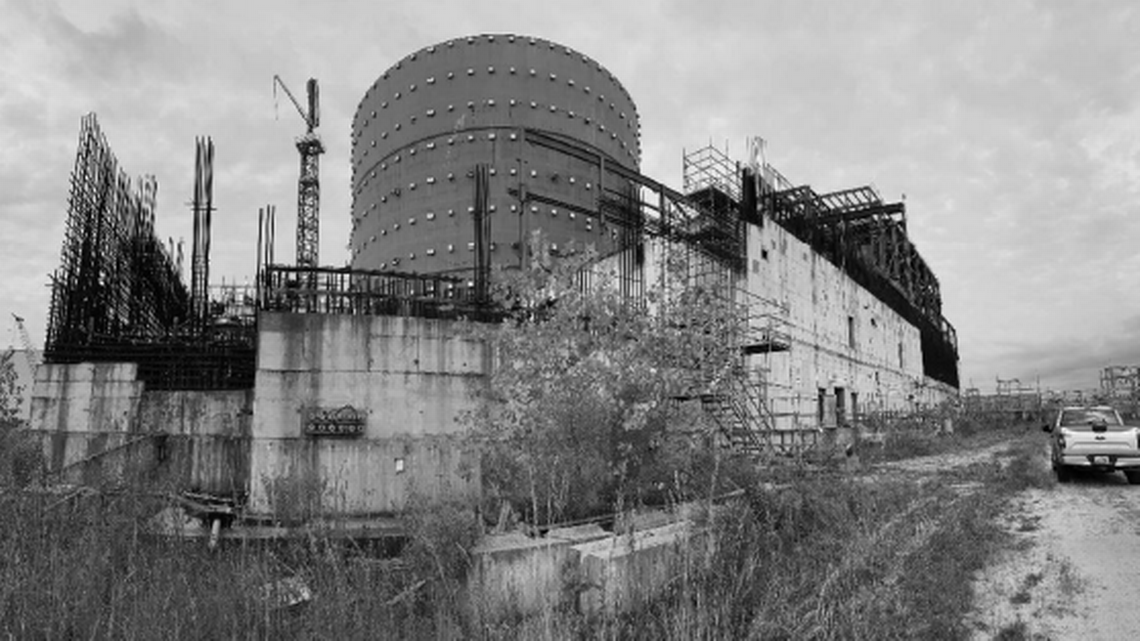
Santee Cooper is satisfied with the response generated by its initial request for proposals to buy what remains of the Summer-2 and -3 nuclear power plant project in South Carolina. The RFP was issued in January and the application window closed May 5.
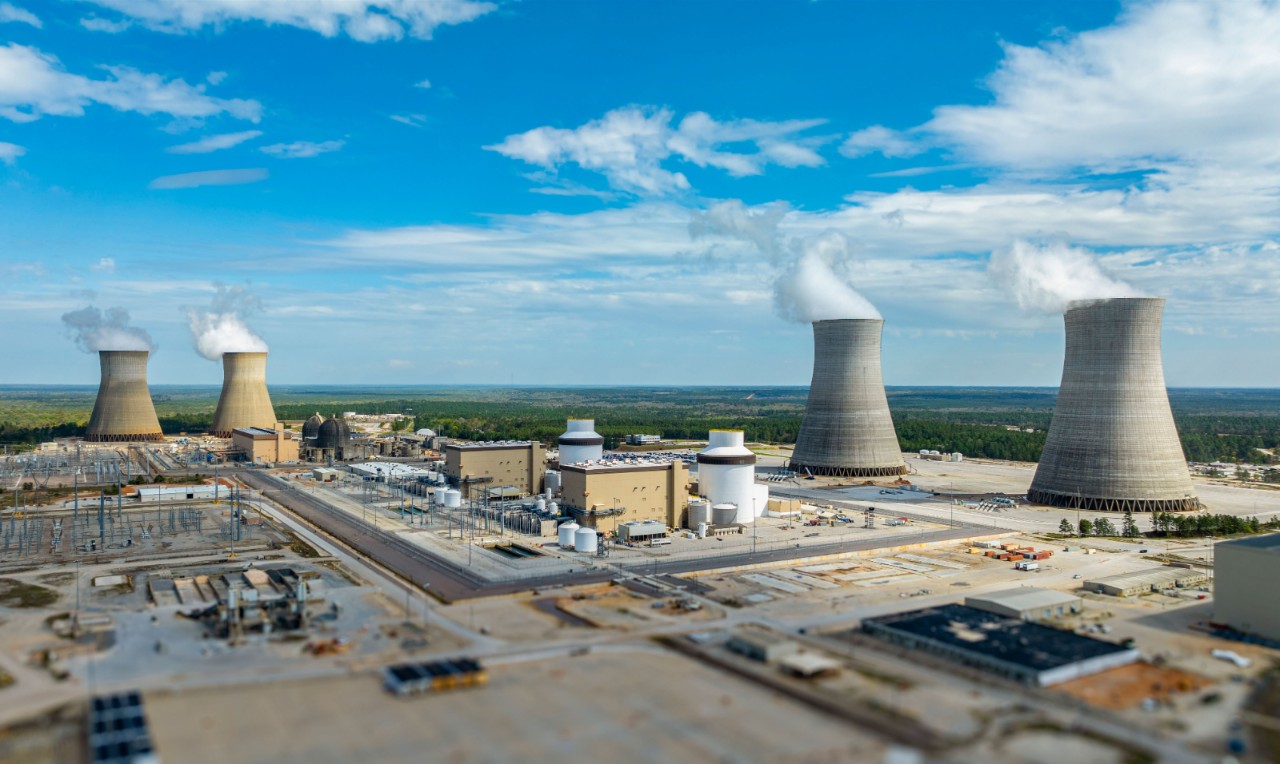
The Nuclear Regulatory Commission is holding an in-person open house on Thursday, May 15, to discuss the 2024 safety performance of the Vogtle nuclear power plant in Georgia.
 Here is a recap of industry happenings from the recent past:
TerraPower’s Natrium reactor advances on several fronts
TerraPower has continued making aggressive progress in several areas for its under-construction Natrium Reactor Demonstration Project since the beginning of the year. Natrium is an advanced 345-MWe reactor that has liquid sodium as a coolant, improved fuel utilization, enhanced safety features, and an integrated energy storage system, allowing for a brief power output boost to 500-MWe if needed for grid resiliency. The company broke ground for its first Natrium plant in 2024 near a retiring coal plant in Kemmerer, Wyo.
The Department of Energy has announced its first round of conditional commitments to provide high-assay low-enriched uranium to five U.S. nuclear developers. According to the DOE, the delivery of HALEU will support the commercialization of advanced nuclear technologies, aiming to deliver secure, affordable, and reliable energy to Americans.

Dozens of Westinghouse employees and supply chain partners descended on Washington, D.C., last week to build legislative support for new nuclear projects.
Patrick Fragman, Westinghouse’s chief executive, said in a recent interview with Politico that the U.S. and Europe are still ideal partners on nuclear power.
Even though President Trump’s latest policy moves are straining some U.S. relations with nations, “Westinghouse stresses it’s a private company that is now Canadian-owned—and that nuclear projects function on a time scale that extends beyond politicians,” Fragman told Politico.
For the full Politico article, click here.
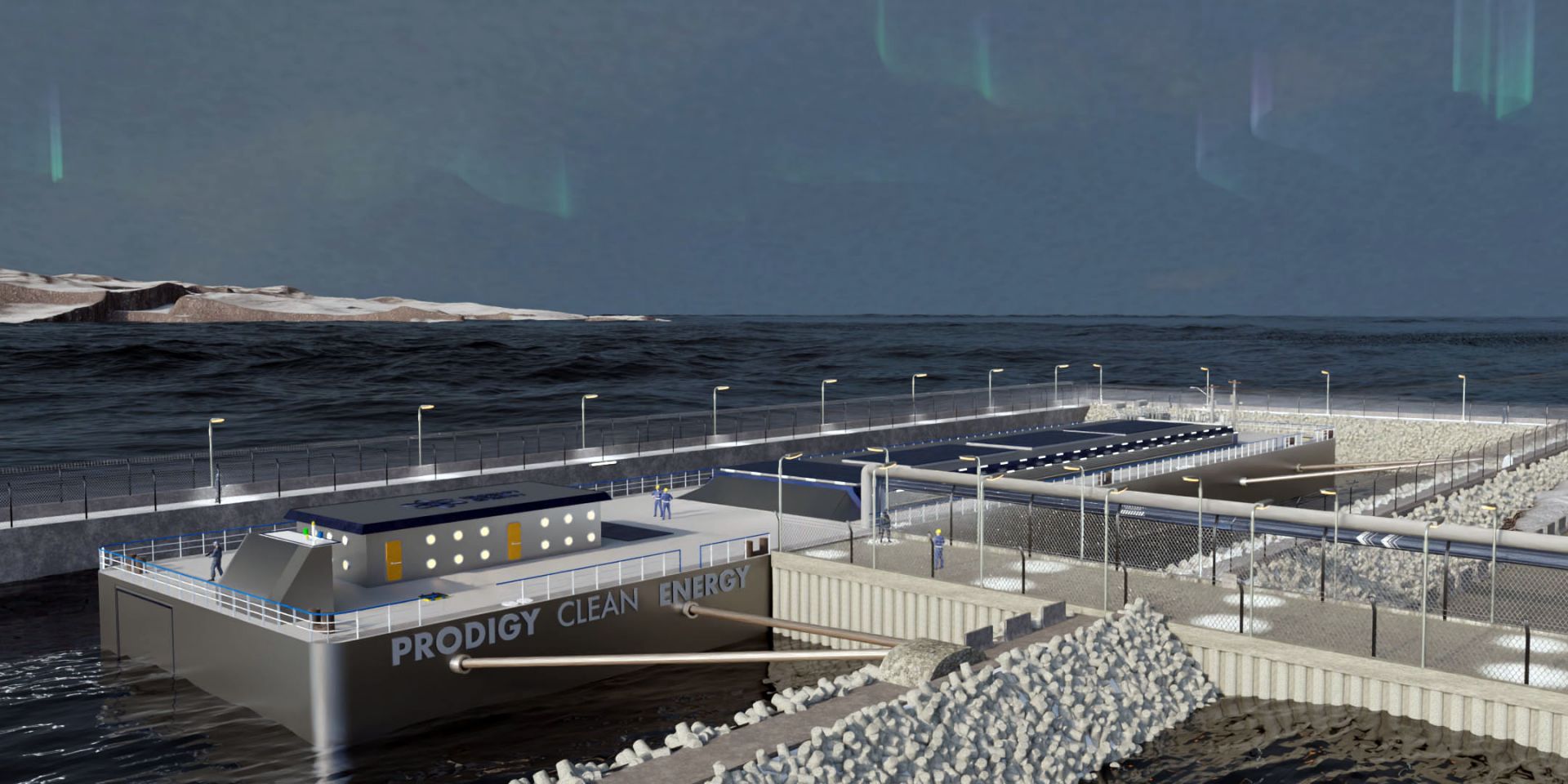
Prodigy Clean Energy and Lloyd’s Register have announced a collaboration to support the deployment of Prodigy’s “transportable nuclear power plants” (TNPPs) in Canada by 2030. Prodigy’s goal is to build marine-based nuclear power plants that are compatible with different end uses and reactor suppliers. What the plants would have in common is offshore siting close to an end user, which could include offshore oil and gas platforms, commercial seaports, mining operations, remote communities, and desalination plants.
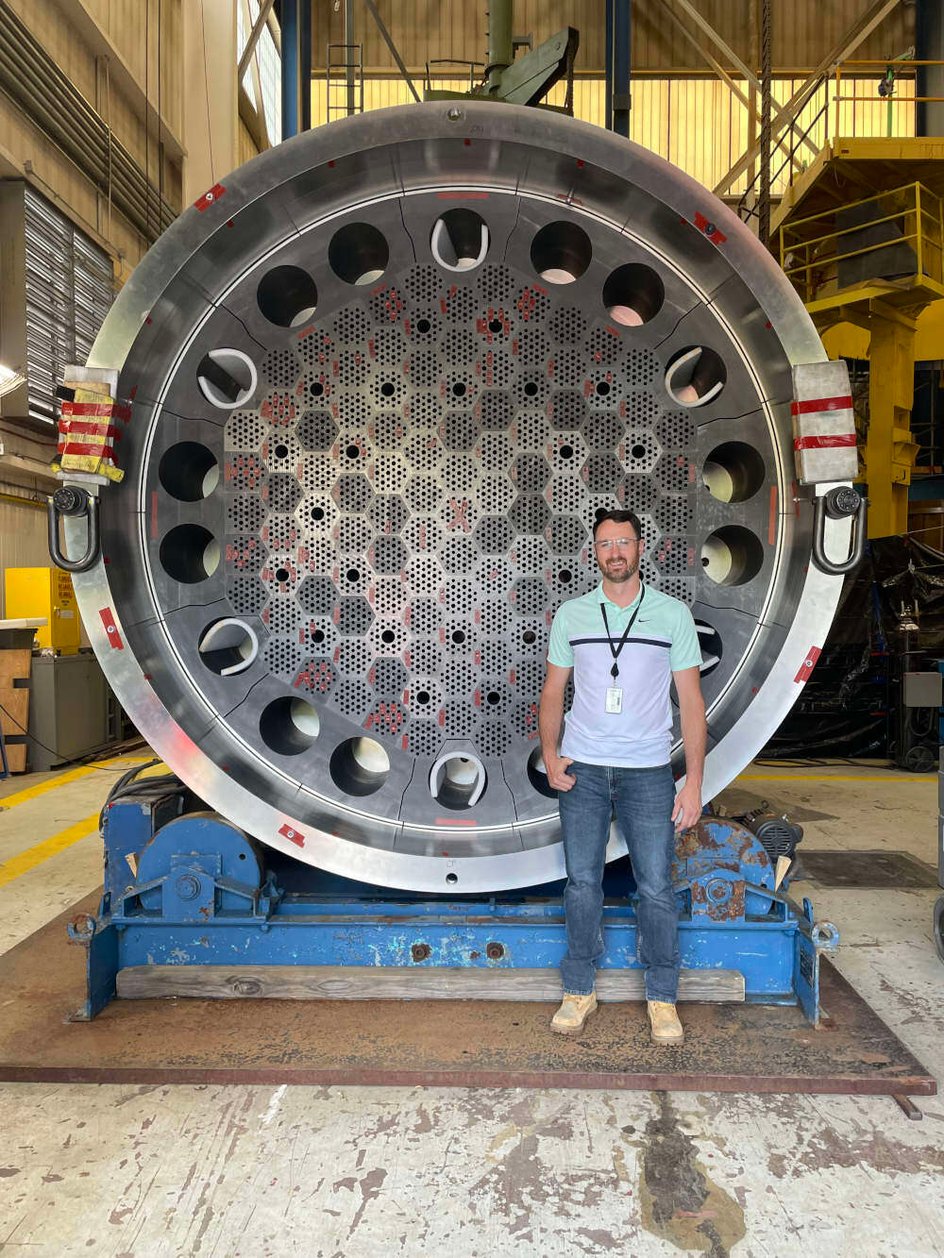
Penn State and Westinghouse Electric Company are working together to site a new research reactor on Penn State’s University Park, Pa., campus: Westinghouse’s eVinci, a HALEU TRISO-fueled sodium heat-pipe reactor. Penn State has announced that it submitted a letter of intent to host and operate an eVinci reactor to the Nuclear Regulatory Commission on February 28 and plans to engage with the NRC on specific siting decisions. Penn State already boasts the Breazeale reactor, which began operating in 1955 as the first licensed research reactor at a university in the United States. At 70, the Breazeale reactor is still in operation.