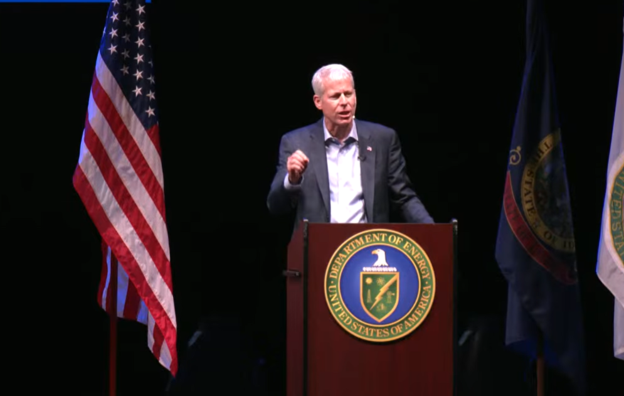
DOE Secretary Chris Wright speaks at Idaho National Laboratory on June 25. (Photo: DOE)
For just over a year, President Trump’s Executive Order 14301, “Reforming Nuclear Reactor Testing at the Department of Energy,” has loomed large because it pegged a stretch goal to a significant date: July 4, 2026. Will there be at least three participants in the Department of Energy’s Reactor Pilot Program whose reactors achieve criticality by Saturday’s deadline?
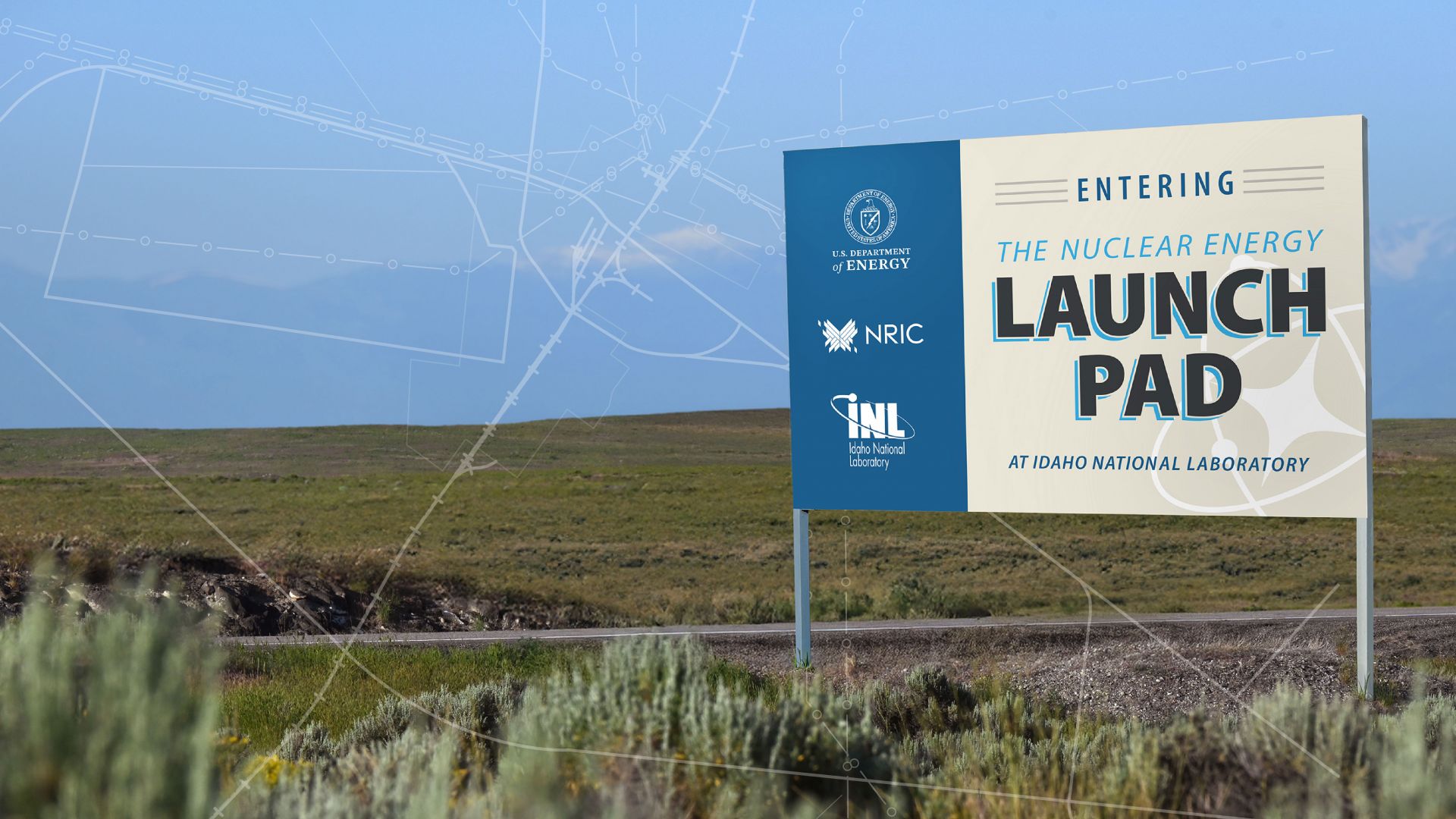
A sign along U.S. Route 20 on Idaho National Laboratory land marking the boundary of NRIC’s new Nuclear Energy Launch Pad INL. (Photo: NRIC)
In June 2025, the Department of Energy announced the Reactor Pilot Program, an authorization pathway that allowed reactor developers to partner with the DOE to get first-of-a-kind (FOAK) reactors built and tested. Soon after, the DOE rolled out a complementary Fuel Line Pilot Program, which aimed to fast-track fuel projects. In all, 20 projects were accepted into the new programs.
Unless otherwise noted, all photos are courtesy of Idaho National Laboratory.
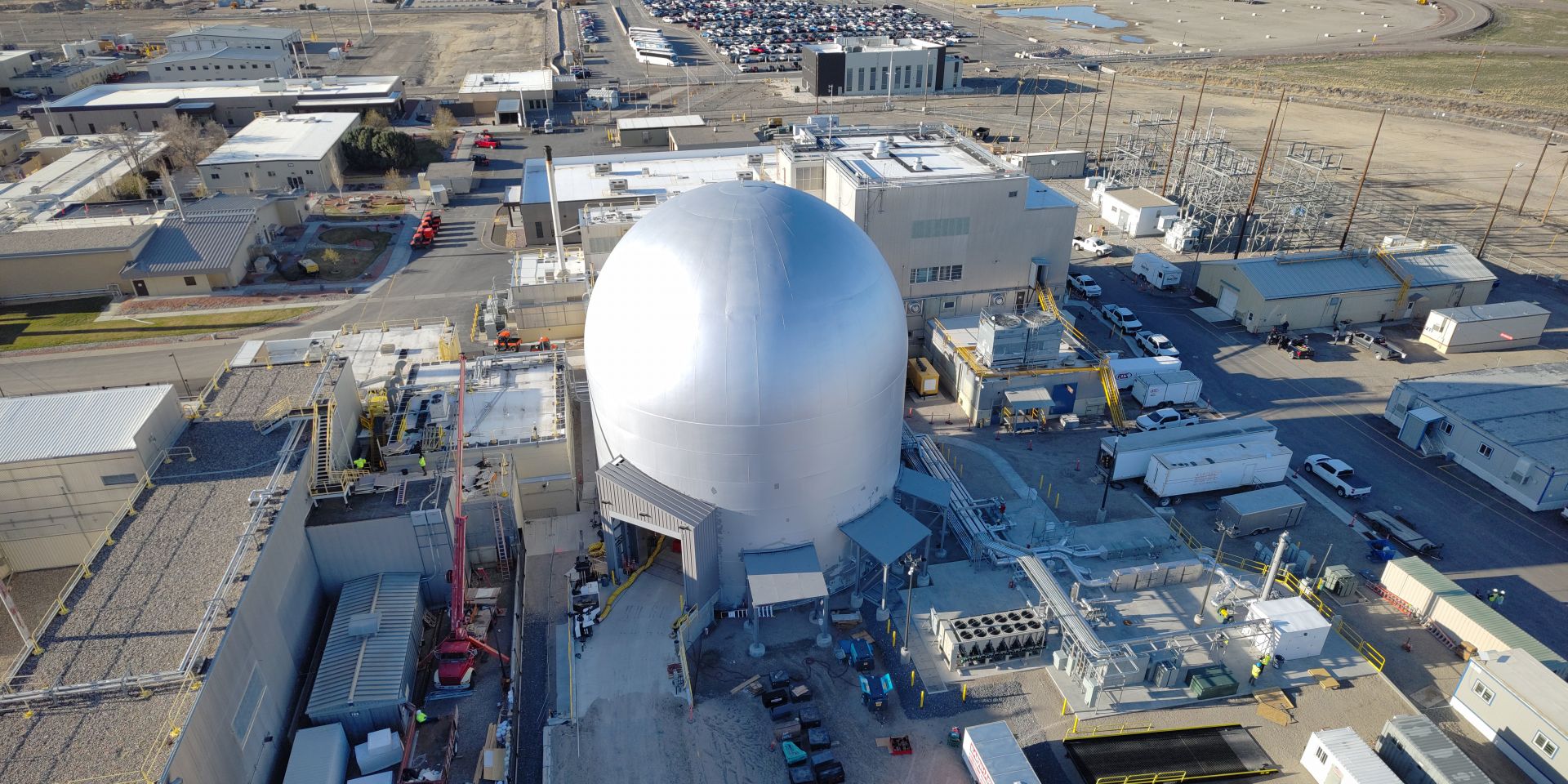
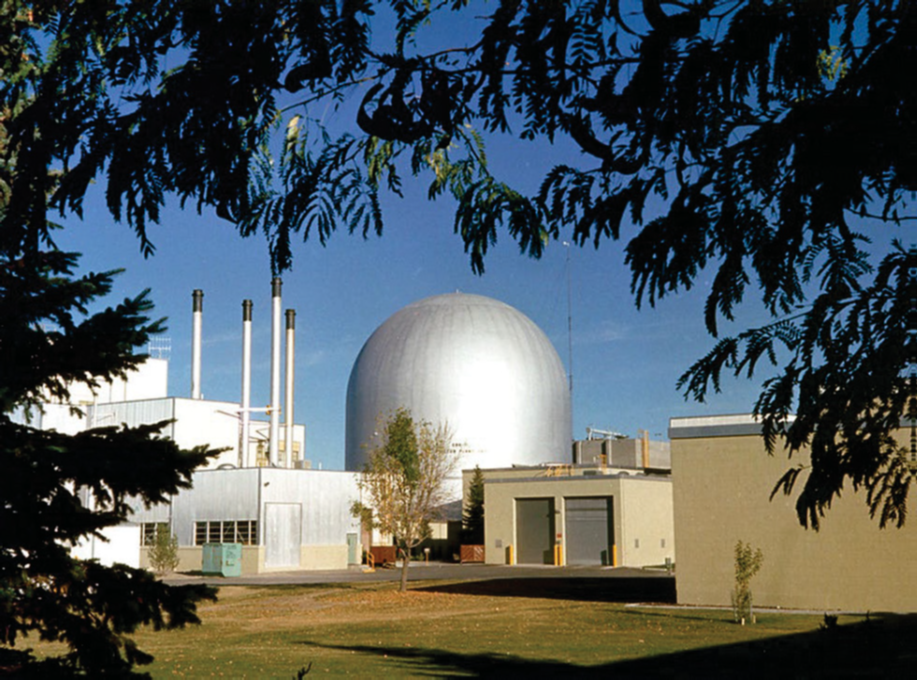
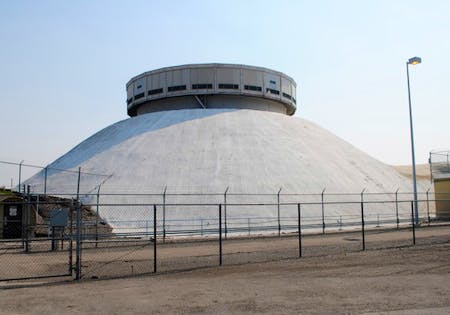
In 2019, a familiar landmark at Idaho National Laboratory was scheduled for demolition. Though striking for both its physical presence and its significance to nuclear history, the containment dome that once housed Experimental Breeder Reactor-II sat unused—that is, until INL realized its potential as a reactor testing facility.
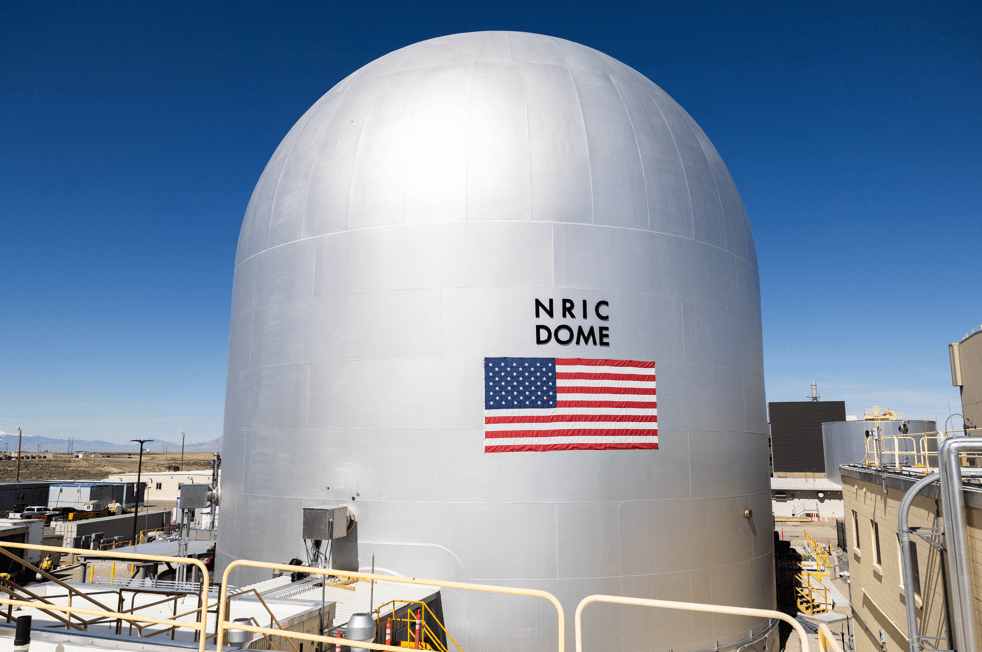
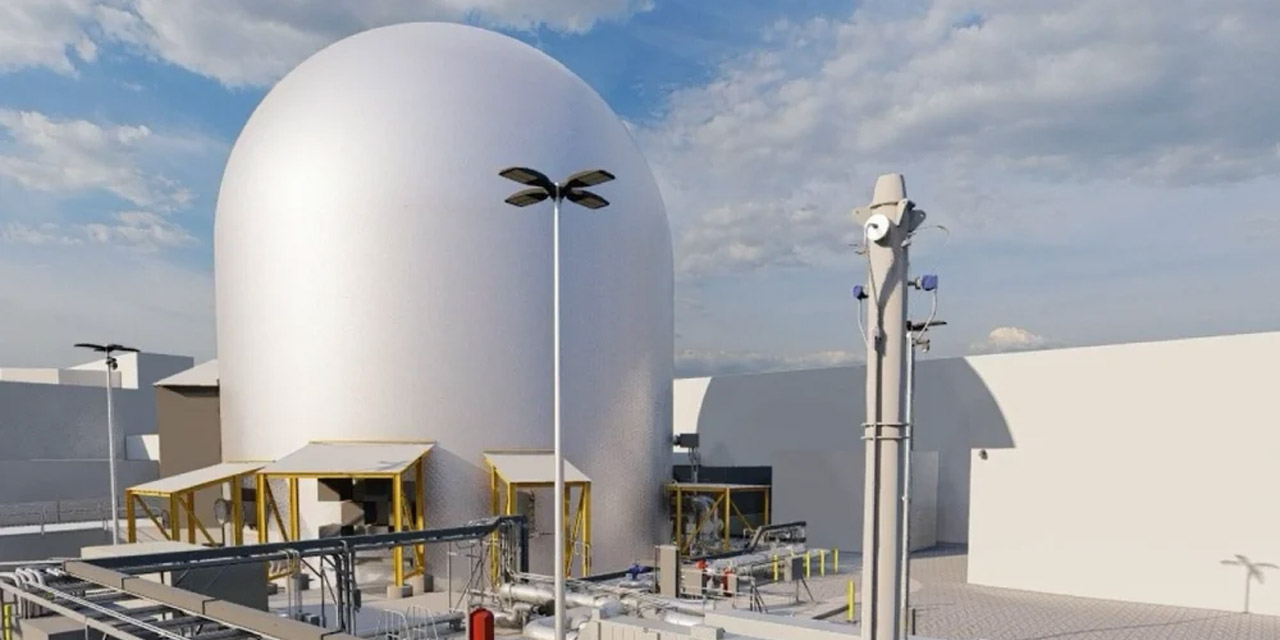
The DOME test bed is now open at Idaho National Laboratory. (Photo: INL)
On Wednesday, Idaho National Laboratory announced that the National Reactor Innovation Center’s Demonstration of Microreactor Experiments (DOME) test bed is now “open for business.”
With DOME’s opening, microreactor developers will soon be able to test, demonstrate, and validate their reactor designs. Rian Bahran, the Department of Energy’s deputy assistant secretary for nuclear reactors, called this “essential infrastructure” a “testament to our commitment to a robust nuclear future” and a key tool for “accelerating the development and deployment” of new energy technologies.
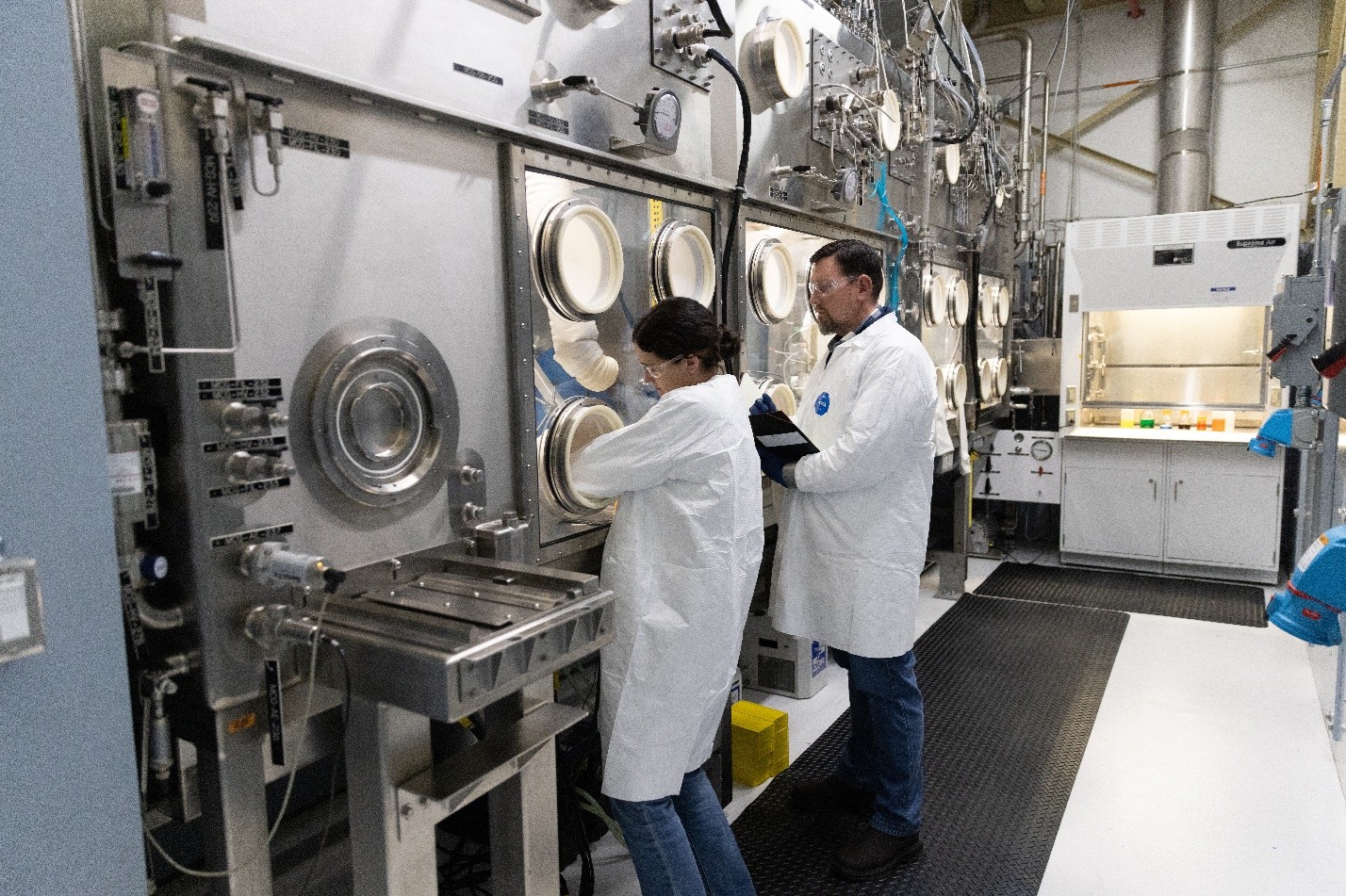
Glove boxes at MSTEC. (Photo: INL)
Idaho National Laboratory has announced that the National Reactor Innovation Center’s Molten Salt Thermophysical Examination Capability (MSTEC) facility will begin operations in March 2026.
Providing testing capabilities for molten salts, including fuel salts, MSTEC extends INL’s abilities to advance molten salt reactor technology and provide data needed for safe reactor deployment.
A view of the DOME microreactor testbed, which is managed by the National Reactor Innovation Center. (Image: NRIC)
The National Reactor Innovation Center is accepting applications from developers ready to take a fueled microreactor to criticality inside the former Experimental Breeder Reactor-II containment building at Idaho National Laboratory, now repurposed as DOME—a microreactor test bed. According to a Department of Energy announcement, DOME will be ready to receive the first experimental reactor in the fall of 2026, with testing likely to begin in 2027.
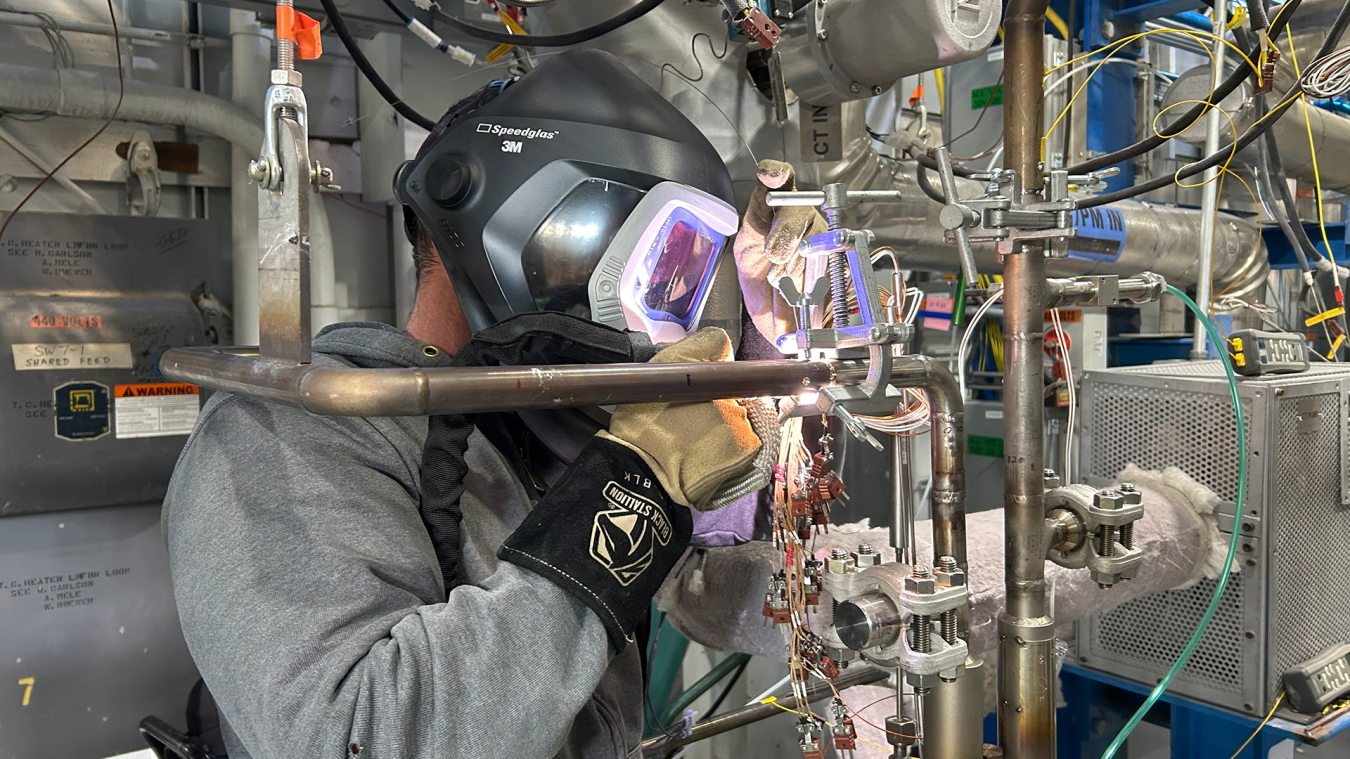
Work on Argonne's METL sodium test loop. (Photo: Argonne National Laboratory)
Argonne National Laboratory has successfully swapped out an aging cold trap in the sodium test loop called METL (Mechanisms Engineering Test Loop), the Department of Energy announced April 23. The upgrade is the first of its kind in the United States in more than 30 years, according to the DOE, and will help test components and operations for the sodium-cooled fast reactors being developed now.
The EBR-II dome, site of the DOME advanced reactor test bed. (Photo: INL)
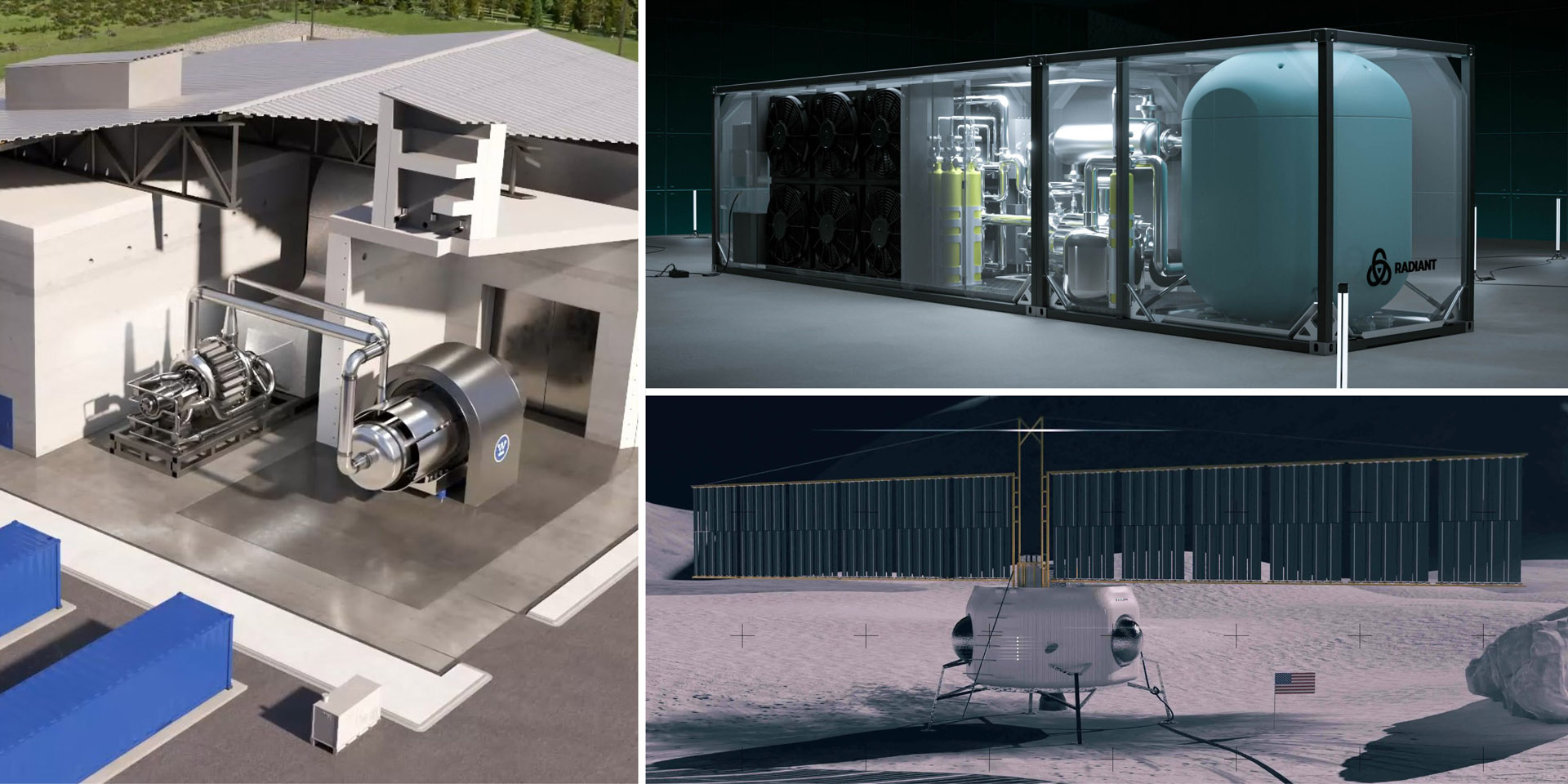
Heat pipes transfer heat out of the eVinci microreactor’s core and allow for air cooling without using water or pressurized gas. (Photo: DOE)
Westinghouse Electric Company has completed the front-end engineering and experiment design (FEEED) for a prototype microreactor at Idaho National Laboratory, the Department of Energy recently announced. The one-fifth scale version of eVinci, Westinghouse’s 5-MWe sodium-cooled heat pipe design, is one of three reactors that could be tested at the National Reactor Innovation Center’s (NRIC) DOME test bed “as early as 2026,” the DOE said.
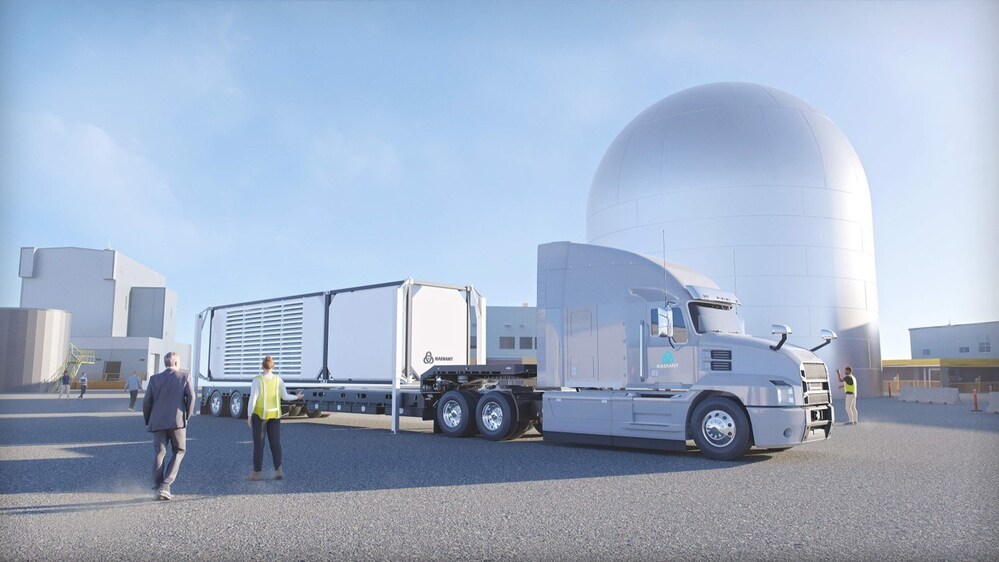
Concept art showing the delivery of Radiant’s Kaleidos to the DOME test bed. (Image: Radiant Industries/Ryan Seper)
Radiant Industries announced on June 4 that the safety design strategy (SDS) for a test of its Kaleidos microreactor in the National Reactor Innovation Center’s DOME test bed at Idaho National Laboratory now has approval from the Department of Energy. Radiant hopes to test Kaleidos—a 1-MW high-temperature, gas-cooled reactor—by 2026 and then market portable commercial reactors to power remote locations and provide backup or primary power for critical applications in hospitals or for disaster relief.
MCRE could be built inside the ZPPR cell (shown here) at INL’s Materials and Fuels Complex. (Photo: INL)
A tiny 200-kWt reactor the Department of Energy says would be the first critical fast-spectrum circulating fuel reactor and the first fast-spectrum molten salt reactor (MSR) could be built and operated inside the Zero Power Physics Reactor (ZPPR) cell at Idaho National Laboratory’s Materials and Fuels Center (MFC). Details included in the Molten Chloride Reactor Experiment (MCRE) draft environmental assessment (EA)—released on March 16 for two weeks of public comment (later extended to four weeks, through April 14)—covered the potential environmental impacts associated with the development, construction, operation, and decommissioning of MCRE at INL, facilitated by the National Reactor Innovation Center (NRIC).