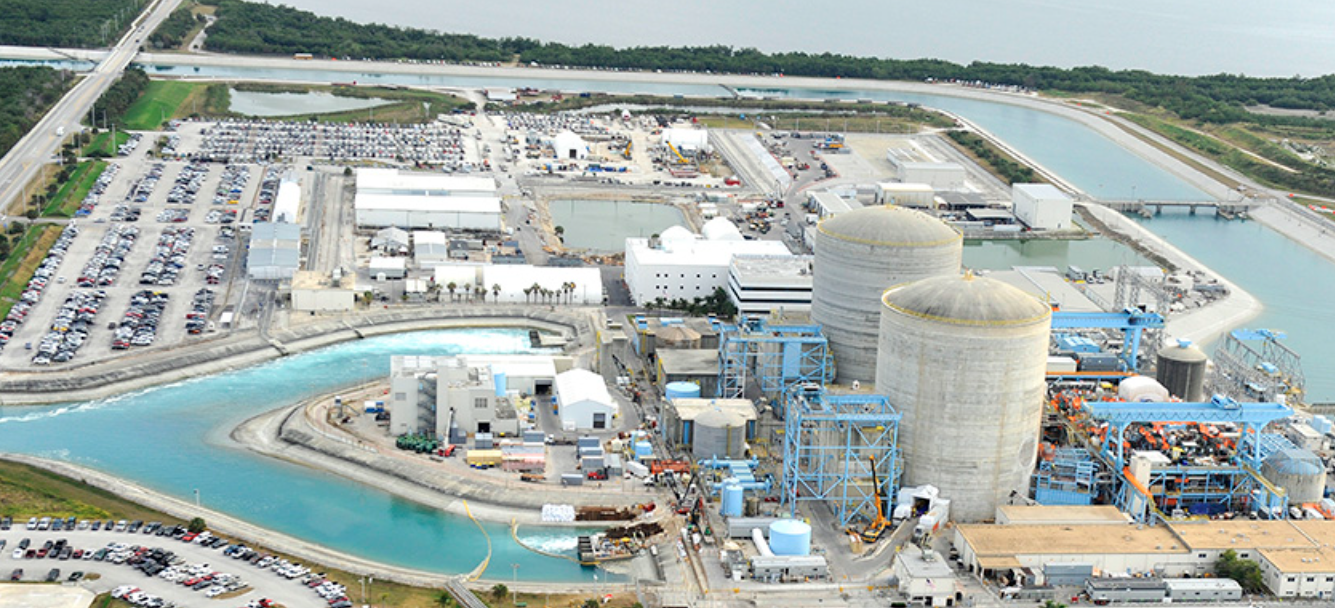
St. Lucie nuclear power plant. (Photo: FPL)
The Nuclear Regulatory Commission has approved subsequent license renewals for St. Lucie Units 1 and 2, extending the operating licenses for the pressurized water reactors by another 20 years.
Tuesday’s approval means that the 1,062-MWe Unit 1 and 1,074-MWe Unit 2 can now operate until March 1, 2056, and April 6, 2063, respectively. Unit 1 commenced operations in 1976 and Unit 2 in 1983. With the original 40-year operating licenses and first 20-year renewals, these second 20-year renewals bring the reactors’ lifespan to 80 years.
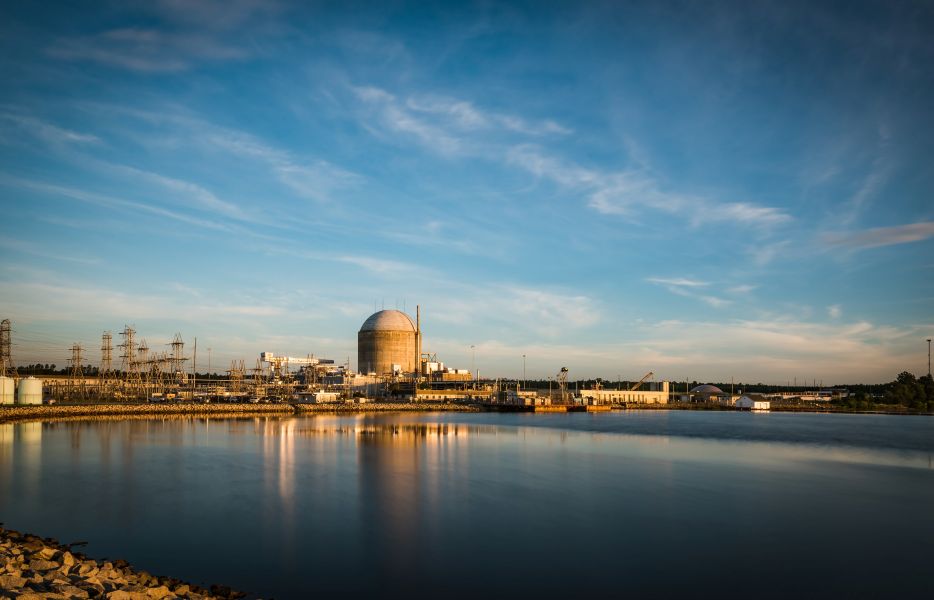
Robinson nuclear power plant in Hartsville, S.C. (Photo: Duke Energy)
The Nuclear Regulatory Commission has renewed the Robinson nuclear power plant’s operating license in record time, the agency announced last week.
The subsequent license renewal process for the Hartsville, S.C., facility was completed within 12 months, according to the NRC. The process has typically taken 18 months. This was the first license renewal review conducted under the directive of Executive Order 14300 to streamline processes like renewing operating licenses.
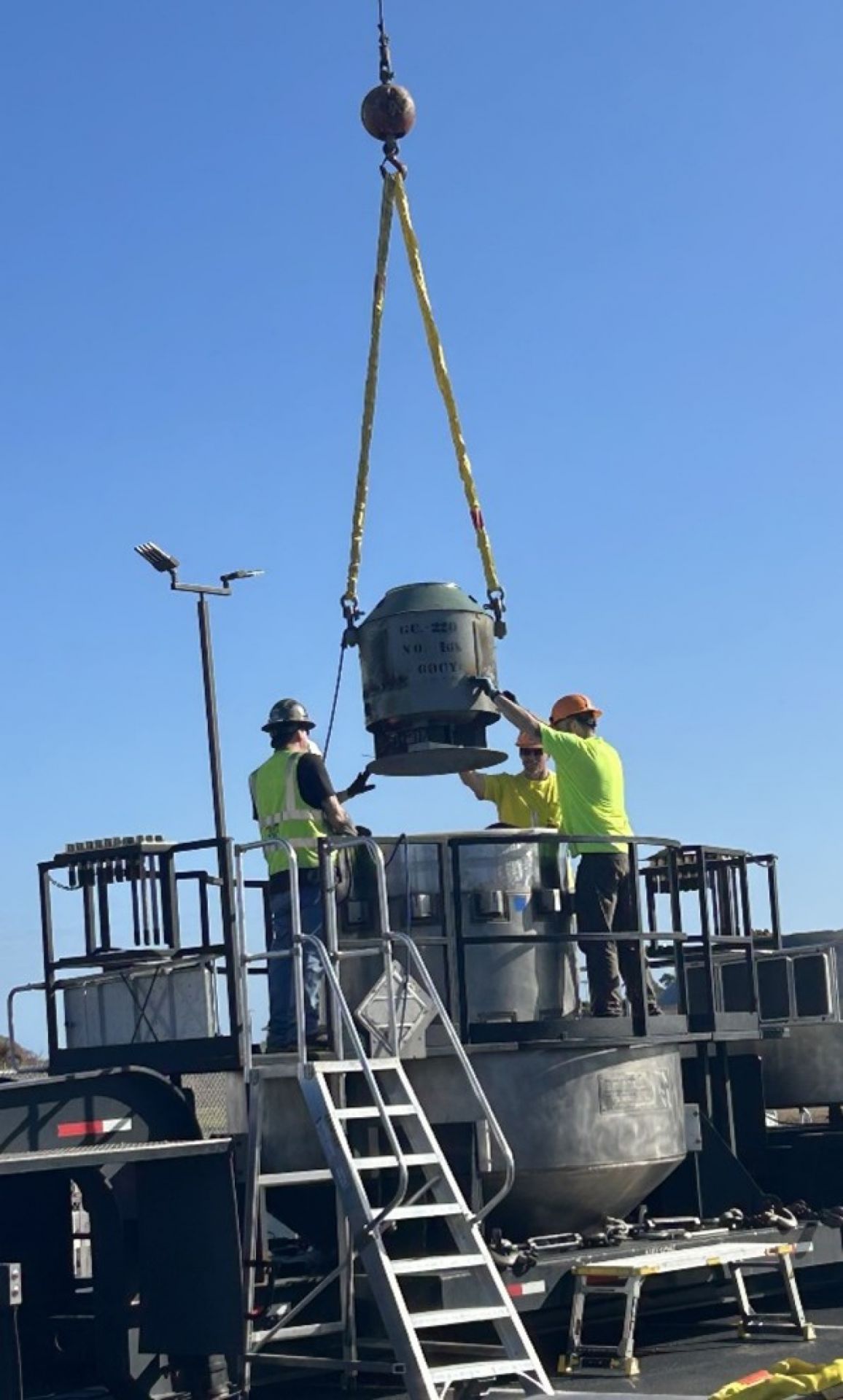
The NNSA’s Office of Radiological Security team loads a Cs-137 irradiator into a secure transportation container. (Photo: NNSA)
The Department of Energy’s National Nuclear Security Administration announced that it has successfully removed all cesium-137 irradiators from South Carolina, as the agency seeks to eliminate radiological threats and protect communities.
Cs-137 sources are commonly used to irradiate cellular blood cells prior to transfusion to prevent graft-versus-host disease, where the donated cells view the recipient’s cells as an unfamiliar threat. If stolen from a less-secure facility, however, the cesium inside the irradiators could be used to create a radiological dispersal device, commonly referred to as a dirty bomb.
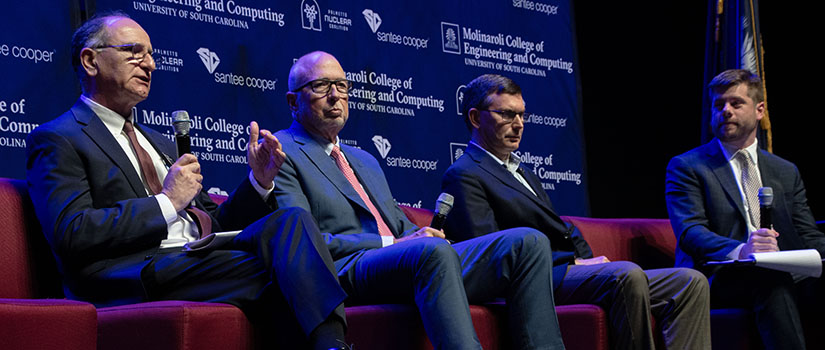
Some of the speakers at the summit. (Photo: University of South Carolina)
The second annual South Carolina Nuclear Summit held last week featured utility executives and legislators from the state, as well as leaders from Brookfield Asset Management, which is being considered to restart construction on the two abandoned reactors at the V.C. Summer nuclear power plant in Fairfield County. The summit, at the University of South Carolina’s Colonial Life Arena, attracted more than 350 attendees. The event was hosted by the university’s Molinaroli College of Engineering and Computing.
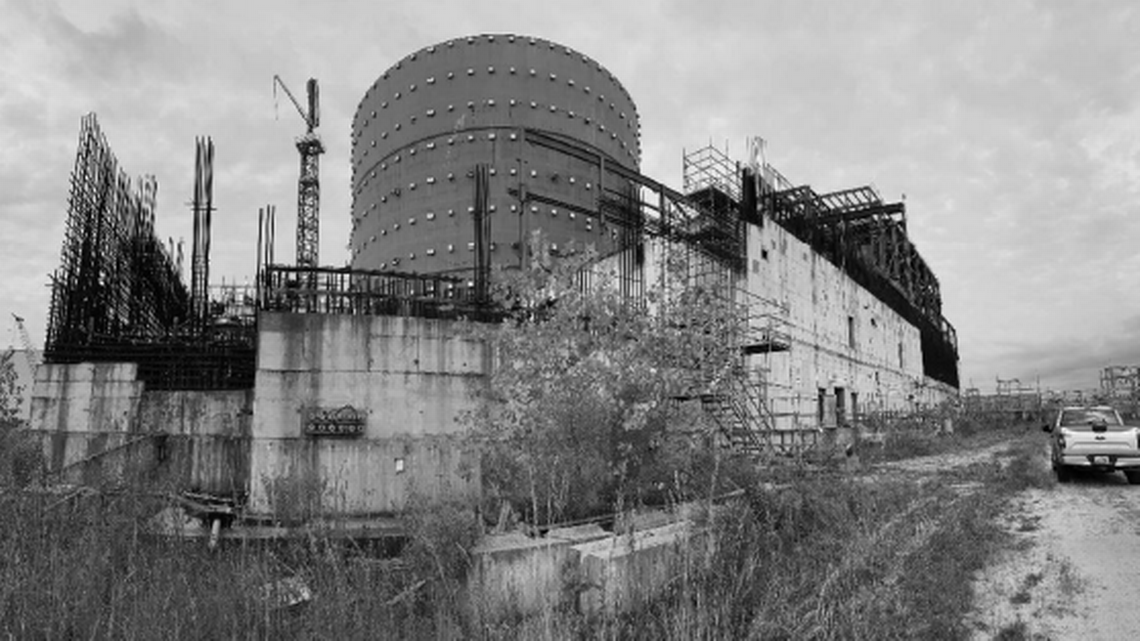
The unfinished reactor containment building at Unit 2 of the V.C. Summer nuclear power plant in September 2024. (Photo: South Carolina's Nuclear Advisory Council)
Santee Cooper is satisfied with the response generated by its initial request for proposals to buy what remains of the Summer-2 and -3 nuclear power plant project in South Carolina. The RFP was issued in January and the application window closed May 5.
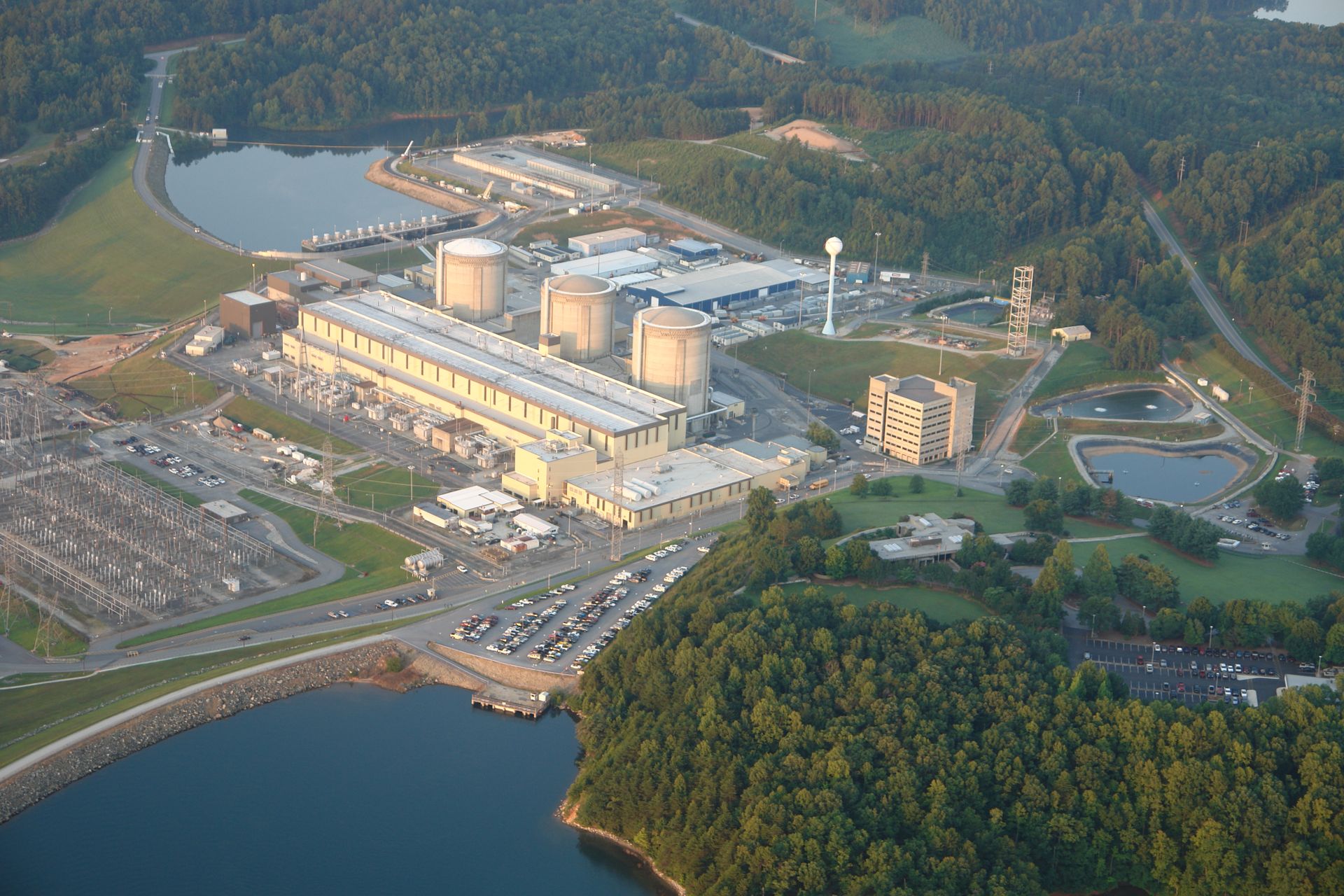
Duke Energy's Oconee nuclear power plant. (Photo: Duke Energy)
All three units at the Duke Energy’s Oconee nuclear power plant in South Carolina are now licensed to operate for an additional 20 years.
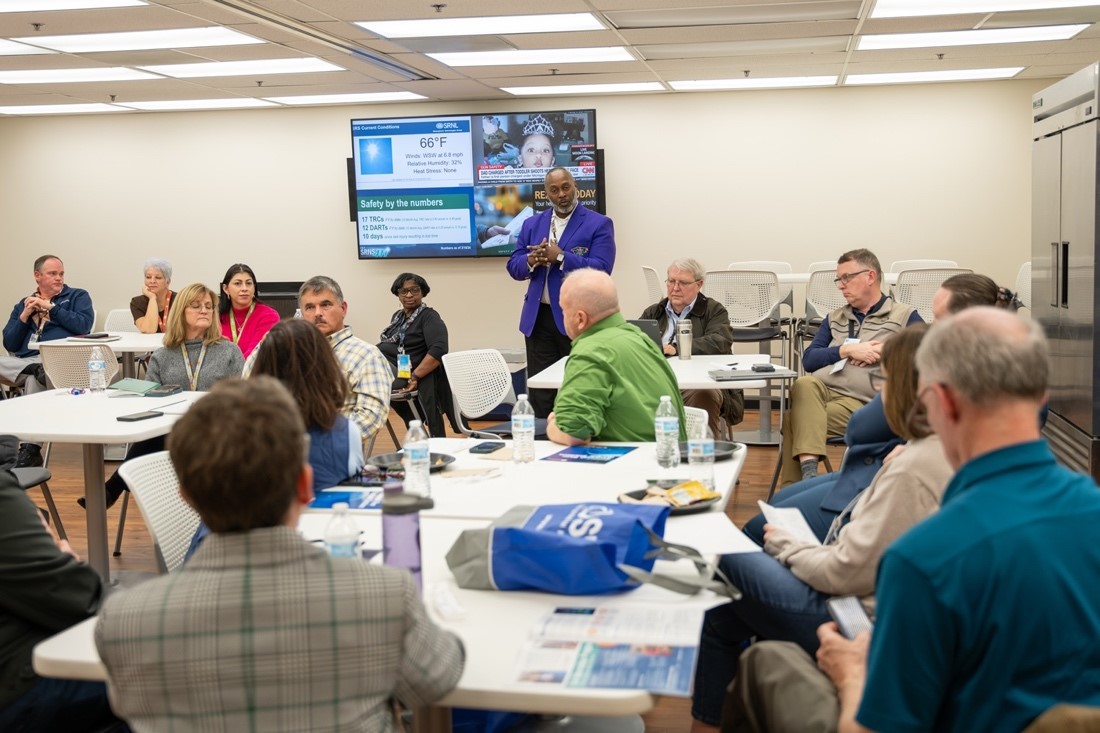
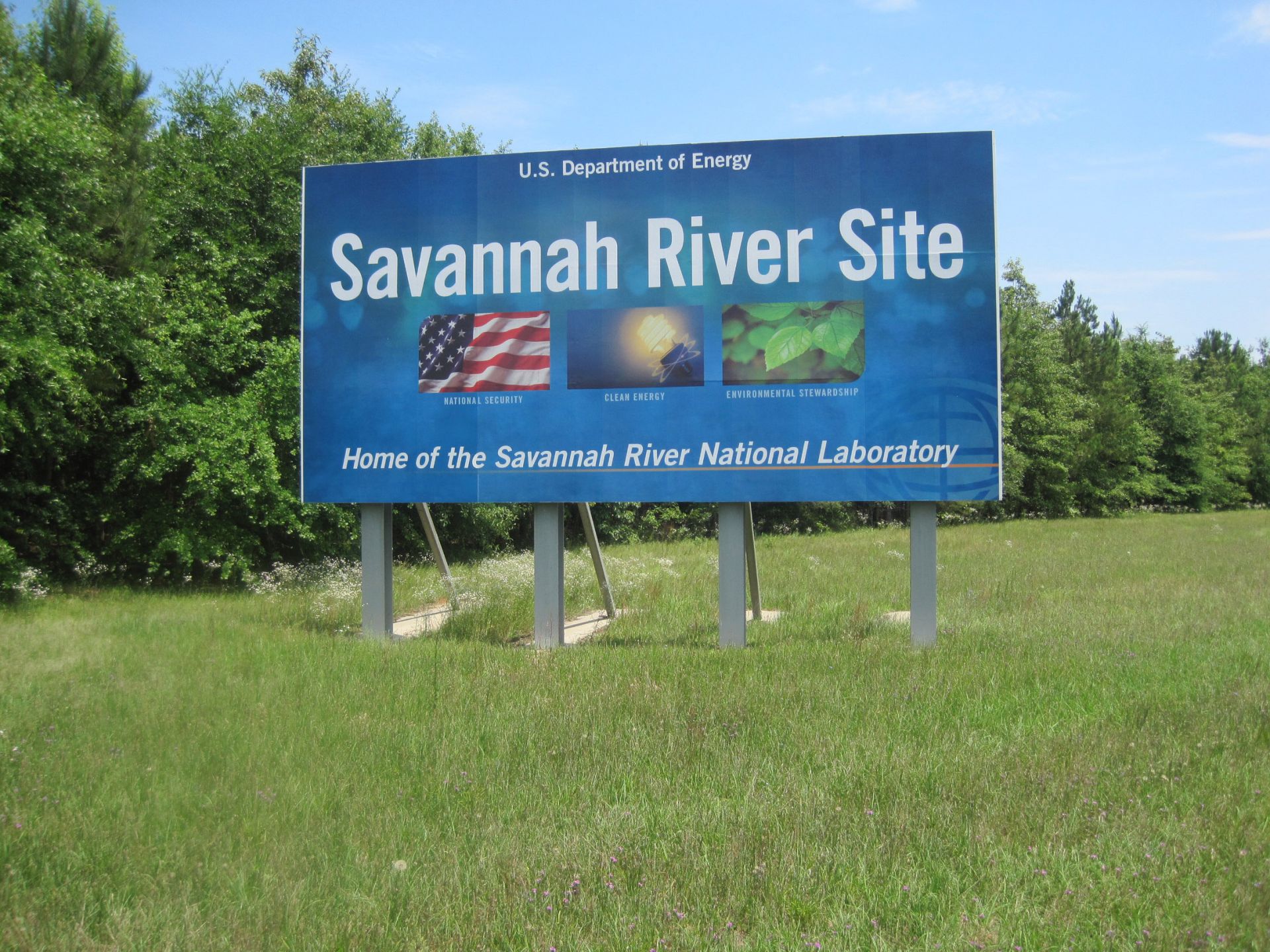
SRNS’s Sean Alford (standing) discusses career opportunities with Winthrop University faculty and staff during a tour of the Savannah River Site. (Photo: SRNS)
Faculty and staff from Winthrop University recently toured the Department of Energy’s Savannah River Site as part of a workforce development partnership.
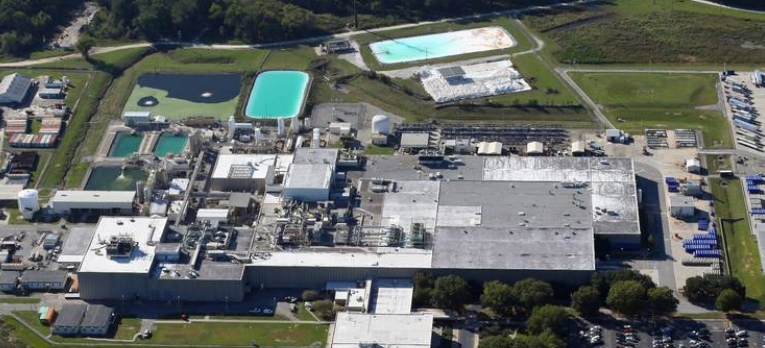
The Westinghouse fuel fabrication facility in South Carolina. (Photo: Westinghouse)
Hundreds of employees at the Westinghouse nuclear fuel fabrication facility in South Carolina are trying to form a union and join the International Brotherhood of Electrical Workers.

 NextEra Energy is set to acquire Dominion Energy, the two utilities announced earlier today in an approximately $67 billion merger that will alter the energy landscape—including for nuclear power—in the United States.