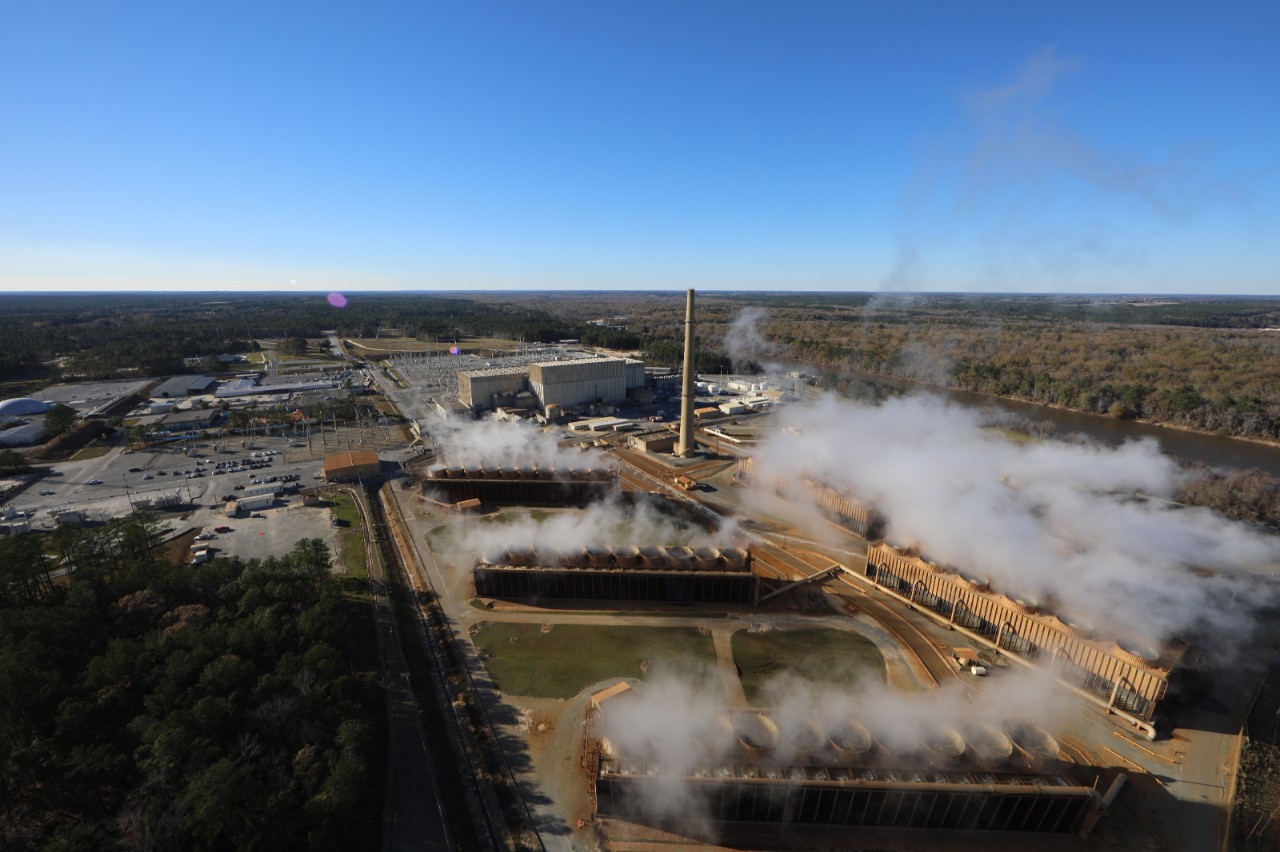
Hatch nuclear power plant in Georgia. (Photo: Southern Nuclear)
The Nuclear Regulatory Commission has renewed the operating licenses of Hatch-1 and -2 in under 12 months, the agency announced Friday.
Southern Nuclear’s application was accepted by the NRC in June 2025. The Baxley, Ga., facility’s two boiling water reactors are the second and third units to receive subsequent license renewals under the NRC’s new, streamlined process for renewing operating licenses in 12 months or less. Previously completed SLR proceedings took, on average, about two-and-a-half years.
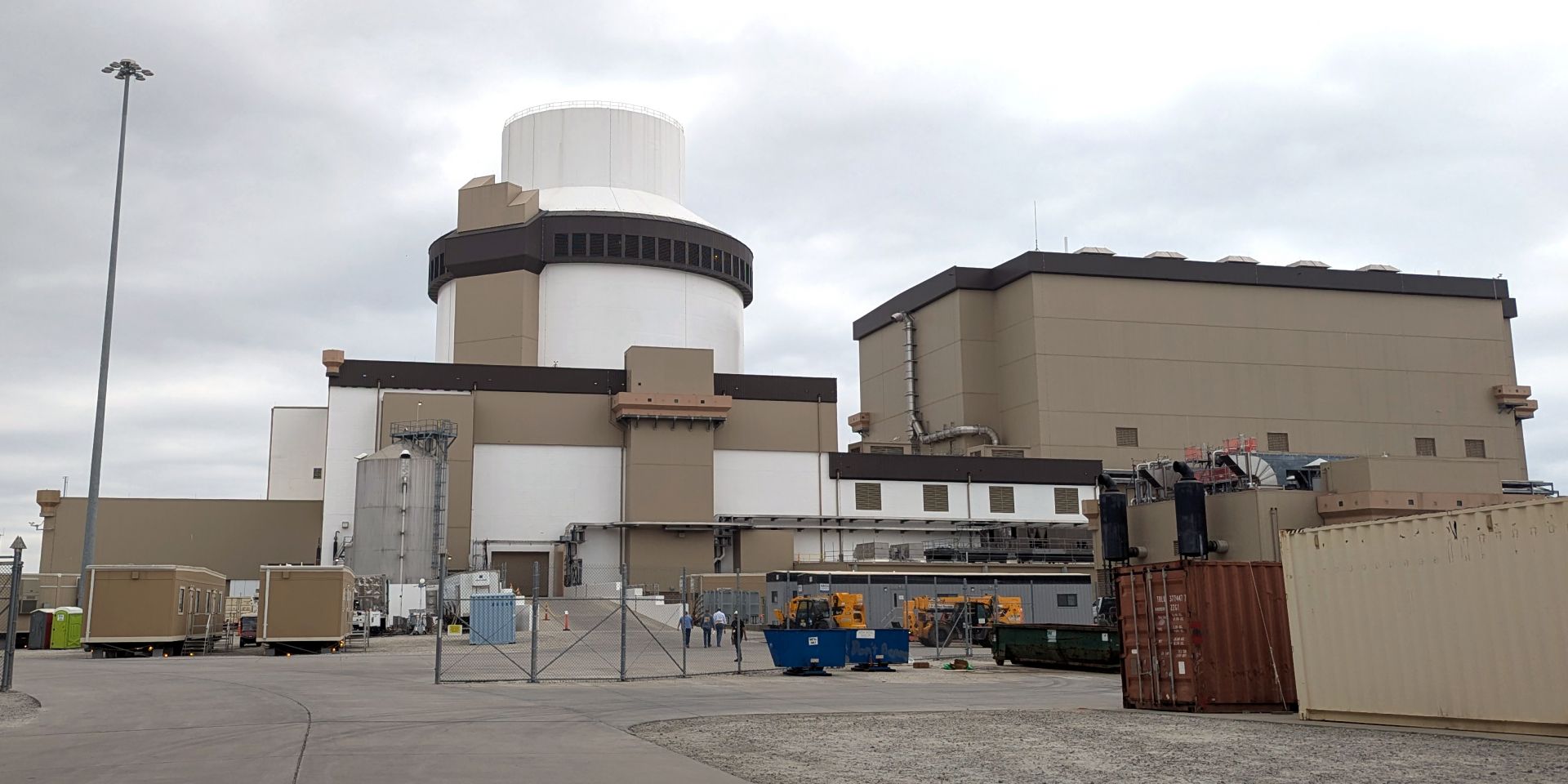
The reactor building and the turbine building seen in October 2024 as employees worked on Vogtle Unit 3’s first-ever refueling outage. (Photo: Dot Schneider)
Southern Nuclear was first when no one wanted to be.
The nuclear subsidiary of the century-old utility Southern Company, based in Atlanta, Ga., joined a pack of nuclear companies in the early 2000s—during what was then dubbed a “nuclear renaissance”—bullish on plans for new large nuclear facilities and adding thousands of new carbon-free megawatts to the grid.
In 2008, Southern Nuclear applied for a combined construction and operating license (COL), positioning the company to receive the first such license from the U.S. Nuclear Regulatory Commission in 2012. Also in 2008, Southern became the first U.S. company to sign an engineering, procurement, and construction contract for a Generation III+ reactor. Southern chose Westinghouse’s AP1000 pressurized water reactor, which was certified by the NRC in December 2011.
Fast forward a dozen years—which saw dozens of setbacks and hundreds of successes—and Southern Nuclear and its stakeholders celebrated the completion of Vogtle Units 3 and 4: the first new commercial nuclear power construction project completed in the U.S. in more than 30 years.
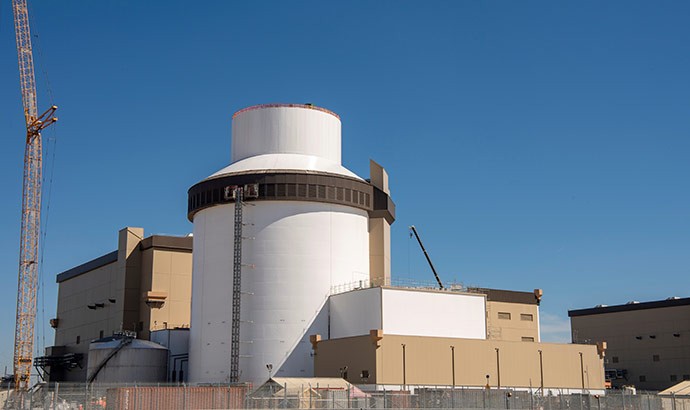
Vogtle's Unit 4 achieves a milestone. (Photo: Georgia Power)
Unit 4 at Georgia Power’s Plant Vogtle has entered commercial operation, the company announced today. The new unit can produce enough electricity to power an estimated 500,000 homes and businesses, according to the company.
A Japanese rat snake is fitted with a GPS transmitter that will allow researchers to track its movements. (Photo: Hannah Gerke)