A brief look: Desai kicked off his presentation by acknowledging that excitement is currently high among the general public and those in space-related industries alike due to the success of the Artemis II mission. He predicted that once the Artemis IV crew lands on the moon, “the world will come to a full stop” again, as it did when the Apollo 11 crew first set foot on the lunar surface.
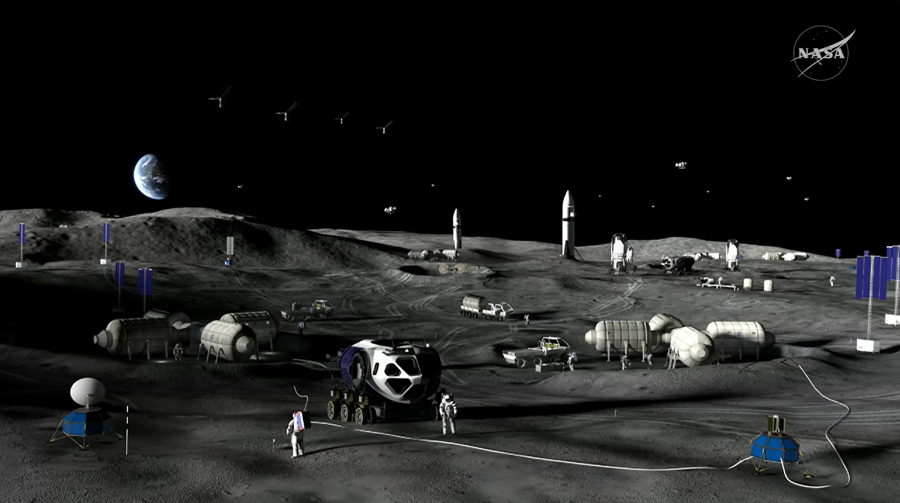
Beyond repeating milestones we first achieved decades ago, NASA and its partners have much larger goals for the near-term future of the moon. Desai recapped NASA Administrator Jared Isaacman’s recent announcement of a new, three-stage lunar strategy.
In the first phase of this plan, NASA will secure reliable access to the moon, focus on repeatable missions, and begin establishing early-stage infrastructure. In the second phase, NASA and its partners will establish the initial operating capability of a lunar base. Finally, in the third phase, NASA aims to achieve a semipermanent crew presence on the moon. That final phase is slated to begin in 2032.
Due to the moon’s extreme conditions, significant barriers limit the viability of nonnuclear power sources. Between a vanishingly thin atmosphere, two-week-long nights, and temperatures that swing hundreds of degrees in the course of a lunar day, nuclear systems are an ideal choice for use on the moon because of their resilience.
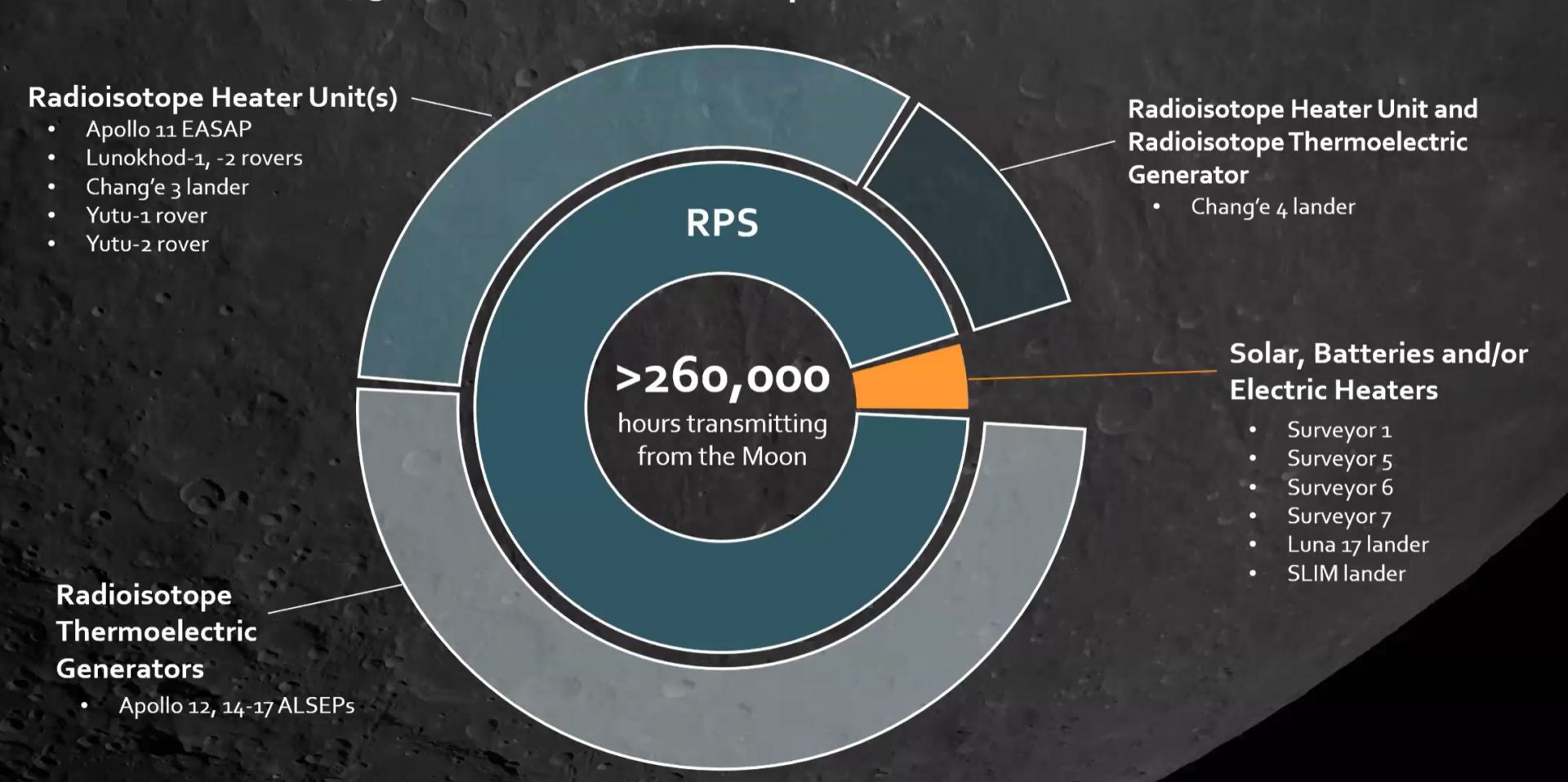
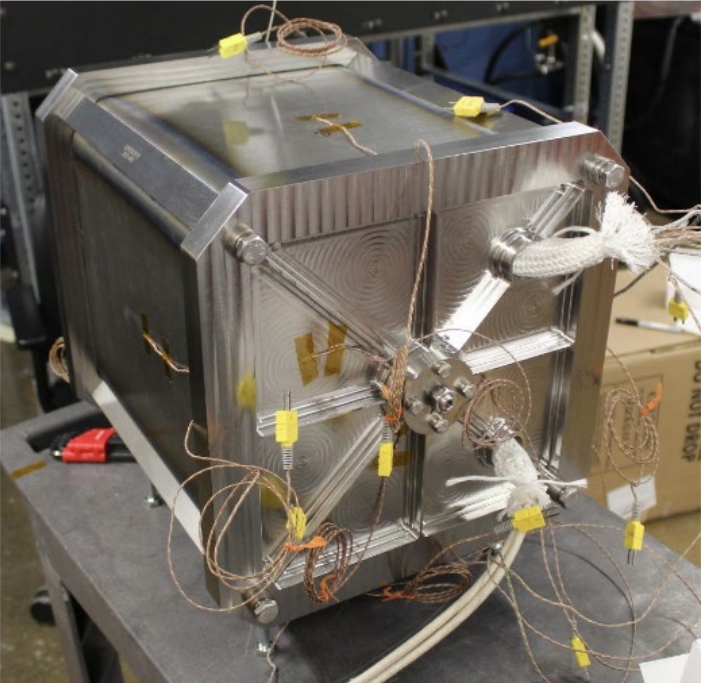
In fact, Desai explained, more than 90 percent of all nonhuman operational time on the lunar surface has been enabled by radioisotope thermoelectric generators (RTGs) and radioisotope heater units. Beyond the moon, RTGs have also powered the Voyager probes and missions to Mars like the Perseverance Rover.
Desai concluded his presentation by saying that, with NASA’s unveiling of ambitious plans for new lunar development, the future of nuclear power looks brighter than ever. “Without nuclear, we simply do not have a path to having a long-term presence on the moon.”
Go deeper: Desai’s full presentation, which dives much deeper into NASA’s plans for the future of the moon, is available on ANS’s YouTube channel.