Why Japan’s response to Fukushima radiation failed while Utah’s response succeeded

Aboveground atomic bomb test at the Nevada Test Site while troops look on. These clouds of material often wafted over to Utah during the 1950s. (Photo: NNSA)
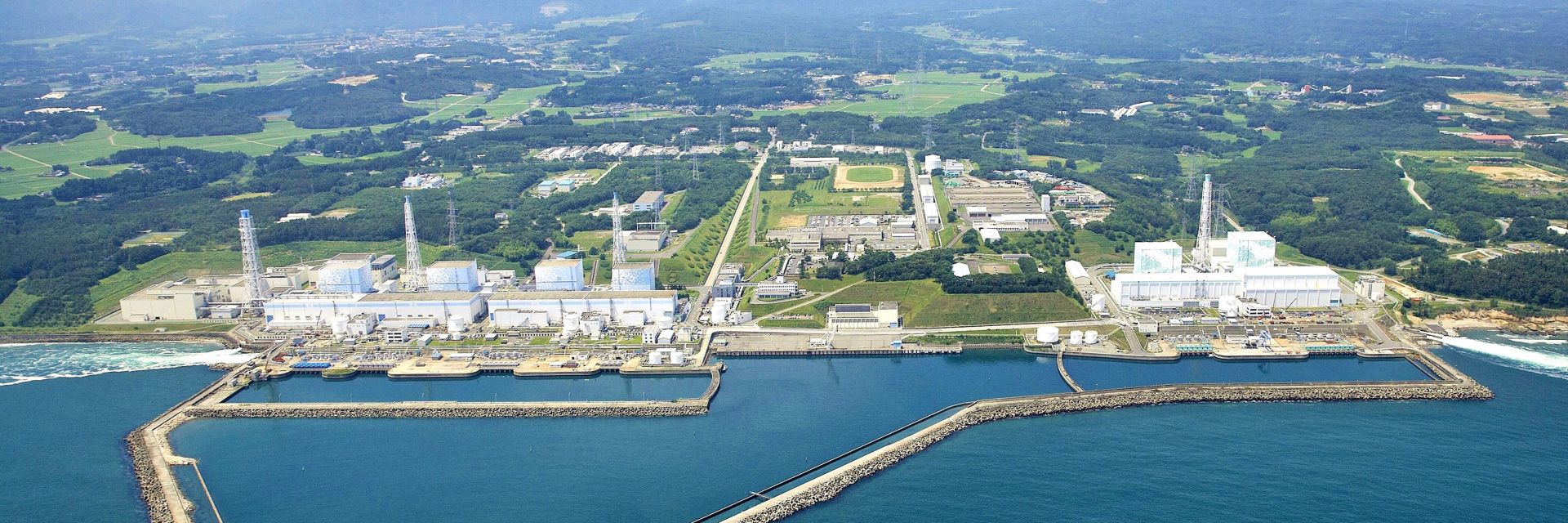
In 1953, the United States detonated aboveground nuclear weapons during tests at the Nevada Test Site. In 2011, the Fukushima Daiichi meltdown occurred in Japan. Both events spread radioactive material over many miles and over population centers. Neither event resulted in any adverse health effects from that radiation.
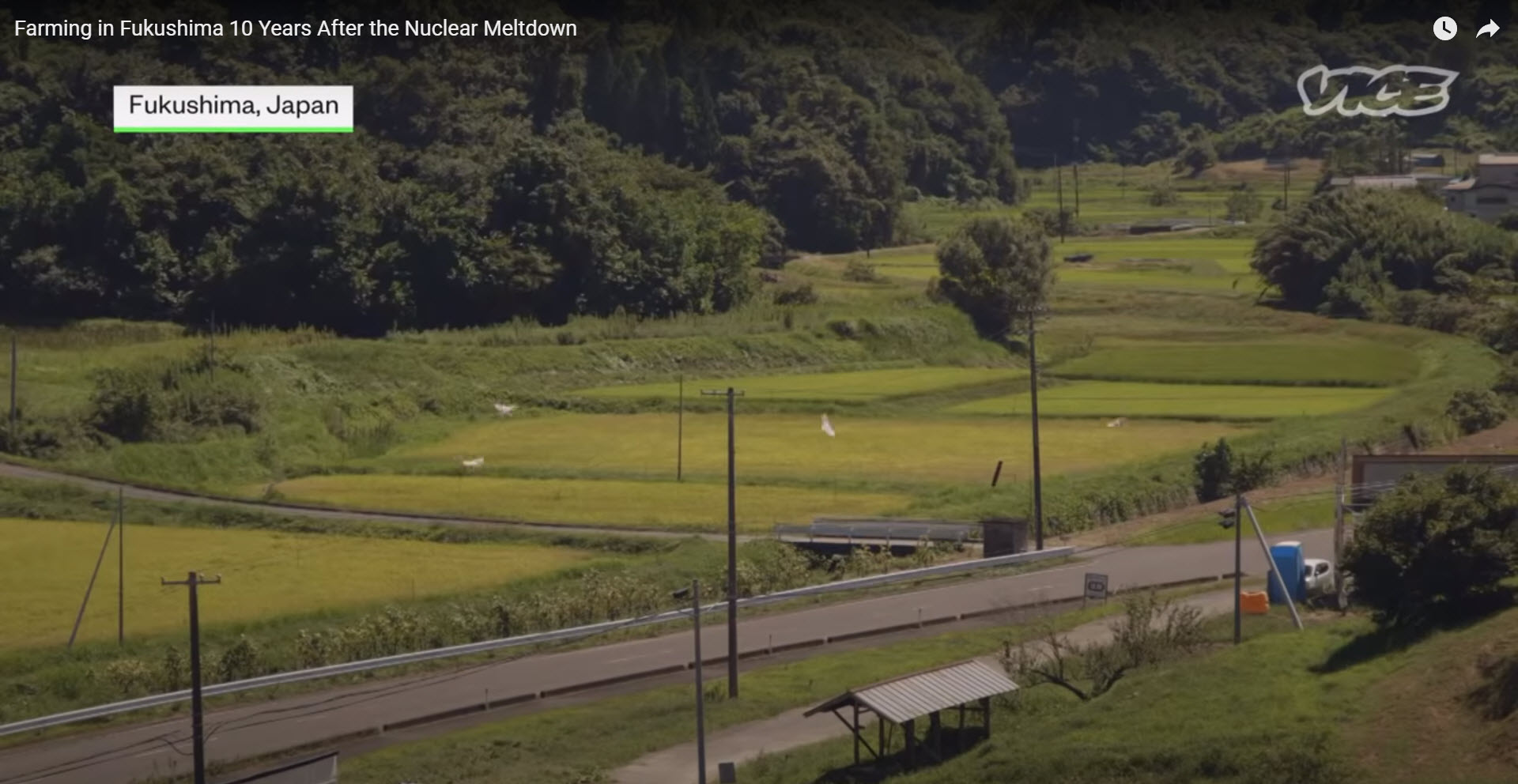
But the response to the Fukushima event was disastrous because of the irrational and misinformed fear of radiation. That fear—not radiation—killed at least 1,600 people and destroyed the lives of at least another 200,000. That fear seriously harmed the entire economy of Japan, stopped cold the fishing industry and other agriculture in that area, and, overnight, reversed the country’s progress in addressing climate change.
The U.S. tests spread two to three times more radiation than did the events of Fukushima over the people of Utah, particularly the town of St. George. Like with Fukushima, no one was hurt, there was never any increase in cancer rates, and no one died as a result. But in Utah, the economy and people’s lives were unaffected. Why was there such a different result?
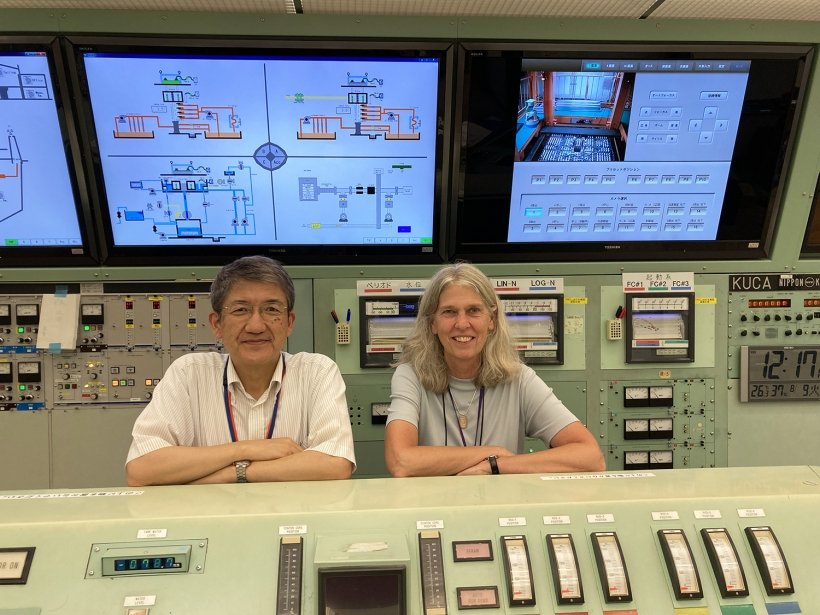
 Noting the challenges Japan will face in managing the nuclear waste that will be generated from decommissioning 79 of its nuclear research and development facilities, the International Atomic Energy Agency is recommending that the country prepare for delays in the development of disposal facilities and provide appropriate waste storage capacity for the interim period.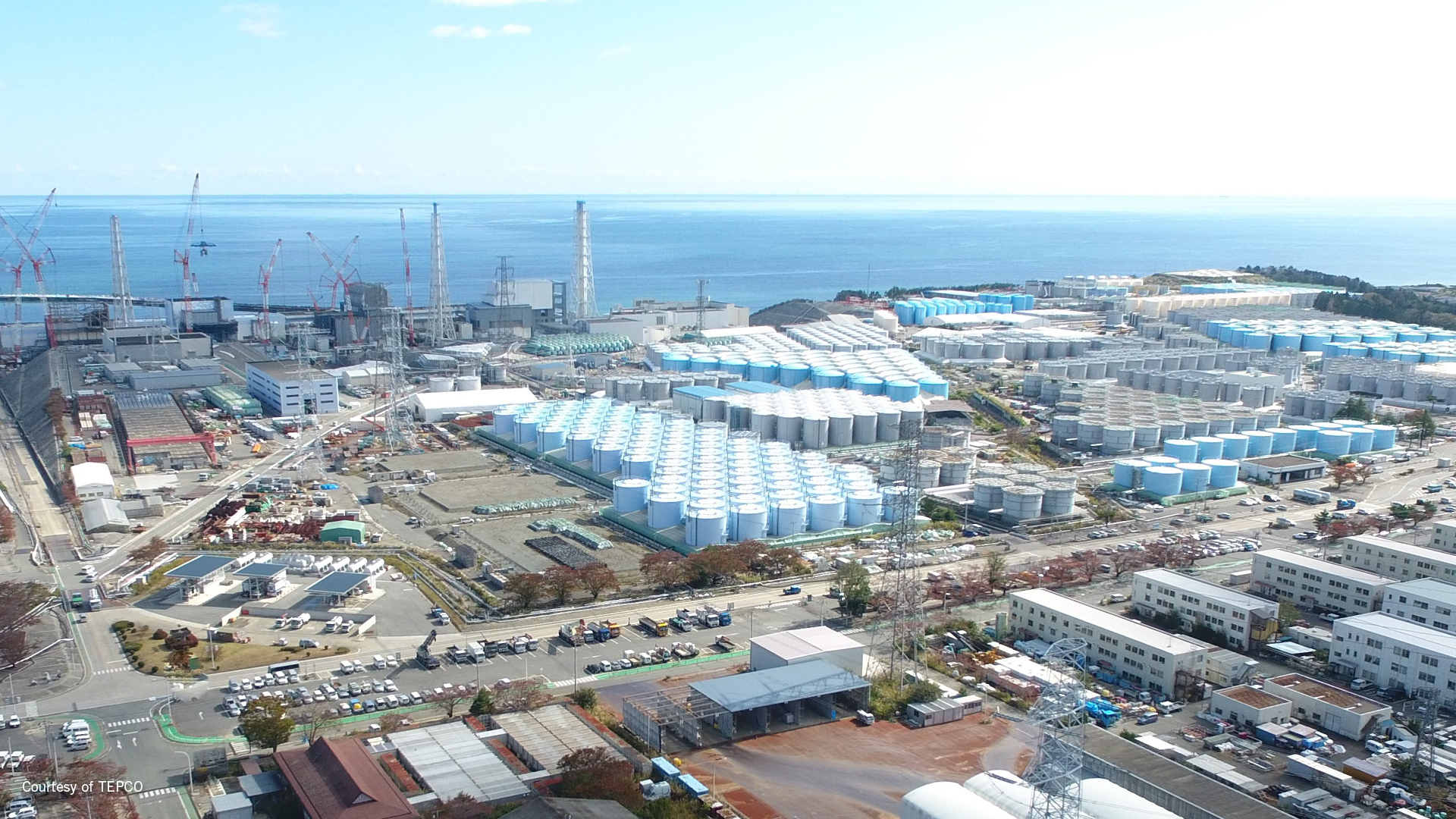
 Nuclear power is an important component in the fight against climate change, but independent regulation is needed to gain the public’s---and governments'---trust, according to a March 6 article in The Economist, “