-3 2x1.jpg)
Nuclear Technology publishes latest research on U.S. transient testing capability
May 27, 2020, 8:49AMNuclear News
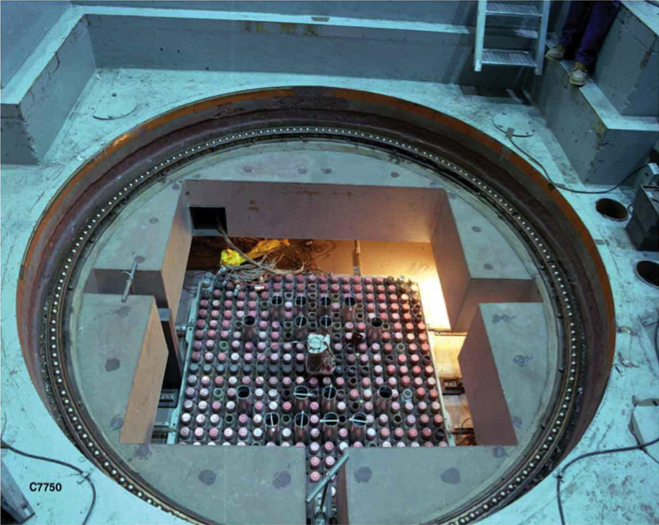
View of the top of the TREAT reactor.
The Transient Reactor Test (TREAT) Facility at Idaho National Laboratory was restarted in 2018 after being in safe standby mode since 1994. The June 2020 issue of the American Nuclear Society's Nuclear Technology (NT) journal features seven technical papers related to the benchmarking of the facility. Wade Marcum, a lead researcher on the project and guest editor of June’s NT issue, explained, “The goal of this effort was to understand, to the best of our ability, the expected response of the TREAT reactor upon its restart.”
To continue reading, log in or create a free account!
Tags:
Share:
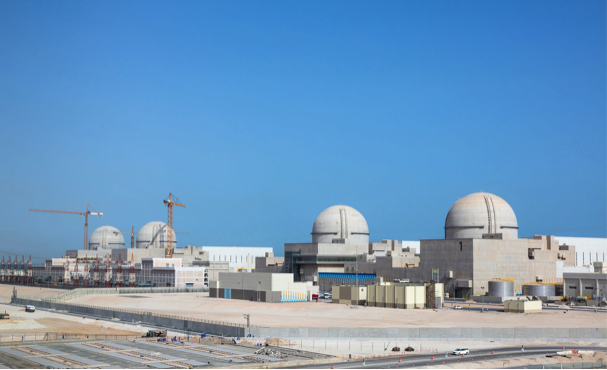

 Scott Dempsey is the senior vice president of waste management business development for EnergySolutions, a nuclear services company headquartered in Salt Lake City, Utah.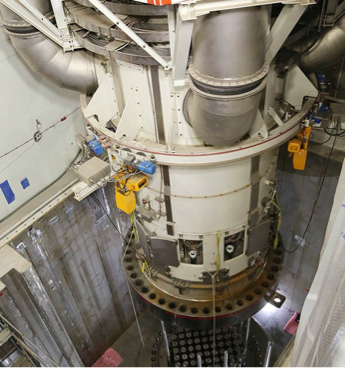
 Nuclear power plant performance includes both operational and safety aspects and is an outcome of numerous elements, such as the reliability of equipment, reduction in challenges to plant operations, protection of workers, and proficiency of operations. These elements are inextricably linked to each other and to the safety of each facility. In short, a well-run plant is a safe plant for the workers and the public, and a well-run plant is an efficient plant. By-products of high performance include improved regulatory performance, worker safety, plant reliability, and, most important, public health and safety.