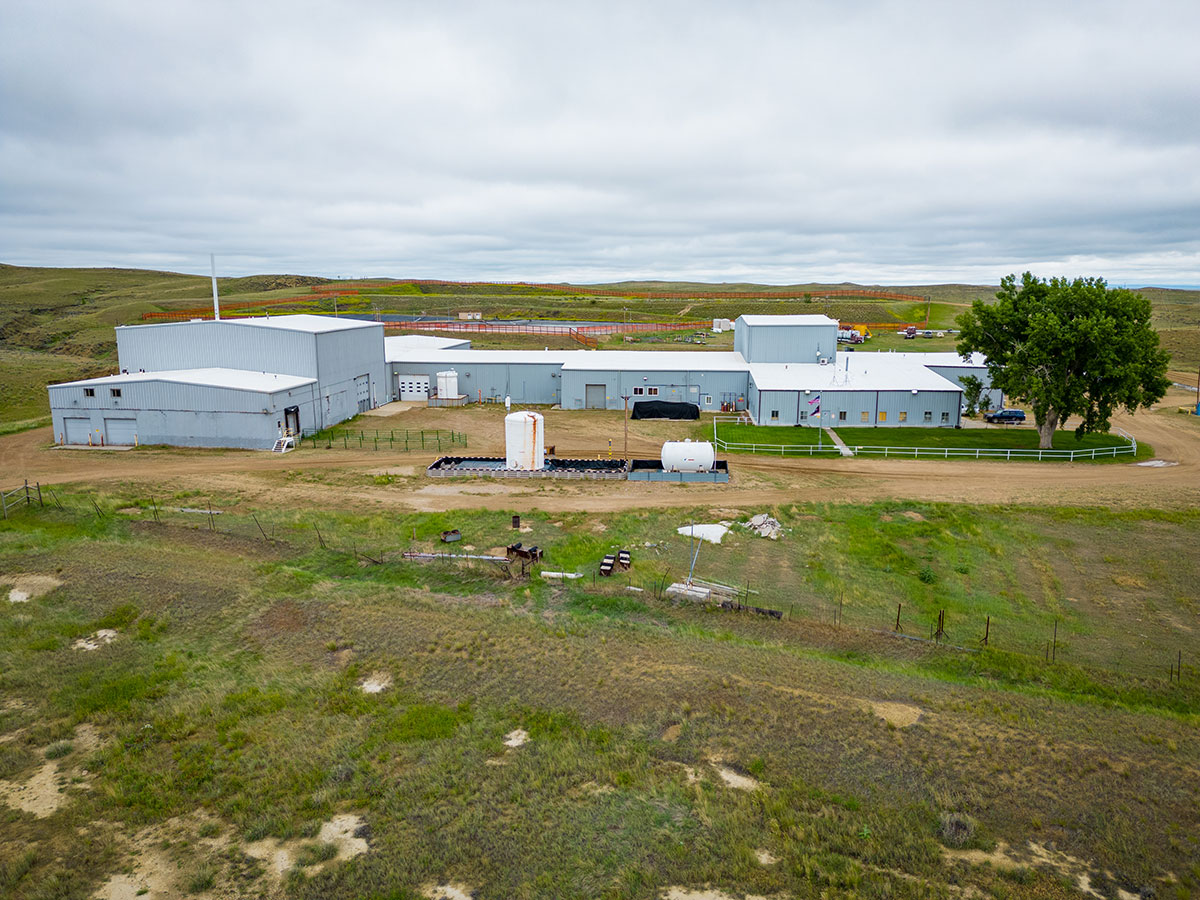
The Irigaray central processing plant, in Wyoming’s Powder River Basin. (Photo: Uranium Energy)
TerraPower and Uranium Energy announced today that they have signed a memorandum of understanding to “explore the potential supply of uranium” for TerraPower’s demonstration reactor in Kemmerer, Wyo.
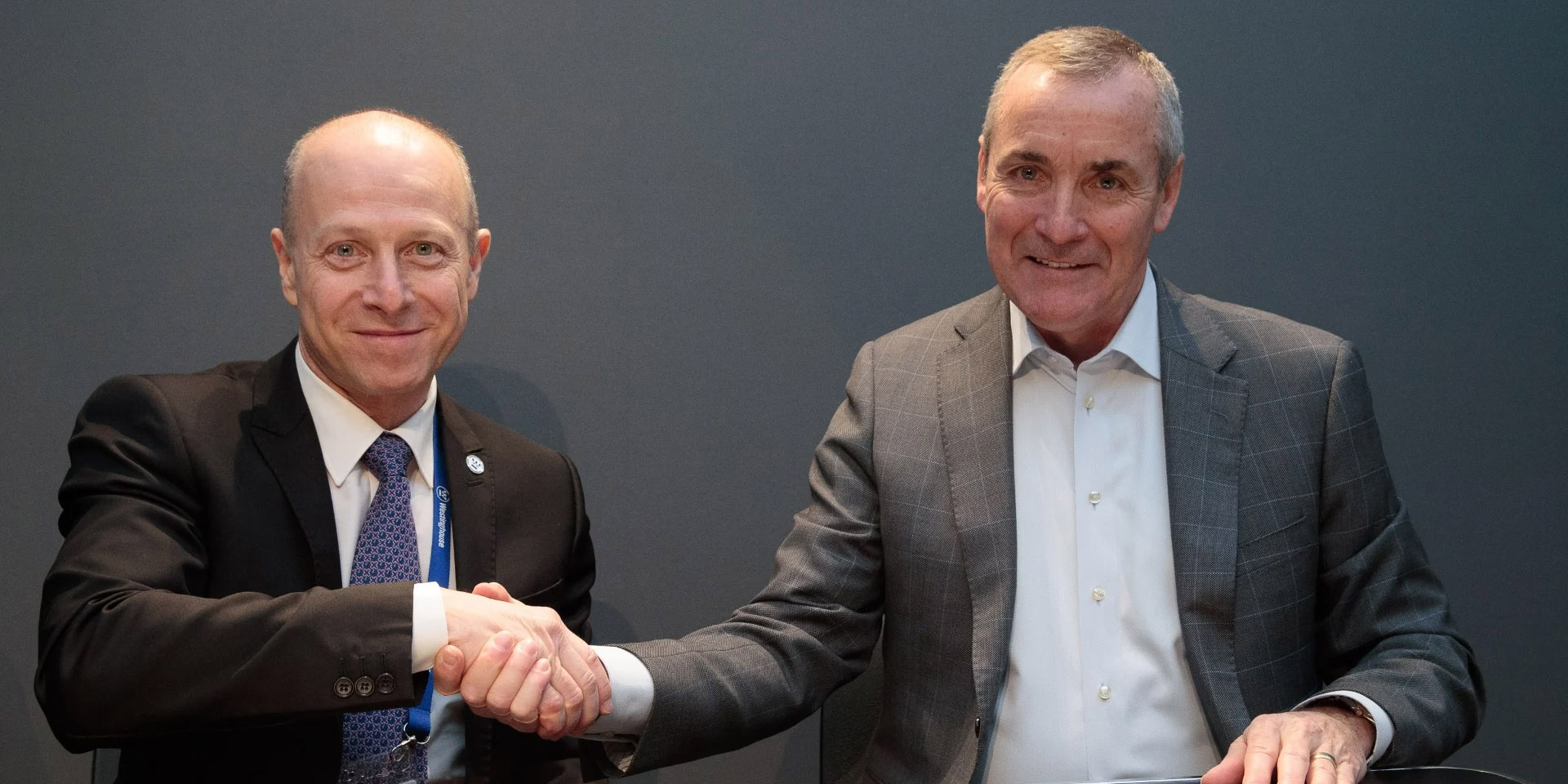
Westinghouse’s Fragman (left) and OPG’s Ken Hartwick at the World Nuclear Exhibition in Paris. (Photo: Westinghouse)
Westinghouse Electric Company and Ontario Power Generation have signed a memorandum of understanding establishing a framework to identify potential areas of cooperation for the deployment of nuclear technologies in Canada, the companies jointly announced this morning. (While based in Cranberry Township, Pa., Westinghouse is owned by Canadian firms Brookfield Asset Management and Cameco.)
Savannah River Nuclear Solution’s supply chain management team discusses upcoming process changes during its first staff augmentation summit. (Photo: SRNS)
Savannah River Nuclear Solutions’ Supply Chain Management (SCM) team recently hosted its first staff augmentation summit to strengthen relationships with 25 staffing firms and provide upcoming process changes for fiscal year 2024.
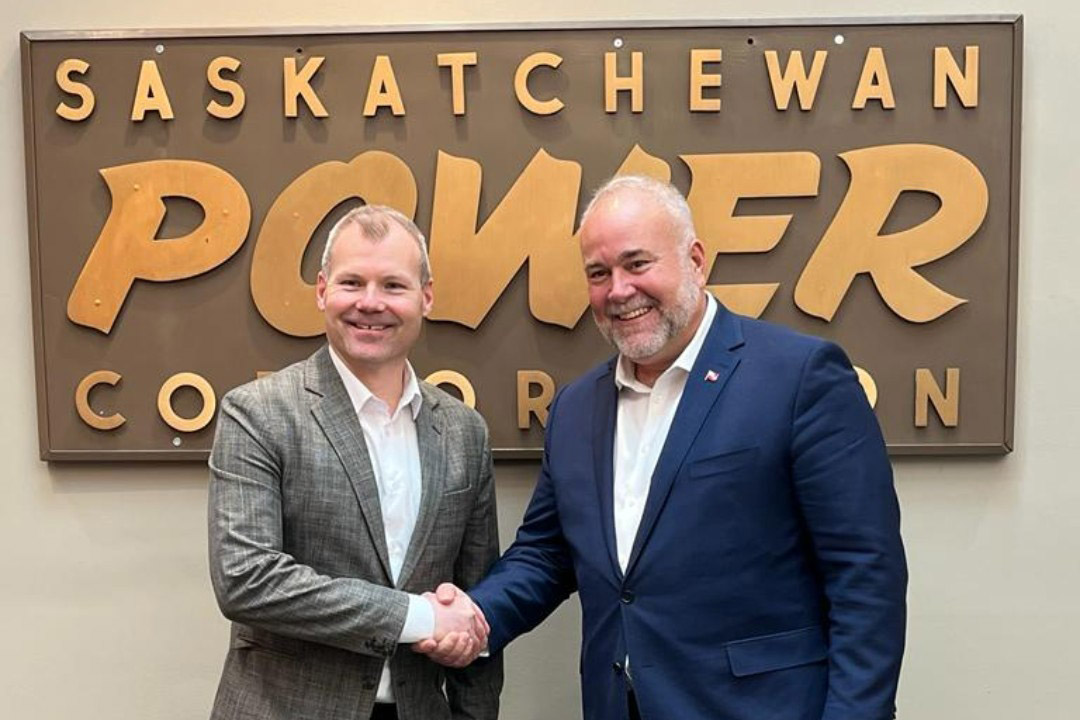
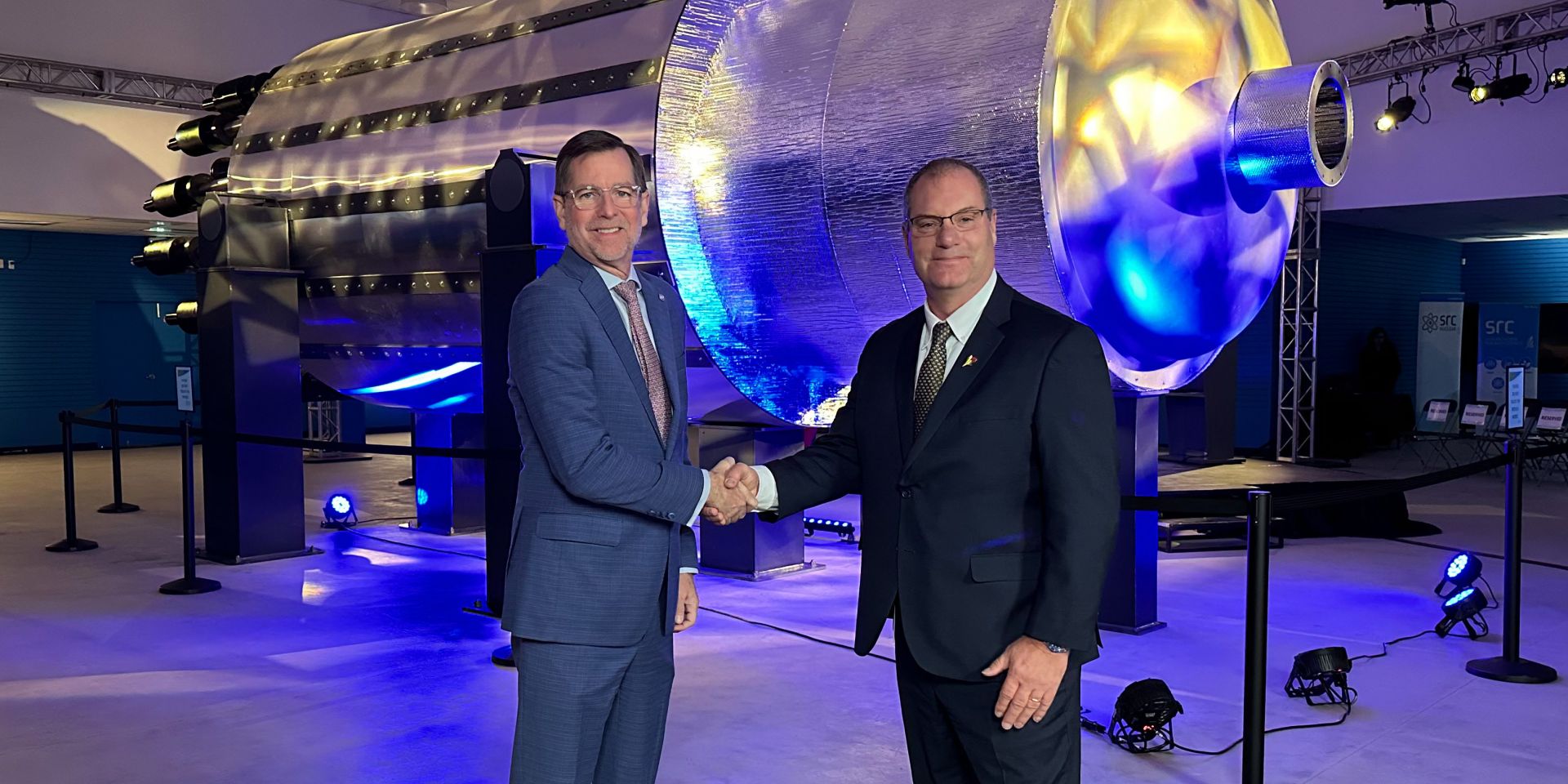
eVinci Technologies president Jon Ball (left) and SRC president and CEO Mike Crabtree in front of a scale mock-up of an eVinci microreactor at SRC. (Photo: Westinghouse)
Saskatchewan premier Scott Moe yesterday announced C$80 million (about $59 million) for the Saskatchewan Research Council (SRC) to pursue demonstration of Westinghouse Electric Company’s eVinci microreactor technology.
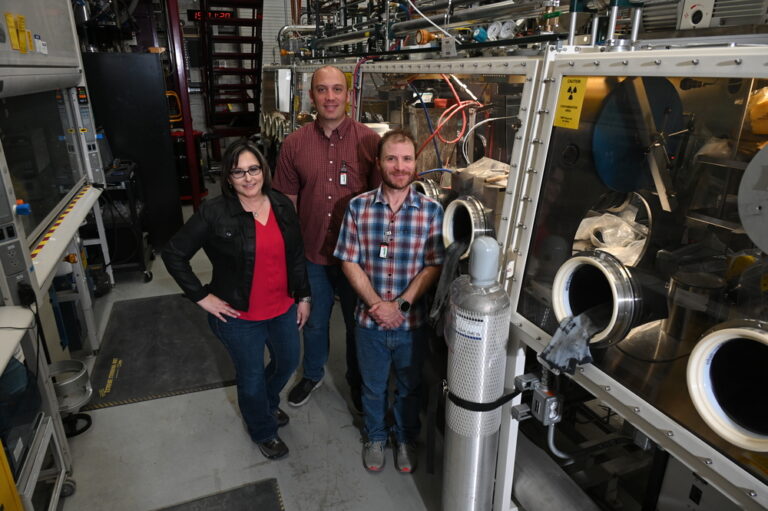
The project team included (from left to right) Jennifer Watkins, Seth Ashby, and Adrian Wagner. (Photo: INL)
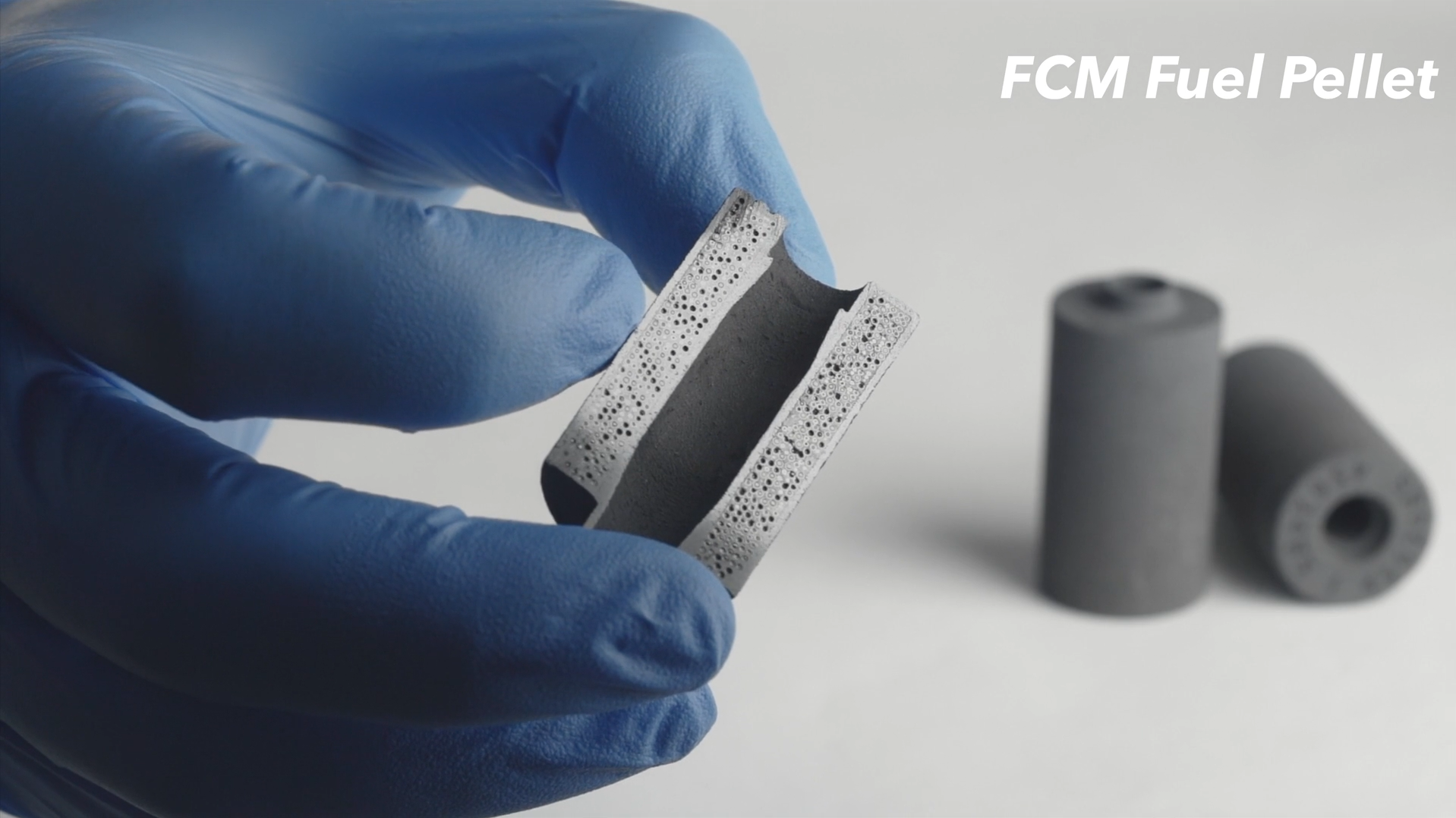
Researchers at Idaho National Laboratory in early 2023 manufactured commercial-grade high-assay low-enriched uranium (HALEU) fuel pellets to the specifications of a General Electric accident tolerant fuel design, INL announced November 21. A team working at INL’s Experimental Fuels Facility at the Material and Fuels Complex fabricated about two dozen uranium dioxide pellets using HALEU enriched up to 15 percent U-235.
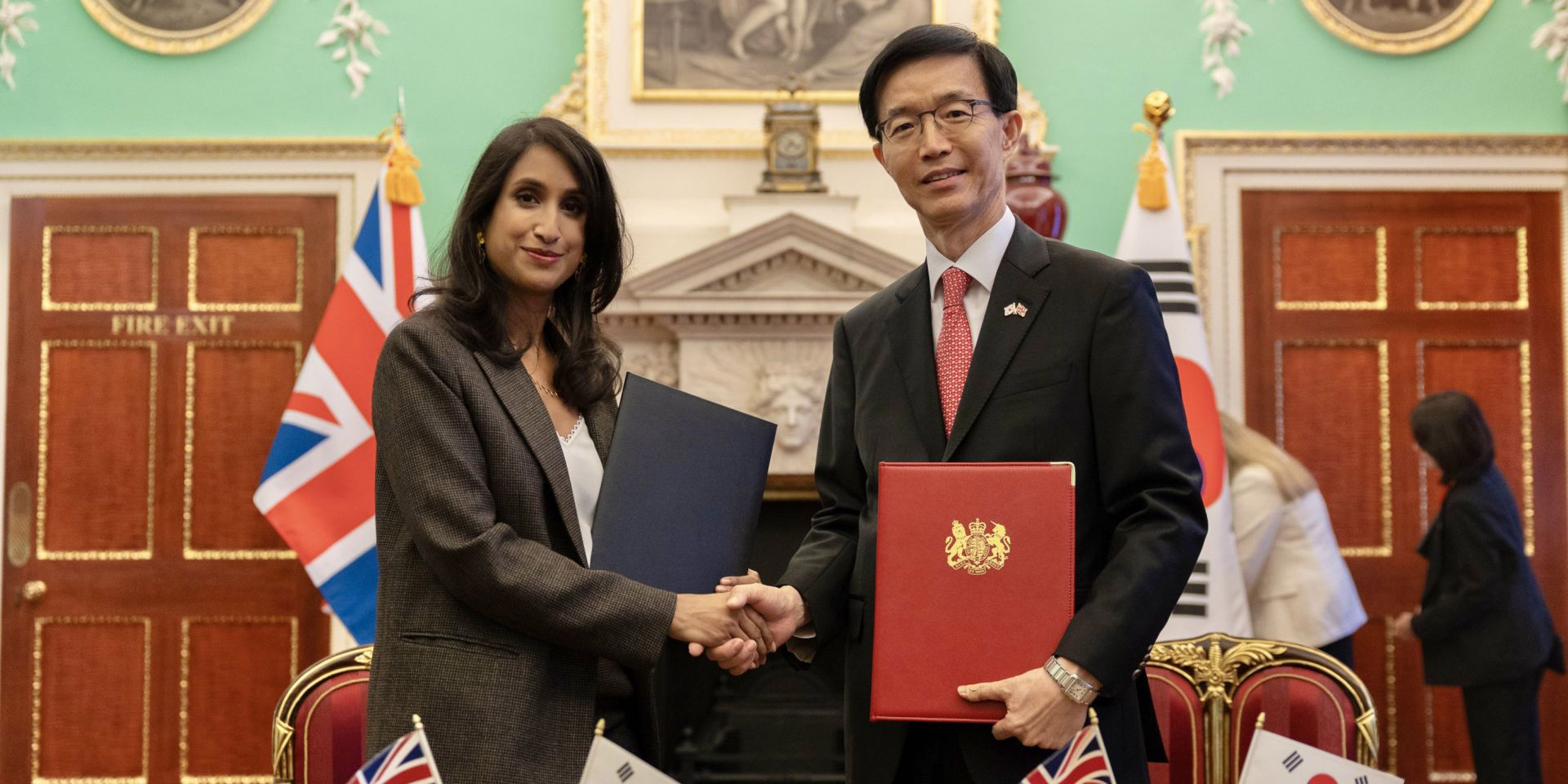
U.K. energy security secretary Claire Coutinho and South Korean minister for trade, industry, and energy Moon Kyu Bang, following the signing of the U.K.-ROK Clean Energy Partnership. (Photo: @ClaireCoutinho/X)
The United Kingdom has announced a new partnership with South Korea to accelerate the clean energy transition by strengthening cooperation on low-carbon technologies, domestic climate policies, and civil nuclear energy.
Signed November 22 in London by British energy security and net zero secretary Claire Coutinho and South Korean minister for trade, industry, and energy Moon Kyu Bang, the partnership promotes U.K.-South Korean business collaboration, addressing barriers to trade and encouraging mutual development of the two nations’ energy sectors.
Kairos Power’s Hermes 2 demonstration plant (blue-topped building on the left) is planned to be built next to the Hermes demonstration reactor. (Image: Kairos Power)
A notice of opportunity from the Nuclear Regulatory Commission was published in the November 22 Federal Register to intervene in an adjudicatory hearing on Kairos Power’s application for a construction permit to build the Hermes 2 test reactor facility in Oak Ridge, Tenn.
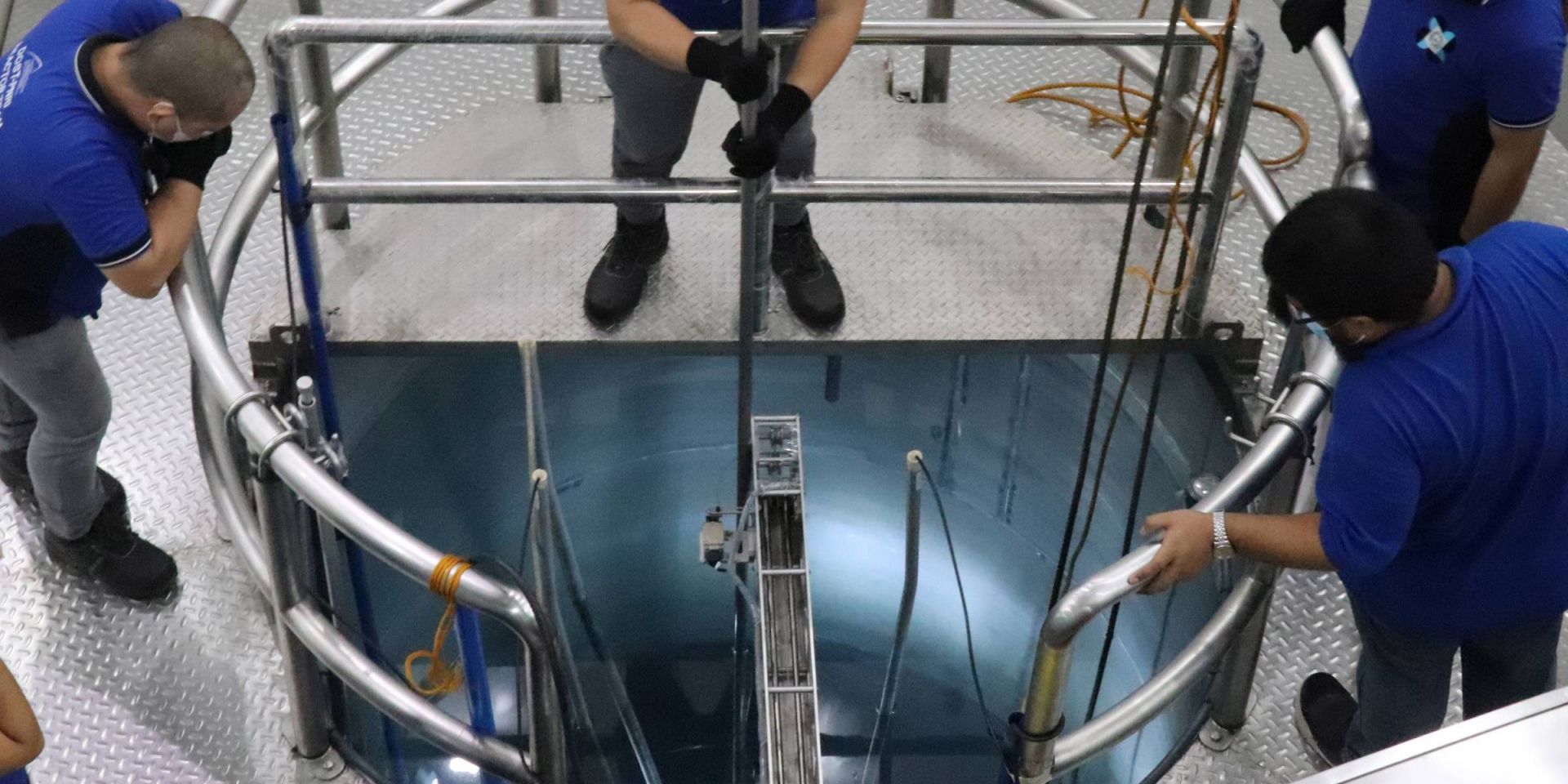
A fuel rod is loaded into the core of PRR-1 SATER in this 2022 photo, in preparation for its operation. (Photo: PNRI)
The Philippines generates none of its electricity from nuclear energy. Until recently, it was even without a functioning research and training reactor. The lack of a nuclear facility has led to a dearth of scientific expertise in nuclear science and nuclear engineering in this nation of roughly 117 million people. Twenty-nine-year-old Ronald Daryll E. Gatchalian is on a mission to change that.
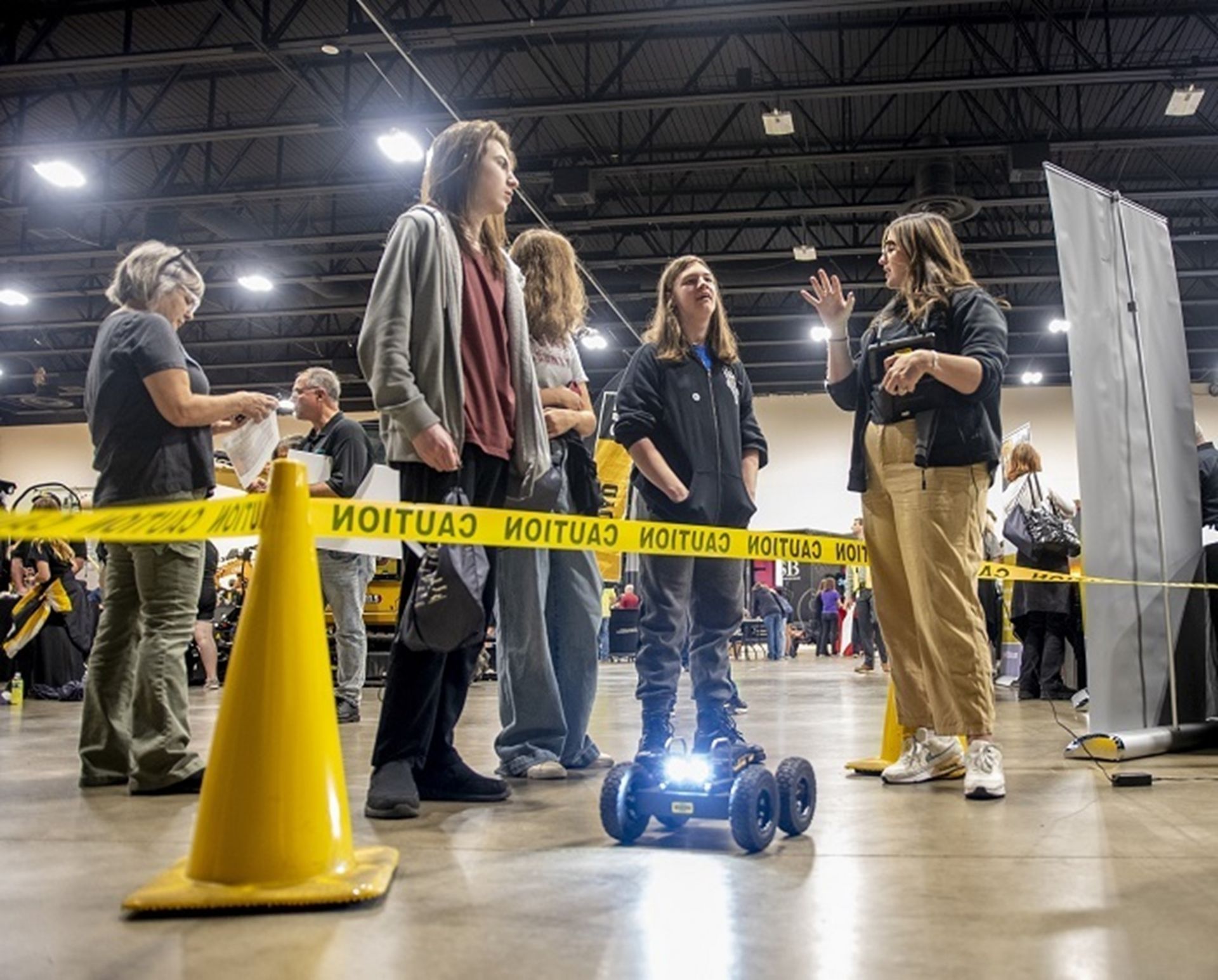
Data analyst Emily Coriell (right) demonstrates a pipe crawling robot at the career opportunities event. (Photo: DOE)
Contractors at the Department of Energy’s Paducah Site teamed up recently to highlight career opportunities available at the site during the Paducah Area Chamber of Commerce WKY (West Kentucky) Launch Experience.
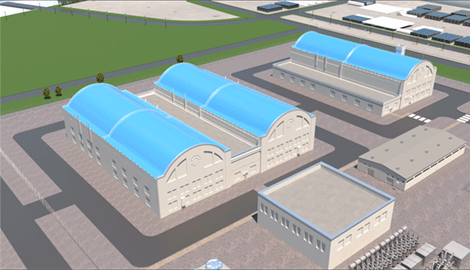
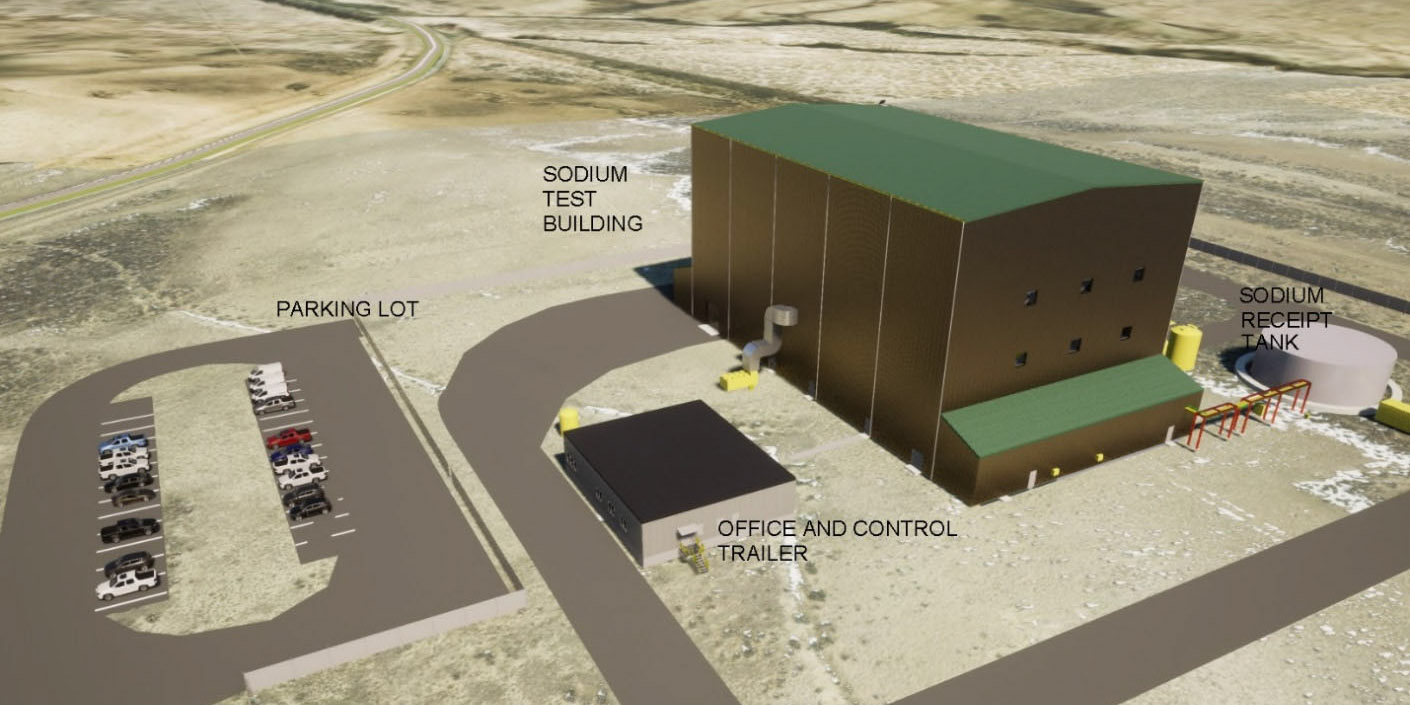
Image from the DOE’s draft EA showing a rendering of the TFF building. (Image: DOE)
The Department of Energy’s Office of Clean Energy Demonstrations issued a draft environmental assessment (EA) in early November for a test and fill facility (TFF) that TerraPower plans to build in Kemmerer, Wyo.—the town selected two years ago to host the company’s first Natrium sodium fast reactor. The draft EA, open for comment through December 1, describes TerraPower’s plans to construct a nonnuclear facility that would safely store about 400,000 gallons of sodium to test coolant system designs and ultimately fill the planned reactor.
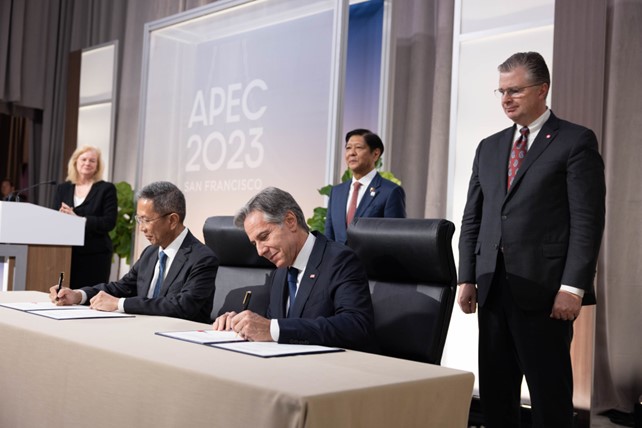
Lotilla (seated, at left) and Blinken (seated, at right) sign the 123 Agreement in San Francisco. Looking on (left to right) are Ann Ganzer, principal deputy assistant secretary, Bureau of International Security and Nonproliferation, U.S. State Department; Ferdinand Marcos Jr., Philippine president; and Daniel Kritenbrink, assistant secretary, Bureau of East Asian and Pacific Affairs, U.S. State Department. (Photo: @SecBlinken/X)
The United States and the Philippines last week signed a civil nuclear cooperation agreement—known in policy wonk jargon as a 123 Agreement.
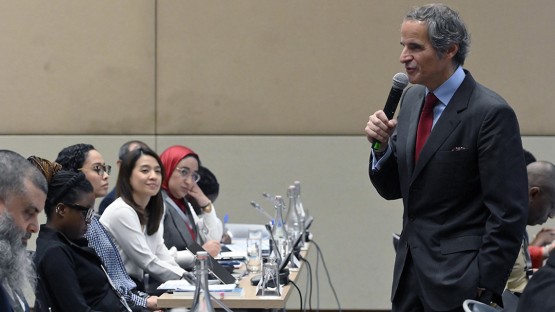
IAEA director general Rafael Mariano Grossi welcomes participants at the annual session of the IAEA’s Nuclear Law Institute. (Photo: Dean Calma/IAEA)
As countries increasingly plan to adopt or expand nuclear energy to their energy grids, the importance of national and international nuclear law was underscored in recent remarks by Rafael Mariano Grossi, the International Atomic Energy Agency’s director general.


 Here is a recap of industry happenings from the recent past: