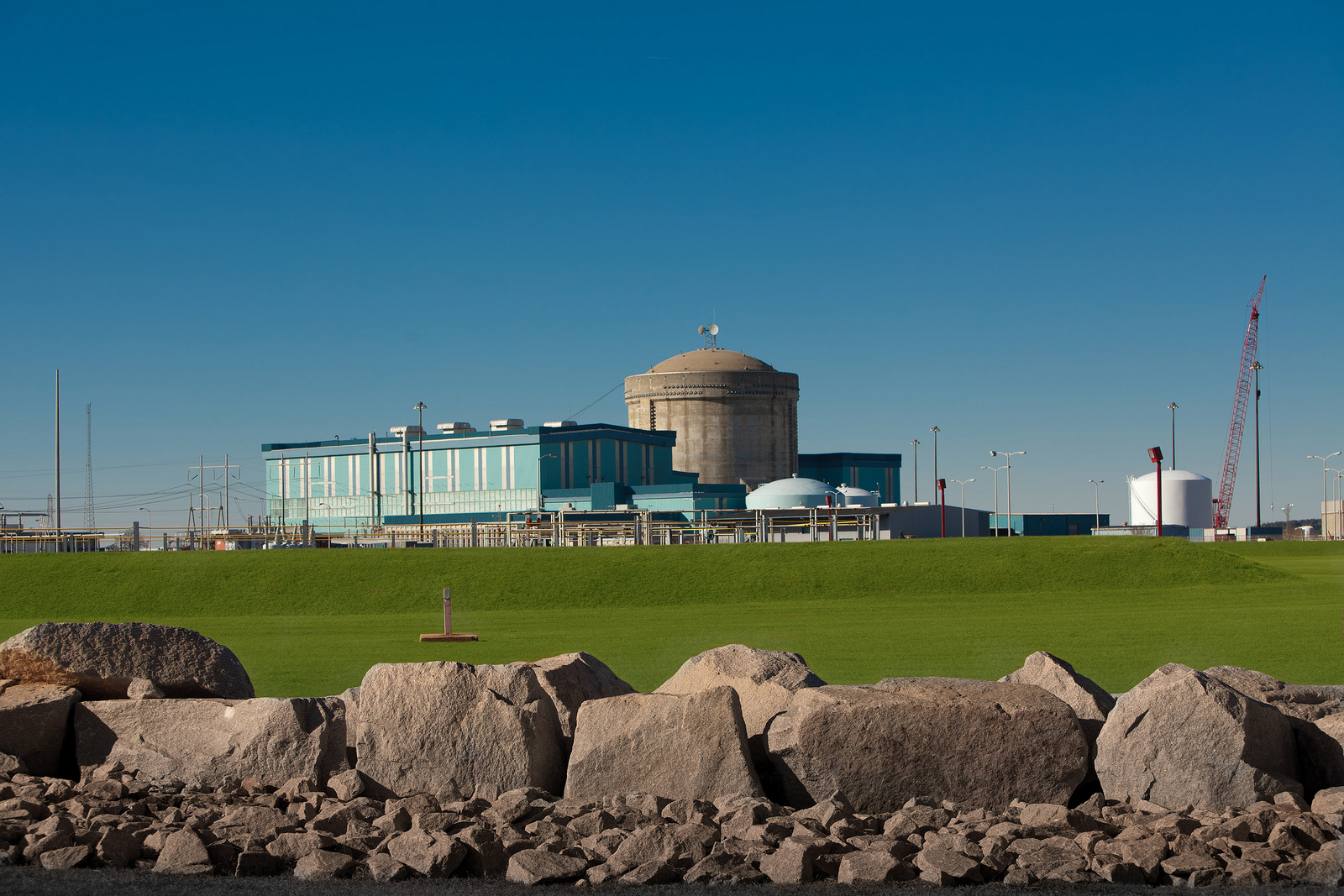
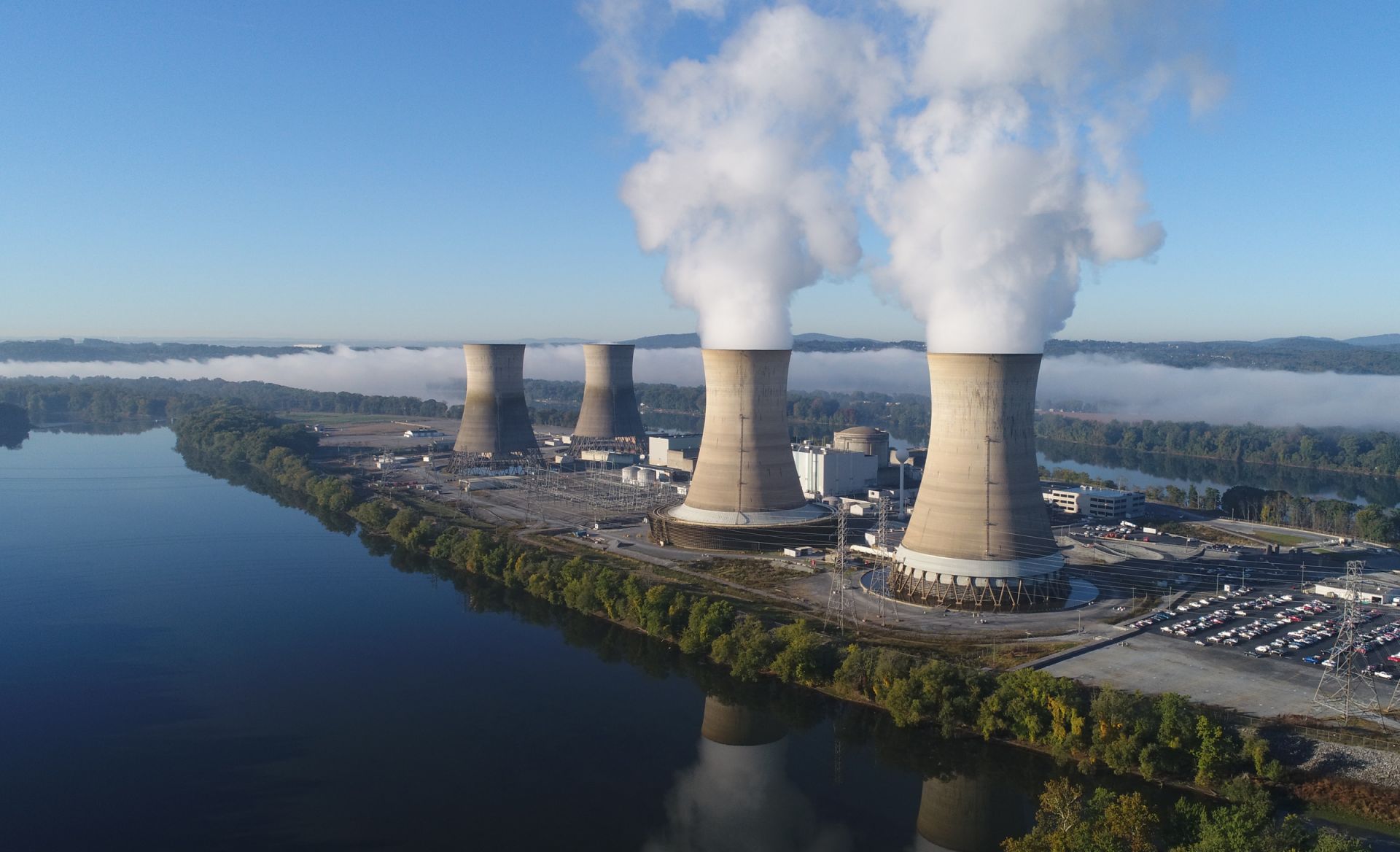
The Columbia nuclear power plant. (Photo: Energy Northwest)
The Bonneville Power Administration recently approved a $700 million extended uprate project for Energy Northwest to increase its nuclear plant electrical output by 186 MW by 2031.
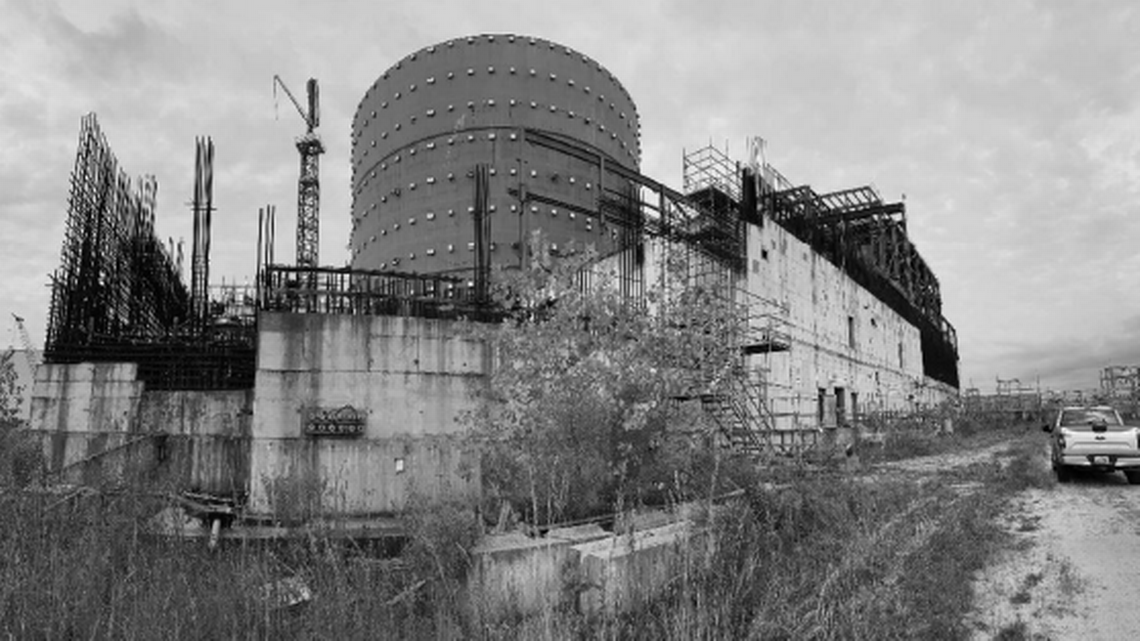
The unfinished reactor containment building at Unit 2 of the V.C. Summer nuclear power plant in September 2024. (Photo: South Carolina's Nuclear Advisory Council)
Santee Cooper is satisfied with the response generated by its initial request for proposals to buy what remains of the Summer-2 and -3 nuclear power plant project in South Carolina. The RFP was issued in January and the application window closed May 5.
Summer progress; Waterford news; safety report of Northeast plants
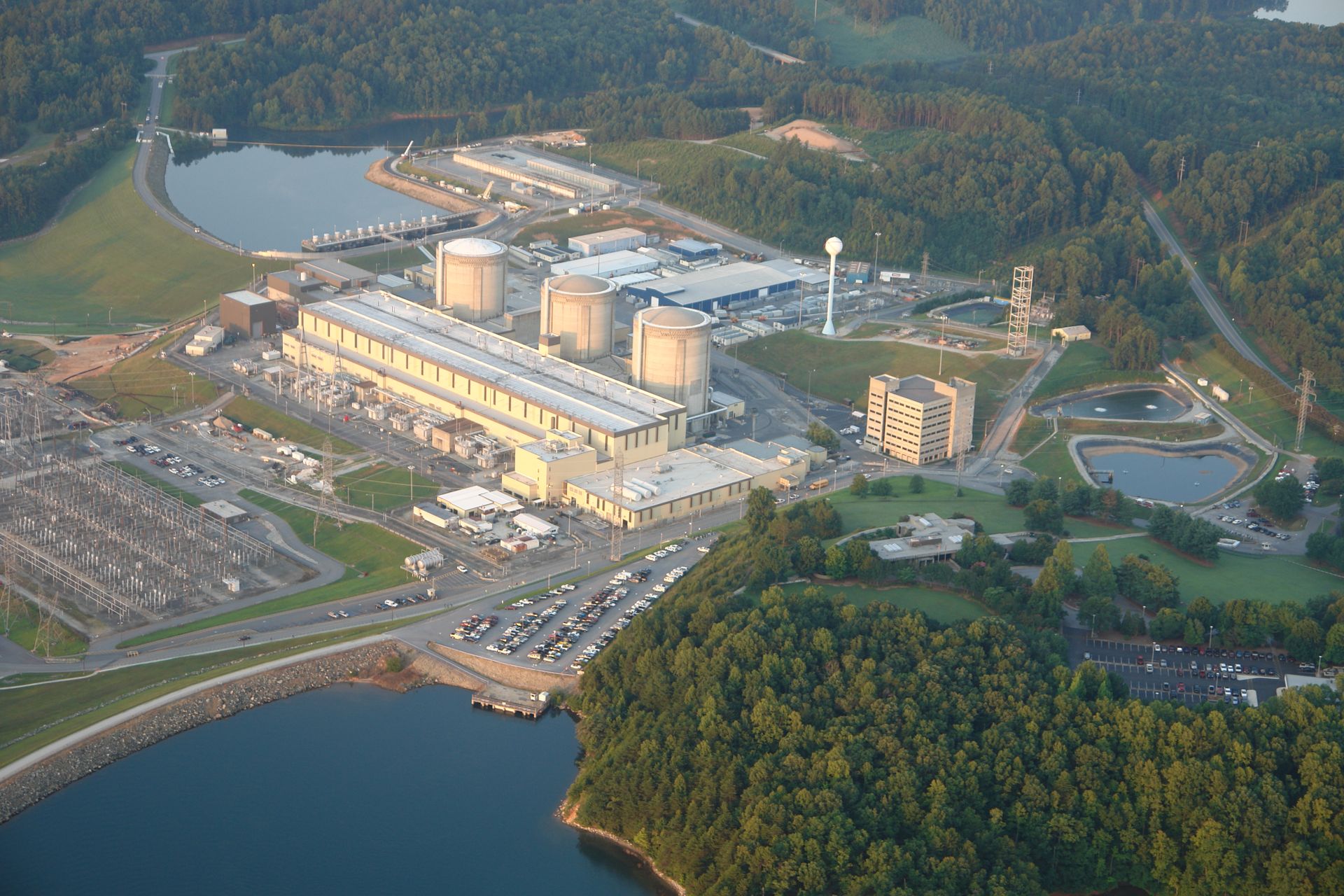
Unit 1 of the VC Summer nuclear power plant. (Photo: DJ Slaw)
Here’s a look at some recent announcements from the Nuclear Regulatory Commission.
Summer SLR: The NRC this month published its final environmental impact statement for Summer Unit 1’s subsequent license renewal application. Dubbed a supplemental EIS, the report is an important step in determining if Dominion Energy can continue operating its 966-MWe Westinghouse pressurized water reactor unit for an additional 20 years beyond August 6, 2042, the current end of its license.
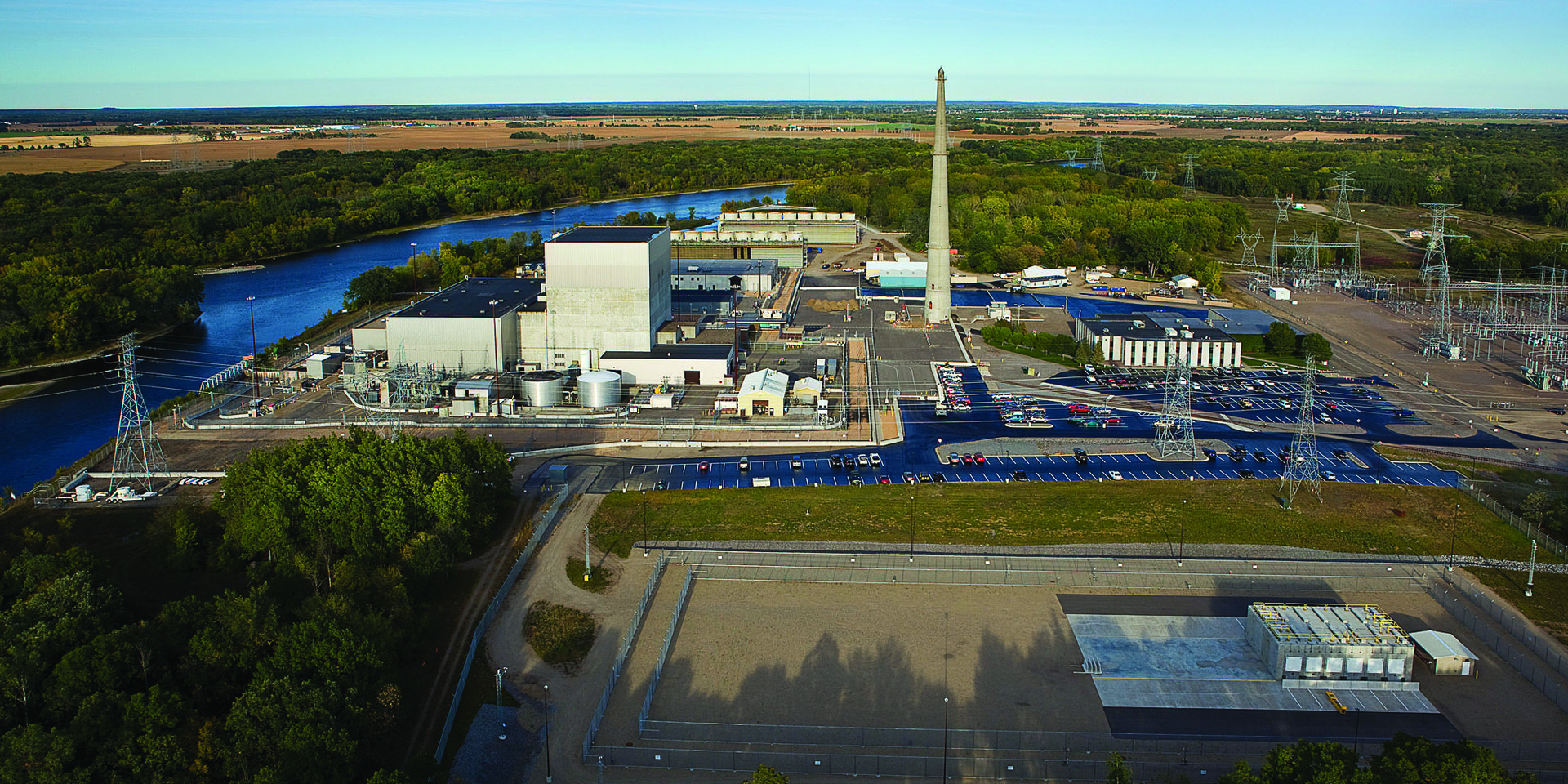
The Monticello nuclear power plant in Minnesota. (Photo: Xcel Energy)
Recent testing of a monitoring well in Minnesota near the Mississippi River detected tritium levels just below the safety standards set by the Environmental Protection Agency, Xcel Energy reported this week.
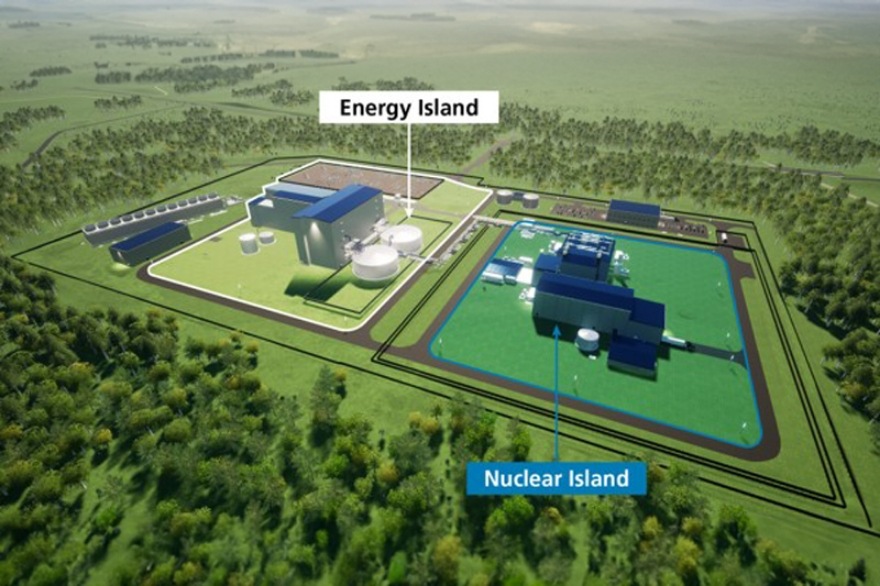
An image of the energy island and the nuclear island of a Natrium reactor. (Image: TerraPower)
The Nuclear Regulatory Commission staff has concluded—with an assist from a Department of Energy environmental assessment released in February—that no environmental impact statement is needed for an exemption request from TerraPower that would allow the company to begin construction of the energy island of its planned Natrium sodium fast reactor in Kemmerer, Wyo. The NRC’s EA and finding of no significant impact (EA/FONSI), published on May 7, could clear the way for significant construction to begin while the NRC continues to review TerraPower’s construction permit application.
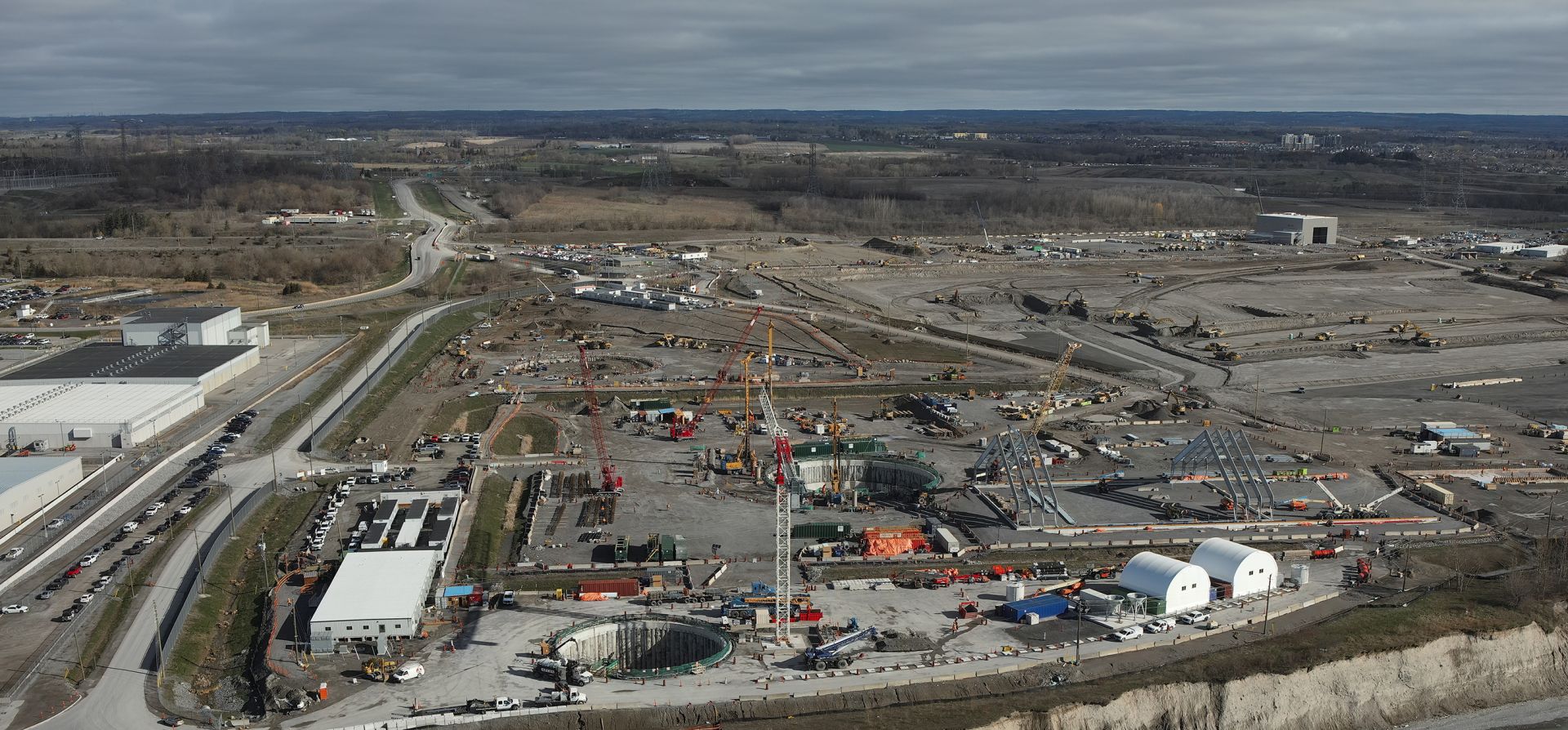
The Darlington New Nuclear Project site, future home of the first BWRX-300 SMR. (Photo: OPG)
Ontario Power Generation GE Vernova Hitachi Nuclear Energy announced May 8 that Ontario authorities have approved construction plans for the first of four BWRX-300 small modular reactors at the Darlington New Nuclear Project site on Lake Ontario, less than 50 miles east of Toronto, Canada. The first new nuclear construction project in Ontario in more than three decades is also the first SMR construction project in North America.
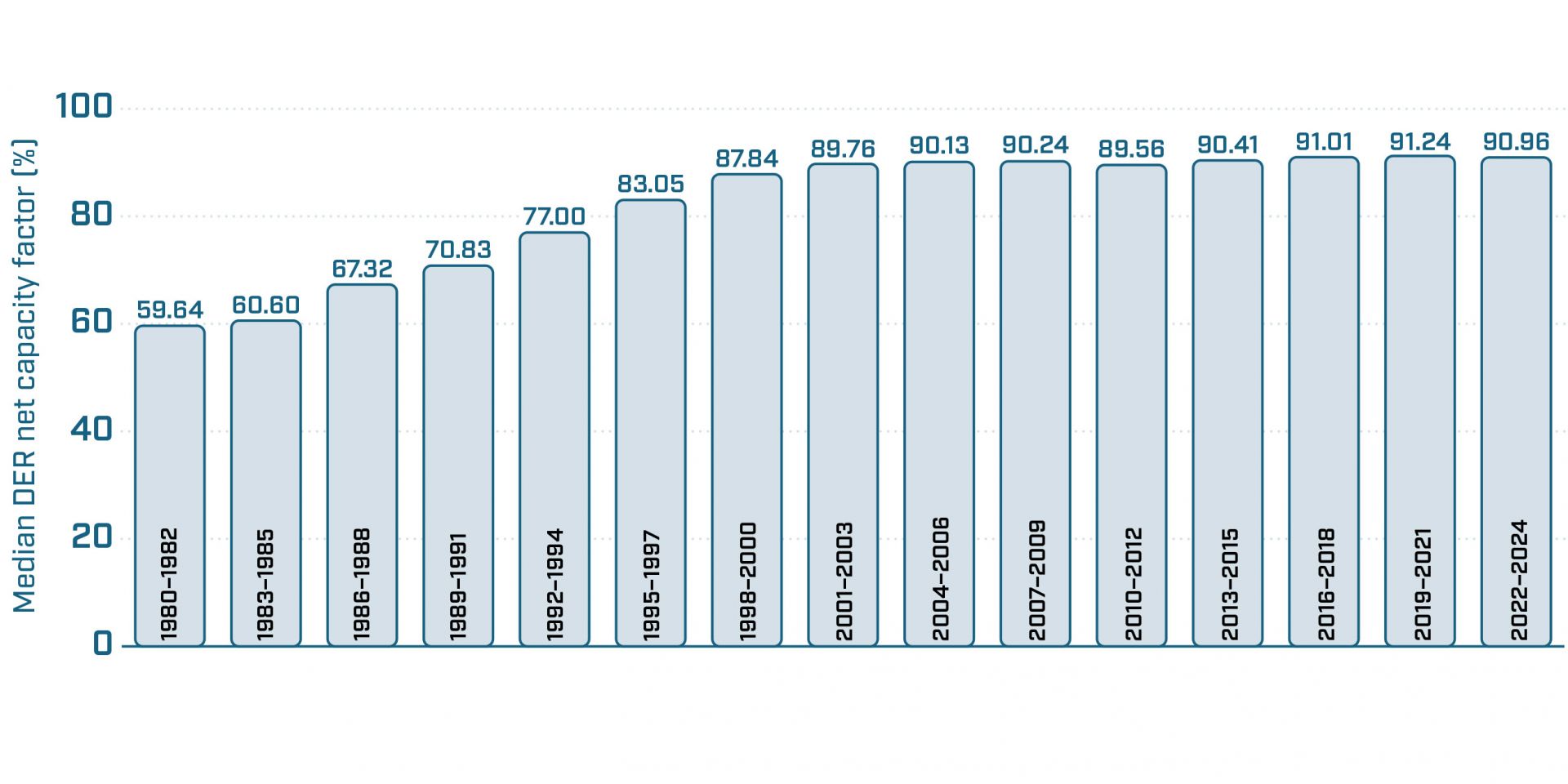
Fig. 1. Median capacity factor of all reactors. The median DER net capacity factor of the 92 reactors included in this survey for the three-year period 2022–2024 is 90.96 percent. The 92 reactors in this survey are being compared with 94 reactors in 2019–2021 (when Indian Point-3 and Palisades were also included); 98 in 2016–2018; 99 in 2013–2015. There were 104 reactors in the five three-year periods prior to that. There were 53 reactors in the database in 1980–1982, and in the five subsequent periods there were 60, 77, 97, 102, and 103.
Nuclear generation has inertia. Massive spinning turbines keep electricity flowing during grid disturbances. But nuclear generation also has a kind of inertia that isn’t governed by the laws of motion.
Starting—and then finishing—a power reactor construction project requires significant upfront effort and money, but once built a reactor can run for decades. Capacity factors of U.S. reactors have remained near 90 percent since the turn of the century, but it took more than a decade of improvements to reach that steady state. The payoff for nuclear investments is long-term and reliable.
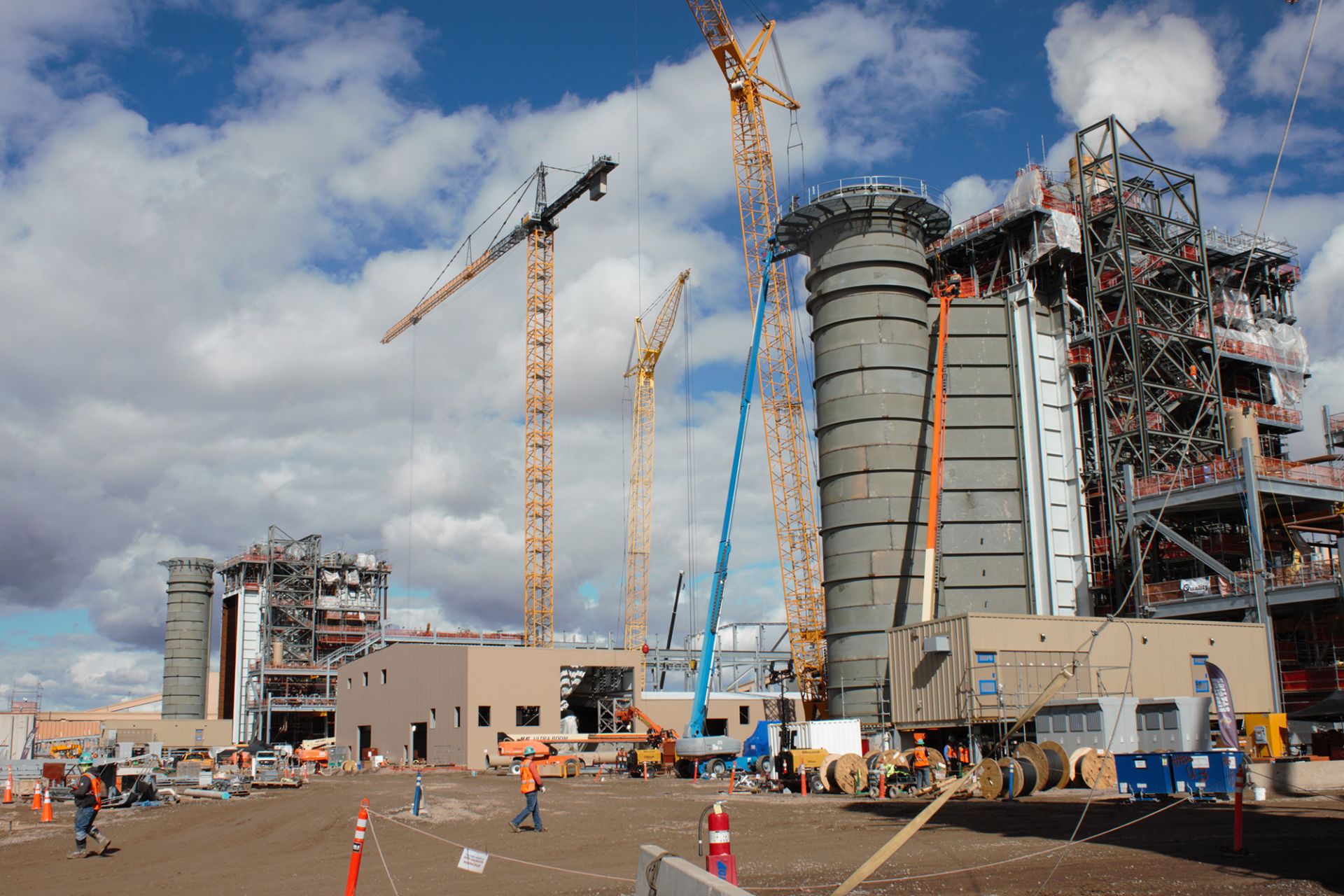
Gas-fired power units under construction at the IPP plant site in central Utah. (Photo: IPA)
Utah-based waste management company EnergySolutions announced that it has signed a memorandum of understating with the Intermountain Power Agency and the state of Utah to explore the development of advanced nuclear power generation at the Intermountain Power Project (IPP) site near Delta, Utah.
Historic nuclear plant restart could happen in 2025.
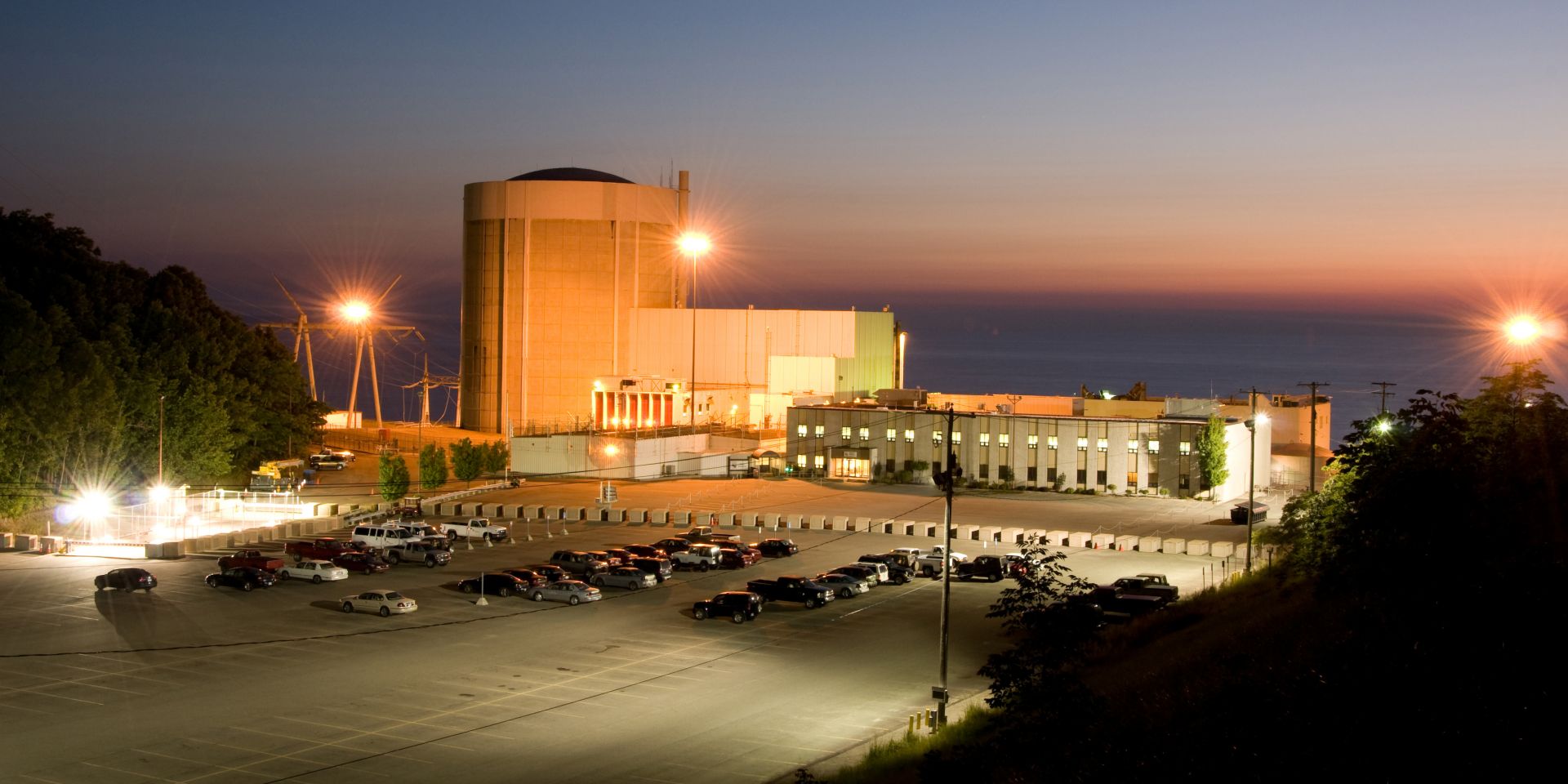
Palisades nuclear power plant on Lake Michigan, at night. (Photo: Holtec)
Mike Mlynarek believes in this expression: “In the end it will be OK; and if it’s not OK, it’s not the end.”
As the site vice president at Palisades nuclear power plant in Covert Township, Mich., Mlynarek is overseeing one of the most exciting projects in the United States nuclear power industry. If all goes according to plan, Holtec’s Palisades plant will be splitting atoms once again by the end of 2025 and become the first U.S. nuclear facility to restart after being slated for decommissioning.
January 24, 2025, 3:09PMUpdated April 9, 2025, 2:58PMNuclear NewsMatt Wald (Photo: Used with permission from Constellation)
When Exelon Generation shut down Three Mile Island Unit 1 in September 2019, managers were so certain that the reactor would never run again that as soon as they could, they had workers drain the oil out of both the main transformer and a spare to eliminate the chance of leaks. The company was unable to find a buyer because of the transformers’ unusual design. “We couldn’t give them away,” said Trevor Orth, the plant manager. So they scrapped them.
Now they will pay $100 million for a replacement.
The turnaround at the reactor—now called the Crane Clean Energy Center—highlights two points: how smart Congress was to step in with help to prevent premature closures with the zero-emission nuclear power production credit of 0.3 cents per kilowatt-hour (only two years too late), and how expensive it is turning out to be to change course.
Duke Energy's Oconee nuclear power plant. (Photo: Duke Energy)
All three units at the Duke Energy’s Oconee nuclear power plant in South Carolina are now licensed to operate for an additional 20 years.
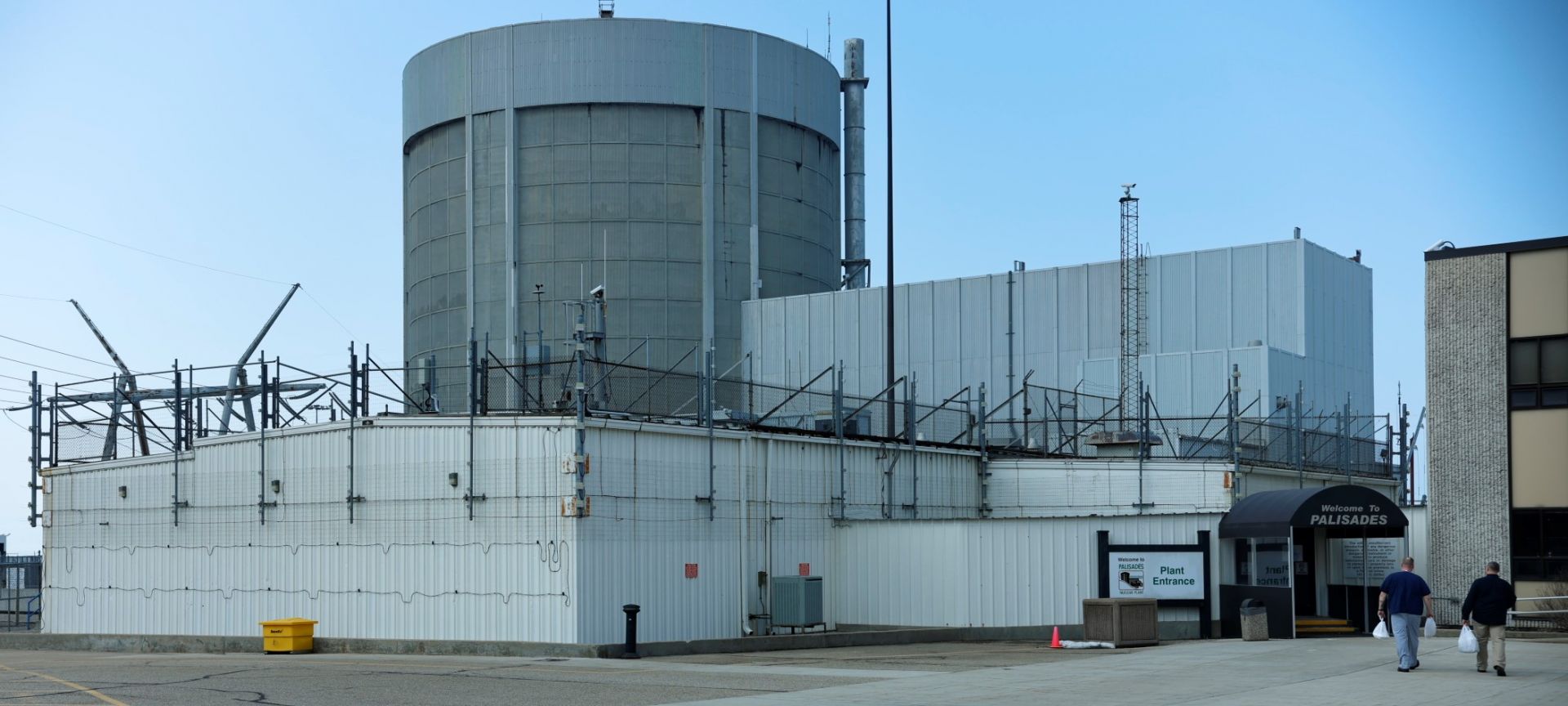
A part of the Palisades nuclear power plant. (Photo: Holtec)
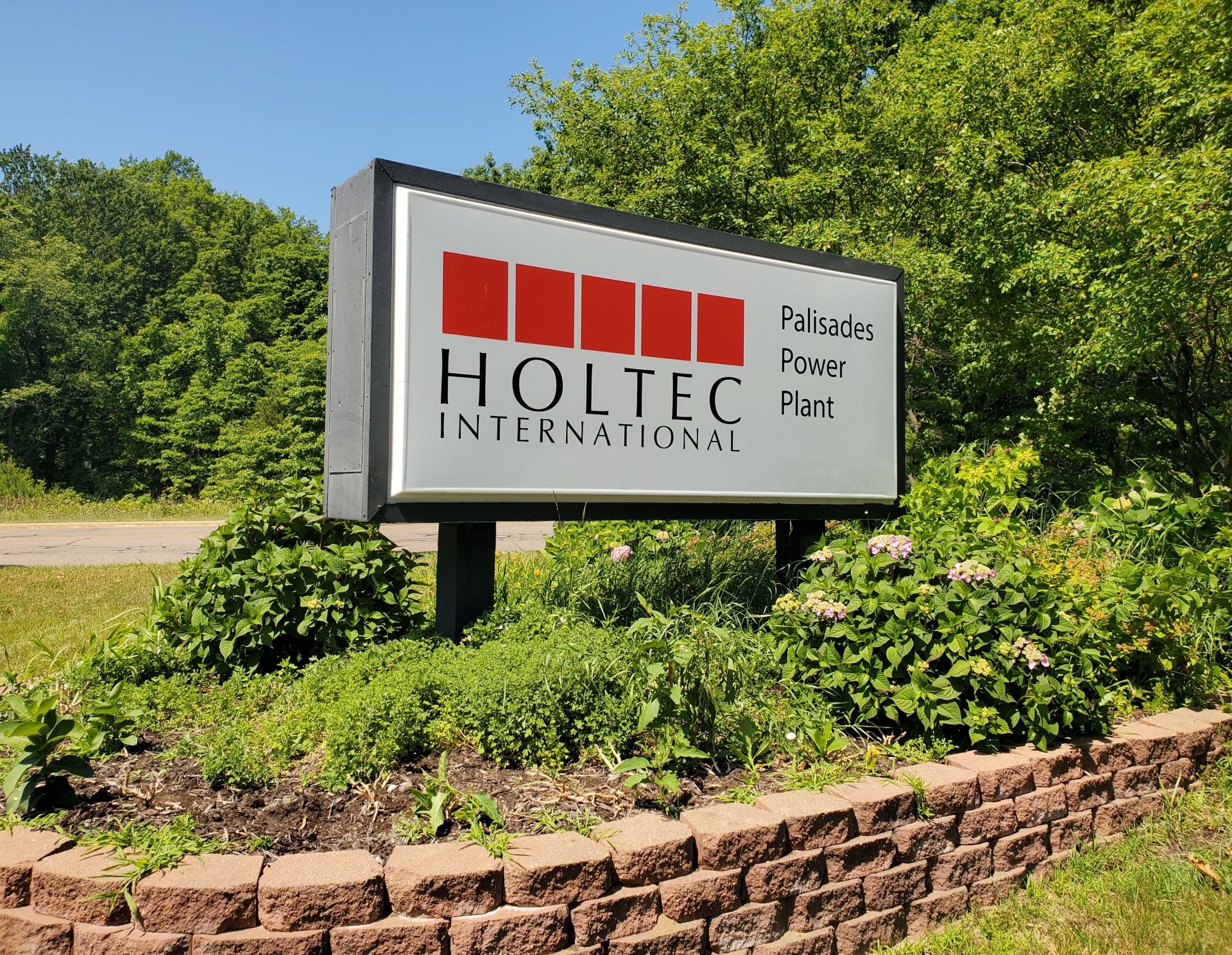
Energy Secretary Chris Wright announced this week the release of the second part of Holtec’s loan disbursement for the Palisades nuclear plant restart plans in Michigan.
Announcement from CERAWeek 2025 includes Amazon, Google, and Meta
Following in the steps of an international push to expand nuclear power capacity, a group of powerhouse corporations signed and announced a pledge today to support the goal of at least tripling global nuclear capacity by 2050.

-3 2x1.jpg)

.jpg)