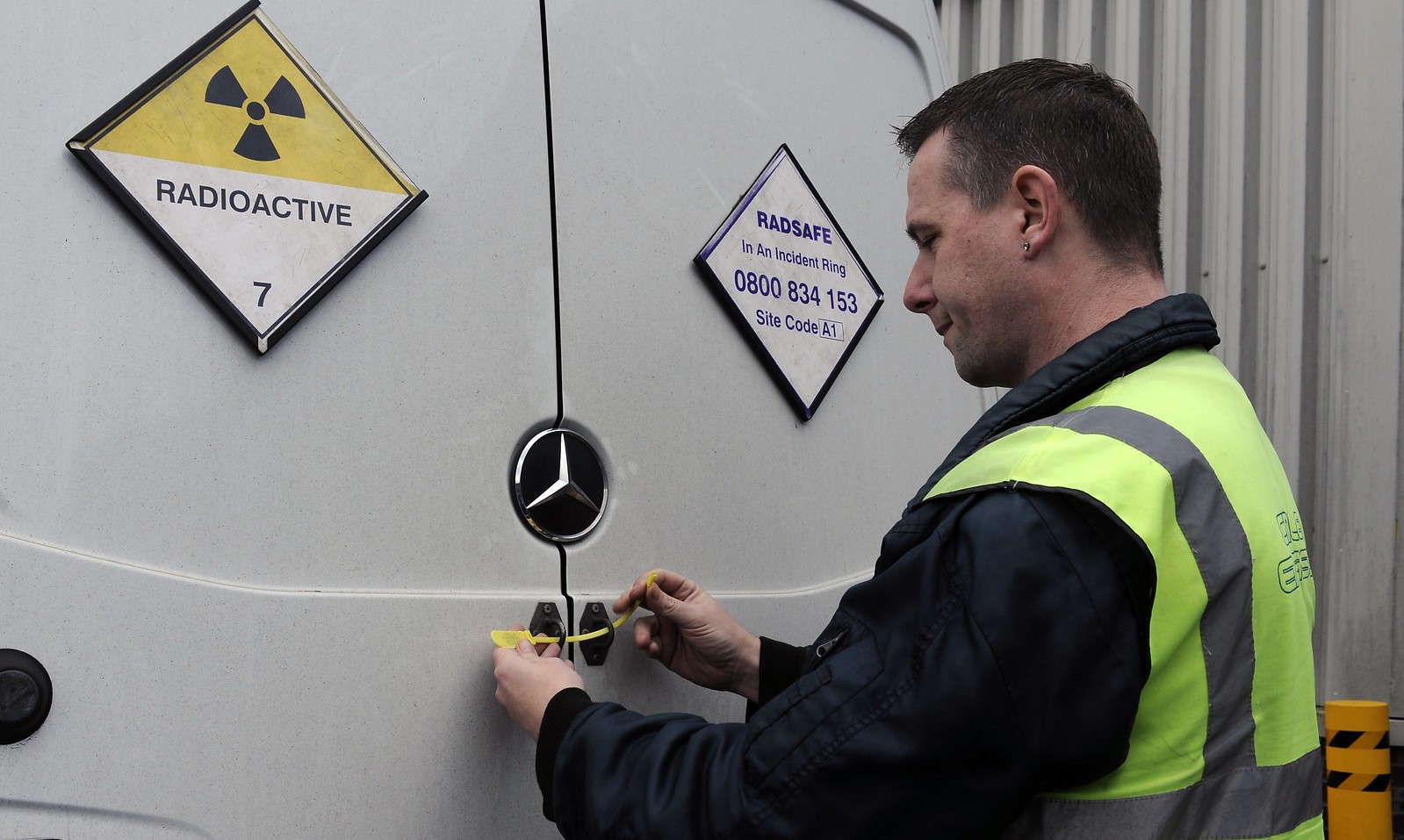
After inspection, a vehicle is sealed to prevent tampering or unauthorized alterations in this IAEA photo from 2011. (Photo: Dean Calma/IAEA)
The International Atomic Energy Agency has said that more than half of all thefts of nuclear and other radioactive material reported to the agency’s Incident and Trafficking Database (ITDB) since 1993 occurred during authorized transport, with the share rising to nearly 70 percent in the past decade. The ITDB covers incidents involving nuclear material, radioisotopes, and radioactively contaminated material.
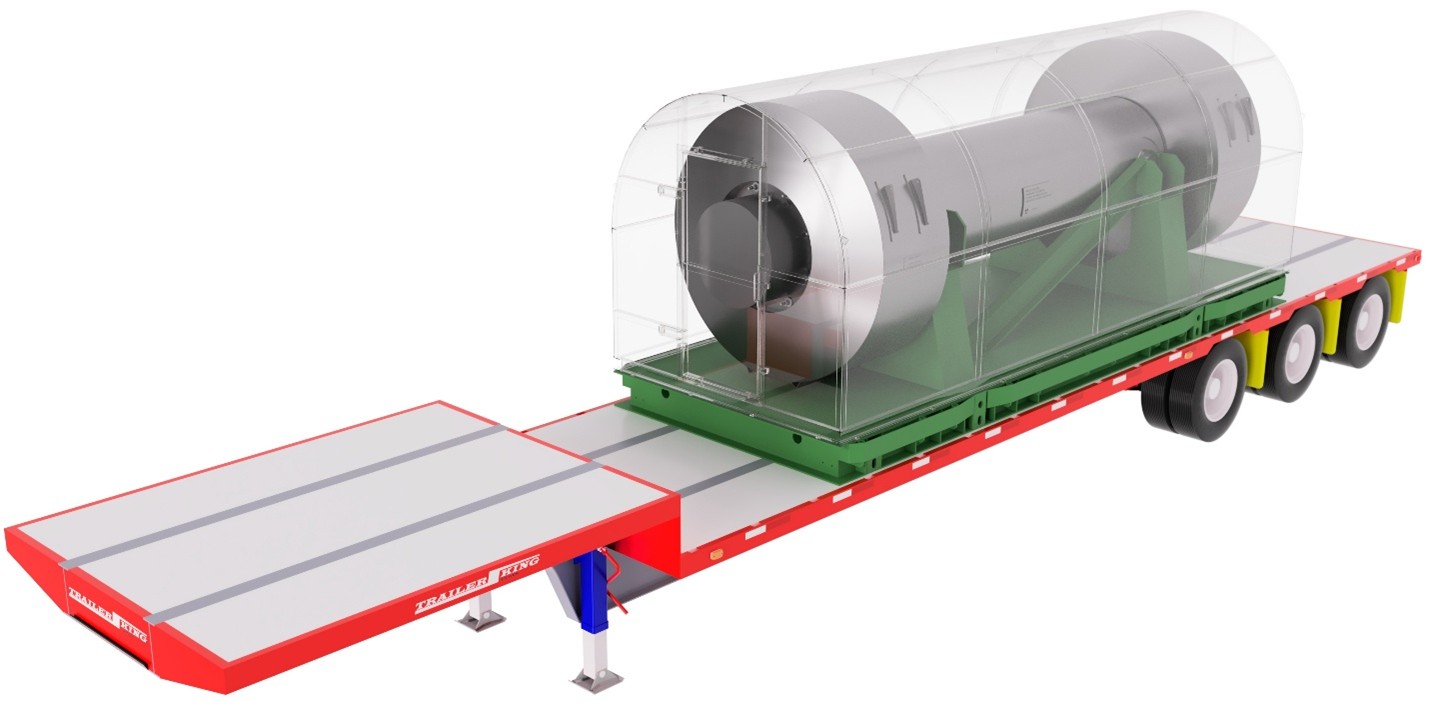
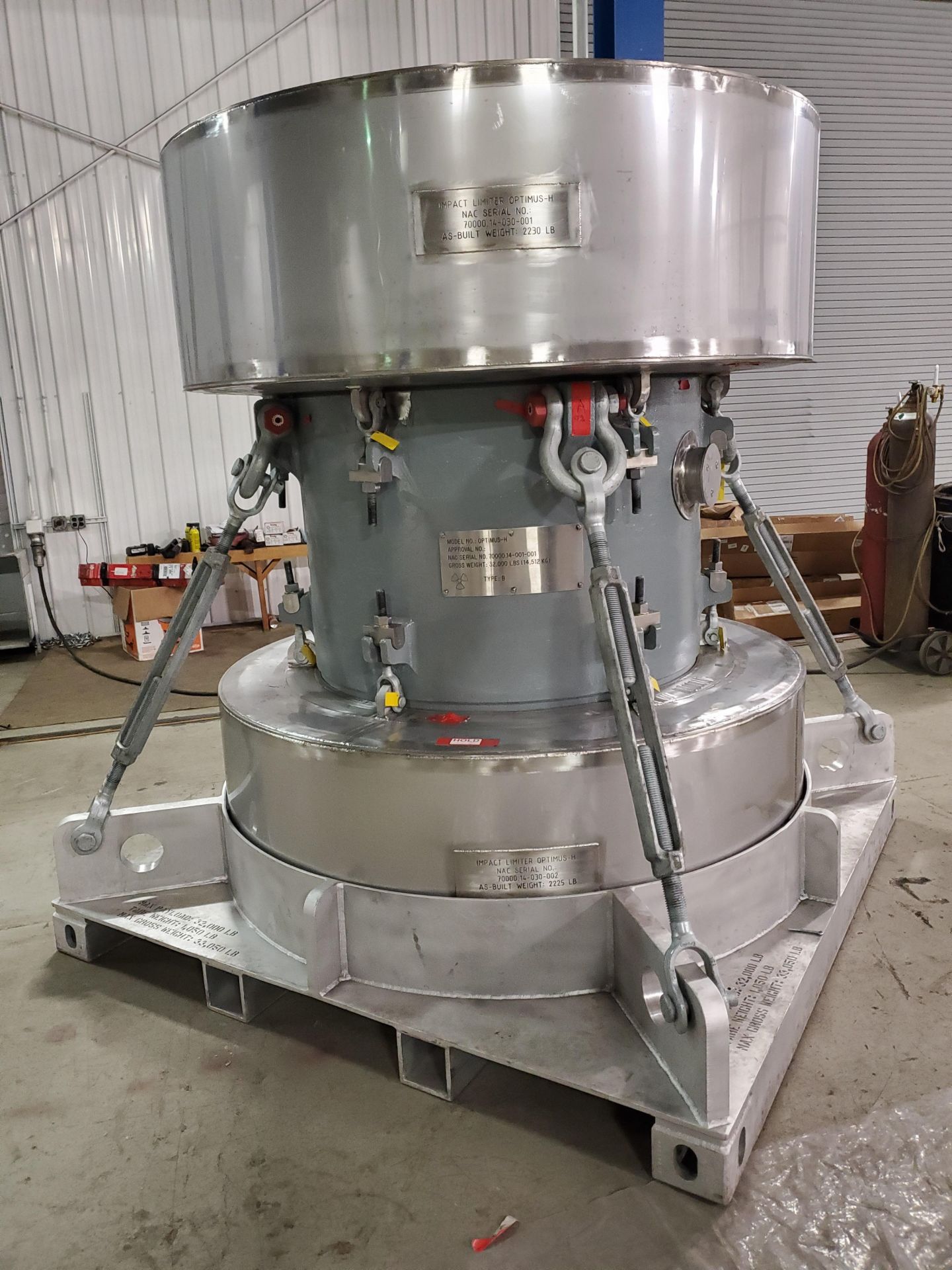
NAC International’s Volunteer package. (Image: NAC)
NAC International has announced that it has received certification from the Nuclear Regulatory Commission for its new high-capacity Volunteer packaging system for transporting nonfissile or fissile-exempt radioactive materials.
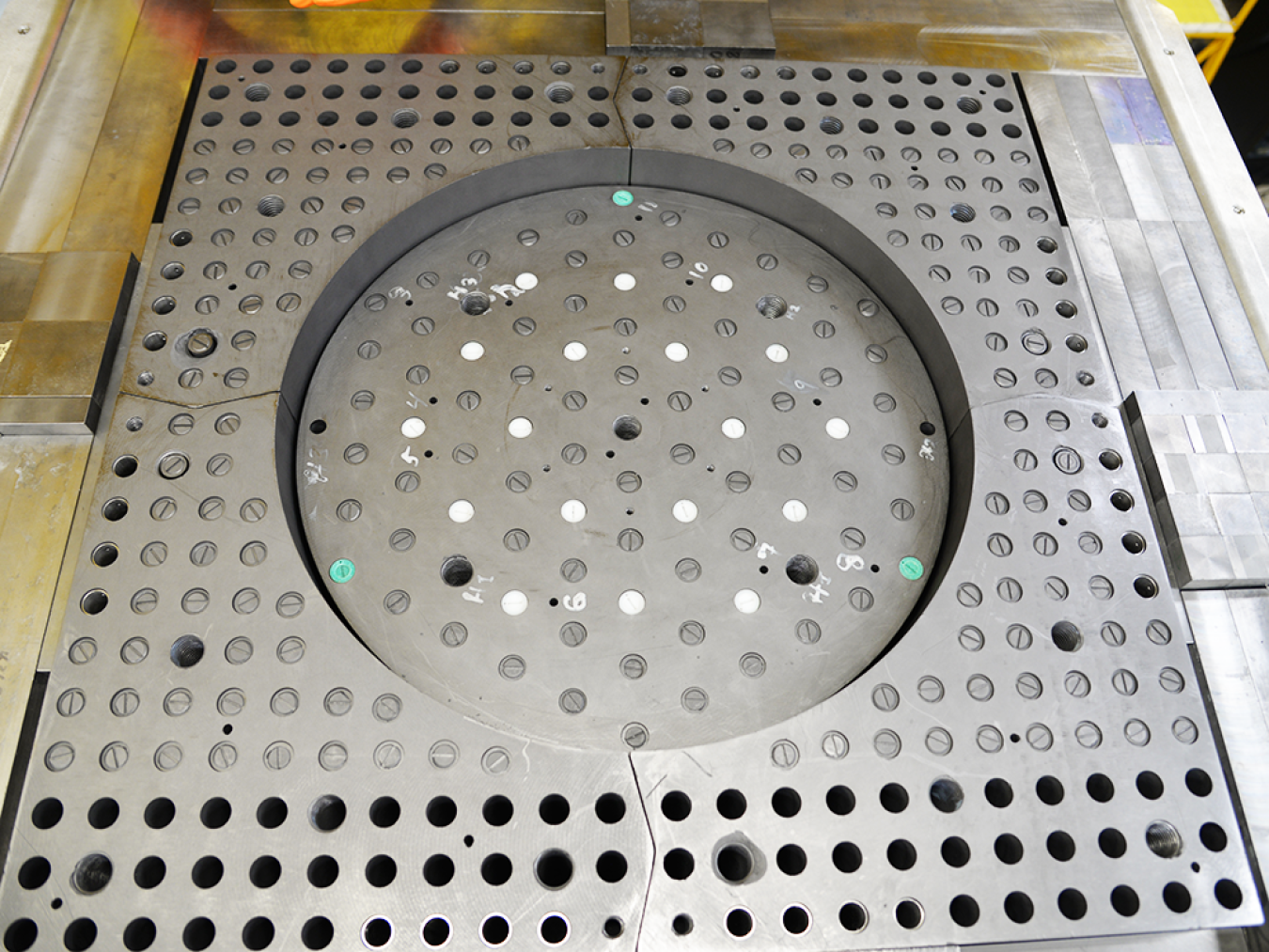
This Deimos core configuration shows the fuel, stainless steel, polyethylene, and borated polyethylene positioned for the THETA project. (Photo: DOE)
Los Alamos National Laboratory recently performed a series of customized criticality experiments to obtain data that will support the transportation of HALEU TRISO fuel, the Department of Energy announced April 21.
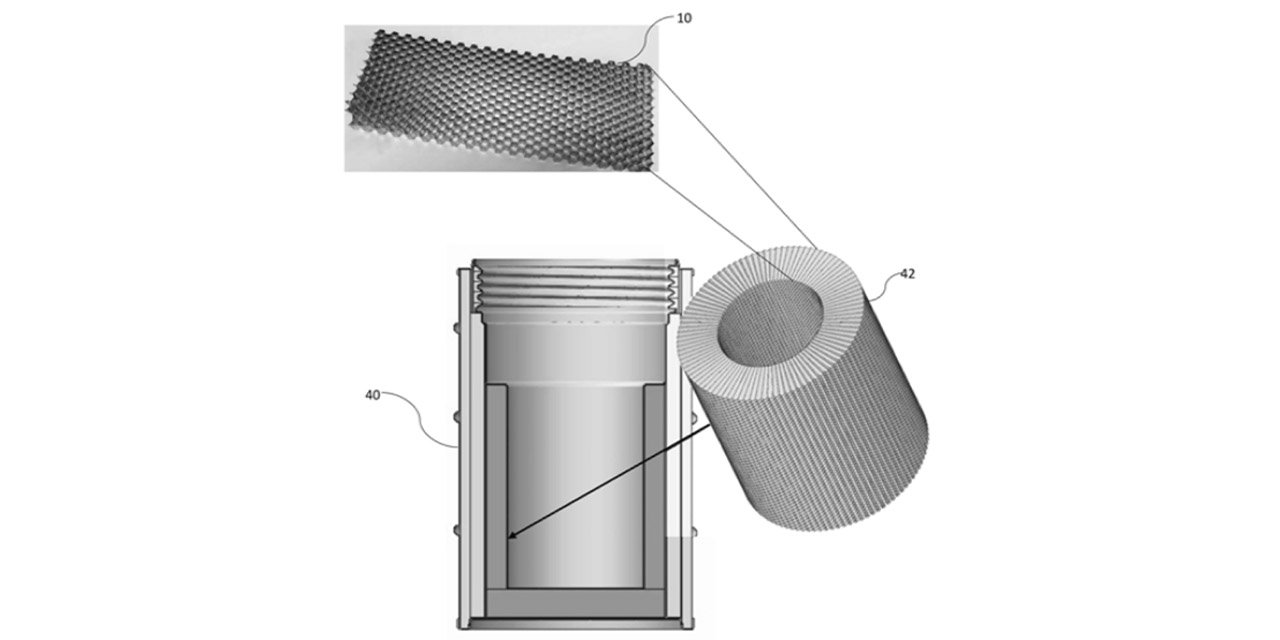
Illustration showing how radially oriented honeycomb structures can be used within a container to provide strength, sound insulation, or thermal insulation. The structure includes multiple radially aligned layers of a shaped strip. (Image: SRNL)
Savannah River National Laboratory said it has received a patent for its radially oriented honeycomb structures. The technology offers a solution to the deformation of cylindrical honeycomb structures when they are formed from flat panels, providing a way to create structures with greater wall thickness than traditional methods.
The Philippsburg interim storage facility in Germany. (Photo: BGZ)
Orano completed the 13th and final rail shipment of vitrified high-level nuclear waste from France to Germany. The company announced that the four casks of vitrified HLW arrived at Germany’s intermediate storage facility at Philippsburg in the early evening of November 20.
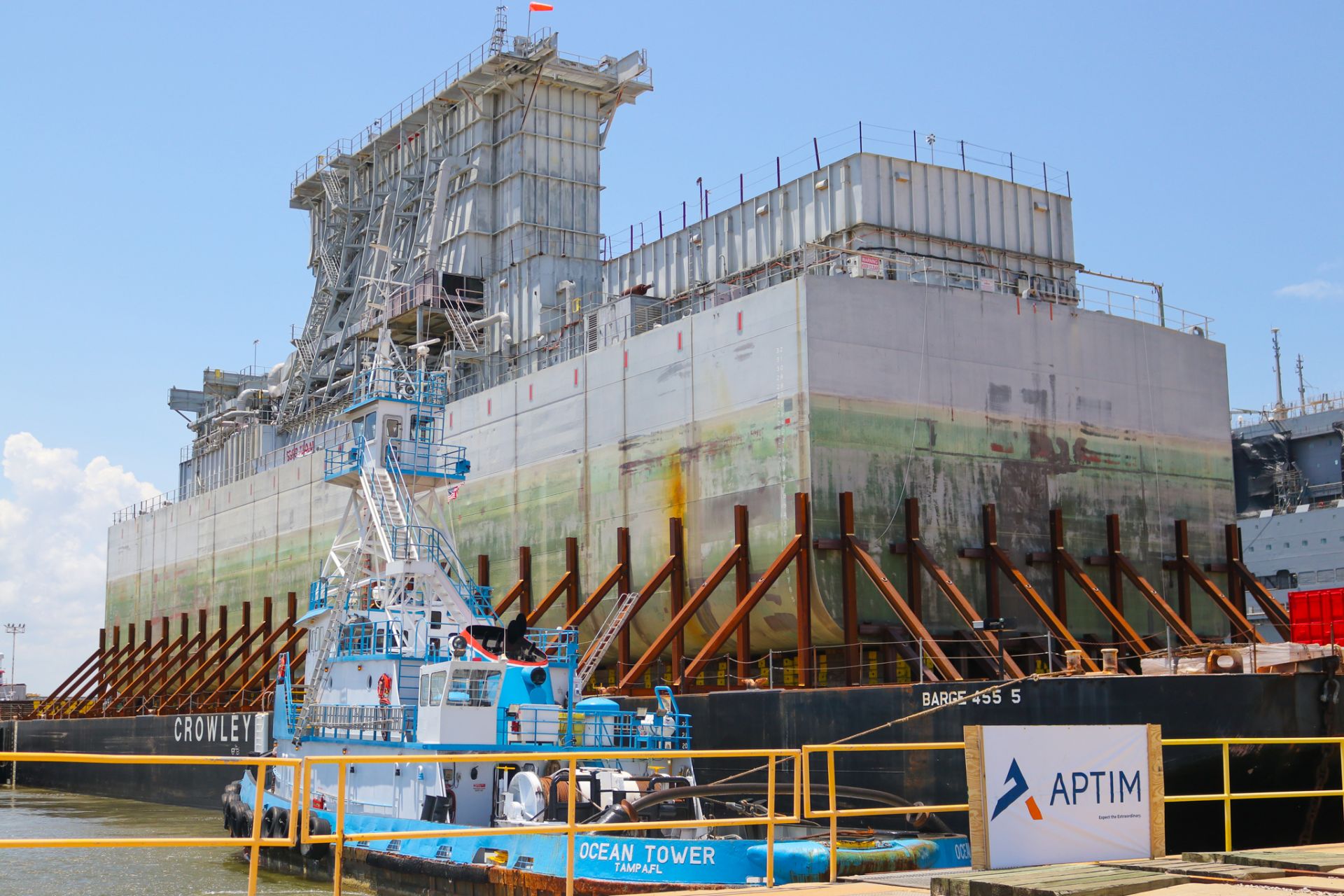
October 29, 2024, 7:03AMRadwaste SolutionsBruce Fox, David Lowe, Jack Reust, and Sean McCutcheon The U.S. Navy’s Surface Ship Support Barge arrives in Mobile, Ala., for demolition after being towed by sea from Virginia. (Photos: APTIM)
The U.S. Navy’s Surface Ship Support Barge, converted in the 1960s from a WWII T2 tanker to a support barge to accept spent nuclear fuel during the refueling of nuclear aircraft carriers, was dismantled and disposed of by the nuclear decommissioning company APTIM as a first-of-its-kind vessel dismantlement project for the Navy. The project was executed under contract with Naval Sea Systems Command; however, regulatory oversight was accomplished through an interagency framework agreement between the U.S. Navy and the Nuclear Regulatory Commission.
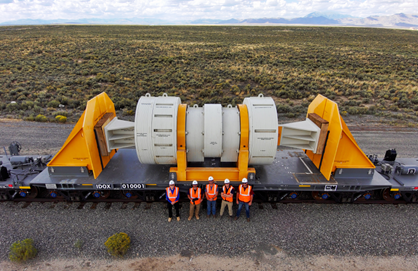
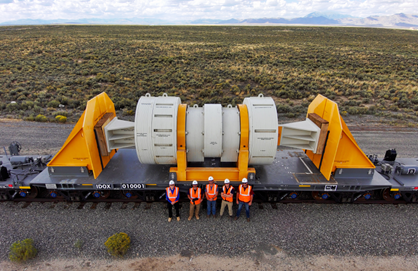
The Atlas railcar carries a simulated shipment of spent nuclear fuel during testing in September 2023. (Photo: DOE)
The Department of Energy has issued a request for information to gather input on its proposed package performance demonstration, which is intended to demonstrate the robustness of spent nuclear fuel transportation casks in hypothetical accident conditions. By simulating severe accident scenarios, the DOE said it intends to show to the public and stakeholders the safety and reliability of transporting SNF by rail, heavy-haul truck, and barge.
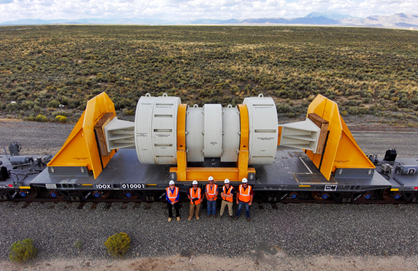
The Atlas railcar carries a test load simulating a shipment of spent nuclear fuel. (Photo: DOE)
The Department of Energy’s Office of Nuclear Energy announced last week that the Association of American Railroads has certified its Atlas railcar system to operate on all major freight railroads in the United States.
Watch a video of the Atlas railcar development here.
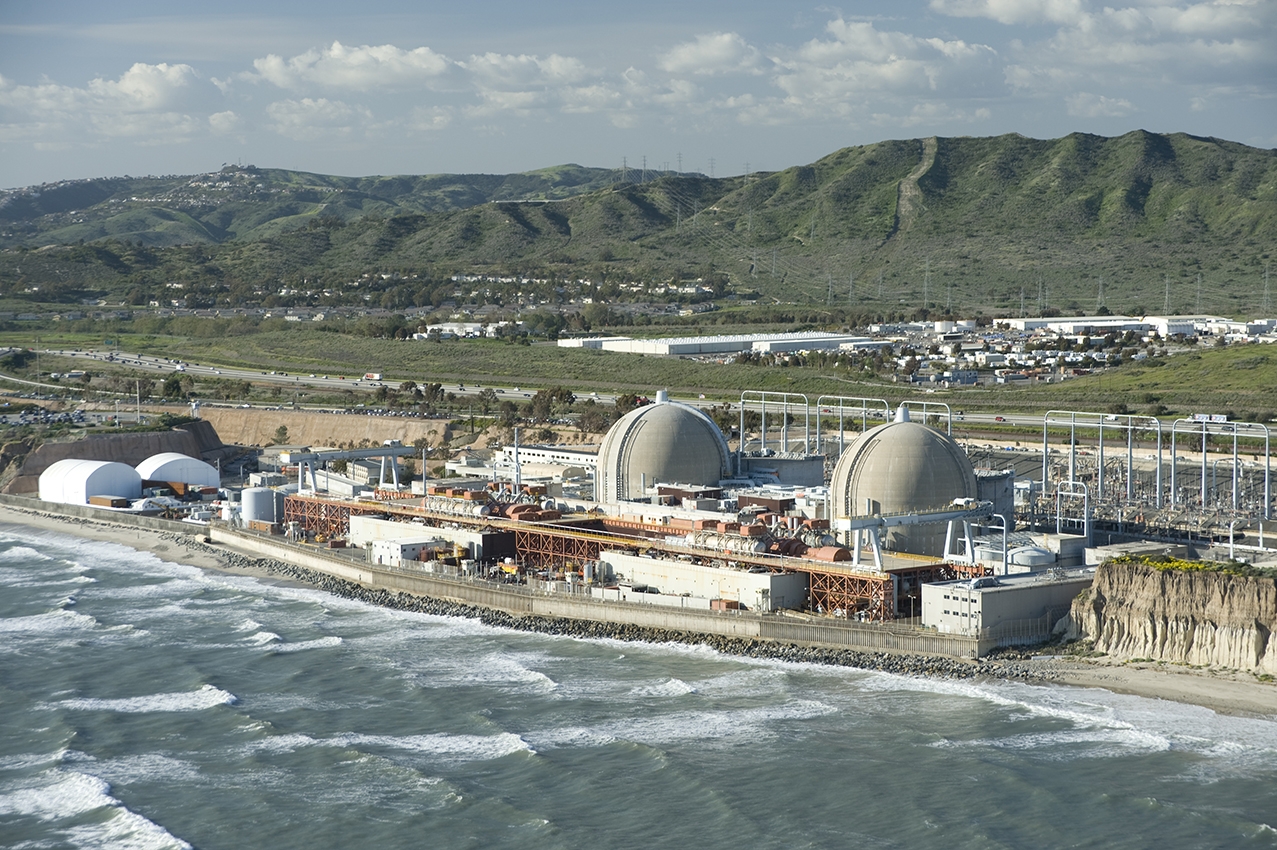
The San Onofre nuclear power plant. (Photo: SONGS)
The Department of Energy’s Office of Nuclear Energy will provide an update to the San Onofre Community Engagement Panel (CEP) on spent fuel transportation preparations on Thursday, October 26, at its quarterly meeting. The virtual meeting will begin at 2:00 p.m. (PDT) via Microsoft Teams video conference.
Members of the public can view the meeting online by visiting the SONGS community website for the link to the Microsoft Teams meeting and to register to comment.
The Atlas railcar carries a test load simulating a shipment of spent nuclear fuel. (Photo: DOE)
The Department of Energy’s Office of Nuclear Energy has wrapped up testing of its Atlas railcar, successfully completing a round-trip journey from Pueblo, Colo., to Scoville, Idaho. Built to safety standards set by the Association of American Railroads (AAR), the 12-axle railcar is designed to transport large containers of spent nuclear fuel and high-level radioactive waste.
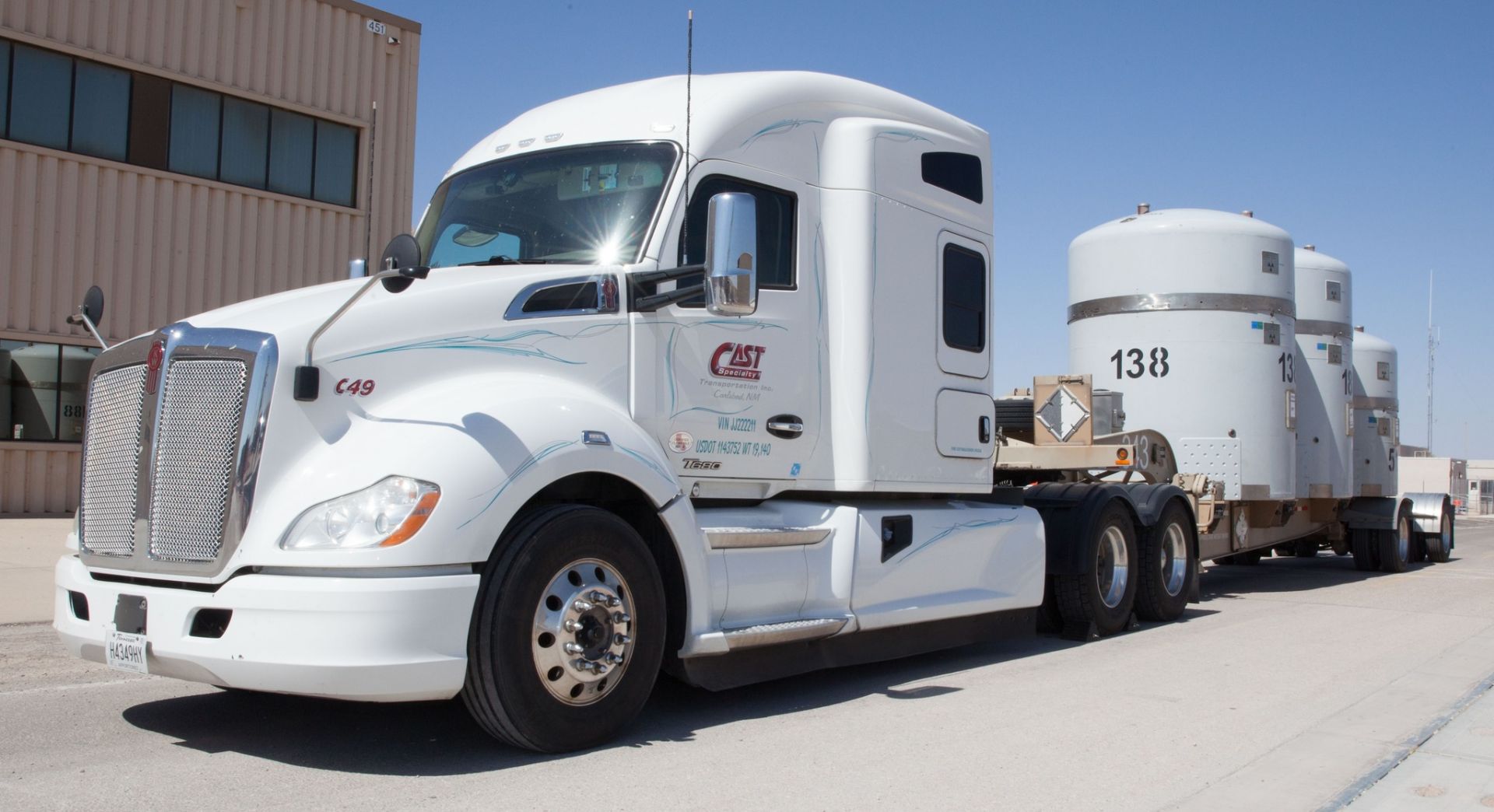
A CAST Specialty Transportation truck delivering TRU waste packages to WIPP. (Photo: DOE)
The Department of Energy’s Waste Isolation Pilot Plant (WIPP) recently marked a milestone after its drivers exceeded 16 million safe miles without a serious accident or injury—equivalent to 33 round trips to the moon or more than 642 trips around the world, the DOE’s Office of Environmental Management announced.
A CAST Specialty Transportation truck loaded with TRUPACT-II shipping containers at WIPP. (Photo: DOE)
The Department of Energy’s Office of Environmental Management (EM) has awarded CAST Specialty Transportation a contract to provide transportation services for the Waste Isolation Pilot Plant, the DOE’s repository for defense-generated transuranic (TRU) waste near Carlsbad, N.M.
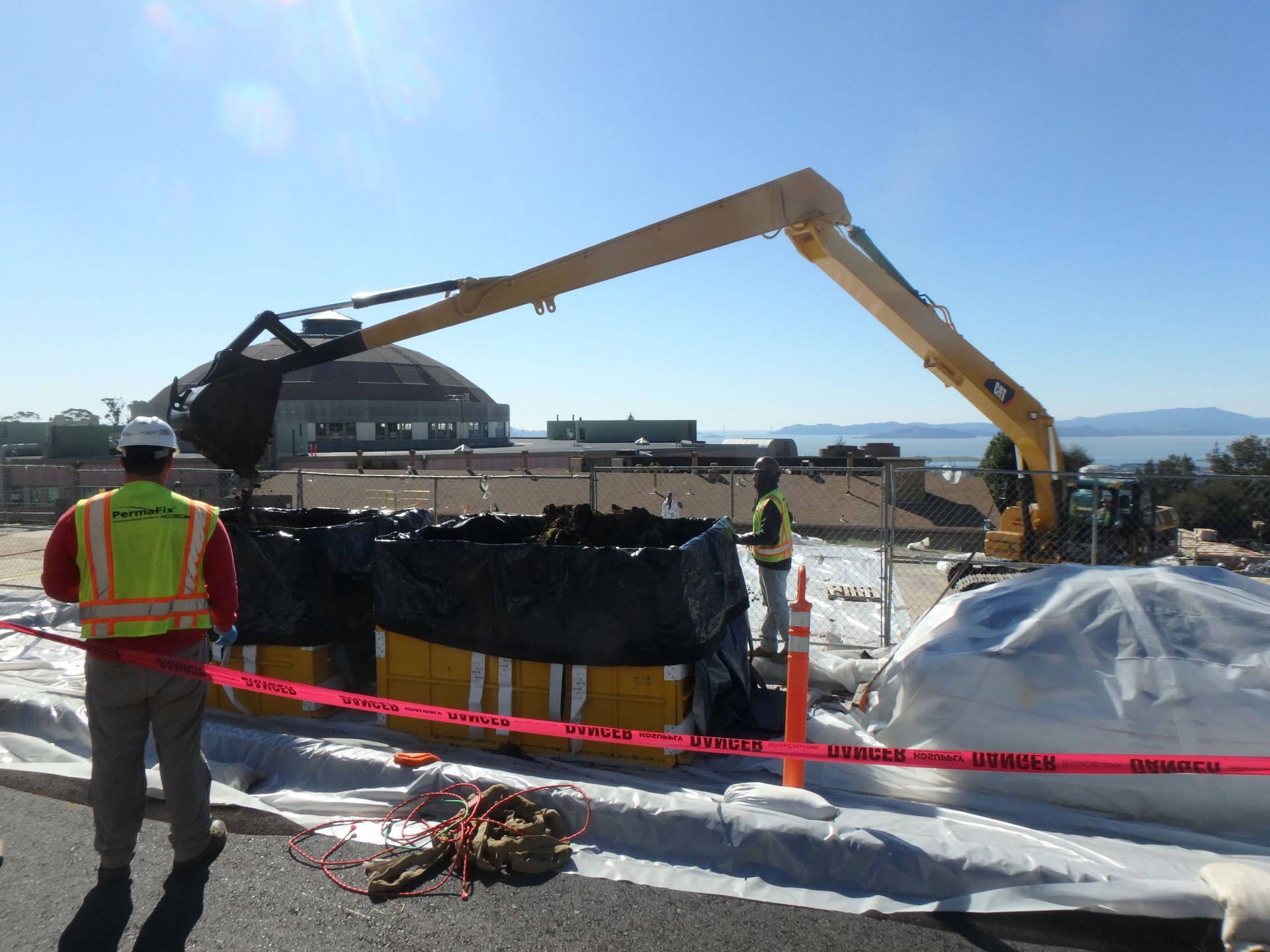
Waste packages are loaded with contaminated soil during remediation work at Lawrence Berkeley National Laboratory. (Photo: PermaFix)
Depending on the size and complexity of a decommissioning project, the transportation and disposal of radioactive waste will have an oversized impact on planning, schedule, and budget. The scope of decommissioning a site contaminated with radioactive material begins and ends with the proper and safe packaging of waste and subsequent transportation from the site to the final disposal location. Once all of the waste is gone from the site, the compliance exercise can be completed and the site released from controls (i.e., the radioactive materials license is terminated and the site is decommissioned).