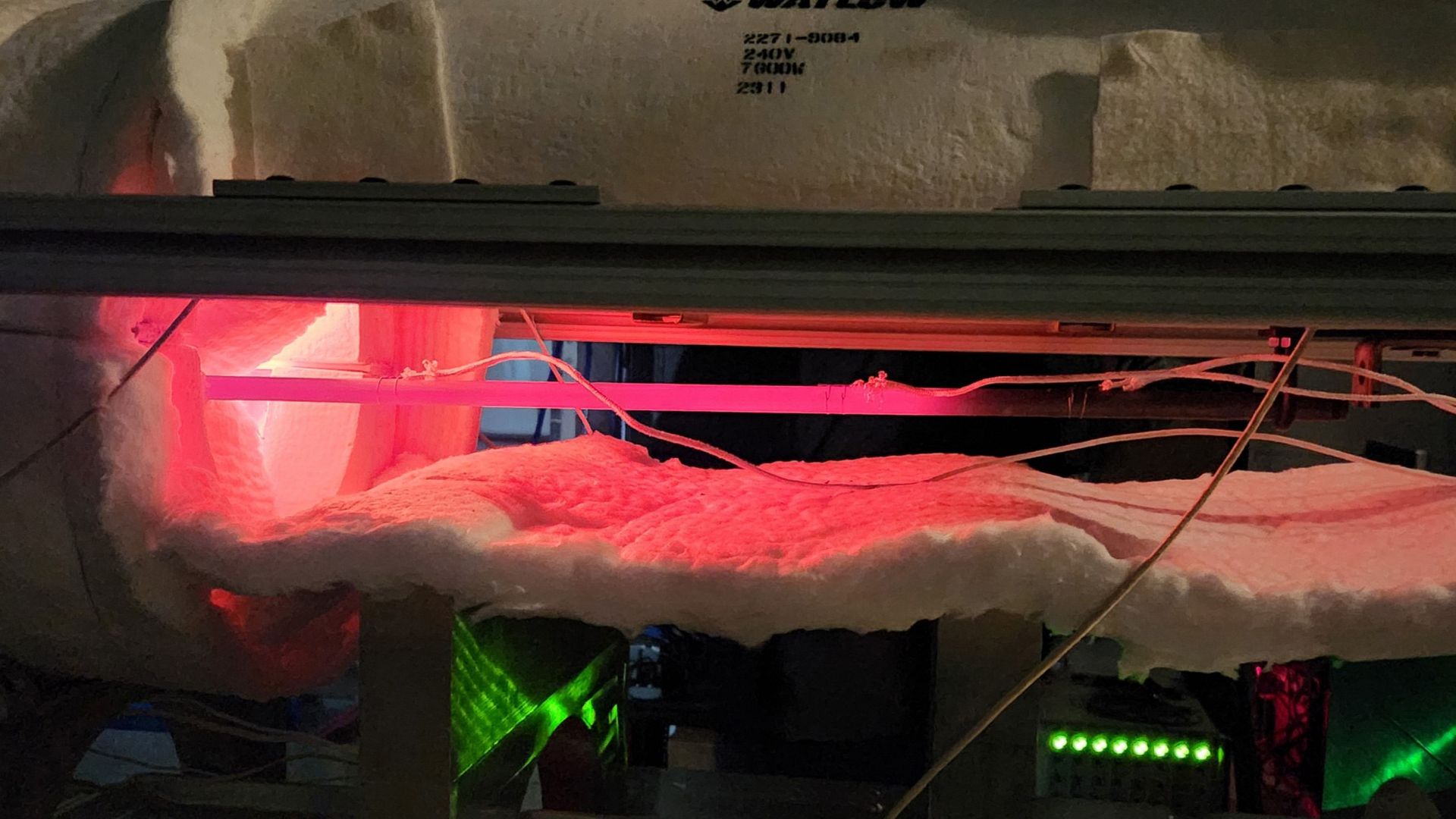
New financing round benefits Valar

Hawthorne, Calif.–based reactor start-up Valar Atomics recently announced that it has raised $130 million in its Series A funding round, led by venture capital groups Snowpoint, Day One, and Dream.

A message from Westinghouse Electric Company Parts Business
Future-Ready Motor Generator Set Control Power Cabinets

Hawthorne, Calif.–based reactor start-up Valar Atomics recently announced that it has raised $130 million in its Series A funding round, led by venture capital groups Snowpoint, Day One, and Dream.

Advanced reactor and fuel developer X-energy has officially begun confirmatory irradiation testing at Idaho National Laboratory on its TRISO-X fuel. The testing, which is taking place over the course of the next 13 months, will evaluate the fuel across a variety of operating scenarios and—if all goes according to plan—will be instrumental in qualifying it for commercial use.
At the American Nuclear Society’s Winter Conference & Expo, leaders of advanced reactor start-ups Radiant Industries, Oklo, and Valar Atomics praised the Department of Energy’s Reactor Pilot Program, in which the companies are participating. The program aims to get at least three reactors on line by July 4, 2026.

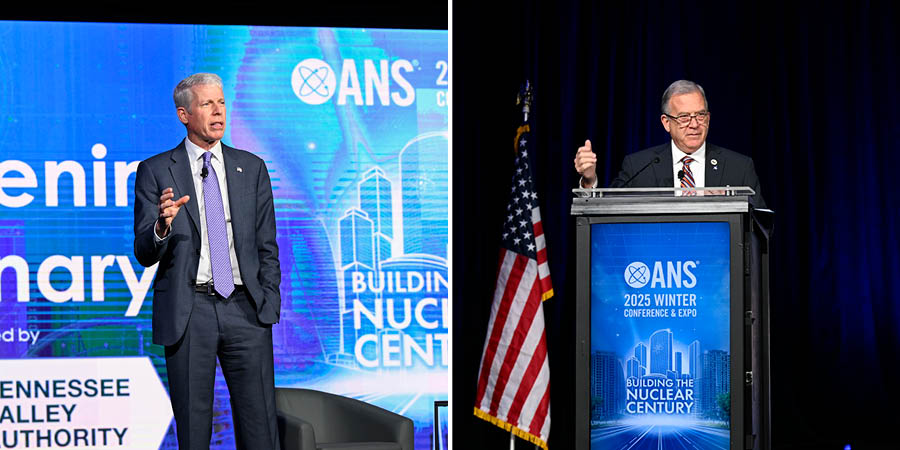
During speeches at the American Nuclear Society’s Winter Conference & Expo, happening this week in Washington, D.C., Energy Secretary Chris Wright and Nuclear Regulatory Commission Chair David Wright both promised that the Trump administration will speed up nuclear reviews so the U.S. can maintain leadership in nuclear energy.
The DOE’s Wright took a stab at the NRC’s traditionally slow bureaucratic processes in approving primarily large light water reactors in the past, saying that the agency needs to speed up to meet the greater demand for new small modular reactors.

One of the privileges of being president of the American Nuclear Society is awarding Presidential Citations to individuals who have demonstrated outstanding effort in some manner for the benefit of ANS or the nuclear community at large. Citations are conferred twice each year, at the Annual and Winter Meetings.
ANS President Hash Hashemian has named this season’s recipients, who will receive recognition at the upcoming 2025 Winter Conference & Expo in Washington, D.C.
The Nuclear Regulatory Commission and the Department of Energy have updated a 2019 memorandum of understanding to coordinate on the review of advanced nuclear reactors and advanced reactor fuel technologies.

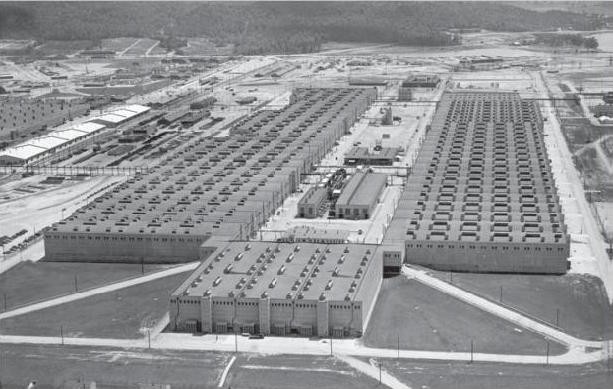
The American Nuclear Society recently announced the designation of three new nuclear historic landmarks: the Hot Fuel Examination Facility, the Neely Nuclear Research Center, and the Oak Ridge Gaseous Diffusion Plant K-25. Today’s article, the final offering in a three-part series, will focus on the historical significance of the Oak Ridge Gaseous Diffusion Plant K-25.

In less than two weeks, the American Nuclear Society’s second annual conference of the year, the 2025 ANS Winter Conference & Expo, will come to Washington, D.C.
Today, ANS is announcing that Energy Secretary Chris Wright will be joining the list of nuclear leaders slated to speak at the conference.
Click here to register for the meeting, which will take place November 9–12 in Washington, D.C., at the Washington Hilton. Be sure to do so before November 7 to take advantage of priority pricing.
The Department of Energy, Argonne National Laboratory, NVIDIA, and Oracle have agreed to a public-private partnership to deliver the DOE’s largest AI supercomputers, named Solstice and Equinox.

Lee

Summers
The Defense Nuclear Facilities Safety Board, the independent agency responsible for ensuring that Department of Energy facilities are protective of public health and safety, announced that the board’s acting chairman, Thomas Summers, has concluded his service with the agency, having completed his second term as a board member on October 18.
Summers’ departure leaves Patricia Lee, who joined the DNFSB after being confirmed by the Senate in July 2024, as the board’s only remaining member and acting chair. Lee’s DNFSB board term ends in October 2027.
Two bills were introduced in the last several weeks aiming to address nuclear power at the end of life—decommissioning plants and recycling used fuel.
The Department of Energy has a plan for private companies to “dispose of surplus plutonium”—about 19.7 metric tons in both oxide and metal forms—by “making the materials available for advanced nuclear technologies.” A Surplus Plutonium Utilization Program request for applications (RFA) issued October 21 describes the plutonium on offer, and the “thresholds” prospective applicants must meet.

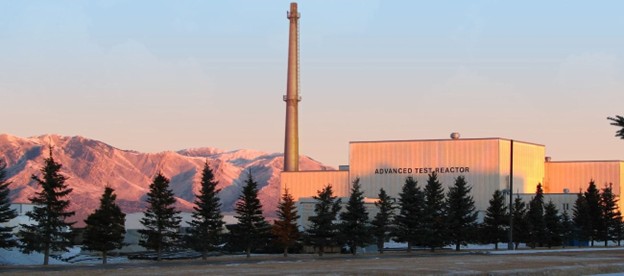
Idaho National Laboratory is playing a key role in helping the U.S. Department of Energy meet near-term needs by recovering HALEU from federal inventories, providing critical support to help lay the foundation for a future commercial HALEU supply chain. INL also supports coordination of broader DOE efforts, from material recovery at the Savannah River Site in South Carolina to commercial enrichment initiatives.

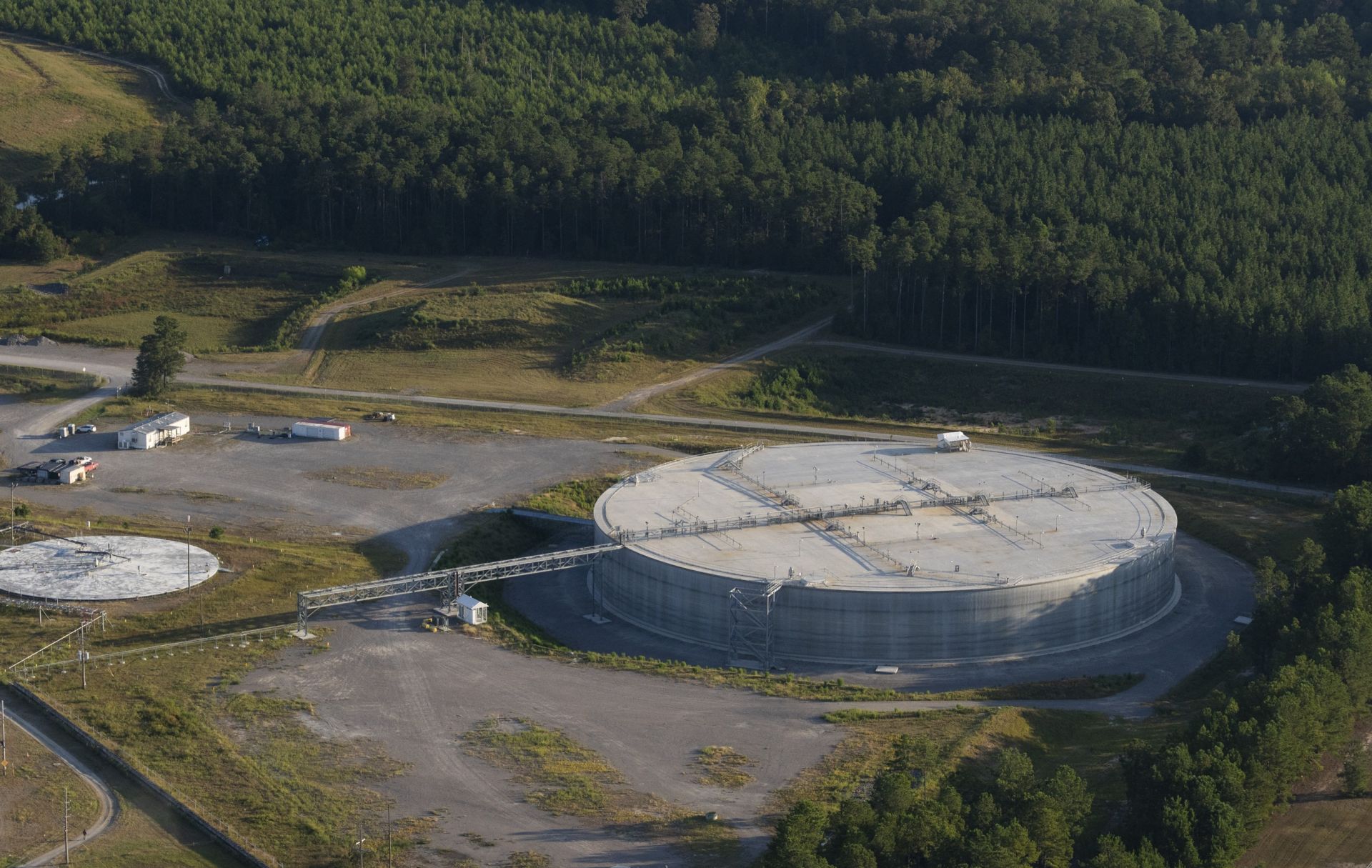
The Savannah River Site in South Carolina will begin a leak-tightness test to qualify the megavolume Saltstone Disposal Unit (SDU) 10 to store up to 33 million gallons of solidified, decontaminated salt solution produced at the site.
The U.S. Army is moving forward with additional advanced reactor programs—building on multiple military efforts already underway as well as a separate pilot program at the Energy Department.
The Department of Energy introduced a Fusion Science & Technology (S&T) Roadmap on October 16 as a national “Build–Innovate–Grow” strategy to develop and commercialize fusion energy by the mid-2030s by aligning public investment and private innovation. Hailed by Darío Gil, the DOE’s new undersecretary for science, as bringing “unprecedented coordination across America's fusion enterprise” and advancing President Trump’s January 2025 executive order, “Unleashing American Energy,” the road map echoes plans issued by the DOE’s Office of Fusion Energy Sciences (FES) in 2023 and 2024, with a new emphasis on the convergence of AI and fusion.
The road map release coincided with other fusion energy events held this week in Washington, D.C., and beyond.
Nuclear waste disposal technology company Deep Isolation is asking that the National Association of State Energy Officials (NASEO) consider how spent nuclear fuel and radioactive waste will be managed under its strategy for developing advanced nuclear power projects in participating states.
The American Nuclear Society has sent a letter to Energy Secretary Chris Wright with a set of recommendations for the Department of Energy to take to establish an effective national program to manage the storage, reprocessing, and final disposal of U.S. commercial used nuclear fuel.

Radiant Industries will build its first portable nuclear reactor at the site of the Manhattan Project in Oak Ridge, Tenn.
The land for Radiant’s new factory includes portions of the K-27 and K-29 Manhattan Project sites. The company plans to test Kaleidos, a 1-MW nuclear microreactor, in 2026, with first deployments expected soon after.

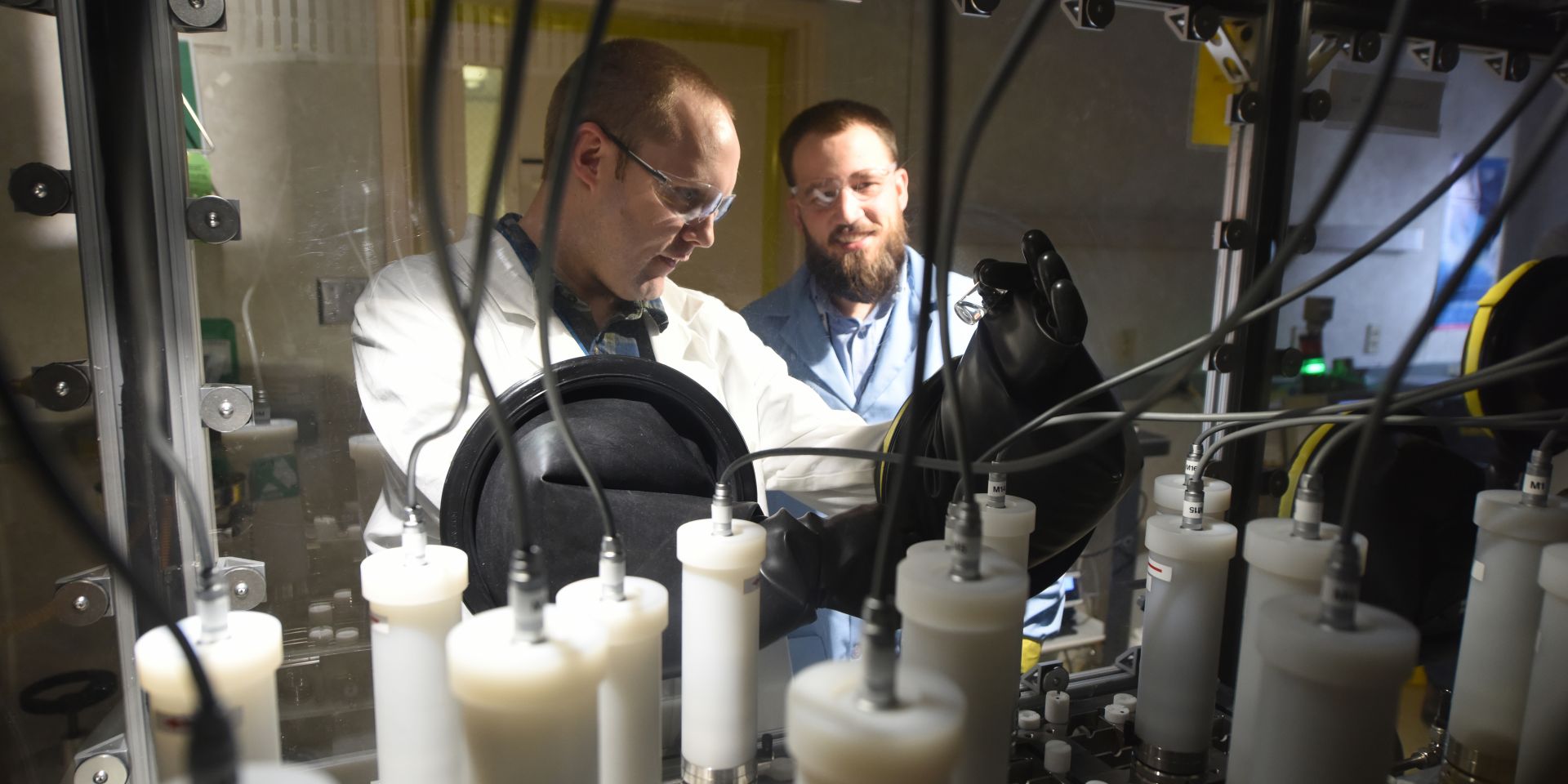
Idaho National Laboratory under the Department of Energy–sponsored Microreactor Program recently conducted a comprehensive phenomena identification and ranking table (PIRT) exercise aimed at advancing heat pipe technology for microreactor applications.