-3 2x1.jpg)
Calming fears about low-dose radiation
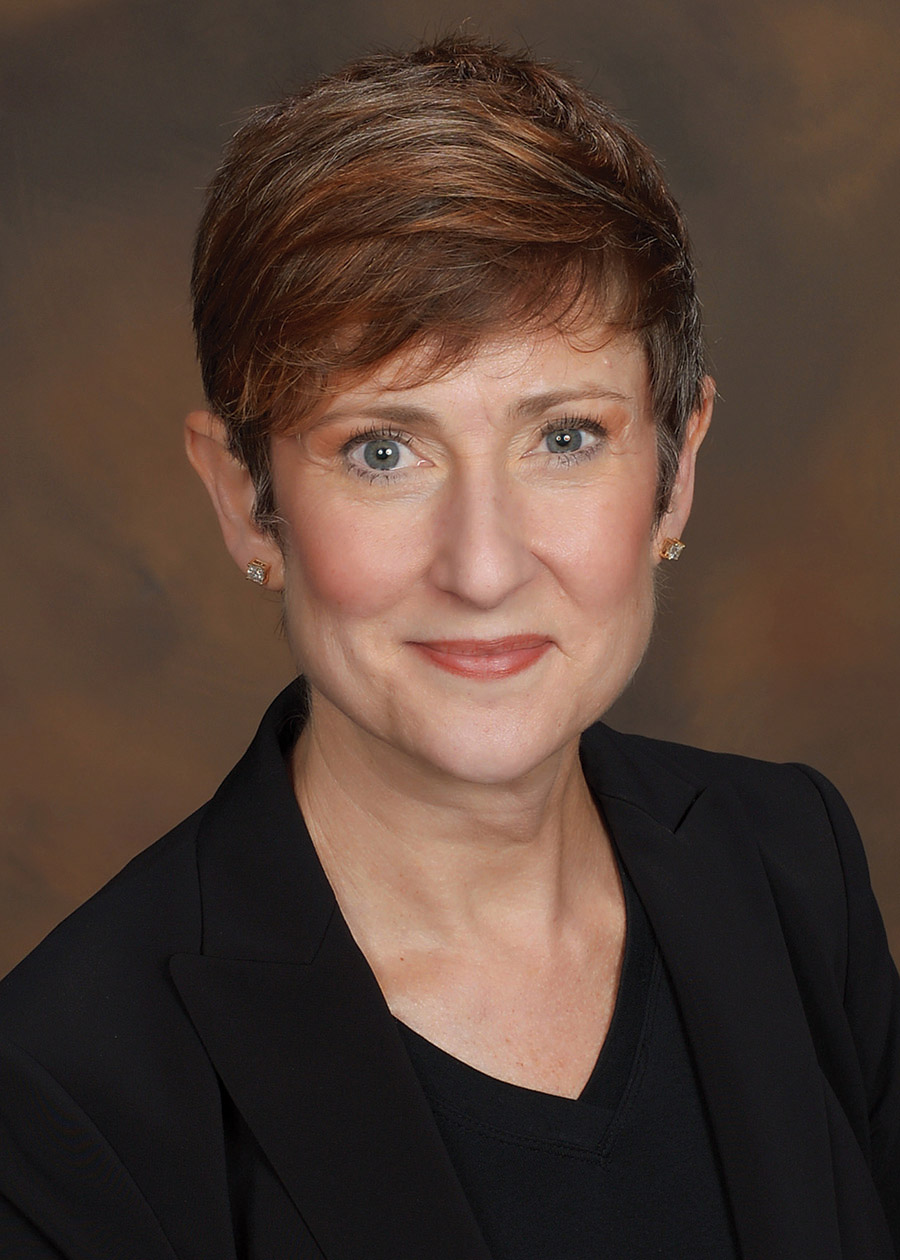
Mary Lou Dunzik-Gougar
During my time as vice president and president of ANS, I have been advocating for a new approach to implementing dose limits across the nuclear industry. A lack of understanding and an unfounded fear of radiation has resulted in widespread efforts to minimize dose, rather than to optimize radiation protection in a holistic sense. I want to put the “reasonably” back into ALARA (“as low as reasonably achievable”). Such a paradigm shift, from minimization to optimization, while easily said, equates to a major cultural change spanning international government agencies, industry, nongovernmental organizations, professional societies, and even academia. It is essential to have the active participation of all stakeholders in a transparent process to effect such a change. This process will not only lead us toward a more level playing field for nuclear, it will also greatly impact public perception of nuclear and radiological technology.
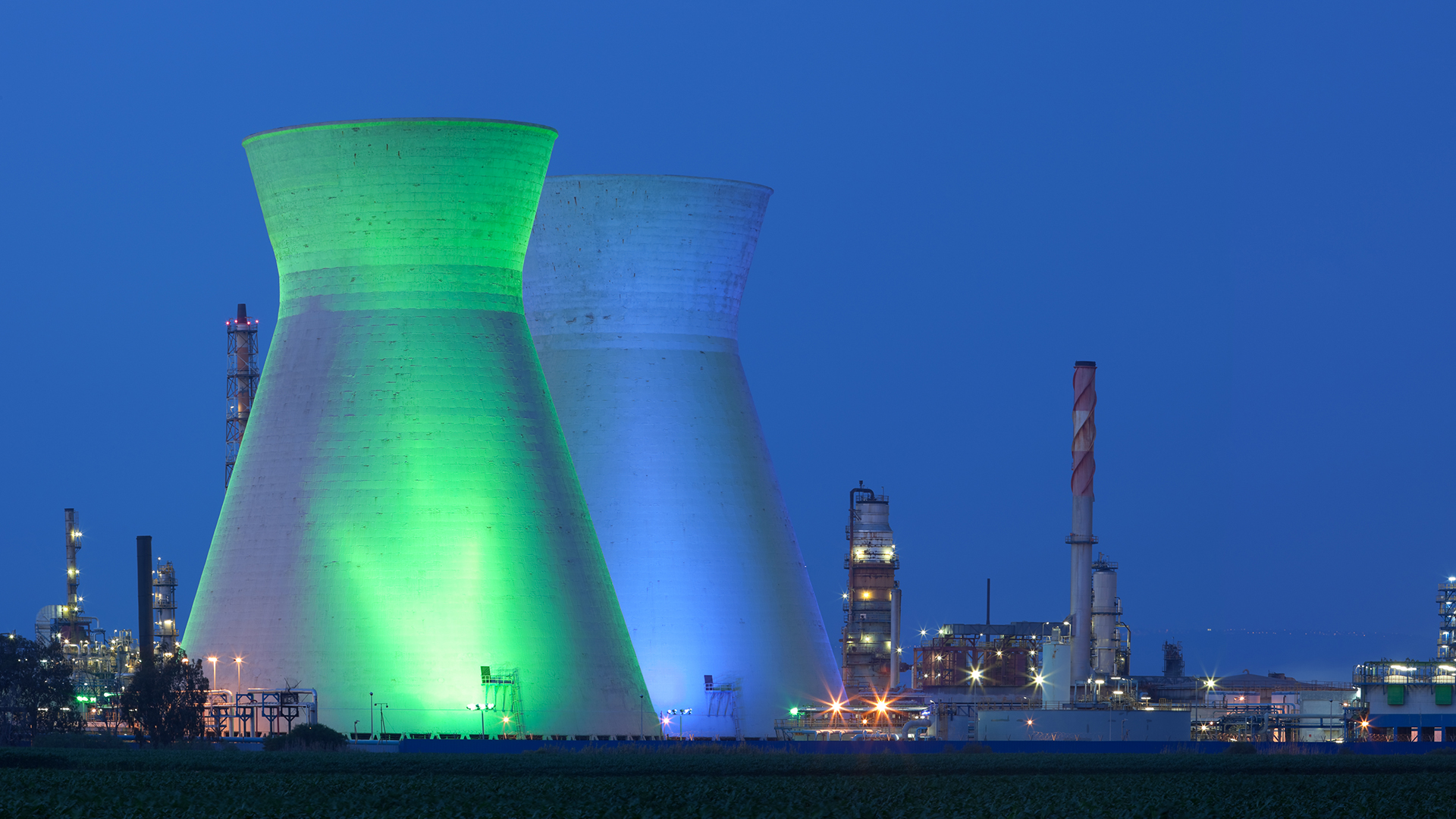 Nuclear power is an important component in the fight against climate change, but independent regulation is needed to gain the public’s---and governments'---trust, according to a March 6 article in The Economist, “

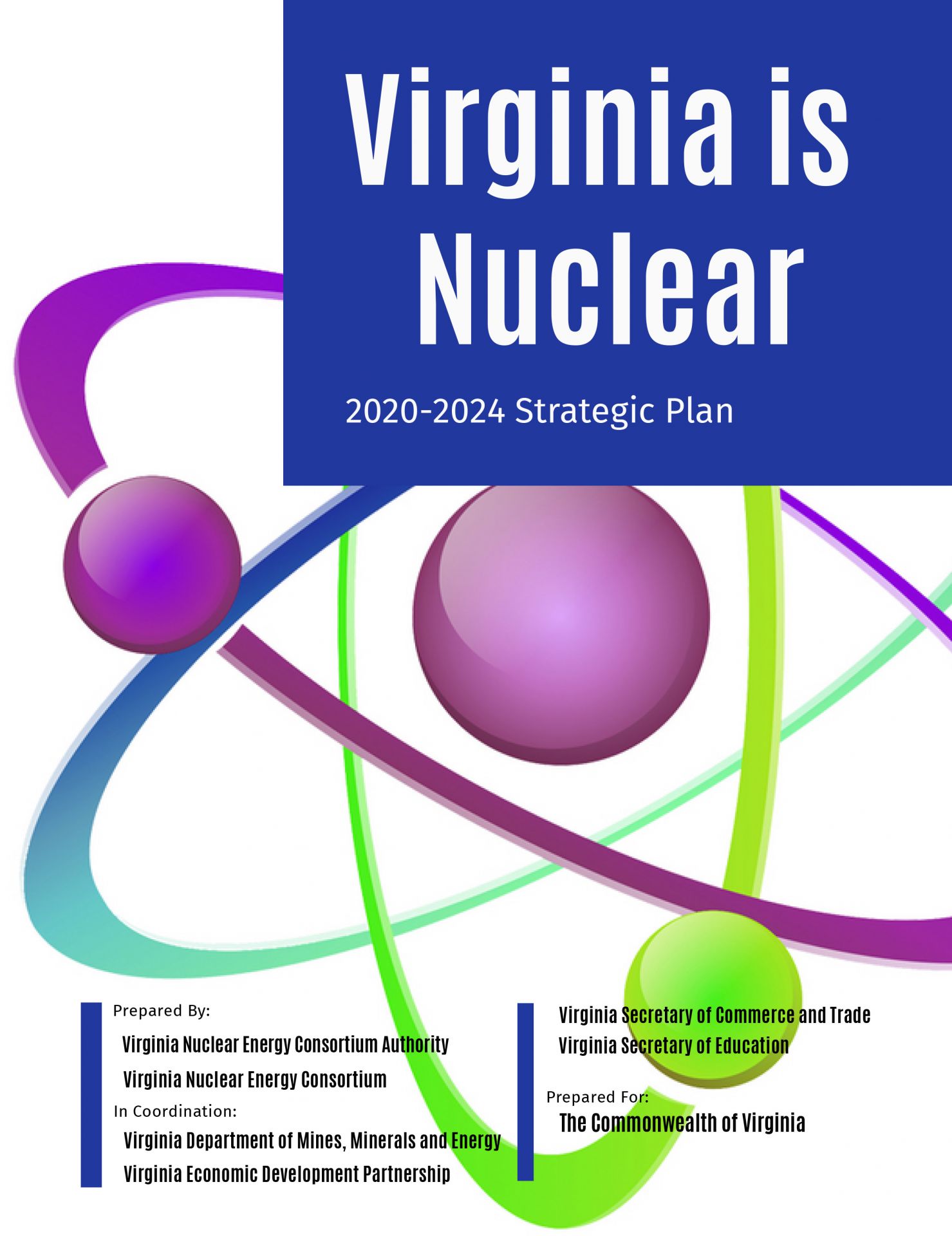 Virginia’s nuclear-sector stakeholders, led by the Virginia Nuclear Energy Consortium Authority (VNECA), have drawn up a plan for helping the state reach its goal of 100 percent carbon-free electricity generation by 2045.
 The ANS 2021 Annual Meeting will be conducted virtually. This decision comes after ANS received word the Rhode Island Convention Center, in Providence. R.I., will no longer be available for a face-to-face meeting during the scheduled dates.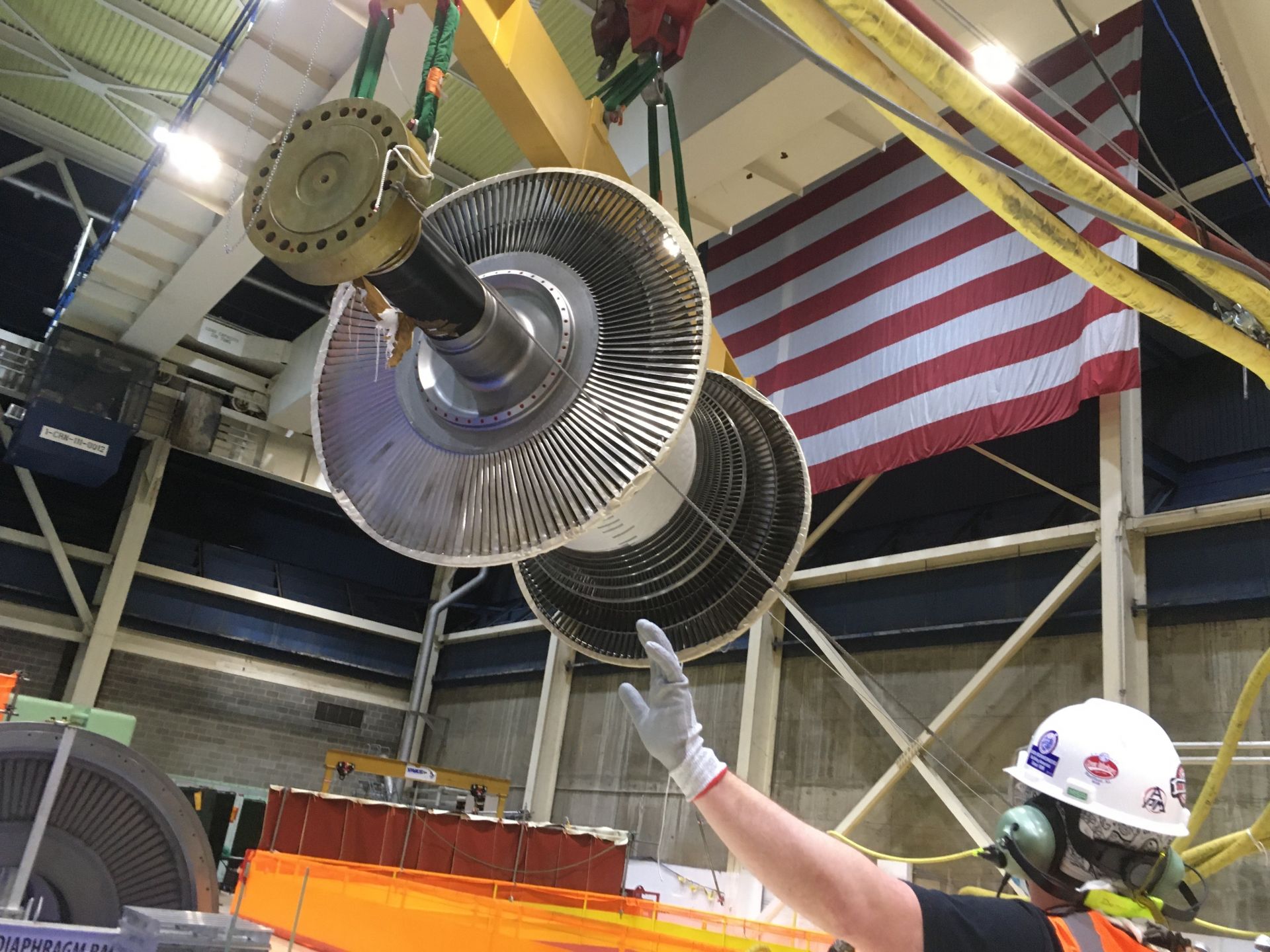
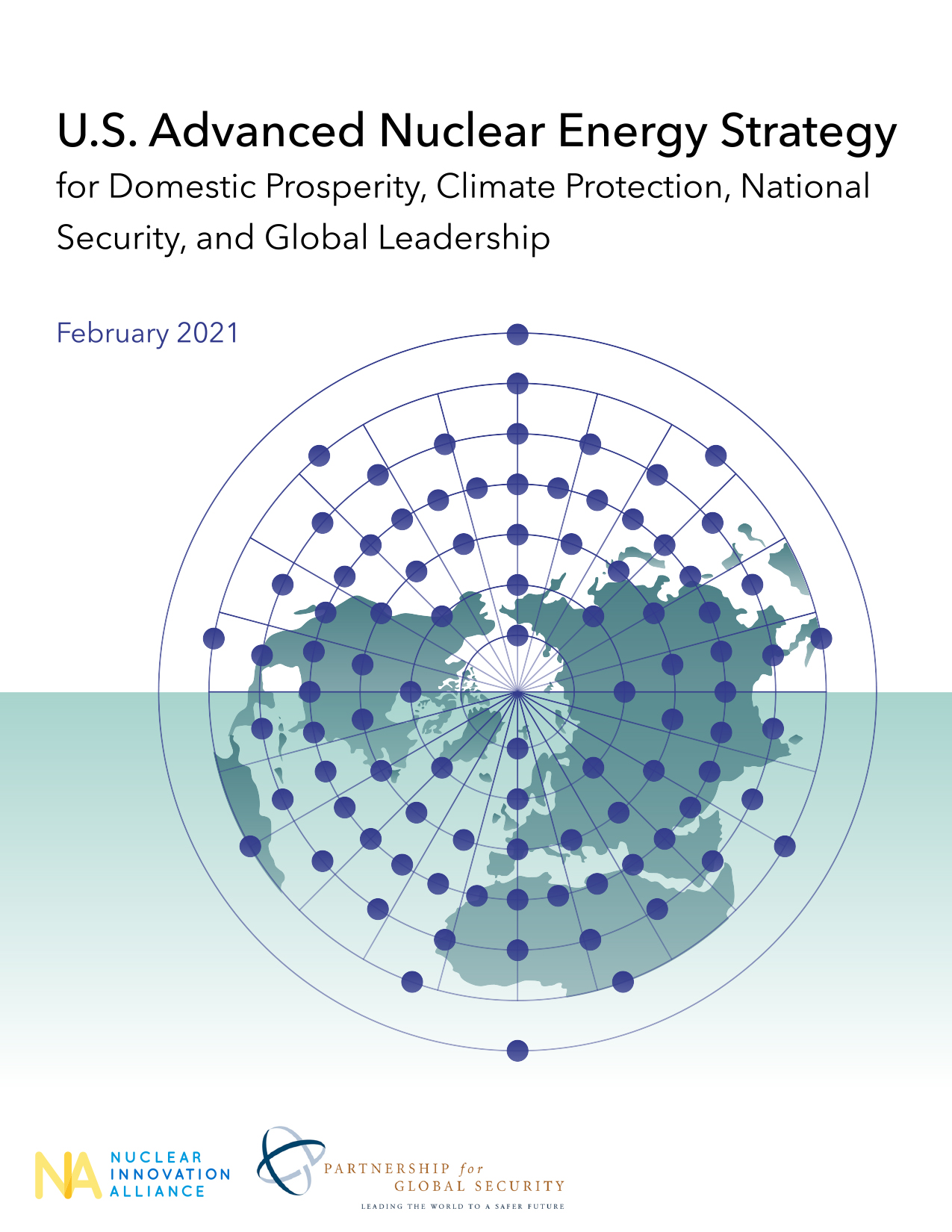 The
The