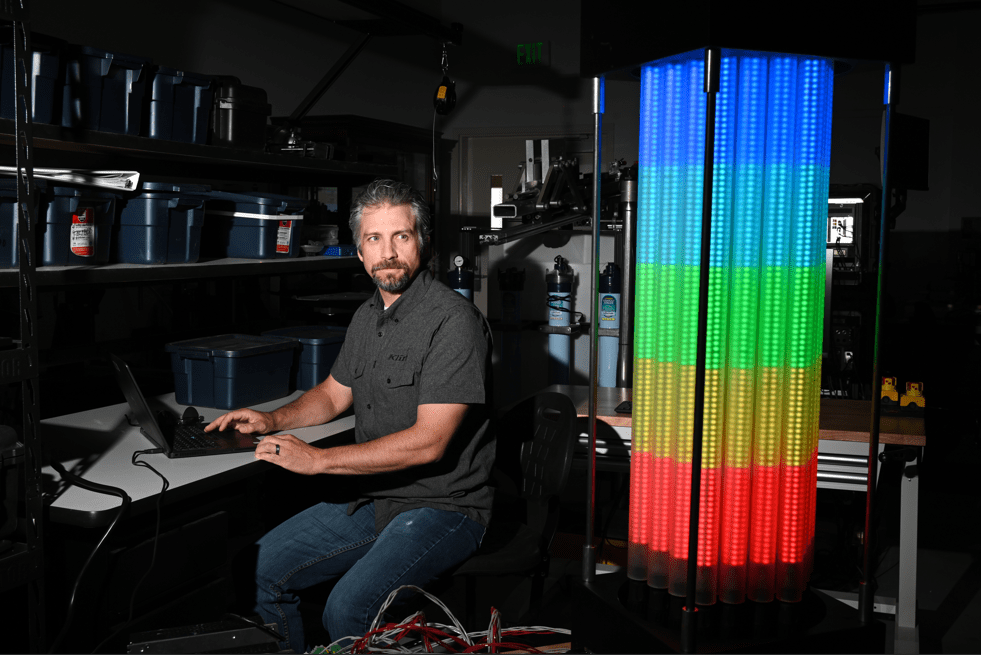
INL’s Tony Crawford designed and developed the MACS/ViBRANT systems. (Photo: INL)
At Idaho National Laboratory, researchers have built a bridge between computer models and the lab’s Microreactor Applications Research Validation and Evaluation (MARVEL) microreactor.
Tony Crawford, an INL researcher and MARVEL’s reactivity control system lead, designed a phone booth–sized surrogate nuclear reactor called ViBRANT, or Visual Benign Reactor as Analog for Nuclear Testing, which uses light instead of neutrons to show a “nuclear” reaction.
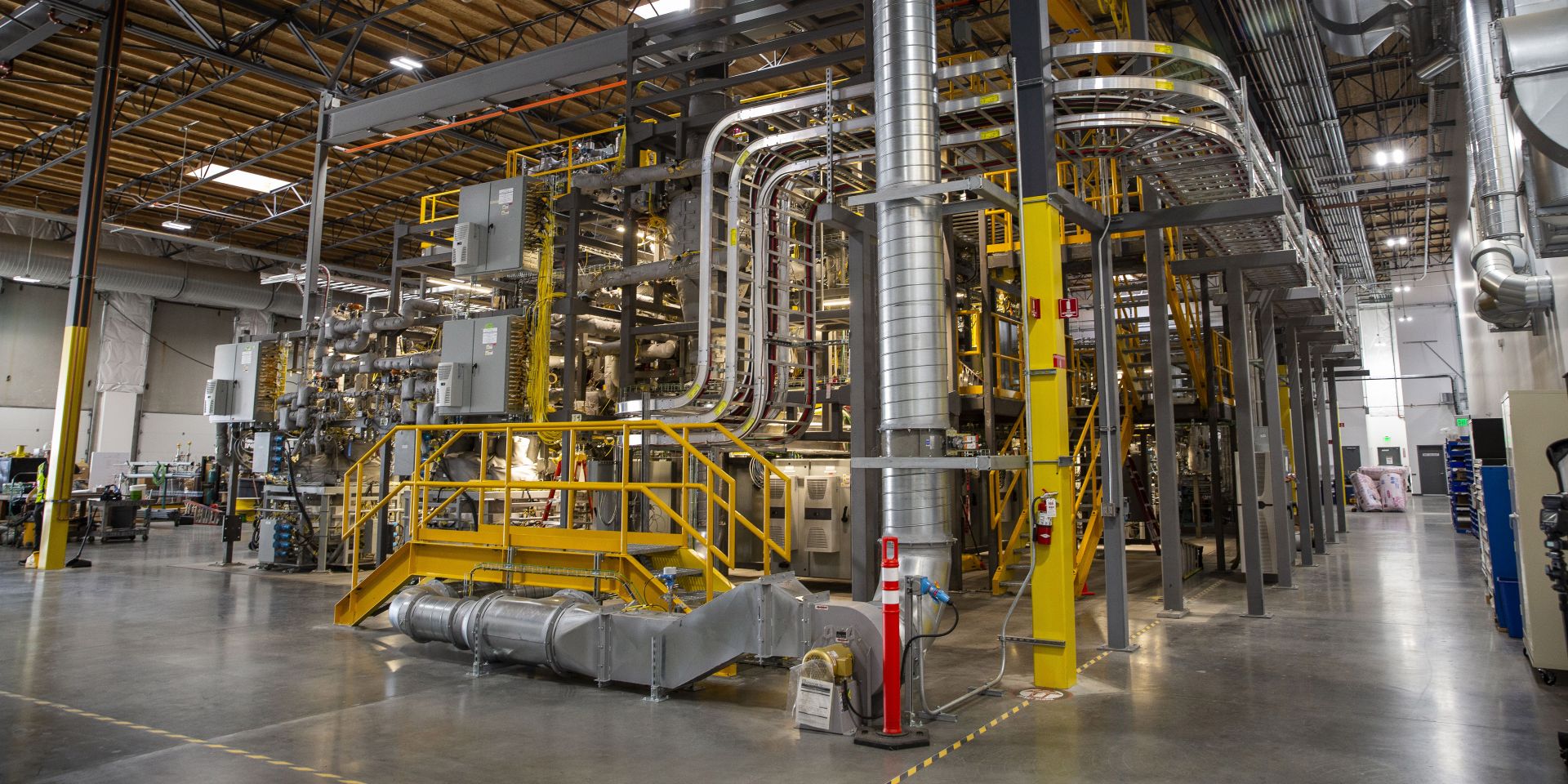
The Integrated Effects Test in Everett, Wash. (Photo: Southern Company)
As the energy sector faces mounting pressure to grow at an unprecedented pace while maintaining reliability and affordability, nuclear technology remains an essential component of the long-term solution. Southern Company stands out among U.S. utilities for its proactive role in shaping these next-generation systems—not just as a future customer, but as a hands-on innovator.
The IAEA’s SALTO-RR team visited South Africa’s SAFARI-1 reactor in February. (Photo: NECSA)
A team of nuclear safety experts with the International Atomic Energy Agency completed a five-day safety review of the SAFARI-1 reactor in Pelindaba, South Africa, focusing on aging management and continued safe operation of the 61-year-old 20-MW research reactor.
The IAEA team found that the SAFARI-1’s management and technical staff had a strong commitment to and involvement with the assessment but recommended that formal programs be established to address the aging reactor’s equipment.
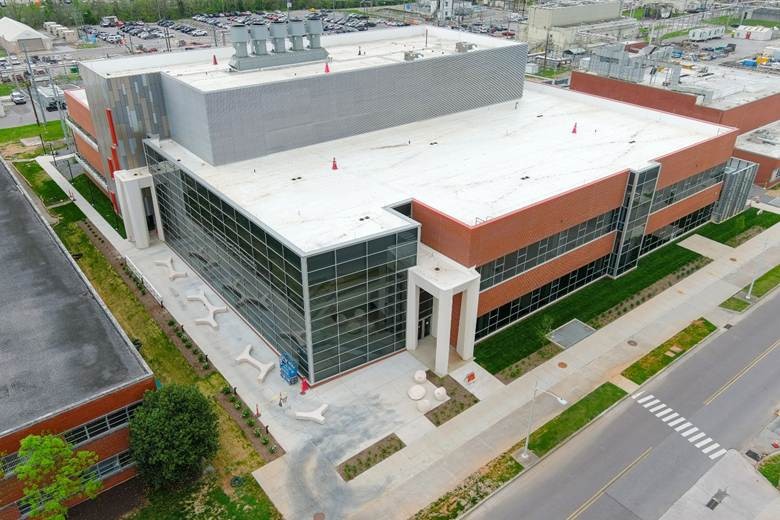
An aerial view of the Translational Research Capability, which is rapidly moving into full operations. (Photo: Carlos Jones/ORNL)
The newest addition to Oak Ridge National Laboratory’s materials research facilities is set to host a ribbon-cutting ceremony later this year now that construction is complete and laboratories are being phased into operation. The 100,000-square-foot, multipurpose Translational Research Capability building at ORNL houses a broad spectrum of research ranging from quantum science to energy storage, with several of the largest labs in the building focused on materials challenges for applications including nuclear fission and fusion, like the ORNL’s Corrosion Lab.
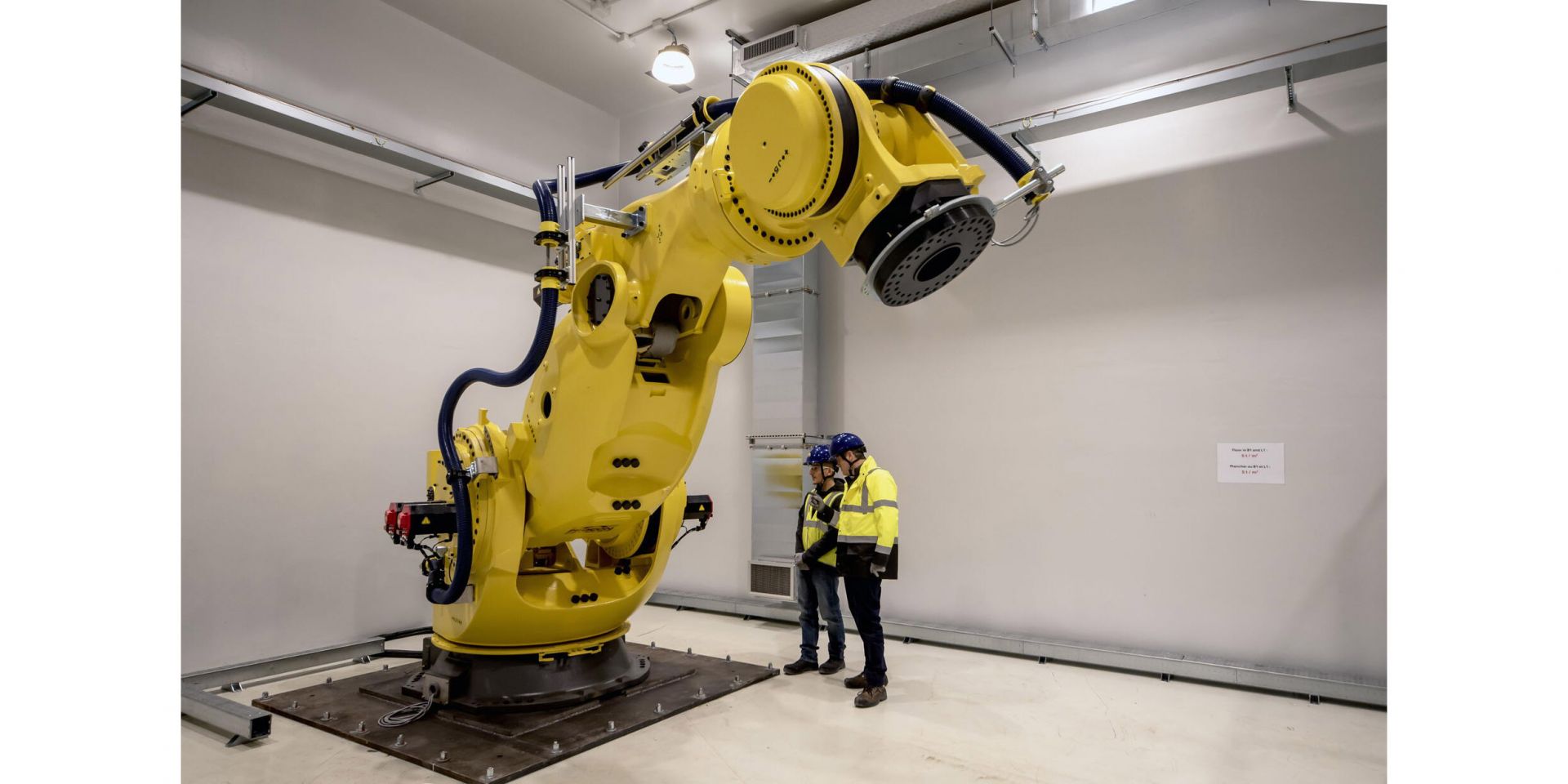
ITER employees stand by Godzilla, a powerful industrial robot. (Photo: ITER)
Many people are familiar with Godzilla as a giant reptilian monster that emerged from the sea off the coast of Japan, the product of radioactive contamination. These days, there is a new Godzilla, but it has a positive—and entirely fact-based—association with nuclear energy. This one has emerged inside the Tokamak Assembly Preparation Building of ITER in southern France.
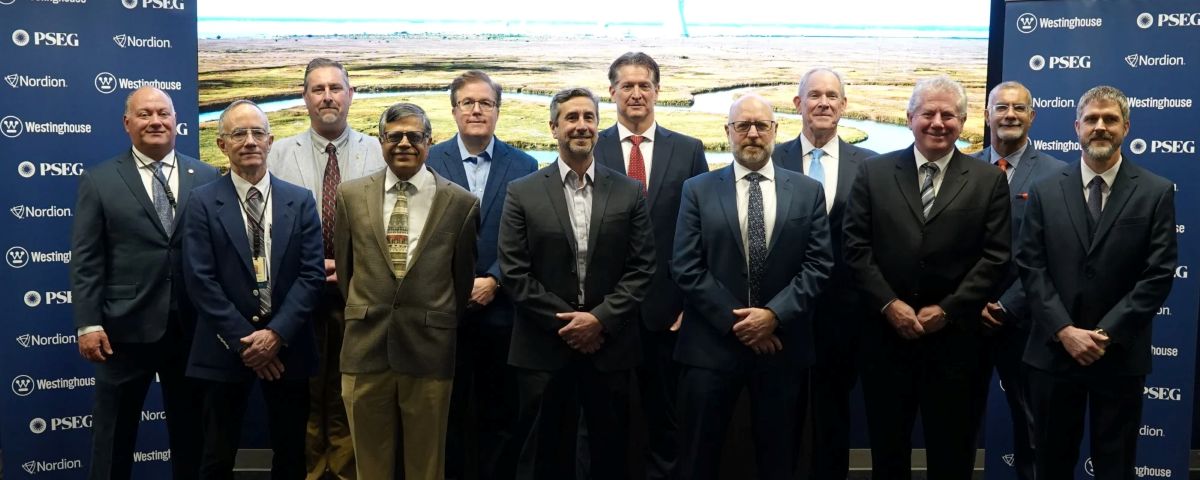
Senior leaders from Nordion, PSEG, and Westinghouse attended the signing ceremony. (Photo: Westinghouse)
Westinghouse Electric Company, Nordion, and PSEG Nuclear announced on Tuesday the signing of long-term agreements to establish the first commercial-scale production of cobalt-60 in a U.S. nuclear reactor. Under the agreements, the companies are to apply newly developed production technology for pressurized water reactors to produce Co-60 at PSEG’s Salem nuclear power plant in New Jersey.
Research team members at PNNL pose with their UGES prototype, including (from left) James Ely, Riane Stene, Nikhil Deshmukh, Mital Zalavadia, Benjamin McDonald, Grey Batie, and Rodrigo Guerrero. (Photo: Andrea Starr/PNNL)
A uranium enrichment monitor developed by a team at Pacific Northwest National Laboratory will soon be undergoing testing for nonproliferation applications at the International Atomic Energy Agency Centre of Excellence for Safeguards and Non-Proliferation in the United Kingdom. A recent PNNL news article describes how the research team, led by nuclear physicist James Ely, who works within the lab’s National Security Directorate, developed the UF6 gas enrichment sensor (UGES) prototype for treaty verification and other purposes.
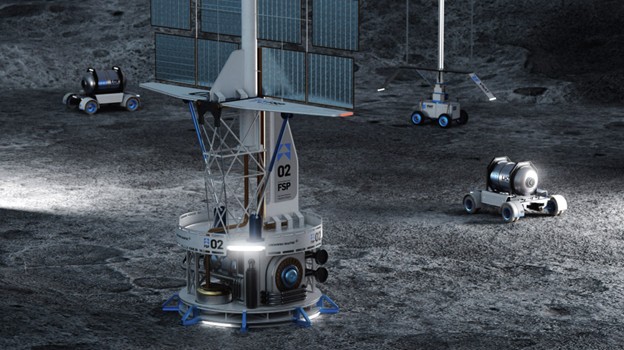
Concept art of a fission surface power system on the surface of the moon. (Image: Lockheed Martin)
The “space race” is once again making headlines, with technology worthy of the 21st century. Like the Cold War–era competition, this race too is about showcasing power—but this time it's nuclear power.
A new article in Power Technology examines the competing efforts of the United States, Russia, and China as they strive to be the first to put a nuclear reactor on the moon to power a lunar base, detailing the technical challenges and international rivalries.
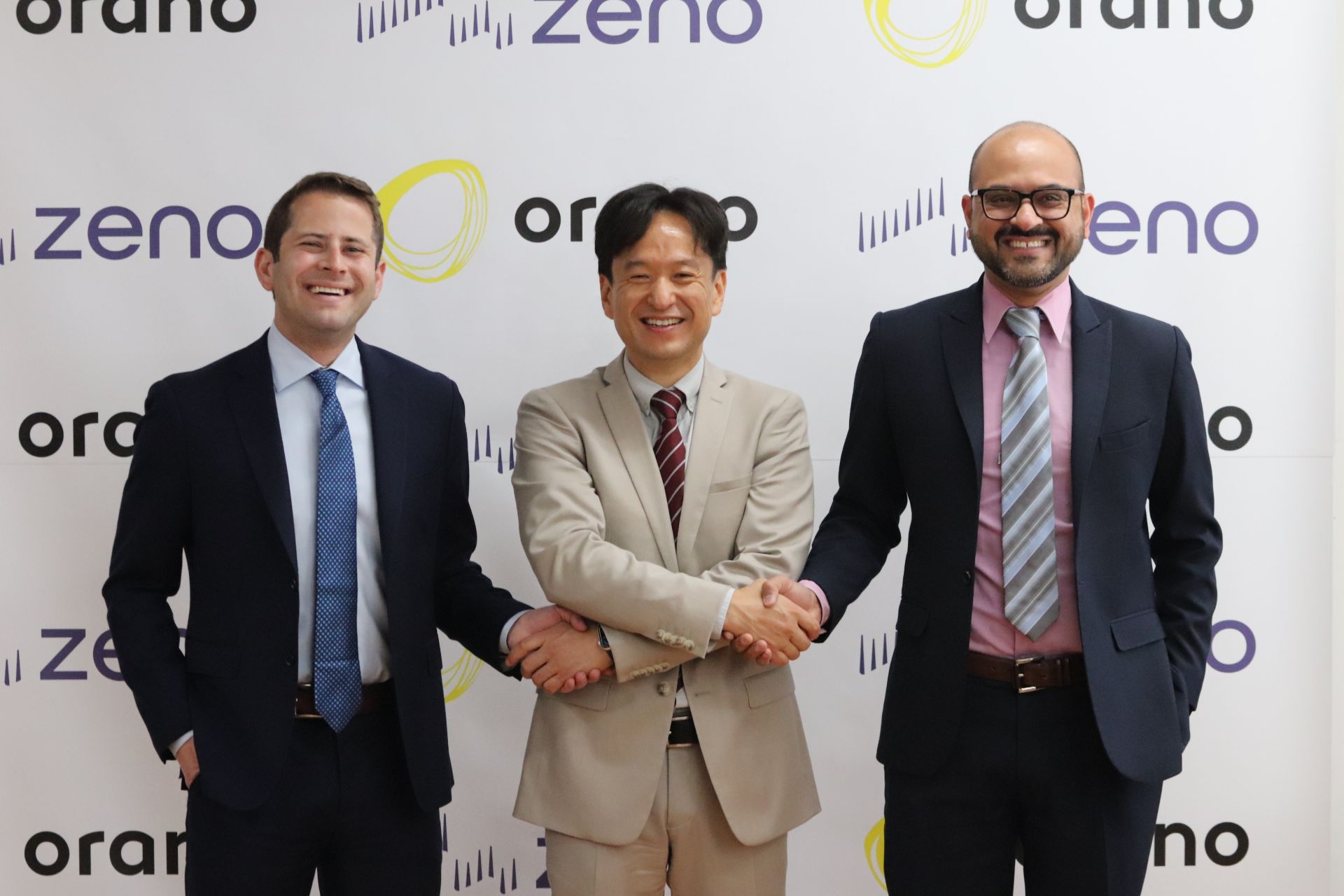
Orano USA CEO Jean-Luc Palayer (middle) shakes hands with Zeno Power’s cofounder and CEO Tyler Bernstein (left) and Chief Commercialization Officer Harsh Desai. (Photo: Orano USA)
Zeno Power, a developer of nuclear batteries, is to receive americium-241 recovered from Orano’s La Hague nuclear fuel recycling site in Normandy, France, under a strategic agreement announced by the companies on September 24.

 The Department of Energy’s newly published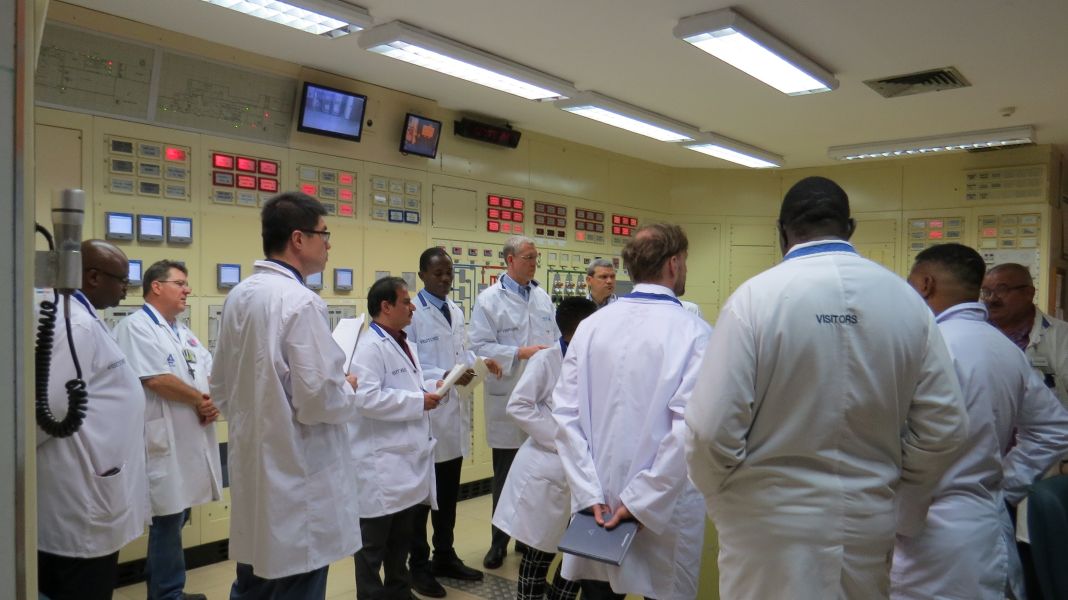



 The Department of Energy announced on Wednesday that it has awarded $134 million in funding for two programs designed to secure U.S. leadership in emerging fusion technologies and innovation. The funding was awarded through the DOE’s Fusion Energy Sciences (FES) program in the Office of Science and will support the next round of Fusion Innovation Research Engine (FIRE) collaboratives and the Innovation Network for Fusion Energy (INFUSE) awards.