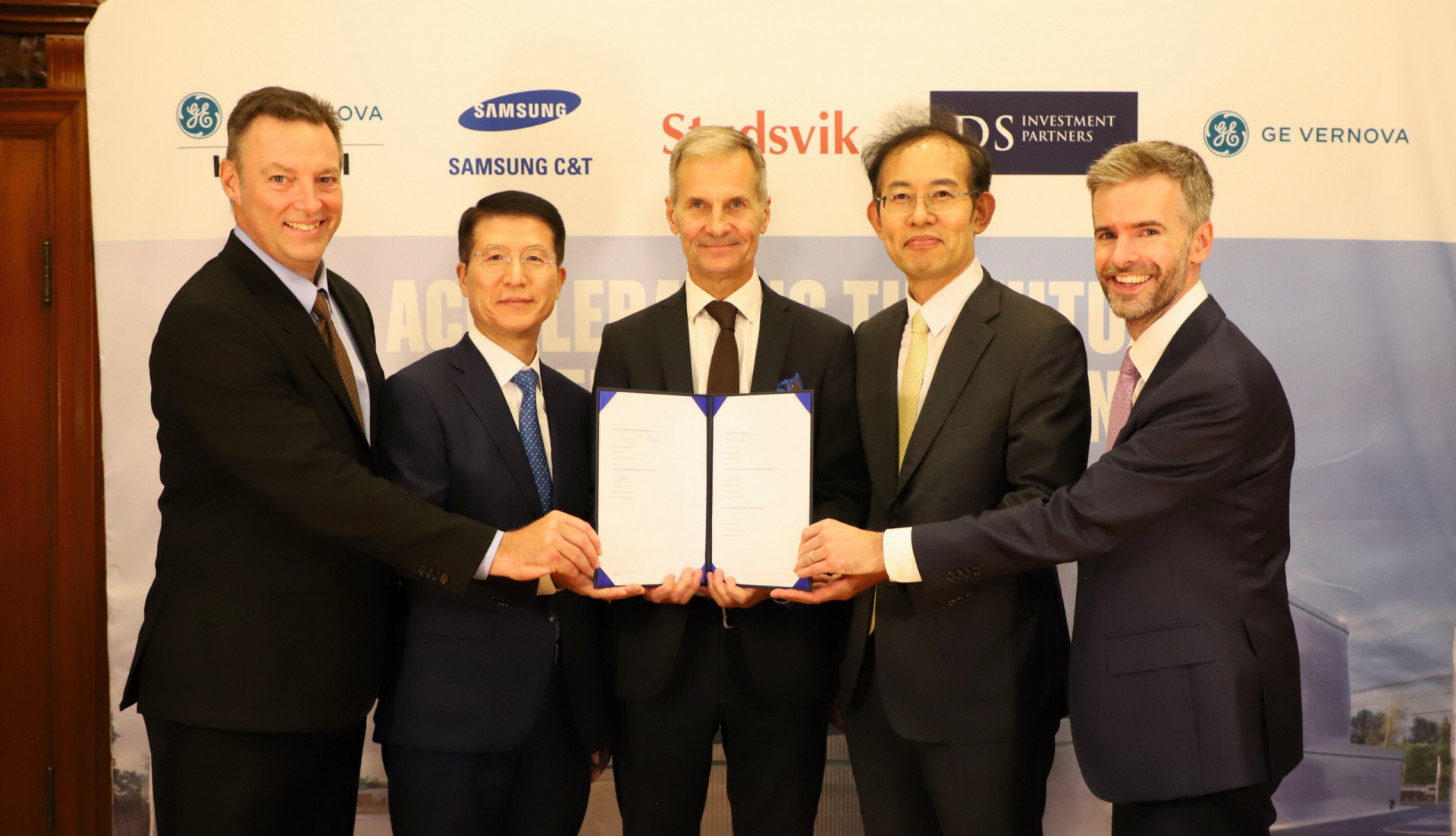
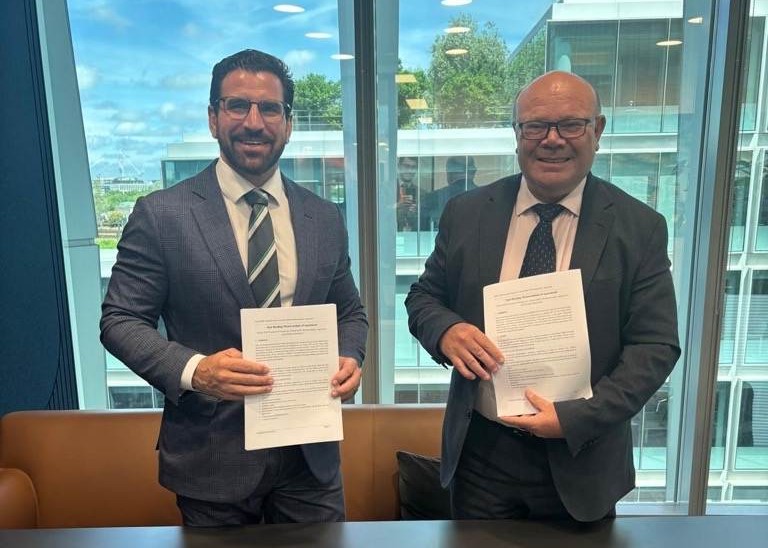
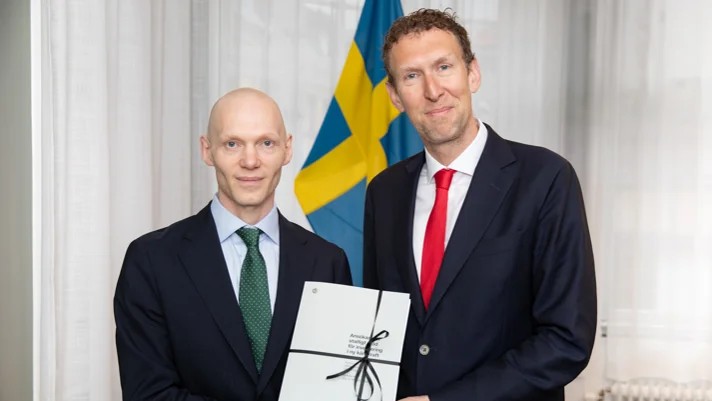
Representatives from the ReFirm program gather for the announcement of their partnership. (Photo: Studsvik)
Swedish engineering services firm Studsvik and its partners have teamed up on a four-unit BWRX-300 new build project in southern Sweden. On Thursday, Studsvik entered into a joint development agreement with GE Vernova Hitachi Nuclear Energy, GE Vernova Financial Services, DS Investment Partners, and Samsung C&T to advance the 1.2-GW ReFirm program, with the expectation the first unit will commence operations in the mid-2030s.
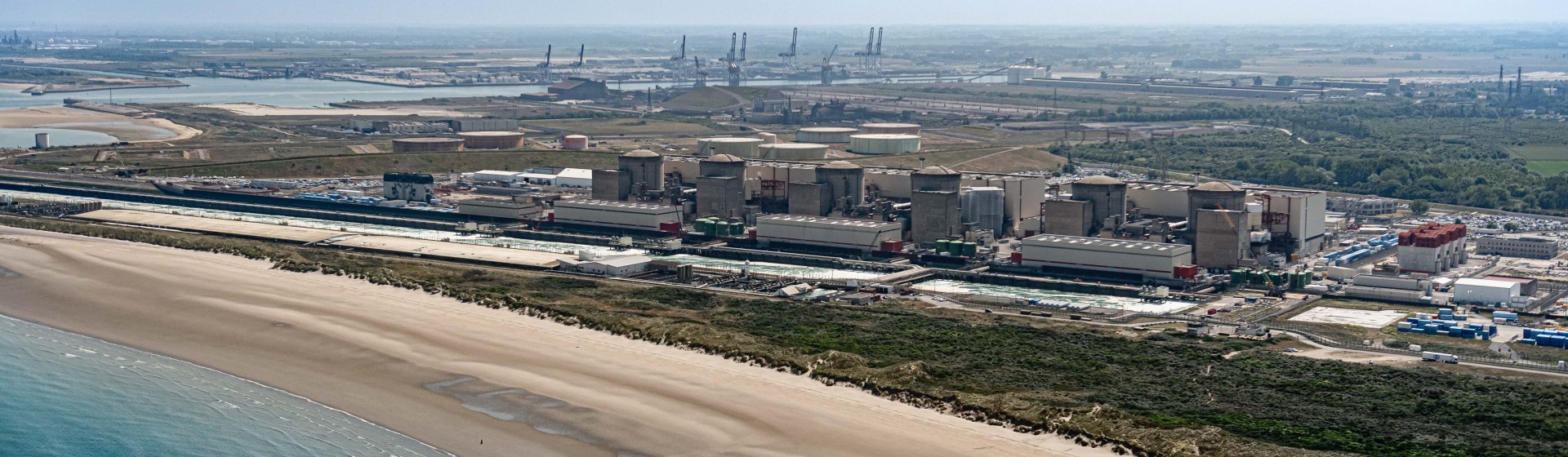
Gravelines nuclear power plant in France. (Photo: EDF)
With August in the rearview mirror, here is a roundup of some international news out of Europe and Africa you may have missed toward the end of last month.
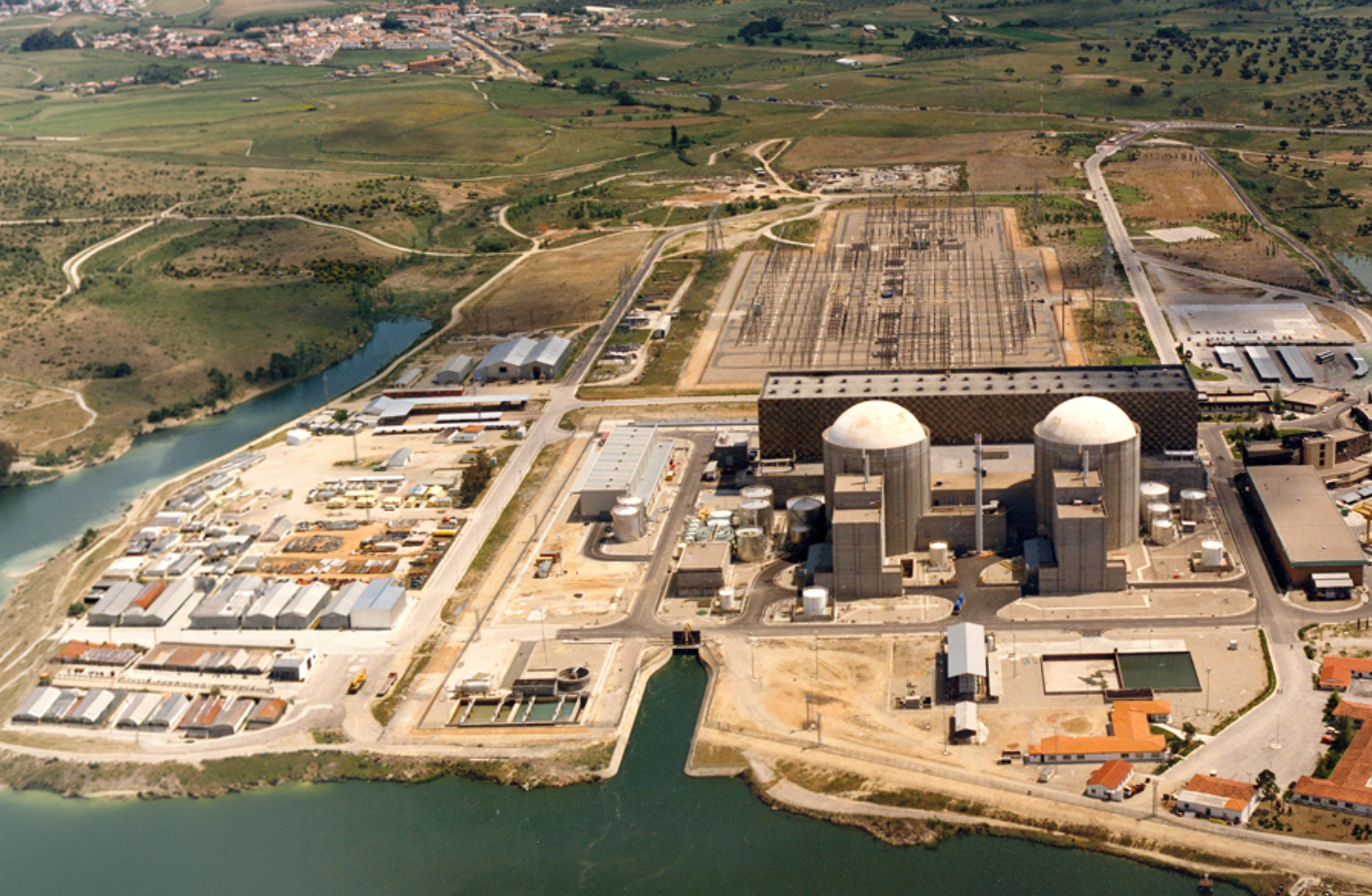
Almaraz nuclear power plant in Spain. (Image: Iberdrola España)
The Spanish government has renewed for another three years the operating license of Almaraz nuclear power plant, the country’s largest power plant and a facility that was originally scheduled to shut down beginning next year as part of Spain’s plans to phase out nuclear energy.
The license renewal—issued on August 12 by the Ministry for the Ecological Transition and the Demographic Challenge and posted publicly on August 14—extends the license of the two-unit, 2,017-MWe Almaraz through June 8, 2030.
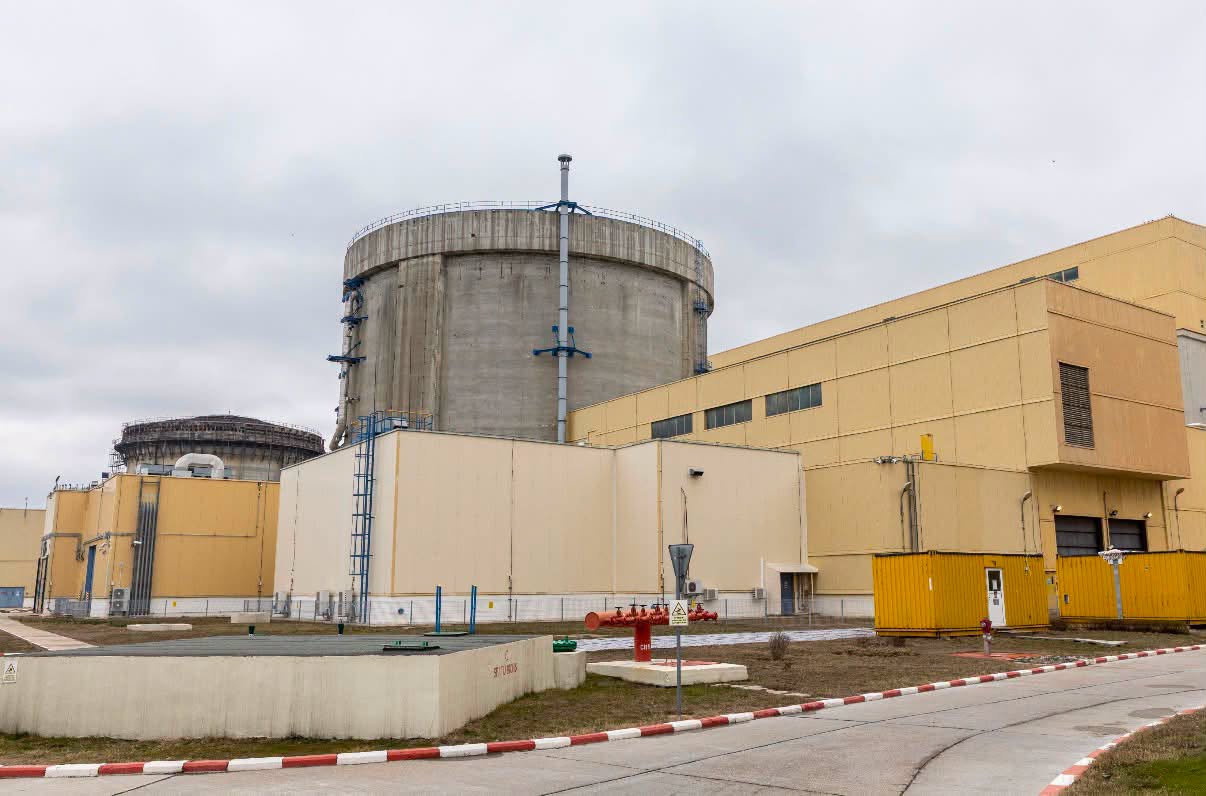
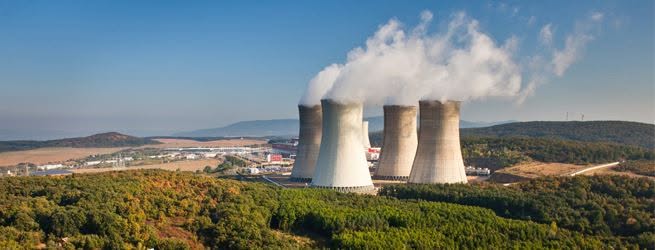
Romania’s Cernavoda nuclear power plant. (Image: Nuclearelectrica)
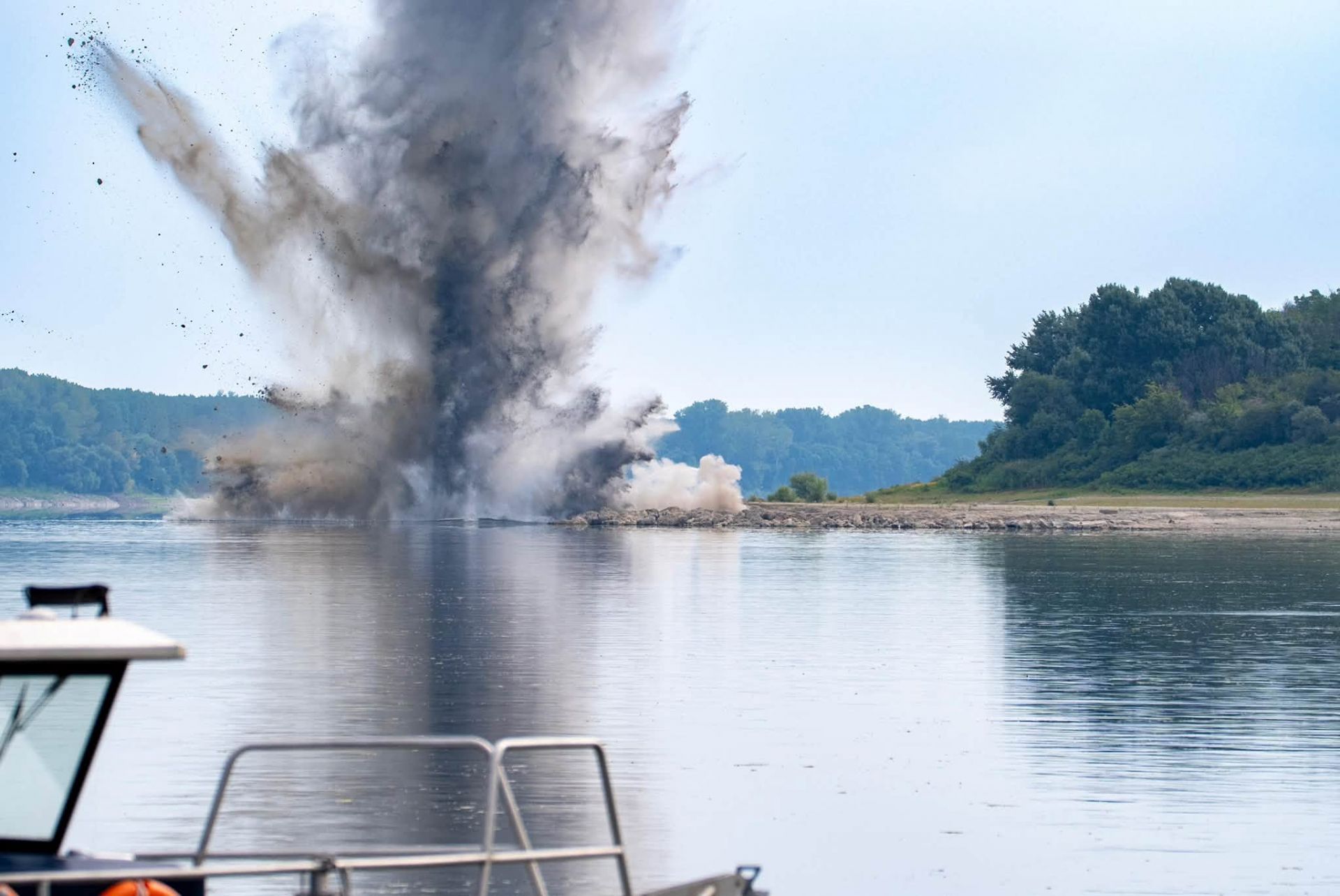
Romania has taken its last operating reactor off line due to the record-low water levels of the Danube River, in what is the latest example of how the historic heat wave gripping Europe has impacted the river levels and water temperatures needed to operate nuclear power plants across the continent. The situation is not isolated to Romania, however, as power plants in Hungary and France are also facing challenges.
Mochovce nuclear power plant in Slovakia. (Image: Slovenské Elektrárne)
The fourth unit of Slovakia’s Mochovce nuclear power plant has achieved criticality, operator Slovenské Elektrárne has announced. Unit 4 reached the milestone at 10:10 p.m. local time on August 6. Twenty-one minutes later, the reactor reached its minimum controlled power level.
Romania’s navy conducts controlled blasts in the Danube River. (Image: Fortele Navale Romane)
The effects of this summer’s historic heatwave continue to be felt across Europe. Soaring temperatures and drought in the region have led to elevated river temperatures, low river levels, and wildfires, which have significantly impacted nuclear power plants across the continent.
France’s Electricité de France has reported elevated river temperatures which have forced production cuts, including recent cuts at Golfech, and nuclear power plants in Hungary, Romania, and the United Kingdom, have faced exceptional challenges in recent days.
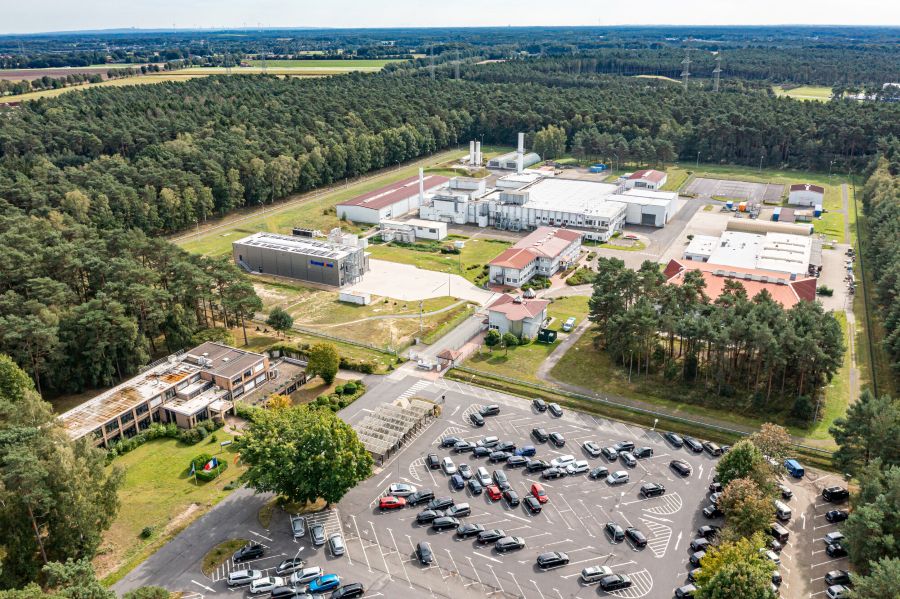
An aerial view of Framatome’s Advanced Nuclear Fuels GmbH in Lingen, Germany. (Photo: Framatome)
Recent happenings in Europe highlight that nuclear power activities are expanding globally. Here is a roundup of headlines with an international flavor.
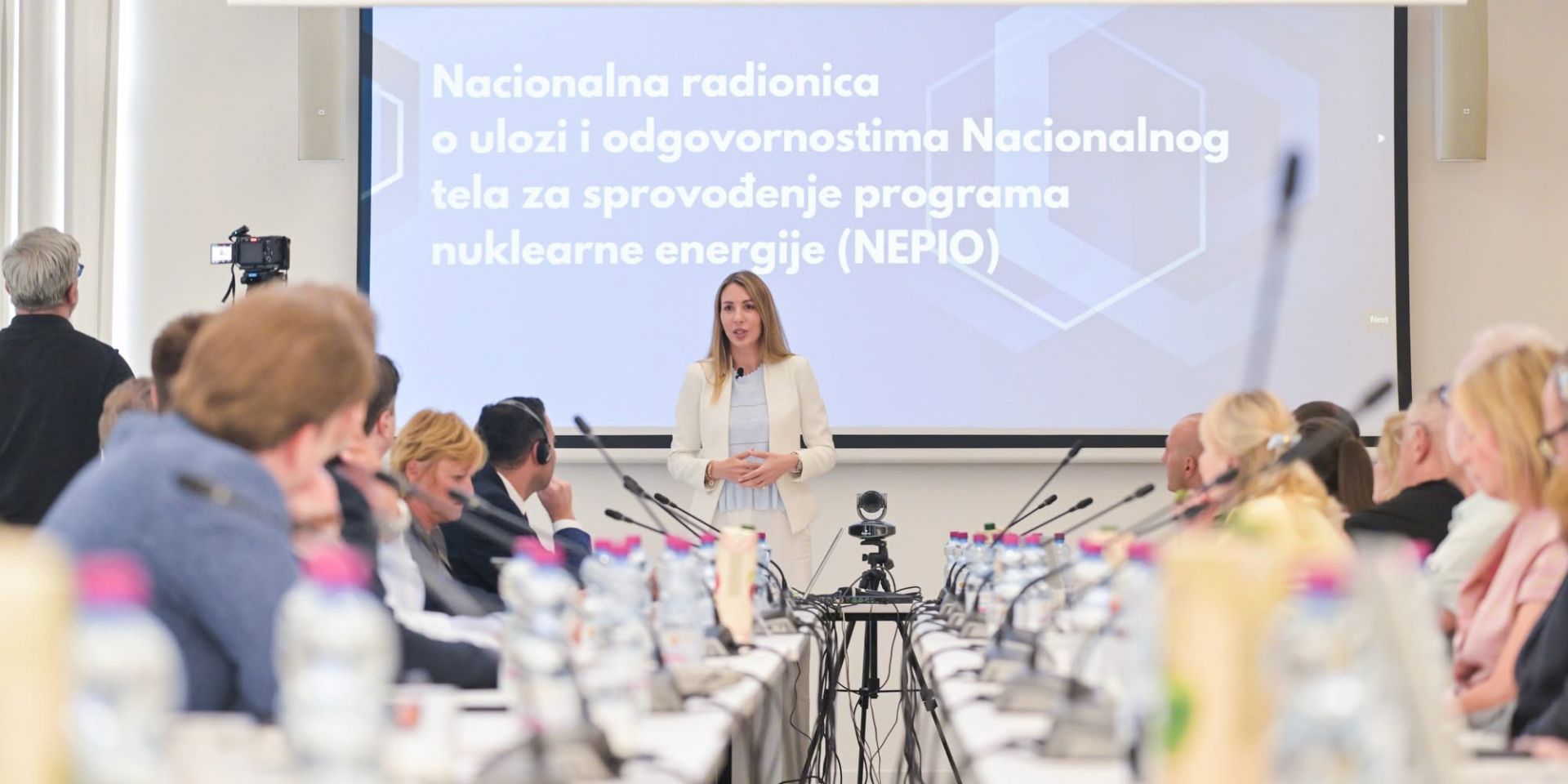
Minister of Mining and Energy Dubravka Đedović Handanović. (Image: Ministry of Mining and Energy)
Serbia reached a significant milestone in 2024 when its National Assembly overturned a moratorium on nuclear power plants that had been in place for 35 years, a ban imposed when the country was part of the former Yugoslavia.
Fast forward to 2026 and the European country’s nuclear energy ambitions have become clearer. On July 13, Serbia’s Ministry of Mining and Energy held a four-day workshop outlining the country’s plans to kickstart a nuclear program.
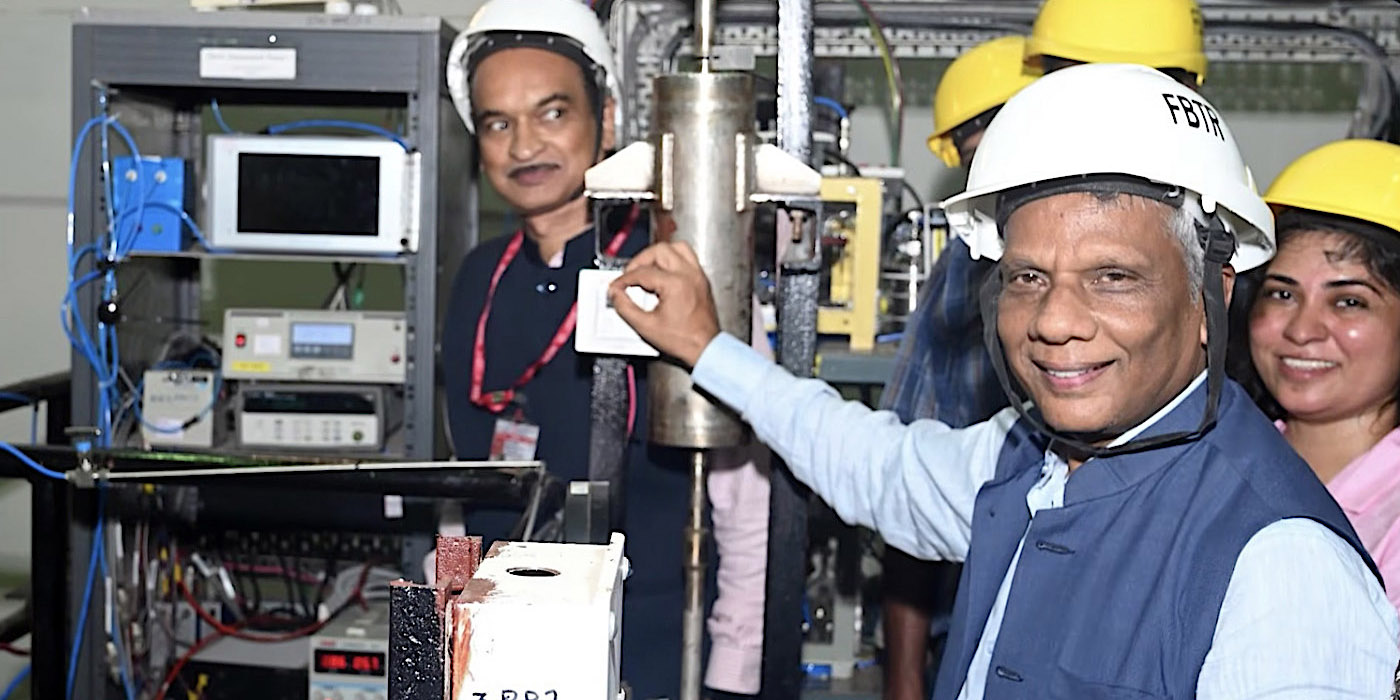
Ajit Kumar Mohanty (foreground), secretary of the Indian Department of Atomic Energy and chair of the Atomic Energy Commission, and Shri Sreekumar G. Pillai (left background), director of the Indira Gandhi Centre for Atomic Research, participate in the inauguration of the Hydrogen Production Facility at the center on June 29. (Photo: DAE)
At the Indira Gandhi Centre for Atomic Research (IGCAR) in Kalpakkam, the Indian Department of Atomic Energy (DAE) has inaugurated a hydrogen production facility based on the copper-chlorine thermochemical cycle that uses nuclear process heat generated by the fast breeder test reactor (FBTR).
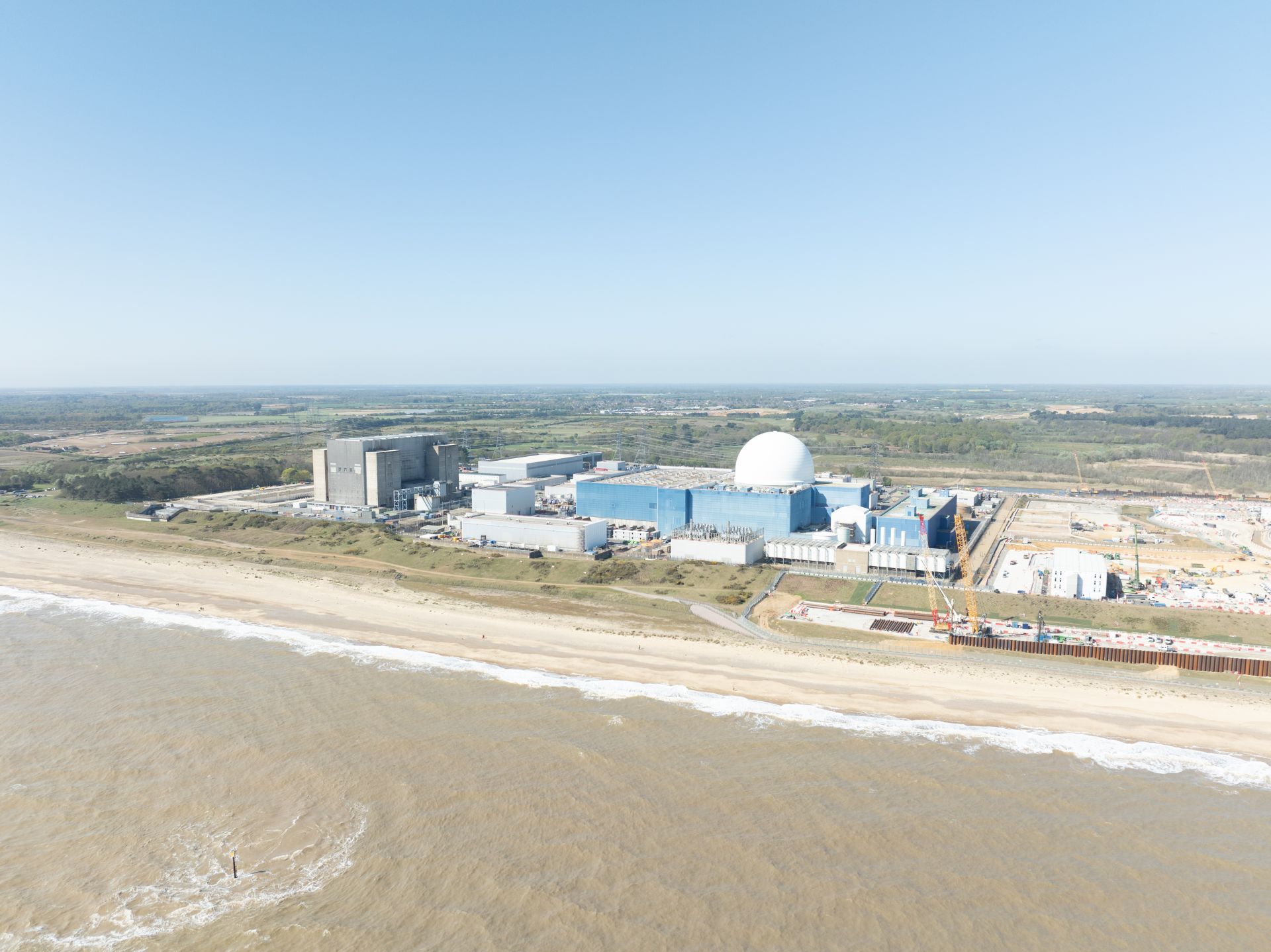
Sizewell B, in Suffolk, England. (Photo: EDF Energy)
Sizewell B, on the Suffolk coast of England, has been granted a 20-year life extension. The nuclear power plant, which began operating in 1995, will now remain in operation until 2055. Sizewell B owner and operator EDF Energy agreed to make extra investments to maintain the facility, with additional investment funds coming from Centrica, which owns a 20 percent share in EDF’s U.K. reactors.
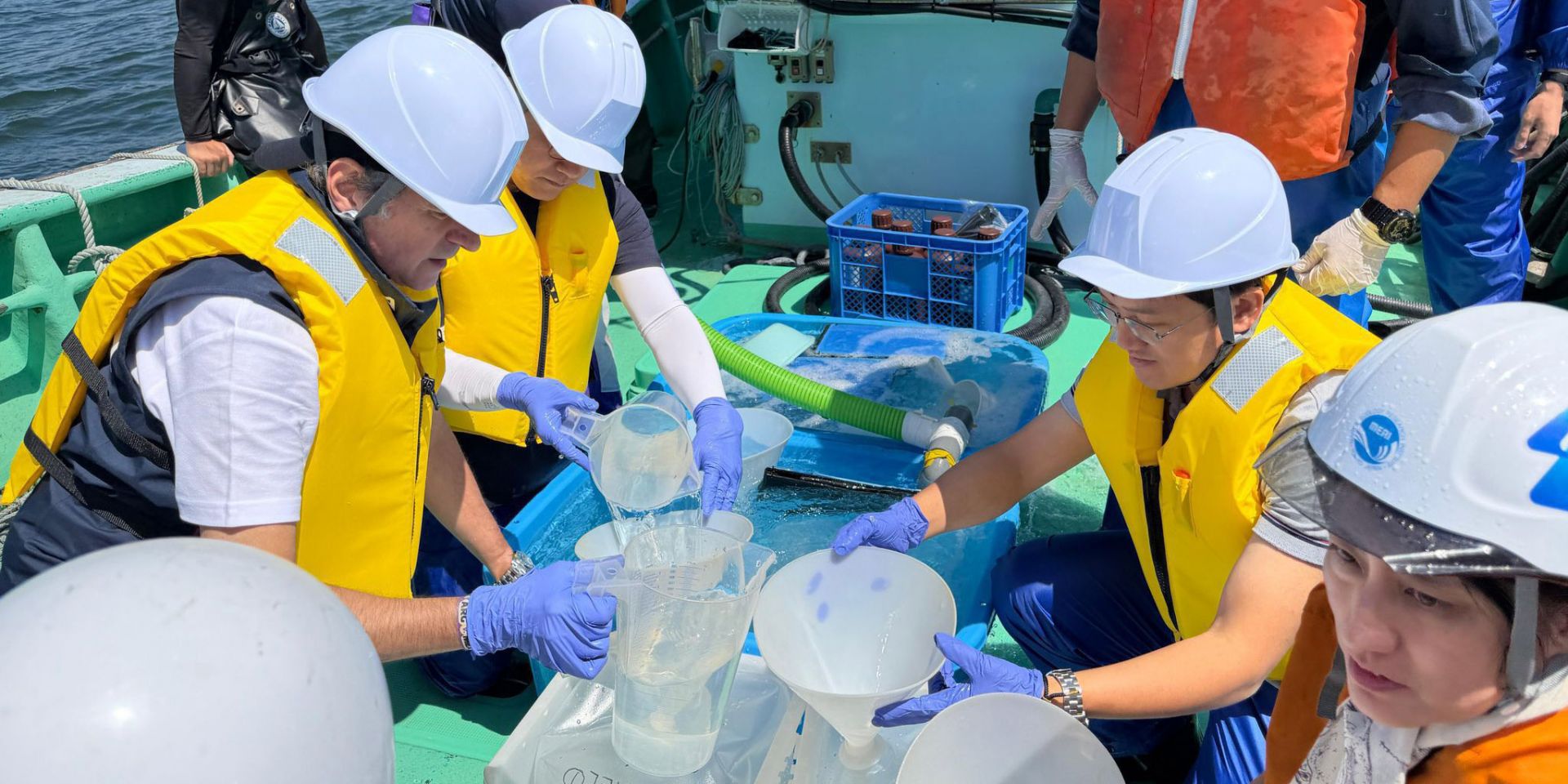
IAEA director general Rafael Mariano Grossi took part in a collection of seawater samples near the Fukushima Daiichi Nuclear Power Station on June 24 with scientists from China, South Korea, and Switzerland. (Photo: K. Laffan/IAEA)
International cooperation in the monitoring of radiation levels in seawater near the disabled Fukushima Daiichi nuclear power plant continues. Scientists from China, South Korea, and Switzerland were recently joined by International Atomic Energy Agency director general Rafael Mariano Grossi as they collected seawater samples under the “additional measures” framework, which was adapted in 2024 to increase the participation of other countries and enhance the transparency of the IAEA-led analyses.
The Darlington site is situated on the northern shore of Lake Ontario in Canada. (Photo: OPG)
Canada has launched a Nuclear Energy Strategy, a long-term vision of its nuclear power potential that includes plans to deploy up to 10 new large-scale reactors in the country by 2040.
The June 22 announcement, along with ongoing projects at Darlington and Bruce Power, further confirm Canada's ambitions to expand its nuclear power presence not just domestically but also abroad. Four pillars stand at the heart of the country’s Nuclear Energy Strategy: new nuclear builds in Canada, maintaining its status as a top nuclear supplier and exporter, expanding uranium production, and continuing nuclear fission and fusion innovations.
Minister for Financial Markets Niklas Wykman (left) and Blykalla CEO Jacob Stedman. (Photo: Olle Friman/Government Offices)
Within the span of two weeks, three Swedish companies—Blykalla, Studsvik, and Nordic Baseload Power—submitted applications to their country’s government for state aid for their respective new nuclear builds. Applications are handled by Sweden’s Ministry of Finance.
In early June, SMR developer Blykalla submitted its application to the Swedish government, followed by engineering services firm Studsvik on June 12. And on June 16, energy company Nordic Baseload Power became the latest to apply for financial support. Overall, the Swedish government has received four applications for state aid since last year.
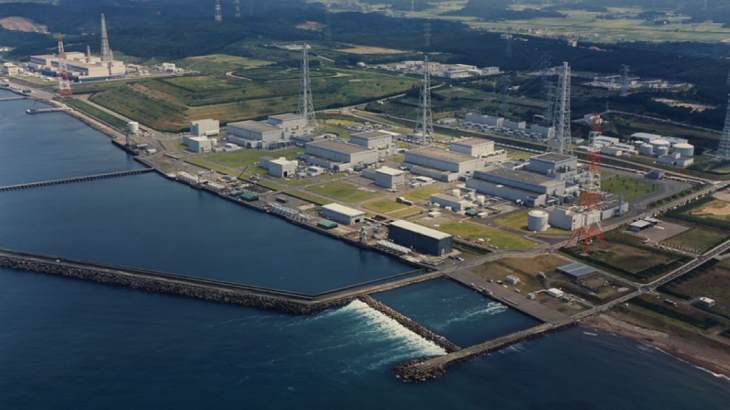
Kashiwazaki-Kariwa nuclear power plant (Credit: Tepco)
Japan will need to replace as many as 14 of its nuclear reactors by the 2050s in order to meet its future energy demands, a recently released draft policy proposal states.
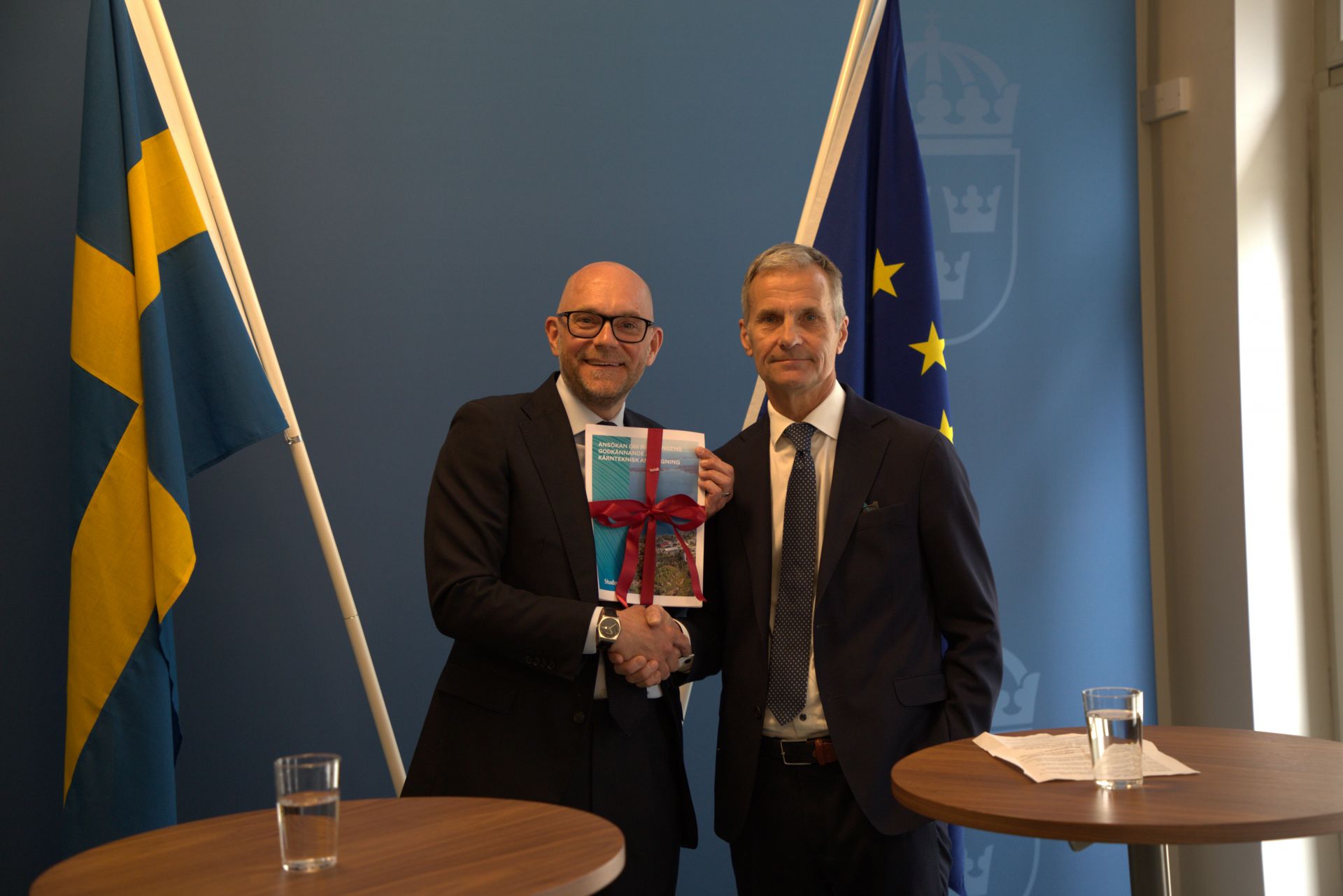
Johan Britz, Minister for Employment and acting Minister for Climate and the Environment (left) and Karl Thedéen, Studsvik President and CEO. (Photo: Studsvik)
New developments in Sweden’s nuclear energy industry continue to make headlines. Last week, Swedish engineering services firm Studsvik submitted an application to build between 600 MWe and 1,400 MWe of new nuclear power capacity “at and around” its Nyköping Municipality headquarters. Separately, the Swedish government is looking to acquire a majority ownership stake in Videberg Kraft AB.
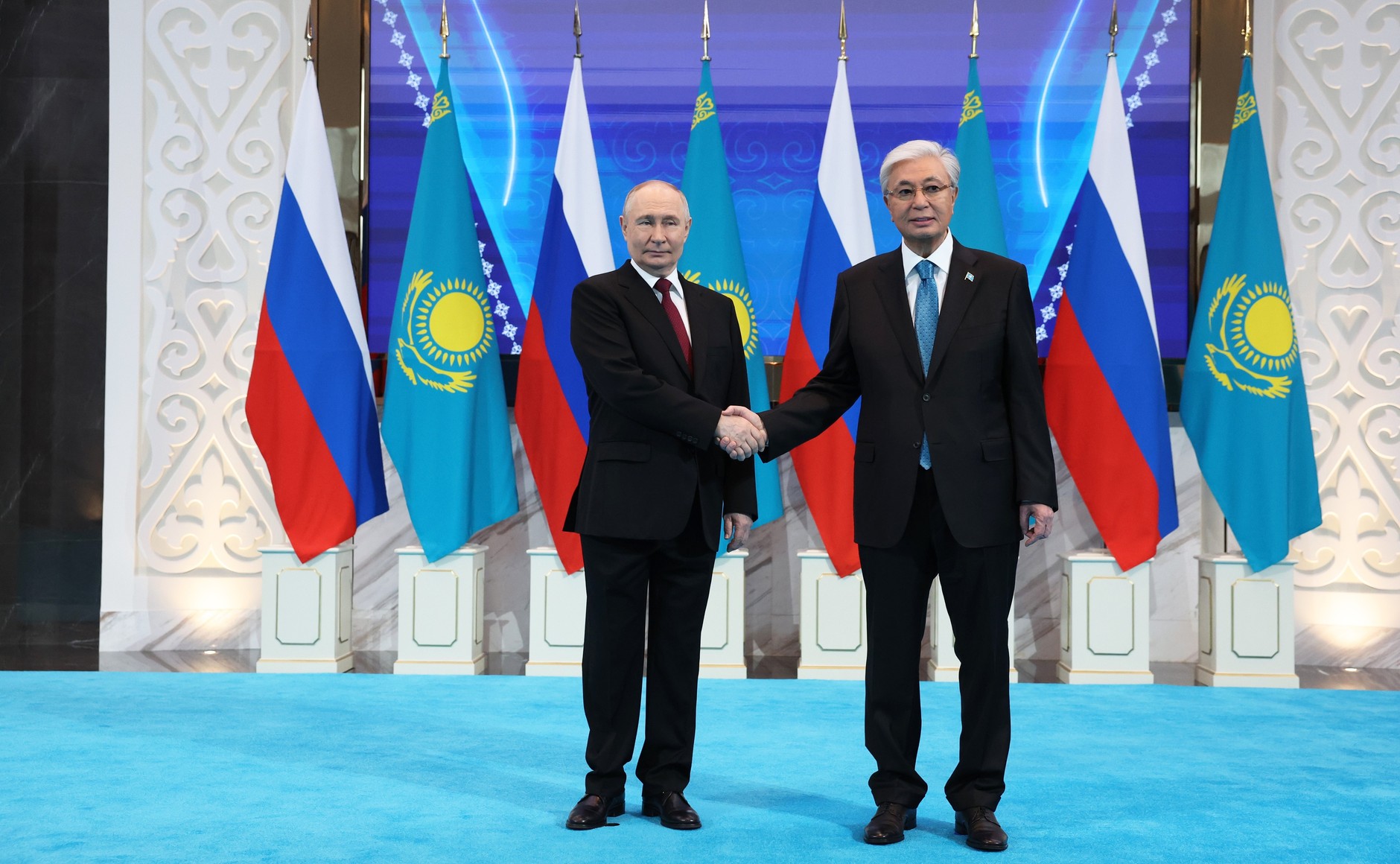
President Putin and President Tokayev at the signing of new nuclear collaborations. (Photo: Kremlin)
Today, there are 34 countries with operational nuclear power plants—but there are dozens more working on building a nuclear plant of their own. While progress on these projects inevitably ebbs and flows, broadly, momentum seems to be building on the international stage.
That growing momentum manifested last week in Kazakhstan’s announcement that it has officially partnered with Russia on a new nuclear power plant project. Prior to these new agreements, Russia, which borders Kazakhstan to the north, was already engaged in extensive preliminary work on the project.

_70610.jpg)