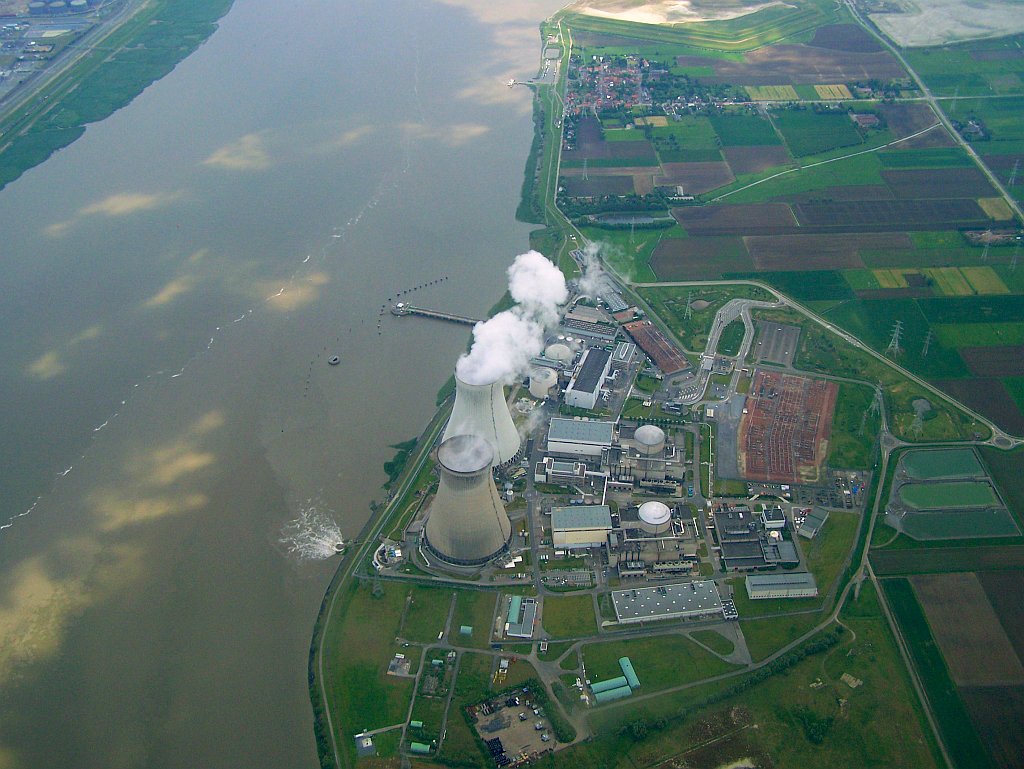
Belgium's Doel nuclear power plant. (Photo: N. Hippert/IAEA)
The Belgian government is looking to take control of all seven nuclear reactors in the country in an effort to revitalize a domestic nuclear energy sector that once looked ready to disappear.
The Doel nuclear power plant, in Belgium, during a time of operation. (Photo: Alexandre Jacquemin)
After 50 years of operation, Unit 1 at Belgium’s Doel nuclear power plant has been permanently shut down.
Just weeks ago, Belgian Prime Minister Bart de Wever talked about trying to keep Doel-1, which was retired on February 14, in operation. He faced an uphill battle, however, given the decades the nation has spent arguing about nuclear energy. In 2003, Belgium enacted a law banning construction of new nuclear reactors and calling for eventual decommissioning of existing reactors, Belga News Agency reported.
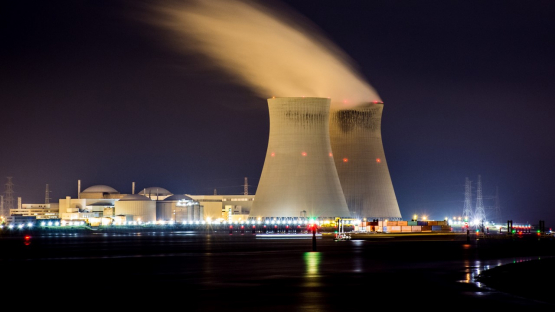
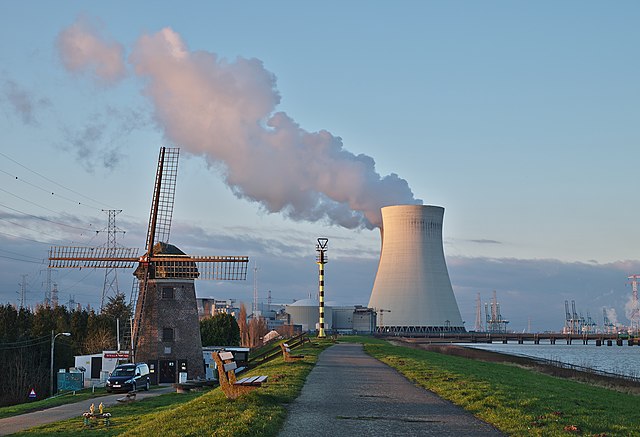
The Doel nuclear power plant in Belgium along with the De Molen windmill in foreground. (Photo: Trougnouf)
The Belgian government has signed a nonbinding letter of intent with Electrabel, a subsidiary of the French utility Engie, to keep nuclear a part of Belgium’s energy mix for an additional 10 years.
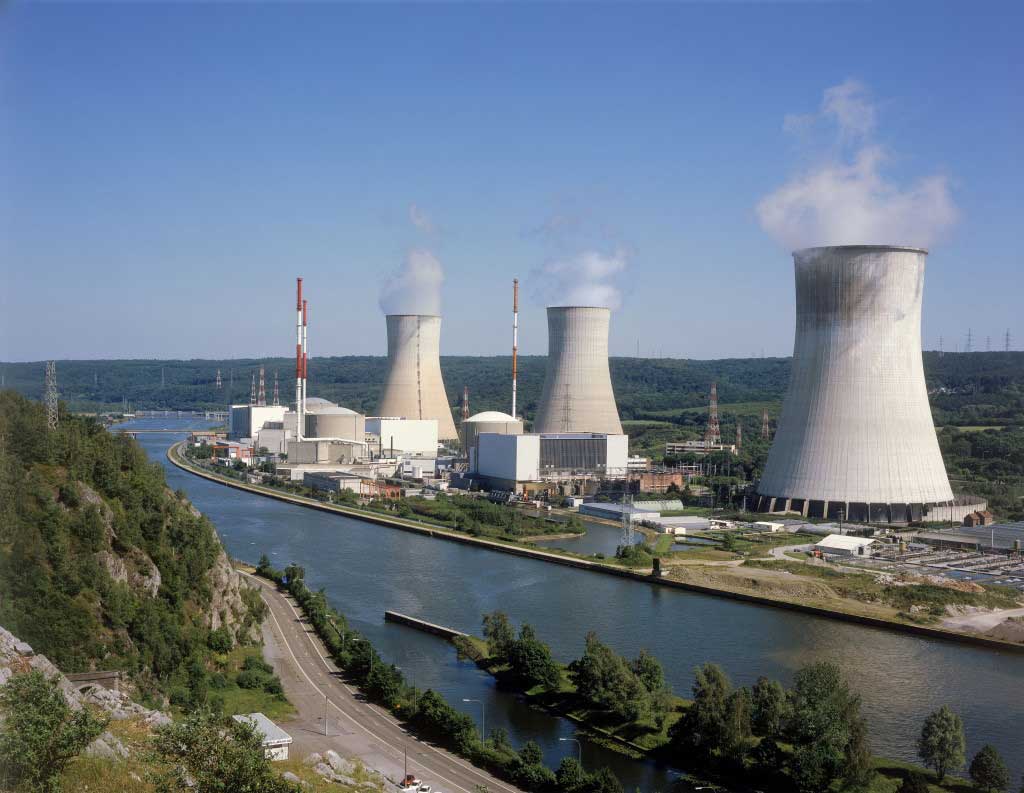
Electrabel operates Belgium’s two nuclear power plants, the four-unit Doel and three-unit Tihange.
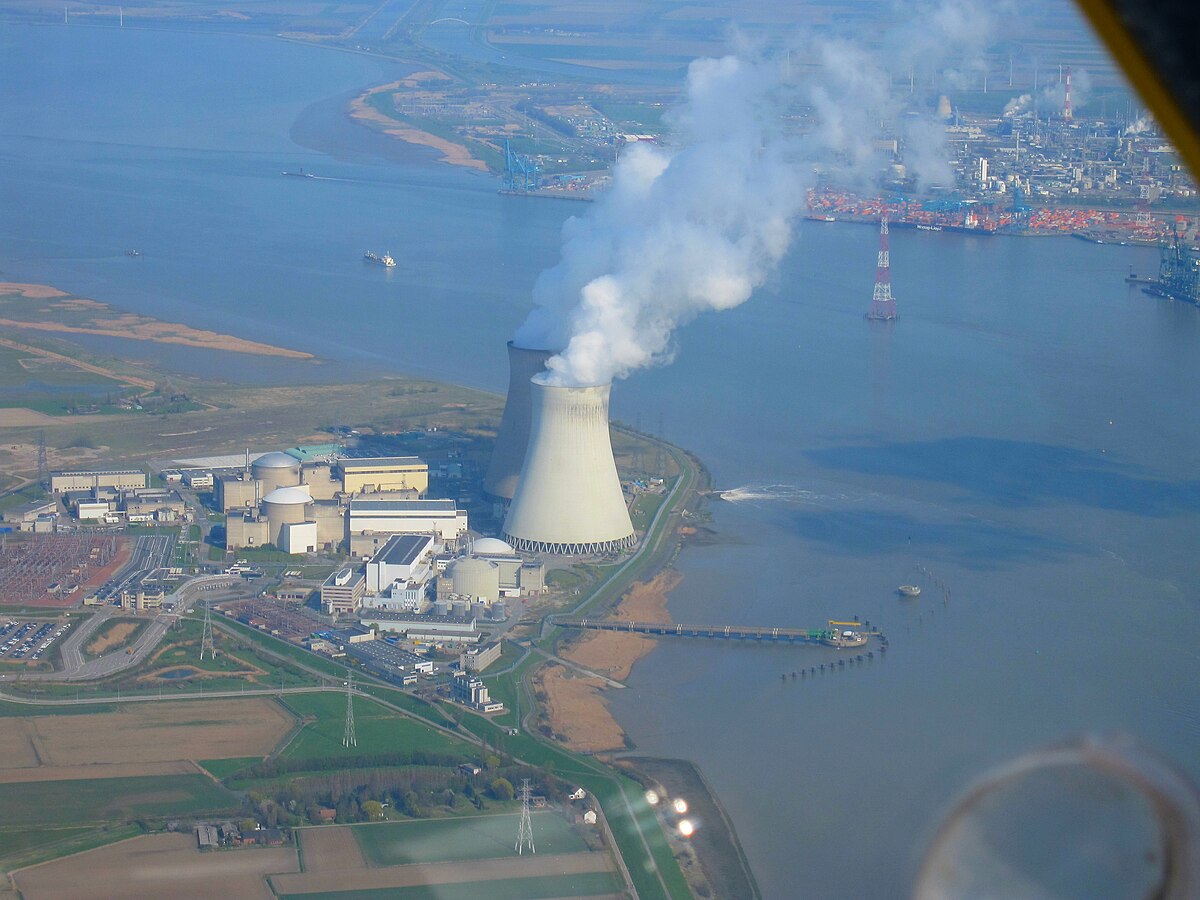
The Doel nuclear power plant in Belgium.
In a move motivated by Russia’s invasion of Ukraine and the sky-high energy prices hitting Europe as a result, the Belgian government last Friday announced its intention to extend the operational life of two of its nuclear power reactors, Doel-4 and Tihange-3, through 2035.

.jpg)