TerraPower partners with UEC for uranium supply

TerraPower and Uranium Energy announced today that they have signed a memorandum of understanding to “explore the potential supply of uranium” for TerraPower’s demonstration reactor in Kemmerer, Wyo.
Where else could you find this kind of energy? At the Nuclear Regulatory Commission (NRC) our power comes from our people. Hardworking Americans who oversee the safe use of nuclear technology that powers communities, revolutionizes medicine, and empowers America.

TerraPower and Uranium Energy announced today that they have signed a memorandum of understanding to “explore the potential supply of uranium” for TerraPower’s demonstration reactor in Kemmerer, Wyo.

Just a few hours after a new Speaker of the House of Representatives was elected on October 25, the White House sent a list of funding priorities for “critical domestic needs” to Congress for consideration as legislators restart the stalled annual appropriations process. Those priorities include $2.2 billion for low-enriched uranium (LEU) and high-assay low-enriched uranium (HALEU) enrichment capabilities. And to ensure that investment in domestic HALEU enrichment pays off, the White House is also calling for a long-term ban on enriched uranium from Russia.

From the pages of the September 2023 issue of Nuclear News.
But nuclear fuel—unlike coal, oil, or even natural uranium—is a feat of engineering, not a commodity extracted from the earth. Now, “more” means more engineering—to boost uranium density or to close the fuel cycle.

W. A. “Art” Wharton III
Multiple market forces on nuclear fuel have arisen seemingly at the same time since the Russian war in Ukraine started. Accident tolerant fuels (ATF), lead test rods, and lead test assemblies have had their first shot in real operating conditions, in recent cycles. But the popularity of their so-called accident tolerance has nothing to do with accidents, since any practical nuclear professional knows that the safety of nuclear energy is already higher than that of any other electricity generation source. The popularity comes down to fuel performance. Are we on the cusp of a revolution in nuclear fuel performance under the guise of accident tolerance?

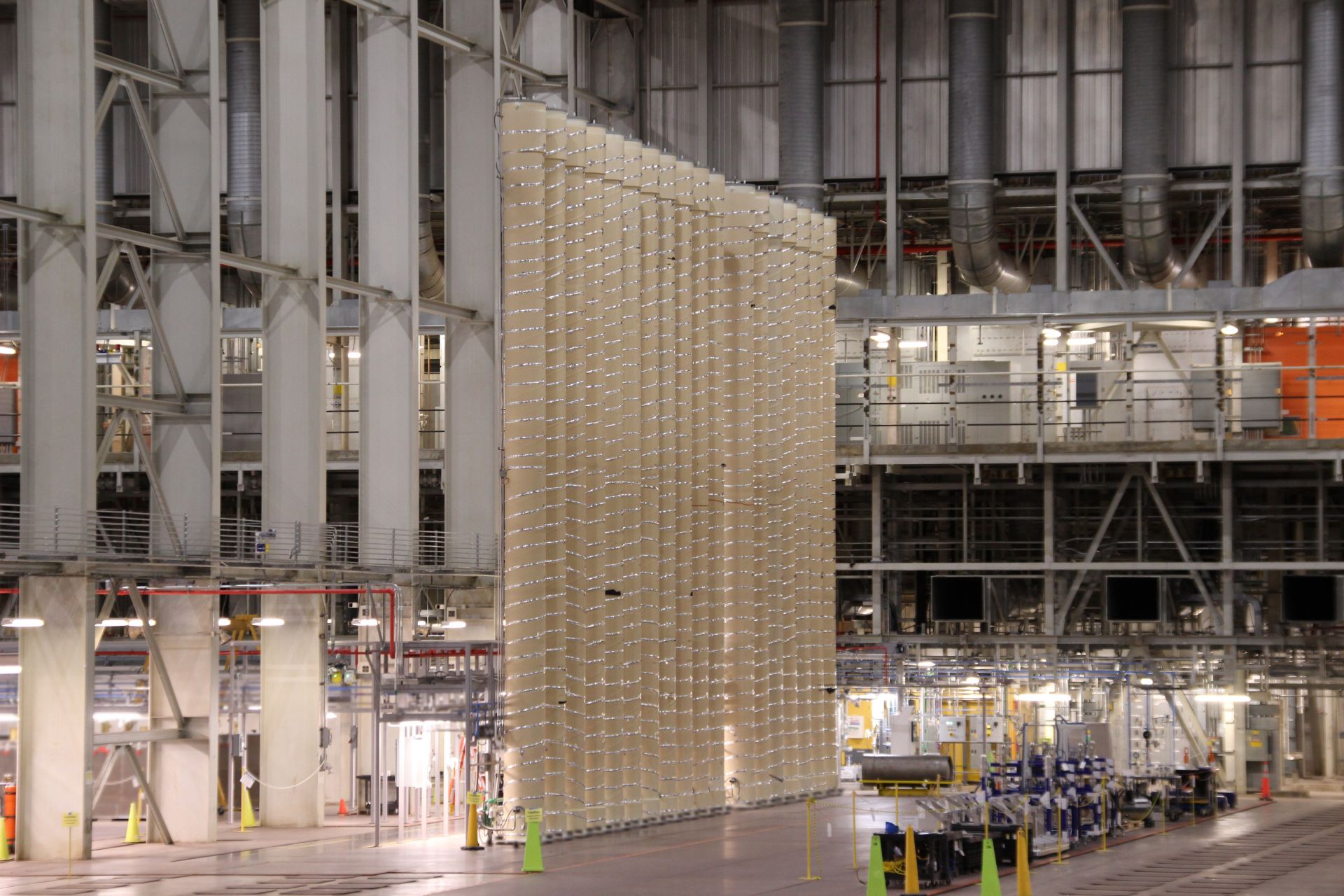
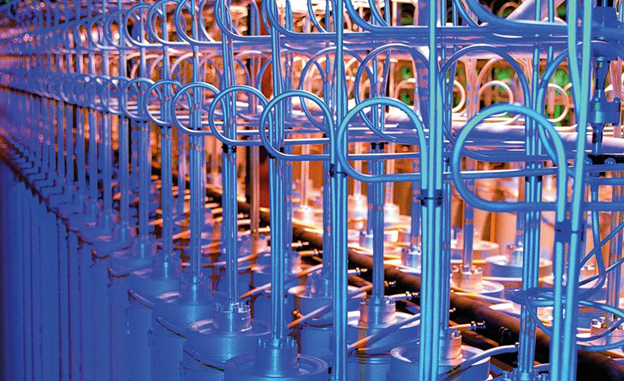
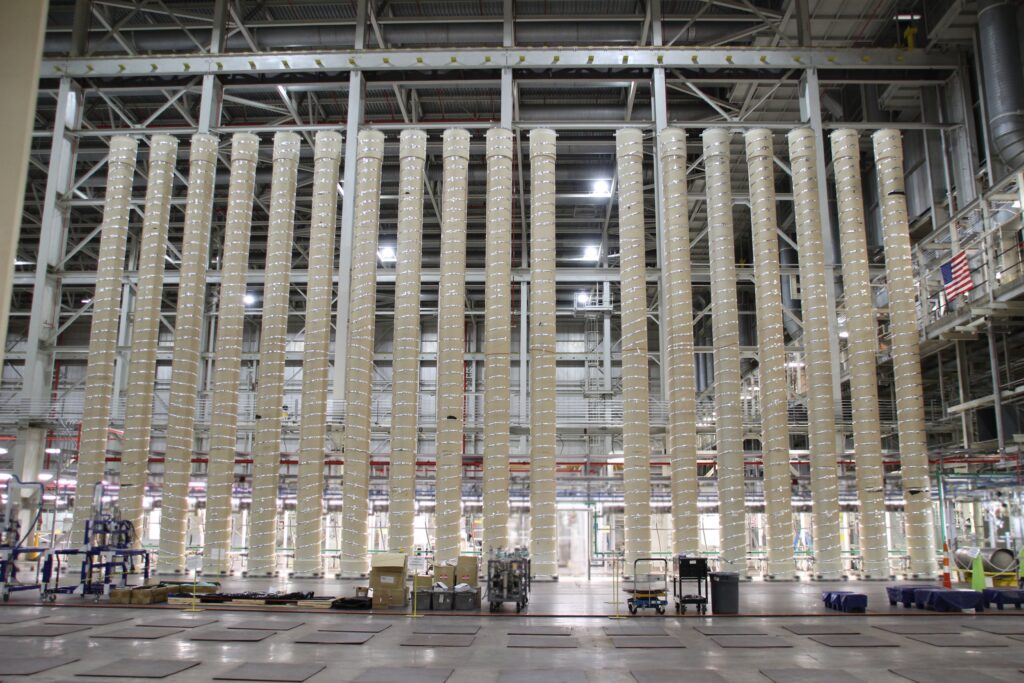
Centrus Energy’s HALEU demonstration cascade. (Photo: Centrus Energy)
Centrus Energy announced on September 6 that it is conducting final system tests and expects to begin producing high-assay low-enriched uranium (HALEU) in October from its 16-machine gaseous centrifuge enrichment demonstration cascade at the American Centrifuge Plant in Piketon, Ohio. After achieving initial HALEU production, Centrus has specific goals to meet under contract as the company ramps the demonstration cascade to its target annual production rate of 900 kg per year.
Centrus is required under a cost-share contract with the Department of Energy to produce 20 kg of 19.75 percent–enriched HALEU in uranium hexafluoride (UF6) form by the end of this year. That contract, announced in November 2022, replaced an earlier contract signed in October 2019 that called for first production of HALEU by June 2022. The current contract calls for production at an annual rate of 900 kg of HALEU UF6 per year in 2024, with additional options—subject to appropriations—to produce material in future years.

Ken Petersen
president@ans.org
The front end of the fuel cycle is getting a lot of attention lately—and it needs it. The war in Ukraine has disrupted the global supply chain for many products, nuclear fuel being one. Several countries have determined that they no longer want to rely on nuclear fuel from Russia. This can be anything from fabricated fuel including uranium, conversion, and enrichment to just enrichment.
Since the Cold War, Russia has been a major supplier of nuclear fuel to the West. Replacing Russia as the main supplier will take both time and money—a fact that has become even more clear as the small modular reactor community grows, and with it, the demand for high-assay low-enriched uranium (HALEU) for fuel.
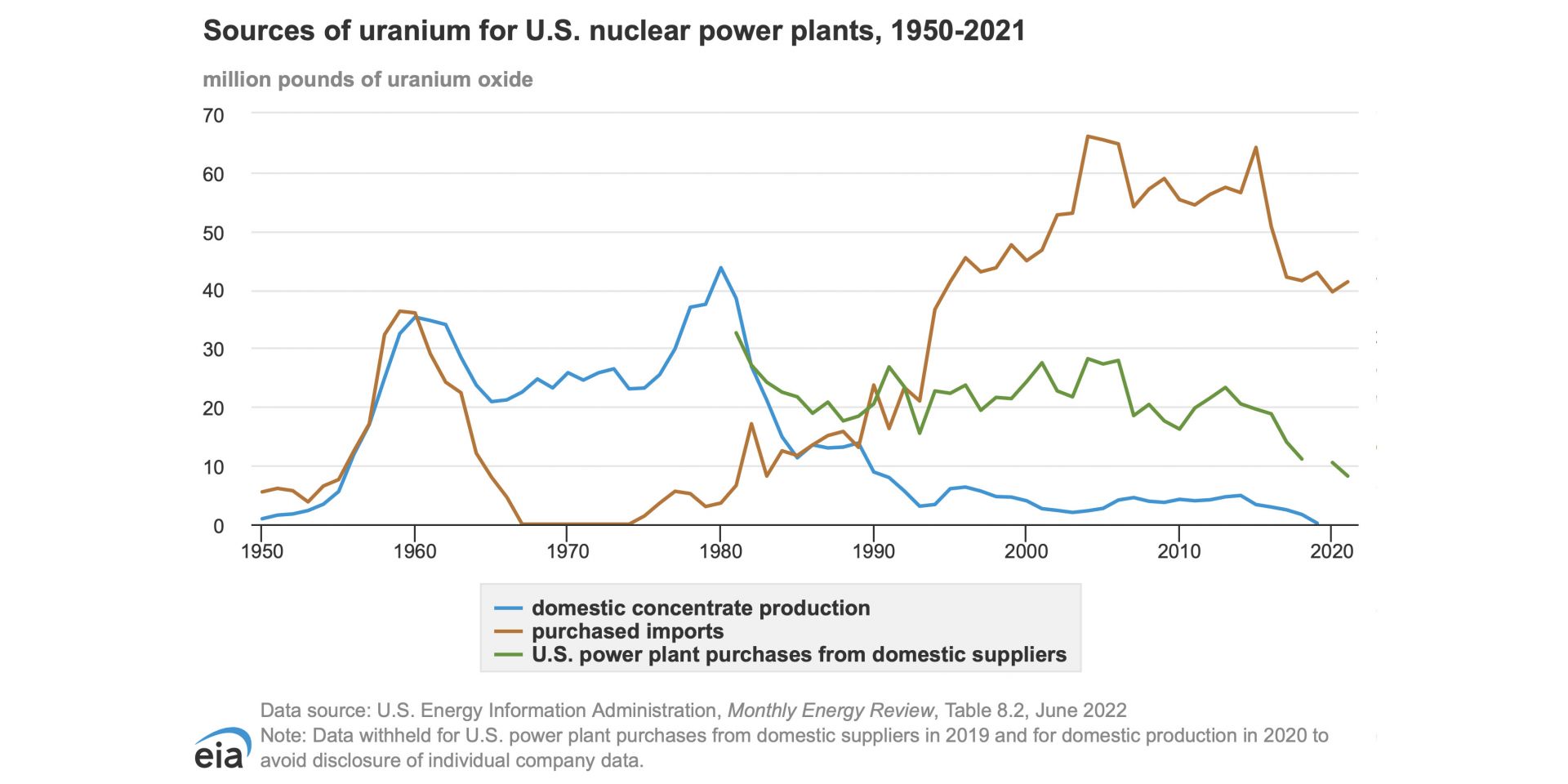
The American Nuclear Society has been highlighting the immediacy of the fuel supply problem—which will become a crisis without immediate action—for years. In 2021, ANS wrote to Congress, urging swift action. This year, Nuclear News and ANS’s Nuclear Newswire have run a three-part series by energy writer and consultant Matt Wald on the domestic nuclear fuel shortage. The first article, “On the verge of a crisis: The U.S. nuclear fuel Gordian knot,” was published on Newswire on April 14; the second, “The U.S. nuclear fuel Gordian knot: From global supplier to vulnerable customer,” on May 19. The final piece of the series, “The U.S. nuclear fuel Gordian knot: The uncertain path forward,” was posted on September 1.

In the last few weeks of 2021, when it was clear that the Russian invasion of Ukraine had put this country’s uranium fuel supply in jeopardy, nuclear energy advocates lobbied hard to attach provisions to various pieces of “must-pass” legislation—such as the National Defense Appropriations Act (NDAA), the Ukraine Supplemental Appropriations Act, the Infrastructure Investment and Jobs Act, and the CHIPS and Science Act—to have the government get the ball rolling on new domestic uranium fuel production capacity. Four times they thought they had succeeded, that Congress was going to allocate enough money to start the United States on the road to a secure supply of reactor fuel, including the higher-enriched fuel needed for advanced reactors.
The current bull market for uranium seems to be heating up. “Fundamentals are strong, and new political incentives are in place to spur nuclear development,” according to an article on the Proactive Investors website, which also noted that the uranium supply “will need to increase significantly to meet the market’s needs if nuclear is to become a key source of energy in the global push to reduce carbon emissions.”

Urenco announced July 6 that it will expand enrichment capacity at its U.S. site in Eunice, N.M.—known as UUSA—by adding new centrifuge cascades to increase capacity by about 700 metric tons of separative work units per year, or a 15 percent increase, with the first new cascades coming on line in 2025.

Advanced reactors may be key to a clean energy future, but to prove it they’re going to need fuel—and that fuel will be derived from limited uranium resources and managed throughout the nuclear fuel cycle, whether that cycle is open (like the current fuel cycle) or closed (with reprocessing). Six panelists convened on June 12 during the Annual Meeting of the American Nuclear Society for the executive session “Merits and Viability of Advanced Nuclear Fuel Cycles: A Discussion with the National Academies.” They discussed those fuel cycles and the findings of a National Academies of Science, Engineering, and Medicine (NASEM) consensus committee released as a draft report in November 2022 and published earlier this year.

Centrus Energy announced yesterday that it has received Nuclear Regulatory Commission approval to introduce uranium hexafluoride into its 16-machine centrifuge cascade in Piketon, Ohio, following operational readiness reviews by the NRC. Centrus says it “remains on track to begin production of high-assay low-enriched uranium (HALEU) by the end of 2023.” The announcement follows a series of inspections at the American Centrifuge site in April 2023.
The Department of Energy released two draft requests for proposals to acquire high-assay low-enriched uranium (HALEU)—one covering enrichment services that could include the production of between 5 and 145 metric tons of HALEU during a 10-year performance period, and another for deconverting that HALEU from uranium hexafluoride (UF6) gas to metal or oxide forms in preparation for fuel fabrication. The DOE also issued a notice of intent to fulfill its National Environmental Policy Act (NEPA) obligations for the HALEU Availability Program by launching the scoping process for an environmental impact statement; that notice was published in the Federal Register on June 5.

This article is the second in a series about the domestic nuclear fuel crisis. The first in the series, “‘On the verge of a crisis’: The U.S. nuclear fuel Gordian knot,” was published on Nuclear Newswire on April 14, 2023.
Once upon a time, enrichment was a government monopoly—at least outside the Soviet bloc. But the United States, eager to get out of the field, was convinced that the private sector could do it better. Now, the West is dependent on the Soviets’ successors and is facing an uncertain supply, a complication of the Russian invasion of Ukraine.
Slowly, a consensus is growing that dependence on imports is a bad idea. Some experts also say that upsets like the 2011 Tōhoku earthquake and tsunami, and the collapse of natural gas prices due to fracking, show that the market is too prone to shocks for private companies to navigate without support. One of the architects of the U.S. government’s exit from the enrichment game is now voicing second thoughts. And belatedly—shortly after the first anniversary of the beginning of the Russian invasion—five Western countries, including the United States, announced that they have to get more deeply involved in the fuel supply chain, but didn’t say precisely how.

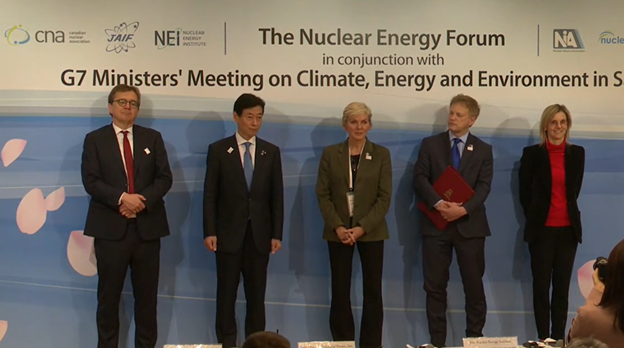
A civil nuclear fuel security agreement between the five nuclear leaders of the G7—announced on April 16 on the sidelines of the G7 Ministers’ Meeting on Climate, Energy and Environment in Sapporo, Japan—establishes cooperation between Canada, France, Japan, the United Kingdom, and the United States to flatten Russia’s influence in the global nuclear fuel supply chain.

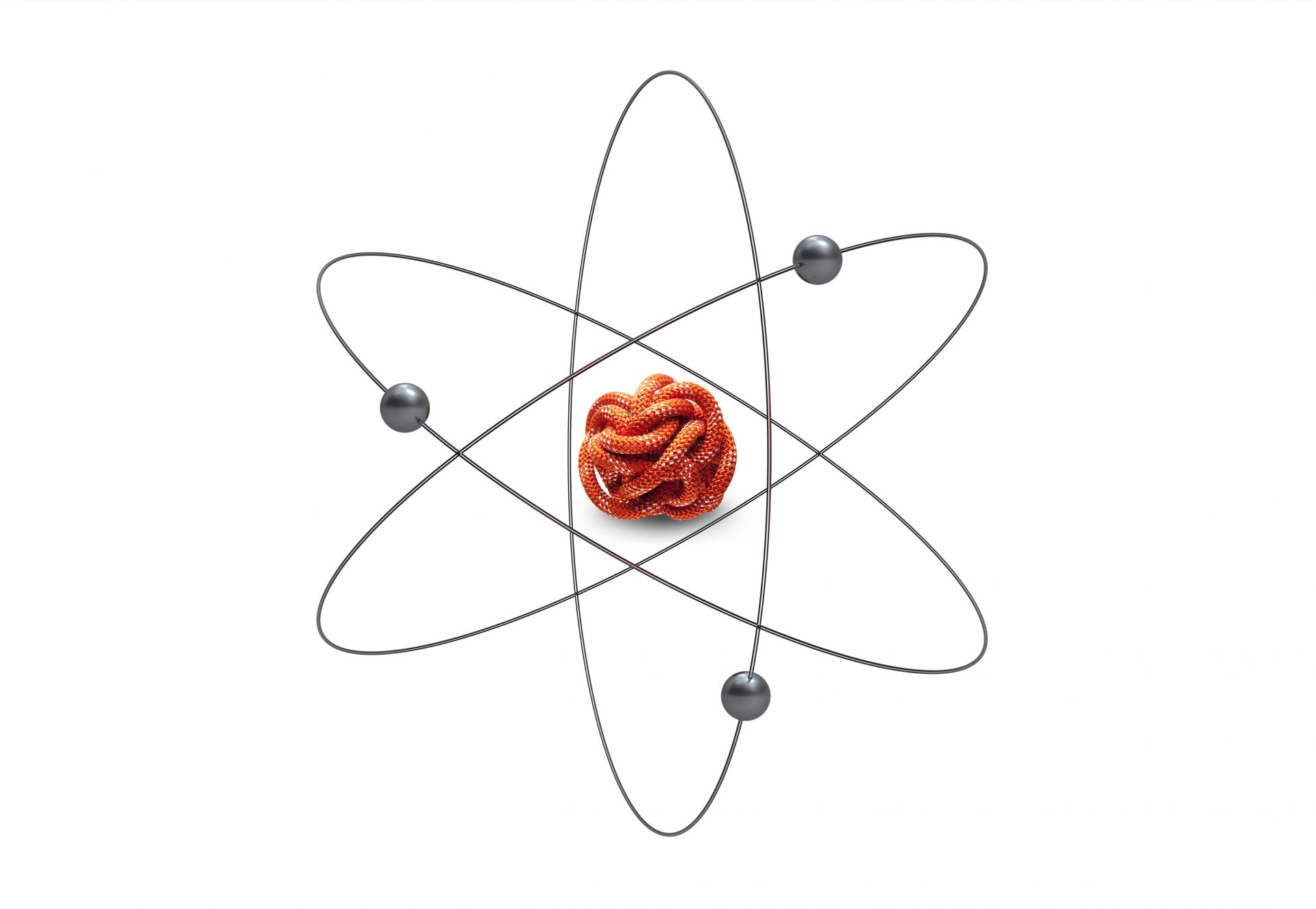
The naturalist John Muir is widely quoted as saying, “When we try to pick out anything by itself, we find it hitched to everything else in the Universe.” While he was speaking of ecology, he might as well have been talking about nuclear fuel.
At the moment, by most accounts, nuclear fuel is in crisis for a lot of reasons that weave together like a Gordian knot. Today, despite decades of assertions from nuclear energy supporters that the supply of uranium is secure and will last much longer than fossil fuels, the West is in a blind alley. We find ourselves in conflict with Russia with ominous implications for uranium, for which Russia holds about a 14 percent share of the global market, and for two processes that prepare uranium for fabrication into reactor fuel: conversion (for which Russia has a 27 percent share) and enrichment (a 39 percent share).

The bipartisan Nuclear Fuel Security Act (NFSA), introduced in the Senate last week, would authorize the Department of Energy to establish a Nuclear Fuel Security Program to “ensure a disruption in Russian uranium supply would not impact the development of advanced reactors or the operation of the United States’ light water reactor fleet.” The bill was introduced by Sen. Joe Manchin (D., W.V.), chairman of the Senate Energy and Natural Resources (ENR) Committee; Sen. John Barrasso (R., Wyo.), ranking member of the Senate ENR committee; and Sen. Jim Risch (R., Idaho).
The discovery of a small amount of uranium inside a package of scrap metal bars at Heathrow Airport in London has raised a number of puzzling questions that are being investigated by Scotland Yard, headquarters of the London Metropolitan Police (the Met). Investigators said that the uranium, which was found by Border Force staff during routine screening at the airport on December 29, originated in Pakistan, though it arrived at Heathrow on a passenger flight from Oman and, according to a January 11 report in the Guardian, was bound for an Iranian-owned business with offices in the United Kingdom.

The Department of Energy’s Office of Nuclear Energy announced December 7 that its new HALEU Consortium is open for membership. And not just from U.S. enrichers, fuel fabricators, and others working in the front-end fuel cycle, but from “any U.S. entity, association, and government organization involved in the nuclear fuel cycle,” and—at the DOE’s discretion—“organizations whose facilities are in ally or partner nations.” The HALEU Consortium will essentially serve as an information clearinghouse to meet DOE-NE’s ongoing needs for firm supply and demand data as it supports the development of a commercial domestic high-assay low-enriched uranium (HALEU) infrastructure to fuel advanced reactors. The consortium is open for business almost one full year after the DOE first requested public input on its structure.

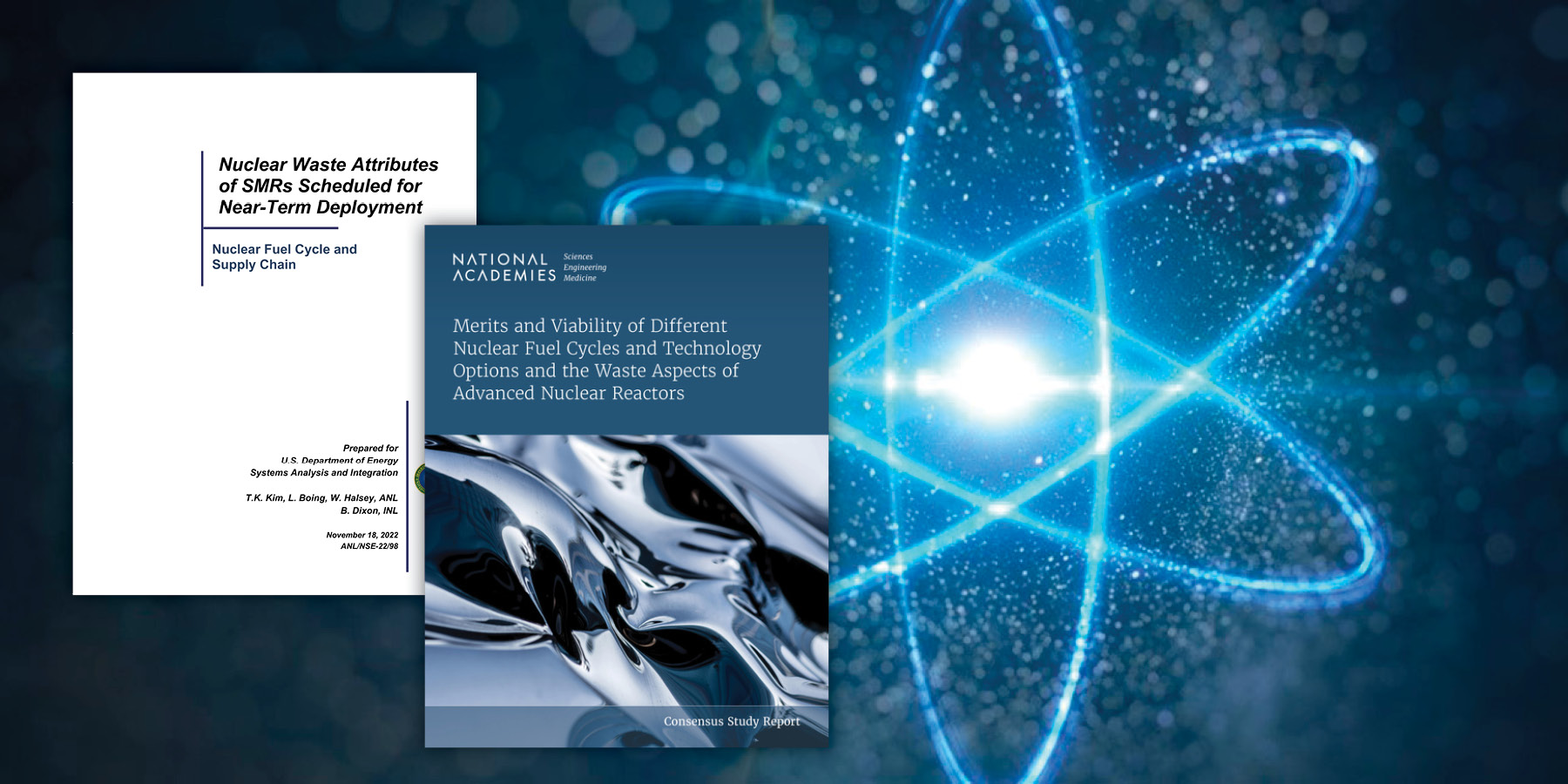
Advanced reactors and small modular reactors with strikingly different coolants and sizes offer an array of different benefits, but when it comes to fuel cycle issues, including spent fuel and waste, they have a lot in common with conventional light water reactors. Two reports released within the last week—a National Academies of Sciences, Engineering, and Medicine (NASEM) consensus committee report two years in the making and a Department of Energy study released by Argonne National Laboratory—address the timely topic of advanced reactor fuel cycle issues. While the NASEM committee ventured to define research and infrastructure needs to support the entire nuclear power fuel cycle, inclusive of new technologies, for decades to come, the DOE report compares the front- and back-end fuel cycle metrics of three reactor designs (from NuScale Power, TerraPower, and X-energy) that have been selected for DOE cost-share–funded demonstrations within this decade. Together, these reports provide assurance that the fuel cycle needs of a fleet of new reactors can be met and point to near-term research and planning needs.

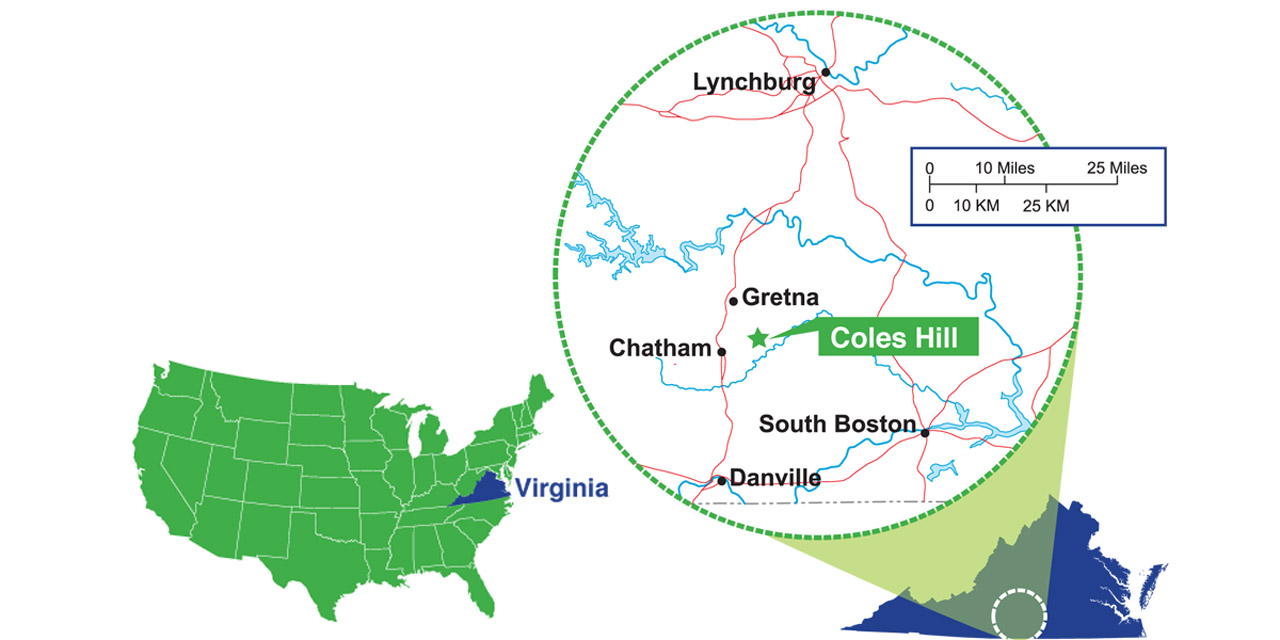
Consolidated Uranium plans to acquire Virginia Energy Resources, which owns Virginia Uranium and the Coles Hill Uranium Project, an undeveloped uranium deposit that sits under about 3,000 acres of land in south central Virginia. The state’s General Assembly has maintained a moratorium on uranium mining since 1982 that was upheld in the courts as recently as 2020, but Consolidated Uranium sees reason for “confidence that the moratorium on developing uranium projects in the state may ultimately be overcome,” and appears content to settle in for a wait.