
Prospects for nuclear in 2021 looking up, says NEI
February 2, 2021, 3:01PMNuclear News

Korsnick
Nuclear Energy Institute president and chief executive officer Maria Korsnick struck a decidedly optimistic tone last week in remarks on nuclear’s future delivered at the United States Energy Association’s 17th annual State of the Energy Industry Forum.
"In 2020, nuclear energy was highlighted in both House and Senate climate reports," she noted. "Congress significantly increased appropriations to accelerate research and development of new nuclear technologies. And we’ve seen the introduction of bipartisan legislation that recognizes nuclear’s contributions to today’s economy and our clean energy future.”
To continue reading, log in or create a free account!
Tags:
Share:


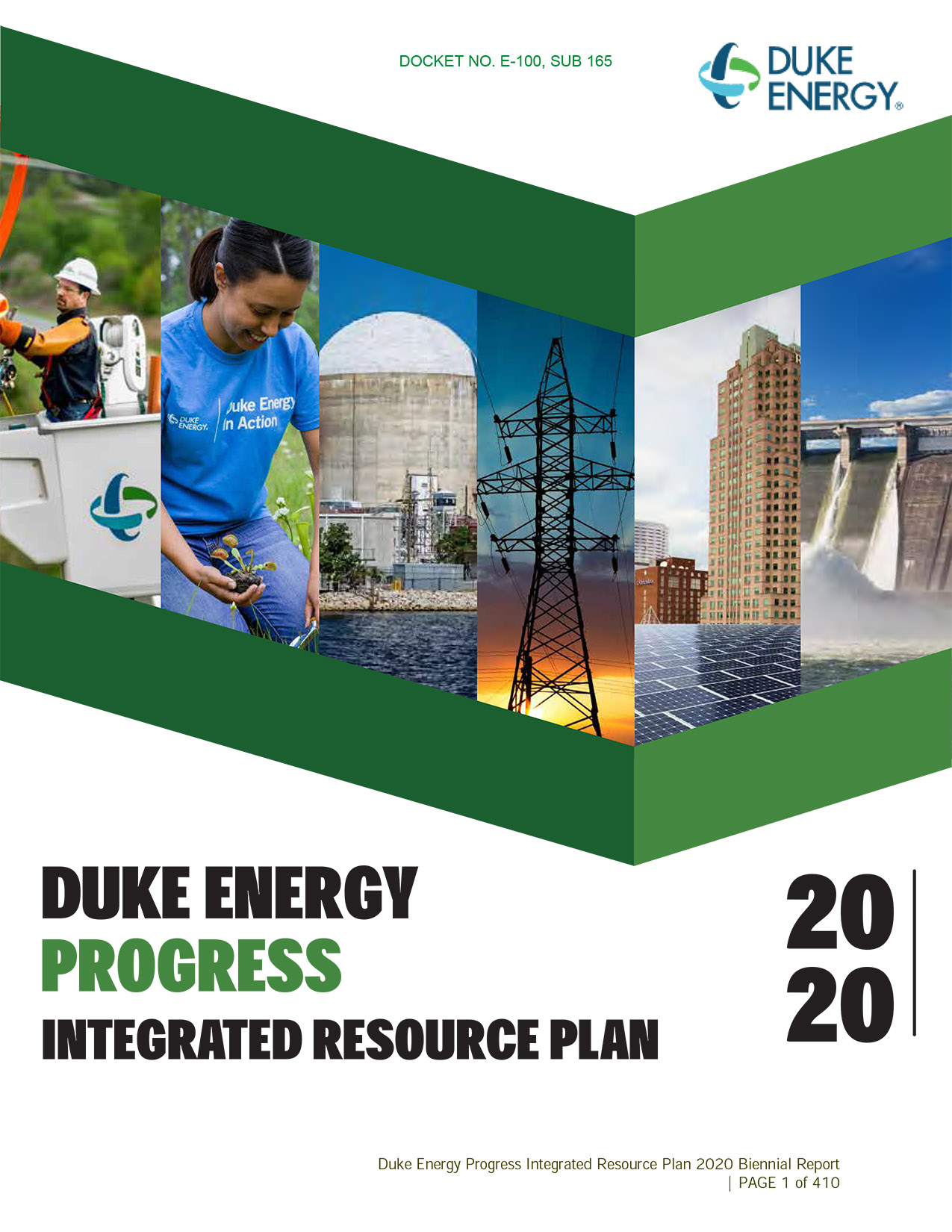 Duke Energy Progress and Duke Energy Carolinas have filed their 2020 Integrated Resource Plans (IRPs) with state regulators, parent company Duke Energy announced September 1.
 House Democrats on June 30 rolled out a vision of what U.S. climate change policy might look like in the event the Democratic party holds its current House majority, retakes the Senate, and wins the White House in November. The vision was presented in the form of a sweeping 547-page majority staff report entitled

 Nuclear power plant performance includes both operational and safety aspects and is an outcome of numerous elements, such as the reliability of equipment, reduction in challenges to plant operations, protection of workers, and proficiency of operations. These elements are inextricably linked to each other and to the safety of each facility. In short, a well-run plant is a safe plant for the workers and the public, and a well-run plant is an efficient plant. By-products of high performance include improved regulatory performance, worker safety, plant reliability, and, most important, public health and safety.