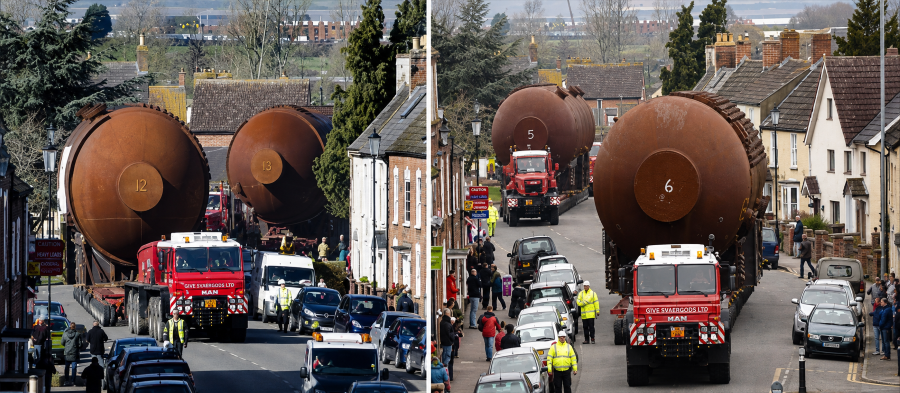
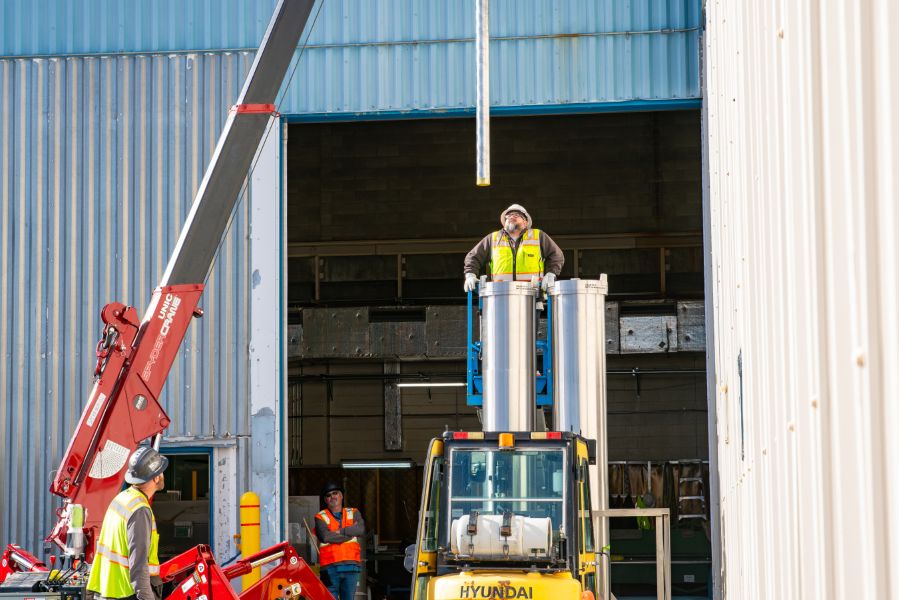
Photos from the GAO report that show boilers (classified as low-level radioactive waste) from the decommissioned Magnox reactors at the Berkeley nuclear power plant being transported through a U.K. town for shipment to Sweden for recycling in 2012. This action is part of the U.K. government’s new emphasis on waste minimization and recycling, changing previous policy that would have kept the boilers on-site until 2074. (Source: GAO-26-108082; photos: U.K. Nuclear Decommissioning Authority)
Several countries, including Canada, France, and the United Kingdom, recently have taken steps to accelerate the cleanup of nuclear waste. In a new report, the U.S. Government Accountability Office said that these actions should serve as lessons for the United States.
According to the GAO, the Department of Energy’s Office of Environmental Management should “strategically engage with other countries to identify and evaluate alternatives that could help reduce risks and costs or accelerate its cleanup activities.” The report noted that DOE-EM agreed with the recommendation.
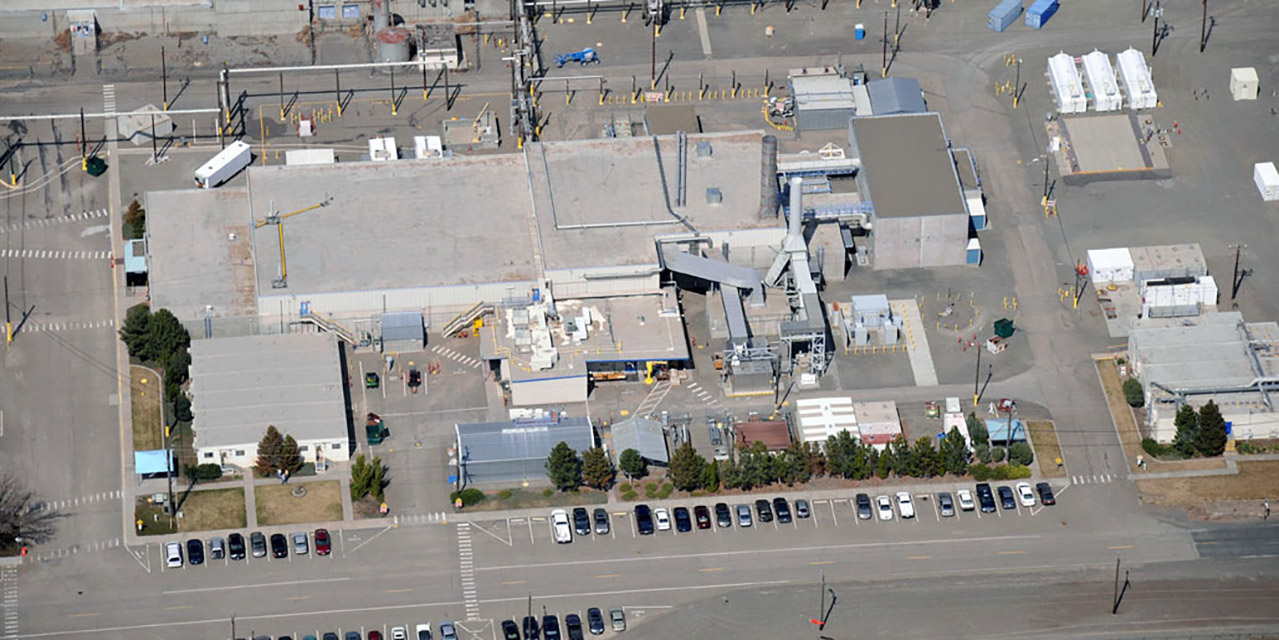
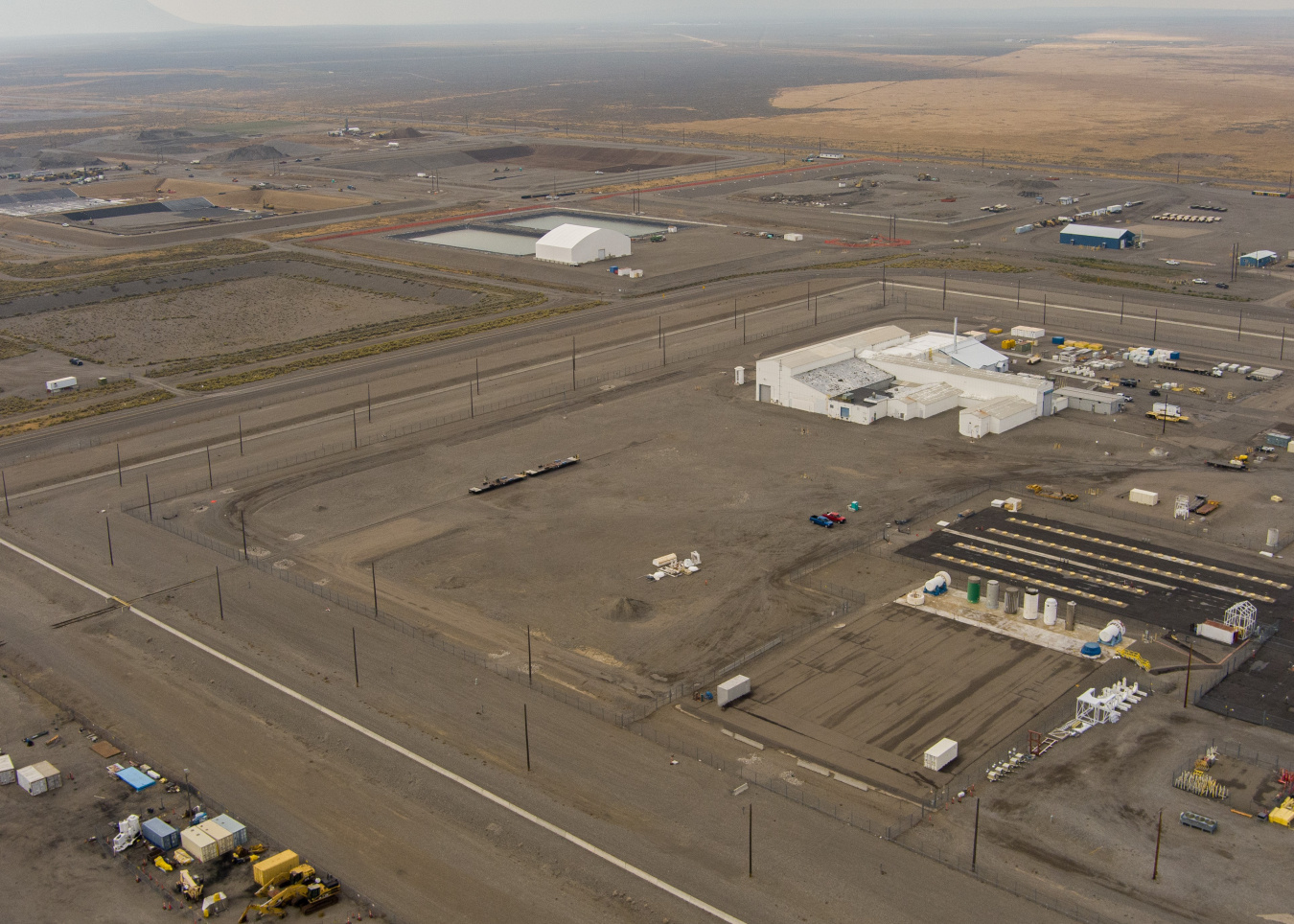
The Hanford 222-S building. (Photo: DOE)
The Department of Energy’s Office of Environmental Management issued a draft request for proposals on June 25 for the Hanford Site’s 222-S Laboratory contract. The 222-S Laboratory is the primary on-site laboratory for analysis of highly radioactive samples in support of all projects at the DOE’s Hanford Site in Washington state.
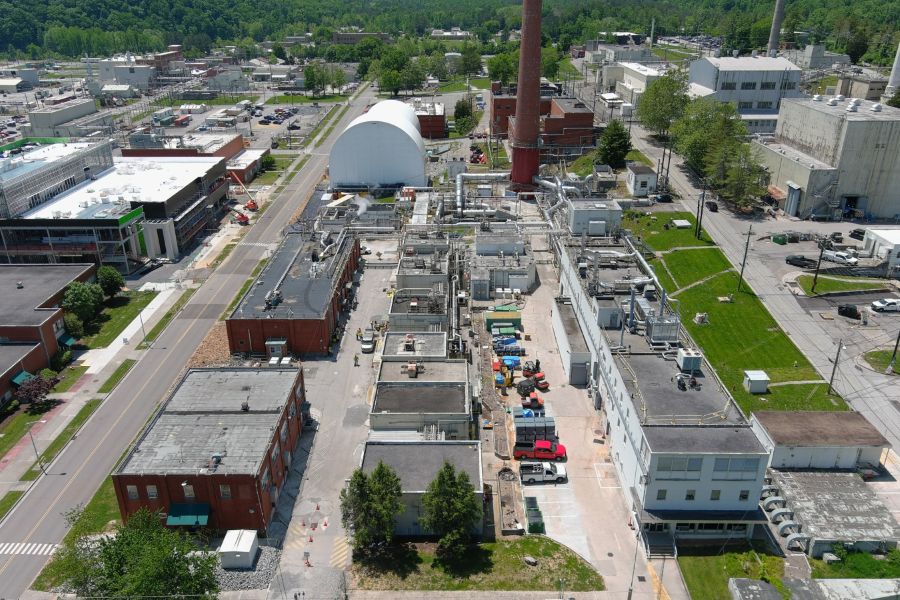
An aerial view of the 10 facilities of Isotope Row, located in the heart of ORNL. (Photo: DOE)
Having completed deactivation work, the Oak Ridge Office of Environmental Management (OREM) is set to begin demolition in July of a cluster of highly contaminated buildings at Oak Ridge National Laboratory in Tennessee, the Department of Energy’s Office of Environmental Management announced this week.
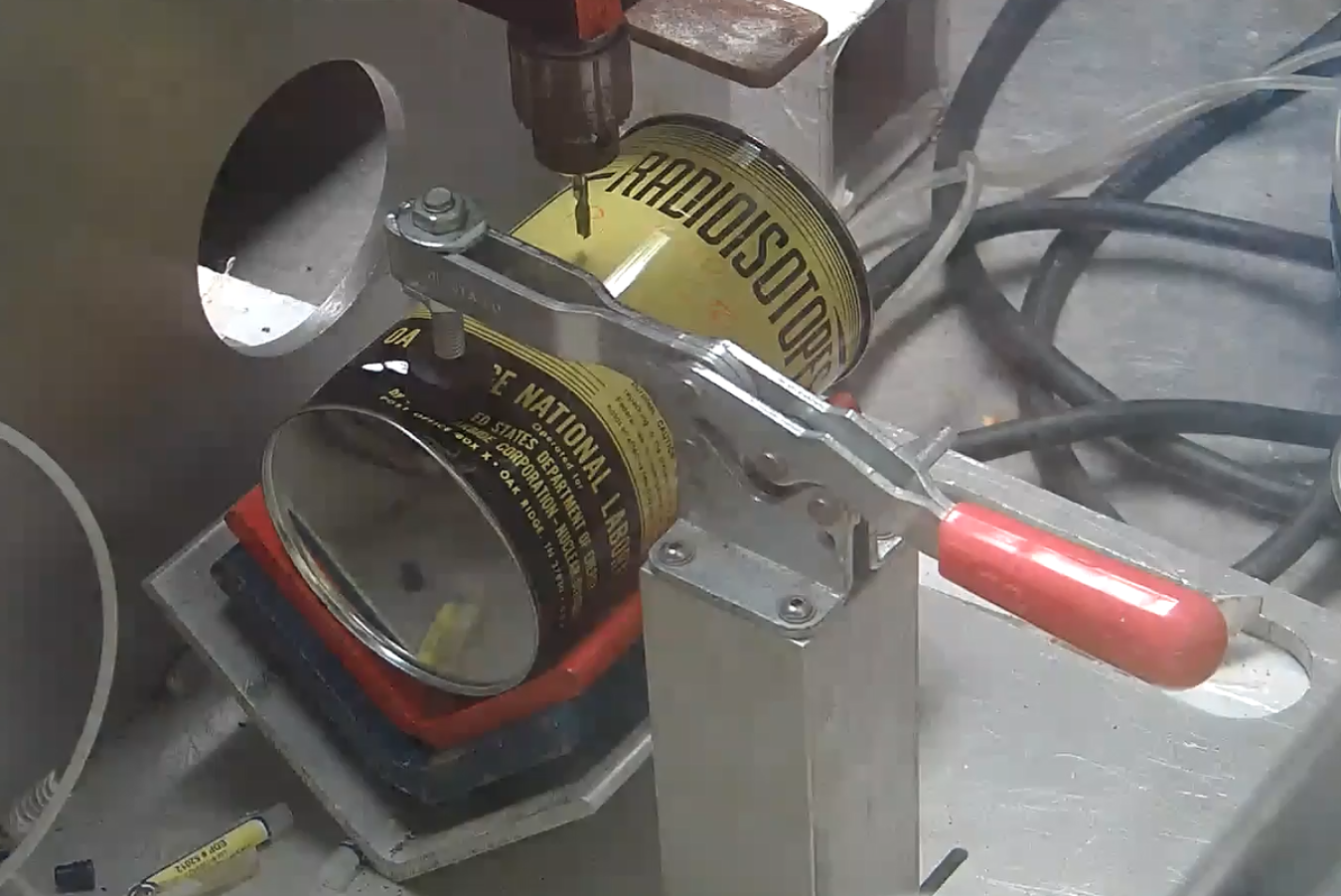
A canister of legacy oxide waste generated from previous research and development activities at ORNL is vented in a glovebox prior to being packaged for disposal. (Photo: DOE)
The Department of Energy’s Oak Ridge Office of Environmental Management and cleanup contractor United Cleanup Oak Ridge have surpassed their first-year target for processing legacy oxide waste at the site’s Transuranic Waste Processing Center (TWPC), reaching the milestone four months ahead of schedule.
Participants in the 13th U.S.-Japan Technical Meeting of the Civil Nuclear Energy Research and Development Working Group included, from left, officials from the JAEA; the Ministry of Education, Culture, Sports, Science, and Technology; DOE-EM; and the Ministry of Economy, Trade, and Industry. (Photo: DOE)
Officials with the Department of Energy’s Office of Environmental Management discussed spent nuclear fuel recycling and conditioning with counterparts from Japan during the 13th U.S.-Japan Technical Meeting of the Civil Nuclear Energy Research and Development Working Group, held recently in Santa Fe, N.M.
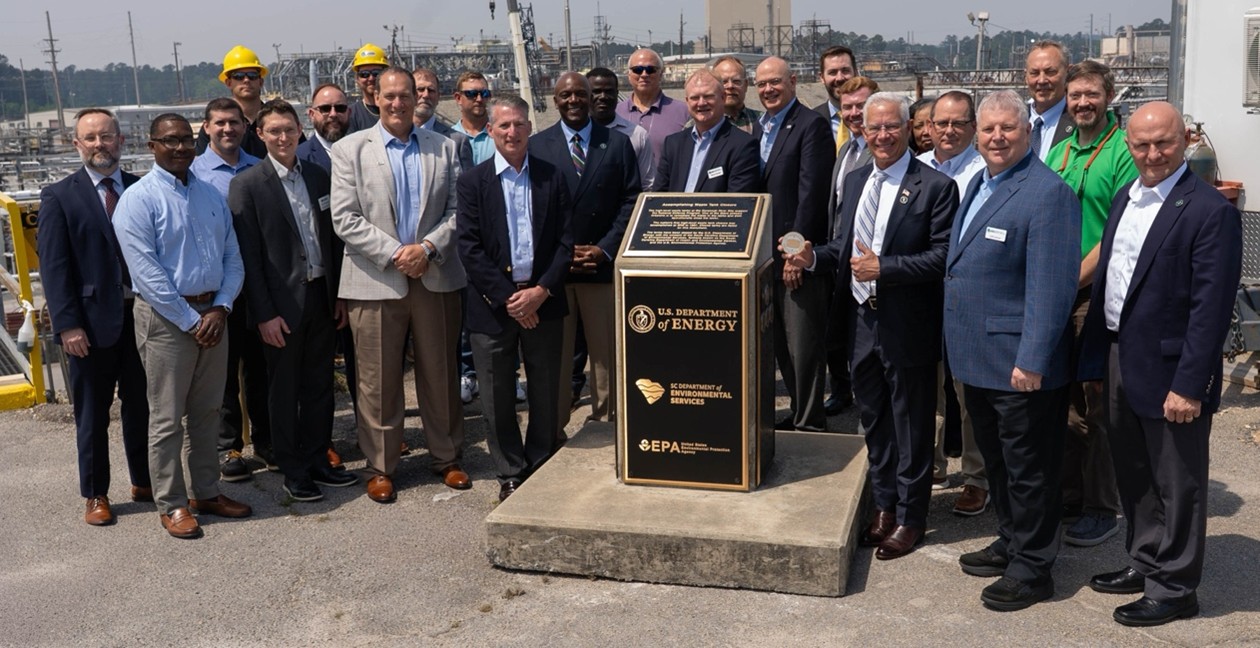
DOE Assistant Secretary Tim Walsh (right, holding medallion) and Principal Deputy Assistant Secretary Joel Bradburne (right, back row) joined senior managers from the DOE’s Savannah River Operations Office and Savannah River Mission Completion and other personnel who contributed to the milestone to commemorate Tank 14 reaching preliminary cease waste removal. (Photo: DOE)
The Department of Energy’s Office of Environmental Management has received concurrence from regulators that Tank 14 at the Savannah River Site has reached preliminary cease waste removal (PCWR) status after radioactive liquid waste was successfully removed from the tank. PCWR is a regulatory milestone in the closure of SRS’s old-style waste tanks, which were built in the 1950s to store waste generated by the chemical separations of plutonium and uranium.
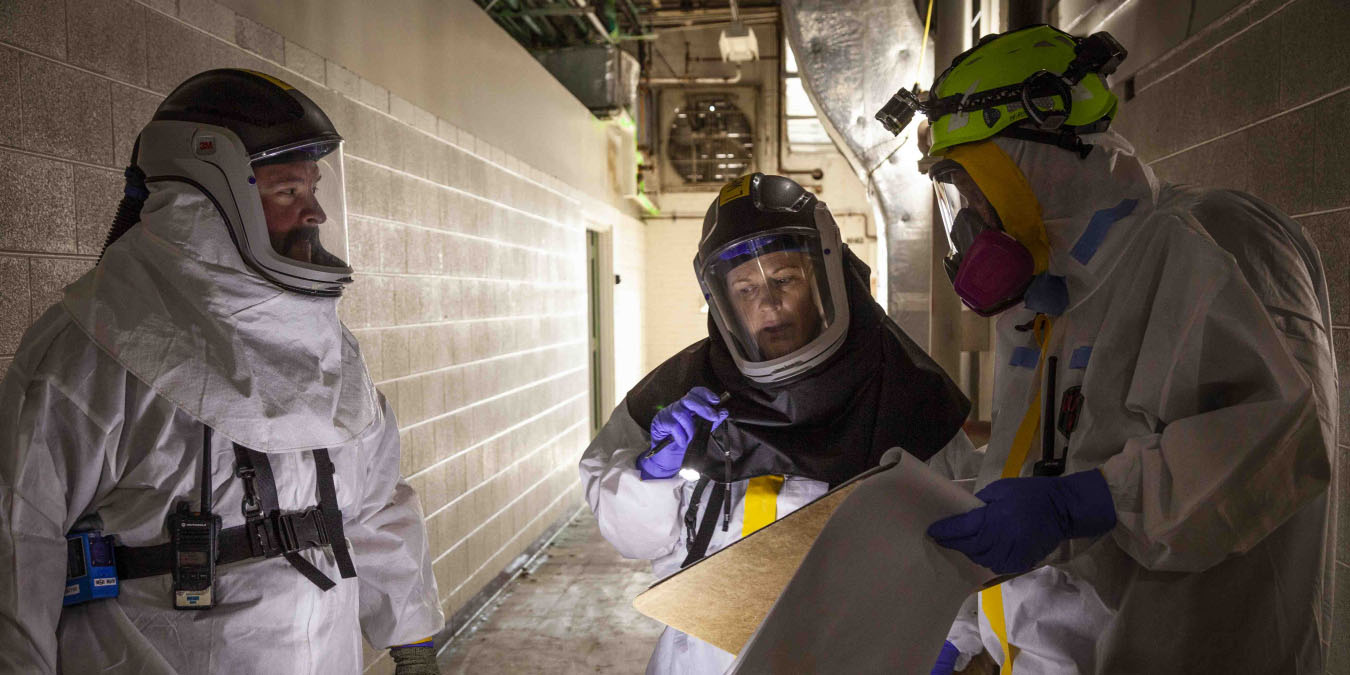
Oak Ridge crews discuss isolating electricity to get the Beta-1 building to the “cold and dark” stage before deactivation can safely begin. (Photo: DOE)
The Department of Energy’s Office of Environmental Management announced that its Oak Ridge Office of Environmental Management (OREM) is setting a new benchmark in cleanup progress at the Tennessee nuclear site—conducting demolition of two former Manhattan Project–era uranium enrichment facilities in a single year.
The Idaho Cleanup Project is scheduled to construct an estimated 15,000-square-foot staging facility at INTEC, shown above, to store overpacked spent fuel. (Photo: DOE)
The Department of Energy’s Office of Environmental Management has announced that its Idaho Cleanup Project (ICP) recently received department approval for the conceptual design for a spent nuclear fuel staging facility project at Idaho National Laboratory.
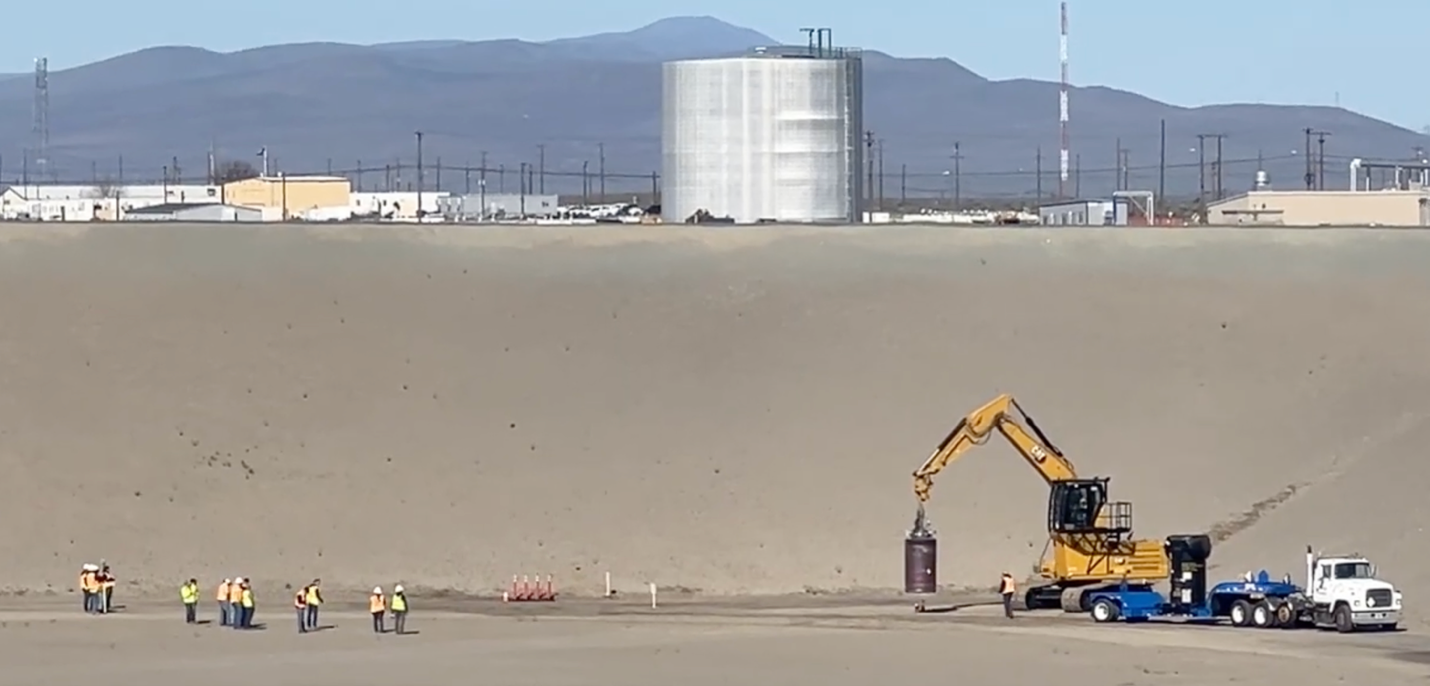
A container of vitrified waste is placed in Hanford’s on-site LLW landfill. (Image: DOE)
The Department of Energy’s Office of Environmental Management announced that it has begun the permanent disposal of the first containers of vitrified low-level radioactive tank waste at the Hanford Site near Richland, Wash., marking a pivotal step in the nation’s radioactive tank waste cleanup mission.
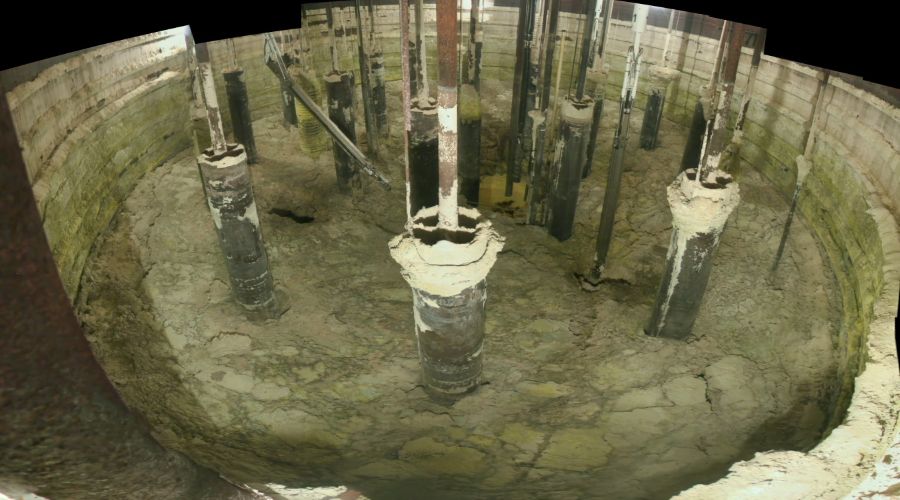
A photo from inside the AX-101 underground waste tank at the DOE’s Hanford Site in Washington. (Photo: DOE)
A clearer definition of what constitutes high-level radioactive waste could save the Department of Energy’s Office of Environmental Management “tens of billions of dollars” in waste management costs and accelerate its cleanup schedule by decades, according to a report by the U.S. Government Accountability Office.
DOE-EM’s efforts to manage waste resulting from legacy spent nuclear fuel reprocessing have been hindered for decades by the ambiguity of the statutory definition of HLW as laid out in the Atomic Energy Act and Nuclear Waste Policy Act, the report states. While admitting that the DOE has taken steps to overcome this ambiguity, the GAO says that the department has not fully evaluated all available opportunities to treat and dispose of waste more economically as either transuranic or low-level radioactive waste.
Participants join a conference at Argonne National Laboratory. (Photos: DOE/ANL)
Argonne National Laboratory, located in Lemont, Ill., outside of Chicago, continues to develop a U.S. Department of Energy Packaging University Summer Institute by leveraging the laboratory’s educational resources and workforce development opportunities that support STEM (science, technology, engineering, and mathematics). The institute will be open to both professionals in the nuclear packaging field and highly qualified graduate university students who are recommended by their advisors.
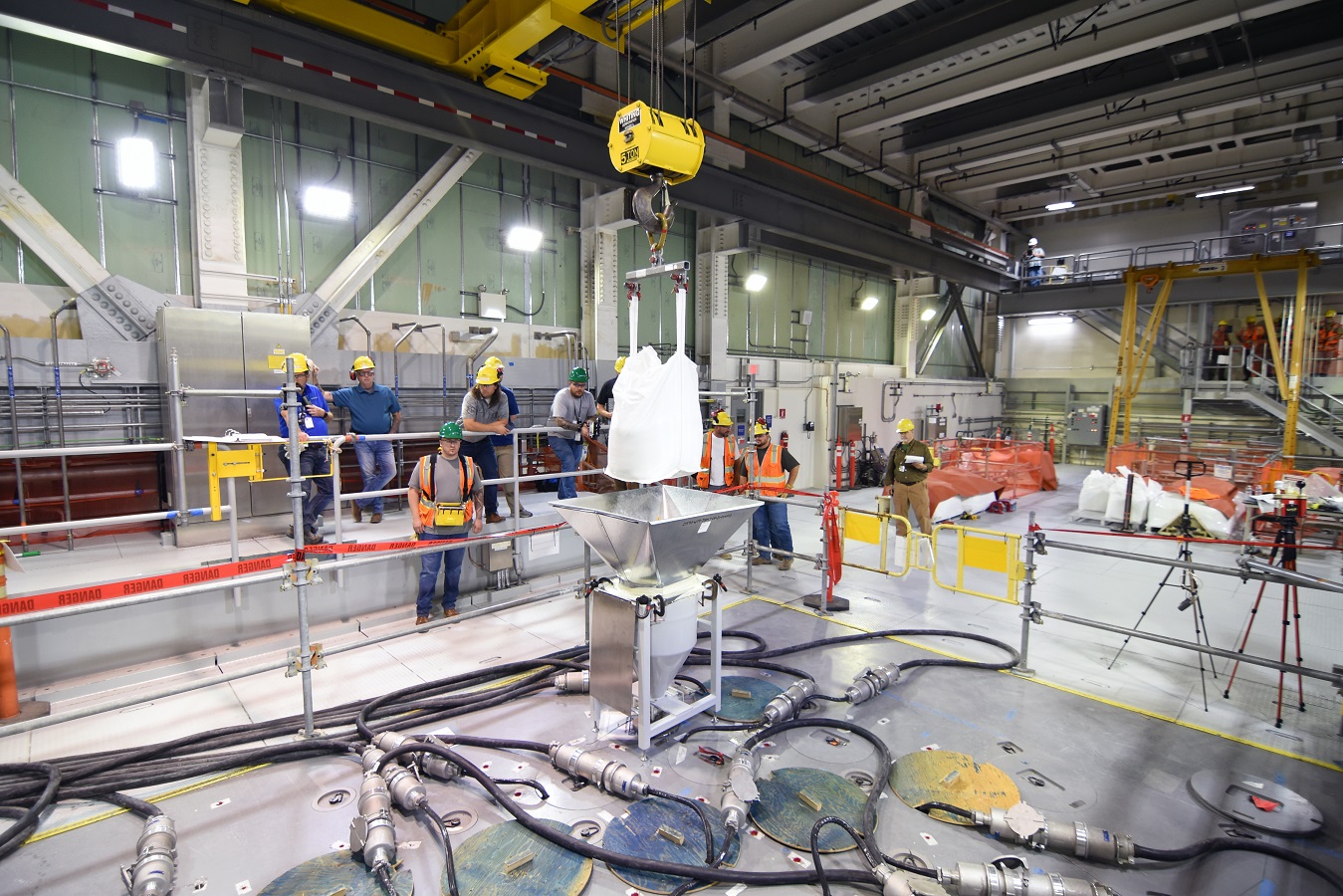
Hanford Site workers begin vitrification operations at the Low-Activity Waste Facility, part of the Waste Treatment and Immobilization Plant. (Photo: DOE)
The Department of Energy’s Office of Environmental Management faces significant cost increases, schedule delays, and data management issues in completing nuclear waste cleanup projects, according to a new report from the U.S. Government Accountability Office.
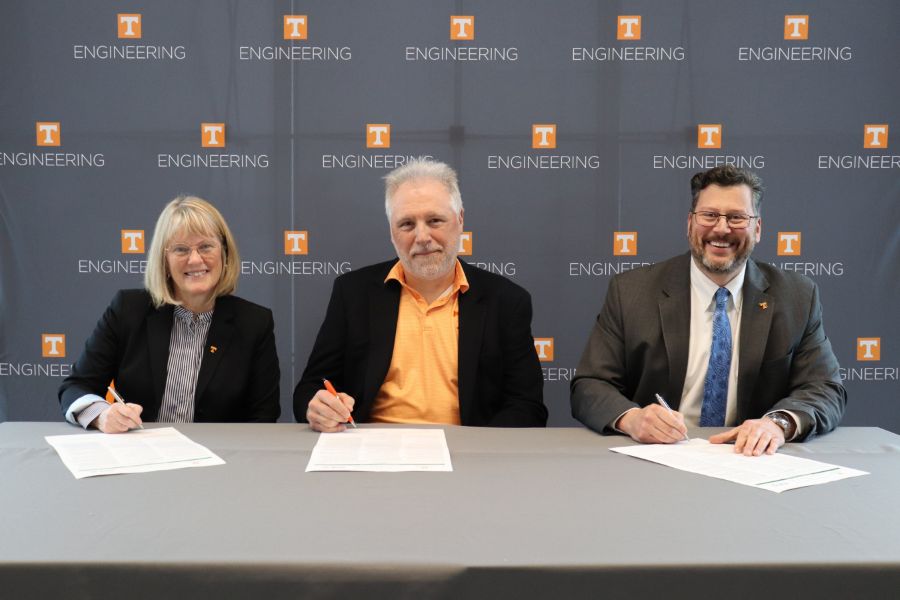
From left, UT vice chancellor for research Deborah Crawford, UCOR president and CEO Ken Rueter, and Tickle College of Engineering dean Matthew Mench sign an expanded MOU. (Photo: DOE)
The Department of Energy’s Office of Environmental Management announced that Oak Ridge Office of Environmental Management contractor United Cleanup Oak Ridge recently expanded its partnership with the University of Tennessee to provide learning opportunities for nuclear safety specialists supporting DOE-EM’s cleanup mission.