
Impressions from the IAEA General Conference
Craig Piercy
cpiercy@ans.org
There are worse places to be than Vienna, Austria, in the early fall. The place has an old-world vibe for sure. The U-Bahn doesn’t have turnstiles; it runs on the honor system. People take care to dress up before they amble down the Kärntner Strasse, the city’s main shopping district.
Every September, a little further north, 3,000 delegates from around the world, along with 200 representatives from nongovernmental organizations, descend on the Vienna International Center of the United Nations—the VIC, for short—for the International Atomic Energy Agency’s General Conference. Attendees ply its curving hallways and attend side events, engage in meetings on the margins, and tour the national booth displays.
Inside the large, purpose-built plenary hall, a seemingly endless procession of national speakers, each allotted seven minutes (with flashing red digits to let all know who’s run over time), tout their nation’s achievements in nuclear technology and express its views on nuclear matters of any sort. As an accredited NGO, ANS has a desk in the plenary complete with microphone and wireless translation headset. An IAEA plenary is a highly scripted affair—one that looks boring at first glance, but once you put the headphones on and get acclimated to the vagaries of real-time translation, a coherent and interesting picture starts to emerge.
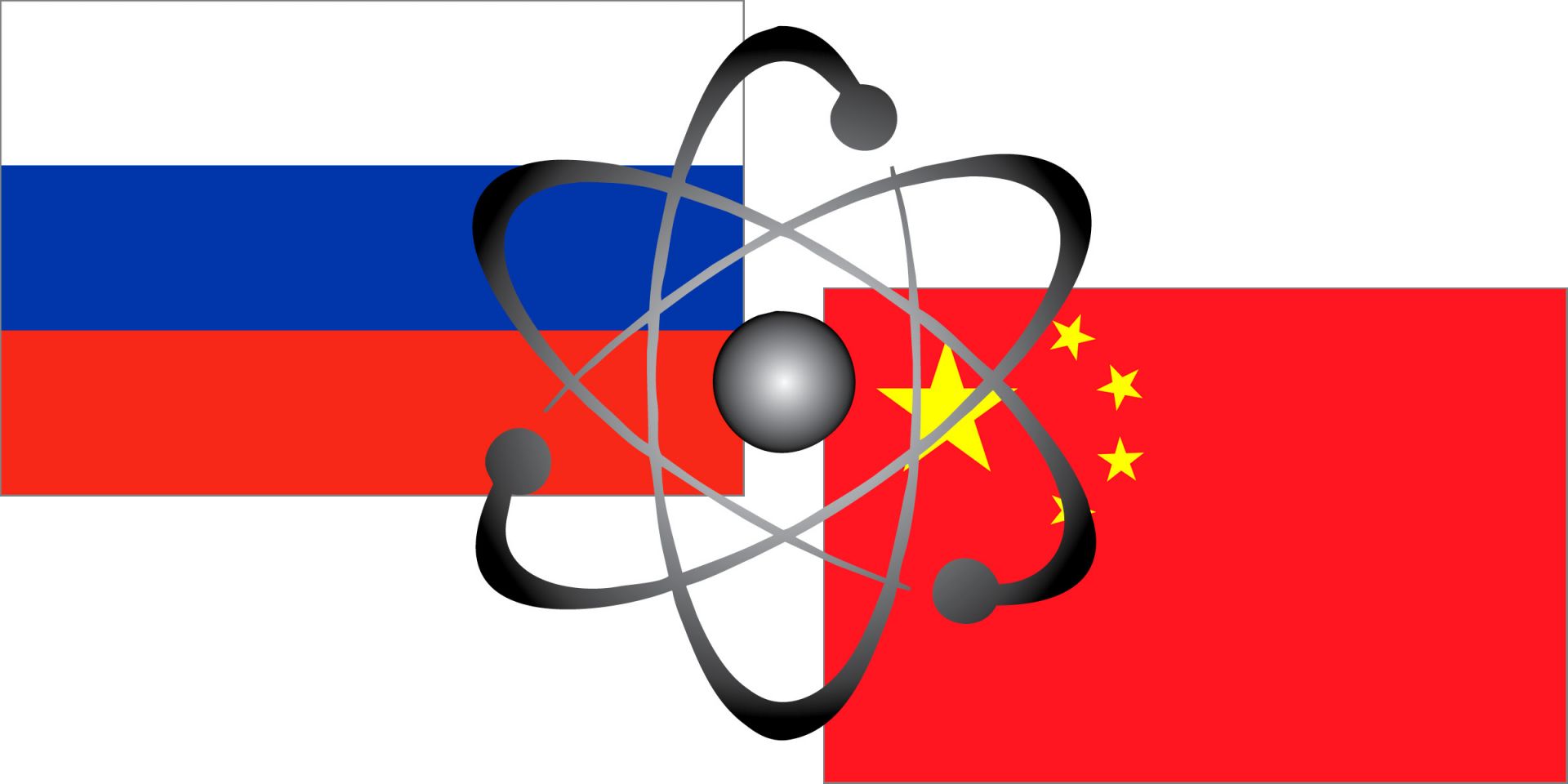
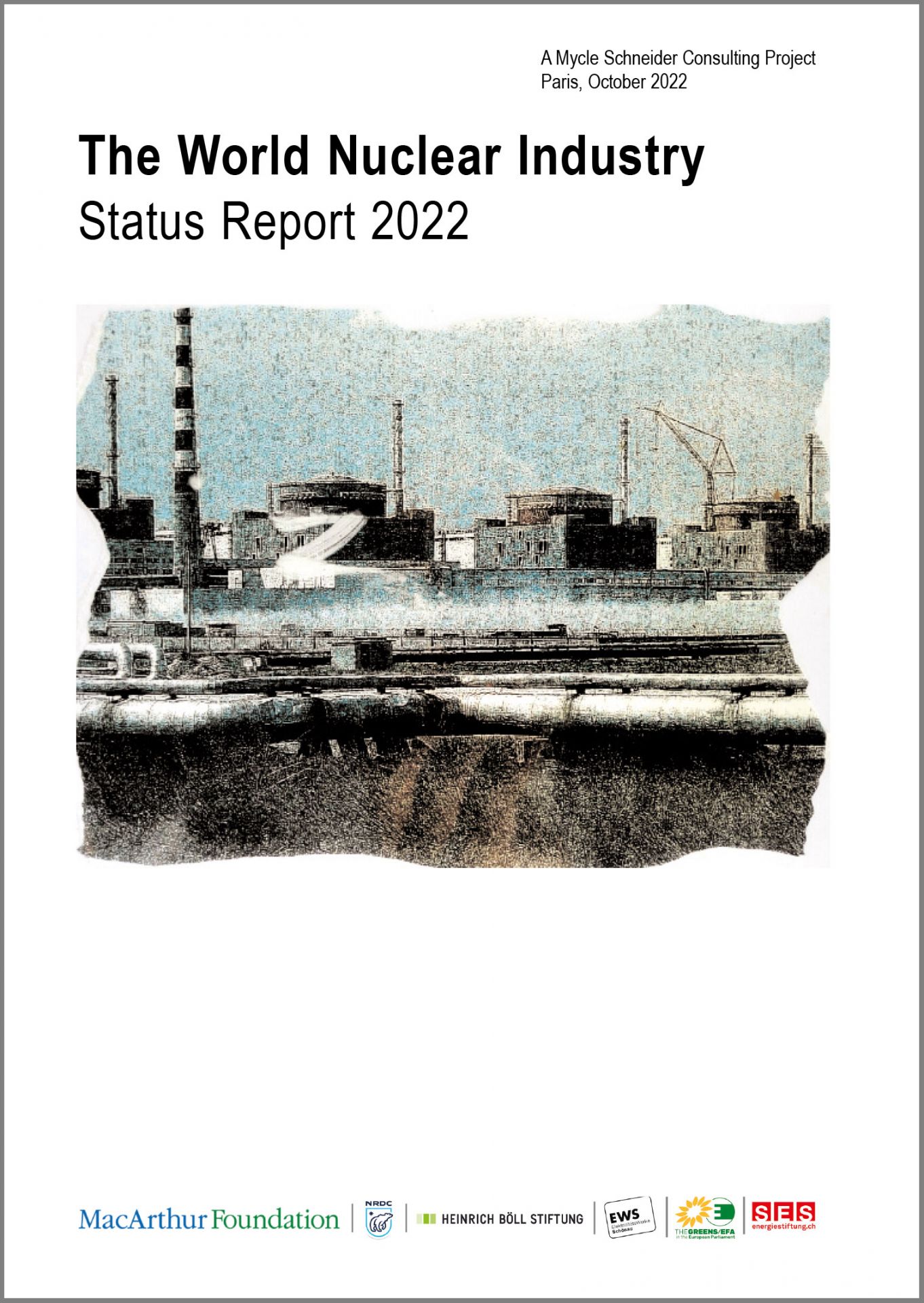 A picture of the state of the global nuclear energy industry has been painted in a
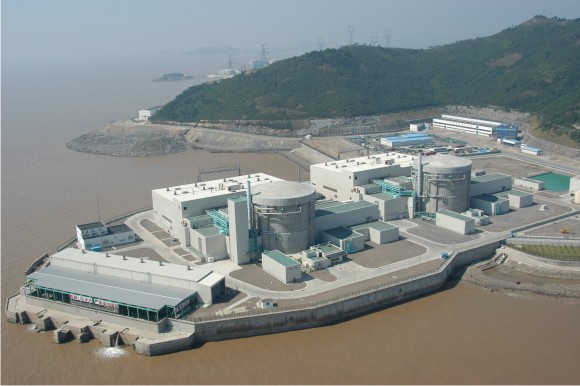
 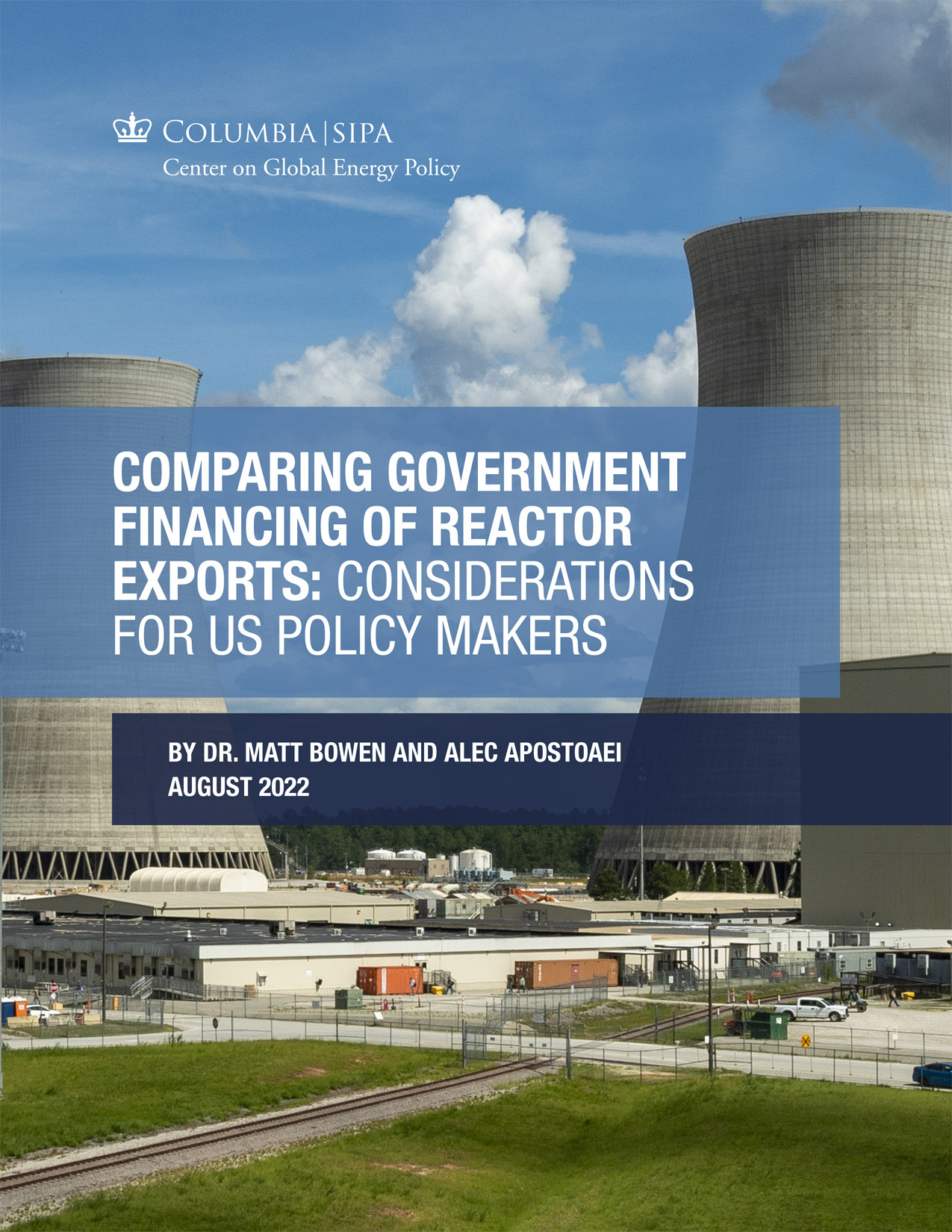 As energy security and environmental concerns prompt some countries to increase their reliance on nuclear energy or become first-time adopters of the technology, the U.S. government must decide whether it will offer financing for reactor exports—a move that poses financial risks but could create jobs, address global climate and energy security challenges, and limit Chinese and Russian influence. A new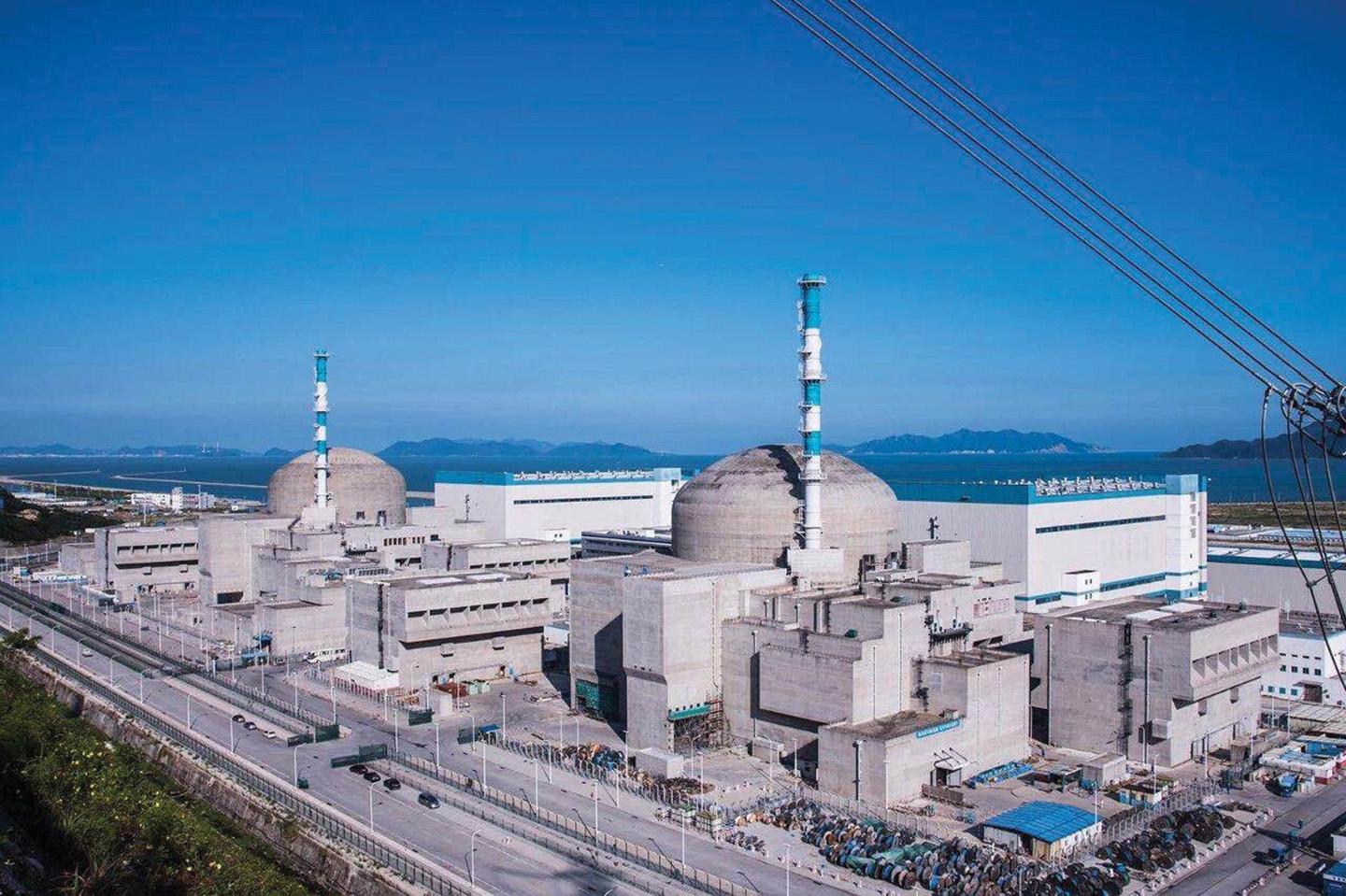
 Nuclear power is an important component in the fight against climate change, but independent regulation is needed to gain the public’s---and governments'---trust, according to a March 6 article in The Economist, “