
The cost of unreliability
October 13, 2020, 12:00PMANS News

Mary Lou Dunzik-Gougar
In the September issue of Nuclear News, I asked if you’ve ever wondered why nuclear isn’t commonly considered the choice for clean power production. In that column and in August’s, I provided some information about the cleanliness and safety of nuclear for your use as you make the case for this clean energy source to friends and neighbors. This month, let’s talk reliability.
To continue reading, log in or create a free account!
Tags:
Share:



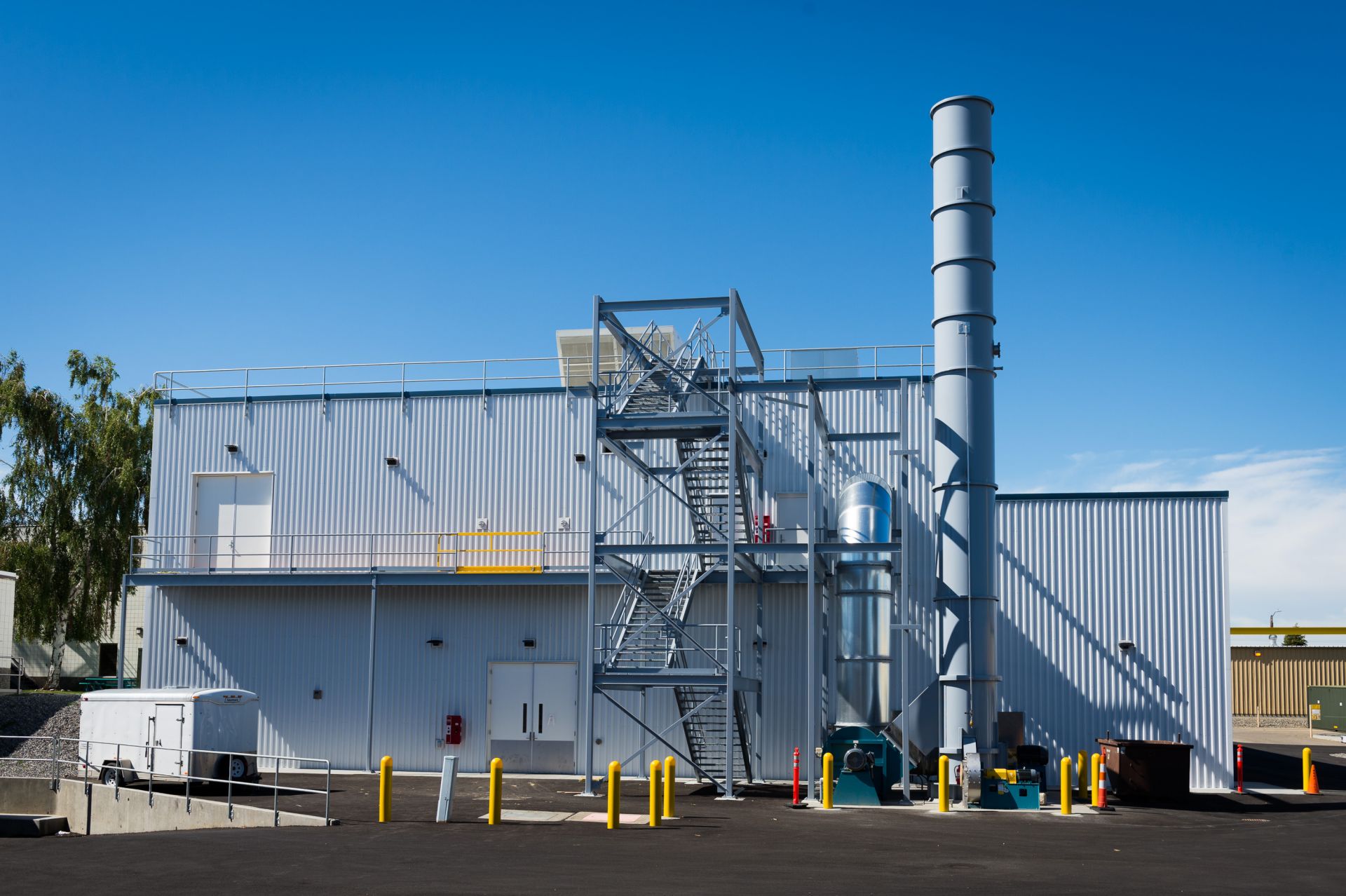
 On March 9, the Department of Energy’s Office of Environmental Management (EM) released its first strategic plan in several years. Titled “A Time of Transition and Transformation: EM Vision 2020-2030,” and called the Strategic Vision1, the document outlines the past accomplishments in cleaning up legacy nuclear waste and provides a broad overview of the initiatives that EM plans to put into motion over the next decade, “laying the groundwork for a long-term plan to realize meaningful impact on the environmental cleanup mission.”2
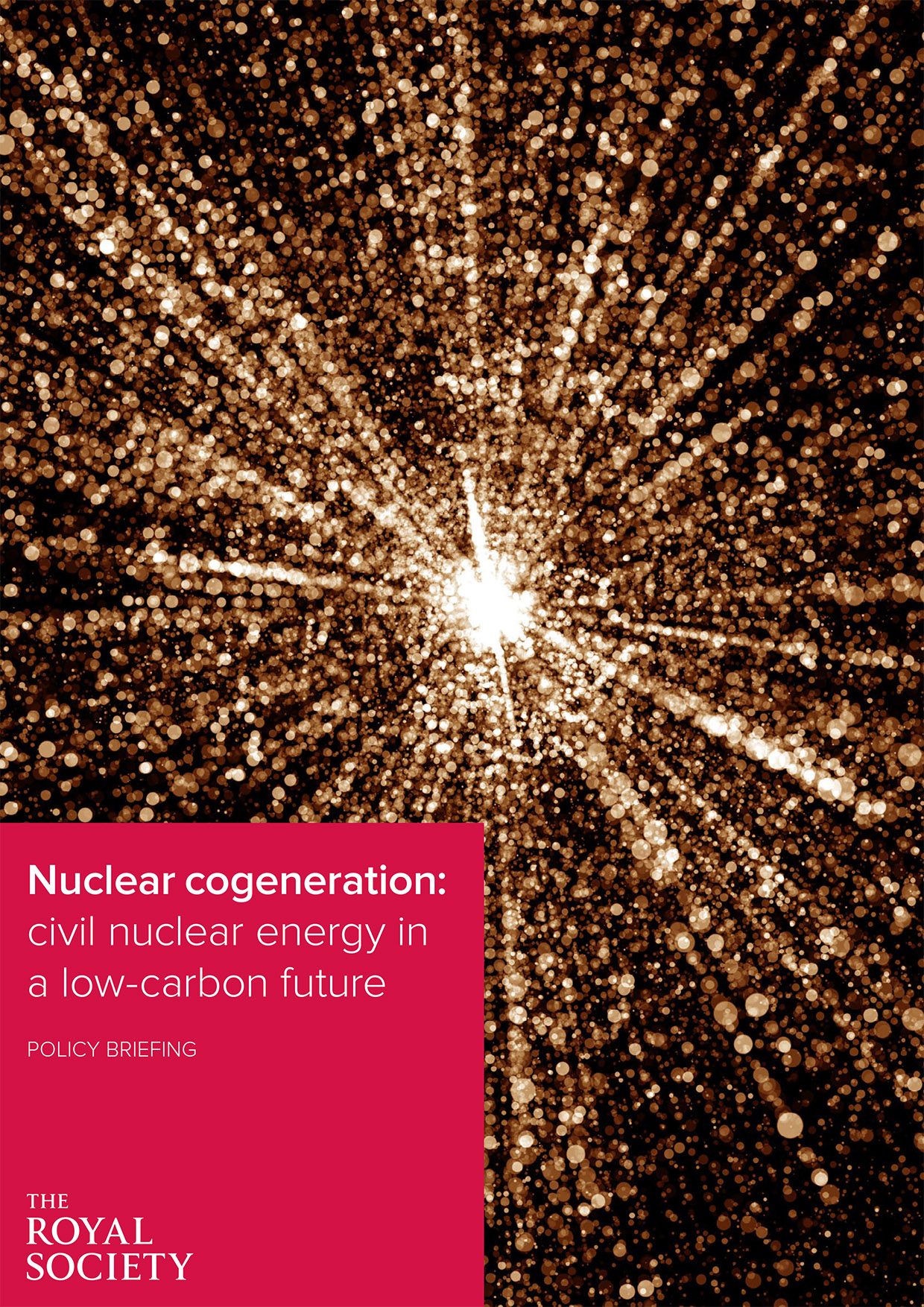 The future of nuclear energy is in cogeneration, according to a policy briefing released on October 7 by the United Kingdom’s Royal Society. (The equivalent of the United States’ National Academy of Sciences, the Royal Society, founded in 1660, is the oldest scientific institution in continuous existence.)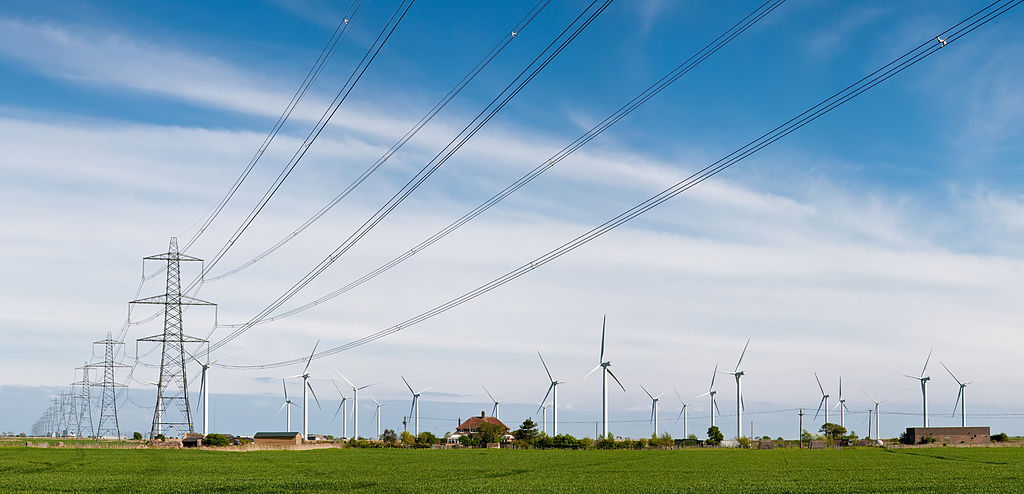



 A recently published paper on clean energy policy for economic recovery calls for the preservation of the current U.S. nuclear reactor fleet and the deployment of advanced nuclear technologies.